Pilates: one small trial, with real problemsMixed evidence
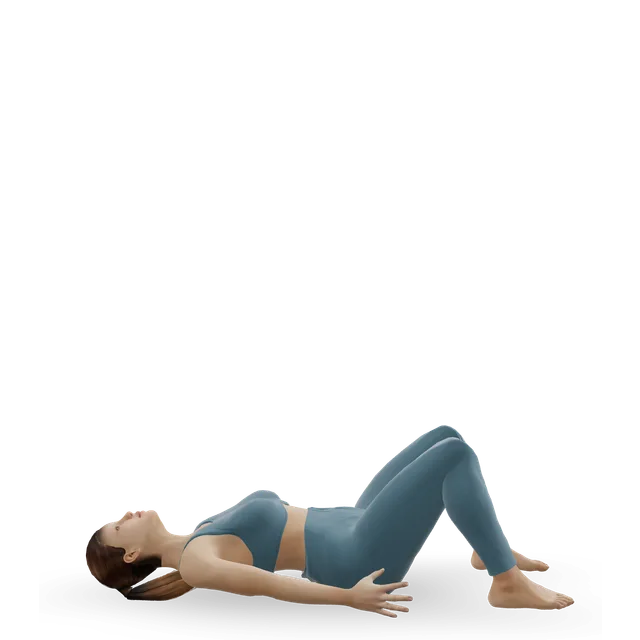
In the only randomised trial, 40 women aged 18 to 35 with TMD all wore a night-time splint for 15 weeks, and half also did Pilates twice a week (30 classes of 50 minutes, up to 4 people, taught by a physiotherapist). A jaw function score (0 to 5) fell from 1.8 to 0.8 with Pilates, against 2.1 to 2.2 without. Neck pain, back pain, posture and postural habits didn't change in either group.
Its problems are serious. 11 of 40 (28%) dropped out, and their starting scores were carried forward; the Pilates group came to 19 of 30 classes on average and started with milder symptoms. The paper gives the study period as 2016 but says the classes ran from August to November 2017. Jaw pain, the main result in its registration, is said to be reported elsewhere, and we couldn't find it. The journal isn't in PubMed, the main medical database. Read it as a weak signal, not a reason to choose Pilates.
Sources 4, 16, 17
A pilot, and three trials without resultsMixed evidence
In a 30-person pilot, manual therapy plus home exercise did better than a Pilates-based core programme plus home exercise for head posture, and better than no treatment for jaw function; both active groups had less pain over time. We could read only the abstract, which gives no numbers. Three more Pilates trials in TMD or teeth grinding are registered and haven't reported results.
Sources 5, 18, 19, 20
Core training added nothing clearMixed evidence
Adding core stability training to jaw exercises gave no clear extra benefit in one trial, whose groups differed in age by 15 years. Neck core exercises were "as effective as" a standard set of jaw exercises in 59 women, and adding neck stabilisation training to education and home exercise eased pain at rest only, in 30 young adults.
Sources 21, 22, 23
What the 2023 guideline recommendsStrong evidence
For jaw pain lasting 3 months or more, the BMJ guideline strongly recommends CBT (with or without biofeedback or relaxation), hands-on jaw mobilisation by a therapist, trigger point therapy, supervised posture exercise, supervised jaw exercise and stretching, and usual care with home exercises, stretching, reassurance and education. It recommends against reversible splints, relaxation therapy on its own and biofeedback on its own, conditionally.
In the analysis behind it (153 trials, 8,713 people), CBT with biofeedback or relaxation, and jaw mobilisation, each gave an important pain reduction to about 36 more people in 100 than a placebo or sham; supervised jaw exercise and stretching gave the biggest gain in jaw function (43 more in 100, moderate certainty). Two corrections to that paper have been published, in 2024 and 2026; we couldn't read them, so these figures are as its abstract gives them. Pilates isn't among the treatments tested.
Sources 6, 7
Jaw exerciseEmerging evidence
Across 16 trials (812 people), jaw exercise reduced pain by a moderate amount and improved how wide people could open. Another review of 6 trials found moderate short-term pain relief and better range, but not clearly better function. Overall quality is low, and most results are short term.
Sources 24, 25, 26
Posture training and the neckEmerging evidence
In 60 people, posture training plus self-care cut TMD symptoms by 41.9%, against 8.1% with self-care alone, at 4 weeks, and neck symptoms by 38.2% against 9.3%. Neck-focused rehabilitation reduced jaw muscle pain in the short term across 7 trials, and neck manipulation and exercise reduced pain across 14.
Across 21 studies, people with TMD had less endurance in the muscles at the back of the neck and less turning at the top of the neck, but "their cranio-cervical posture is similar to individuals without TMD"; an earlier review called the link with posture "still controversial and unclear". So the neck work seems to matter more than the shape.
Sources 8, 27, 28, 9, 29
Exercise beyond the jawMixed evidence
A 2025 review of 12 studies found that jaw exercise and whole-body exercise (aerobic, core, relaxation and posture work) "may improve" activity and quality of life, with very low confidence; none of the studies was Pilates. A Cochrane review of exercise for TMD is under way but not yet published.
Sources 30, 31