Yoga flows
Yoga for TMJ and jaw tension: a 20-minute jaw, neck and breath class
For a sore, tight or clicking jaw, or if you clench your teeth when you're stressed. Keep your jaw in its rest position throughout: lips together, teeth slightly apart, and the tip of your tongue resting lightly on the roof of your mouth, just behind your top front teeth. The class uses slow breathing, gentle neck and shoulder moves, upper-back work and a long rest, and leaves out wide mouth opening, lion's breath and anything that presses on your chin. It isn't a treatment on its own: for jaw pain that lasts, exercise, hands-on treatment and CBT have the best evidence, and our jaw pain guide has the jaw exercises.
Settle, sitting (3 minutes)
- Beginner · 3D demoJaw rest position: lips together, teeth apart, tongue on the roof of your mouth. Hands on your tummy; let it rise as you breathe inEasier: Breath reachHarder: Crocodile breathing (prone diaphragmatic breathing)

Neck, sitting (5 minutes)
- Chin tuck8 to 10 reps, holding 3 to 5 sBeginner · Neck · 3D demoSlide your head straight back, eyes level; teeth stay apartEasier: Lying chin tuckHarder: Isometric neck holds (four-way)
- Neck CARs (controlled articular rotations)Nods, tilts and turns, each held 5 s, 5 timesBeginner · Neck · 3D demoOne direction at a time rather than circles, well within comfortHarder: Rabbit pose (Sasangasana)
- Shoulder rolls10 each wayBeginner · Shoulders, Back, Neck · 3D demoLet your jaw hang softHarder: Shoulder CARs (controlled articular rotations)
- Upper trap release2 holds of 30 s each sideBeginner · 3D demoLet the weight of your head do the stretch; don't pullEasier: Side neck stretch




Upper back, standing (4 minutes)
- Doorway chest opener2 holds of 30 sBeginner · Chest, Shoulders · 3D demoElbows at or below shoulder height; breathe slowlyEasier: Elbows backHarder: Fish pose (Matsyasana)
- Wall angel8 slow slidesBeginner · Back, Shoulders · 3D demoA small range is fine; ribs soft, chin levelEasier: Table slide (seated forward reach)Harder: Prone Y-T-W raises
- Thoracic rotation6 each sideBeginner · 3D demoTurn from your ribs, moving with your breathEasier: Side-lying open bookHarder: World's greatest stretch



Floor (2 minutes)
- Cat-cow8 wavesBeginner · Back, Abs · 3D demoSlower than feels natural; teeth apart, jaw looseHarder: Half lord of the fishes (Ardha Matsyendrasana)
- Beginner · Back, Shoulders, Glutes · 3D demoForehead on a block or stacked fists, so your face and jaw aren't pressed into the matHarder: Extended puppy pose (Uttana Shishosana)


Rest (5 minutes)
- Beginner · 3D demoA pillow under your head. Notice your forehead, eyes, jaw, tongue and shoulders one at a time, and let each soften

Tips
- Every time you notice your teeth touching, go back to the rest position: lips together, teeth apart, tongue on the roof of your mouth.
- No lion's breath, big yawns or wide-open stretches. If you yawn, support your chin with your hand.
- For the jaw exercises themselves, such as guided opening, use the written steps on our jaw pain guide; they should be pain-free.
- Jaw pain with chest pain, breathlessness or sweating: call 999. A jaw stuck open that you can't move: get emergency care through NHS 111.
- If the pain lasts beyond about 3 months, ask about a physiotherapist or CBT: they have the best evidence.
- Grinding your teeth at night? See a dentist.
The doses are suggested starting points, not a prescription. Choose a range you can control and stop for sharp or increasing pain, numbness or tingling. Get individual advice after an injury or surgery, or if you are pregnant or managing a health condition.
Guides that recommend it
Find more moves like these
More yoga flows


Beginner yoga flow
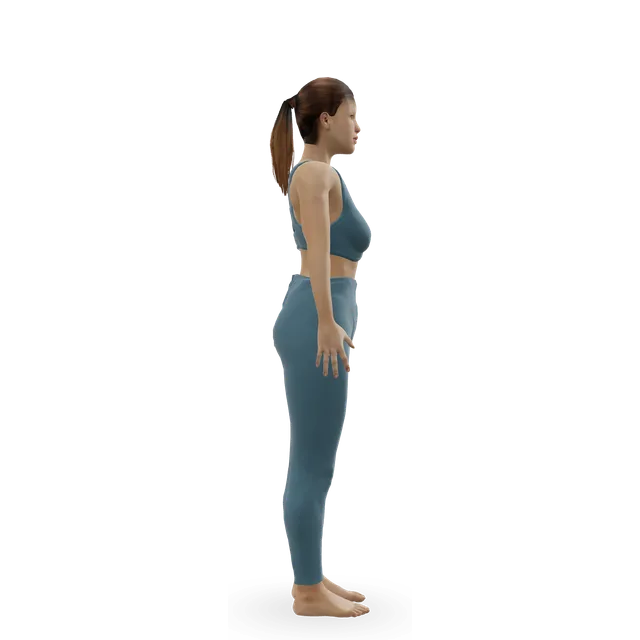
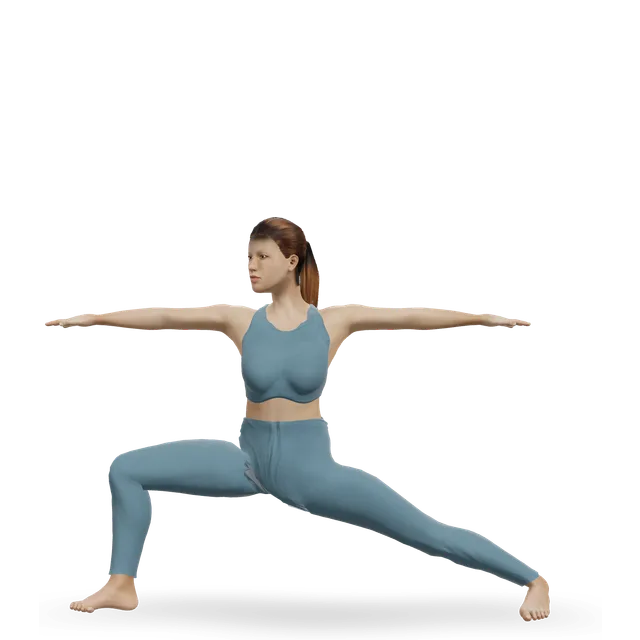
A 20-minute beginner yoga sequence: mountain, chair, warrior II, triangle, tree, down dog, cobra and child's pose.
20 minBeginner11 movesA step

Sun salutation flow
A 20-minute flow built on sun salutations A and B, with warrior poses and a short cool-down.
20 minIntermediate8 movesNo equipment


Yoga for tight hips
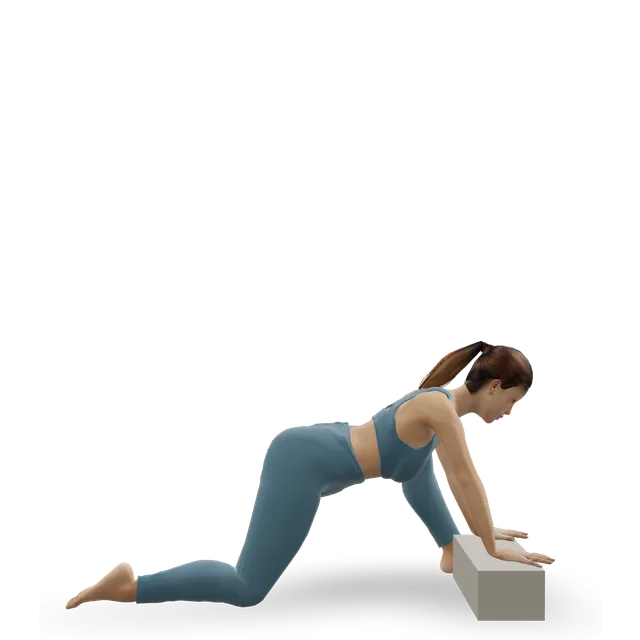
A hip-opening yoga sequence: low lunge, lizard, goddess, pigeon, bound angle and happy baby.
25 minBeginner10 movesA wallQuestions people ask
How long does the yoga for tmj and jaw tension: a 20-minute jaw, neck and breath class take?
About 20 minutes, including any warm-up and cool-down listed. Shorten it by doing fewer rounds; lengthen it by adding one.
What equipment do I need?
You need: A wall. Each move links to its guide, where you can find an alternative if you are missing something.
Is it suitable for beginners?
It is written for beginners. 6 of its 11 moves have an easier option listed beside them if you need one.
How do I make it easier or harder?
Use the easier or harder option listed under each move, change the number of rounds, or adjust the rest. Progress one change at a time.