Exercise guide

Exercise after a brain injury: fatigue, balance, strength and sport

Exercise after a moderate or severe brain injury, or brain surgery, is recommended by rehabilitation guidelines and has been safe in trials. It builds fitness and strength, helps walking and balance, and may lift your mood, though the trials are small. The right amount depends on your fatigue, your balance and your injury, so start with what you can manage on a low-energy day and build from there.

This guide is for moderate and severe traumatic brain injuries and other acquired brain injuries, such as a brain haemorrhage. Our concussion guide covers mild head injuries, and our stroke guide covers stroke. Your rehabilitation team's advice comes first.

It draws on the National Health Service (NHS), the National Institute for Health and Care Excellence (NICE), the brain injury charity Headway and rehabilitation guidelines, and covers pacing exercise around fatigue, practising balance safely, strength and fitness, seizures and swimming, exercise after brain surgery, contact sport, and the warning signs that need help.

The short version

Exercise is recommended, and has been safe in trials

Australia's 2024 guideline for moderate to severe traumatic brain injury makes strong recommendations for strength training and for practising everyday movements, and weaker ones for aerobic exercise, sport and recreation. No problems from exercise were reported in 8 trials of fitness training. NICE asks rehabilitation teams to build an exercise programme with you.

Sources 1, 2, 3

Fatigue sets the pace

About 85% of 2,400 survivors in a Headway survey said they regularly have fatigue. Plan your activity, break it into chunks and rest before you're exhausted, rather than pushing through and then crashing. NICE still encourages appropriate activity when you have fatigue.

Sources 4, 3

Practise balance with support

Repeating sit-to-stands, reaching and balance tasks improves them. Practise next to a counter or with someone there, and ask about vestibular exercises if your dizziness comes from your inner ear.

Sources 5, 6, 7, 3

Seizures shape a few choices

Seizures are most likely in the first week, but epilepsy can start months or years later. After brain surgery or a brain haemorrhage, swim with someone for the first few months, and if you have seizures, follow our epilepsy guide's rules for the gym and the pool.

Sources 8, 9, 10

After brain surgery, your neurosurgical team sets the timing

One NHS unit's leaflet, written for one kind of operation and past its review date, says light exercise from about 2 weeks, moderate exercise from about 6, and no heavy lifting, straining or weight training for 4 weeks. No UK source sets a date for contact sport: one unit says avoid it after any brain operation, and Oxford's team says about 6 months after a brain haemorrhage, then ask your specialist.

Sources 11, 9, 10

Mood matters too

Depression is common after a brain injury. Across 9 studies, exercise reduced depressive symptoms by a small to medium amount, alongside other support.

Sources 12, 13

Who this guide is for

Acquired brain injury

Headway describes an acquired brain injury as any injury to the brain since birth. It includes a traumatic brain injury (TBI) from a blow to the head, and also a stroke, a brain haemorrhage, a brain tumour and encephalitis. A brain haemorrhage can follow a significant blow to the head or a burst aneurysm, which is a kind of stroke, so our stroke guide may help too.

Source 14

How severity is measured

Headway's guide to how TBI is graded, using the Glasgow Coma Scale (GCS), a score of 3 to 15 for how awake and responsive someone is:

  • Mild: knocked out for less than 30 minutes or not at all, memory loss after the injury for less than 24 hours, and a GCS score of 13 to 15. Our concussion guide covers this.
  • Moderate: knocked out for 30 minutes or more, memory loss for 24 hours or more, and a GCS score of 9 to 12.
  • Severe: knocked out for 30 minutes or more, memory loss for 24 hours or more, and a GCS score of 3 to 8.

Source 15

How common it is

Headway counted 335,409 UK hospital admissions for acquired brain injury in the year to March 2024, about one every 90 seconds, including 123,969 for a head injury and 143,446 for a stroke. Men were 1.5 times as likely as women to be admitted with a head injury.

Source 16

Brain surgery words

In a craniotomy, a piece of skull is removed for the operation and put back. After a craniectomy, it's left out for a while, until another operation (a cranioplasty) repairs the gap, and people are generally advised to wear a helmet when they're up and about.

Sources 17, 18

How a brain injury can change exercise

Movement, stiffness and coordination

Headway lists slow movement, weakness or paralysis down one side, stiff muscles that go into spasm (spasticity) and uncontrolled movement or tremor (ataxia). Falls are more likely, especially in older people. A physiotherapist can suggest exercises and stretches.

Source 19

Balance and dizziness

Headway lists many causes of balance problems and dizziness, including problems with vision, loss of feeling in the feet, and inner ear problems. One of them, benign paroxysmal positional vertigo (BPPV), brings on short bursts of spinning with movements such as lying down or turning over, and can be treated.

Source 7

Fatigue

About 85% of 2,400 survivors in a Headway survey regularly have fatigue. Across 22 long-term studies of TBI, fatigue changed over time and could last a long time.

Sources 4, 20

Seizures

Headway says seizures are most frequent in the first week after a brain injury, and epilepsy can start weeks, months or even years later. In a population study of 4,541 people, the risk of seizures after a severe TBI was 17 times the expected rate (2.9 times after a moderate and 1.5 times after a mild injury).

Sources 8, 21

Mood

In a US study of 559 adults admitted to hospital with a TBI, 53% had major depression at some point in the following year.

Source 12

What the evidence says

Guidelines recommend itStrong evidence

Australia's guideline, built from 128 studies (45 randomised trials), makes strong recommendations, from moderate-certainty evidence, for strength training, including fast "ballistic" movements, and for practising everyday movements such as walking and standing up. Its recommendations for structured aerobic exercise (low certainty), sport and recreation (very low) and encouraging activity (low) are conditional. It found the risks of physical activity minimal.

Source 1

Fitness improvesEmerging evidence

In a Cochrane review of 8 trials (399 people, mostly men in their thirties after a severe TBI), fitness training raised peak power by about 35 watts, from 3 trials and low-quality evidence. Mood and fatigue may improve, but that evidence is very low quality. No adverse events were reported.

Source 2

Walking, balance and quality of lifeEmerging evidence

Across 38 studies of 2,219 people with an acquired brain injury, exercise programmes improved walking endurance, walking speed and quality of life. In moderate to severe TBI, a review of 23 studies (812 people) found most effects uncertain, although balance and mobility improved slightly with activity using virtual reality.

Sources 22, 23

Practising tasks worksStrong evidence

The Scottish Intercollegiate Guidelines Network (SIGN) and a Canadian rehabilitation guideline both recommend repeated practice of tasks such as standing up from a chair, reaching and balance. Both rate the evidence as moderate (grade B and level B).

Sources 5, 6

Mood and quality of lifeEmerging evidence

Exercise reduced depressive symptoms by a small to medium amount across 9 studies, most of them without a control group, and improved quality of life by a moderate amount across 6 studies.

Sources 13, 24

Exercise and spasticityEmerging evidence

SIGN says fitness training can be regarded as safe and acceptable. Some therapists used to avoid it for fear of making muscle tone and spasticity worse, but it hasn't been shown to affect spasticity either way.

Source 5

Where the evidence is thinMixed evidence

The trials are small, mostly in younger men, with short follow-up, and few include older people, women or people who need a lot of support. Benefits beyond fitness are uncertain.

Sources 1, 2

How much, and how hard

NICE

NICE asks rehabilitation teams to develop an exercise and physical activity programme with you, overseen by a physiotherapist or occupational therapist. It should take account of your fatigue, pain and thinking skills, agree how often, how long and how hard you exercise, and include balance, walking and everyday task training where you need it.

Source 3

A Canadian guideline

Guided programmes with aerobic, strength and balance exercise should be offered once you're medically cleared, at home, online or in the community, and their intensity "should not be so high that it interferes" with the rest of your day. It lists regular exercise among the treatments for fatigue and poor sleep.

Sources 25, 26

US neurological physiotherapists

Their fact sheet suggests rhythmic exercise such as walking, cycling or an elliptical trainer, at 60% to 90% of your age-predicted maximum heart rate, for 20 to 40 minutes, 3 to 4 times a week.

Source 27

For everyone with a long-term condition

The UK guidelines for disabled adults: at least 150 minutes of moderate activity a week, where you can talk but not sing, and strength and balance activities on at least 2 days. Even a little movement is better than nothing.

Source 28

Our editorial starting point

This plan is our editorial starting point. On most days, do a short walk or ride you could manage on a low-energy day (5 to 10 minutes), adding a few minutes a week towards 20 to 30 minutes, 3 to 5 times a week, at a talk-but-not-sing effort that leaves energy for the rest of the day. Add strength on 2 or 3 days (sit-to-stands, step-ups, wall push-ups, band rows or machines), and balance practice with support at least 3 times a week. Take a rest day after a harder day, and exercise at your best time of day.

Sources 28, 1, 25, 4, 27

Fatigue and pacing

Boom and bust

Headway says people often push themselves through fatigue to finish an activity, then do too much and collapse with tiredness, or avoid activities altogether for fear of fatigue. Both make things worse and can lower your mood.

Source 4

Pacing

Spread activities out over the day or week rather than doing too much at once. Take short breaks regularly, before you're exhausted, rather than one long break. Prioritise, plan ahead and be organised. NICE lists pacing among the ways to manage fatigue, alongside cognitive behavioural therapy (CBT) and appropriate physical activity.

Sources 4, 3

Exercise and sleep

Headway says exercise can lift your mood and help you sleep more deeply, which may help fatigue. Choose something you enjoy, and avoid exercising late in the evening or within a few hours of bed.

Source 4

Track it

Rate your fatigue from 1 to 10 before and after activities to spot what triggers it and what helps.

Source 4

Other help

A Canadian guideline recommends trying treatments without medicines first, including CBT, morning light therapy and regular exercise. Ask your team to check for things that add to fatigue, such as low mood or medicines, and never change, stop or reduce a medicine without talking to your doctor first, as Headway says.

Sources 26, 3, 7

Balance, dizziness and falls

Practise with support

Headway suggests shifting your weight over your feet, standing on one leg for a little longer each time with someone there or something stable to hold, walking on different surfaces such as grass, and practising walking along a line. Use a rail while your balance improves, and consider a protective helmet while you're still unsteady. NICE includes balance exercises in rehabilitation.

Sources 7, 3

Dizziness

If dizziness comes from your inner ear, NICE says you should be assessed and offered exercises or repositioning treatment. Headway suggests avoiding sudden head movements and turning slowly.

Sources 3, 7

Falls

Headway suggests asking a physiotherapist to teach you how to fall safely, and practising getting up from the floor. Afterwards, the NHS says see a general practitioner (GP) if you've had a fall or you're worried about your balance.

Sources 7, 29

How often

The UK guidelines include balance activities on at least 2 days a week. Our suggestion: a few minutes of balance practice on most days, at least 3 times a week, as our older adults guide suggests for preventing falls.

Source 28

Balance moves

Next to a counter, or with someone there, at least 3 times a week. The side-stepping page's dose is 10 steps each way next to a counter, and the getting up and down from the floor page's is 5 to 8 slow cycles down and up; practise that with someone present the first few times. For sit-to-stands, 2 or 3 sets of 5 to 10 with rests is our editorial starting point.

Fitness

Start with what you can do on a low-energy day. The recumbent bike and elliptical trainer pages' dose is 10 to 20 minutes at a moderate effort to start, building towards 30; the seated march page's is 1 to 2 minutes as a warm-up; and the standing punches page's is 30 to 45 seconds within a circuit, standing or seated. If you have seizures, clip on the treadmill's safety key.

Strength

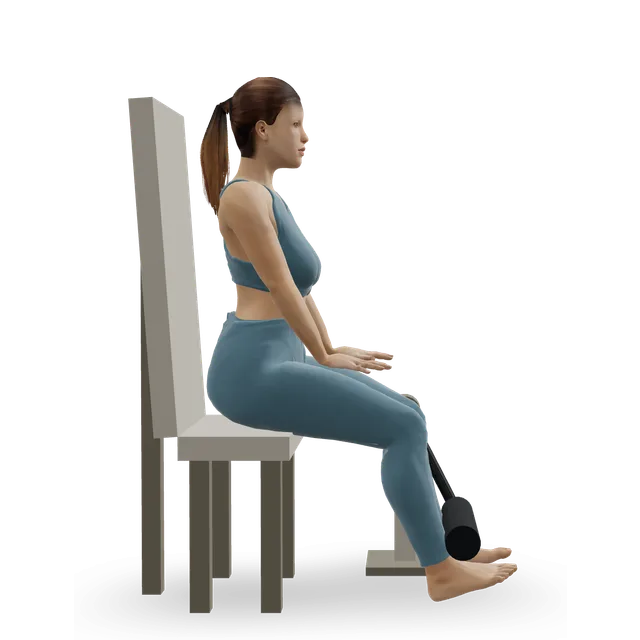
Two or three days a week. Our editorial starting point: 2 or 3 sets of 8 to 12 at a moderate effort. The seated knee extension page's dose is 3 sets of 10 to 15 each leg, 2 to 3 days a week, and the band row page's is 3 sets of 10 to 15, stopping 2 to 3 reps short of failure. Machines need little balance; if you still have seizures, use machines or a spotter for heavy lifts.

Stretching and calm

For stiff muscles, a physiotherapist may suggest stretches. The standing quad stretch page's dose is 20 to 30 seconds, 2 to 4 times each side, and the slow breathing page's is at least 5 minutes, done regularly as part of your daily routine; 30 seconds, 2 or 3 times, for the other stretches is our editorial starting point.

Seizures, swimming and the gym

When seizures happen

Seizures are most frequent in the first week after a brain injury, but epilepsy can start much later, and the risk is highest after a severe injury. Tiredness and stress can make seizures more likely, Headway says, so pacing helps here too.

Sources 8, 21

Swimming

After brain surgery or a brain haemorrhage, two NHS units say swimming is fine once the wound has healed, but it's a good idea to be accompanied for the first few months because of the risk of seizures. If you have seizures, our epilepsy guide explains how to swim safely.

Sources 9, 10

The gym

Our suggestion, as in our epilepsy guide: if you still have seizures, clip on the treadmill's safety key, use machines or a spotter for heavy lifts, and choose an exercise bike over cycling on the road.

Source 8

Driving

Headway says that after any seizure you have a legal duty to stop driving and tell the Driver and Vehicle Licensing Agency (DVLA).

Source 8

After brain surgery or a brain haemorrhage

After a craniotomy

One NHS unit's leaflet gives timings: light exercise from 2 weeks after surgery, moderate exercise regularly from about 6 weeks, no swimming until the wound has completely healed (usually 4 to 6 weeks), and no heavy lifting, straining or weight training for 4 weeks, to lower the risk of a leak of the fluid around the brain. It's written for one kind of operation (skull base surgery for a meningioma) and is past its review date, so your neurosurgical team sets your timing. Another unit says people usually rest at home for 6 to 12 weeks.

Sources 11, 9

Without part of your skull

After a craniectomy, people are generally advised to wear a helmet when they're up and about until the bone is replaced. Our suggestion: keep to gentle exercise your team agrees, with no risk of a fall or a knock to the head.

Sources 17, 18

After a brain haemorrhage

Oxford University Hospitals' team says other exercise is fine after a subarachnoid haemorrhage, a bleed around the brain, and you can build up gradually. It suggests no flying for at least 10 days after a craniotomy, and up to 6 weeks after a subarachnoid haemorrhage.

Source 10

Getting back to sport

Sport and recreationEmerging evidence

Australia's guideline suggests sport and physical recreation for people with moderate to severe TBI, chosen by what you like and can do, though the evidence is very low certainty.

Source 1

Contact sport: no UK dateMixed evidence

No UK source sets a date. University Hospitals Coventry and Warwickshire says contact sports such as boxing or rugby should be avoided after any brain operation. Oxford University Hospitals says avoid contact sports for about 6 months after a subarachnoid haemorrhage, then ask your specialist. In a survey of 31 neurosurgeons, most allowed high-contact sport 6 to 12 months after a brain bleed that had cleared, but about 80% wouldn't with a bleed still present; the evidence behind them is case reports. England Boxing doesn't pass anyone who has had brain surgery, a bleed in the brain or epilepsy. In another survey, of 41 neurosurgeons about operations for problems such as brain tumours, the average suggested wait was about 10 months for boxing and 9 for rugby. Your specialist decides.

Sources 9, 10, 30, 31, 32

Helmets

The Brain Injury Association of America suggests a helmet for cycling, contact sports, skating, horse riding, skiing and snowboarding.

Source 33

Mild head injuries

For a minor head injury, the NHS says don't play contact sports for at least 3 weeks; our concussion guide sets out the full return to sport.

Source 34

Mood and motivation

Depression is commonEmerging evidence

In a US study, 53% of adults had major depression in the year after a TBI. Exercise reduced depressive symptoms by a small to medium amount across 9 studies, alongside talking therapies and other support from your team.

Sources 12, 13

If you need help now

If you are thinking about suicide or can't keep yourself safe, call 999 or go to accident and emergency (A&E). For urgent help, call Samaritans free on 116 123, any time, or in England call 111 and select the mental health option. In the US, call or text 988. Headway, the brain injury charity, runs a nurse-led helpline on 0808 800 2244, Monday to Friday, 9am to 5pm.

Source 35

Moves to leave out for now

Head-down positions and quick head turns

While you're dizzy: downward dog, forward bends and anything else that tips your head down or turns it fast. Headway suggests avoiding sudden head movements; move slowly.

Source 7

Heavy lifting and straining

For at least the first 4 weeks after a craniotomy, as one NHS unit says, or longer if your team says so.

Source 11

Anything with a risk of a knock to the head

Contact sport, climbing, skiing and cycling on the road: until your neurosurgeon agrees, and not at all while part of your skull is out.

Sources 17, 9

Balance poses without support

Tree pose and other one-leg poses: keep a hand on a wall or counter until your balance is steady.

Source 7

Hard intervals early on

Our suggestion: wait until steady sessions feel manageable and your team agrees, because a Canadian guideline says exercise shouldn't be so hard that it disrupts your day.

Sources 25, 4

Workouts to follow

Our suggestions: the stroke home exercises suit weakness down one side after any brain injury; the strength and balance, balance and vestibular routines help with falls and dizziness (hold a support); the chair, multiple sclerosis and wheelchair workouts suit low-energy days or poor balance; and the 10-minute starter and desk break suit short, paced bouts. Add the easy cardio, interval walking and machine workouts as your fatigue allows, and swim with someone with you.

Home exercises after a stroke: bed, chair and standing

A gentle 20-minute routine for home after a stroke: moves on the bed, in a chair and standing at a chair, then a short walk. Do the parts your team has agreed.

20 minBeginner12 movesA bench or box, Something with weight

Strength and balance exercises for seniors

A 40-minute strength and balance session for over-65s, built from the Otago home programme and NHS exercises, using a chair, a counter and a step.

40 minBeginner18 movesA bench or box, Something with weight

Balance exercises routine

Balance practice in 10 minutes: tandem stance, single-leg stands, marches, heel walks, tree pose and floor transfers.

10 minBeginner7 movesA wall, A bench or box

Vestibular rehabilitation exercises: a balance routine for dizziness

A 15-minute routine for lasting dizziness from an inner-ear problem: the vertigo guide's head and eye exercises, then balance at a counter and a short walk.

15 minBeginner7 movesA wall, Cardio machine

Chair exercises for seniors: a seated workout

A 20-minute seated workout for older adults who cannot stand for long: marching, leg and arm strength, posture, and sit-to-stands that lead back to standing.

20 minBeginner11 movesA bench or box, Something with weight

Seated workout for MS: cardio, strength and stretches from a chair or wheelchair

A 25-minute workout done sitting, in a chair or wheelchair: seated cardio intervals, light strength work, posture and stretches, with pacing and cooling built in.

25 minBeginner14 movesA bench or box, A dumbbell

Wheelchair workout: seated cardio and shoulder-protecting strength

A 30-minute workout in your wheelchair: a warm-up, seated cardio, four shoulder exercises from a trial programme, and stretches for the front of the shoulders.

30 minBeginner14 movesA bench or box, A band

10-minute starter workout

A 10-minute session for low-energy days: marching, sit-to-stands, wall push-ups, step-ups and bridges, then a short walk. Doing a little counts.

10 minBeginner7 movesA bench or box, A wall

3-minute desk movement break

A 3-minute standing break to repeat every 30 to 60 minutes at your desk: sit-to-stands, calf raises, marching, an upper-back turn and chin tucks.

3 minBeginner5 movesA bench or box, A wall

Easy cardio workout

A steady 30 to 45 minute cardio session at talk-but-not-sing pace: walk, cycle, row or cross-train, counting toward weekly activity guidelines.

40 minBeginner3 movesCardio machine, A wall

Interval walking workout: 3 minutes fast, 3 minutes easy

A 40-minute walk alternating 3 minutes fast and 3 minutes easy, five times over: the interval walking tested in Japanese trials, built up from three rounds.

40 minBeginner3 movesCardio machine, A wall

Gym workout for seniors: machine strength training for muscle loss

A 50-minute gym session for older adults and sarcopenia: 7 machines for the legs, chest and back from the UK prescription, then a short balance finish.

50 minBeginner12 movesCardio machine, A bench or box

Breathing exercises to relax

A 6-minute breathing routine: slow breathing, crocodile breathing, alternate nostril breathing, box breathing and 4-7-8 breathing.

6 minBeginner5 movesNo equipment

Chair yoga for seniors

A free 20-minute chair yoga class for older adults: slow breathing, gentle seated stretches and twists, standing poses holding the chair, and a calm finish.

20 minBeginner18 movesA bench or box, Something with weight

Swim workout for beginners: lengths, rests and a steady continuous swim

A 30 to 45-minute beginner pool swim: a shoulder warm-up on the side, easy lengths, a main set of repeats with rests, and an easy swim down, any stroke.

35 minBeginner5 movesOther / check instructions

Follow a plan

When short sessions feel manageable: the walking plan builds to 150 minutes a week, and the plan for seniors adds strength and balance.

Warning signs: when to get help

This is general information, not a diagnosis. In the US, call 911 where this page says 999.

Call 999 if someone has hit their head and

If you're told to go to A&E, don't drive yourself there after a head injury. The NHS lists:

  • Has been knocked out and has not woken up, or can't stay awake or keep their eyes open.
  • Has a fit (seizure).
  • Has fallen from a height of more than 1 metre or 5 stairs, or hit their head at high speed, such as in a road accident.
  • Has problems with their vision or hearing, or a black eye without hitting their eye.
  • Has clear fluid coming from their ears or nose, or is bleeding from their ears or has bruising behind their ears.
  • Has new numbness or weakness in any part of their body, or problems with walking, balance, understanding, speaking or writing.
  • Has a head wound with something inside it, or a dent in their head.
  • Has changed in behaviour, for example is more irritable or distracted, or has lost interest in things around them.

Source 34

Get help from NHS 111 after a head injury if you

  • Are being sick.
  • Feel dizzy.
  • Take medicine that thins your blood, or have a condition that does.
  • Were drinking alcohol or taking drugs at the time.
  • Have any other symptoms you're worried about.

Source 34

A knock after brain surgery

Our suggestion: after a craniotomy or craniectomy, get any knock to the head checked urgently, through NHS 111 or A&E. Our concussion guide lists previous brain surgery among the red flags after a head injury.

Sources 34, 17

Call 999 for a seizure if

It's someone's first seizure, it lasts longer than usual or more than 5 minutes, they don't regain full consciousness or have several seizures in a row, they're seriously injured, or they have difficulty breathing afterwards. Move them only if they're in danger, cushion their head, turn them on their side when the jerking stops, and put nothing in their mouth.

Source 36

After brain surgery

One NHS unit says contact your specialist nurse or go to A&E if headaches persist and painkillers don't help, with a stiff neck, vomiting or light hurting your eyes; for clear, salty fluid leaking from your wound, nose or ear; or for double or blurred vision that doesn't go away.

Source 11

When fatigue or dizziness means stopping

Our suggestion: stop and rest if you feel dizzy, unsteady or suddenly drained, sit down before you might fall, and stop before you're exhausted. If you're wiped out the next day, do less next time. Dizziness that's new, getting worse or not settling needs your GP.

Sources 4, 7

See your GP or rehabilitation team soon

  • Frequent falls, or new or worse muscle stiffness (spasticity).
  • Fatigue or low mood getting in the way of your recovery.
  • A medicine you think is making you tired or dizzy; don't stop it without advice.

Sources 19, 7

Also call 999

For chest pain that feels tight or like squeezing, or spreads to your arms, neck or jaw; severe difficulty breathing; or someone passing out and not responding normally.

Call 999 if you or someone else has fallen and may have hurt their head, back, neck or hip, or can't get up. Get help from NHS 111 if they may be in pain, injured or unwell, and see a GP after a fall, or if you're worried about your balance.

Sources 37, 29

If you need help now

If you are thinking about suicide or can't keep yourself safe, call 999 or go to A&E. For urgent help, call Samaritans free on 116 123, any time, or in England call 111 and select the mental health option. In the US, call or text 988.

Myths

"Rest until you've fully recovered"Strong evidence

Guidelines recommend physical activity throughout rehabilitation, and NICE says to encourage it even when you have fatigue. Rest is part of pacing, not a replacement for activity.

Sources 1, 3, 4

"Exercise will make my spasticity worse"Emerging evidence

SIGN says fitness training can be regarded as safe and acceptable. Some therapists used to avoid it for fear of worsening muscle tone and spasticity, but it hasn't been shown to affect spasticity either way.

Source 5

"Push through fatigue to build stamina"Strong evidence

Headway says pushing through and then collapsing, or avoiding activity altogether, both make things worse and can lower your mood. Pacing works better, though trials of each pacing strategy are limited.

Source 4

"After a serious brain injury, sport is over"Emerging evidence

Australia's guideline suggests sport and recreation for people who want them, though the evidence is very low certainty. Contact and collision sport is a separate, individual decision: some people go back, and for others the answer is no.

Sources 1, 30, 32

"A clear scan means contact sport is safe"Mixed evidence

Neurosurgeons' decisions vary widely, from about 6 months to never, and the evidence is case reports and surveys. Your specialist decides.

Sources 30, 31

Questions people ask

Is exercise safe after a brain injury?

For most people, yes, at the right level: no problems from exercise were reported in 8 trials of fitness training, and Australia's guideline describes the risks as minimal. Get your rehabilitation team's go-ahead and start where you are; NICE asks teams to build an exercise programme with you.

How much exercise should I do after a brain injury?

Work towards the UK guideline of 150 minutes of moderate activity a week, with strength and balance work on at least 2 days, but start much lower if you need to. A Canadian guideline adds that exercise shouldn't be so hard that it gets in the way of the rest of your day.

How can I exercise with fatigue after a brain injury?

Pace yourself: plan, break activities into short chunks, rest before you're exhausted and avoid pushing through and then crashing. About 85% of survivors in a Headway survey had fatigue, and NICE still encourages appropriate activity. Avoid exercising late in the evening, as it can disturb your sleep.

What exercises help balance after a brain injury?

Practising sit-to-stands, shifting your weight, standing on one leg and walking heel to toe, always next to a counter or with someone there. If dizziness comes from your inner ear, specific vestibular exercises or repositioning treatment can help, and a physiotherapist can teach you how to fall safely and get up.

Can I lift weights after brain surgery?

Not straight away: one NHS unit's leaflet says no heavy lifting, straining or weight training for 4 weeks after a craniotomy, but it's written for one kind of operation, so ask your neurosurgical team. Our suggestion after that: build up gradually, breathe out on each lift, and if you still have seizures, use machines or a spotter rather than heavy free weights.

Can I swim after a brain injury or brain surgery?

Once your wound has healed, yes, but NHS neurosurgery units suggest swimming with someone for the first few months because of the risk of seizures. If you have seizures, follow our epilepsy guide's swimming advice.

When can I go back to contact sport after a brain injury?

There's no agreed UK date. One NHS unit says avoid contact sports such as boxing or rugby after any brain operation, and Oxford's team says about 6 months after a brain haemorrhage, then ask your specialist. Surveys of neurosurgeons range from about 6 months to never, so your specialist decides.

Will exercise help my mood after a brain injury?

It may: across 9 studies, exercise reduced depressive symptoms by a small to medium amount. Depression is common after a brain injury, so talk to your GP or team as well. If you're thinking about suicide, call 999 or Samaritans free on 116 123; in the US, call or text 988.

Does exercise make spasticity worse?

No: SIGN found fitness training safe and acceptable, and it hasn't been shown to affect spasticity either way. A physiotherapist may suggest stretches for stiff muscles, and medicines are an option, so talk to your team about new or worse stiffness.

What if I have seizures after my brain injury?

Seizures are most common in the first week, but epilepsy can start months or years later. You can still exercise; our suggestion, as in our epilepsy guide, is to clip on a treadmill's safety key, use machines or a spotter for heavy lifts, and swim with someone. Call 999 for a first seizure or one lasting more than 5 minutes.

Can I exercise if part of my skull hasn't been replaced?

After a craniectomy, people are usually advised to wear a helmet when they're up and about. Gentle exercise your team agrees can continue, but our suggestion is to avoid anything with a risk of a fall or a knock to the head until the bone is repaired.

When should I stop exercising and get help?

Our suggestion: stop and rest if you feel dizzy, unsteady or suddenly drained, and do less next time if you're wiped out the next day. Call 999 for a new head injury with warning signs such as being knocked out, a fit, or problems with speaking, balance or vision, and for chest pain that feels tight or spreads.


Sources

  1. Hassett 2025 · Australian physical activity guideline for moderate to severe traumatic brain injury (guideline, Clinical and Public Health Guidelines)

  2. Hassett 2017 · Fitness training after traumatic brain injury: 8 trials (Cochrane review; abstract read)
  3. NICE NG252 · Rehabilitation for chronic neurological disorders including acquired brain injury (2025)
  4. Headway 2024 · Fatigue after brain injury (booklet; review was due 2025)
  5. SIGN 130 · Brain injury rehabilitation in adults (2013; SIGN says some recommendations may be out of date)
  6. INESSS-ONF · Canadian guideline for rehabilitation after moderate to severe traumatic brain injury: motor function (2023)
  7. Headway 2023 · Balance problems and dizziness after brain injury (factsheet; review was due 2025)
  8. Headway 2017 · Epilepsy after brain injury (booklet; review was due 2025)
  9. University Hospitals Coventry and Warwickshire 2026 · Craniotomy: information for patients and relatives (leaflet)
  10. Oxford University Hospitals (Head2Head) · Your questions answered after a subarachnoid haemorrhage
  11. Lancashire Teaching Hospitals 2023 · Going home after skull base surgery for a meningioma (leaflet; review was due June 2026)
  12. Bombardier 2010 · Depression in the year after a traumatic brain injury in 559 adults (cohort study, JAMA; abstract read)
  13. Perry 2020 · Exercise and depressive symptoms after traumatic brain injury: 9 studies (meta-analysis, Neuropsychological Rehabilitation; abstract read)
  14. Headway · Types of brain injury
  15. Headway · How severe is the brain injury?
  16. Headway · Statistics: hospital admissions for brain injury, 2023 to 2024
  17. Pandit 2022 · Head protection after a craniectomy (perspective with a survey, Frontiers in Surgery; abstract read)
  18. Gustavsson 2024 · Daily life while waiting for a cranioplasty (qualitative study, Acta Neurochirurgica; abstract read)
  19. Headway · Physical effects of brain injury
  20. Mollayeva 2014 · Fatigue after traumatic brain injury: 22 long-term studies (systematic review, Neuroscience and Biobehavioral Reviews; abstract read)
  21. Annegers 1998 · Seizures after traumatic brain injury in 4,541 people (population study, New England Journal of Medicine; abstract read)
  22. Pérez-Rodríguez 2022 · Exercise programmes after acquired brain injury: 38 studies (meta-analysis, Physical Therapy; abstract read)
  23. Johnson 2023 · Physical activity after moderate to severe traumatic brain injury: 23 studies (rapid review, BMC Public Health; abstract read)
  24. Chang 2023 · Exercise and quality of life after traumatic brain injury: 6 studies (meta-analysis, Brain Injury; abstract read)
  25. INESSS-ONF · Canadian guideline for rehabilitation after moderate to severe traumatic brain injury: leisure and recreation (2023)
  26. INESSS-ONF · Canadian guideline for rehabilitation after moderate to severe traumatic brain injury: fatigue and sleep (2023)
  27. Academy of Neurologic Physical Therapy (US) · Exercise after traumatic brain injury (fact sheet)
  28. UK Chief Medical Officers · Physical activity for disabled adults (text of the infographic, GOV.UK)
  29. NHS · Falls
  30. Zuckerman 2021 · Return to sport after a brain bleed from sport: case reports and a survey of 31 neurosurgeons (Neurosurgery; abstract read)
  31. Tracz 2025 · Return to sport after a craniotomy: a survey of 41 neurosurgeons (World Neurosurgery X; abstract read)
  32. England Boxing · Medical guidelines, phase one: screening, safeguarding and the BCR1 medical
  33. Brain Injury Association of America · Brain health after brain injury
  34. NHS · Head injury and concussion
  35. Headway · Balance problems after brain injury
  36. NHS · What to do if someone has a seizure (fit)
  37. NHS · Heart attack

Exercise education, not a diagnosis or treatment plan, and clinical review of these guides is pending. Stop and get advice for chest pain, unusual breathlessness, dizziness or fainting, or new pain, and check with your doctor or midwife first if they have told you to limit activity. Health disclaimer.