Pilates
Head-up Pilates after a concussion: a 15-minute seated and standing class with a symptom check
A 15-minute head-up Pilates class for the early stages after a concussion, once the first 24 to 48 hours of relative rest are over. Score your worst symptom out of 10 before you start. You sit for breathing and gentle spine and shoulder moves, then stand at a counter for light bodyweight work: the UK guidelines' stage 3 allows "low intensity, body weight resistance training" alongside walking or a static bike. Stop and rest if your symptoms rise by more than 2 points, a new symptom starts, or the rise lasts more than an hour. No study has tested Pilates after a concussion, so the structure is our editorial choice. It goes alongside the graduated return in our exercise after a concussion guide, never instead of it.
Check in, sitting (about 2 minutes)
- Beginner · 3D demoScore your worst symptom out of 10. Eyes open, small easy breaths, no holdsEasier: Breath reachHarder: Crocodile breathing (prone diaphragmatic breathing)
- Beginner · Abs · 3D demoSmall breaths into the sides of your ribs; stop and breathe normally if you feel dizzyHarder: Roll-up (Pilates)


Sitting: spine and shoulders (about 5 minutes)
- Seated march1 minBeginner · Hip flexors, Quads, Abs · 3D demoEyes on a point aheadHarder: Standing march
- Shoulder rolls10 each wayBeginner · Shoulders, Back, Neck · 3D demoSlow; keep your head stillHarder: Shoulder CARs (controlled articular rotations)
- Seated upper-back lift (sit tall, shoulders back)5, holding 3 sBeginner · Back, Shoulders, Neck · 3D demoChin levelEasier: Elbows backHarder: Prone Y-T-W raises
- Thoracic rotation5 each sideBeginner · 3D demoSeated: turn your chest slowly and let your head follow, eyes on the horizon (the demo shows it standing)Easier: Side-lying open bookHarder: World's greatest stretch
- Breath reach5 breathsBeginner · 3D demoSeated, arms to shoulder height; breathe out for longer (the demo shows it standing)Harder: Slow breathing (6 breaths a minute)





At a counter: light bodyweight (about 6 minutes)
- Beginner · Quads, Glutes, Hamstrings · 3D demoSteady pace, breathing out as you stand; pause before you let go of the counterEasier: Sit to stand, pushing on the thighsHarder: Bodyweight squat
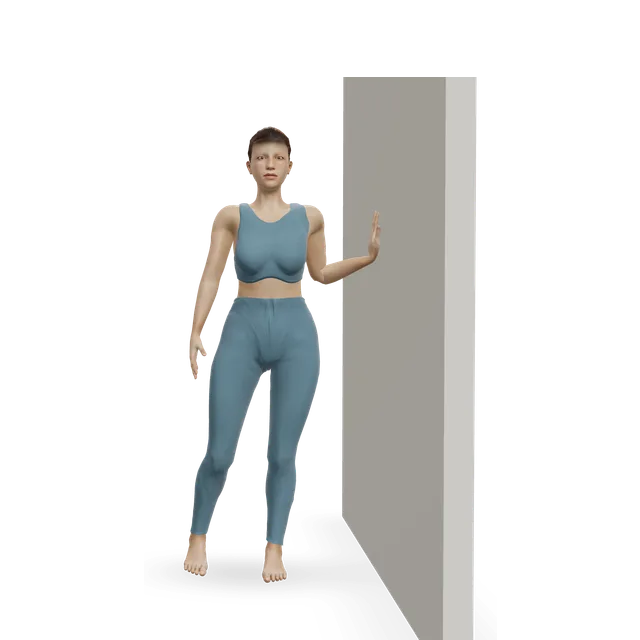
- Beginner · Chest, Triceps, Shoulders · 3D demoHands on the counter; head in line with your body, eyes forwardHarder: Push-up
- Beginner · Hip abductors, Glutes, Abs · 3D demoA hand on the counterHarder: Lateral band walk, band at the feet
- Beginner · Calves · 3D demoBoth hands on the counterEasier: Seated bent-knee calf raise (soleus raise)Harder: Standing dumbbell calf raise
- Standing march1 minBeginner · Hip flexors, Abs, Glutes · 3D demoHold the counter if you feel unsteadyEasier: Seated marchHarder: Standing band hip flexion




Check again, sitting (about 2 minutes)
- Beginner · 3D demoScore your symptoms again now, and again an hour laterEasier: Breath reachHarder: Crocodile breathing (prone diaphragmatic breathing)
Tips
- Do it once a day in stages 2 and 3, alongside 10 to 15 minutes of walking or a static bike. If your symptoms rose by no more than 2 points and settled within an hour, do a little more next time; if they rose more, rest until tomorrow and go back a step.
- Stop and rest if your symptoms rise by more than 2 points out of 10, a new symptom starts, or the rise lasts more than an hour. Try again the next day at an easier level.
- No screen in the first 48 hours: read the steps on paper or have someone read them to you (our suggestion, from the UK guidelines' advice to keep screen time to the absolute minimum).
- A quiet, cool room; no music or mirrors if they bother you (our suggestion).
- Any red flag at any time, such as a severe or worsening headache, repeated vomiting, getting drowsier, or new weakness or double vision, means 999.
The doses are suggested starting points, not a prescription. Choose a range you can control and stop for sharp or increasing pain, numbness or tingling. Get individual advice after an injury or surgery, or if you are pregnant or managing a health condition.
Guides that recommend it
Find more moves like these
More pilates




Beginner Pilates workout
A 20-minute mat Pilates workout for complete beginners. It covers breathing, spine position and the foundation moves, each with an easier option.
20 minBeginner13 movesNo equipment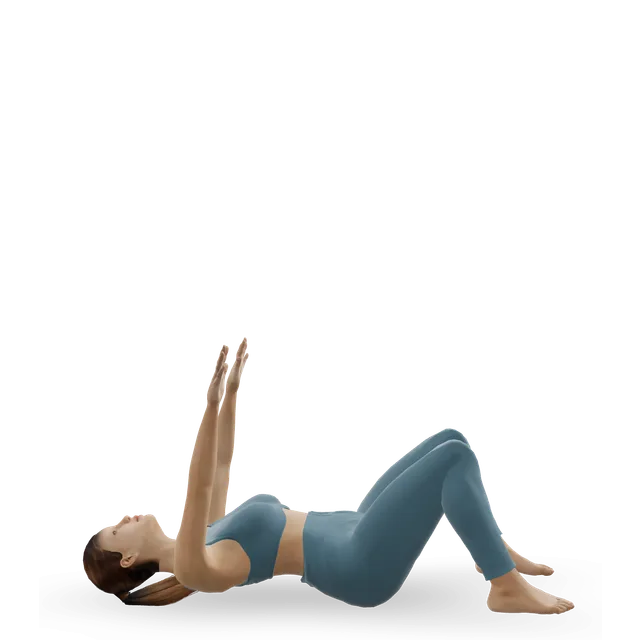

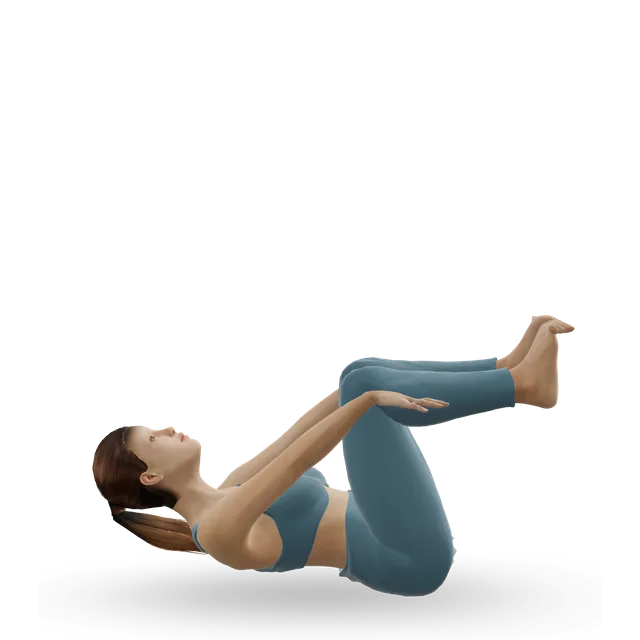
10-minute Pilates abs
Ten minutes of the classic Pilates abdominal series: the hundred, the roll-up and the series of five, with a plank to finish.
10 minIntermediate11 movesNo equipment
Full-body mat Pilates workout
A 30-minute intermediate mat Pilates class that follows the classical order, from the hundred to the push-up, with prep versions of the hardest moves.
30 minIntermediate22 movesNo equipmentQuestions people ask
How long does the head-up pilates after a concussion: a 15-minute seated and standing class with a symptom check take?
About 15 minutes, including any warm-up and cool-down listed. Shorten it by doing fewer rounds; lengthen it by adding one.
What equipment do I need?
You need: A bench or box, A wall. Each move links to its guide, where you can find an alternative if you are missing something.
Is it suitable for beginners?
It is written for beginners. 6 of its 12 moves have an easier option listed beside them if you need one.
How do I make it easier or harder?
Use the easier or harder option listed under each move, change the number of rounds, or adjust the rest. Progress one change at a time.