Pilates guide

Pilates for boxers: rotation and the trunk, the shoulders and hands, footwork and balance, recovery, what the evidence shows, and a routine

Boxing is hard on the hands and the head: in Britain's elite squad the hand was the most injured part of the body, and in amateur competition the head and neck took most injuries. No trial has tested Pilates in boxers, and none has counted injuries after Pilates in any combat sport. What Pilates can add is control: turning through the trunk both ways, shoulder-blade endurance, hip strength for your stance and footwork, one-leg balance and a way to settle your breathing.

Your punch comes mostly from your legs and the turn of your body, and harder punchers have stronger, more explosive legs. So strength and power training, your coach and your governing body's rules come first, and Pilates sits beside them, never in place of them.

This guide covers where boxers get hurt, what the evidence says, rotation and the punch, your shoulders, neck and hands (and why our class keeps weight off your knuckles), concussion rules, recovery, a free 25-minute hands-free class and the warning signs that need help.

The short version

Boxing hurts hands and heads

In Great Britain's elite squad the hand was the most injured part of the body, and instability at the base of the fingers and boxer's knuckle led the hand injuries. In amateur competition the head and neck took a median 72% of injuries.

Sources 1, 2, 3

No Pilates trial in boxers

The nearest are small Pilates studies in karate players and fencers, and low-quality core training studies in striking sports. None counted injuries.

Sources 4, 5, 6, 7

The punch comes from your legs and the turn of your body

Harder punchers have stronger, more explosive legs, and rear-hand punches use more trunk rotation. What raised punch force in trials was power training and bag sprints. Pilates adds rotation and control, not that power.

Sources 8, 9, 10, 11

No weight on your knuckles

With a knuckle or hand injury, the forearm versions replace moves on the hands: planks on your forearms and push-ups against a wall (our suggestion, from the hand injury data). Our class keeps all its weight off your hands.

Sources 2, 12

After a knockout, the rules come first

England Boxing: a 30-day suspension with no training during it, a doctor's review before sparring and no bout before day 35, or day 39 at 18 and under. Everyone else follows the UK grassroots guidelines. Pilates waits too.

Sources 13, 14

Pilates on lighter days

Once or twice a week, on a day without hard sparring or a heavy leg session (our suggestion). Slow breathing helps you settle; it hasn't been shown to speed recovery or improve performance.

Sources 15, 16, 17

Boxing, and where boxers get hurt

Two activities

Boxing fitness (shadow boxing, bag and pad work and classes) has no blows to the head; competitive boxing adds sparring and bouts, and with them concussion, as our boxing guide explains. Hand injuries come with punching anything. We found no injury study of boxing fitness classes.

Source 18

The Great Britain squadEmerging evidence

In 66 elite amateur boxers followed for 5 years, competition injuries ran at 828 per 1,000 hours and hand injuries alone at 302 per 1,000 hours; the hand was the commonest injured site in training and in competition. Over 8 years there were 172 hand and wrist injuries: instability at the base of the fingers (21.6%), boxer's knuckle (15.8%), a sprained thumb ligament (14.6%) and wrist sprains (13.5%) led them, at a median 29.5 days lost each.

Sources 1, 2

Amateur and professional boxingEmerging evidence

Across 17 studies of amateur boxing, there were 54.7 injuries per 1,000 athlete exposures in competition and 1.3 per 1,000 hours of training; the head and neck took a median 72% of competition injuries and the arms 49% of training injuries. Across 14 studies since 2000, concussion was 12.3% and fractures 11.4% of injuries. At three Olympic Games, 21% of boxing injuries kept boxers out for more than a week, fewer than in wrestling, judo or taekwondo. In professionals, most injuries were cuts to the head and face.

Sources 3, 19, 20, 21, 22

Hands in emergency departmentsEmerging evidence

Of boxing injuries seen in US emergency departments from 2000 to 2023, 86.6% happened in practice or training and 24.6% were fractures. Of arm injuries, the hand made up 48.3%, the wrist 18.9% and the shoulder 14.2%. These are shares of hospital visits, not injury rates.

Sources 23, 24

The lower backMixed evidence

In a review of Olympic combat sports, the lower back was the third commonest injured site in boxing, at 7.8% of injuries, after the head and face and the wrist.

Source 25

Women's boxing: thin evidenceMixed evidence

Two Italian studies found far fewer injuries per 1,000 boxers in women than in men, mostly bruises. At one Indian national championship, 235 women had 44 injuries per 1,000 bouts, mostly to the head, face and neck, with no concussions reported.

Sources 19, 26

The brain, in one lineMixed evidence

Studies of boxers find signs of brain injury in a minority, in selected groups that can't give population rates. Our boxing guide covers the long-term evidence.

Sources 27, 28

What Pilates offers, and what it doesn't

Pilates trains trunk endurance and control, rotation, shoulder-blade endurance, hip strength and one-leg balance, on a mat or on spring-loaded equipment such as the reformer. It doesn't supply the leg strength and power behind a hard punch, conditioning for rounds, or protection from blows to the head and hands (our reading).

Sources 29, 30

What the evidence says

Most of these studies are small and short, many have no proper comparison group, and none counted injuries.

No Pilates trial in boxersStrong evidence

Our searches of PubMed, Europe PMC, Crossref and ClinicalTrials.gov found no Pilates trial in boxers or kickboxers, and none that counted injuries after Pilates in any combat sport.

Source 4

Karate: plyometrics did betterMixed evidence

In 120 national-level karate players in India, plyometrics, Pilates or no training 3 days a week for 8 weeks: both training groups improved balance and core strength, and plyometrics improved both more than Pilates. We could read only the abstract, which gives no exercises, session length or effect sizes.

Source 5

Fencers and martial arts studentsMixed evidence

In 20 elite women fencers, Pilates or yoga twice a week for 8 weeks both improved balance reach and movement screen scores, with no group that did neither. In 25 male fencers, reformer Pilates in place of 3 hours of training a week for 12 weeks improved range of movement, pain and anxiety scores, then balance and leg strength; the same group is reported in two papers. A trial in 60 martial arts students contains impossible statistics, so we don't rely on it.

Sources 6, 31, 32, 33

Core training in striking sports: low qualityMixed evidence

A 2025 review found 8 small studies in karate, taekwondo, boxing, sanda and Muay Thai, most without a control group, and reported better kicks and strikes; its own risk-of-bias reporting contradicts itself, and some effects are implausibly large. In 39 tai chi athletes, core training improved a jumping kick and balance while flexibility training didn't improve the kick. In 29 youth karate athletes, core training improved core endurance, a sprint and a kick test.

Sources 7, 34, 35, 36

Core training in athletes: endurance firstEmerging evidence

Across 31 studies in 693 athletes, trunk training improved trunk endurance most, and strength, sprints and sport-specific tests a little. Its effect on throwing or hitting speed was small and not significant across 7 studies, at low certainty, and not significant in a review of 29 trials. An older review called the benefit to performance marginal.

Sources 37, 38, 39, 40

Boxers on mixed programmesMixed evidence

Three weeks of mixed training that included core work improved punch tests in national-team men and continuous punching, but not single-punch power, in elite women. Neither study had a control group.

Sources 41, 42

Judo and wrestlingMixed evidence

A review of 7 judo studies, only 2 with a control group, concluded that a strong core might improve balance and control. In 60 elite wrestlers, better side bridge scores went with less time lost to injury over 6 months, which is a link, not a trial.

Sources 43, 44

What did raise punch forceEmerging evidence

One week of power training raised punch impact by about 8% in 8 elite boxers, with no control group. Four weeks of all-out bag sprints improved punch force in 18 amateurs, against a group that trained at low intensity. Weighted jumping and throwing didn't change single-punch force. In a randomised trial in 24 amateurs, 8 weeks of training the order and speed of the joints improved the uppercut, with better punch force and accuracy. In a survey of 72 boxing trainers, most agreed that maximal strength improves punching power, yet programmed it least.

Sources 10, 11, 45, 46, 47

Strength and balance prevent injuries; stretching doesn'tStrong evidence

Across 25 trials with 26,610 people, strength training cut sports injuries to about a third and balance training to about half, while stretching made no difference. Definitive evidence linking a weak core with injury is lacking. Boxing's main injuries come from blows, which rules, wraps, gloves and sparring limits address.

Sources 48, 49, 50

Rotation and the punch

Legs firstEmerging evidence

In elite amateurs, lower-body maximal strength and explosive strength went with harder punches, while upper-body maximal strength didn't separate hard from soft punchers. A review stresses a lack of training trials and almost no research in women boxers. These are associations.

Sources 8, 51

Then the turn of the bodyEmerging evidence

In 12 trained amateurs, the force of a cross went with leg strength and with how fast the body turned. In 17 elite boxers, rear-hand punches used more trunk rotation and reached higher force than lead-hand punches. Elite boxers punched harder than juniors, who relied more on the shoulder.

Sources 52, 9, 53

Stiff at impact, not stiff all the timeMixed evidence

Muscles fire in a burst at the start of a punch and again at impact to stiffen the body briefly. That's a skill punching trains; it isn't a reason to stay stiff (our reading).

Source 54

Where Pilates fits

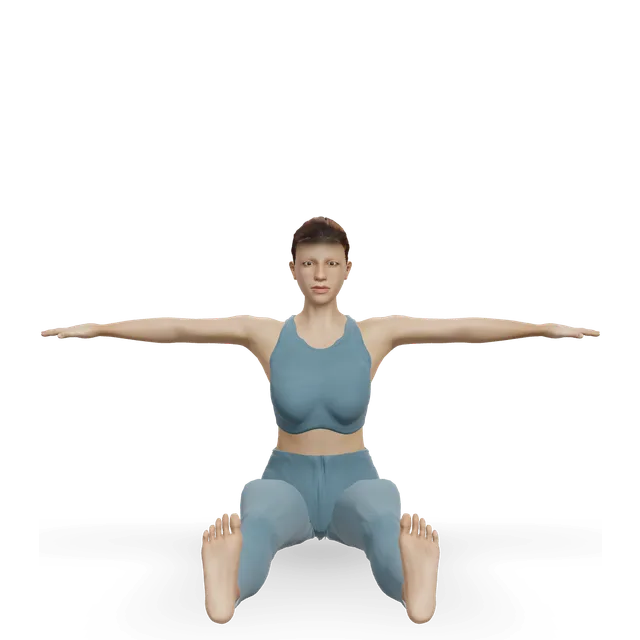
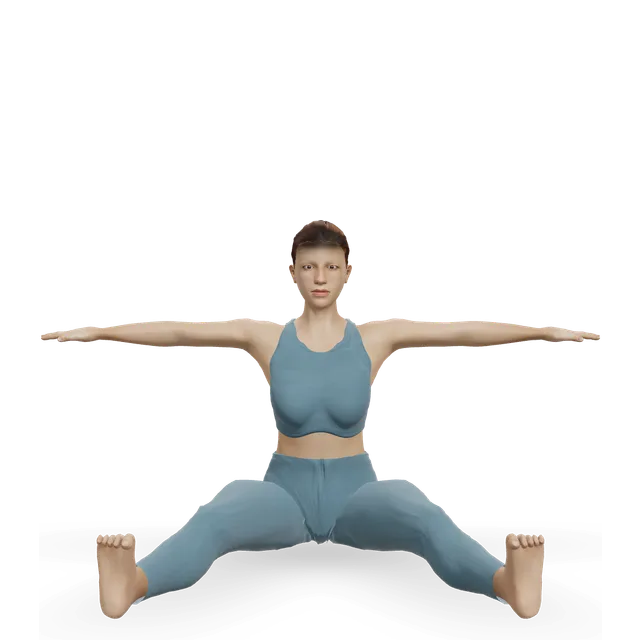
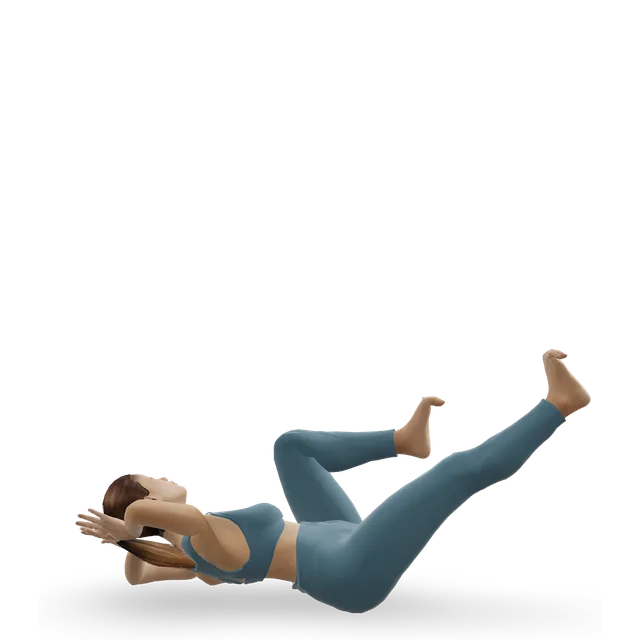
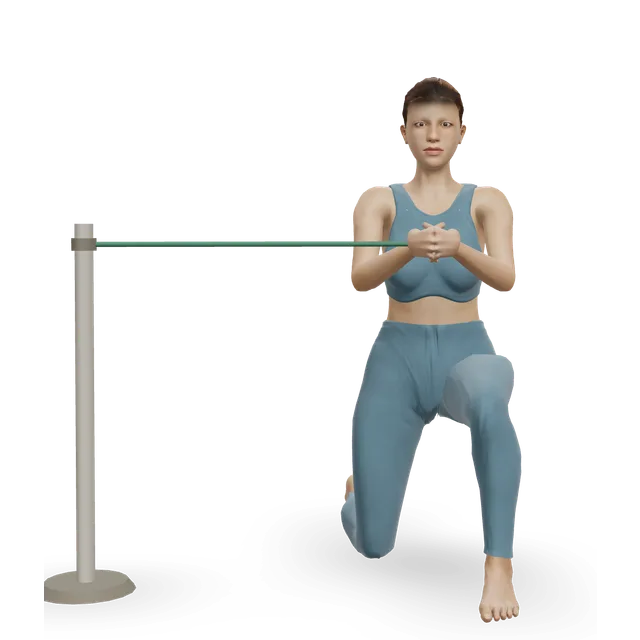
Our reading: turning through the upper back both ways (the thoracic rotation, open book, spine twist and saw), holding the trunk steady against a pull (the Pallof press) and trunk endurance (the hundred, dead bug and forearm side plank). Both directions, because an orthodox or southpaw stance turns one way more. Keep the strength and power work that builds the punch itself.

Shoulders, neck and hands

Shoulder bladesMixed evidence

In 72 elite boxers, 52.7% had altered shoulder-blade movement, which went with worse neck scores and weaker inward rotation, and 18 boxers had more of it than non-boxers. These are one-off measurements, not proof that training them prevents injury. Prone shoulder-blade lifts and band turn-outs are a reasonable choice.

Sources 55, 56

Very flexible shoulders, or after a dislocationMixed evidence

Athletes with very flexible joints had about 3 times the odds of a shoulder injury, on low-quality evidence. Work in the middle of your range, and leave out moves that load the arm near the end of its range (the leg pull back, push-up and side bend) until a physiotherapist clears them.

Stop an exercise, or shrink its range, if you get the feeling the shoulder is about to slip out (editorial).

Sources 57, 58

The neckMixed evidence

A stronger neck went with fewer concussions in some team-sport studies, but across 8 studies the link was small and could be chance, at very low certainty, and no boxing study exists. Chin tucks fit any session; four-way neck holds belong in your strength work, if your coach uses them.

Source 59

Hands and wrists

With a knuckle or hand injury, the forearm versions replace moves on the hands: the leg pull front, knee hover and side plank on your forearms, push-ups against a wall, and no Pilates push-up or leg pull back until your hand clinic says (our suggestion, from the hand injury data). Fists aren't the answer for a boxer's knuckles. Elite boxers who had surgery for boxer's knuckle or finger-base instability mostly returned to the same level, at around 8 months.

Sources 2, 12, 60, 61

Reloading the hand

Once your hand clinic agrees, tendon glides and our Pilates for wrist pain class reload the hand and wrist in stages.

Source 2

Concussion: the rules come first

England Boxing membersStrong evidence

In England Boxing's 2026 rule book, a knockout from blows to the head, or a concussion, means a 30-day suspension, a doctor's review before sparring again, and no bout before day 35 at 19 and over, or day 39 at 18 and under. Anyone else follows the UK grassroots guidelines: if in doubt, sit them out.

The rule book says "Any Boxer who has a medical restriction must not train or spar during the restriction". Its return steps allow light aerobic exercise with no resistance training first, then boxing-specific exercise, then non-contact training with resistance training. Our reading: Pilates beyond gentle breathing and mobility waits for the step that allows resistance training, and you follow your coach's and doctor's timing.

Source 13

Professionals and USA BoxingStrong evidence

The British Boxing Board of Control suspends a licence for "28 or 45 clear days or more" after a stoppage or count-out, and a doctor must certify the boxer fit before the next contest. USA Boxing sets a minimum restriction of 30 days without loss of consciousness, 90 days with under a minute of it and 180 days with more, with no training or sparring during it and written clearance from a doctor before returning.

Sources 62, 63

Everyone else, and Pilates during a return

With a suspected concussion, if in doubt, sit them out. The UK's grassroots guidelines say no sport for at least 24 hours, get checked by a healthcare professional or NHS 111 within 24 hours, follow a staged return, and no competition before day 21; if symptoms last beyond 28 days, stay out of sport and see a doctor. Pilates waits too: gentle breathing and mobility fit the early, light-activity stages; bodyweight strength work can start in the light aerobic exercise stage, which allows "low intensity, body weight resistance training"; and springs, weights and harder trunk work come later (our reading). Our concussion guide has the stages.

Sources 14, 64

Moves that wait

Leave out rolling moves (rolling like a ball, the open-leg rocker and the seal), upside-down and legs-overhead moves (the roll-over, jack knife, boomerang and control balance) and head-down moves until you're cleared, as our Pilates after a concussion guide sets out.

Recovery, breathing and your week

Slow breathing settles youEmerging evidence

Across 223 studies, slow breathing raised heart rate variability, a sign of the body calming down, during and after a session. But 4 weeks of daily slow breathing after sprint training didn't improve recovery or performance in 34 people. Use it to settle after training or before sleep: in for about 4, out for about 6, with no holds.

Sources 16, 17

Count it as trainingStrong evidence

The International Olympic Committee (IOC) says poor management of training load is a major risk factor for injury. A hard Pilates or reformer class is a session, not a rest day.

Source 15

Your week

Our suggestion: Pilates once or twice a week, 20 to 30 minutes, on a day without hard sparring or a heavy leg session, or the day after a bout; not a hard trunk session in the hour before sparring or bag work. Keep two strength sessions a week and your bag and conditioning work, as our boxing guide sets out.

Making weight

Our editorial advice: don't use hot Pilates or hot yoga classes, saunas or sweat suits to make weight. In any hot class, drink before and during, and stop at the first sign of dizziness, a headache or feeling sick; our hot yoga guide gives the NHS signs of heat exhaustion and heatstroke.

Source 65

Breathe and turn, both ways

Lateral breathing, 5 to 8 breaths at the start of every session (the move page's dose), breathing out on the effort with no holds; thoracic rotation, 6 rotations per side (the move page's dose); side-lying open book, 8 to 10 slow openings each side (the move page's dose); spine twist, 3 to 4 each side (the move page's dose), the same both ways; saw, 3 to 4 each side (the move page's dose).

Trunk, with your hands free

Hundred, 50 beats to start, building to 100 (the move page's dose); dead bug, 2 sets of 8 each side (our Pilates for athletes class); criss-cross, 6 each side (the move page's dose), slowly; knee side plank on your forearm, 2 holds of 20 seconds each side (our Pilates for tennis players class), then the full side plank on your forearm; half-kneeling Pallof press, 2 sets of 8 to 10 each side (our editorial starting point).

Shoulder blades, the back of the shoulder and the neck

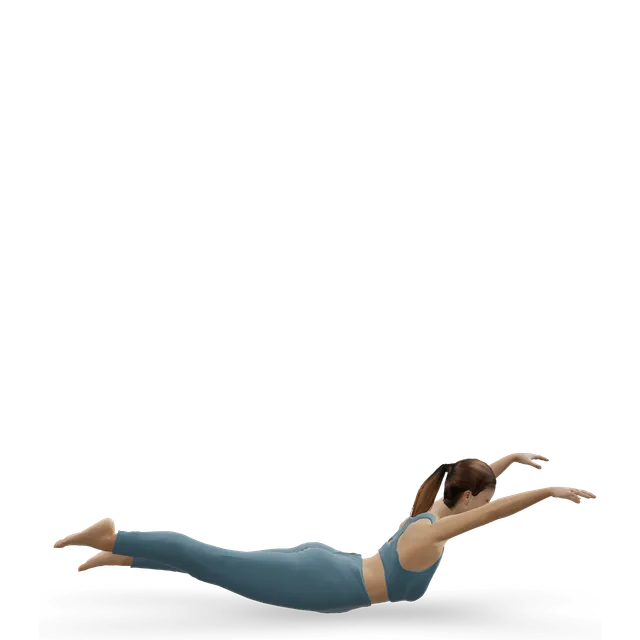
Y-T-W raises, 5 of each shape with your forehead on a towel, and band turn-outs, 10 each arm with a light band (our Pilates for tennis players class); swimming, 2 sets of 20 seconds, arms by your sides with a sore shoulder (our Pilates for rugby players class); chin tucks, 8 slow reps held 3 to 5 seconds (our Pilates for rugby players class); four-way neck holds, 3 holds of 10 seconds each direction at a moderate effort, only if your coach uses them (our strength workout for boxers).

Hips, stance and footwork

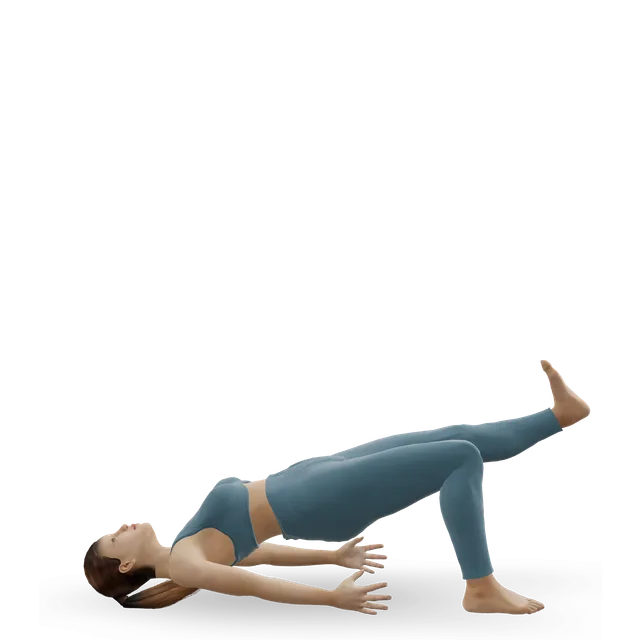
Side kick, 8 to 10 each side (the move page's dose); clamshell, 10 each side (our Pilates for tennis players class); shoulder bridge, 3 to 5 kicks each leg (the move page's dose); 90/90 switch, 10 slow switches (the move page's dose); single-leg stand, 2 holds of 30 seconds each leg, eyes closed once it's easy (our Pilates for athletes class); hip airplane, 2 sets of 5 slow turns each leg (the move page's dose), holding a counter.

Hands, wrists and settling

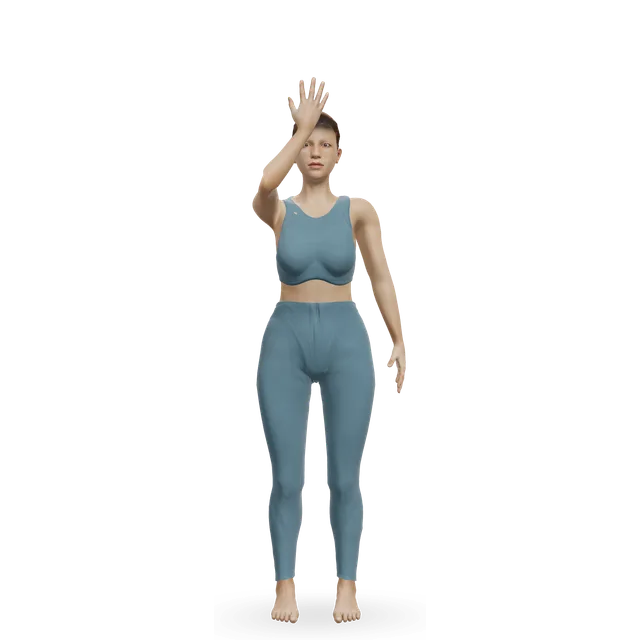
Only when your hand clinic agrees: tendon glides, 4 to 6 of each position, holding each for 5 seconds (the move page's dose); wrist and forearm flow, 60 seconds with your forearm supported (our yoga for martial arts class). Slow breathing to finish, 3 minutes, in for about 4 and out for about 6 (our yoga for boxers class).

What to change or leave out

A knuckle, hand or wrist injury

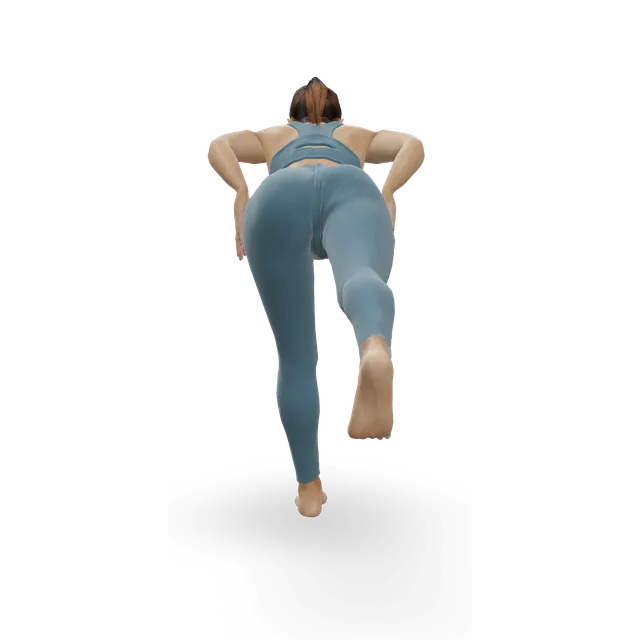
The forearm versions replace moves on the hands: the leg pull front, knee hover and side plank on your forearms, and push-ups against a wall. Leave out the Pilates push-up and leg pull back until your hand clinic says (our suggestion, from the hand injury data).

Sources 2, 12

After a knockout or suspected concussion

Only the stages you've been cleared for. Rolling, upside-down and head-down moves wait, as our Pilates after a concussion guide sets out.

A shoulder that has dislocated or feels loose

Leave out the leg pull back, push-up and side bend, which put weight on the arm near the end of its range, until your physiotherapist clears them. In swimming, keep your arms by your sides.

Before sparring or bag work

Keep the hour before to breathing and mobility, and save hard trunk work for another day (our suggestion).

Classes to follow

Our 25-minute hands-free class puts the moves above together, once or twice a week on a lighter day. The strength workout for boxers and the boxing fitness workout are the training itself; the athletes and tennis classes add variety but put weight on the hands; the wrist class reloads a healed wrist; and the concussion class is for the light stage after a head injury.

Hands-free Pilates for boxers: a 25-minute class for rotation, shoulder blades, trunk and stance, with no weight on your knuckles

A 25-minute Pilates class for boxers with no weight on the hands: rotation both ways, shoulder blades and neck, trunk, hips and one-leg balance.

25 minBeginner20 movesA band, An anchor point

Strength workout for boxers: legs, power, shoulders and grip

A 45-minute strength and power workout for boxers: jumps and chest throws, squats and single-leg hinges, push-ups, rows, rotator cuff, carries and grip.

45 minIntermediate18 movesA band, Medicine ball

Boxing fitness workout: shadow boxing and bag rounds

A 35-minute boxing workout with no sparring: a warm-up, three shadow boxing rounds, optional bag rounds, a punching finisher and core work.

35 minBeginner10 movesA band, A wall

Both-sides Pilates for athletes: a 30-minute class for trunk endurance, hips, the back of the body and one-leg balance

A 30-minute Pilates class for athletes in any sport: trunk endurance, hips, the back of the body, rotation and one-leg balance, done equally on both sides.

30 minIntermediate18 movesA wall

Both-sides Pilates for tennis players: a 25-minute class for rotation, shoulder blades and hips

A 25-minute Pilates class for tennis and padel players: trunk endurance, rotation both ways, shoulder blades, hips and single-leg balance, on a mat.

25 minBeginner19 movesA band, An anchor point

Yoga for boxers: a 25-minute recovery class for shoulders, upper back, hips, hands and breathing, with no weight on your knuckles

A 25-minute recovery yoga class for boxers: slow breathing, neck and upper back, shoulder blades, hips and balance, and hand care, with no weight on your knuckles.

25 minBeginner16 movesA wall

Neck and shoulder strength routine

Deep neck holds and shoulder-blade strength in under 20 minutes: one of the best-supported kinds of exercise for a stiff, sore neck.

18 minBeginner11 movesA band, An anchor point

Wrist-kind Pilates: a 25-minute class on your forearms, with a wrist strength block and steps back onto your hands

A 25-minute Pilates class for sore wrists: hands-free mat work, moves on your forearms, a short wrist strength block, then steps back onto your hands.

25 minBeginner19 movesA wall, A dumbbell

Head-up Pilates after a concussion: a 15-minute seated and standing class with a symptom check

A 15-minute head-up Pilates class for the early stages after a concussion: a symptom check, seated breathing and mobility, and light bodyweight work at a counter.

15 minBeginner12 movesA bench or box, A wall

New to Pilates?

The beginner Pilates plan builds the basics over 4 weeks, 3 days a week; fit it around your training, and do its planks on your forearms.

When to stop and get help

This is general information, not a diagnosis. A&E means accident and emergency; in the US, call 911 for 999, and use your doctor's urgent line or urgent care for NHS 111.

A head injury with red flags: call 999

The UK guidelines call these red flags, needing urgent assessment by a healthcare professional or at A&E (accident and emergency), by ambulance if necessary. England Boxing's advice adds clear fluid from the ears or nose, bleeding from an ear or new deafness, and drowsiness lasting more than an hour when you'd normally be awake. If a neck injury is suspected, only trained healthcare professionals should move the boxer.

  • Any loss of consciousness, or getting drowsier
  • No memory of events before or after the injury
  • Increasing confusion or irritability, or unusual behaviour
  • New problems understanding, speaking, reading or writing, less feeling, loss of balance, weakness or double vision
  • A seizure, twitching limbs, or lying rigid or motionless
  • A severe or worsening headache, repeated vomiting or severe neck pain
  • A suspected skull fracture: a cut, bruise, swelling or severe pain where they were hit
  • Previous brain surgery, a bleeding disorder, blood-thinning medicine, or being drunk or on drugs at the time

Sources 14, 13, 64

A head injury: call 999 or NHS 111

Call 999 if someone has hit their head and has been knocked out and hasn't woken up, can't stay awake or keep their eyes open, has a fit, has fallen from a height of more than 1 metre or 5 stairs, has problems with their vision or hearing, has clear fluid coming from their ears or nose, has new numbness or weakness, has problems with walking, balance, understanding, speaking or writing, hit their head at high speed, or their behaviour has changed. Get help from NHS 111 if they're being sick, feel dizzy or take medicine that thins the blood. If you're told to go to A&E (accident and emergency), don't drive yourself there if you have hit your head.

The NHS says to get help from NHS 111 if, after a head injury, you're being sick, feel dizzy, take medicine that thins your blood, were drinking alcohol or taking drugs at the time, or have any other symptoms you're worried about. See a GP if symptoms last more than 2 weeks, and don't play contact sports for at least 3 weeks.

Source 64

Neck and spinal cord

Numbness, tingling, burning or weakness in both arms, in more than one limb, or in the legs: keep the player still and call 999. It can be an injury to the spinal cord, even if it passes in minutes.

Call 999 or go to A&E: new problems walking, loss of bladder or bowel control, or a sudden loss of coordination, such as difficulty doing up buttons. These can be signs of pressure on the spinal cord.

Sources 81, 14, 82, 83

A hand that looks wrong, or a cut knuckle

Call 999 or go to A&E after an injury (don't drive yourself) if the arm, wrist or hand is numb, tingling or has pins and needles; a bone is sticking out or a bad cut is bleeding heavily; or the wrist, thumb or a finger has changed shape, is at an odd angle, or has turned blue, grey, white or cold.

Same day, urgently: any cut or graze over a knuckle after a punch that hit someone's teeth (a fight bite), however small it looks. Go to A&E, or get help from NHS 111 if you're unsure where to go, and say how it happened. It can look harmless for a few days while infection gets into the joint, and hand surgeons treat it as urgent.

Same day (NHS 111): severe pain in the back of the hand; a snap, grinding or popping noise at the time of the injury; you can't move the hand or hold things; you've lost feeling in part of the hand; the hand has changed shape or colour; or you feel hot, cold or shivery. These can be signs of a broken hand or an infection.

Sources 66, 67

Fingers and wrists after a punch

The NHS says to go to A&E if a finger points at an odd angle, looks blue or feels numb, or bone is showing, and to get help from NHS 111 if it's painful, swollen and bruised or hard to move. A cut over a knuckle from a punch that hit someone's teeth needs help the same day, as our broken hand guide explains.

Get help from NHS 111 for severe wrist pain, a snap, grinding or popping noise at the time of injury, a wrist you can't move or use to hold things, a change in its shape or colour, or lost feeling in your hand. Pain at the base of the thumb after a punch or a fall needs checking for a scaphoid fracture.

Sources 68, 69, 70

A shoulder that looks out of place

Call 999 or go to A&E: after a fall or injury, your shoulder looks out of place or has changed shape, you cannot move your arm, or your shoulder is painful, bruised or swollen. Do not drive yourself, and do not try to put it back in yourself.

Your shoulder has partly or fully come out of joint, or you worry it might.

Sources 71, 72

Flashes, floaters or a shadow in your vision

Get help from NHS 111 if floaters suddenly appear or increase, you see flashes of light, a dark curtain or shadow moves across your vision, or your sight suddenly blurs. These can be signs of a detached retina.

Source 84

Chest pain or fainting: call 999

Call 999 if:

  • You get sudden pain or discomfort in your chest that doesn't go away; it can feel like squeezing or pressure, burning or indigestion.
  • The pain spreads to your left or right arm, or your neck, jaw, stomach or back.
  • You have chest pain and feel sweaty, sick, light-headed or short of breath.
  • Someone faints while exercising, can't be woken within 1 minute, or has chest pain or a pounding, fluttering or irregular heartbeat.

Sources 73, 74

Unusual breathlessness

Call 999 or go to A&E (accident and emergency) straight away for severe difficulty breathing (gasping, choking or not able to get words out), a chest that feels tight or heavy, pain that spreads to your arms, back, neck and jaw, lips or skin turning very pale, blue or grey, or sudden confusion. If you're more short of breath than usual, or your heart is racing, fluttering or skipping beats, contact NHS 111.

Source 75

Very flexible joints

If you're hypermobile, don't use mobility work to push further: the NHS says "do not overextend your joints just because you can". See a GP if you think you have joint hypermobility syndrome: for example, your joints keep dislocating, or you keep getting sprains, strains, pain or stiffness.

Source 58

Stop the session if

You feel any pain or become unwell, as the NHS advises for its Pilates videos, and especially for chest pain or pressure, unusual breathlessness, dizziness or fainting. If you have a health problem, an injury or any symptoms, get advice from a healthcare professional, such as a GP, before you start.

Source 76

Before you start

The NHS advises getting advice from a healthcare professional first if you have a health problem, an injury or symptoms, or have recently had a heart attack or an operation.

Source 76

Myths

"Pilates makes boxers punch harder on its own"Emerging evidence

Harder punchers have stronger, more explosive legs, and what raised punch force in trials was power training and bag sprints. In karate players, plyometrics beat Pilates for balance and core strength.

Sources 8, 51, 10, 11, 5

"Boxers should stay stiff to hit harder"Mixed evidence

Punch force goes with leg strength and how fast the body turns. The body stiffens briefly at impact, which punching itself trains.

Sources 52, 9, 54

"A strong core prevents all injuries"Strong evidence

Definitive evidence linking a weak core with injury is lacking, and the programmes that cut sports injuries trained strength and balance. Boxing's main injuries come from blows to the head and hands.

Sources 50, 48

"Joseph Pilates invented his method for boxers"Mixed evidence

Many accounts say Joseph Pilates also boxed, but the Pilates Method Alliance's history describes a circus tumbler, a physical culturist and a following among New York dancers, and doesn't mention boxing. We couldn't verify the boxing story.

Source 77

"Pilates flushes lactic acid and speeds recovery"Mixed evidence

A Pilates teachers' body says so, but 4 weeks of gentle mat Pilates didn't significantly change lactate in active women, and no trial has tested Pilates for recovery in boxers.

Sources 78, 79

"You need a reformer for real Pilates"Mixed evidence

In footballers, mat and reformer Pilates both improved performance tests. Use what you can get to, and keep weight off your knuckles on either.

Sources 80, 5

Questions people ask

Is Pilates good for boxers?

It can add trunk endurance, rotation both ways, shoulder-blade control, hip strength for your stance and one-leg balance, at low load on a lighter day. No trial has tested Pilates in boxers or counted injuries after it, so treat it as sensible extra training beside your boxing and strength work, not a proven edge.

Will Pilates make me punch harder?

Not on its own. Harder punchers have stronger, more explosive legs and turn their bodies faster, and what raised punch force in trials was power training, bag sprints and technique work. Core training's effect on hitting speed was small and uncertain.

Is reformer Pilates good for boxers?

It can be: the springs add resistance to leg, hip and trunk work. In the one trial that compared mat and reformer Pilates in athletes, both helped, so choose what you can get to, and keep weight off your knuckles on either.

What are the best Pilates exercises for boxers?

Thoracic rotation, the open book, spine twist and saw for rotation; the hundred, dead bug and forearm side planks for the trunk; Y-T-W raises and band turn-outs for the shoulders; and the side kick, clamshell, bridge and one-leg balance for your stance. Our 25-minute class puts them together with no weight on your hands.

Can I do Pilates with a hand or wrist injury?

Get it assessed first: instability at the base of the fingers and boxer's knuckle are the commonest hand injuries in elite boxers. Until your hand clinic says otherwise, do planks on your forearms, push-ups against a wall, and nothing on your knuckles or palms.

Can I do Pilates after a knockout or concussion?

Only within your return stages. England Boxing members are suspended for 30 days, must not train during the restriction and need a doctor's review before sparring; others follow the UK grassroots guidelines. Gentle breathing and mobility come first, and rolling, upside-down and head-down moves wait until you're cleared.

Does Pilates help boxers' shoulders?

It can train shoulder-blade control and the back of the shoulder, and about half of elite boxers in one study had altered shoulder-blade movement. It hasn't been shown to prevent shoulder injuries, and after a dislocation, leave out moves that load the arm near the end of its range until a physiotherapist clears them.

When should a boxer do Pilates?

Once or twice a week, on a day without hard sparring or a heavy leg session, or the day after a bout (our suggestion). Not a hard session in the hour before sparring.

Is Pilates good for MMA fighters and kickboxers?

The same ideas apply, and small core training studies in kicking and striking sports improved kick and balance tests. Our yoga for martial arts guide and martial arts training page cover kicking and grappling arts.

Is a Pilates boxing class the same as Pilates for boxers?

No: those classes mix boxing-style cardio with Pilates moves for general fitness. This guide is about using Pilates alongside boxing training.

Is Pilates or yoga better for boxers?

Neither has been tested in boxers. Pilates leans towards trunk endurance and control, yoga towards range and breathing, and our yoga for boxers guide covers yoga.

When should a boxer get help?

Call 999 for head injury red flags such as loss of consciousness, a worsening headache, repeated vomiting, confusion or a seizure. Go to A&E for a hand or shoulder that looks wrong, and get any cut over a knuckle from a punch that hit teeth seen the same day.

Sources

  1. Loosemore 2015 · Injuries in the Great Britain boxing squad over 5 years: 66 boxers (surveillance study, Br J Sports Med)
  2. Loosemore 2017 · Hand and wrist injuries in the Great Britain Olympic boxing squad, 2005 to 2012 (cohort study, Hand; read in full)
  3. Alevras 2022 · Injuries in amateur boxing: 17 studies (systematic review and meta-analysis, J Sci Med Sport)
  4. PubMed, Europe PMC, Crossref and ClinicalTrials.gov · Our searches for Pilates trials in boxers and other combat sports: none in boxers (November 2026)
  5. Pal 2021 · Plyometrics or Pilates in 120 karate players (trial, J Clin Diagn Res; abstract only, from the publisher's record)
  6. Lim 2024 · Pilates or yoga in 20 elite women fencers (randomised trial, Life; read in full)
  7. Zhang 2025 · Core training and skill in striking combat sports: 8 studies (systematic review, PeerJ; read in full)
  8. Beattie 2022 · The role of strength in punch force (review, J Strength Cond Res)
  9. Wan 2026 · Lead and rear straight punches in 17 elite boxers (lab study, BMC Sports Sci Med Rehabil; read in full)
  10. Loturco 2021 · One week of power training and punch impact in 8 elite boxers (study without a control group, J Strength Cond Res)
  11. Kamandulis 2018 · Bag sprint training and punching in 18 experienced amateur boxers (controlled trial, J Strength Cond Res)
  12. Matharu 2022 · Boxer's knuckle in elite boxers: 57 fingers (case series, J Hand Surg Eur Vol; read in full)
  13. England Boxing · Technical and Competition Rules 2026: medical suspensions, sparring and the concussion protocols (rule book; read in full)
  14. UK Government and Sport and Recreation Alliance · UK concussion guidelines for non-elite (grassroots) sport (November 2024 update; read in full)
  15. Soligard 2016 · How much is too much? Training load and injury (IOC consensus statement, Br J Sports Med)
  16. Laborde 2022 · Slow breathing, heart rate and heart rate variability: 223 studies (systematic review and meta-analysis, Neurosci Biobehav Rev)
  17. Raidl 2026 · Slow breathing as recovery during 4 weeks of sprint interval training: 34 people (randomised trial, Int J Sports Physiol Perform)
  18. PubMed · Our search for injury studies in boxing fitness classes: 2 records, neither an injury study (November 2026)
  19. Mao 2023 · Boxing injury rates and types since 2000: 14 studies (systematic review and meta-analysis, Orthop J Sports Med; read in full)
  20. Lystad 2021 · Injuries in Olympic combat sports at three Olympic Games: 7,712 athlete exposures (comparative analysis, Br J Sports Med)
  21. Zazryn 2003 · Injuries to professional boxers in Victoria, Australia, over 16 years (records study, Br J Sports Med)
  22. Zazryn 2009 · Injury rates and risk factors in 545 professional boxers (cohort study, Clin J Sport Med)
  23. Tsuzaki 2026 · Boxing injuries treated in US emergency departments, 2000 to 2023 (national surveillance study, Phys Sportsmed)
  24. Megafu 2026 · Boxing-related arm and hand injuries in US emergency departments, 2014 to 2023 (national surveillance study, J Emerg Med)
  25. Bromley 2018 · Injury and illness in Olympic combat sports: 9 prospective studies (systematic review, Br J Sports Med)
  26. Dande 2023 · Injuries at an elite women's national boxing championship in India: 235 boxers (surveillance study, Med J Armed Forces India)
  27. Loosemore 2007 · Amateur boxing and chronic brain injury: 36 papers (systematic review, BMJ)
  28. Donnelly 2023 · Head trauma in boxing: 35 studies (systematic review and meta-analysis, Clin J Sport Med)
  29. Wells 2012 · Defining Pilates exercise: 119 papers (systematic review, Complement Ther Med)
  30. Pilates Method Alliance · Beginner's guide to Pilates equipment: from reformer to Cadillac and beyond
  31. Lee 2024 · Reformer Pilates added to training in 25 elite fencers: range, pain and anxiety (controlled trial, Exerc Sci; read in full)
  32. Lee 2026 · The same 25 fencers: balance and leg strength after 12 weeks of reformer Pilates (controlled trial, Exerc Sci; read in full)
  33. Xinwei 2023 · Pilates and balance in 60 martial arts students (trial with reporting errors, Rev Bras Med Esporte; read in full)
  34. Lee and McGill 2017 · Isometric or dynamic core training and strikes in 12 Muay Thai athletes (controlled study, J Sports Sci)
  35. Li 2025 · Core or flexibility training for a jumping kick: 39 tai chi athletes (randomised trial, PLoS One)
  36. Kabadayi 2022 · Core training in 29 youth karate athletes (controlled trial, Int J Environ Res Public Health)
  37. Saeterbakken 2022 · Trunk training in athletes: 31 studies, 693 athletes (systematic review and meta-analysis, Sports Med; read in full)
  38. Rodríguez-Perea 2023 · Core training and performance: 22 studies (systematic review and meta-analysis, Biol Sport; read in full)
  39. Yu 2025 · Core training and athletic performance: 29 trials, 956 athletes (meta-analysis, BMC Sports Sci Med Rehabil; read in full)
  40. Reed 2012 · Core stability training and athletic performance: 24 studies (systematic review, Sports Med)
  41. Zhang 2026 · Three weeks of mixed neuromuscular training in 18 national-team boxers (study without a control group, Front Physiol; read in full)
  42. Niu 2024 · Three weeks of mixed neuromuscular training in 37 elite women boxers (study without a control group, PeerJ)
  43. Marotta 2026 · Core training in judo athletes: 7 studies (systematic review, J Clin Med; read in full)
  44. Aliyev 2026 · Core stability scores and injury burden in 60 elite wrestlers (cohort study, Orthop J Sports Med)
  45. Bruzas 2018 · Weighted plyometrics and punching in 8 experienced amateur boxers (study without a control group, J Sports Med Phys Fitness)
  46. Tajibaev 2026 · Eight weeks of sequencing training for the uppercut in 24 amateur boxers (randomised trial, Acta Bioeng Biomech)
  47. Beattie 2025 · Strength training practices in boxing: 72 trainers and support staff (survey, J Strength Cond Res)
  48. Lauersen 2014 · Exercise programmes to prevent sports injuries: 25 trials, 26,610 people (systematic review and meta-analysis, Br J Sports Med)
  49. Lauersen 2018 · Strength training to prevent sports injuries: 6 trials, 7,738 people (systematic review and meta-analysis, Br J Sports Med)
  50. Huxel Bliven 2013 · Core stability training for injury prevention (review, Sports Health; read in full)
  51. Loturco 2016 · Strength, power and punch impact in 15 elite amateur boxers (cross-sectional study, J Strength Cond Res)
  52. Satkunskiene 2024 · Leg strength and the force of a cross in 12 trained amateur boxers (lab study, J Strength Cond Res)
  53. Dinu 2020 · The cross, hook and uppercut in junior and elite boxers: 23 boxers (lab study, Front Sports Act Living; read in full)
  54. Lenetsky 2015 · Effective mass and the stiffening of the body in a punch (review, Hum Mov Sci)
  55. Jung 2021 · Shoulder-blade movement, neck and shoulder problems in 72 elite boxers (cross-sectional study, Medicina)
  56. Lenetsky 2015 · Shoulder function and shoulder-blade position in 18 boxers (cross-sectional study, Phys Ther Sport)
  57. Liaghat 2021 · Joint hypermobility and shoulder injuries in athletes: 6 studies, 2,335 athletes (systematic review and meta-analysis, BMC Musculoskelet Disord; read in full)
  58. NHS · Joint hypermobility syndrome (past its review date: reviewed August 2023, review due August 2026)
  59. Garrett 2023 · Neck strength and concussion in team sports: 8 studies, 7,625 people (systematic review and meta-analysis, J Orthop Sports Phys Ther)
  60. Matharu 2024 · Instability at the base of the fingers in elite boxers: 40 hands (case series, J Hand Surg Am)
  61. Drury 2017 · Hand and wrist injuries in boxing and the martial arts (narrative review, Hand Clin)
  62. British Boxing Board of Control · Rules and Regulations 2026 (rule book; read in full)
  63. USA Boxing · National rule book, effective January 2026 (rules 5.3 and 5.4 read in full)
  64. NHS · Head injury and concussion
  65. NHS · Heat exhaustion and heatstroke
  66. NHS · Pain in the back of the hand
  67. Gloucestershire Hospitals NHS Foundation Trust · The fight bite injury (hand clinic page)
  68. NHS · Broken finger or thumb
  69. NHS · Wrist pain
  70. NHS · Broken arm or wrist
  71. NHS · Dislocated shoulder
  72. NHS · Shoulder pain (past its review date: reviewed May 2023, review due May 2026)
  73. NHS · Chest pain (past its review date: reviewed August 2023, review due August 2026)
  74. NHS · Fainting
  75. NHS · Shortness of breath
  76. NHS · Pilates for beginners (exercise video, with safety information)
  77. Pilates Method Alliance · Pilates history
  78. Pilates Method Alliance · Why athletes love Pilates (blog; an example of untested claims)
  79. Moon 2022 · Low-intensity mat Pilates and recovery in 10 active women (study, Phys Act Nutr; read in full)
  80. Yılmaz 2025 · Mat or reformer Pilates in 30 football players (randomised trial, PLoS One; read in full)
  81. NHS · Paralysis (past its review date: reviewed July 2023, review due July 2026)
  82. Torg 1997 · Cervical cord neurapraxia, a passing spinal cord injury, in 110 athletes (case series, J Neurosurg)
  83. NHS · Cervical spondylosis (past its review date: reviewed August 2023, review due August 2026)
  84. NHS · Detached retina (retinal detachment) (past its review date: reviewed August 2023, review due August 2026)

Exercise education, not a personal prescription, and clinical review of these guides is pending. If you are pregnant, have a health condition or have had recent surgery, check with a doctor, midwife or physiotherapist before starting, and stop for sharp or increasing pain. Health disclaimer.