Injuries follow the contact
Competition injury rates are highest in MMA and kickboxing. Grappling hurts knees, shoulders, elbows and fingers; striking hurts heads and faces. In BJJ, most injuries happened in training, mostly while sparring.
Yoga guide
Yoga can give martial artists hip range they can control, steadier one-leg balance, looked-after wrists and shoulders, slow breathing for focus, and a calm way to recover. It suits strikers and grapplers alike, from karate, taekwondo, kickboxing, Muay Thai and boxing to judo, Brazilian jiu-jitsu (BJJ) and mixed martial arts (MMA).
But almost no trials have tested yoga in martial artists, none has counted injuries, and more flexibility isn't always a better kick. This guide covers where martial artists get hurt, concussion and your governing body's rules, kicks and hips, why range you control beats passive splits, breathing and focus, chokes and the neck, why a hot class is no way to make weight, the warning signs, and a 25-minute active-range class with 3D demos.
Competition injury rates are highest in MMA and kickboxing. Grappling hurts knees, shoulders, elbows and fingers; striking hurts heads and faces. In BJJ, most injuries happened in training, mostly while sparring.
If in doubt, sit them out. The UK grassroots guidelines say no competition before day 21; England Boxing, British Judo and British Taekwondo set their own returns. Yoga waits too: no head-down poses until you're cleared.
We found no randomised yoga trial in karate, judo, BJJ, boxing, wrestling, kickboxing, Muay Thai or MMA, and no study that counted injuries after yoga in any martial art.
Elite kickers are flexible, but in one 39-person trial, flexibility training didn't improve a kick while core training did. Build range you can lift and hold, with strength at the end of it.
Slow breathing helps you settle, and small trials in combat athletes found less stress and anxiety and better-judged kata. The effects are small, in small trials.
Deaths have followed extreme weight cutting with heat and dehydration. No source names hot yoga as a weight-cut method, so this is our reasoning from the heat warnings: no hot yoga or hot rooms to make weight.
Per 1,000 athlete-exposures (one athlete in one bout): MMA 228.7, mostly to the head; karate 88.3, mostly the head and neck; taekwondo 79.3, mostly the legs; amateur boxing 54.7 in competition but 1.3 per 1,000 hours of training. Kickboxing contests ran at 390.1 in one US state's records. MMA's injury and concussion rates haven't fallen since its unified rules came in.
In Olympic combat sports, boxing hurt the head and face most; judo, the lower back, shoulder and knee; taekwondo, the fingers and thigh; and wrestling, the knee and shoulder. Judo's knee, shoulder and finger sprains come mostly from being thrown. In 881 BJJ practitioners, 89% of injuries happened in training and 79% of those in sparring, with knees 25% of injuries and shoulders 13%.
In US emergency department records, children had 2.56 times the risk of a head or neck injury in competition as in class, and across youth sports, taekwondo had the highest concussion rate of 21 sports.
There are almost no yoga trials in martial artists: this guide uses research on stretching, balance and breathing in other athletes, and says where it does.
A search of yoga and every combat sport (241 records) found no randomised yoga trial in karate, judo, BJJ, boxing, wrestling, kickboxing, Muay Thai or MMA athletes, and no study that counted injuries after yoga in any martial art.
Source 9
Twenty elite female fencers did yoga or Pilates twice a week for 8 weeks: both groups improved balance and movement screens equally, with no untreated group to compare. An unpublished 2020 preprint in 50 male taekwondo athletes found that 20 minutes of yoga after training for 8 weeks raised sit-and-reach to 25.3 cm, against 22.2 cm with partner massage. Yoga nidra improved felt recovery and sleep in two elite karate athletes.
Across 25 trials, stretching programmes didn't reduce sports injuries, while strength training cut them to under a third. A 2025 expert consensus doesn't recommend stretching for injury prevention in general.
Strength and interval training improved strength, power, flexibility and balance in combat athletes, while the warm-ups tested in judo and taekwondo didn't clearly cut injuries (our martial arts guide). Yoga's place is active hip range, balance, wrist and shoulder care, breathing and recovery.
Elite karate athletes have more hip and knee bend than non-athletes, taekwondo demands "high flexibility of the lower limbs", and elite karate athletes have flexible hamstrings alongside speed and agility. In men's Shotokan karate, the height of a sideways leg swing predicted ranking. These are snapshots of athletes, so they show links, not cause.
In 98 young taekwondo athletes, sit-and-reach didn't separate the elite from the rest (32.5 against 30.1 cm); sprints, jumps and coordination did. In a 2025 trial in 39 tai chi athletes, flexibility training improved sit-and-reach but not a jumping kick, while core training improved the kick and balance. That's one small trial, in a related art, plus snapshot studies.
Mobility training helped or kept up performance in 20 of 22 studies in sporting groups, though few were well blinded. Our reading: work on range you control at the end, such as lifting the leg and holding it with its own muscles, 90/90 lift-offs and standing hand-to-big-toe pose, alongside core and leg strength. Most styles don't need static splits work.
Very flexible athletes had about three times the odds of a shoulder injury (low certainty) and more knee injuries in contact sports, and the NHS says "do not overextend your joints just because you can". In grappling, where a partner levers joints to the end of their range, strength and control matter more than extra range.
In 180 karate practitioners, 30% had had hip pain; of 32 with a diagnosis, 4 had hip impingement and 6 a tear in the rim of cartilage around the socket (a labral tear). The NHS says to see a GP if hip pain hasn't improved after 2 weeks of looking after it at home.
Athletes from "flexibility sports" (dance, gymnastics, martial arts, figure skating and cheerleading) who had keyhole hip surgery had more cartilage damage on the ball of the hip (12% against 2%), though most returned to their sport. In 24 skilled capoeira players, 91.7% of hips showed a bone shape linked with impingement on X-ray, with no comparison group. These are links, not proof that kicking causes it.
Our hip openers guide: "Ease off a deep fold, lunge or twist that brings a sharp pinch deep in the groin. Get a catching, locking or giving-way feeling in the hip checked."
A 2025 expert consensus advises against static holds over 60 seconds per muscle before maximal or explosive efforts, while short static holds inside a dynamic warm-up, and dynamic stretching, don't cause that loss. Holds of 60 seconds or more just before testing cut performance by about 4.6%.
In 12 taekwondo practitioners, static stretching slowed 10 m and 20 m sprints, back to normal by 15 minutes. No study has measured kick speed or force after static against dynamic stretching.
Across 189 studies, flexibility gains from static stretching levelled off at about 4 minutes a session and 10 minutes a week.
Source 44
Before training, our martial arts warm-up with leg swings, hip circles and breakfalls. Yoga's longer holds go after training or on rest days, once or twice a week for 20 to 30 minutes.
Across 223 studies, slow breathing raised heart rate variability during and just after practice, a sign the body is settling. The NHS breathing exercise: in for a count of up to 5, out for up to 5, for at least 5 minutes.
In 30 wrestlers, a modified mindfulness-based stress reduction course lowered stress and depression. In 26 elite wushu athletes, 8 weeks of mindfulness lowered competition anxiety, still lower 2 months later, and an app lowered depression in 54 young judo players. All were small, and mostly not blinded.
One week of slow breathing at 6 breaths a minute, 5 minutes twice a day at home, raised judged kata scores in 40 martial artists. Across trials in athletes, mindfulness improved performance in precision sports such as shooting and darts; it hasn't been shown in combat sports.
Try 2 to 5 minutes of slow breathing (in for about 4, out for about 6) before training or a grading to settle, and after to wind down. Skip breath holds and forceful breathing such as kapalbhati and bhastrika before contact: in a lab study, they raised blood pressure during practice.
Source 50
Our reading of what each needs from yoga, from the injury patterns above and our martial arts guide.
Kicking styles need hip range you control and steady balance on the standing leg; punching styles need an upper back that turns and shoulders that move well. Train both sides, not only your stance side. Boxers get most from the hip, upper-back and breathing work.
Grips and frames load the wrists, fingers and shoulders, and chokes and neck cranks load the neck. Wrist and forearm care, thread the needle, hip range for guard work and trunk control fit well. Keep weight off a neck that's been cranked or choked.
Both sets of needs. Use yoga on recovery days for range, balance and breathing, and keep it out of your weight cut.
Most combat athletes lose under 5% of their body weight in the 7 to 14 days before competing, but some lose much more. MMA athletes reported the most sauna use (76%) and rubber suits (63%).
Deaths linked to making weight have happened in taekwondo, wrestling, MMA, judo and Muay Thai, "typically associated with cardiovascular complications and/or heat stroke" from restricting fluids, sitting in heat or hard exercise to sweat. Three US college wrestlers died in 1997 while exercising in hot conditions in sweat suits. Extreme weight making caused dehydration and kidney injury in one MMA fighter.
Ringside physicians discourage "excessive heat methods (such as rubberized suits, steam rooms, hot boxes, saunas)". A 2025 position stand from the International Society of Sports Nutrition allows supervised sauna and hot-water cuts, while other researchers argue rapid weight loss should be banned.
In one 90-minute class at about 40.6C, 5 women sweated about 1.54 litres and replaced a quarter of it. Just over half of 157 hot yoga users reported a side effect, most often dizziness or light-headedness.
No guideline or study names hot yoga as a weight-cut method, for or against, so this is our reasoning from the heat and sauna warnings above: don't use hot yoga, saunas or sweat suits to make weight, and skip hot classes in the days before a weigh-in. Compete at a weight you make with ordinary eating and training (our martial arts guide).
The UK grassroots guidelines: anyone with a suspected concussion stops at once and doesn't return that day, doesn't train or play for at least 24 hours, and is assessed by a healthcare professional or through NHS 111 within 24 hours; call 999 for any red flag. Then comes relative rest for 24 to 48 hours and a graduated return, with training that risks head impacts only after 14 days free of symptoms at rest, and no competition before day 21. See a GP if symptoms last more than 28 days.
Members of a governing body follow its current rules; everyone else follows these guidelines. Our concussion guide sets out each stage.
Source 5
In England Boxing's 2026 rule book, a knockout from blows to the head, or a concussion, means a 30-day suspension, a doctor's review before sparring again, and no bout before day 35 at 19 and over, or day 39 at 18 and under.
British Judo sets a minimum total of 19 to 20 days at 19 and over and 23 to 24 days under 19, and a 7-day route only for World Class Programme athletes under direct medical supervision. Being choked unconscious follows the same protocol.
British Taekwondo: "IF IN DOUBT, SIT THEM OUT". After a head injury or concussion it sets a suspension of 30 days at 17 and over, 40 days at 15 and 16, and 50 days at 14 and under, in line with World Taekwondo, with a graded return over the last 8 days.
The World Karate Federation sets its own international rules; our martial arts guide gives them.
British Judo: a choke can cause unconsciousness in 6 to 15 seconds, and strangulation "does represent a hypoxic brain injury". Tears of the neck arteries are rare but reported: 40 published cases in martial arts, 53% of them after chokes, mostly in BJJ.
Gentle breathing fits the early, light-activity stages, and no head-down poses or inversions until you're cleared (our reading). After being choked unconscious, follow your governing body's return before any head-low poses.
Source 5
Slow breathing: 3 minutes, in for about 4 and out for about 6, no holds (our editorial length; our classes use 2 to 3 minutes, and the move's page says at least 5 as a practice on its own). Alternate nostril breathing: 3 to 5 minutes of slow rounds with no holds, to wind down after training (the move's page).
Hip circles: 3 slow circles each way with each leg, holding a wall; 90/90 switch: 10 slow switches (our yoga for mobility class). 90/90 lift-off: 3 holds of 5 seconds each way, each side; low lunge: 45 seconds each side; lizard: 30 to 45 seconds each side; goddess pose, close to a horse stance: 3 holds of 3 breaths (our yoga for footballers class). Cossack squat: 5 each side, only as deep as is comfortable (our ski fitness workout).
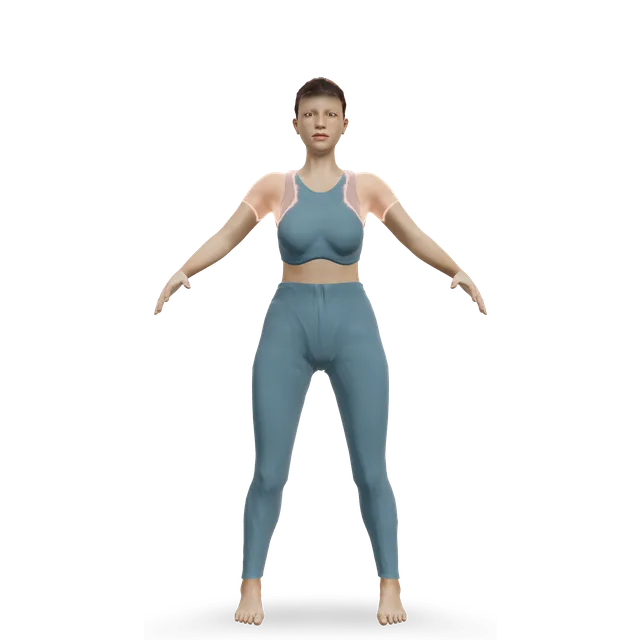
 3D demoStanding hip CARsBeginner · A wall
 3D demo90/90 switchIntermediate · No equipment
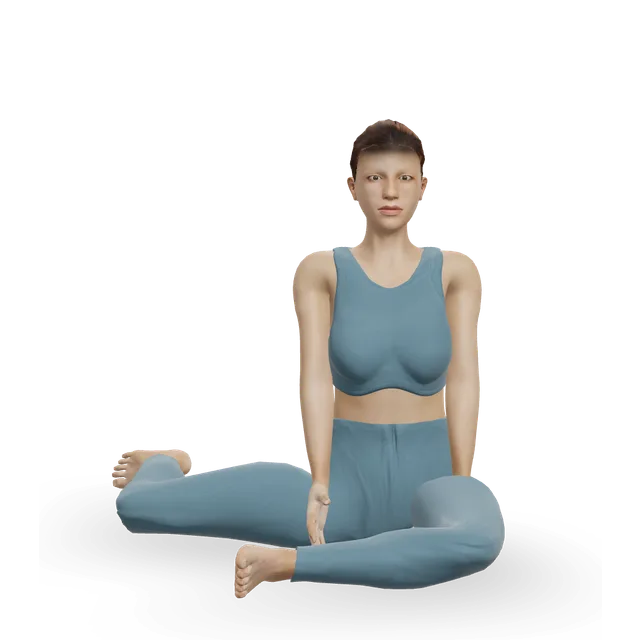 3D demo90/90 hip lift-offIntermediate · No equipment
 3D demoLow lunge (Anjaneyasana)Beginner · No equipment
 3D demoLizard pose (Utthan Pristhasana)Intermediate · No equipment
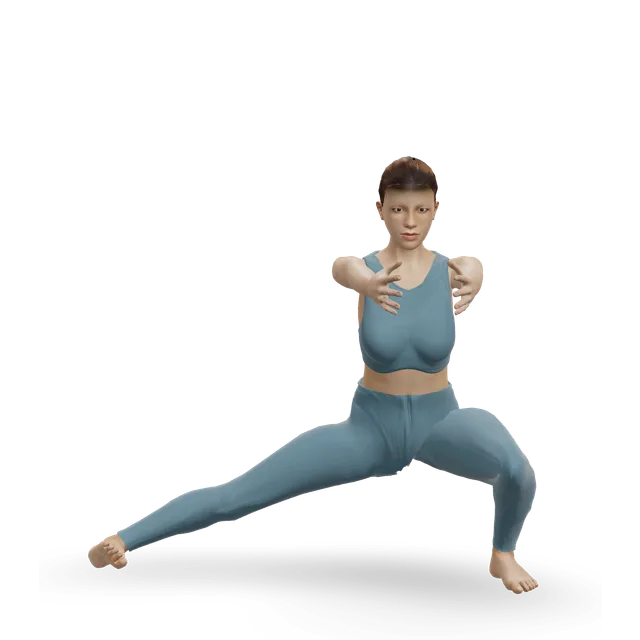 3D demoCossack squatIntermediate · No equipment
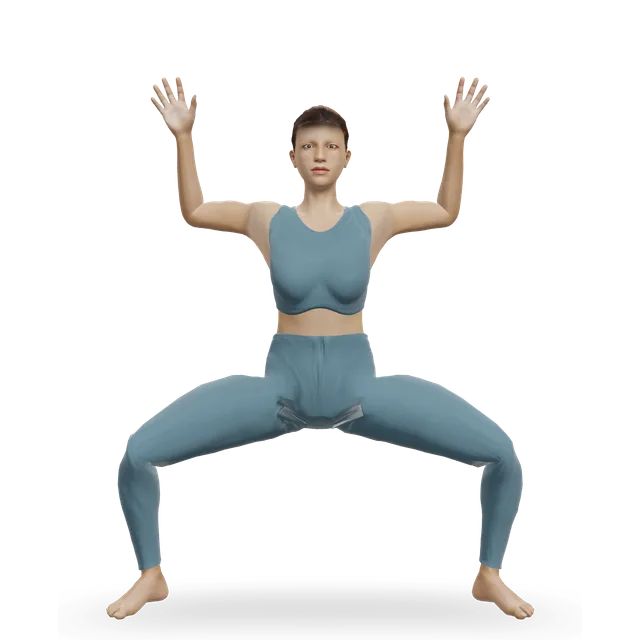 3D demoGoddess pose (Utkata Konasana)Beginner · No equipment
Standing hand-to-big-toe pose: 3 breaths each side, holding the knee then the leg, a hand on a wall, letting the leg's own muscles hold it rather than lifting higher (our yoga for dancers class). Warrior III with your hands on a chair: 3 breaths each side, twice; tree pose: 3 to 5 breaths each side; single-leg stand: 2 holds of 30 seconds each leg, eyes closed once it's easy; side plank: 2 holds of 20 to 30 seconds each side (our yoga for footballers class). Single-leg reach matrix: 2 rounds of 5 reaches each way, each leg (our yoga for hikers class).
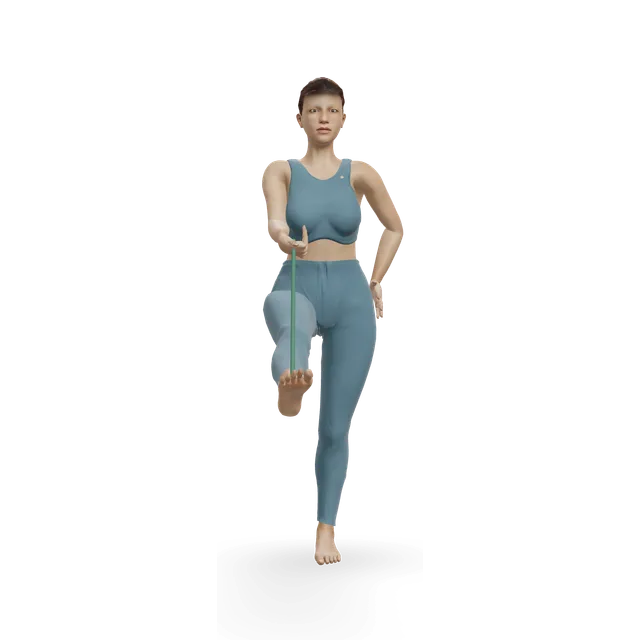 3D demoStanding hand-to-big-toe pose (Utthita Hasta Padangusthasana)Advanced · No equipment
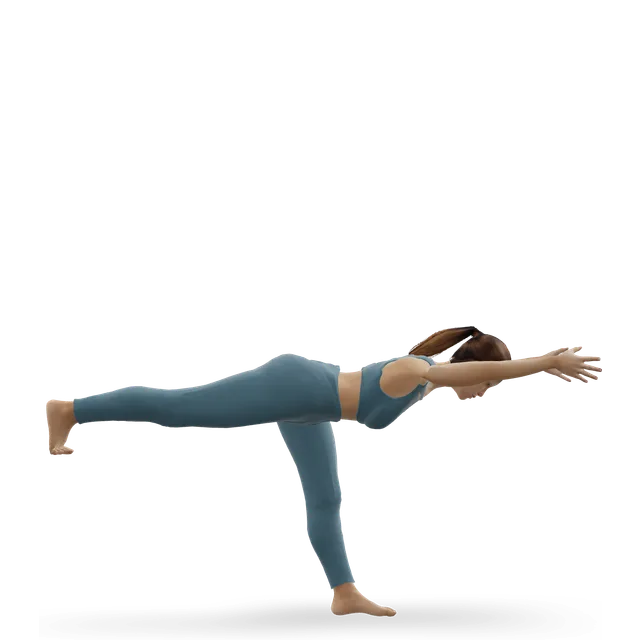 3D demoWarrior III (Virabhadrasana III)Advanced · No equipment
 3D demoTree pose (Vrksasana)Beginner · No equipment
 3D demoSingle-leg standBeginner · A wall
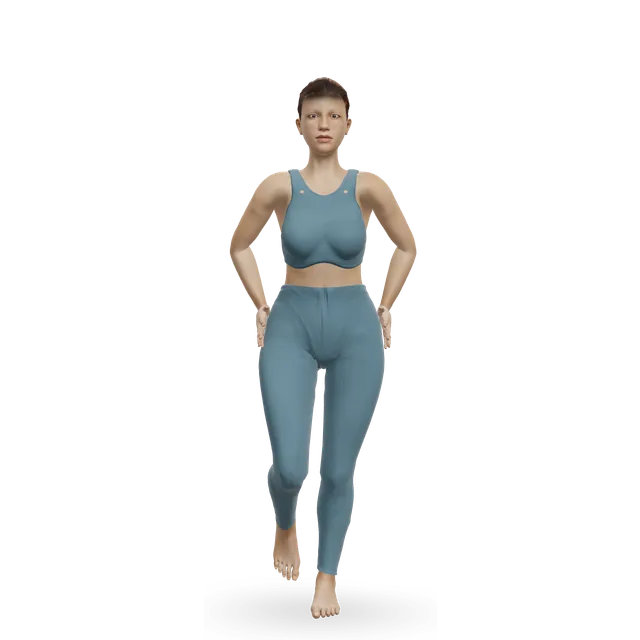 3D demoSingle-leg reach matrixIntermediate · No equipment
 3D demoSide plankIntermediate · No equipment
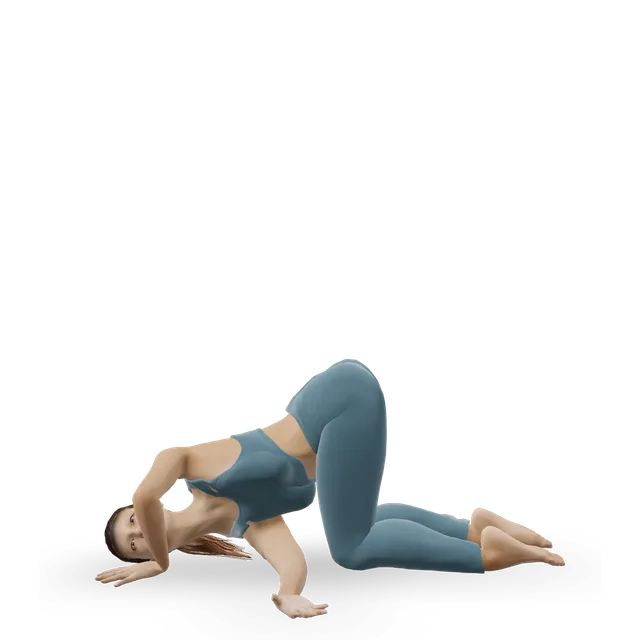
Wrist and forearm flow: 60 seconds (our yoga for arthritis class). Thread the needle: 30 seconds each side; cat-cow: 8 waves (our yoga for mobility class).
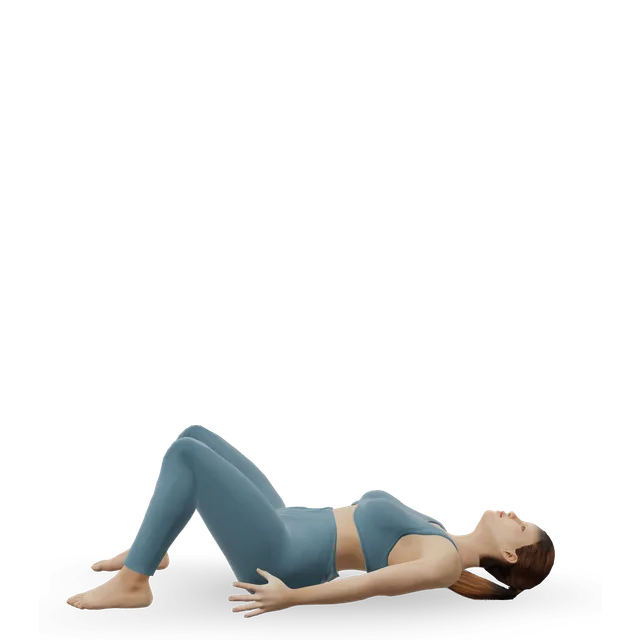
Strap hamstring stretch: 45 seconds each side at a mild pull; reclined figure four: 45 seconds each side; corpse pose: 2 minutes (our yoga for footballers class), or at least 5 minutes on a rest day (the move's page).
These follow the stretching and hypermobility evidence, our hip openers guide and the move pages' cautions.
Aim for control, not more range, especially if you're very flexible. The wide-angle fold's move page warns: "Groin strains happen when people force the legs wider than they are ready for."
After a neck crank, a choke or a head knock, or with neck pain, leave out headstands, shoulder stands and plough (editorial). Hand, shoulder and head stands are the practices most often linked with acute yoga injuries.
Keep stretches short and moving before you train; save long holds for afterwards.
Ease off a deep fold, lunge or twist that brings a sharp pinch deep in the groin. Get a catching, locking or giving-way feeling in the hip checked.
Source 37
Kapalbhati, bhastrika and breath holds raised blood pressure during practice. Leave them out, especially before contact and with high blood pressure.
Source 50
No: see making weight, above.
Our 25-minute class after training or on a rest day, once or twice a week (our editorial starting point). Before sparring or kicking drills, use the martial arts warm-up with breakfalls.
Twenty-five minutes of yoga for martial artists: slow breathing, hip range you control, the kicking leg and one-leg balance, wrists and upper back, then rest.
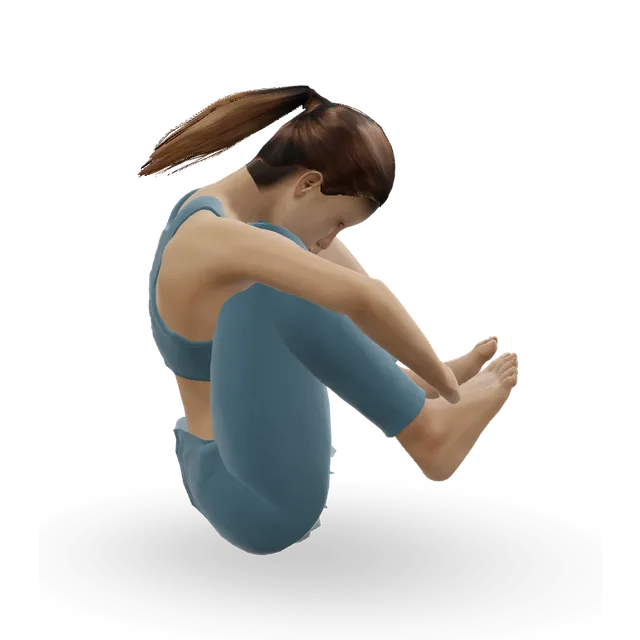
25 minBeginner17 movesA wallA 15-minute martial arts warm-up: easy running, forward rolls and breakfall practice, leg swings, balance and hops, crawls, squats, side planks and bridges.
15 minBeginner17 movesCardio machine, A wallA 45-minute strength and power workout for BJJ, judo, karate, taekwondo and MMA: jumps, squats, single-leg work, pull-ups, carries, shoulders and trunk.
45 minIntermediate17 movesA wall, A bandA hip-opening yoga sequence: low lunge, lizard, goddess, pigeon, bound angle and happy baby.
25 minBeginner10 movesA wallTwenty-five minutes of yoga for dancers: feet and ankles, turnout from the hips, balances you control yourself, trunk strength, then gentle stretches and rest.
25 minBeginner17 movesOther / check instructions, A bench or boxA 25-minute yoga class for hypermobile joints, HSD and hEDS: supported lying work, all-fours control, standing poses with soft joints, balance and a legs-up rest.
25 minBeginner15 movesA band, A wallA 6-minute breathing routine: slow breathing, crocodile breathing, alternate nostril breathing, box breathing and 4-7-8 breathing.
6 minBeginner5 movesNo equipmentA 35-minute boxing workout with no sparring: a warm-up, three shadow boxing rounds, optional bag rounds, a punching finisher and core work.
35 minBeginner10 movesA band, A wallThese follow our martial arts, boxing, Pilates for rugby players and neck pain guides word for word, with our editorial line on hot classes. This is general information, not a diagnosis. A&E means accident and emergency; in the US, call 911 for 999.
The UK guidelines call these red flags, needing urgent assessment by a healthcare professional or at A&E (accident and emergency), by ambulance if necessary.
With a suspected concussion, if in doubt, sit them out. The UK's grassroots guidelines say no sport for at least 24 hours, get checked by a healthcare professional or NHS 111 within 24 hours, follow a staged return, and no competition before day 21; if symptoms last beyond 28 days, stay out of sport and see a doctor. Yoga waits too: gentle breathing fits the early, light-activity stages, and no head-down poses or inversions until you're cleared (our reading). Our concussion guide has the stages.
British Judo says any of these after a strangle needs immediate assessment by a healthcare professional, or A&E.
Source 58
A face drooping on one side, an arm that can't be lifted and held, slurred or confused speech, sudden blurred or lost vision, sudden dizziness or a sudden, severe headache. The NHS says to call 999 even if the symptoms have stopped.
Source 62
Go to A&E: British Judo lists voice box and airway injuries among the risks of strangulation.
Source 58
The NHS says to get help from NHS 111 if, after a head injury, you're being sick, feel dizzy, take medicine that thins your blood, were drinking alcohol or taking drugs at the time, or have any other symptoms you're worried about. See a GP if symptoms last more than 2 weeks, and don't play contact sports for at least 3 weeks.
Source 61
After a throw, a takedown or a neck crank:
Numbness, tingling, burning or weakness in both arms, in more than one limb, or in the legs: keep the player still and call 999. It can be an injury to the spinal cord, even if it passes in minutes.
Call 999 or go to A&E: new problems walking, loss of bladder or bowel control, or a sudden loss of coordination, such as difficulty doing up buttons. These can be signs of pressure on the spinal cord.
Source 63
An elbow that was forced straight and looks out of place, a shoulder that won't move, or a knee that locks or swells quickly needs A&E or urgent assessment. Don't try to put a joint back yourself.
Get advice from NHS 111 now: you cannot move the knee or put any weight on it, or it is very painful, badly swollen or has changed shape, or it locks, gives way or clicks painfully. A pop, quick swelling and a knee that gives way point to an ACL injury: our ACL injury guide says what to do.
Source 64
Get it seen the same day, so it can be drained before it scars.
Confusion, fainting, dark urine or passing very little urine: stop and get medical help.
Source 54
Our editorial advice: don't use hot yoga, saunas or sweat suits to make weight. In any hot class, drink before and during, and stop at the first sign of dizziness, a headache or feeling sick; our hot yoga guide gives the NHS signs of heat exhaustion and heatstroke.
Call 999 if:
A joint pain that is sharp, gets worse during a session, lingers into the next day or changes how you move is a reason to use an easier version, and to see a GP or physiotherapist if it keeps happening (the rule in our plans). Muscle soreness for a day or two after something new is normal. In a hot class, stop if you feel dizzy, sick or unwell; our hot yoga guide lists the signs of heat illness.
If you're hypermobile, don't use mobility work to push further: the NHS says "do not overextend your joints just because you can". See a GP if you think you have joint hypermobility syndrome: for example, your joints keep dislocating, or you keep getting sprains, strains, pain or stiffness.
Source 36
Elite kickers are flexible, but sit-and-reach didn't separate elite from other young taekwondo athletes, and in one small trial flexibility training didn't improve a kick while core training did. Range you can control matters more than passive splits.
Very flexible athletes had more shoulder and knee injuries, and athletes from flexibility sports had more hip cartilage damage at surgery. In grappling, a partner can lever a joint past what you control.
Stretching didn't prevent sports injuries in 25 trials and isn't recommended for injury prevention, and static stretching slowed taekwondo sprints for up to 15 minutes. Warm up with movement and breakfalls.
No study has counted injuries after yoga in any martial art, and the judo and taekwondo warm-ups tested so far didn't clearly cut injuries either (our martial arts guide).
Source 9
Heat and dehydration have caused deaths in weight-category sports, and ringside physicians discourage heat methods. In one hot class, women lost about 1.5 litres of sweat and replaced a quarter. No source recommends hot yoga for cutting weight.
Slow breathing changes heart rate variability, and small trials in combat athletes found less stress and anxiety and better-judged kata after a week of slow breathing. The effects are small and the trials small.
Yoga is a mind-body exercise with no sparring or contact; tai chi is a martial art that is often practised as mind-body exercise. The American College of Rheumatology groups both as mind-body exercise.
Source 68
It can add hip range you control, one-leg balance, wrist and shoulder care, slow breathing for focus and a calm recovery session. There are almost no trials in martial artists, so treat it as a supplement to your art, strength and conditioning.
It can help you reach and control high positions, but more passive flexibility isn't always a better kick: in one small trial, flexibility training didn't improve a kick while core training did. Work on active range, like lifting the leg and holding it with its own muscles.
For grapplers, hip range, trunk control, wrist and shoulder care and recovery fit well, but no trial has tested yoga in Brazilian jiu-jitsu or judo. Avoid putting weight on a neck that's been cranked or choked.
For strikers, balance, hips, upper-back mobility and breathing fit well, and hot yoga should stay out of weight cuts. After a knockout or concussion, follow your governing body's return before anything head-low.
No. Elite kickers are flexible, but sit-and-reach didn't separate elite young taekwondo athletes from the rest. Very flexible people need strength and control more than extra range.
After, or on rest days. Before training, use a moving warm-up with leg swings and breakfalls; long static holds just before explosive kicking cost a little power.
Slow breathing helps the body settle, and small trials found less stress and competition anxiety with mindfulness, and better-judged kata after a week of slow breathing. Try 2 to 5 minutes of slow breathing before training or a grading.
No. Heat and dehydration have caused deaths in weight-category sports, and ringside physicians discourage heat methods. Compete at a weight you make with ordinary eating and training.
Headstands, shoulder stands and plough after a neck crank, choke or head knock; forced splits if you're very flexible; and long holds before sparring. A sharp pinch deep in the groin is a joint, not a stretch, so ease off.
Gentle range and strength may help, but hip pain is common in karate and can be impingement or a cartilage tear. Get a catching, locking or giving-way hip checked, and see a GP if hip pain hasn't improved after 2 weeks.
Neither has been tested head to head in a martial art; in elite fencers, yoga and Pilates improved balance equally. Choose the one you'll keep doing, alongside strength work.
Once or twice a week, 20 to 30 minutes, after training or on rest days, is our suggestion. Flexibility gains from stretching level off at about 10 minutes a week, so more isn't always better.
Exercise education, not a personal prescription, and clinical review of these guides is pending. If you are pregnant, have a health condition such as glaucoma, high blood pressure or osteoporosis, or have had recent surgery, check with a doctor, midwife or physiotherapist before starting, and stop for sharp or increasing pain. Health disclaimer.