Yoga guide

Yoga for wrists and wrist pain: why poses hurt, the swaps that help, and how to build wrist strength

Downward dog, plank and arm balances put your body weight through a wrist bent back to around a right angle, and most aching wrists in yoga aren't used to that load yet. Changing the position for a while, then putting weight back through your hands gradually, usually sorts it out. Pain that keeps coming back in the same spot, tingling fingers, or pain after a fall onto your hand are different, and need checking.

No trial has tested yoga for wrist pain. The swaps teachers use (forearms, fists, a wall, a wedge) come from coaching practice and lab studies of push-ups, not yoga research. Strength work for the forearms and grip has better evidence, mostly from trials in hand arthritis.

This guide covers why yoga loads the wrists, the swaps that let you keep practising, how to put weight back through your hands step by step, wrist and grip strength, wrists that bend too far, prayer hands and carpal tunnel, getting back to yoga after a broken wrist, and the warning signs, with a free 20-minute yoga for wrists class.

The short version

Yoga asks a lot of the wrists

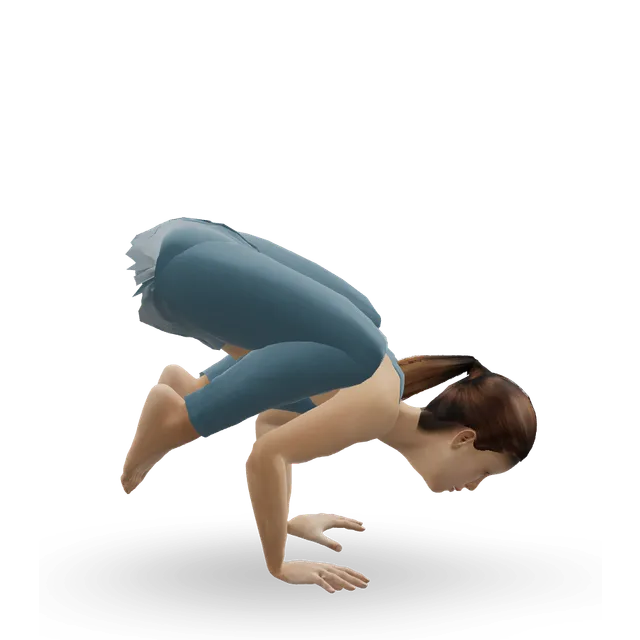
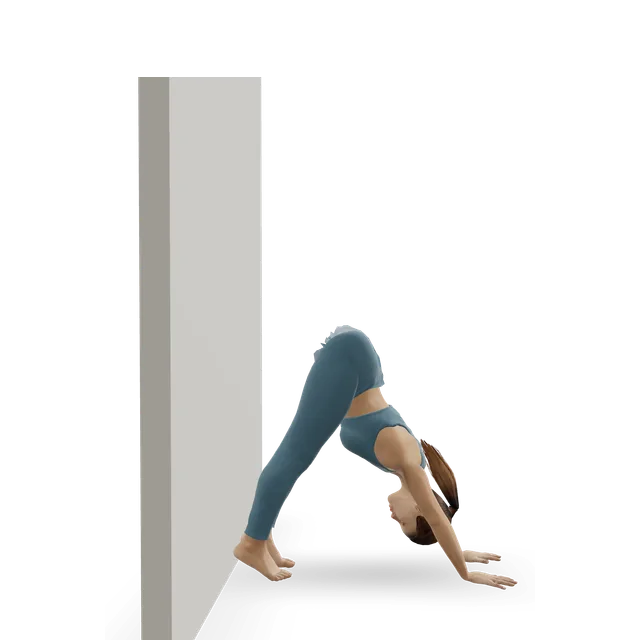
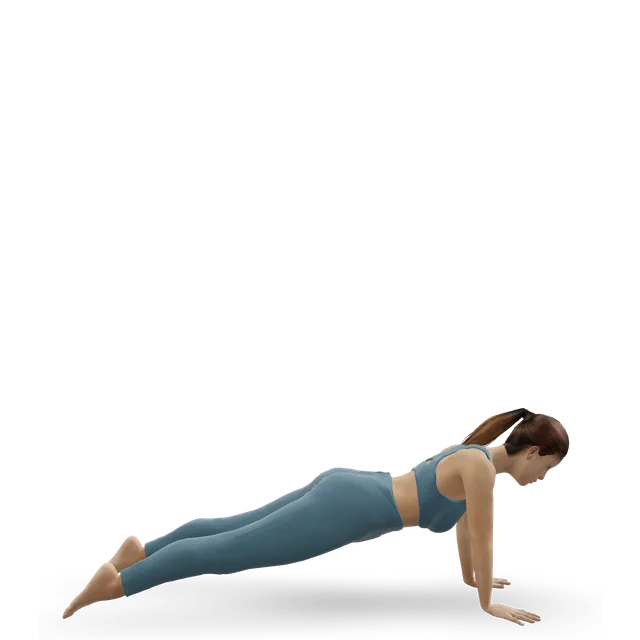
A sun salutation bends the wrist back to about 85 degrees, and downward dog, plank, crow and handstands put body weight through a bent-back wrist. The arms aren't built to take weight the way the legs are, even though the forces in common poses stay under twice your body weight.

Sources 1, 2

Most aching wrists aren't used to the load yet

Change the position for a while, then build back up. Pain that keeps coming back in the same spot on the back of the wrist is different: in an imaging study of people with that pattern, most had a small hidden cyst or a ligament problem. If it isn't better within 2 weeks, get it checked.

Sources 3, 4

Swaps keep you practising

Forearms instead of hands, fists or push-up handles to keep the wrist straight, or hands on a wall or chair. These are coaching practice and our suggestion: they rest on lab and cadaver studies of push-ups, and no yoga trial has tested them.

Sources 5, 6

Put weight back step by step

An NHS wrist programme goes from leaning part of your weight through a table, to a wall, to the floor, with discomfort of about 5 out of 10 that settles within 30 minutes. The NHS says to keep your hands and wrists moving with gentle exercises.

Sources 7, 3

Strength helps, and yoga can be part of it

Grip strength rose after short yoga programmes in small studies, exercise eases hand arthritis pain a little, and a hand exercise programme improved hand function in rheumatoid arthritis. Add forearm and grip work to your yoga.

Sources 8, 9, 10

Know when to get help

After a fall onto your hand with severe pain, swelling or a change of shape, get help the same day or call 999. See a GP (general practitioner) for tingling, numbness, a weak grip, or pain that hasn't improved after 2 weeks.

Sources 3, 11

Why wrists hurt in yoga

The wrist in yoga

Most weight-bearing poses put the hand flat with the wrist bent back: all fours, cat-cow, downward dog, plank, chaturanga, upward dog, side plank, crow and handstand. In 10 trained practitioners filmed with motion capture, a sun salutation took the wrist to 85 degrees of extension. In 28 common hatha poses, the forces through the hands and feet stayed under twice body weight, but the researchers point out that the arms aren't designed to absorb weight as the legs are, so what is gentle for the legs may not be for the arms.

Sources 1, 2

A bent-back wrist under loadEmerging evidence

In 8 wrists from donors, a push-up on a bent-back wrist raised peak pressure where the scaphoid (the small bone at the base of the thumb side) meets the forearm, compared with a straight-wrist knuckle push-up. In 14 volunteers, force travelled towards the back of the wrist and over a wider area with the wrist bent back, and the researchers judged straight-wrist push-ups likely safer. These are studies of push-ups; no study has measured the same in yoga poses.

Sources 5, 6

How common wrist trouble isEmerging evidence

No survey has counted wrist problems in yoga on their own. Arm and hand injuries were 8.8% of 29,590 US emergency visits for yoga from 2001 to 2014, against 46.6% for the trunk. In 1,702 German practitioners, hand-, shoulder- and headstands were the practices most often linked with an injury or other acute problem (29.4%), and practising only on your own, without ever having a teacher, raised the risk. In 2,508 Japanese class-goers, 27.8% noticed an unwanted symptom after class, mostly mild muscle aches, and in 354 studio practitioners, 10.7% developed new pain caused by yoga over a year. In an online survey of 321 people who practise handstands, about a quarter of them from yoga, 56.7% had chronic wrist pain.

Sources 12, 13, 14, 15, 16

When it's more than loadEmerging evidence

In 25 people whose wrists kept hurting on the back when they loaded them bent back and who had a scan, the scan showed a possible cause in 21, most often a small ganglion cyst you can't see or feel (16 people), then a partial tear of the ligament between two wrist bones (the scapholunate ligament). It was a small study of people already sent for scans, and ganglions also show up on the scans of about half of wrists that don't hurt, so a finding isn't always the cause. Our wrist pain when bending back guide sorts the causes by where it hurts. The British Society for Surgery of the Hand says ganglion cysts are "harmless and can safely be left alone. Many disappear spontaneously", and the common one on the back of the wrist grows from that same ligament. A case report describes a ligament tear with bony growth in a woman whose wrist pain was linked to yoga.

Sources 4, 34, 17, 18

Other causes of wrist pain

The NHS lists a broken or sprained wrist after an injury; pain and swelling at the base of the thumb from tendonitis (de Quervain's) or arthritis; aching, tingling or numbness that's worse at night from carpal tunnel syndrome; and a smooth lump from a ganglion cyst. It says not to try to diagnose the cause yourself. Our wrist and hand pain guide sorts the causes by where it hurts, and our yoga for carpal tunnel guide covers tingling hands.

Source 3

What the evidence says

Most of what follows comes from lab studies, small trials in hand arthritis and surveys. No trial has tested yoga for wrist pain in general.

No trial of yoga for wrist painMixed evidence

Our searches found no trial of yoga for wrist pain apart from one small trial in carpal tunnel syndrome, from 1998, in which the planned comparisons with a wrist splint weren't statistically significant. Our yoga for carpal tunnel guide covers it.

Sources 19, 20

No trial of the swapsMixed evidence

No study has tested fists, forearm poses, wedges, blocks, gloves or grips for wrist pain in yoga. Keeping the wrist nearer straight changes how load travels through it in push-up studies, so the swaps are a reasonable coaching choice, not a tested treatment.

Sources 19, 5, 6

Yoga and grip strengthMixed evidence

Grip strength rose after 10 to 30 days of yoga in groups of adults, children and people with rheumatoid arthritis, and not in comparison groups, but the groups weren't randomised. In the carpal tunnel trial, grip rose within the yoga group.

Sources 8, 20

Hand osteoarthritis: a little less pain in the short termEmerging evidence

In a Cochrane review, exercise eased hand osteoarthritis pain by a small amount (5 trials, 381 people; low-quality evidence). In a 2024 review of 14 trials (1,341 people), exercise eased pain and stiffness and improved function and grip a little in the short term, on low-certainty evidence, and the benefits had gone by 6 months. One small 1994 trial found a weekly yoga programme eased pain during activity and tenderness more than no treatment.

Sources 9, 21, 22

Rheumatoid arthritis: hand exercises helpStrong evidence

In 490 adults with rheumatoid arthritis across 17 NHS sites, a tailored hand strengthening and stretching programme added to usual care improved hand function at 12 months more than usual care alone, with no serious side effects, at a cost of £156 a person. Our hand exercises for rheumatoid arthritis workout follows it.

Source 10

Yoga is about as safe as other exerciseStrong evidence

In 94 trials (8,430 people), yoga caused no more side effects than usual care or other exercise. In observational studies, most yoga injuries were mild sprains and strains, and serious events were rare (1.9%).

Sources 23, 24

The swaps, pose by pose

Coaching practice and our suggestion, based on lab and cadaver studies of push-ups; no yoga trial has tested them. Use them while your wrists ache, then bring the full poses back gradually.

Take the wrist out, keep it straight, or take weight off

The swaps fall into three kinds: forearms instead of hands, a straighter wrist, or less body weight through the hands.

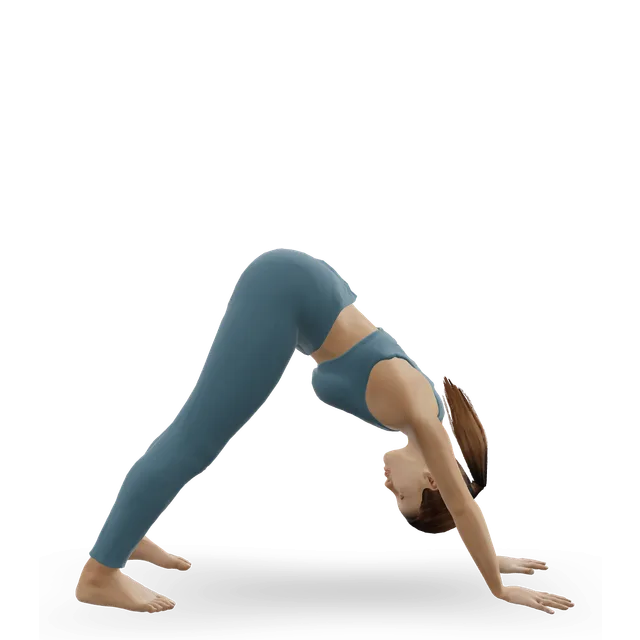
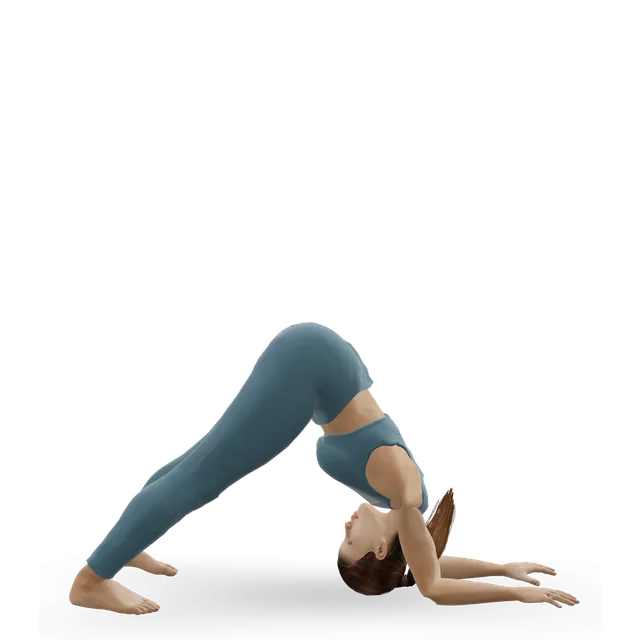
  • Downward dog: dolphin pose on your forearms, or hands on a wall or the seat of a chair. Bending your knees shifts weight back into your legs.
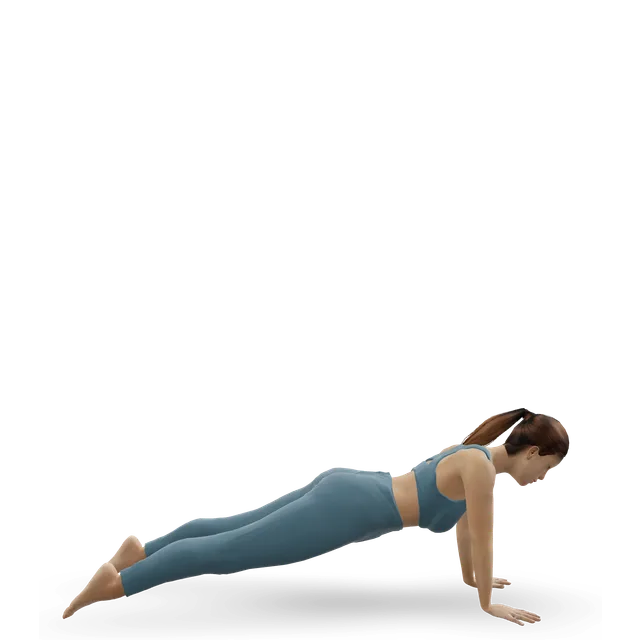
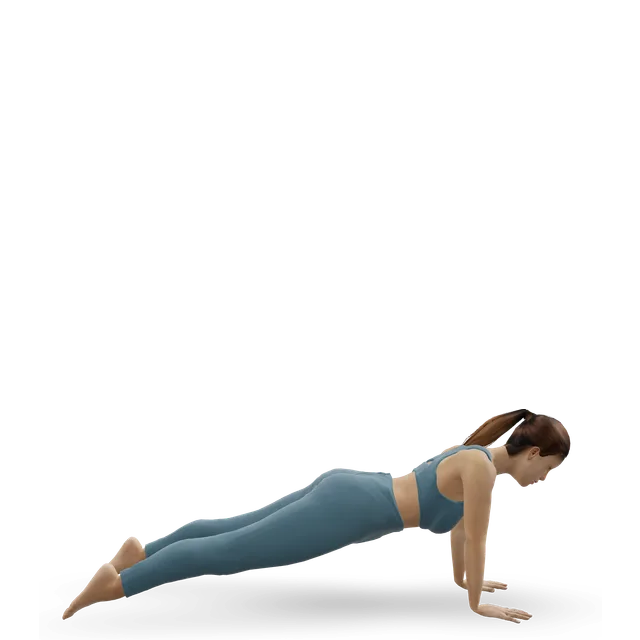
  • Plank: a forearm plank, with your knees down at first if you need to, or a plank on fists or push-up handles.
  • Cobra and upward dog: sphinx pose, on your forearms.
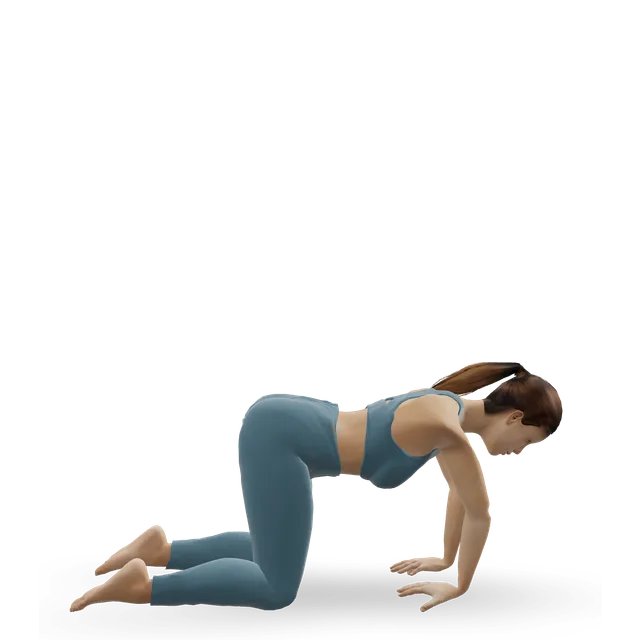
  • All fours (cat-cow, bird dog): make fists, come onto your forearms, or put a folded mat edge or a wedge under the heels of your hands to reduce the bend.
  • Side plank: on your forearm, especially with pain on the little-finger side of the wrist.
  • Chaturanga, crow and handstands: leave them for last. Hand-, shoulder- and headstands are the practices most often linked with acute injuries.
  • Prayer hands: hold them lightly and briefly, or keep your palms apart, if your fingers tingle.

Sources 5, 6, 25, 13

Forearm swaps

Dolphin: 3 holds of 5 breaths; forearm plank: 3 holds of 20 to 30 seconds (our wrist pain from push-ups and yoga guide). Knee plank: 3 holds of 10 to 20 seconds (our yoga for shoulder pain class). Sphinx: 2 holds of 3 to 5 breaths (our yoga for carpal tunnel class).

Warm the wrists before weight-bearing

Wrist circles: 10 slow circles each way (our wrist pain from push-ups and yoga guide, editorial). Wrist and forearm flow: 60 seconds; wrist flexor stretch: 30 seconds each side (our wrist and forearm routine). Tendon glides: 4 to 6 of each position, holding each for 5 seconds, up to 4 times a day; wrist extensor stretch: 3 holds of 30 seconds (the moves' pages). Ease off any stretch that brings on tingling.

Putting weight back through your hands, step by step

The table, wall and floor stages and the pain rule come from an NHS wrist programme (Oxford University Hospitals); the order of the yoga poses is our editorial suggestion, in line with our wrist pain from push-ups and yoga guide. Move to the next step when the one you're on feels easy for a week or two.

  1. Move first: wrist circles and the wrist and forearm flow until your wrists feel warm.
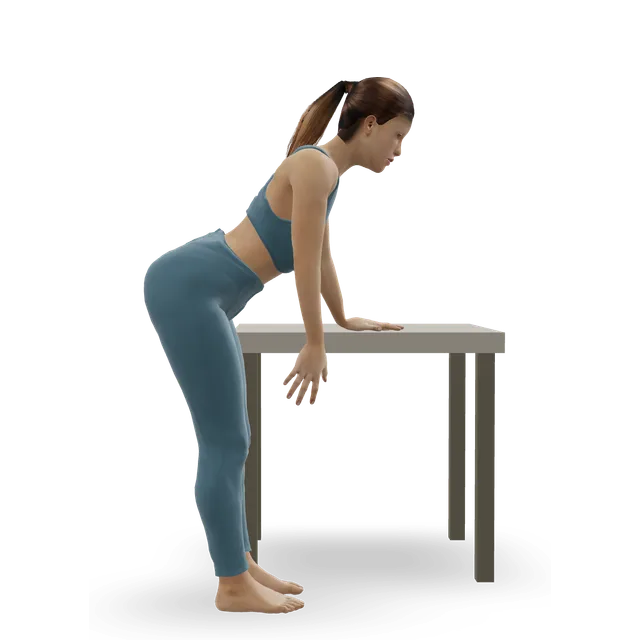
  2. Lean through a table: hands flat on a table, lean a quarter of your weight through them, then half, three quarters and all of it, holding each for 5 to 10 seconds.
  3. Move to the wall: wall push-ups, stepping further from the wall to take more weight, closer to take less.
  4. Come onto all fours: rock your weight slowly forward over your hands and back, a little further each time, with your fingers forward and then turned out.
  5. Lift one limb: reach one leg back, then one arm forward, so one hand takes more weight.
  6. Bring back downward dog with bent knees, then a plank on fists or flat hands. Chaturanga, crow and handstands come last.
  7. Keep discomfort to about 5 out of 10 or less, settling within 30 minutes and no worse the next morning. If it's worse, go back a step for a few days.

See the movement on the 3D figure: Quadruped wrist rocks

Moves for building back up

Wall push-up: 2 to 3 sets of 10, leaning more weight through your hands each week; incline push-up: 2 to 3 sets of 8 to 12; downward dog: 3 holds of 5 breaths (our wrist pain from push-ups and yoga guide). Wrist rocks: 10 slow rocks in each hand position (our wrist and forearm routine). Cat-cow: 8 waves, slower than feels natural (the move's page). Bird dog with one limb: 5 each side (our yoga for shoulder pain class). High plank: 3 holds of 15 to 30 seconds (the move's page, which calls it an editorial starting point).

Wrist and grip strength

Why strength matters

Wrist rehabilitation programmes finish with strength work, and in hand arthritis trials, strengthening eased pain and improved function a little. Yoga's weight-bearing poses build strength through the hands and arms; forearm and grip exercises target the wrist more directly. Doing both is our suggestion.

Sources 7, 21, 10

How much

Our editorial starting point: forearm and grip work twice a week, as in our grip strength workout, with a weight you can lift about 10 times before your wrist feels tired, as an NHS wrist programme suggests. Keep it light: the forearm muscles are small.

Source 7

Forearm and grip

Ball squeeze: 10 squeezes with 5-second holds; band finger extension: 15 reps; forearm rotation: 10 each way (our grip strength workout). Wrist curls and reverse wrist curls: 12 slow reps, 2 rounds (our wrist and forearm routine). Use a soft ball if the base of your thumb is sore.

Poses with your hands free, for sore days

Mountain pose: 5 to 10 slow breaths, 2 or 3 times (the move's page). Warrior II: 3 to 5 breaths each side; chair pose: 2 holds of 3 to 5 breaths with your arms forward; tree: 2 holds of 20 to 30 seconds each side, fingertips on a wall (our yoga for carpal tunnel class).

Wrists that bend too far

Strength and control, not more stretchStrong evidence

Some people's wrists bend back much further than average. For joint hypermobility syndrome, the NHS says the main treatment is "improving muscle strength and fitness so your joints are better protected" and "do not overextend your joints just because you can". The Hypermobility Syndromes Association suggests yoga "focused on strengthening and control rather than increasing flexibility".

Sources 26, 27

In practiceMixed evidence

Keep your elbows soft rather than locked, and make fists if your wrists bend back too far, as our hypermobility guide says. Physiotherapy trials in hypermobile Ehlers-Danlos syndrome are few and small (6 trials of 20 to 57 people), though they found less pain and better joint sense.

Source 28

Tingling fingers, prayer hands and carpal tunnel

A bent-back wrist raises pressure on the nerveEmerging evidence

In people with carpal tunnel syndrome, pressure in the carpal tunnel was 32 mmHg (millimetres of mercury) with the wrist straight and 110 with it bent back 90 degrees, against 2.5 and 30 in people without it. Holding the wrist and fingers bent back for a minute, like prayer hands, raised the pressure more than bending the wrist forward.

Sources 29, 25

What to do

If your fingers tingle, keep your weight off your palms for now, use the forearm swaps, and hold prayer hands lightly and briefly. The NHS treatments for carpal tunnel syndrome are a wrist splint at night, then an injection or surgery if it persists. Our yoga for carpal tunnel guide has a wrist-free class.

Source 30

After a broken wrist

Recovery takes weeks to months

The NHS says it usually takes around 6 to 12 weeks to recover from a broken wrist, and the wrist may be stiff and weak for months. One NHS wrist programme starts putting weight through the hand at 6 weeks after the injury or surgery. Follow your fracture clinic's plan, and if you're over 50, ask about a fracture liaison service to check your bones.

Sources 11, 7

Most people get back to yogaEmerging evidence

In 31 regular practitioners whose broken wrist was fixed with a plate, 90% returned to yoga: on average at about 6 months for any yoga, 7 months for weight-bearing poses and 10 months for their usual practice. About a third practised at a lower level afterwards.

Source 31

Change or leave out for now

Leave chaturanga, crow and handstands until last: they put heavy load on the end of the wrist's range (our wrist pain from push-ups and yoga guide). Swap upward dog for sphinx, and side plank for the forearm version with pain on the little-finger side. The kneeling forearm stretch puts body weight into a deep wrist bend: use the wall version of the wrist flexor stretch instead (its move page).

Free classes

Start with the 20-minute yoga for wrists class 2 or 3 times a week. On days your wrists flare or your fingers tingle, use the wrist-free carpal tunnel class. The wrist and forearm routine and the grip strength workout add strength; the handstand progression is for when your wrists take full weight comfortably.

Yoga for wrists: a 20-minute class that warms, strengthens and slowly loads the wrists

A 20-minute yoga class for wrists: a gentle warm-up, poses with the hands free, then weight through the hands in stages, from a wall to all fours to the forearms.

20 minBeginner18 movesA wall, Other / check instructions

Wrist and forearm routine

Wrist mobility and forearm strength for desk work, climbing, push-ups and handstands.

10 minBeginner7 movesA wall, A dumbbell

Yoga for carpal tunnel: a 25-minute wrist-free class with nerve and tendon glides

A 25-minute wrist-free yoga class for carpal tunnel: slow breathing, nerve and tendon glides, seated moves, standing poses with hands free, and forearm poses.

25 minBeginner17 movesA bench or box

Grip strength workout: squeezes, curls, carries and hangs

A 20-minute grip session: warm up the wrists and fingers, train the hand and forearm muscles, then carry and hang to load your grip the way everyday life does.

20 minBeginner10 movesOther / check instructions, A band

Yoga for shoulder pain: a 20-minute sequence that builds up weight on the arms

A 20-minute yoga sequence for shoulder pain: gentle movement, standing poses with the arms low, shoulder strength, and weight on the arms built up from the wall.

20 minBeginner16 movesA bench or box, A wall

Hand exercises for rheumatoid arthritis (the SARAH programme)

The daily stretches and strengthening moves from the SARAH hand trial and NHS hand therapy leaflets: finger bends, finger walking, wrist circles, squeezes and pinches.

15 minBeginner7 movesA dumbbell, A bench or box

Yoga for arthritis: a 30-minute joint-friendly class with a chair

A 30-minute joint-friendly yoga class for arthritis: seated breathing and joint warm-ups, standing poses with a chair, gentle lying poses and a long relaxation.

30 minBeginner17 movesA bench or box, A wall

5-minute desk stretches

A quick stretch break you can do beside your desk: neck, back, chest, wrists, hips and quads.

5 minBeginner7 movesA wall

Handstand progression

Build toward a handstand: wrist prep, dolphin pose, pike push-ups, crow, the wall handstand and freestanding holds.

25 minAdvanced9 movesA wall

Warning signs: when to get help

These follow our wrist and hand pain guides and our carpal tunnel guide word for word, and the NHS. A&E means accident and emergency. In the US, call 911 for 999.

Call 999 or go to A&E

  • Call 999 or go to A&E after an injury (don't drive yourself) if the arm, wrist or hand is numb, tingling or has pins and needles; a bone is sticking out or a bad cut is bleeding heavily; or the wrist, thumb or a finger has changed shape, is at an odd angle, or has turned blue, grey, white or cold.
  • Call 999, even if it passes: sudden weakness or numbness in one arm, with a drooping face or slurred speech. These are signs of a stroke.

Sources 11, 32

Get help the same day

  • Same day (NHS 111, an urgent treatment centre or an urgent GP appointment): a wrist or hand injury that is very painful, getting worse, very swollen or bruised, stiff, or that you can't use. It may be broken. Get the same help if you also have a very high temperature, or feel hot, cold or shivery: this could be an infection.
  • Same day: after a fall onto an outstretched hand, pain or tenderness at the base of the thumb on the back of the wrist (the hollow called the snuffbox), even if the wrist moves well or the first X-ray was normal.
  • Same day: you have lost the feeling in part or all of your hand.
  • Same day: both hands numb or clumsy (dropping things, trouble with buttons or handwriting), especially with unsteady walking or falls. Pressure on the spinal cord in the neck can do this, and it is often first mistaken for carpal tunnel syndrome.

Sources 3, 11

See a GP soon

  • Not improved after 2 weeks of looking after it at home, getting worse, keeps coming back, or stopping you doing normal activities. In many areas you can refer yourself to NHS physiotherapy.
  • Any tingling or loss of feeling in the hand or wrist.
  • Carpal tunnel symptoms that are getting worse, not going away, or not helped by treatment at home; sooner if the thumb is weak or the muscle at the base of the thumb looks thinner.
  • You have diabetes and a hand problem: the NHS says hand problems can be more serious if you have diabetes.
  • See a GP if your wrist is painful, warm, swollen and stiff, or you have wrist pain and also feel unwell with a high temperature.
  • You're over 50 and have broken your wrist: ask about a fracture liaison service to check your bone health.

Sources 3, 30, 11

During practice

Discomfort up to about 5 out of 10 that settles within half an hour and isn't worse the next morning is fine while you build back up. Stop a pose for sharp pain, pain that builds through a session, clicking with weakness on the little-finger side, or tingling or numbness that doesn't fade quickly, and come onto your forearms or a wall (our suggestion). Pain on the back of the wrist every time you load it, lasting more than 2 weeks after changing position, deserves an assessment. Stop for chest pain, dizziness or unusual breathlessness. Call 999 (911 in the US) for chest pain that feels tight or like squeezing, or spreads to the arms, neck or jaw.

Sources 7, 4, 33

Myths

"Never put weight on sore wrists"Mixed evidence

Wrist programmes put load back step by step rather than avoiding it, and the NHS says to keep your hands and wrists moving with gentle exercises. A few days' rest from what hurts is fine. After a fall or a broken wrist, follow your fracture team, and with tingling hands, start with the forearm swaps.

Sources 7, 3

"Wrist pain in downward dog is always bad alignment"Mixed evidence

No study has tested alignment or hand-pressing cues. Spreading the load across your hand is a reasonable cue, but in a small study of 25 people whose wrists kept hurting when loaded bent back, scans showed a possible cyst or ligament problem in 21.

Sources 4, 19

"Wedges, gloves or grips will fix sore wrists"Mixed evidence

None has been tested in a trial. Keeping the wrist straighter changes how push-ups load it in lab studies, so they're a reasonable short-term aid while you build strength, not a fix.

Sources 19, 5

"Yoga cures carpal tunnel"Strong evidence

In the one small trial, the planned comparisons with a splint weren't statistically significant. The NHS treatments are a night splint, an injection and, if it persists or gets worse, surgery.

Sources 20, 30

"Prayer hands opens up the carpal tunnel"Emerging evidence

Holding the wrist and fingers bent back for a minute raised the pressure in the carpal tunnel in a lab study.

Source 25

"The more flexible your wrists, the better"Strong evidence

With hypermobility, the NHS says not to overextend your joints just because you can, and to build strength. Control matters more than range.

Sources 26, 27

"Yoga is bad for your wrists"Emerging evidence

In trials, yoga caused no more side effects than other exercise, most yoga injuries are mild, and arm and hand injuries were under 1 in 10 emergency visits for yoga. The riskiest poses for wrists, such as handstands, can wait.

Sources 23, 24, 12

Questions people ask

Why do my wrists hurt in yoga?

Downward dog, plank and arm balances put your body weight through a wrist bent back to around a right angle, and most aching wrists aren't used to that load yet. Pain that keeps coming back in the same spot on the back of the wrist can be a small hidden cyst or a ligament problem, so get it checked if it isn't better 2 weeks after changing position.

What can I do instead of downward dog with wrist pain?

Dolphin pose, on your forearms, or downward dog with your hands on a wall or the seat of a chair. Fists or a wedge under the heels of your hands keep the wrist straighter. No study has tested these swaps; they follow lab studies of push-ups.

Is yoga good for your wrists?

It can be, if you build up gradually: weight-bearing through the hands strengthens the wrists and arms, and grip strength rose after short yoga programmes in small studies. Most yoga injuries are mild, and the riskiest poses for wrists, such as handstands and crow, can wait.

How do I strengthen my wrists for yoga?

Put weight back gradually, from a table to a wall to the floor, as an NHS wrist programme does, and add forearm and grip exercises twice a week. Our 20-minute yoga for wrists class combines both.

Do yoga wrist wedges, gloves or grips work?

No trial has tested them for wrist pain. They're fine as a short-term aid while you rebuild strength, and a folded mat edge under the heels of your hands does the same job as a wedge.

Can I do yoga with a wrist injury?

Yes, with poses that don't load your hands: standing poses, seated poses and forearm versions. After a fall onto your hand with pain, swelling or a change of shape, get it checked before practising, and after a broken wrist, follow your fracture clinic's plan.

Can I do yoga with carpal tunnel?

Yes, keeping your wrists near straight and off your palms while your fingers tingle. Keep wearing your night splint, as the NHS advises, and see our yoga for carpal tunnel guide for a wrist-free class.

Are prayer hands bad for your wrists?

Not for most people. Holding the wrists and fingers bent back for a minute raised pressure in the carpal tunnel in a lab study, so if your fingers tingle, hold prayer hands lightly and briefly, or keep your palms apart.

My wrists are very flexible. Is that good for yoga?

Not necessarily. With hypermobility, the NHS says not to overextend your joints just because you can, and to build strength and control instead. Make fists if your wrists bend back too far.

When can I go back to yoga after a broken wrist?

When your fracture team says: one NHS programme starts putting weight through the hand at about 6 weeks. In 31 regular practitioners whose broken wrist was fixed with a plate, 90% got back to yoga, after about 6 months for any yoga and 7 months for poses on the hands.

Does yoga help arthritis in the hands and wrists?

It may help a little. In one small trial, weekly yoga eased pain and tenderness in hand osteoarthritis, and exercise in general eases hand pain a little in the short term. Use fists, padded handles or your forearms for poses on the hands.

When should I see a doctor about wrist pain?

Get help the same day after a fall with severe pain, swelling or a change of shape, or if you lose the feeling in your hand. See a GP for tingling or numbness, a weak grip, diabetes, or pain that hasn't improved after 2 weeks.

Sources

  1. Mullerpatan 2019 · Joint angles in sun salutation: 10 trained practitioners (motion-capture study, Int J Yoga)

  2. Wilcox 2012 · Forces through the hands and feet in 28 hatha yoga poses: 20 adults (laboratory study, Int J Exerc Sci; full text read)
  3. NHS · Wrist pain (last reviewed November 2025)
  4. Nance 2017 · MRI findings in dorsal wrist pain when loading the bent-back wrist (retrospective imaging study, J Wrist Surg)
  5. Daly 2018 · Push-up position and wrist joint pressures (cadaver study, J Hand Surg Am)
  6. Polovinets 2018 · Force through the wrist in push-ups on a bent-back and a straight wrist: 14 volunteers (laboratory study, J Hand Ther)
  7. Oxford University Hospitals NHS Foundation Trust · Wrist fractures: information and exercises for patients (leaflet, September 2024)
  8. Dash 2001 · Grip strength after short yoga programmes in adults, children and people with rheumatoid arthritis (non-randomised controlled study, Indian J Physiol Pharmacol)
  9. Østerås 2017 · Exercise for hand osteoarthritis: 7 trials (Cochrane systematic review, J Rheumatol)
  10. Lamb 2015 · Hand exercises for rheumatoid arthritis: the SARAH trial, 490 adults (randomised trial, Lancet)
  11. NHS · Broken arm or wrist (last reviewed October 2026)
  12. Swain 2016 · Yoga injuries seen in US emergency departments, 2001 to 2014: 29,590 injuries (national surveillance study, Orthop J Sports Med; full text read)
  13. Cramer 2019 · Adverse effects of yoga in 1,702 German practitioners (national cross-sectional survey, BMC Complement Altern Med; full text read)
  14. Matsushita 2015 · Adverse events in yoga classes: 2,508 class-goers in Japan (survey, BioPsychoSocial Med)
  15. Campo 2018 · Pain caused by recreational yoga over a year: 354 studio practitioners (prospective cohort study, J Bodyw Mov Ther)
  16. Martonovich 2025 · Chronic wrist pain in 321 adults who practise handstands (cross-sectional survey, J Funct Morphol Kinesiol)
  17. British Society for Surgery of the Hand · Ganglion cysts (patient information)
  18. An 2019 · A wrist ligament tear with bony growth linked with yoga (case report, J Wrist Surg)
  19. PubMed · Search for yoga with wrist, upper limb or weight-bearing and pain, injury or load: 44 records, no trial of yoga for wrist pain other than carpal tunnel (28 October 2026)
  20. Garfinkel 1998 · Yoga for carpal tunnel syndrome: 42 people (randomised trial, JAMA)
  21. Huang 2024 · Exercise-based rehabilitation for hand osteoarthritis: 14 trials, 1,341 people (systematic review and meta-analysis, J Orthop Sports Phys Ther)
  22. Garfinkel 1994 · A weekly yoga programme for osteoarthritis of the hands (randomised trial, J Rheumatol)
  23. Cramer 2015 · The safety of yoga: 94 randomised trials, 8,430 people (systematic review and meta-analysis, Am J Epidemiol)
  24. Cramer 2018 · Injuries and other adverse events with yoga: 9 observational studies (systematic review, J Sci Med Sport)
  25. Werner 1994 · Holding the wrist and fingers bent back for a minute (reverse Phalen's) and carpal tunnel pressure (laboratory study, Arch Phys Med Rehabil)
  26. NHS · Joint hypermobility syndrome (past its review date: reviewed August 2023, review due August 2026)
  27. Hypermobility Syndromes Association · Pain management
  28. Reychler 2021 · Physiotherapy for hypermobile Ehlers-Danlos syndrome: 6 trials (systematic review, Am J Med Genet A)
  29. Gelberman 1981 · Pressure in the carpal tunnel with the wrist straight, bent forward and bent back: 15 people with carpal tunnel syndrome and 12 without (laboratory study, J Bone Joint Surg Am)
  30. NHS · Carpal tunnel syndrome (last reviewed April 2024)
  31. Goyal 2021 · Returning to yoga after a plated wrist fracture: 31 regular practitioners (retrospective survey, Hand (N Y))
  32. NHS · Symptoms of a stroke (last reviewed September 2024)
  33. NHS · Heart attack (last reviewed March 2026)
  34. Lowden 2005 · Wrist ganglia on the MRI scans of 103 wrists without symptoms (imaging study, J Hand Surg Br)

Exercise education, not a personal prescription, and clinical review of these guides is pending. If you are pregnant, have a health condition such as glaucoma, high blood pressure or osteoporosis, or have had recent surgery, check with a doctor, midwife or physiotherapist before starting, and stop for sharp or increasing pain. Health disclaimer.