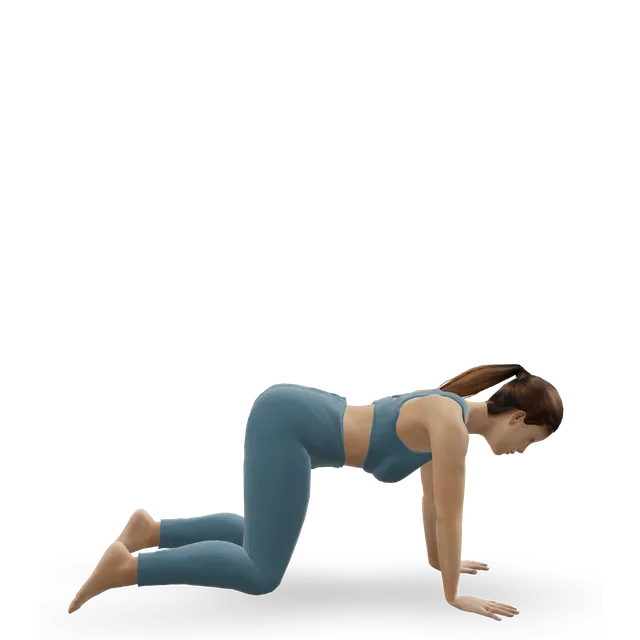
No study has measured the wrist in Pilates
No trial, cohort or lab study has looked at the wrist in a Pilates position or tested Pilates for wrist pain. The nearest figure is from yoga: in a sun salutation, the wrist bent back about 85 degrees.
Pilates guide
No study has measured the wrist in a Pilates position, and no trial has tested Pilates, or any of the usual swaps, for wrist pain. What is known comes from lab studies of push-ups and yoga, NHS wrist programmes and a small strength trial. Most Pilates can still be done with sore wrists: the mat repertoire is mostly lying, side-lying, seated and standing, with your hands free.
The moves that load the wrist (the knee hover, plank, leg pulls, push-up, side bend and all fours) hold it bent back near the end of its range under part of your body weight, which few wrists meet in daily life. Those can go onto your forearms, fists or a raised surface, or wait while you build the wrist back up. Where it hurts matters more than any swap: tingling in your fingers, pain after a fall, or a deep ache that keeps coming back needs a different plan.
This guide covers which moves load the wrist and how much, the causes worth checking, forearm, fist and prop swaps on the mat and the reformer, wrist strength, bringing weight back onto your hands in steps, hypermobility, pregnancy and after a broken wrist, the warning signs, and a 25-minute class.
No trial, cohort or lab study has looked at the wrist in a Pilates position or tested Pilates for wrist pain. The nearest figure is from yoga: in a sun salutation, the wrist bent back about 85 degrees.
Lying, side-lying, seated and standing moves keep your wrists near straight and unloaded. The hands-down moves carry part of your weight on a bent-back wrist: in push-ups, the hands took about 64% of body mass at peak, 49% from the knees, and 41% to 55% with the hands raised on a box.
In lab and cadaver studies, a bent-back loaded wrist sends force towards the back and thumb side of the joint, and a straight wrist (fists or handles) spreads it. That supports forearm, fist and raised-surface versions, but none has been tested for wrist pain, so they are our suggestion. After a fall with a clicking wrist, get it checked before switching to fists.
Tingling in the thumb and first fingers points to carpal tunnel syndrome. Pain at the base of the thumb after a fall needs a same-day check for a broken scaphoid. A deep ache in the middle of the back of the wrist that keeps coming back can be a hidden ganglion or a ligament problem: in 25 people with that pain on loading the bent-back wrist, in push-ups, planks, yoga or Pilates, scans found a cause in 21.
NHS wrist programmes bring weight back through the hands at a table, then a wall, then the floor, with discomfort up to about 5 out of 10 that settles within 30 minutes. In a small trial, swapping half of each session's massage and physiotherapy for wrist and grip training eased long-lasting wrist pain a little more.
A wrist out of shape after a fall, lost feeling in your hand, or a hot, swollen joint needs help the same day or sooner. The full list is below, in the words our wrist pain guides use.
These are small lab and cadaver studies of push-ups, crawling and yoga. None measured a Pilates position, so what they mean for Pilates is our reading.
On the mat: the knee hover, the high plank, the leg pull front and back, the Pilates push-up, the side bend, the kneeling side kick, the swan pressed up on the hands, the hip twist, and all-fours moves such as cat-cow and the bird dog; the high scissors and high bicycle rest the pelvis on the hands. Everything else keeps the hands free or resting. On the reformer, the elephant, long stretch, up stretch and knee stretches put the hands on the footbar, and the classical cues are to keep the wrists straight or "long with thumbs and fingers together".
In 10 trained yoga practitioners filmed with motion capture, the wrist bent back most in the eight-limb pose of the sun salutation, about 85 degrees, and the wrist "showed greatest variability in motion" between people. The 90 degrees often quoted for all fours hasn't been measured, and no one has measured a Pilates position.
In 23 adults on force plates, peak force through the hands was 64% of body mass in a regular push-up, 49% from the knees, 55% with the hands on a 30 cm box and 41% on a 61 cm box, and 70% to 74% with the feet raised. The hands carry less at the top of a push-up (the plank position) than at the bottom. In 6 adults crawling on hands and knees, each hand took about 37% of body weight at peak. These are peaks while moving, not held Pilates positions.
In 8 donated wrists, a push-up with the wrist bent back raised pressure where the scaphoid (a small bone on the thumb side) meets the forearm bone, and moved the load towards the back of the wrist, compared with a straight-wrist knuckle push-up. In 14 volunteers, force travelled further back and towards the little-finger side with the wrist bent back, and the authors judged straight-wrist push-ups "likely safer". In 14 men, a straight wrist moved some load from the elbow to the shoulder.
In 6 donated wrists with a damaged ligament between two wrist bones (the scapholunate ligament), a straight-wrist push-up opened the gap between the injured bones more, so a clicking wrist after a fall needs checking before you switch to fists. And one young soldier developed stress fractures in his hand from daily knuckle push-ups: build up fist work gradually, on a padded mat.
This sorts the usual causes so you can find the right guide. It isn't a diagnosis: see the warning signs below, and a GP or physiotherapist if you're not sure.
An ache across the back of both wrists in the hands-down moves, fine on your forearms and settling within minutes, is usually load your wrists aren't used to yet. That is the site's own reading, as on our wrist pain in planks and yoga for wrists guides: no study has counted the causes of wrist pain in Pilates.
Tingling, numbness or pins and needles in the thumb, index and middle fingers, often at night (the NHS says symptoms are "usually worse at night"), points to carpal tunnel syndrome. Our Pilates for carpal tunnel guide covers it, with a wrist-free class and nerve glides. Tingling in the ring and little fingers is usually the ulnar nerve at the elbow instead.
Source 11
A broken scaphoid "occurs most often after a fall onto an outstretched hand", and the hollow at the base of the thumb on the back of the wrist (the snuffbox) "is typically where you feel the most tenderness or pain". It can feel like a sprain, and it can be missed on the first X-ray. UK hand surgeons say the most common cause of a wrist sprain is a fall onto the outstretched hand, and an apparent sprain that doesn't settle "may indicate a more significant injury". The NHS says you'll probably need an X-ray. Our scaphoid fracture and wrist sprain guides cover them.
In 25 people with pain on the back of the wrist when loading it bent back ("push-ups, planks, yoga, or Pilates poses"), a magnetic resonance imaging (MRI) scan found a cause in 84%, against 12% of comparison wrists, most often a ganglion too small to see or feel, then partial tears of a wrist ligament. A review of this pain in athletes lists the same suspects: a pinched joint lining, hidden ganglia, ligament injuries, irritated tendons and, rarely, Kienböck's disease. Our wrist pain when bending back guide sorts them.
Pain on the little-finger side, worse in a side plank on your hand or turning your forearm, points to the cartilage cushion there (the triangular fibrocartilage complex, or TFCC) or the tendon beside it: our TFCC tear guide covers it. Pain on the thumb side, worse lifting the thumb or gripping, points to de Quervain's; UK hand surgeons say a steroid injection "relieves the pain in about 70% of cases". The NHS groups it with thumb arthritis on its thumb pain page.
A smooth lump is usually a ganglion: the NHS says to get one checked urgently if "you have a lump that is very painful, hot or red", and not to burst it. A sudden hot, swollen joint with no injury can be gout, calcium crystals or an infection, and needs help the same day. If your wrists bend back further than most, the NHS's main treatment for hypermobility is "improving muscle strength and fitness so your joints are better protected".
A teenager's wrist that hurts the day after handstands, planks or push-ups can be a stress injury of the growth plate. Across 9 studies, about half of adolescent gymnasts (53%) reported wrist pain, at low to very low certainty. Our gymnast's wrist guide covers it: no weight through a sore growing wrist.
Source 28
No survey of Pilates clients gives a wrist figure. Among 166 Pilates instructors in Brazil, 19.3% reported wrist pain, against 63.3% low back and 62.0% neck. In 494 Dutch fitness injuries, yoga or Pilates accounted for 17%, mostly the back. In yoga, arm and hand injuries were 8.8% of 29,590 US emergency visits, and hand-, shoulder- and headstands were the practices most often linked with an acute problem. In 321 people who practise handstands, 56.7% had long-lasting wrist pain.
Our searches of PubMed, Europe PMC and ClinicalTrials.gov in October 2026 found no trial, cohort or case series of Pilates for wrist pain, and no registered trial. No study has tested forearms, fists, handles, wedges, blocks or gloves for wrist pain in any kind of exercise either.
Source 1
Knees down or hands raised cut the load through the hands, and a straight wrist changes where load passes through it. None of these studies measured pain, so the swaps are a reasonable choice rather than a tested treatment.
In an online Pilates programme for people with hypermobility, 17.1% of 251 people who answered the 8-week survey reported more pain or a flare they put down to the Pilates, including wrist discomfort in particular moves. About half said it passed, or settled when they changed or skipped those moves, and none was known to be serious.
Source 34
In the survey of 321 handstand practitioners, warm-ups, braces and grip devices weren't linked with less long-lasting wrist pain, though a survey can't show cause either way. Rigid tape gave a little more wrist movement and slightly less pain than placebo tape after 1 week, in 30 people, and a padded brace eased gymnasts' pain in a study with no comparison group. Try a wedge, a folded mat edge or fists for comfort if they help.
The Oxford NHS wrist booklet, written for broken wrists, brings weight back through the hand from 6 weeks after the injury or surgery: leaning through a table with a quarter, half, three quarters and then all of your weight, holding 5 to 10 seconds, then a wall, then the floor, with discomfort of about 5 out of 10 that settles within 30 minutes. A Cochrane review of rehabilitation after a broken wrist (26 trials) rated every comparison low or very low quality, so no one sequence is proven; this one is a sensible borrowing.
In 31 adults with long-lasting wrist pain and no clear cause, one group spent half of each 40-minute session, twice a week for 4 weeks, on wrist stability and grip training and half on massage and physiotherapy; the other had 40 minutes of massage and physiotherapy. Pain fell by 2.37 points against 1.33, and wrist function improved more. So the trial compares training with more massage, not with nothing, and the gain may not be from the training alone; it was also small and short, with no follow-up.
Source 13
In 169 adults with hypermobility and hand pain or pins and needles, 12 weeks of wrist stabilising exercise did as well as a hand splint, with no significant difference in function, pain or grip. The NHS says "do not overextend your joints just because you can".
Our suggestion, based on the lab studies above and the moves' own cautions; no study has tested these swaps for wrist pain.
The knee hover, plank and leg pull front become a forearm plank; the side bend becomes a forearm side plank; the single-leg kick is already on the forearms; the swan can lift with your arms by your sides. The moves' own cautions already offer these swaps.
Fists or push-up handles keep the wrist straighter; a wedge, a rolled towel or the folded edge of the mat under the heel of your hand takes some of the bend out; hands on a bench or a step lower the load. Build fist work up gradually on a padded mat.
Keep side planks and the side bend on your forearm, and leave out the hip twist and leg pull back, which turn and load the wrist, until it settles (our suggestion, agreeing with our wrist pain in planks guide).
Forearm plank, 3 holds of 20 to 30 seconds, knees down at first; knee plank on the forearms, 3 holds of 10 to 20 seconds (our yoga for wrists guide). Knee side plank on your forearm, 2 holds of 20 seconds each side (our Pilates for swimmers class). The single-leg kick, "6 to 8 each leg"; swimming, "2 to 3 sets of 20 to 30 seconds", arms long with no weight on your hands; and the swan, "5 to 6 reps" with your arms by your sides (the move page's dose for each).
 3D demoForearm plankIntermediate · No equipment
 3D demoKnee plankBeginner · No equipment
 3D demoKnee side plankBeginner · No equipment
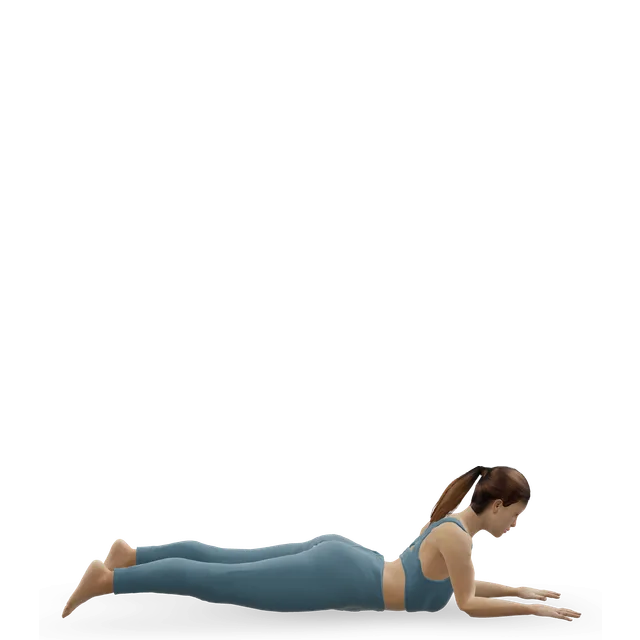 3D demoSingle-leg kick (Pilates one leg kick)Beginner · No equipment
 3D demoSwimming (Pilates)Intermediate · No equipment
 3D demoSwan (Pilates swan dive)Intermediate · No equipment
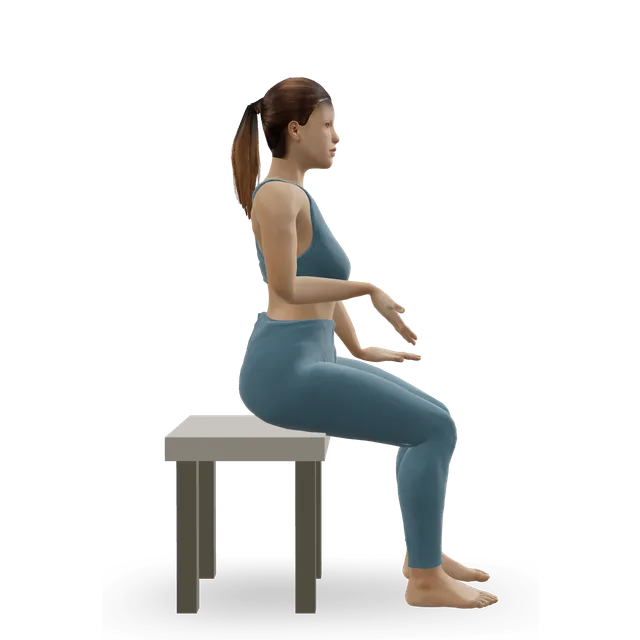
Hands resting, palms up or lightly on your shins. From the moves' pages: lateral breathing, "5 to 8 breaths at the start of every session"; knee fold, "2 sets of 5 to 10 each side, every other day"; the hundred, "50 beats to start, building to 100 (the classical count)", pumping from the shoulders; single-leg stretch, "6 to 10 each side"; single-leg circle, "5 circles each direction, each leg"; side kick, "8 to 10 each side", head resting on your lower arm; shoulder bridge, "3 to 5 kicks each leg"; wall side leg lift, "10 to 12 each side", fingertips on the wall. Pelvic tilt into bridge, 8 tilts then 8 bridges (our editorial starting point).
 3D demoLateral breathing (Pilates breathing)Beginner · No equipment
 3D demoKnee foldBeginner · No equipment
 3D demoPelvic tilt into bridgeBeginner · No equipment
 3D demoHundred (Pilates)Intermediate · No equipment
 3D demoSingle-leg stretch (Pilates one leg stretch)Intermediate · No equipment
 3D demoSingle-leg circle (Pilates one leg circle)Beginner · No equipment
 3D demoSide kick (Pilates side kick series)Beginner · No equipment
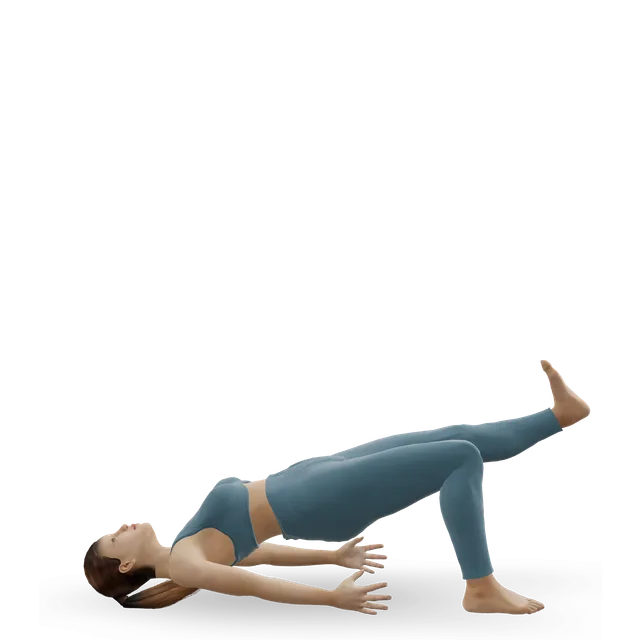 3D demoShoulder bridge (Pilates)Intermediate · No equipment
 3D demoWall side leg lift (standing side kick at the wall)Beginner · A wall
Light weights: the forearm muscles are small. Wrist and forearm flow, 60 seconds; wrist flexor stretch against a wall, 30 seconds each side; wrist curls and reverse wrist curls, 12 slow reps, 2 rounds (our wrist and forearm routine). Wrist circles, 10 slow circles each way (our yoga for wrists guide). Forearm rotation, 10 each way; ball squeeze, 10 squeezes with 5-second holds, a soft ball if the base of your thumb is sore (our grip strength workout). Twice a week is our editorial starting point.
 3D demoWrist & forearm flowBeginner · No equipment
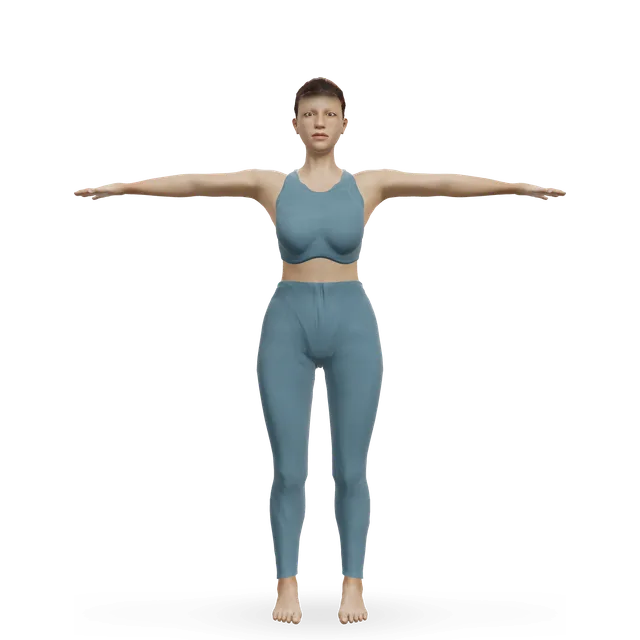 3D demoWrist circlesBeginner · No equipment
 3D demoWrist flexor stretchBeginner · A wall
 3D demoWrist curlsBeginner · A dumbbell
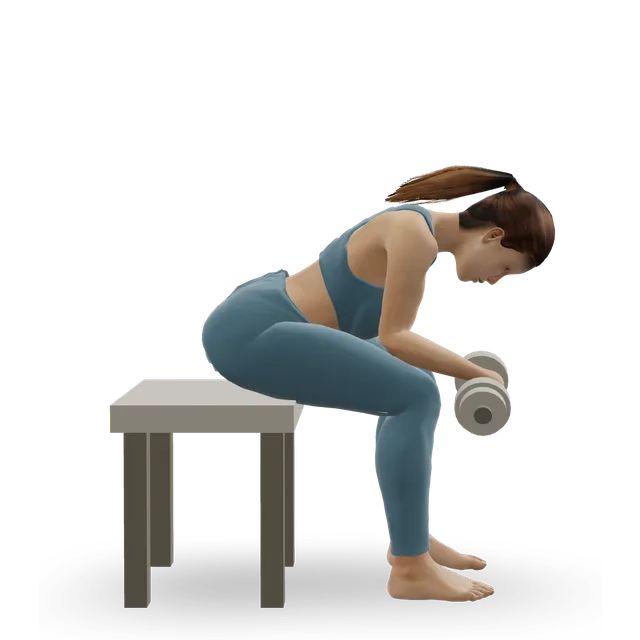 3D demoReverse wrist curlBeginner · A dumbbell + A bench or box
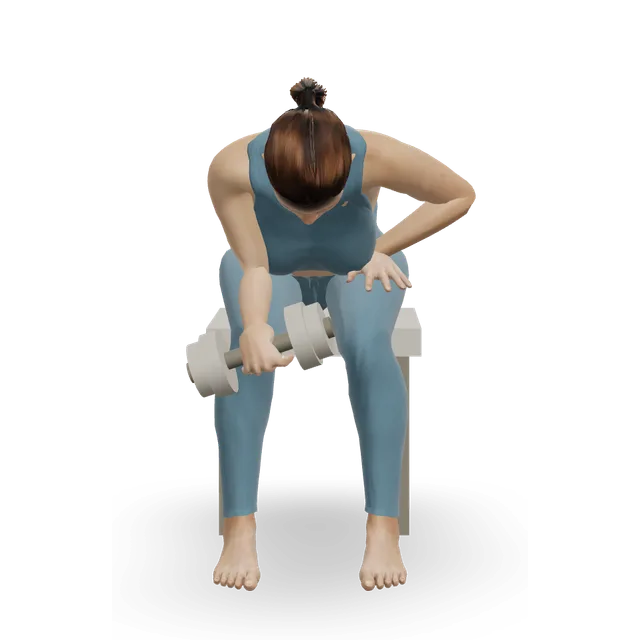 3D demoDumbbell forearm rotationBeginner · A dumbbell + A bench or box
 3D demoBall squeezeBeginner · Other / check instructions
The table, wall and floor stages and the pain limit are the Oxford NHS wrist booklet's, written for after a broken wrist; the wall push-up, wrist rock and incline push-up doses are our wrist pain from push-ups guide's; the knee hover dose is the move page's dose. The order of the Pilates moves is our editorial suggestion, as on our yoga for wrists guide.
See the movement on the 3D figure: Quadruped wrist rocks
In the order of the steps above. The knee hover and high plank: "3 holds of 15 to 30 seconds" (the move page's dose for each), on fists or handles first.
Each hands-down Pilates move already carries a wrist line on its own page; these are those lines, word for word.
The knee hover: "If your wrists hurt, make fists or work on the forearms." The high plank: "If your wrists hurt, use fists or the forearm plank." The leg pull front: "If your wrists hurt, use fists or the forearm version." The push-up: "Use fists if your wrists hurt, and do the push-ups on your knees if needed." The side bend: "If your wrists or shoulders hurt, use the knee side plank or a forearm side plank instead."
The leg pull back: "Skip it if your wrists or the front of your shoulders hurt." The kneeling side kick: "Skip it with wrist or shoulder pain." The high scissors and high bicycle: "Avoid it with a neck problem, osteoporosis, pregnancy, or wrist and elbow pain." The hip twist: "Mind your wrists and shoulders: with tight shoulders, bend the elbows and rest on the forearms."
The kneeling forearm stretch's own caution: "This puts body weight into a deep wrist bend: skip it with carpal tunnel symptoms, a recent wrist injury or fracture, wrist or thumb arthritis, or irritable golfer's elbow, and use the wrist flexor stretch against a wall instead."
In cat-cow and the bird dog, use fists, your forearms or a folded mat edge under the heels of your hands. Leave weights strapped over the front of the wrist off while it's sore (our suggestion; no study).
Footwork, leg springs, bridging, feet in straps and side-lying work keep your hands free, so most of a reformer class can carry on.
Source 39
The elephant, long stretch, up stretch and knee stretches put weight on your hands on the footbar; the classical cues are "keep wrists straight" and keep them "long with thumbs and fingers together". One maker's guide lists "Shoulder, elbow and wrist problems" as a precaution for kneeling abdominals, and wrist problems for arm work with the straps. Use the forearms on the footbar or a box where your teacher offers it, use fists, or leave these moves out, and tell your teacher before class (our suggestion).
With hypermobility, the NHS advises not overextending your joints: keep your elbows soft rather than locked, use fists if your wrists bend back too far, and push the floor away rather than sinking into your shoulders.
That is the line on the hands-down Pilates moves' own pages. Add the wrist strength work above.
In pregnancy, after the first trimester, keep time flat on your back to a few minutes: prop your upper body up, or use a side-lying or all-fours version.
That is the Pilates moves' shared caution. On this page, side-lying and propped-up versions suit sore wrists better than all fours (our suggestion). Numb or tingling hands in pregnancy belong to our Pilates for carpal tunnel and pregnancy wrist pain guides.
Follow your fracture clinic. The Oxford NHS booklet starts putting weight through the hand only from 6 weeks after the injury or surgery, so the hands-down moves come back last. If you're over 50, ask about a check of your bone health.
Source 12
Our Pilates for rheumatoid arthritis and Pilates for arthritis guides cover swollen finger and wrist joints, with hand routines.
Our wrist-kind class keeps the core and hip work on your forearms and hands free, adds a short wrist strength block, and ends with the step you've reached back onto your hands; its structure is editorial. With tingling fingers, use the wrist-free carpal tunnel class instead.
A 25-minute Pilates class for sore wrists: hands-free mat work, moves on your forearms, a short wrist strength block, then steps back onto your hands.
25 minBeginner19 movesA wall, A dumbbellA 25-minute wrist-free Pilates class for carpal tunnel: nerve and tendon glides, then standing, lying and forearm moves, with no weight on your palms.
25 minBeginner22 movesA wallA 20-minute yoga class for wrists: a gentle warm-up, poses with the hands free, then weight through the hands in stages, from a wall to all fours to the forearms.
20 minBeginner18 movesA wall, Other / check instructionsWrist mobility and forearm strength for desk work, climbing, push-ups and handstands.
10 minBeginner7 movesA wall, A dumbbellA 20-minute grip session: warm up the wrists and fingers, train the hand and forearm muscles, then carry and hang to load your grip the way everyday life does.
20 minBeginner10 movesOther / check instructions, A bandA 15-minute chair Pilates class done entirely sitting down, in a chair or wheelchair: breathing, spine moves, and leg and arm strength with water bottles.
15 minBeginner13 movesA bench or box, Something with weightThese are the same warning signs as our wrist pain, wrist pain in planks, carpal tunnel and ulnar nerve guides, word for word. This is general information, not a diagnosis. A&E means accident and emergency; in the US, call 911 for 999, and use your doctor's urgent line or urgent care for NHS 111.
Some discomfort during these exercises is fine and doesn't mean you are doing damage. Keep it to about 5 out of 10 or less. It should settle within half an hour or so, and your hand should be no worse the next morning. If it is, do fewer, smaller or lighter next time, not nothing.
Tingling and numbness are different: stop and get advice if an exercise brings them on and they don't fade quickly, or if your grip or thumb gets weaker.
Source 12
Call 999 if:
Call 999 or go to A&E (accident and emergency) straight away for severe difficulty breathing (gasping, choking or not able to get words out), a chest that feels tight or heavy, pain that spreads to your arms, back, neck and jaw, lips or skin turning very pale, blue or grey, or sudden confusion. If you're more short of breath than usual, or your heart is racing, fluttering or skipping beats, contact NHS 111.
You feel any pain or become unwell, as the NHS advises for its Pilates videos, and especially for chest pain or pressure, unusual breathlessness, dizziness or fainting. If you have a health problem, an injury or any symptoms, get advice from a healthcare professional, such as a GP, before you start.
Source 43
The NHS advises getting advice from a healthcare professional first if you have a health problem, an injury or symptoms, or have recently had a heart attack or an operation.
Source 43
Most mat Pilates is done with your hands free, and the reformer's footwork and leg work keep the hands free too. No survey of Pilates clients has counted wrist problems; 19.3% of 166 instructors reported wrist pain, against 63.3% with low back pain.
A deep ache that keeps coming back had a cause on MRI in 21 of 25 people, and pain after a fall can be a broken scaphoid. Strength work helps, but within a limit of about 5 out of 10 that settles within 30 minutes, not by pushing through.
NHS wrist programmes bring weight back step by step, and the NHS advises keeping your hands and wrists moving with gentle exercises. The exceptions are tingling, a recent fall, a wrist out of shape and a growing athlete's sore wrist.
A straight wrist changes where load goes in lab studies, but none of these has been tested for pain, a straight wrist can load an injured ligament more, and grip devices and braces weren't linked with less wrist pain in handstand practitioners. They're a comfort swap while you build up.
No study has tested Pilates hand cues. Spreading the load across your hand is a reasonable cue, but a wrist that keeps hurting deserves a check, not just a new hand position.
Partly. Footwork and leg work are hands-free, but the elephant, long stretch, up stretch and knee stretches put weight on your hands, and a maker's guide lists wrist problems as a precaution for kneeling abdominals and arm work.
Usually, yes. Most mat moves can be done lying, on your side, seated or standing with your wrists free, and the moves that put weight on bent-back wrists can go onto your forearms or wait. Check the warning signs first: pain after a fall, a wrist out of shape or tingling fingers need a different plan.
Moves like the knee hover, plank, leg pulls and push-ups hold the wrist bent back near the end of its range under part of your weight, which few wrists meet in daily life. An ache that settles within minutes is usually load the wrist isn't used to yet, which is our reading rather than a tested finding. Tingling, a painful click, or a deep ache that keeps coming back points to something else worth checking.
For now: the knee hover, high plank, leg pull front and back, push-up, side bend, kneeling side kick, the swan pressed up on your hands, the hip twist, the high scissors and high bicycle, all-fours moves, and kneeling wrist stretches with your fingers pointing back. Do them on your forearms or leave them out, then bring them back in steps.
Hands-free moves (knee folds, bridges, the hundred, single-leg stretch, leg circles and side kicks), forearm versions (the forearm plank, single-leg kick and swimming), and light wrist and grip strength work. Our 25-minute class puts them in order and ends with steps back onto your hands.
Yes, with changes. Footwork, leg springs, bridging, feet in straps and side-lying work keep your hands free. The elephant, long stretch, up stretch, knee stretches, kneeling abdominals and strap arm work load or grip the wrist, so use forearm versions or skip them, and tell your teacher.
They may help comfort by keeping your wrist straighter, which changes where the load goes in lab studies, but none has been tested for wrist pain. If your wrist clicks or clunks after a fall, get it checked before switching to fists.
Light wrist curls, reverse wrist curls, forearm rotations and ball squeezes about twice a week, then weight back through your hands in steps: a table, a wall, all fours, then the knee hover on fists and flat hands. Keep discomfort to about 5 out of 10, settling within half an hour. Our guide to strengthening your wrists has more.
Rest from what hurts for a few days, but keep it moving: the NHS suggests gentle exercises, an ice pack and painkillers, and a GP if it hasn't improved after 2 weeks of looking after it at home. Then build back up in steps rather than stopping hand work for weeks.
Not on that hand until it's been checked. Pain or tenderness at the base of the thumb on the back of the wrist after a fall needs a same-day check, even if the wrist moves well, because a broken scaphoid can hide on the first X-ray.
No. Tingling or numbness in your thumb and first fingers, often at night, points to carpal tunnel syndrome, which our Pilates for carpal tunnel guide covers. See a GP for any tingling or loss of feeling in your hand or wrist.
It can make hands-down moves feel unstable. The NHS advises building strength and not overextending your joints: keep your elbows soft, use fists if your wrists bend back too far, and add forearm strength work.
Neither has been tested for wrist pain. Both load the wrist in the same hands-down positions, and mat Pilates has many hands-free moves, which makes it easy to keep training while a wrist settles. Our yoga for wrists guide covers yoga.
Exercise education, not a personal prescription, and clinical review of these guides is pending. If you are pregnant, have a health condition or have had recent surgery, check with a doctor, midwife or physiotherapist before starting, and stop for sharp or increasing pain. Health disclaimer.