Pilates
Wrist-free Pilates for carpal tunnel: a 25-minute class with nerve and tendon glides and no weight on your palms
A 25-minute Pilates class with no weight on your palms: the nerve and tendon glides first, sitting at a table, then standing work at a wall, lying and side-lying moves with your hands resting, and a few moves on your forearms. No trial has tested Pilates for carpal tunnel syndrome, so this is a way to stay active alongside a night splint and your GP's care, not a treatment. The order and doses are our editorial choice; the glide doses follow the moves' own pages. An optional last block brings weight back onto your hands, but only once tingling has settled.
Sitting: breathe and glide
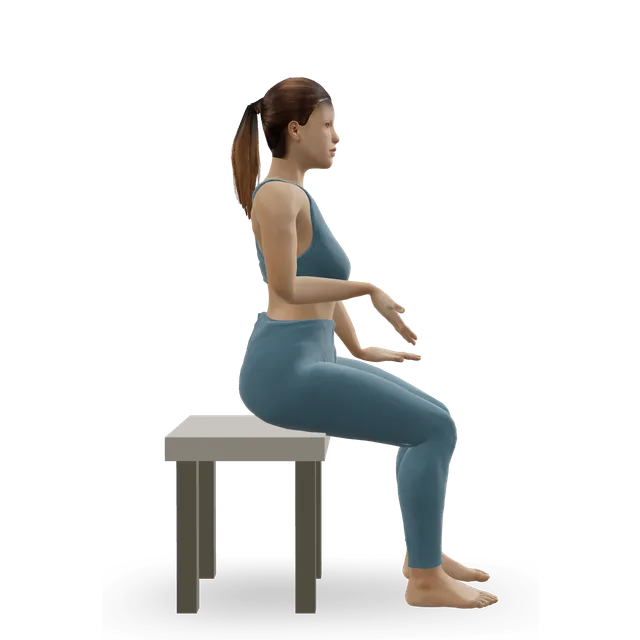
- Beginner · Abs · 3D demoSitting tall on a firm chair, hands resting palm up on your thighsHarder: Roll-up (Pilates)
- Median nerve glide (six hand positions, for carpal tunnel)5 times through, about 7 s in each positionBeginner · Forearms · 3D demoForearm on a table; stop at the step where you first feel a pull. A little extra tingling should fade within an hourEasier: Median nerve slider (neck-to-arm nerve glide)
- Tendon glides (hand tendon gliding exercises)4 to 6 of each position, 5 s holdsBeginner · Forearms · 3D demoWrist straight; it's a glide, not a gripHarder: Ball squeeze
- Beginner · Forearms · 3D demoSmall, slow circles and bends; ease off at any tinglingEasier: Wrist circlesHarder: Wrist flexor stretch
- Shoulder rolls10 each wayBeginner · Shoulders, Back, Neck · 3D demoArms relaxedHarder: Shoulder CARs (controlled articular rotations)
- Thoracic rotation6 each sideBeginner · 3D demoSeated, arms crossed on your chest (the demo shows it standing)Easier: Side-lying open bookHarder: World's greatest stretch





Standing
- Wall roll-down (wall Pilates)3 slow repsBeginner · Abs, Back, Hamstrings · 3D demoArms hanging loose; roll down only as far as is comfortableHarder: Roll-up (Pilates)
- Beginner · Hip abductors, Glutes, Abs · 3D demoFingertips on the wall, not your palmHarder: Lateral band walk, band at the feet


On your back
- Knee fold6 each sideBeginner · Abs, Hip flexors · 3D demoArms long by your sides, palms upEasier: Supine heel slideHarder: Dead bug heel taps
- Pelvic tilt into bridge8 tilts, then 8 bridgesBeginner · Glutes, Abs, Hamstrings · 3D demoArms resting, palms up; don't push down through your handsHarder: Glute bridge
- Hundred (Pilates)50 beatsIntermediate · Abs, Hip flexors, Shoulders · 3D demoPump from the shoulders, hands soft; head down if your neck achesEasier: Wall hundred (wall Pilates)Harder: Boomerang (Pilates)
- Single-leg circle (Pilates one leg circle)5 each direction, each legBeginner · Abs, Hip flexors, Adductors · 3D demoPalms up beside youHarder: Corkscrew (Pilates)
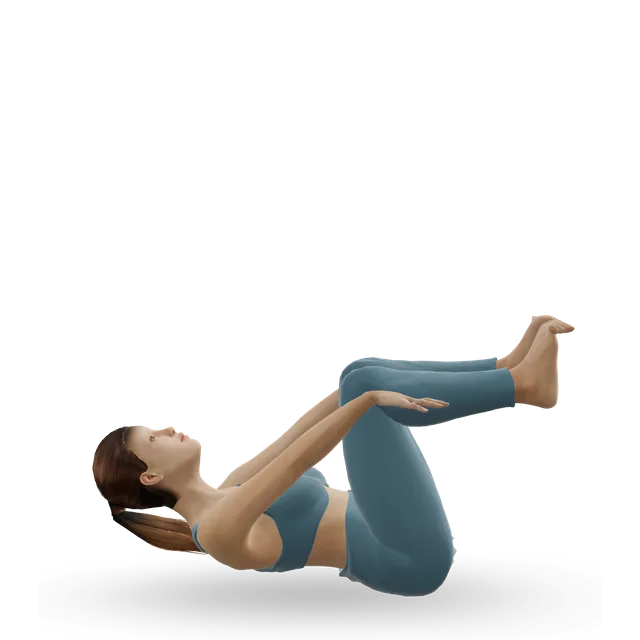
- Single-leg stretch (Pilates one leg stretch)6 each sideIntermediate · Abs, Hip flexors, Neck · 3D demoHands resting lightly on your shins, no grippingEasier: Chest lift (Pilates curl-up)Harder: Single straight-leg stretch (Pilates scissors)
- Dead bug heel taps2 sets of 6 each sideBeginner · Abs, Hip flexors · 3D demoArms reaching up, fingers relaxedEasier: Bent-knee fall-outHarder: Forearm plank






Side, front and forearms
- Side kick (Pilates side kick series)8 each sideBeginner · Hip flexors, Glutes, Hip abductors · 3D demoHead resting on your lower arm, top hand resting on the mat in frontHarder: Side-lying leg circles (Pilates side kick series)
- Clamshell10 each sideBeginner · Hip abductors, Glutes · 3D demoHead on your armEasier: Supine isometric hip abduction (belt press)Harder: Lateral band walk
- Swimming (Pilates)2 sets of 20 sIntermediate · Back, Glutes, Shoulders · 3D demoArms long or by your sides; no weight through your handsEasier: Mermaid (Pilates seated side bend)Harder: Leg pull back (Pilates leg pull up)
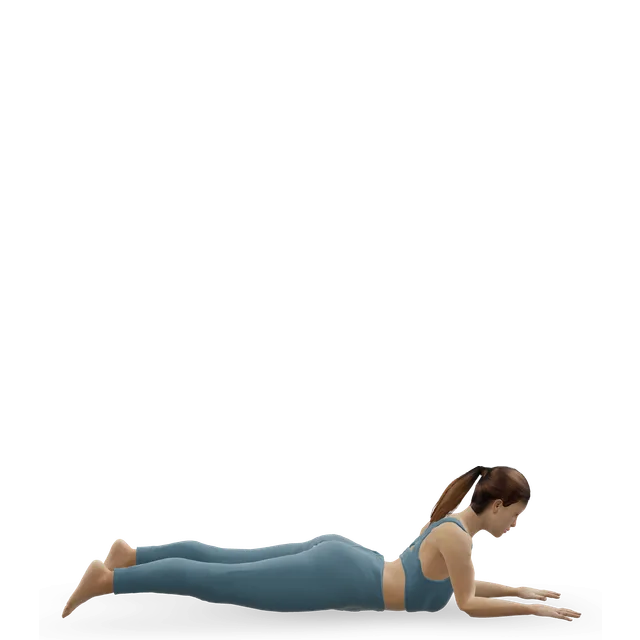
- Single-leg kick (Pilates one leg kick)6 each legBeginner · Hamstrings, Back, Glutes · 3D demoOn your forearms, hands open and loose, wrists straightEasier: Sphinx pose (Salamba Bhujangasana)Harder: Double-leg kick (Pilates double kick)
- Forearm plank2 holds of 20 sIntermediate · Abs, Shoulders, Glutes · 3D demoKnees down at first; forearms flat, hands relaxedEasier: Stomach vacuum (drawing-in)Harder: Plank walk-up
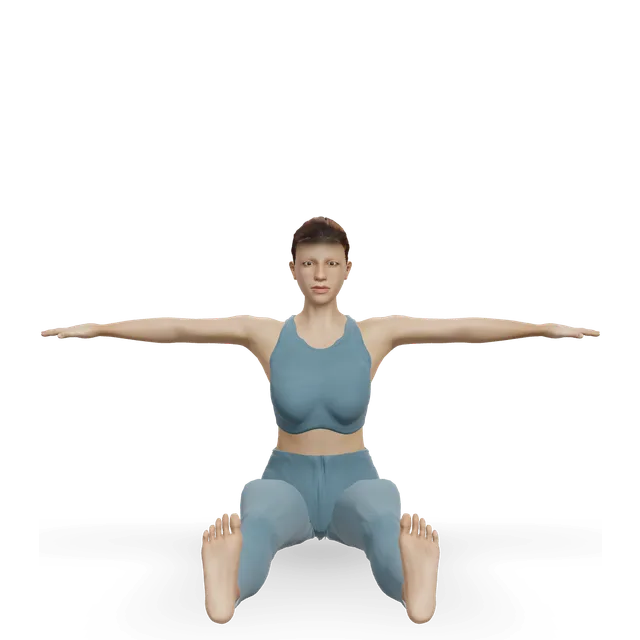
- Spine twist (Pilates)3 each sideBeginner · Abs, Back, Shoulders · 3D demoSitting tall, arms out to the sides, fingers softHarder: Saw (Pilates)




Optional, only once tingling has settled
- Wall push-up2 sets of 10Beginner · Chest, Triceps, Shoulders · 3D demoLean only as much weight through your hands as stays comfortableHarder: Push-up
- Quadruped wrist rocks10 slow rocksBeginner · Forearms, Shoulders · 3D demoRock a little further each week; stop if it brings on tinglingEasier: Wrist flexor stretch


Tips
- Do the first block every day (it's the glide routine), and the whole class 2 to 3 times a week, alongside a night splint (our suggestion).
- Stop any move that brings on tingling or numbness that doesn't fade quickly, and come onto your forearms or a chair instead (our suggestion).
- In pregnancy, after the first trimester, do the lying block propped up on pillows or on your side, or skip it.
- After carpal tunnel surgery, start with the first three blocks once your wound has healed and your team agrees. Leave the optional block until pressing on the heel of your hand is comfortable, which one NHS hospital says often takes about 3 months.
- See a GP for "Carpal tunnel symptoms that are getting worse, not going away, or not helped by treatment at home; sooner if the thumb is weak or the muscle at the base of the thumb looks thinner."
The doses are suggested starting points, not a prescription. Choose a range you can control and stop for sharp or increasing pain, numbness or tingling. Get individual advice after an injury or surgery, or if you are pregnant or managing a health condition.
Guides that recommend it
Find more moves like these
More pilates

Beginner Pilates workout
A 20-minute mat Pilates workout for complete beginners. It covers breathing, spine position and the foundation moves, each with an easier option.
20 minBeginner13 movesNo equipment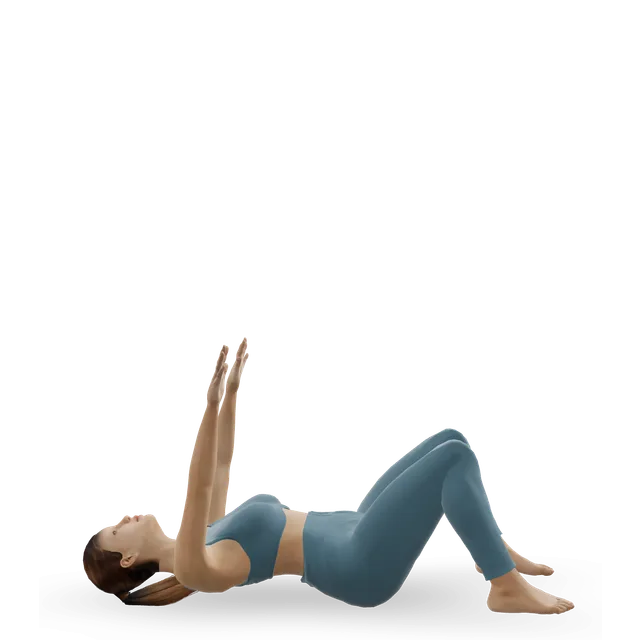
10-minute Pilates abs
Ten minutes of the classic Pilates abdominal series: the hundred, the roll-up and the series of five, with a plank to finish.
10 minIntermediate11 movesNo equipmentFull-body mat Pilates workout
A 30-minute intermediate mat Pilates class that follows the classical order, from the hundred to the push-up, with prep versions of the hardest moves.
30 minIntermediate22 movesNo equipmentQuestions people ask
How long does the wrist-free pilates for carpal tunnel: a 25-minute class with nerve and tendon glides and no weight on your palms take?
About 25 minutes, including any warm-up and cool-down listed. Shorten it by doing fewer rounds; lengthen it by adding one.
What equipment do I need?
You need: A wall. Each move links to its guide, where you can find an alternative if you are missing something.
Is it suitable for beginners?
It is written for beginners. 12 of its 22 moves have an easier option listed beside them if you need one.
How do I make it easier or harder?
Use the easier or harder option listed under each move, change the number of rounds, or adjust the rest. Progress one change at a time.