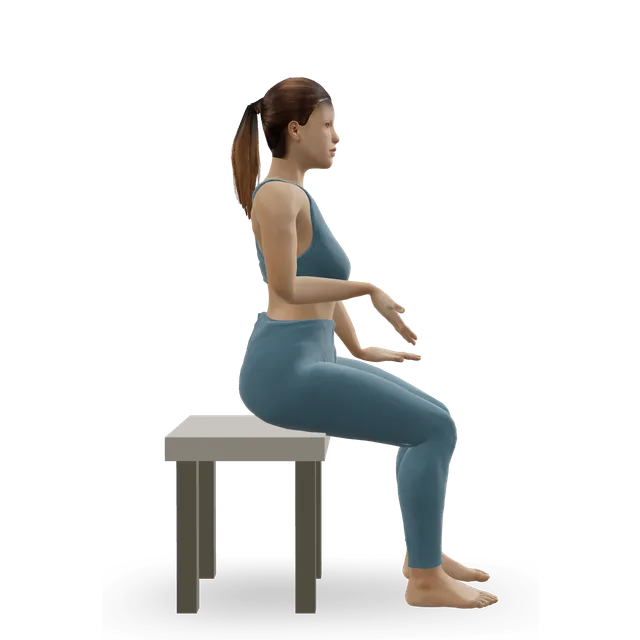
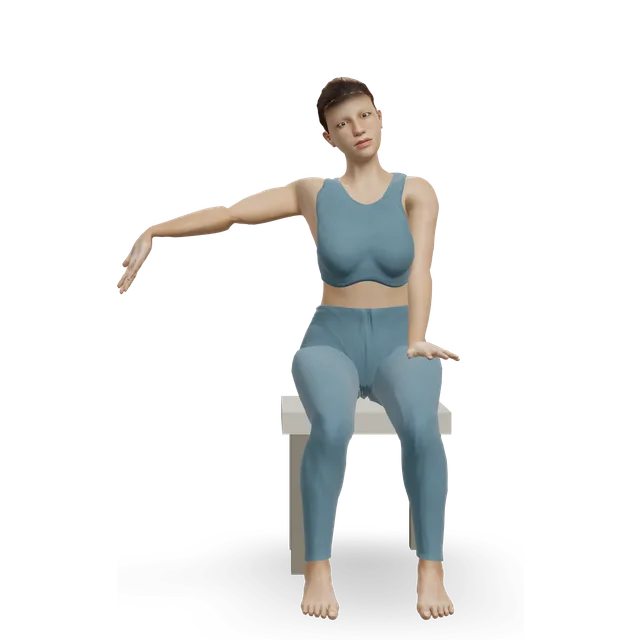
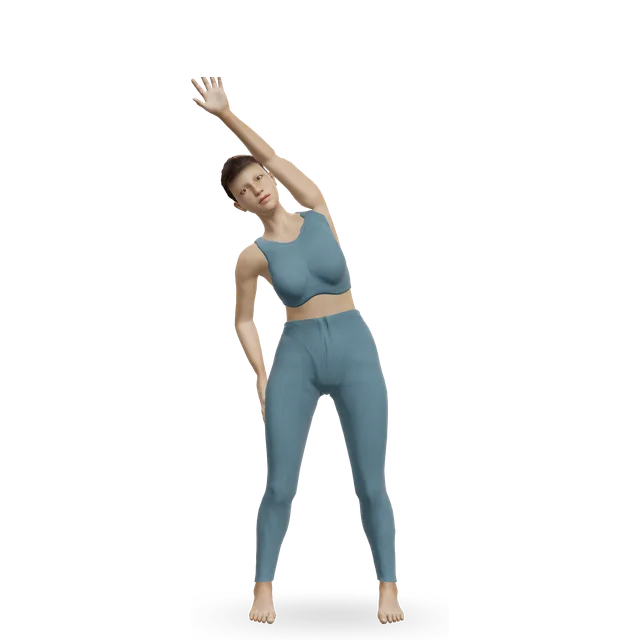
No trial shows Pilates treats it
Our searches in October 2026 found no trial, cohort or case series of Pilates for carpal tunnel syndrome. Use Pilates to stay active and strong, not as a treatment.
Source 1
Pilates guide
No trial has tested Pilates for carpal tunnel syndrome, so it isn't a treatment. The treatments with evidence are a splint that keeps your wrist straight at night, a steroid injection and, if it's getting worse, surgery. Pilates fits beside them, never in place of them, as a way to stay active and strong, as long as it keeps weight off bent-back wrists.
Lying, side-lying, seated and standing moves keep your wrists near straight. The moves that press your palms into the mat (the knee hover, leg pulls, push-ups, side bend and all fours) can go onto your forearms or wait: in lab studies, bending the wrist back and pressing on the palm both raised pressure on the nerve. No study has tested these swaps in Pilates, so they are our suggestion.
This guide covers what carpal tunnel syndrome is and why your hands matter in Pilates, what the evidence shows for exercise and nerve glides, the moves to change on the mat and the reformer, sore wrists in Pilates, pregnancy, getting back to Pilates after surgery, the warning signs, and a 25-minute wrist-free class with the glides.
Our searches in October 2026 found no trial, cohort or case series of Pilates for carpal tunnel syndrome. Use Pilates to stay active and strong, not as a treatment.
Source 1
The NHS starts with a splint that keeps your wrist straight at night (it can take up to 6 weeks to help), then a steroid injection, then surgery if it's getting worse. One injection beat 6 weeks of night splints at 6 weeks, and in 934 people, starting with surgery led to recovery at 18 months in 61%, against 45% starting with an injection.
In people with carpal tunnel syndrome, pressure in the tunnel was 32 mmHg (millimetres of mercury) with the wrist straight and 110 mmHg with it bent back 90 degrees, and pressing on the palm and gripping raise it further. A plank, push-up or all-fours position holds the wrist bent back under body weight.
Most of the mat repertoire needs no hands. Do the knee hover, leg pulls and side bend on your forearms, or leave them out while you have symptoms. No study has tested this in Pilates: it's our suggestion, from lab studies.
Reviews found small short-term effects on pain and function, on very low-certainty evidence, and in an 80-person trial, glides added nothing to a splint. A US surgeons' guideline lists exercise among treatments that don't improve long-term outcomes.
Call 999, even if it passes, for "sudden weakness or numbness in one arm, with a drooping face or slurred speech". Get help the same day if "you have lost the feeling in part or all of your hand". The full list is below.
"Carpal tunnel syndrome (CTS) is pressure on a nerve in your wrist. It causes tingling, numbness and pain in your hand and fingers", the NHS says. The carpal tunnel is a narrow passage at the front of the wrist, and when the tissues in it swell they squeeze the median nerve. Symptoms include an ache, numbness, tingling and "a weak thumb or difficulty gripping", and they are "usually worse at night". Our carpal tunnel syndrome guide covers how it's diagnosed and the other causes of tingling hands.
Source 2
The NHS lists being overweight or pregnant, work or hobbies that bend the wrist repeatedly or grip hard (such as vibrating tools), arthritis or diabetes, a parent, brother or sister with it, and an old wrist injury. UK hand surgeons add thyroid disease, and say it's more common over 40 and in women, "especially during or after pregnancy". US surgeons list "extreme flexion or extension of the hand and wrist for a prolonged period of time" as a risk factor, which is why weight on bent-back wrists matters on this page.
The NHS says it "sometimes gets better by itself in a few months, particularly if you have it because you're pregnant". In 196 untreated people followed for 10 to 15 months, many improved on their own, more often those who were younger or had had symptoms for a short time. Across studies of people treated without surgery, 57% to 66% later had an operation.
As whole-body strength and activity that doesn't press on the nerve, done alongside a night splint and the NHS treatment steps, with the hands-down moves swapped while you have symptoms. The 2016 US surgeons' guideline noted that regular physical activity went with a lower risk of carpal tunnel syndrome in two observational studies, while wrist-straining exercise went with a higher risk in one; the 2024 version didn't carry this forward. Take it as a reason to stay active, not as proof that Pilates prevents carpal tunnel.
These are small lab and cadaver studies. None measured a Pilates position, so the swaps on this page are our suggestion.
Pressure in the carpal tunnel is lowest with the wrist close to straight. In 15 people with carpal tunnel syndrome it was 32 mmHg with the wrist straight, 94 mmHg bent forward 90 degrees and 110 mmHg bent back 90 degrees (2.5, 31 and 30 mmHg in 12 people without it). In cadaver hands it climbed once the wrist bent beyond about 20 degrees, and in 37 healthy people a quarter passed 30 mmHg by about 33 degrees of bending back.
Force on the palm raised the pressure in step: in cadaver hands, about 0.3 kg on the palm took it to 30 mmHg. In 14 healthy people, gripping and pinching raised it, "particularly in motions including extension", and pinching with the fingertips raised it more than pressing. Holding the wrist and fingers bent back for a minute (the reverse Phalen's position, which prayer hands resemble) raised it more than bending the wrist forward.
Lying, side-lying, seated and standing moves keep the wrist near straight with no load. The hands-down moves (the knee hover, leg pull front and back, push-up, side bend, kneeling side kick, the swan pressed up, the hip twist and all fours) hold the wrist bent back towards a right angle under part of your weight. No study has measured carpal tunnel pressure in a Pilates or yoga position. The closest data: a sun salutation bent the wrist back to 85 degrees, a seated wheelchair push-up raised the pressure in people with carpal tunnel syndrome, and US hand surgeons name "plank position, and various yoga and Pilates poses" as loading a bent-back wrist.
Taking the weight onto your forearms, or leaving the hands out, keeps the wrist near straight and the palm unloaded. In a lab study of push-ups, a straight wrist on fists or handles was judged "likely safer" than a bent-back one. None of these swaps has been tested for carpal tunnel. Some Pilates teachers suggest lifting the heel of the hand or cupping the palm; that may suit a sore wrist, but it still puts weight on the palm, so with carpal tunnel symptoms, forearms or no load make more sense (our reading).
Our searches of PubMed, Europe PMC and ClinicalTrials.gov in October 2026 found no trial, cohort or case series of Pilates for carpal tunnel syndrome, and no registered trial.
Source 1
In a 1998 trial (42 people analysed), 11 upper-body yoga postures done sitting and standing, twice a week for 8 weeks, were compared with an offered wrist splint. Grip and pain improved within the yoga group, but the differences between the groups weren't statistically significant, except for one clinical sign (Phalen's sign). A later review counted it as no evidence for pain.
A Cochrane review (16 trials, 741 people) found "limited and very low quality evidence of benefit" for exercise and mobilisation, and hasn't been updated since 2012. Across 22 trials, nerve glides eased pain and improved function a little in the short term, at very low certainty, with no effect on symptom severity or nerve tests; another review found no clinical benefit.
In 80 people with mild carpal tunnel syndrome, glides added to a splint made no difference at 6 weeks, and in a 2026 trial of 179 adults, nerve mobilisation by a therapist eased pain less than ibuprofen or gabapentin. The US surgeons' 2024 guideline lists exercise among treatments that don't improve long-term outcomes.
A 2023 Cochrane review (29 trials, 1,937 adults) found small, low-certainty effects and "insufficient evidence to conclude whether splinting benefits people with CTS", but said small effects could justify a splint, since it's cheap with no plausible long-term harm. The NHS says "You may need to wear a splint for up to 6 weeks before it starts to feel better", and the summary of a 2026 US physical therapy guideline says care should include a neutral wrist splint and advice on changing your activities.
In 234 UK adults with mild or moderate carpal tunnel syndrome, one steroid injection gave better symptom scores at 6 weeks than 6 weeks of night splints. The US surgeons' guideline says "Strong evidence suggests corticosteroid injection does not provide long-term improvement".
In a Dutch trial of 934 people with tests confirming the diagnosis, 61% of those who started with surgery had recovered at 18 months, against 45% of those who started with an injection. A 2024 Cochrane review (14 trials) found surgery probably gives more improvement than a splint in the long term, and suggests people with tolerable symptoms can start without it.
Tingling, numbness or pins and needles in your thumb and first fingers, often at night, point to carpal tunnel syndrome. An aching wrist on the hands-down moves without tingling has other causes; our yoga for wrists and wrist pain from push-ups guides cover it.
Once tingling has settled, build back up in this order: wall push-ups, then wrist rocks on all fours, then incline push-ups, then the knee hover on fists, then on flat hands. Move on only when a step brings on no tingling (our suggestion, following the order on our yoga for carpal tunnel and yoga for wrists guides).
Daily, alongside a night splint. Median nerve glide: "Hold each position for about 7 seconds, 5 times through, 3 times a day"; tendon glides: "4 to 6 of each position, holding each for 5 seconds, up to 4 times a day" (the moves' pages). Wrist and forearm flow, 30 seconds, easing off at any tingling (our yoga for carpal tunnel class). Only if your neck or upper arm is involved too, the median nerve slider, 10 slow repetitions, 2 to 3 times a day (the move's page). A little extra tingling is fine if it fades within an hour.
Keep your arms resting palms up or by your sides, never pressing down; rest your head on your lower arm in the side kick, and let your hands rest lightly on your shins in the single-leg stretch (our suggestions). From the moves' pages: lateral breathing, 5 to 8 breaths at the start of every session; knee fold, 2 sets of 5 to 10 each side, every other day; the hundred, 50 beats to start, building to 100; single-leg circle, 5 circles each direction, each leg; single-leg stretch, 6 to 10 each side; side kick, 8 to 10 each side; swimming, 2 to 3 sets of 20 to 30 seconds; spine twist, 3 to 4 each side; wall roll-down, 3 to 5 slow reps; wall side leg lift, 10 to 12 each side. Pelvic tilts then bridges, 8 of each; dead bug heel taps, 2 sets of 6 each side; clamshell, 10 each side (our editorial starting points).
 3D demoLateral breathing (Pilates breathing)Beginner · No equipment
 3D demoKnee foldBeginner · No equipment
 3D demoPelvic tilt into bridgeBeginner · No equipment
 3D demoHundred (Pilates)Intermediate · No equipment
 3D demoSingle-leg circle (Pilates one leg circle)Beginner · No equipment
 3D demoSingle-leg stretch (Pilates one leg stretch)Intermediate · No equipment
 3D demoDead bug heel tapsBeginner · No equipment
 3D demoSide kick (Pilates side kick series)Beginner · No equipment
 3D demoClamshellBeginner · No equipment
 3D demoSwimming (Pilates)Intermediate · No equipment
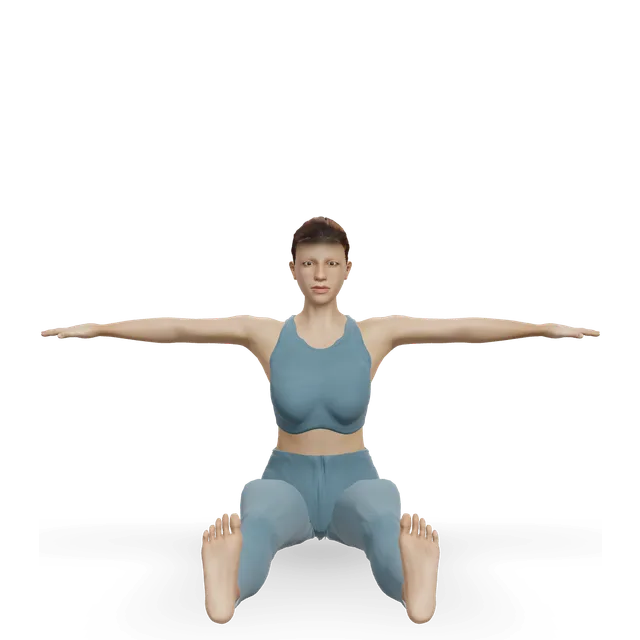 3D demoSpine twist (Pilates)Beginner · No equipment
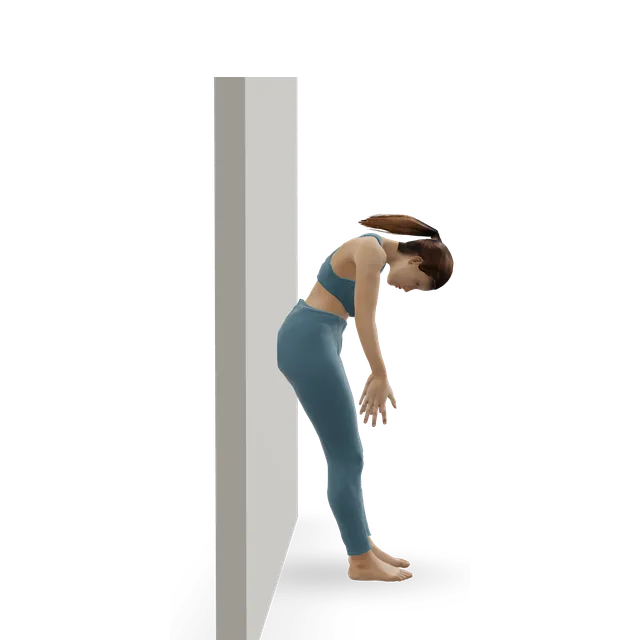 3D demoWall roll-down (wall Pilates)Beginner · A wall
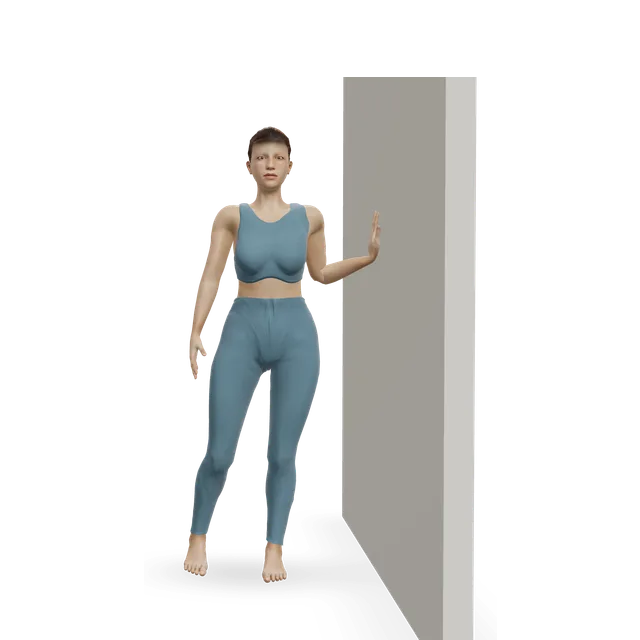 3D demoWall side leg lift (standing side kick at the wall)Beginner · A wall
Forearm plank, knees down at first, in place of the high plank and leg pull front: 3 holds of 20 to 30 seconds (our wrist pain from push-ups guide). Knee hover on your forearms, as its caution offers ("If your wrists hurt, make fists or work on the forearms."): 3 holds of 15 to 30 seconds (the move's page). Knee side plank on your forearm, in place of the side bend: 2 holds of 20 seconds each side (our Pilates for swimmers class). Single-leg kick on your forearms with your hands loose: 6 to 8 each leg (the move's page). Swan with your arms by your sides: 5 small lifts (our Pilates for lupus class). Cat-cow sitting on a chair, hands resting on your knees: 8 waves, slower than feels natural (the move's page).
 3D demoForearm plankIntermediate · No equipment
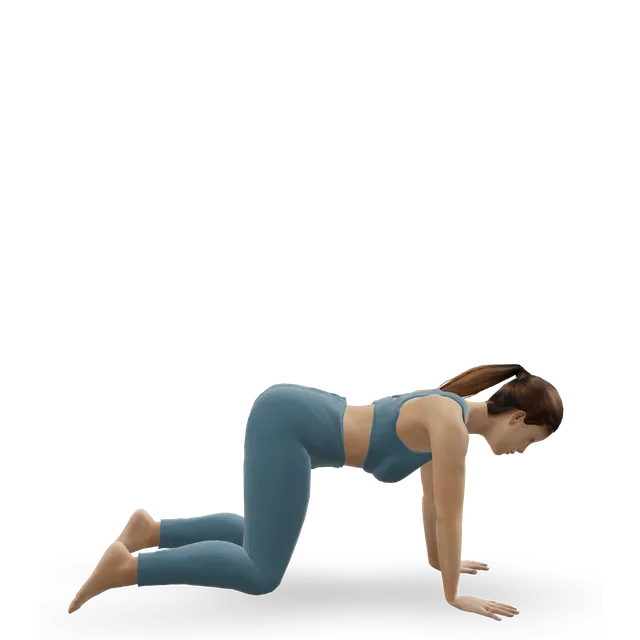 3D demoKnee hover (Pilates tabletop hover)Beginner · No equipment
 3D demoKnee side plankBeginner · No equipment
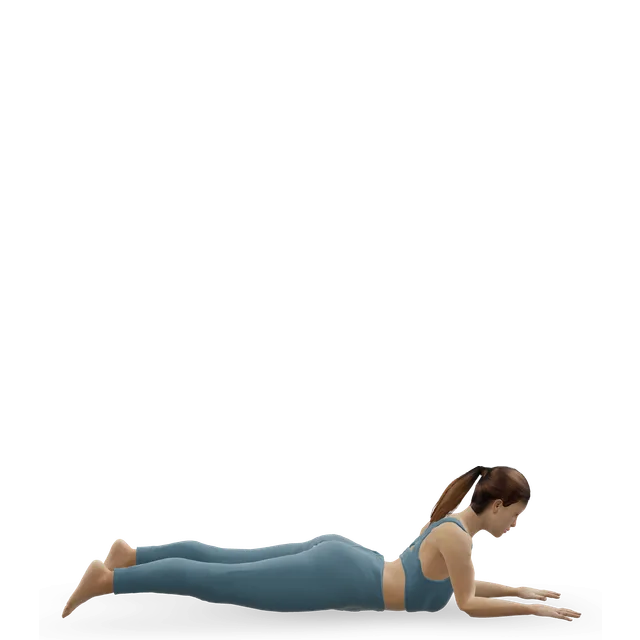 3D demoSingle-leg kick (Pilates one leg kick)Beginner · No equipment
 3D demoSwan (Pilates swan dive)Intermediate · No equipment
 3D demoCat-cowBeginner · No equipment
These are our suggestions, from the lab and cadaver studies above; none has been tested in Pilates. Bring the moves back gradually once tingling has settled.
The knee hover, leg pull front and back, push-up, side bend, kneeling side kick, high plank, hip twist and all-fours moves such as cat-cow and bird dog. Their own pages already offer fists or forearms: the knee hover's caution says "If your wrists hurt, make fists or work on the forearms." With carpal tunnel symptoms, forearms, or leaving the move out, keep the palm unloaded.
The high scissors and high bicycle hold your weight on bent-back wrists. Their caution says "Avoid it with a neck problem, osteoporosis, pregnancy, or wrist and elbow pain."
Do it with your arms by your sides, or on your forearms, and keep the lift small.
The kneeling forearm stretch's own caution: "This puts body weight into a deep wrist bend: skip it with carpal tunnel symptoms".
Squeezing a Pilates ring between your palms holds the hands bent back, like the reverse Phalen's position that raised tunnel pressure in a lab study. Hold the ring between your knees or thighs instead.
Source 23
No study has looked at them. Leave out weights strapped over the front of the wrist while you have symptoms.
Footwork, leg springs, bridging and side-lying work keep your hands free. Moves with your hands on the footbar (knee stretches, the elephant and the long stretch) put weight on bent-back wrists, and pulling straps on the long box and rowing need a firm grip, which raised tunnel pressure in lab studies. Use forearm versions where your teacher offers them, or leave them out, and tell your teacher before class (our suggestion).
Only once tingling has settled. Wall push-ups, 2 to 3 sets of 10, leaning more weight through your hands each week; wrist rocks on all fours, 10 slow rocks in each of 4 hand positions, stopping if they bring on tingling; incline push-ups, 2 to 3 sets of 8 to 12 (our wrist pain from push-ups guide). Then the knee hover on fists, then on flat hands: 3 holds of 15 to 30 seconds (the move's page).
The NHS says carpal tunnel syndrome "sometimes gets better by itself in a few months, particularly if you have it because you're pregnant". It's common: in 639 Dutch women, 34% reported symptoms in pregnancy, more after 32 weeks. One study of 63 women who weren't treated was less optimistic: 54% still had symptoms a year after the birth. A night splint is the usual first step.
In Pilates, side-lying, propped-up and standing moves keep weight off your hands and, later in pregnancy, off your back. Swap all-fours moves for side-lying ones (our suggestion). Our wrist pain in pregnancy and Pilates in pregnancy guides have more.
"It is normal for your hand and wrist to feel stiff and weak for around three months after surgery", and "it often takes three months before you can press up on the heel of the hand", one NHS hospital's leaflet says. A UK panel of hand surgeons and therapists agreed people should use the hand ideally within the first 1 to 2 days, with repeated gripping from 14 to 28 days and repeated loading, including sports training, from 14 to 35 days.
The US surgeons' guideline doesn't recommend a routine splint or supervised therapy after the operation, and aching either side of the scar when you lean on the hand (pillar pain) mostly settles by 6 months. So: lying, seated and standing Pilates once your wound has healed and your team agrees, with planks, push-ups and all fours last, starting at the wall. Our carpal tunnel surgery guide has the stages.
Our wrist-free Pilates class does the glides first, then standing, lying and forearm work, with an optional block for once tingling has settled; its order and doses are editorial. The yoga for carpal tunnel class is the yoga version, and the lupus class is hands-free too. In the seated chair class, skip the palm-press chest squeeze. Leave the wrist and forearm routine until tingling has settled: it has wrist rocks on all fours.
A 25-minute wrist-free Pilates class for carpal tunnel: nerve and tendon glides, then standing, lying and forearm moves, with no weight on your palms.
25 minBeginner22 movesA wallA 25-minute wrist-free yoga class for carpal tunnel: slow breathing, nerve and tendon glides, seated moves, standing poses with hands free, and forearm poses.
25 minBeginner17 movesA bench or boxA 30-minute Pilates class for lupus with no weight on your hands: a gentle warm-up, balance at a counter, standing and mat strength, and a stretching cool-down.
30 minBeginner16 movesA wall, A bench or boxA 15-minute chair Pilates class done entirely sitting down, in a chair or wheelchair: breathing, spine moves, and leg and arm strength with water bottles.
15 minBeginner13 movesA bench or box, Something with weightA quick stretch break you can do beside your desk: neck, back, chest, wrists, hips and quads.
5 minBeginner7 movesA wallWrist mobility and forearm strength for desk work, climbing, push-ups and handstands.
10 minBeginner7 movesA wall, A dumbbellThese are the same warning signs as our carpal tunnel and hand guides, word for word. This is general information, not a diagnosis. A&E means accident and emergency; in the US, call 911 for 999, and use your doctor's urgent line or urgent care for NHS 111.
Source 12
Source 2
Source 39
Some discomfort during these exercises is fine and doesn't mean you are doing damage. Keep it to about 5 out of 10 or less.
Tingling and numbness are different. With nerve glides, a little extra tingling is expected but should fade within an hour, as an NHS hand-therapy leaflet puts it. Stop and get advice if numbness spreads, lasts, or your grip or thumb gets weaker.
Come off your hands onto your forearms or a chair for any move that brings on tingling that doesn't fade quickly (our suggestion).
Call 999 if:
Call 999 or go to A&E (accident and emergency) straight away for severe difficulty breathing (gasping, choking or not able to get words out), a chest that feels tight or heavy, pain that spreads to your arms, back, neck and jaw, lips or skin turning very pale, blue or grey, or sudden confusion. If you're more short of breath than usual, or your heart is racing, fluttering or skipping beats, contact NHS 111.
You feel any pain or become unwell, as the NHS advises for its Pilates videos, and especially for chest pain or pressure, unusual breathlessness, dizziness or fainting. If you have a health problem, an injury or any symptoms, get advice from a healthcare professional, such as a GP, before you start.
Source 44
The NHS advises getting advice from a healthcare professional first if you have a health problem, an injury or symptoms, or have recently had a heart attack or an operation.
Source 44
No Pilates trial exists, and the one yoga trial found no clear difference from a splint between the groups. The NHS treatments are a night splint, an injection and, if it's getting worse, surgery.
Bending the wrist back raised tunnel pressure from 32 to 110 mmHg in people with carpal tunnel syndrome, and force on the palm raises it further. Use your forearms while you have symptoms.
Many people improve with a splint, an injection or time, especially in pregnancy and with short-lived symptoms. Surgery is for symptoms that persist or get worse, and there it helps most people recover.
The evidence shows small, short-term effects at very low certainty, and the US surgeons' guideline finds no long-term benefit from exercise. Strong stretches that bring on tingling can irritate the nerve.
No study links Pilates to developing it. Weight on bent-back wrists may bring symptoms on if you already have it, and wrist-straining exercise went with a higher risk in one observational study.
The NHS says to "Stop or cut down on anything that causes you to frequently bend your wrist or grip hard", not to stop using your hand. Keep moving, with your wrists near straight.
Source 2
It can be part of staying active, as long as it keeps weight off your hands, but it isn't a treatment: no trial has tested Pilates for carpal tunnel syndrome. Keep your night splint and the NHS treatment steps, and use Pilates to stay strong. Most mat moves can be done lying, on your side, seated or standing with your wrists straight.
Yes. Swap moves that put your weight through bent-back wrists (the knee hover, leg pulls, push-ups, side bend and all fours) for forearm or hands-free versions, and stop anything that brings on tingling that doesn't fade quickly (our suggestion). In lab studies, bending the wrist back and pressing on the palm both raised pressure on the nerve.
Not in itself. The concern is the hands-down positions, which hold your wrist bent back towards a right angle under body weight. No study has measured this in Pilates, so the swaps on this page are our suggestion, based on lab studies; lying, side-lying and standing work keeps your wrists near straight.
While you have symptoms: the knee hover, plank, leg pull front and back, push-up, side bend, kneeling side kick, the swan pressed up on your hands, all-fours moves, kneeling wrist stretches with your fingers pointing back, and hard palm presses on a ring. Do them on your forearms or leave them out, and bring them back gradually once tingling has settled.
No exercise has been shown to be best. A sensible mix is the nerve and tendon glides, then hands-free Pilates: knee folds, bridges, the hundred, leg circles, side kicks, swimming, the spine twist and standing work at a wall. Our 25-minute class follows this order.
Yes, with changes. Footwork, leg springs, bridging and side-lying work are fine, but adapt or leave out moves with your hands on the footbar (knee stretches, the elephant and the long stretch) and hard gripping of straps or handles. Tell your teacher before class (our suggestion).
Many mat classes put weight through bent-back wrists, which many wrists aren't used to; our yoga for wrists and wrist pain from push-ups guides cover sore wrists without tingling. Tingling or numbness in your thumb and first fingers, especially at night, points to carpal tunnel syndrome. See a GP for "Carpal tunnel symptoms that are getting worse, not going away, or not helped by treatment at home; sooner if the thumb is weak or the muscle at the base of the thumb looks thinner."
A little, perhaps, in the short term: reviews found small improvements in pain and function on very low-certainty evidence, and in one trial glides added nothing to a splint. A little extra tingling during them is expected but should fade within an hour. "Stop and get advice if numbness spreads, lasts, or your grip or thumb gets weaker."
No study has tested it. The splint the NHS recommends is for night-time, when symptoms are usually worst; in class, choosing moves that keep your wrists straight does a similar job (our suggestion).
Yes, with the same swaps: side-lying, propped-up and standing moves keep weight off your hands. The NHS says carpal tunnel "sometimes gets better by itself in a few months, particularly if you have it because you're pregnant", though in one study of 63 women, 54% still had symptoms a year after the birth. "Get urgent help for sudden swelling of your face, hands or feet, a severe headache, vision problems or pain below the ribs, which can be pre-eclampsia."
Gentle lying, seated and standing Pilates once your wound has healed and your team agrees. One NHS hospital says it often takes about 3 months before you can press up on the heel of your hand, so planks, push-ups and all fours come back last, starting at the wall. Our carpal tunnel surgery guide has the stages.
Neither has been shown to treat it: yoga has one small 1998 trial with no clear difference from a splint, and Pilates has none. Both work if they keep weight off your palms; our yoga for carpal tunnel guide has a wrist-free yoga class.
Exercise education, not a personal prescription, and clinical review of these guides is pending. If you are pregnant, have a health condition or have had recent surgery, check with a doctor, midwife or physiotherapist before starting, and stop for sharp or increasing pain. Health disclaimer.