Pilates guide

Pilates for tennis elbow: grip and weight on your hands, loading the tendon, what to change, what the evidence shows, and a 25-minute class

No trial shows that Pilates treats tennis elbow: in the one small trial, adding Pilates-based core, posture and flexibility work to therapy didn't improve recovery significantly more than therapy alone. What the evidence supports is loading the forearm muscles that lift the wrist, with still holds, then lifting, then slow lowering, and patience: most people are much better within a year.

Pilates fits alongside that loading, never in place of it, as exercise with a light grip, once you change how you take weight on your hands. A physiotherapist can set the loading if it isn't easing.

This guide covers what tennis elbow (lateral elbow tendinopathy) is and how long it lasts, why grip and straight arms matter, the forearm exercises that treat it, which mat and reformer moves to change, the elbow pain rule, what the trials show for exercise, injections and shoulder work, golfer's elbow, the warning signs, and a 25-minute class with a 10-minute forearm block to do every day.

The short version

No trial shows Pilates treats it

In the one small trial (17 people), adding Pilates-based core, posture and flexibility work to therapy didn't improve recovery significantly more than therapy alone. Our searches found no other Pilates trial, published or registered.

Sources 1, 2

Loading the forearm is the treatment

A US physical therapy guideline recommends resisted exercise for the muscles that lift the wrist (still holds, lifting or slow lowering), about 3 sets of 15 for 6 to 12 weeks, without making symptoms worse. A UK care pathway recommends physiotherapy.

Sources 3, 4

Most people get better anyway

In trials, about 89% of people given no treatment or a placebo were much better or recovered within a year. Exercise mostly speeds the early weeks, with small, short-lived effects.

Sources 5, 6

Grip and straight arms are what hurt

Grip was 29% weaker with the elbow straight than bent, pain-free grip was best with the elbow bent and the thumb up, and palm-down gripping and lifting predicted new tennis elbow in workers. So the knee hover, leg pulls, push-ups and side bend go onto your forearms, and ring squeezes and gripped reformer straps wait.

Sources 7, 8, 9

Keep forearm discomfort mild

About 3 to 4 out of 10, settling within an hour, and no worse the next morning (our elbow pain rule). Holds pushed above the pain threshold left more pain 30 minutes later.

Source 10

Know the warning signs

Arm pain with "pressure, heaviness, tightness or squeezing across your chest" needs 999, and "a swollen elbow with a very high temperature" needs help the same day. The full list is below.

Sources 11, 12

Tennis elbow, and where Pilates fits

Pain on the outside of the elbow

"Tennis elbow is a condition that causes pain around the outside of the elbow. It usually goes away with rest but can sometimes last over a year", the NHS says. It hurts when you lift or bend your arm, grip things or move your wrist. By the time people see a clinician, a US guideline says, "the inflammatory process has often resolved, yet symptoms remain", so clinicians now call it lateral elbow tendinopathy. Our tennis elbow guide covers diagnosis and the problems that can look like it.

Sources 13, 3

Who gets itStrong evidence

"Anyone can get tennis elbow but it's more common in people between 35 and 54 years of age", the NHS says, and computer work, manual tasks and playing an instrument can set it off. In 4,783 Finnish adults aged 30 to 64, 1.3% had it at the time, most often at 45 to 54, and forceful and repetitive work together raised the odds 5.6 times. In workers followed over time, a palm-down forearm combined with a power grip or lifting predicted new cases, though neither did alone.

Sources 13, 14, 9

How long it lastsStrong evidence

In the no-treatment and placebo groups of 24 trials (1,085 people), half of those still affected recovered or improved greatly every 2.5 to 3 months, and 89% were much better at a year, however long it had already lasted. In one trial, 83% of people who waited and saw had recovered at a year. An NHS Lothian leaflet says "it can take between 6 and 24 months to settle".

Two caveats: more than half of people who see a clinician still report some symptoms at a year, and it came back within 2 years in 8.5% of one US population.

Sources 5, 15, 16, 3, 17

Where Pilates fits

As grip-light, whole-body exercise while the tendon settles, as a place to do shoulder-blade and rotator cuff work, which may add a little, and alongside the forearm loading that treats the tendon. It isn't a treatment on its own.

Sources 1, 3

Grip and weight on straight arms

Grip is weakest with the elbow straightEmerging evidence

The sore tendon steadies the wrist whenever you grip, and US surgeons say it "helps stabilize the wrist when the elbow is straight". In 81 people with tennis elbow, grip on the sore side was 29% stronger with the elbow bent than straight, and pain-free grip was best with the forearm thumb-up and the elbow bent. These are lab studies; none tested a Pilates position.

Sources 7, 8, 18, 19

Palm-down gripping and liftingEmerging evidence

Palm-down forearm work combined with a power grip or lifting predicted new tennis elbow in workers. A US guideline advises keeping "lifting objects with the forearm rotated in a pronated position" (palm down) to a minimum, and an NHS Lothian leaflet says "Where possible lift and grip with your palm facing upwards".

Sources 9, 3, 16

What Pilates asks of the elbow

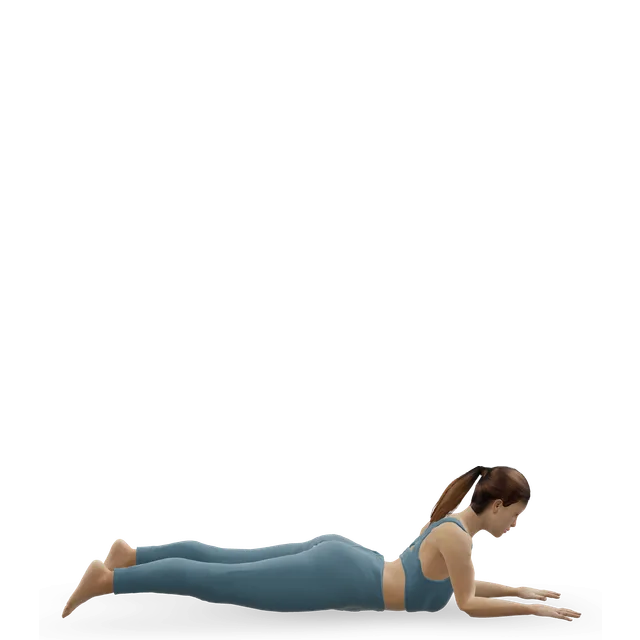
Weight on straight arms with the palm flat (the knee hover, plank, leg pull front, push-up, side bend and the swan pressed up) makes the forearm muscles steady the wrist, and so does gripping: holding your ankles in rocking and the open-leg rocker, the hand clasp in the double-leg kick, squeezing a ring between your palms, and holding straps, handles and the footbar on the reformer. Most lying, side-lying and seated mat work asks little of your grip. No study has measured forearm load in Pilates positions.

Source 2

Load the tendon: the part that treats it

Holds, then lifting, then slow loweringStrong evidence

A US physical therapy guideline recommends resisted exercise for the wrist extensors: still holds (isometric), lifting (concentric) or slow lowering (eccentric), about 3 sets of 15 for 6 to 12 weeks, with loads that "should not exacerbate symptoms", moving from holds to lifting to lowering as you can manage. A UK consensus of physiotherapists suggests holds "for up to 60 s and repeated five times, once daily", then lifting and lowering, "three sets of 10 to 15 repetitions, once daily".

Sources 3, 20

The elbow pain rule

Some discomfort during forearm exercises is fine. Keep it mild: no more than about 3 to 4 out of 10. It should settle within an hour or so, and your elbow should be no worse the next morning.

Tingling is the exception: stop any exercise or position that brings on pins and needles or numbness in your hand, especially in the ring and little fingers, and avoid holding the elbow fully bent while it settles.

Sources 20, 10

The full plan

Our tennis elbow guide sets the loading out in stages: settle, build, then strengthen and return. The forearm doses on this page are that guide's, so the two agree. If it isn't easing after about 6 weeks, a physiotherapist can check your plan.

What the evidence says

One Pilates pilot, no clear extra benefitMixed evidence

In a 2015 pilot, 17 people with tennis elbow all had standard occupational therapy, and the Pilates group "additionally completed abdominal strengthening, postural correction, and flexibility". Scores on a tennis elbow questionnaire improved by 38.1 points with Pilates added and 22.9 with therapy alone, but the difference between the groups wasn't significant. Group sizes and follow-up aren't in its summary. Our searches in October 2026 found no other Pilates trial, published or registered.

Sources 1, 2

How much exercise addsStrong evidence

A 2024 Cochrane review (23 trials, 1,612 people) found that manual therapy and exercise, against minimal or no treatment, reduced pain by about half a point out of 10 and disability by 5 points out of 100 at 4 weeks to 3 months, which "may not be clinically worthwhile", and the effect wasn't sustained. Exercise beat steroid injection on most outcomes but differed little from wait and see (30 trials, low certainty), no treatment clearly beat placebo for pain in the short term, and at a year or more, exercise didn't differ from control.

Sources 6, 21, 22, 23

Steroid injections: faster now, worse at a yearStrong evidence

In 165 people, 83% had recovered or were much better at a year after a steroid injection, against 96% after a placebo injection, and it came back in 54% against 12%. Earlier trials found the same pattern: the best results at 6 weeks, then relapse. A UK care pathway advises against steroid injections for tennis elbow.

Sources 24, 15, 25, 26, 4

Which loadingEmerging evidence

Slow lowering eased pain a little faster than lifting in 120 people (one extra person improved for every 10 treated), with no difference in function. Still holds improved disability against wait and see in 40 people, but not overall improvement or pain-free grip, and gave no instant relief. Heavy slow resistance hasn't been tested on its own, and only 6 of 19 people kept it up in a feasibility trial, mainly because it aggravated their pain.

Sources 27, 28, 29, 10, 30, 31

Shoulder-blade and rotator cuff work: a little, at mostMixed evidence

Adding shoulder-blade or rotator cuff strengthening helped in three small trials and not in a fourth (32 people). A 2025 review found the differences mostly fell below what patients would notice, and the US guideline suggests this work when the shoulder is weak. Pilates is a pleasant way to do it, not a substitute for forearm loading.

Sources 32, 33, 34, 35, 36, 3

Straps and bracesMixed evidence

The NHS suggests a forearm strap or brace, and the US guideline supports one during activity for immediate relief, with conflicting evidence beyond that.

Sources 3, 13

Forearm loading, daily

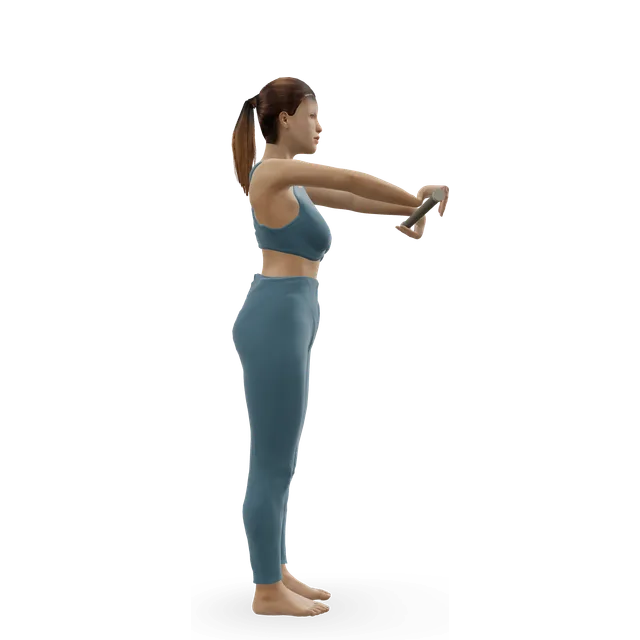
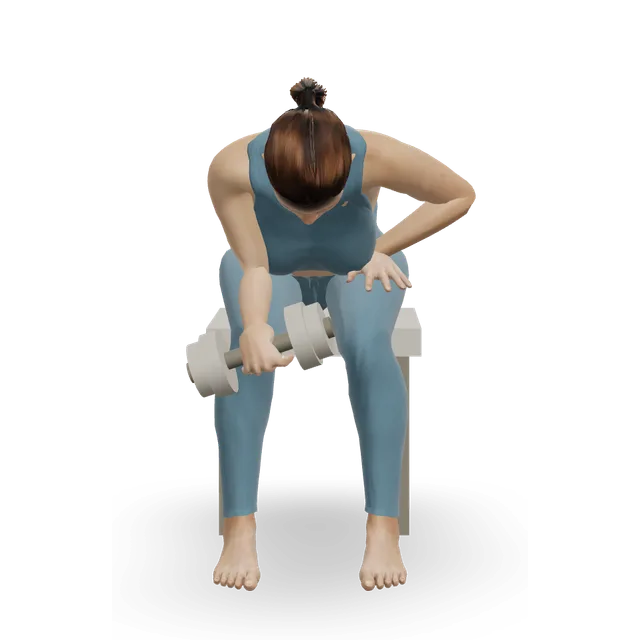
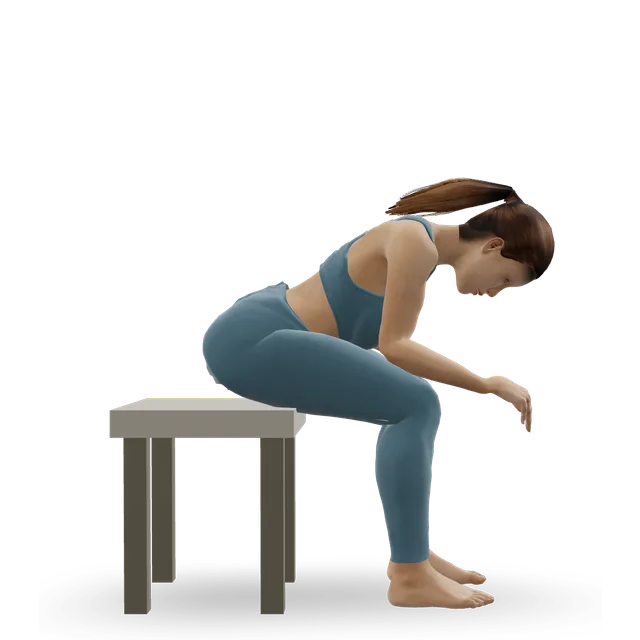
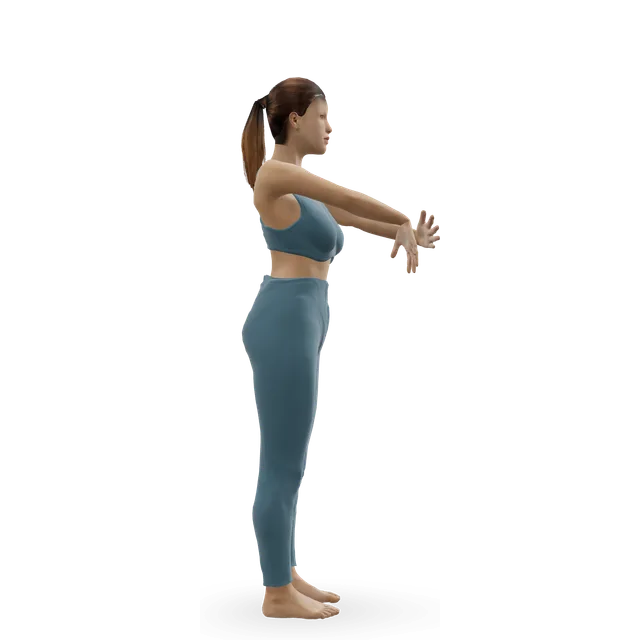
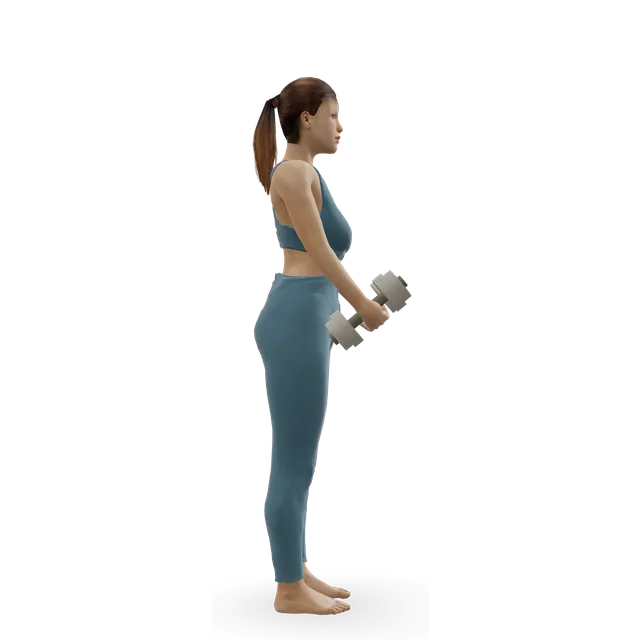
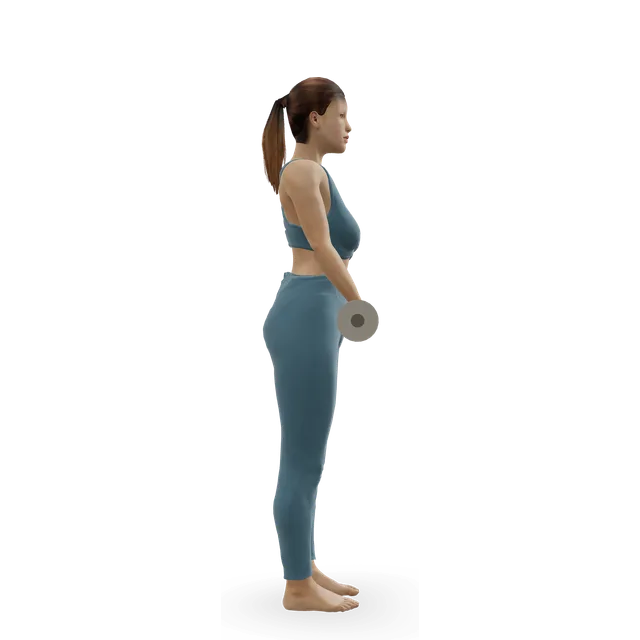
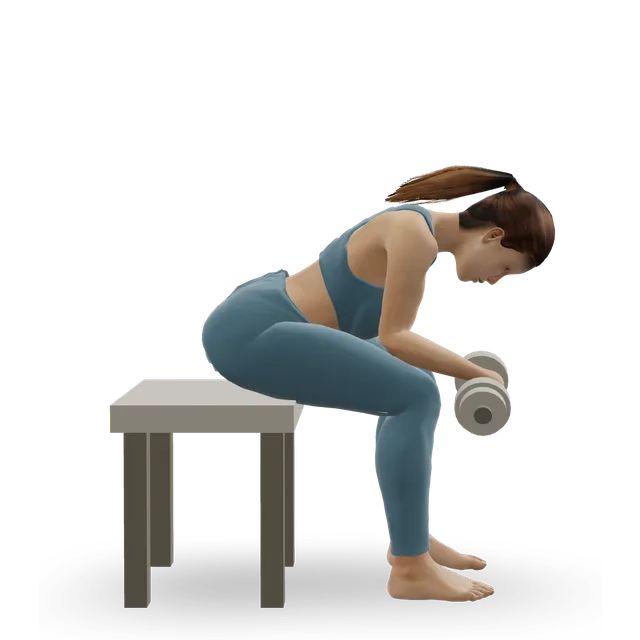
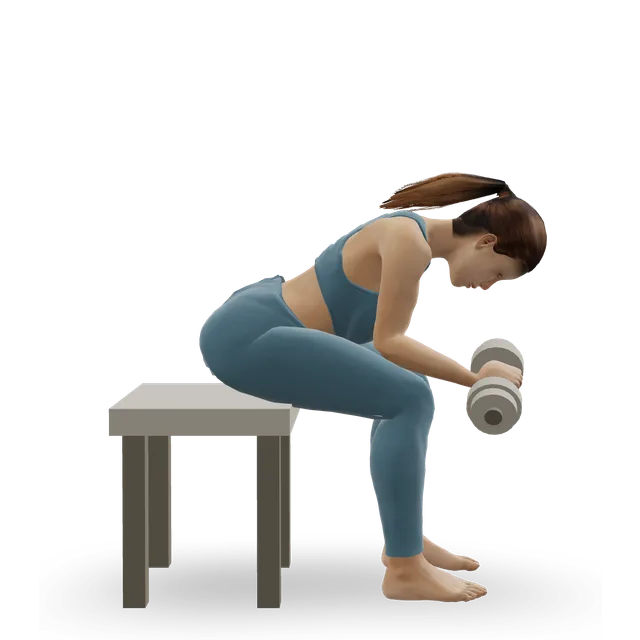
Within the elbow pain rule. Reverse wrist curl held still with the wrist level, as the first step, 5 holds of 30 to 45 s, once a day; then wrist extensor eccentrics, 3 sets of 15, once a day, lowering over 3 to 4 s; dumbbell forearm rotation, 3 sets of 10; band finger extension, 2 sets of 15; wrist and forearm flow, 10 slow reps each direction, 2 to 3 times a day (our tennis elbow guide's plan). If you have a flexible bar, the Tyler twist: 3 sets of 15, about 4 seconds per repetition, with 30 seconds' rest between sets (the move's page). Wrist extensor stretch: 3 holds of 30 seconds, after the strengthening exercises, once or twice a day (the move's page).

Grip-free Pilates

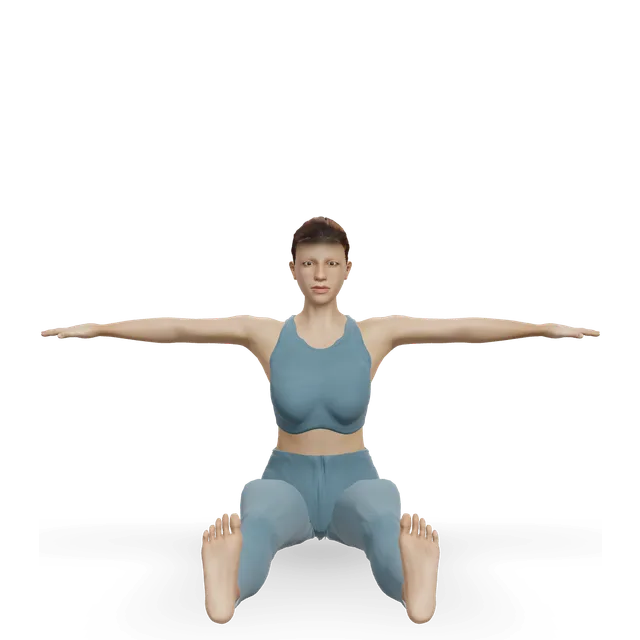
Hands open and resting, never gripping or pressing; do the single-leg kick on your forearms with your hands open, and the mermaid with your supporting hand resting lightly or sitting on a chair (our suggestions). From the moves' pages: lateral breathing, 5 to 8 breaths at the start of every session; knee fold, 2 sets of 5 to 10 each side, every other day; the hundred, 50 beats to start, building to 100; single-leg circle, 5 circles each direction, each leg; single-leg stretch, 6 to 10 each side; side kick, 8 to 10 each side; swimming, 2 to 3 sets of 20 to 30 seconds; single-leg kick, 6 to 8 each leg; spine twist, 3 to 4 each side; mermaid, 3 each direction, each side. Pelvic tilts then bridges, 8 of each, and clamshell, 10 each side (our editorial starting points).

Shoulder blades and rotator cuff, without gripping hard

Add these if your shoulder is weak, as the US guideline suggests. Prone Y-T-W raises with your thumbs up and hands open, 5 of each shape (our editorial starting point); band row with a neutral grip and the lightest band, 2 to 3 sets of 12 to 15, and band external rotation, 2 to 3 sets of 12 to 15 (our tennis elbow guide's plan); wall angel, 8 slow reps (our Pilates for posture class).

Moves to change or leave out while it's sore

Our suggestions, agreeing with our Pilates for tennis players and tennis elbow guides. Bring the moves back gradually once gripping and pressing are comfortable.

Weight on straight arms

As our Pilates for tennis players guide says, while it's sore, "do the knee hover, leg pull front and side bend on your forearms, or skip them, and do scapular push-ups against a wall." Leave out the leg pull back and the high plank for now.

Source 7

Squeezing a ring or ball

"Don't squeeze a ring or ball hard." Hold the ring between your knees instead. The ball squeeze's own caution: "With tennis or golfer's elbow, squeeze only as firmly as you can without increasing your pain."

Holding your ankles or clasping your hands

Rocking, the open-leg rocker, the seal, the crab and the hand clasp in the double-leg kick all grip. Skip them, or hold a towel in the double-leg kick.

Palm-down work with weights

Lifting with your palm facing down loads the sore tendon most, so leave out palm-down arm work with weights, including wrist weights, for now.

Source 3

The reformer and tower

Pulling straps on the long box, rowing, arm springs and anything that grips a strap or bar load the forearm. Put the loops round your forearms where the equipment allows, use the lightest spring, or leave them out. Footwork, leg springs, bridging and side-lying work are fine.

Hanging and pulling

Hanging from a bar and pull-ups come back later; our guide to elbow pain from pull-ups covers them.

Elbow pain in Pilates, and golfer's elbow

Where it hurts matters

Pain on the outside of the elbow when you grip or press is the pattern of tennis elbow. Pain on the inside is golfer's elbow, and tingling into the ring and little fingers points to a nerve. Our elbow pain guide helps you tell them apart.

Golfer's elbow

The same changes apply: gripping and weight on straight arms load the inside of the elbow too. No Pilates trial exists for it; our golfer's elbow guide has the loading plan.

After a steroid injection

Ease back into gripping and weight on your hands gradually, and follow your clinician's advice (our suggestion): in trials, people given an injection were more likely to relapse.

Source 24

Classes

Our class pairs a 10-minute forearm block to do every day with grip-free mat work and shoulder-blade moves; its order and doses are editorial. The wrist and forearm routine is our tennis elbow guide's class. Leave the Pilates for tennis players class until gripping is comfortable: it puts weight on your arms. The forearm workout is for later, to build strength.

Warning signs: when to get help

These are the same warning signs as our elbow pain guides, word for word. This is general information, not a diagnosis. A&E means accident and emergency; in the US, call 911 for 999, and use your doctor's urgent line or urgent care for NHS 111.

Get urgent help

  • Call 999: arm pain that comes on suddenly with pressure, heaviness, tightness or squeezing across your chest, especially with shortness of breath, sweating or feeling sick. It could be a heart attack.
  • Call 999, even if it passes: sudden weakness or numbness in one arm, with a drooping face or slurred speech. These are signs of a stroke.
  • Go to A&E or call 999 if you've injured your arm and it is numb, tingling or has pins and needles; a bone is sticking out or a bad cut is bleeding heavily; or the arm or elbow has changed colour or shape, or is at an odd angle. Don't drive yourself.
  • Urgent treatment centre or A&E: severe pain in your arm and it's difficult to move; you've injured your arm and heard a snap, or your arm has changed shape; or your arm tingles or feels numb.
  • Urgent treatment centre or A&E: a pop or snap and sudden pain during an effort, which could be a torn tendon. At the front of the elbow, with bruising and a bulge in the upper arm, don't wait for it to settle: a torn biceps tendon is best repaired within the first 2 to 3 weeks. If it happened weeks ago, still get it checked: repair is often still possible, though it may need a tendon graft.

Sources 11, 12, 37

Get help the same day

  • Same day (urgent GP appointment or NHS 111): a swollen elbow with a very high temperature, or you feel hot, cold or shivery; or severe pain in one joint that started suddenly, swelling around a joint, the skin around a joint has changed colour, or difficulty moving a joint. It could be an infection in the joint or the bursa, or gout.
  • Same day (NHS 111): after a fall or knock you can't fully straighten the elbow, or the injured arm is very painful or the pain is getting worse, it's very swollen or bruised, it's stiff and hard to move, or you also have a very high temperature or feel hot, cold or shivery, which could be an infection. In a large study, about half of people who couldn't fully straighten the elbow after an injury had a fracture.

Source 11

See a GP or physiotherapist

  • Elbow or arm pain that hasn't gone after a few weeks of looking after it yourself (for tennis elbow, the NHS says after at least 2 weeks of self-care). In many areas you can refer yourself to NHS physiotherapy.
  • Tennis elbow that hasn't improved after 12 to 24 weeks of good care: a UK care pathway suggests referral at that point.
  • Elbow pain in a child or teenager, a swelling or lump, or pain and swelling in several joints. A UK care pathway lists these as reasons for referral rather than routine tennis elbow care.

Sources 13, 4

Tingling, numbness or weakness in your hand

  • Pins and needles that keep coming back or are constant, numbness in the ring and little fingers that doesn't go, a weak or clumsy hand, or visible wasting between the thumb and index finger. Ask about referral: one NHS referral guide treats permanent numbness or wasting as urgent.
  • You can't straighten your fingers at the knuckles or lift your thumb (a finger drop), or your wrist feels weak: see a GP promptly. That is the nerve itself not working (posterior interosseous nerve palsy), which is checked and treated differently, sometimes with surgery.
  • See a GP if you constantly have pins and needles or they keep coming back. Radial tunnel syndrome shouldn't cause tingling or numbness, so they point to another nerve.
  • Tennis elbow care hasn't helped after 6 to 12 weeks, and the ache sits a few centimetres below the bony bump rather than on it: ask your physiotherapist or GP to check for radial tunnel syndrome.

During Pilates

Some discomfort during forearm exercises is fine. Keep it mild: no more than about 3 to 4 out of 10. It should settle within an hour or so, and your elbow should be no worse the next morning.

Tingling is the exception: stop any exercise or position that brings on pins and needles or numbness in your hand, especially in the ring and little fingers, and avoid holding the elbow fully bent while it settles.

Chest pain or fainting while exercising: call 999

Call 999 if:

  • You get sudden pain or discomfort in your chest that doesn't go away; it can feel like squeezing or pressure, burning or indigestion.
  • The pain spreads to your left or right arm, or your neck, jaw, stomach or back.
  • You have chest pain and feel sweaty, sick, light-headed or short of breath.
  • Someone faints while exercising, can't be woken within 1 minute, or has chest pain or a pounding, fluttering or irregular heartbeat.

Sources 12, 38

Unusual breathlessness

Call 999 or go to A&E (accident and emergency) straight away for severe difficulty breathing (gasping, choking or not able to get words out), a chest that feels tight or heavy, pain that spreads to your arms, back, neck and jaw, lips or skin turning very pale, blue or grey, or sudden confusion. If you're more short of breath than usual, or your heart is racing, fluttering or skipping beats, contact NHS 111.

Stop the session if

You feel any pain or become unwell, as the NHS advises for its Pilates videos, and especially for chest pain or pressure, unusual breathlessness, dizziness or fainting. If you have a health problem, an injury or any symptoms, get advice from a healthcare professional, such as a GP, before you start.

Source 39

Before you start

The NHS advises getting advice from a healthcare professional first if you have a health problem, an injury or symptoms, or have recently had a heart attack or an operation.

Source 39

Myths

"Pilates will fix tennis elbow"Strong evidence

In the one pilot, adding Pilates to therapy gave no significant extra benefit. Forearm loading is the exercise with guideline support.

Sources 1, 3

"Rest your arm completely until it's gone"Strong evidence

The NHS says to "avoid or reduce activities that make your symptoms worse", and the guidelines recommend loading the tendon. An NHS Lothian leaflet: "Continuing to use your arm will not cause long term damage".

Sources 13, 3, 16

"Only tennis players get it"Strong evidence

Computer work, manual tasks and playing an instrument are common triggers, and forceful, repetitive work raises the risk.

Sources 13, 14

"A cortisone injection will get you back to Pilates faster"Strong evidence

It helps for about 6 weeks, then results at a year are worse and relapse is more likely (54% against 12% after a placebo). A UK care pathway advises against it.

Sources 24, 4

"Push through the pain to strengthen the tendon"Emerging evidence

Holds above the pain threshold raised pain for 30 minutes, and most people gave up heavy loading because it hurt. Keep it mild and settled by the next morning.

Sources 10, 31

"Core work takes the load off your elbow"Mixed evidence

That is the idea behind the Pilates pilot, which found no significant difference, and shoulder-blade training adds a little at most.

Sources 1, 36

Questions people ask

Is Pilates good for tennis elbow?

It doesn't treat it: in the one small trial, adding Pilates-based core, posture and flexibility work to therapy didn't improve recovery significantly more than therapy alone. You can keep doing Pilates with the grip changed, alongside the forearm exercises that do help.

Can I do Pilates with tennis elbow?

Yes. Do the knee hover, leg pull front and side bend on your forearms or skip them, do push-ups against a wall, and don't squeeze a ring or ball hard. Keep forearm discomfort to about 3 to 4 out of 10, settling within an hour and no worse the next morning (our elbow pain rule).

Which Pilates exercises should I avoid with tennis elbow?

For now: weight on straight arms (the knee hover, plank, leg pulls, push-up and side bend), gripping your ankles (rocking and the open-leg rocker), hand clasps, hard ring squeezes, palm-down work with weights, and gripping straps or handles on the reformer. Bring them back gradually once gripping is comfortable.

Is reformer Pilates OK with tennis elbow?

Footwork, leg springs, bridging and side-lying work are fine. Moves that grip straps or handles against springs (rowing, pulling straps, arm work) load the sore tendon: use the lightest spring, put the loops round your forearms if the equipment allows, or leave them out for now (our suggestion).

Can Pilates cause tennis elbow?

No study links them. Tennis elbow comes mostly from forceful, repetitive gripping and lifting, especially palm down, so lots of planks, push-ups and gripped straps could aggravate a sore elbow (our reading).

What exercises actually help tennis elbow?

Resisted exercise for the muscles that lift the wrist: still holds, lifting or slow lowering, about 3 sets of 15 for 6 to 12 weeks, without making symptoms worse. Slow lowering eased pain a little faster than lifting in one trial. Our 25-minute class starts with this block.

How long does tennis elbow last?

Usually months: in trials, about 89% of people were much better or recovered within a year without active treatment, and an NHS leaflet says it can take 6 to 24 months to settle. Exercise mostly helps the early weeks.

Should I wear a tennis elbow strap for Pilates?

It may ease pain during moves that hurt, but long-term benefit is unproven. If it helps in class, wear it for the moves that grip, alongside the forearm exercises, not instead of them.

Do shoulder and core exercises help tennis elbow?

A little, perhaps: three small trials found adding shoulder-blade strength helped and one found it didn't, and most gains were below what patients would notice. A US guideline suggests it when the shoulder is weak, and Pilates is a good place to do it.

Is Pilates good for golfer's elbow?

The same changes apply: golfer's elbow is on the inside of the elbow, and gripping and weight on straight arms load it too. No Pilates trial exists for it; our golfer's elbow guide has the loading plan.

I had a steroid injection. When can I go back to Pilates?

Follow your clinician's advice and build up gradually: an injection helps for a few weeks, but people given one were more likely to relapse within a year (54% against 12% after a placebo). Keep the grip changes and the forearm exercises going (our suggestion).

When should I see a doctor about tennis elbow?

See a GP or physiotherapist for "Elbow or arm pain that hasn't gone after a few weeks of looking after it yourself (for tennis elbow, the NHS says after at least 2 weeks of self-care). In many areas you can refer yourself to NHS physiotherapy." The warning signs on this page say when to get help the same day or call 999.
Sources

  1. Dale 2015 · Pilates-based exercise added to therapy for tennis elbow in 17 people (pilot randomised trial, Work)
  2. PubMed, Europe PMC and ClinicalTrials.gov · Our searches for trials of Pilates in tennis elbow (October 2026)
  3. Lucado 2022 · Lateral elbow pain (clinical practice guideline, J Orthop Sports Phys Ther; read in full)
  4. Singh 2023 · BESS patient care pathway: tennis elbow (British Elbow and Shoulder Society care pathway, Shoulder Elbow)
  5. Ikonen 2022 · How tennis elbow goes without treatment: 24 trials, 1,085 people (systematic review and meta-analysis, Clin Orthop Relat Res)
  6. Wallis 2024 · Manual therapy and exercise for tennis elbow: 23 trials, 1,612 people (Cochrane review)
  7. Dorf 2007 · Elbow position and grip strength in 81 people with tennis elbow (lab study, J Hand Surg Am)
  8. Cooke 2021 · Arm position and pain-free grip in tennis elbow (lab study, Physiother Res Int)
  9. Fan 2014 · Grip force, forearm position and new tennis elbow in workers (cohort study, Hum Factors)
  10. Coombes 2016 · Holds above and below the pain threshold in 24 people with tennis elbow (crossover study, Clin J Pain)
  11. NHS · Elbow and arm pain
  12. NHS · Heart attack
  13. NHS · Tennis elbow
  14. Shiri 2006 · Tennis and golfer's elbow in 4,783 adults (population study, Am J Epidemiol)
  15. Smidt 2002 · Injection, physiotherapy or wait and see for tennis elbow in 185 people (randomised trial, Lancet)
  16. NHS Lothian · Tennis elbow: information for patients (leaflet, updated January 2024; read in full)
  17. Sanders 2015 · How common tennis elbow is, and how often it comes back (population study, Am J Sports Med)
  18. Pitts 2021 · Grip strength and elbow position in tennis elbow (lab study, J Hand Ther)
  19. OrthoInfo · Tennis elbow (American Academy of Orthopaedic Surgeons patient information; read in full)
  20. Bateman 2021 · A physiotherapy treatment protocol for tennis elbow (UK consensus study, BMJ Open; read in full)
  21. Karanasios 2021 · Exercise against other treatments for tennis elbow: 30 trials, 2,123 people (systematic review and meta-analysis, Br J Sports Med)
  22. Lowdon 2024 · Treatments for tennis elbow compared (network meta-analysis, J Hand Surg Am)
  23. Chen 2023 · Long-term results of non-surgical treatment for tennis elbow (meta-analysis, J Plast Surg Hand Surg)
  24. Coombes 2013 · Steroid injection, physiotherapy or both for tennis elbow in 165 people (placebo-controlled randomised trial, JAMA)
  25. Bisset 2006 · Physiotherapy, injection or wait and see for tennis elbow in 198 people (randomised trial, BMJ)
  26. Coombes 2010 · Injections for tendon problems: 41 trials (systematic review, Lancet)
  27. Peterson 2014 · Lowering against lifting exercise for tennis elbow in 120 people (randomised trial, Clin Rehabil)
  28. Yoon 2021 · Slow lowering (eccentric) exercise for tennis elbow (systematic review and meta-analysis, J Clin Med)
  29. Vuvan 2020 · Still holds at home against wait and see for tennis elbow in 40 people (randomised trial, Med Sci Sports Exerc)
  30. Couppé 2022 · Heavy slow resistance with an injection, needling or placebo for tennis elbow (randomised trial, Am J Sports Med)
  31. Sveinall 2024 · Heavy slow resistance, shockwave or advice for tennis elbow (feasibility randomised trial, BMJ Open)
  32. Day 2021 · Shoulder-blade strengthening for tennis elbow in 32 people (pilot randomised trial, J Sport Rehabil)
  33. Mostafaee 2022 · Shoulder and shoulder-blade training added to physiotherapy for tennis elbow (randomised trial, Physiother Theory Pract)
  34. Sethi 2018 · Shoulder-blade strengthening for long-lasting tennis elbow (study, J Orthop Sci)
  35. Tiryaki 2026 · Rotator cuff and shoulder-blade strengthening for tennis elbow (randomised trial, Arch Phys Med Rehabil)
  36. Gutiérrez-Espinoza 2025 · Shoulder-blade exercise for hand, wrist and elbow problems (systematic review and meta-analysis, J Hand Ther)
  37. NHS · Symptoms of a stroke
  38. NHS · Chest pain (past its review date: reviewed August 2023, review due August 2026)
  39. NHS · Pilates for beginners

Exercise education, not a personal prescription, and clinical review of these guides is pending. If you are pregnant, have a health condition or have had recent surgery, check with a doctor, midwife or physiotherapist before starting, and stop for sharp or increasing pain. Health disclaimer.