Pilates guide

Pilates for arms: what it does, with or without weights, and the best moves

Pilates works your arms mostly by making them hold you up: in planks, push-ups, side bends and moves with your hands behind you. Classical classes add a standing series with light weights of about 1 kg, and on the reformer your arms pull straps against springs.

In small trials, Pilates made arms stronger and better at lasting in people who weren't doing much. We found no study that measured arm muscle growing with Pilates, and it doesn't burn fat from your arms: that comes off your whole body.

This guide covers where the arm work is in Pilates, what the studies found, how to use light weights and make the moves harder, how Pilates compares with weights, and how to look after sore wrists and shoulders. For a class to follow today, try our 20-minute Pilates arm workout.

The short version

It works your arms by holding you up

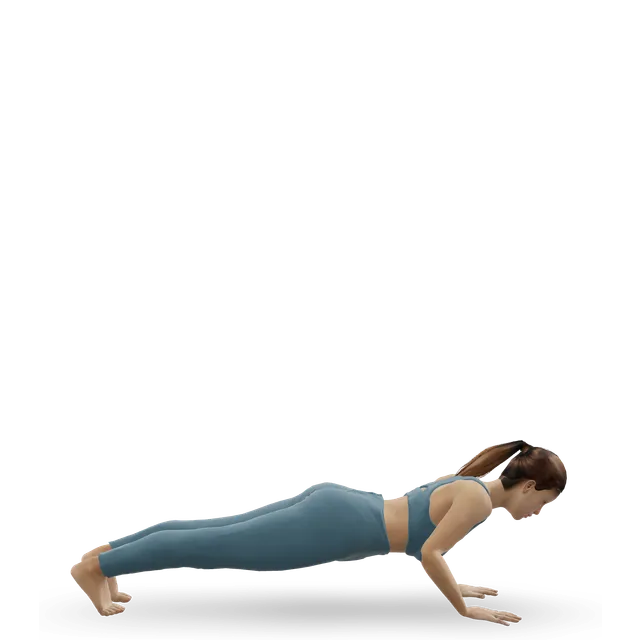
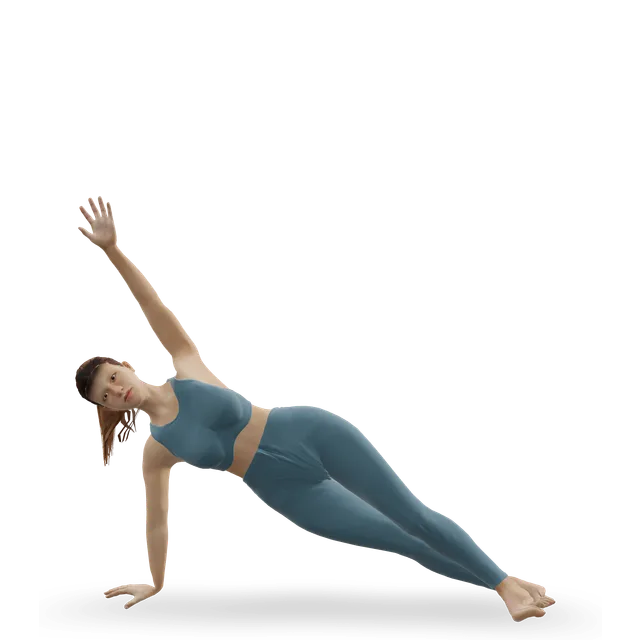
Planks, the leg pulls, the side bend and the Pilates push-up put your weight through your hands, and the push-up works your triceps, chest and upper back. Classical classes add a standing series with light weights, and on the reformer your arms pull straps against springs.

Sources 1, 2, 3

Stronger arms, in small trials

Pilates improved arm endurance and grip strength in people who weren't doing much, especially older adults. Across 16 studies, it built strength about as well as other exercise, strength training included.

Sources 4, 5, 6

Little muscle without more load

We found no study that measured arm muscle growing with Pilates. An exercise scientist expects beginners to gain a little muscle that then levels off, because most Pilates doesn't add load over time; muscle keeps growing when the work keeps getting harder.

Sources 7, 8, 9

It won't burn arm fat

Training one arm didn't take more fat off it than the other arm on magnetic resonance imaging (MRI) scans, and a review of 13 studies found no spot reduction. Arm fat goes when your overall body fat goes down.

Sources 10, 11

Look after your wrists and shoulders

Use fists or your forearms for sore wrists, leave out leg pulls, dips and overhead moves while a shoulder hurts, and learn reformer strap work with a teacher.

Sources 12, 13

Where Pilates works your arms

Mat Pilates: your arms hold you up

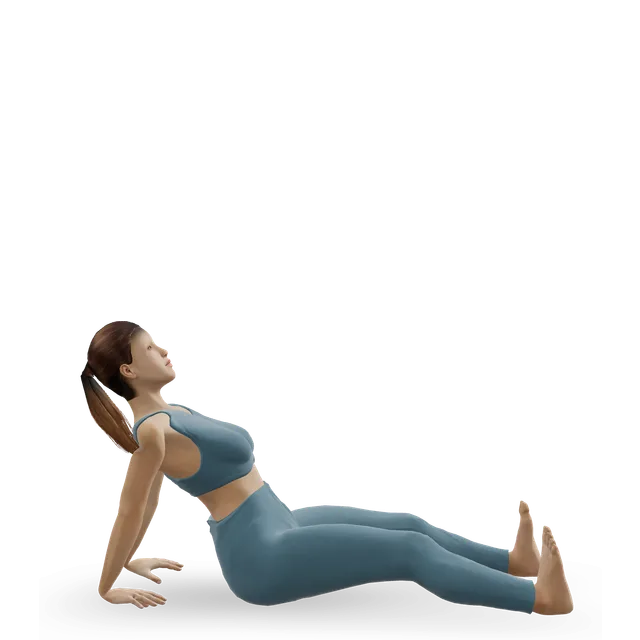
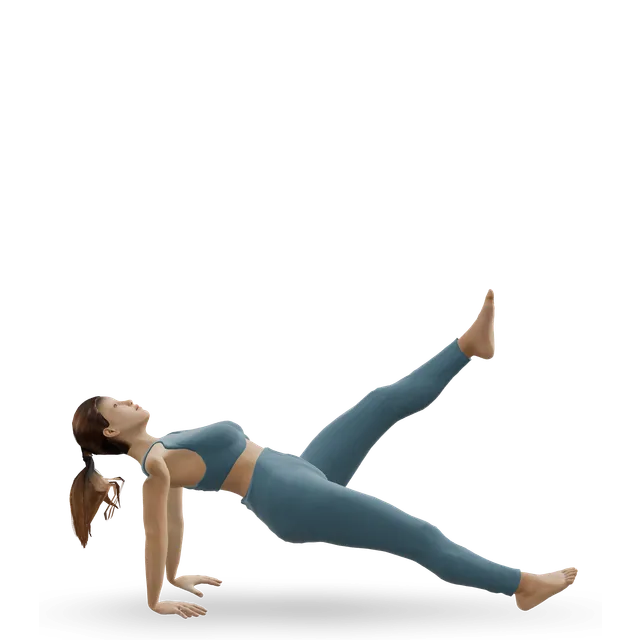
In the classical mat order, the leg pull front "will strengthen the hip extensors and shoulder girdle", the side bend "focuses on the abdominals, obliques and shoulder stabilizers", and the push-up "will work out your triceps, chest and upper back muscles". The leg pull back holds you up on your hands behind you, with the advice to "avoid hyperextending the elbows and the knees". Face down, swimming strengthens "the backside of the body".

Source 1

The classical arm weights series

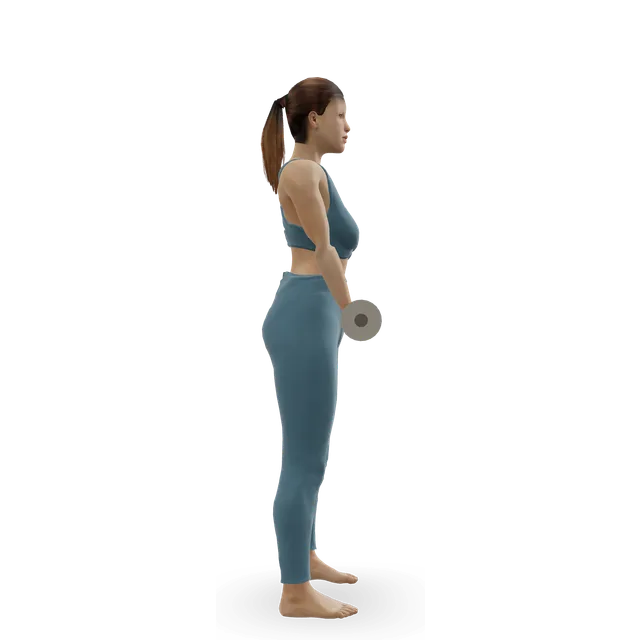
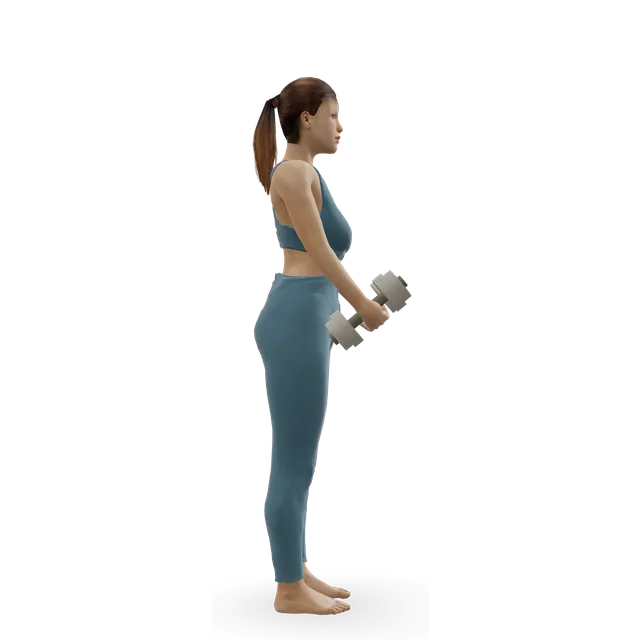
Classical schools teach a standing arm weights series. In one recorded class, the teacher says the weights are "about two pounds, hopefully, or three at the most" (about 1 kg) and that they're "recommended but not required". The series includes chest expansion, a boxing movement, a "zip up" and curls.

Sources 14, 2

The Pilates ring

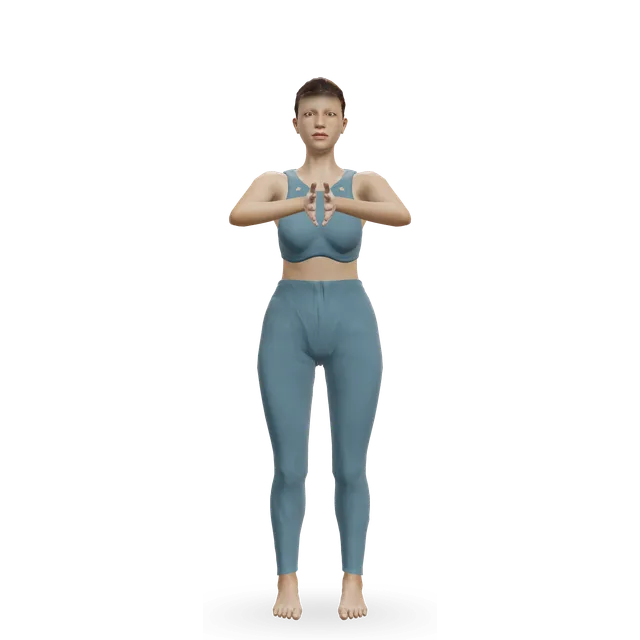
The Pilates Method Alliance says the ring gives "gentle resistance" and is "used in various exercises to target the inner thighs, upper arms, and chest". We found no study of what it does for the arms. Pressing your palms together, the palm press below, works the same way without a ring.

Sources 15, 16

On the reformer and other equipment

On the reformer, arm work uses straps. In one classical school's order, the basic level has no arm series; strap work such as "Long Box: Pull Straps & T" comes at intermediate level, on 1 spring, and "Strengthens muscles of back, shoulders and arms". The Pilates Method Alliance says exercises on the Wunda chair "engage the core, legs, and arms", and recommends learning equipment with a skilled instructor.

Sources 17, 18, 3, 15

Which arm muscles work

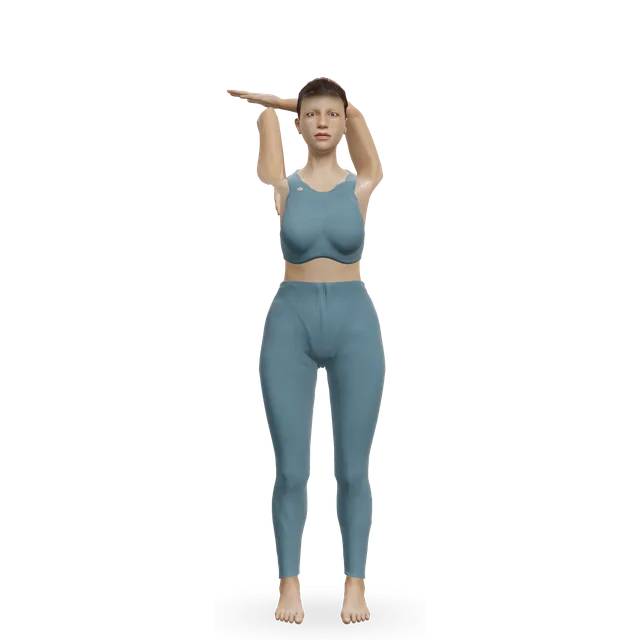
The biceps bend your elbow and the triceps straighten it; part of the triceps also crosses the shoulder, so it's stretched when your arm is overhead. Push-ups work the triceps and chest more than the biceps: in a trial in 18 men, push-ups set to the right difficulty grew the triceps and chest as much as a light bench press, and only the bench press grew the biceps. Mat Pilates has very little pulling, so rows or curls fill that gap.

Sources 19, 20

What the evidence says

Arm strength and endurance improve, in small trialsEmerging evidence

In 50 active middle-aged men and women, 12 weeks of mat classes twice a week improved upper-body muscular endurance against a control group; the author called the exercises relatively low intensity. In 30 older women, in a trial from a research group whose several small, similar reports may share participants, elbow strength and arm function were better than in a control group after 12 weeks. Grip strength improved against control groups in 109 women over 60 and in 47 women with overweight or obesity doing reformer Pilates, and upper-body strength improved in 43 breast cancer survivors on hormone therapy.

Sources 4, 21, 5, 22, 23

Grip strength: not every study agreesMixed evidence

When 3 trials in women were pooled, grip strength didn't change against controls (low certainty). It didn't change in 8 weeks of equipment Pilates in 32 young women, and in 24 women after the menopause it rose with equipment Pilates but not with mat Pilates and small props.

Sources 24, 25, 26

About as good as other exercise, strength training includedEmerging evidence

A 2022 review of 16 studies (689 people, average age 60, programmes of about 12 weeks) found Pilates built strength no better or worse than other exercise, strength training included, at low or very low certainty. A 2024 review of 24 trials in older adults found no clear strength gain against doing nothing. In 42 inactive women, a low-load, high-repetition group class improved grip and fitness where Pilates improved only flexibility (the groups weren't randomised), and in 34 older women a core resistance machine beat Pilates for trunk strength and leg power.

Sources 6, 27, 28, 29

Arm muscle: we found no studyMixed evidence

We found no study that measured arm muscle size after Pilates with a scan. Lean mass (muscle and other non-fat tissue) didn't change in pooled trials in women or in adults with overweight or obesity, and mat Pilates was no better than other exercise or no exercise for body composition across 10 studies.

Sources 7, 24, 30, 31

Light loads build muscle when sets are hardStrong evidence

In trials where every set was taken to failure (the point where you can't do another rep), light and heavy loads built similar muscle, across 21 studies and across 28 studies with 747 adults, while heavier loads built more maximal strength. The 2026 American College of Sports Medicine (ACSM) position stand found muscle growth was helped by 10 or more sets per muscle a week, and training to failure didn't consistently change results.

Sources 32, 33, 9

Push-ups and overhead work build the tricepsEmerging evidence

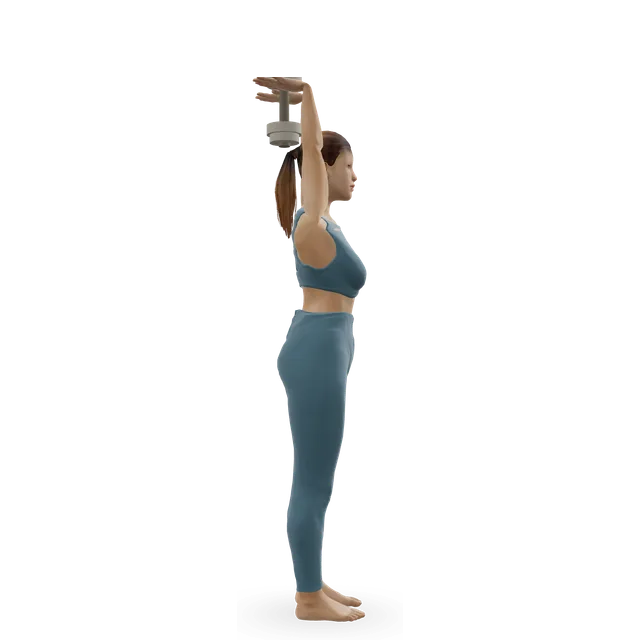
In 18 men, push-ups set to the right difficulty (on the knees, for example) grew the triceps as much as a light bench press over 8 weeks. In 21 adults, triceps extensions with the arm overhead grew the whole triceps about 1.4 times as much as with the arm at the side over 12 weeks (19.9% against 13.9%).

Sources 19, 20

Light weights, bands and making it harder

How often

Twice a week counts towards the NHS guideline of muscle-strengthening activity on at least 2 days a week, done "to the point where you need a short rest before repeating the activity"; adults over 65 should do activities that improve strength, balance and flexibility on at least 2 days. The UK Chief Medical Officers add that any strengthening activity is better than none.

Sources 34, 35, 36

Light weights, or none

Classical arm work uses about 1 kg, and the weights are optional. The NHS strength exercises start with light weights or filled water bottles: 3 sets of 5 curls with each arm. Our editorial starting point: pick a weight or band where 10 to 15 reps feel hard, do 2 sets, and add reps before you add weight, because light loads build muscle only when the last few reps are hard.

Sources 2, 37, 32, 33

Make the moves harder

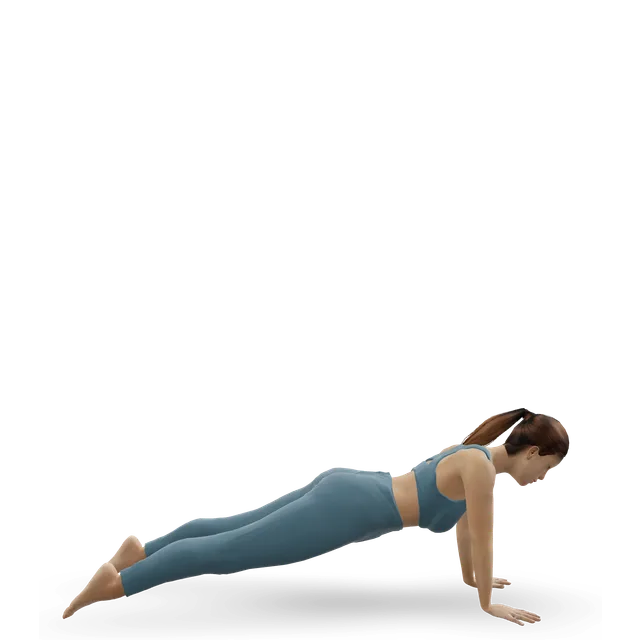
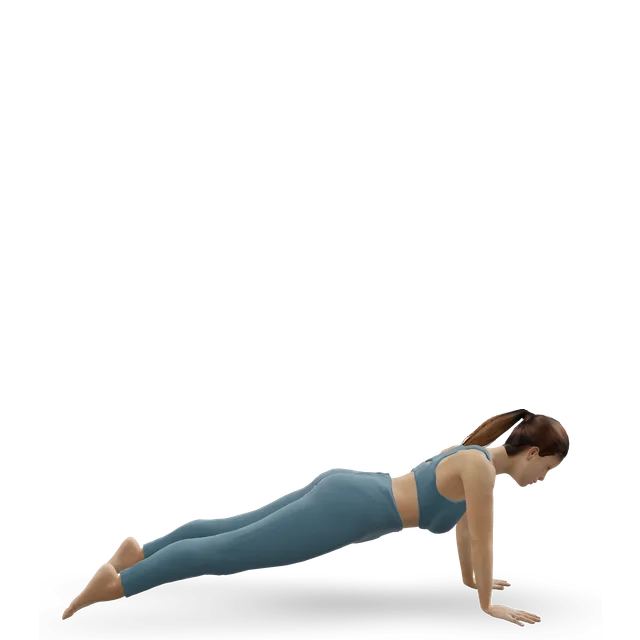
Go from push-ups at a wall to your knees, then your toes, then the Pilates push-up; lower more slowly; add overhead triceps extensions; and use heavier springs on the reformer. Pilates has little pulling, so add band rows: 3 sets of 10 to 15, stopping 2 to 3 reps short of failure, is the move page's dose (our editorial starting point).

Sources 19, 20, 9

The Pilates push-up, step by step

From Pilates Anytime's description of the classical push-up, which also says to avoid sinking in the shoulders and hips. With osteoporosis, hinge forward with a flat back instead of rolling down, as the move page advises.

  1. Stand at the back of your mat with your feet together.
  2. Roll down through your spine until your hands reach the mat.
  3. Walk your hands out in four steps until your shoulders are over your wrists, in a plank.
  4. Bend your elbows towards your ribs for 3 to 5 push-ups. Lower your knees to the mat if you need to (our suggestion).
  5. Lift your hips towards the ceiling and walk your hands back to your feet in four steps.
  6. Roll up through your spine to standing.

See the movement on the 3D figure: Push-up (Pilates)

Pilates or weights for your arms?

We found no trial comparing them for arm muscleMixed evidence

We found no trial that compared Pilates with weight training for arm muscle. For strength, Pilates did about as well as other exercise, strength training included, in mostly older adults who weren't training before.

Sources 38, 6

For more muscle, add load over timeStrong evidence

Muscle grows with load you keep increasing and enough hard sets: 10 or more sets per muscle a week helped in the ACSM overview. Light weights and bands work too, if the last reps of each set are hard.

Sources 9, 32, 33

Why Pilates alone may level off

An exercise scientist quoted by National Geographic says a sedentary beginner would see some early muscle development that then plateaus, because most Pilates lacks progressive overload, while reformer springs offer more of a strength-training effect. That's expert opinion, not a trial.

Source 8

Doing both

Our suggestion: keep Pilates for control, endurance and the moves you enjoy, and add 2 sessions a week with weights or bands if you want bigger arms. Our guide to getting bigger arms has the plan.

Will it get rid of bingo wings?

No exercise burns fat from your armsStrong evidence

In 104 adults who trained one arm for 12 weeks, MRI scans showed no more fat loss from the trained arm than from the untrained one. A 2022 review of 13 studies (1,158 people aged 14 to 71) found local training had no effect on local fat.

Sources 10, 11

Arm size fell when body fat fellEmerging evidence

In Pilates studies where arms got smaller, body fat fell too: in 9 novices, arm girth fell 0.5 cm in 8 weeks as body fat fell by 1.2 percentage points, and in women with obesity doing mat and ball Pilates for 4 hours a week for 8 weeks, arm skinfolds fell along with weight. Our arm fat and Pilates for weight loss guides cover what reduces body fat.

Sources 39, 40

Moves to start with

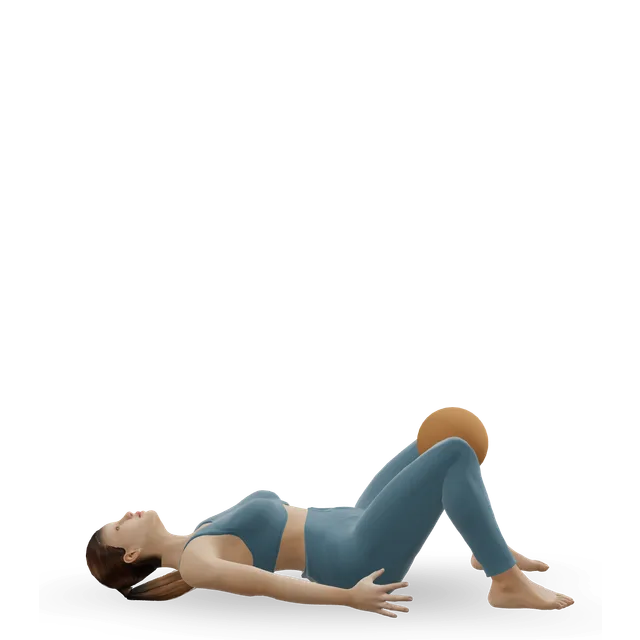
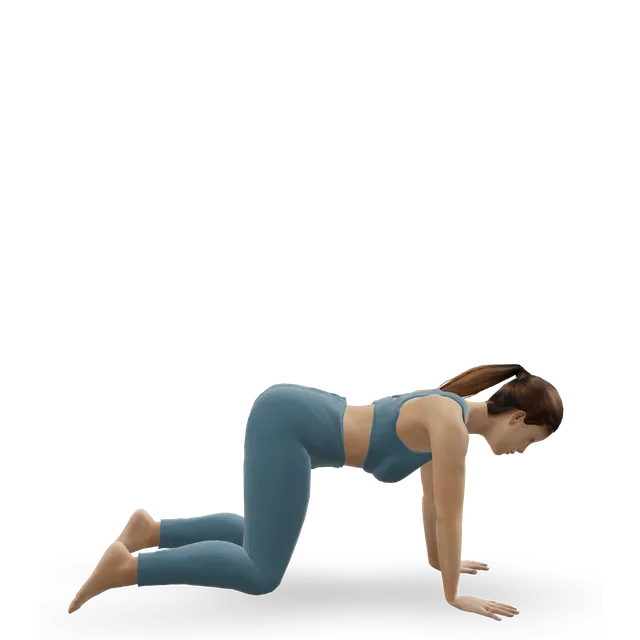
Weight on your hands with your knees down, push-ups at a wall or on your knees, and light face-down work. The class below gives a starting dose for each.

Make it harder

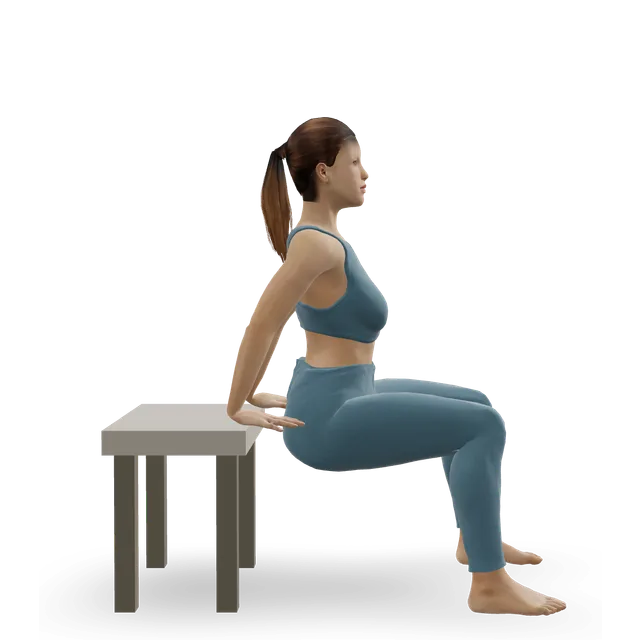
Add these as the first moves feel easy. Leave out the leg pulls and dips while a wrist or the front of a shoulder hurts.

With light weights or a band

The standing series, with weights of about 1 kg, filled water bottles or a band; the palm press needs nothing. Leave out overhead extensions with shoulder pain.

Workouts to follow

Start with the 20-minute Pilates arm class twice a week. The push-up progression and the dumbbell workouts are the next step if you want more muscle.

Follow a plan

The band and dumbbell plans add the load you keep increasing that builds muscle.

When to get help

Get urgent help if

In the US, call 911 for 999, and use your doctor's urgent line or urgent care for NHS 111.

  • Call 999: arm pain that comes on suddenly with pressure, heaviness or squeezing across your chest.
  • Go to an urgent treatment centre or A&E: severe arm pain that makes it difficult to move, a snapping noise or a change in shape after an injury, or an arm that tingles or feels numb.
  • Ask for an urgent GP appointment or get help from NHS 111: sudden or very bad shoulder pain, an arm you can't move, a shoulder or arm that has changed shape or is badly swollen, pins and needles that don't go away, no feeling in your arm or shoulder, or an arm or shoulder that's hot or cold to touch.
  • Get help from NHS 111: an arm that hurts when you exercise but the pain goes away when you rest.

Sources 41, 12

See a GP or physiotherapist if

In many areas you can refer yourself to NHS musculoskeletal (MSK) services, such as physiotherapy, without seeing a GP first.

  • Shoulder pain is getting worse or hasn't improved after 2 weeks, or it's very difficult to move your arm or shoulder.
  • Elbow or arm pain hasn't gone after a few weeks.

Sources 12, 41

While a shoulder hurts

The NHS says not to make up your own strenuous exercises or use heavy gym equipment with shoulder pain, so leave arm weights and reformer straps until it settles or a physiotherapist guides you. A tingling, numb or weak arm, or a shoulder that feels like it's clicking or locking, can mean an unstable shoulder, sometimes with hypermobility.

Source 12

On the reformer

In one case report, both shoulders of a 41-year-old woman dislocated during an unsupervised reformer session as her arms moved out to the side and turned outwards. The Pilates Method Alliance recommends learning equipment with a skilled instructor: do that before strap arm work, especially with hypermobile or previously dislocated shoulders.

Sources 13, 15

Worries about how your arms look

If you worry a lot about one part of your body, compare your looks with other people's a lot or check mirrors often, the NHS suggests seeing a GP (body dysmorphic disorder), and the same if you worry about your weight and shape while eating very little or exercising too much. Beat's eating disorders helpline is 0808 801 0677.

Sources 42, 43

Tell the teacher

Tell the teacher about any wrist, elbow or shoulder problem. The NHS advises getting advice before its exercise videos if you have a health problem, an injury or any symptoms, and stopping straight away if you feel pain or become unwell.

Source 44

Myths

"Pilates arm work burns arm fat"Strong evidence

No exercise burns fat from the part you work. Arm fat goes when your overall body fat goes down.

Sources 10, 11

"Pilates gives you long, lean arm muscles"

Exercise can't change where a muscle attaches, so it can't make one longer, and there's no such thing as a long, lean muscle versus a bulky one. A leaner look comes from less body fat.

Source 8

"Pilates builds as much arm muscle as weights"Mixed evidence

We found no trial comparing them for arm muscle. Pilates built strength about as well as other exercise in mostly older beginners, but the research on muscle growth points to load you keep increasing.

Sources 38, 6, 9

"You need heavy weights to train your arms"Emerging evidence

Push-ups set to the right difficulty grew the triceps as much as a light bench press, and light loads build muscle when the last reps are hard. Heavier loads do build more maximal strength.

Sources 19, 32, 33

Questions people ask

Does Pilates work your arms?

Yes, mostly by making your arms hold you up: planks, the leg pulls, the side bend and the Pilates push-up work your triceps, chest and shoulders. Classical classes add a standing arm series with light weights, and the reformer adds pulling with straps. Mat Pilates has very little pulling, so your biceps get less work.

Does Pilates tone your arms?

"Toned" arms are visible muscle with less fat over it. Pilates can make your arms a little stronger and better at lasting, especially if you're new to exercise, but it doesn't burn fat from your arms, and it adds little muscle unless you make it harder over time.

Can Pilates build arm muscle?

A little at first if you're new, then progress tends to level off without more load. We found no study that measured arm muscle growing with Pilates. To build more, add weights, bands or heavier springs and keep the last reps of each set hard.

Is Pilates as good as weights for your arms?

For strength in people who weren't doing much, mostly older adults, Pilates did about as well as other exercise, strength training included. We found no trial comparing them for arm muscle, and the research on muscle growth points to load you keep increasing. Many people do both.

Should I use weights for Pilates arm work?

You don't have to: classical arm work uses weights of about 1 kg, and teachers say they're optional. Light weights build muscle only when the last few reps of a set are hard, so pick a weight or band where 10 to 15 reps feel hard and go up over time. The NHS suggests light weights or filled water bottles to start.

What's a good Pilates arm workout without weights?

The knee hover, planks, push-ups, the side bend and the leg pull back all use your body weight, and bench dips add more triceps work. Push-ups at a wall, on your knees or on your toes let you match the difficulty to you. Our 20-minute class works through them in order.

Will Pilates get rid of bingo wings?

Not on its own: training an arm doesn't burn more fat from it, as MRI scans show, and a review of 13 studies found no spot reduction. In Pilates studies where arms got smaller, body fat went down too. Our arm fat guide covers what does work.

How long until Pilates makes my arms stronger?

In trials, 2 or 3 classes a week improved arm endurance or grip strength within 8 to 12 weeks. The NHS counts Pilates as muscle-strengthening activity, on at least 2 days a week, if you work until you need a short rest.

Does reformer Pilates work your arms more than mat Pilates?

The reformer adds pulling against springs, which the mat lacks. In one small trial in women after the menopause, grip strength rose with equipment Pilates but not with mat Pilates and small props. Learn the strap work with a teacher.

Can I do Pilates arm work with sore wrists or shoulders?

Make fists or go onto your forearms for sore wrists, and leave out leg pulls, dips and overhead moves while a shoulder hurts. The NHS advises against making up your own strenuous exercises or using heavy gym equipment with shoulder pain, and suggests seeing a GP if it isn't better after 2 weeks.

Does the Pilates ring tone your arms?

Squeezing the ring between your palms works your chest and arms without moving, and the Pilates Method Alliance lists the upper arms among its targets. We found no study of what the ring does for your arms, so treat it as one tool among several. Our ring guide has the moves.

Is Pilates good for older adults' arms?

Yes: in trials in older women, Pilates improved arm strength, arm function and grip compared with control groups. The NHS advises adults over 65 to do activities that improve strength, balance and flexibility on at least 2 days a week, and lists Pilates as a muscle-strengthening activity.

Sources

  1. Pilates Anytime · The 34 Pilates mat exercises: names, order and precautions (teaching platform)
  2. Pilates Anytime · Additional arms: a classical arm weights series with Adrianne Crawford (class 151, 2010)
  3. Pilatesology · Reformer long box: pull straps and T (exercise encyclopedia)
  4. Kloubec 2010 · Pilates for muscle endurance, flexibility, balance and posture in 50 adults (RCT, J Strength Cond Res)
  5. Aibar-Almazán 2022 · Pilates, grip strength, gait speed and body composition in 109 women over 60 (RCT, J Strength Cond Res)
  6. Pinto 2022 · Is Pilates better than other exercise at increasing muscle strength? 16 studies, 689 people (systematic review, Heliyon; read in full)
  7. PubMed · Our search for studies that measured arm muscle after Pilates (24 October 2026)
  8. Singleton 2025 · What Pilates can (and can't) do for your body (National Geographic, quoting Brad Schoenfeld)
  9. Currier 2026 · ACSM position stand on resistance training for muscle function, size and performance: 137 reviews (overview of reviews, Med Sci Sports Exerc)
  10. Kostek 2007 · Fat over a trained arm against the untrained arm in 104 adults, measured by MRI (trial, Med Sci Sports Exerc)
  11. Ramirez-Campillo 2022 · Exercise and fat loss in the exercised area (spot reduction): 13 studies, 1,158 people (systematic review and meta-analysis, Hum Mov; read in full)
  12. NHS · Shoulder pain (reviewed May 2023, past its review date)
  13. Ergün 2023 · Both shoulders dislocated during an unsupervised reformer session (case report, Physiother Theory Pract)
  14. Pilatesology · Classical Pilates exercise orders, including the Arm Weights Series (teaching platform)
  15. Pilates Method Alliance · Beginner's guide to Pilates equipment, from the reformer to the Cadillac
  16. PubMed · Our search for studies of the Pilates ring (24 October 2026)
  17. Pilatesology · Classical reformer basic order with spring settings (PDF, read as its list of exercises)
  18. Pilatesology · Classical reformer intermediate order with spring settings (PDF, read as its list of exercises)
  19. Kikuchi 2017 · Push-ups or a light bench press for 8 weeks in 18 men: similar muscle growth (randomised trial, J Exerc Sci Fit)
  20. Maeo 2023 · Overhead or arms-down triceps extensions for 12 weeks in 21 adults, measured by MRI (trial, Eur J Sport Sci)
  21. Oliveira 2017 · Pilates and elbow strength in 30 older women (RCT, J Bodyw Mov Ther)
  22. Gökalp 2025 · Reformer Pilates in 47 women with overweight or obesity (RCT, Sci Rep)
  23. Bertoli 2023 · Mat Pilates and strength in 43 breast cancer survivors on hormone therapy (RCT, Disabil Rehabil)
  24. Bajčetić 2026 · Pilates programmes and fitness in adult women: 12 studies (systematic review and meta-analysis, Sports; read in full)
  25. dos Reis 2024 · Apparatus Pilates with or without its stretches in 32 inactive young women (RCT, BMC Sports Sci Med Rehabil; read in full)
  26. Lim 2026 · Prop or apparatus Pilates for 8 weeks in 24 postmenopausal women (randomised trial, Phys Act Nutr)
  27. Oliveira 2024 · Pilates and strength, endurance and power in older adults: 24 trials, 1,190 people (systematic review and meta-analysis, J Bodyw Mov Ther)
  28. Evangelou 2021 · Low-load, high-repetition group training or Pilates in 42 inactive women (non-randomised trial, J Bodyw Mov Ther)
  29. Markovic 2015 · A feedback-based core resistance device or Pilates in 34 older women (RCT, Arch Gerontol Geriatr)
  30. Wang 2021 · Pilates for overweight or obesity: 11 trials, 393 people (meta-analysis, Front Physiol)
  31. Cavina 2020 · Mat Pilates and body composition: 10 studies (meta-analysis, J Phys Act Health)
  32. Schoenfeld 2017 · Light against heavy loads for strength and muscle growth: 21 studies (meta-analysis, J Strength Cond Res)
  33. Lopez 2021 · Training load, muscle growth and strength: 28 studies, 747 adults (network meta-analysis, Med Sci Sports Exerc)
  34. NHS · Physical activity guidelines for adults aged 19 to 64
  35. NHS · Physical activity guidelines for older adults
  36. UK Chief Medical Officers · Physical activity guidelines (Department of Health and Social Care, updated July 2026)
  37. NHS · Strength exercises
  38. PubMed · Our search for randomised trials of Pilates against resistance or weight training (24 October 2026)
  39. Rogers 2009 · Eight weeks of mat Pilates in 9 novices against 13 active controls (trial, Res Q Exerc Sport)
  40. Cakmakçi 2011 · Eight weeks of mat and ball Pilates in women with obesity (randomised trial, Coll Antropol)
  41. NHS · Elbow and arm pain
  42. NHS · Body dysmorphic disorder (reviewed October 2023, past its review date)
  43. NHS · Eating disorders: overview
  44. NHS · Pilates video for beginners, with the exercise video safety information

Exercise education, not a personal prescription, and clinical review of these guides is pending. If you are pregnant, have a health condition or have had recent surgery, check with a doctor, midwife or physiotherapist before starting, and stop for sharp or increasing pain. Health disclaimer.