Pilates
Pilates arm workout: a 20-minute class with light weights or none
Pilates works your arms mostly by holding you up: on your hands and knees, in a plank, on your side and with your hands behind you. This class builds through those positions, as the classical mat order does, then finishes with a standing series like the classical arm weights series, with weights of about 1 kg, filled water bottles, a band or nothing at all. Use fists or your forearms if your wrists complain, and skip any move that hurts the front of your shoulder.
On all fours
- Cat-cow6 slow roundsBeginner · Back, Abs · 3D demoWarm up your spine and wrists; hands under your shouldersHarder: Half lord of the fishes (Ardha Matsyendrasana)
- Knee hover (Pilates tabletop hover)3 holds of 15 to 20 sBeginner · Abs, Shoulders, Quads · 3D demoPress the floor away so your shoulder blades sit wide, then lift your knees 2 to 5 cmHarder: Straight-arm plank (high plank)

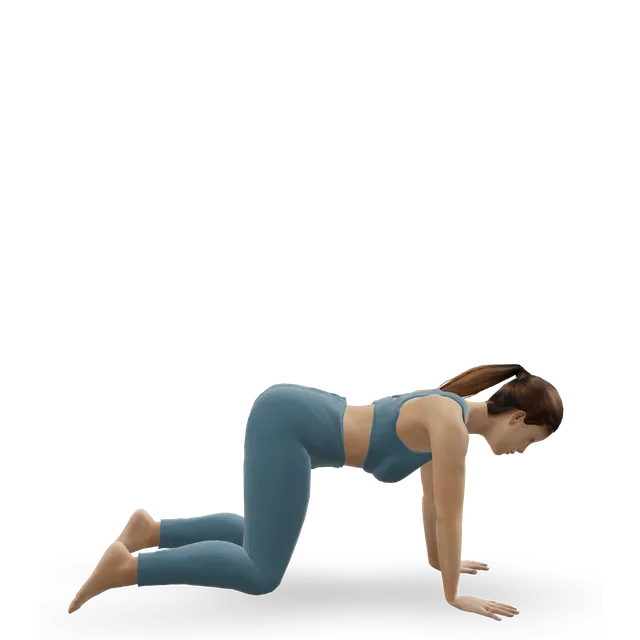
Front support
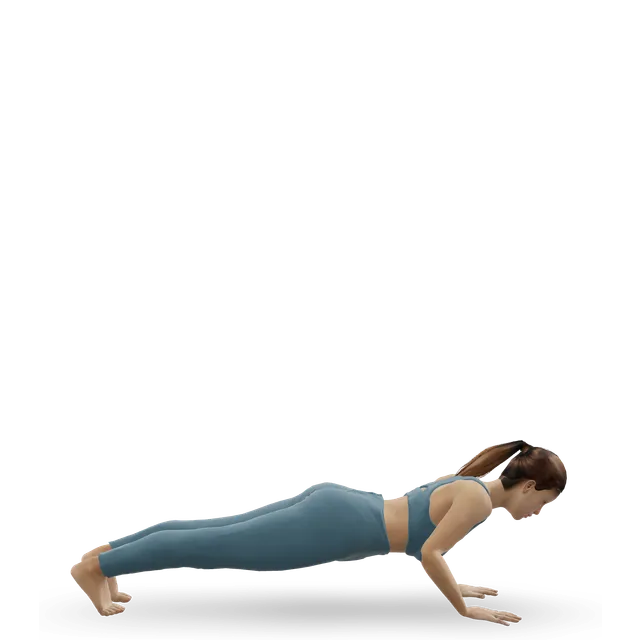
- Knee push-up2 sets of 6 to 10Beginner · Chest, Triceps, Shoulders · 3D demoHands a little wider than your shoulders; lower your chest between your hands. Easier: push-ups against a wallEasier: Incline push-upHarder: Push-up
- Push-up (Pilates)2 rounds of 3 push-upsIntermediate · Chest, Triceps, Shoulders · 3D demoRoll down, walk out to a plank, do 3 push-ups (knees down if needed), walk back and roll up. With osteoporosis, hinge forward with a flat back instead of rolling downEasier: Inchworm walkoutHarder: Leg pull back (Pilates leg pull up)

Side support
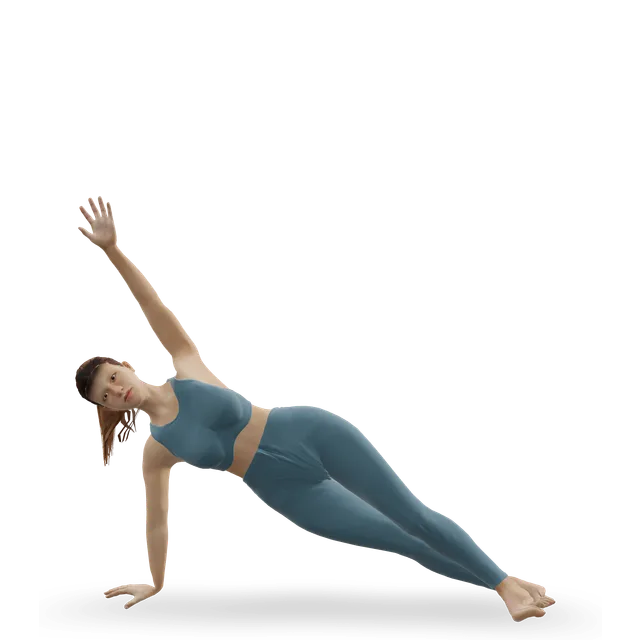
- Knee side plank2 holds of 15 to 20 s each sideBeginner · Abs, Hip abductors, Shoulders · 3D demoElbow under your shoulder, hips lifted in one line from knees to headHarder: Side plank
- Side bend (Pilates)3 each sideAdvanced · Abs, Shoulders, Hip abductors · 3D demoHarder: lift into a side plank from sitting and lower with control. Stay with the knee side plank if your wrist or shoulder complainsEasier: Mermaid (Pilates seated side bend)

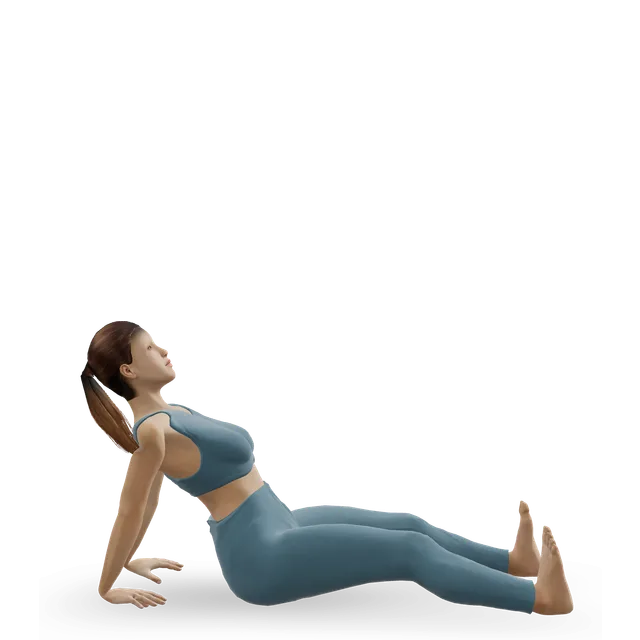
Hands behind you
- Upward plank pose (Purvottanasana)2 holds of 5 breathsIntermediate · Shoulders, Triceps, Glutes · 3D demoStart in reverse tabletop with your knees bent, fingers towards your feet; skip it if the front of your shoulders hurtsEasier: Upward stretch, hands pressing backHarder: Leg pull back (Pilates leg pull up)
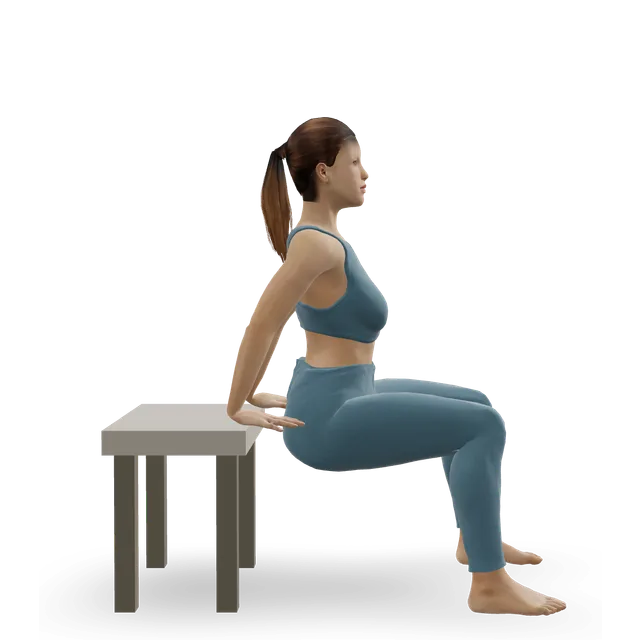
- Bent-knee bench dip2 sets of 6 to 10Beginner · Triceps, Chest, Shoulders · 3D demoOn a sturdy chair or step; lower only as far as the front of your shoulder is comfortableHarder: Parallel bar dip
Face down
- Swimming (Pilates)2 sets of 20 sIntermediate · Back, Glutes, Shoulders · 3D demoArms and legs long, small quick flutters, shoulders away from your earsEasier: Mermaid (Pilates seated side bend)Harder: Leg pull back (Pilates leg pull up)
- Prone Y-T-W raises5 of each shapeBeginner · Back, Shoulders, Neck · 3D demoForehead on a folded towel, thumbs up, lift your arms only a littleEasier: Wall angelHarder: Bent-over reverse fly


Standing arm series
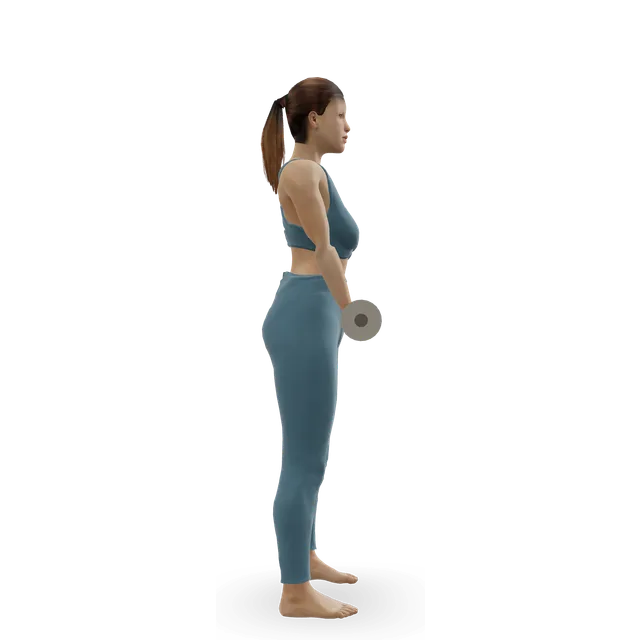
- Dumbbell biceps curl2 sets of 10 to 15Beginner · Biceps, Forearms · 3D demoLight weights (about 1 kg) or filled water bottles; elbows by your sides; lower slowlyEasier: Seated dumbbell curlHarder: Incline inner biceps curl
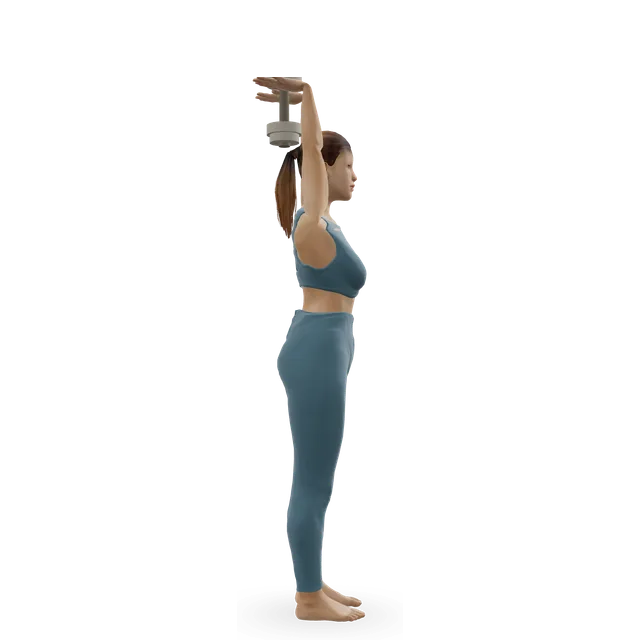
- Standing overhead dumbbell triceps extension2 sets of 10 to 15Intermediate · Triceps · 3D demoOne weight in both hands overhead, elbows pointing forward. Leave it out with shoulder pain, or if it brings on tingling in your ring and little fingersEasier: Dumbbell triceps kickbackHarder: Triceps dip (upright)
- Band pull-apart2 sets of 10 to 15Intermediate · Shoulders, Back · 3D demoArms at chest height; open the band by drawing your shoulder blades together. No band? Hold the opening for 3 s, 10 timesEasier: Prone Y-T-W raisesHarder: Tuck back lever
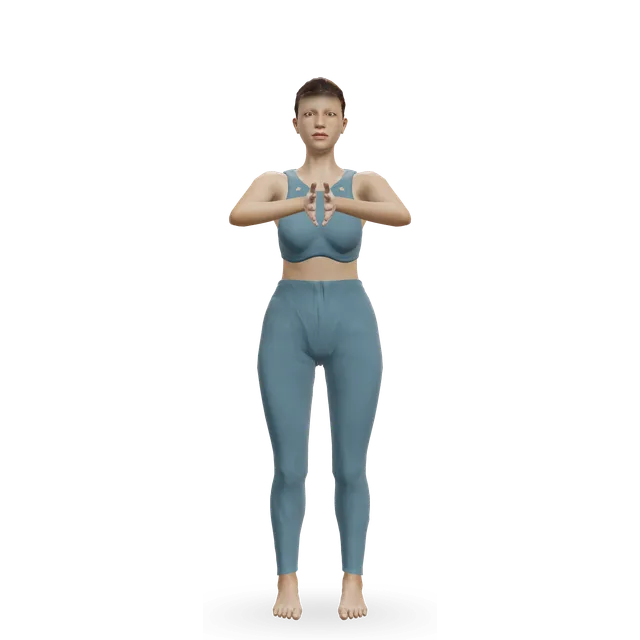
- Isometric chest squeeze (palm press)6 holds of 5 to 10 sBeginner · Chest, Shoulders, Triceps · 3D demoPalms together at chest height (or a ring between them); press and keep breathing, then rest as long as you heldHarder: Machine chest fly (pec deck)

Cool-down
- Overhead triceps stretch20 to 30 s each sideBeginner · Triceps, Back · 3D demoA gentle pull on the elbow; skip it with shoulder painHarder: Overhead lat stretch at a bench (elbows on the bench)
- Child's Pose (Balasana)1 minuteBeginner · Back, Shoulders, Glutes · 3D demoArms long or by your sides; pad your kneesHarder: Extended puppy pose (Uttana Shishosana)
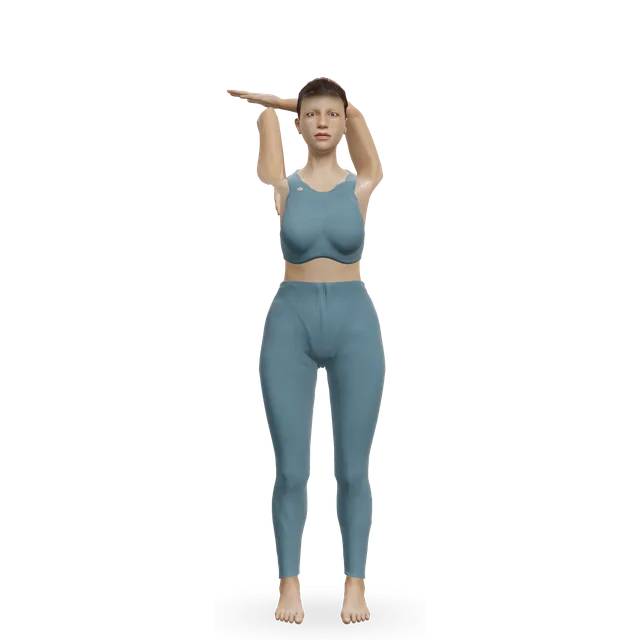

Tips
- Twice a week counts towards the NHS strength guideline: work until you need a short rest.
- To build more arm strength and muscle, make it harder over the weeks: more reps until the last few are hard, a heavier weight or band, or push-ups from your toes.
- Arm work won't burn fat from your arms; that comes off your whole body.
- Sore wrists? Make fists or go onto your forearms.
- Heard a snap, or your arm changed shape or went numb? Go to an urgent treatment centre or A&E.
The doses are suggested starting points, not a prescription. Choose a range you can control and stop for sharp or increasing pain, numbness or tingling. Get individual advice after an injury or surgery, or if you are pregnant or managing a health condition.
Guides that recommend it
Find more moves like these
More pilates




Beginner Pilates workout
A 20-minute mat Pilates workout for complete beginners. It covers breathing, spine position and the foundation moves, each with an easier option.
20 minBeginner13 movesNo equipment

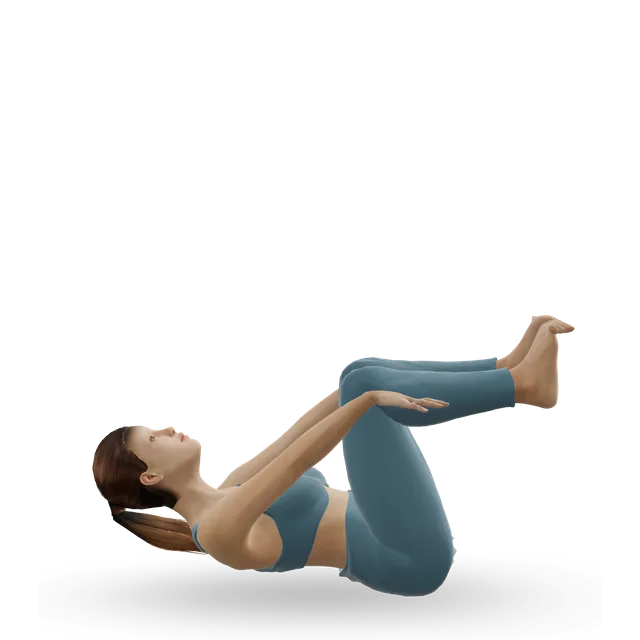
10-minute Pilates abs
Ten minutes of the classic Pilates abdominal series: the hundred, the roll-up and the series of five, with a plank to finish.
10 minIntermediate11 movesNo equipment
Full-body mat Pilates workout
A 30-minute intermediate mat Pilates class that follows the classical order, from the hundred to the push-up, with prep versions of the hardest moves.
30 minIntermediate22 movesNo equipmentQuestions people ask
How long does the pilates arm workout: a 20-minute class with light weights or none take?
About 20 minutes, including any warm-up and cool-down listed. Shorten it by doing fewer rounds; lengthen it by adding one.
What equipment do I need?
You need: A bench or box, A dumbbell, A band. Each move links to its guide, where you can find an alternative if you are missing something.
Is it suitable for beginners?
It is written for beginners. 9 of its 16 moves have an easier option listed beside them if you need one.
How do I make it easier or harder?
Use the easier or harder option listed under each move, change the number of rounds, or adjust the rest. Progress one change at a time.