Is Pilates good for shoulder pain?
It can be, if the arm work builds up gradually. Only one small trial has tested it: in 33 people, 10 sessions of clinical Pilates over 2 weeks eased pain and disability more than conventional exercise. What has strong evidence is progressive shoulder strengthening, which a Pilates class can provide if the load goes up in steps.
Which Pilates exercises are good for shoulder pain?
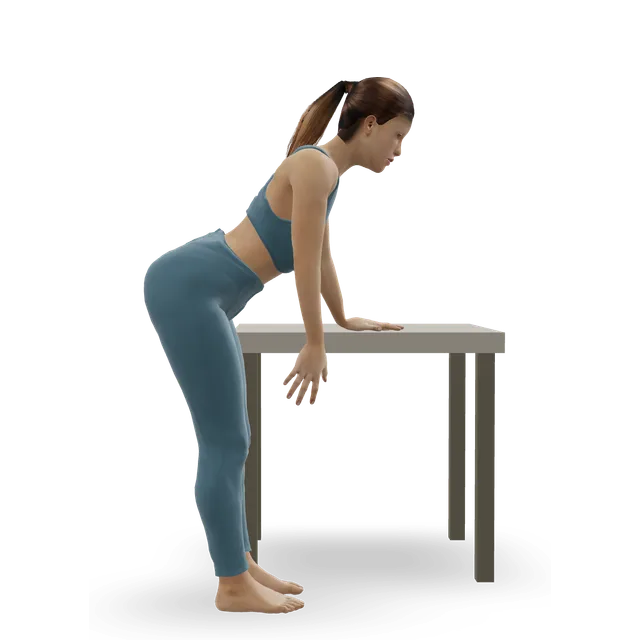
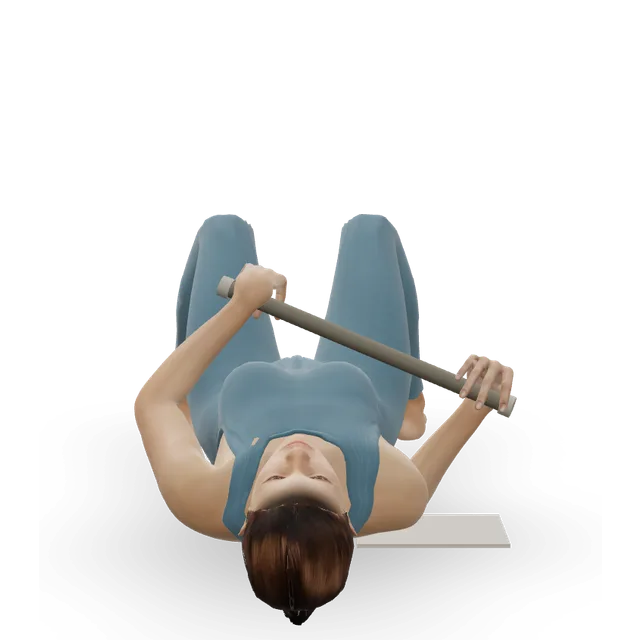
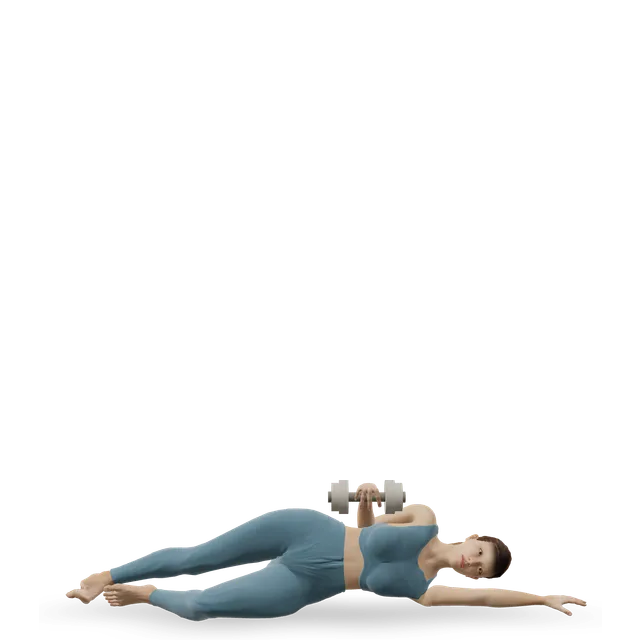
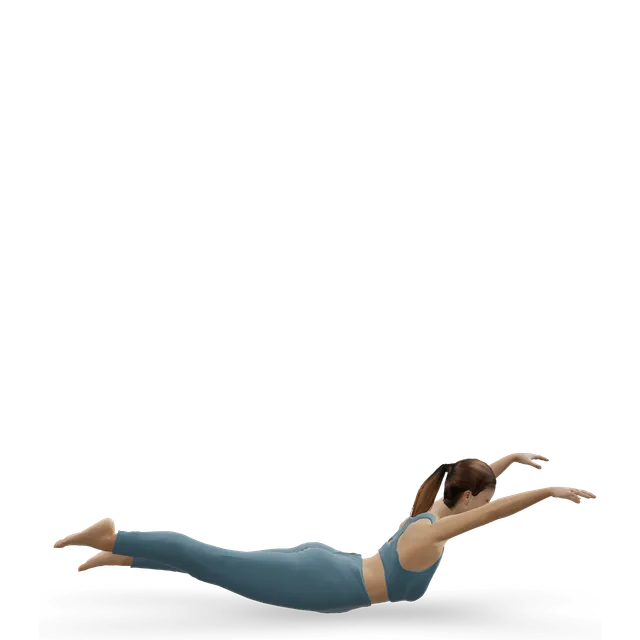
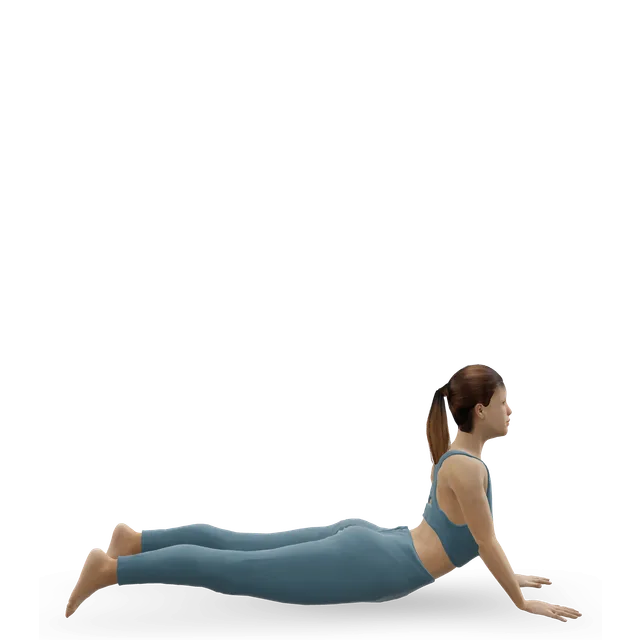
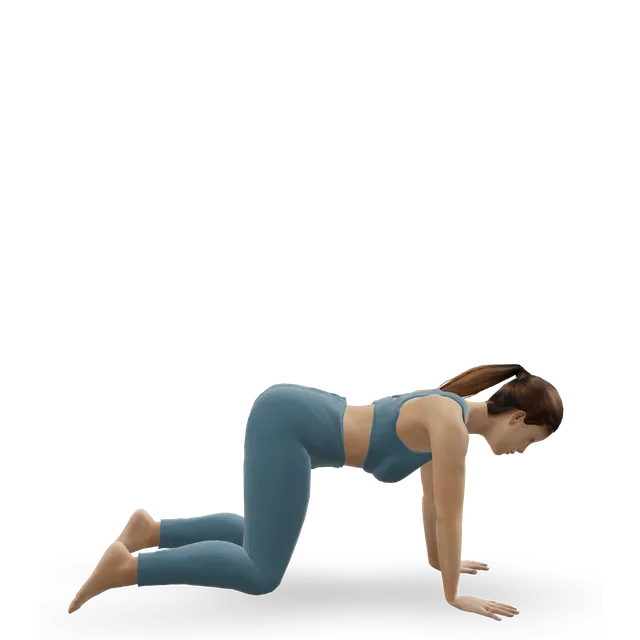
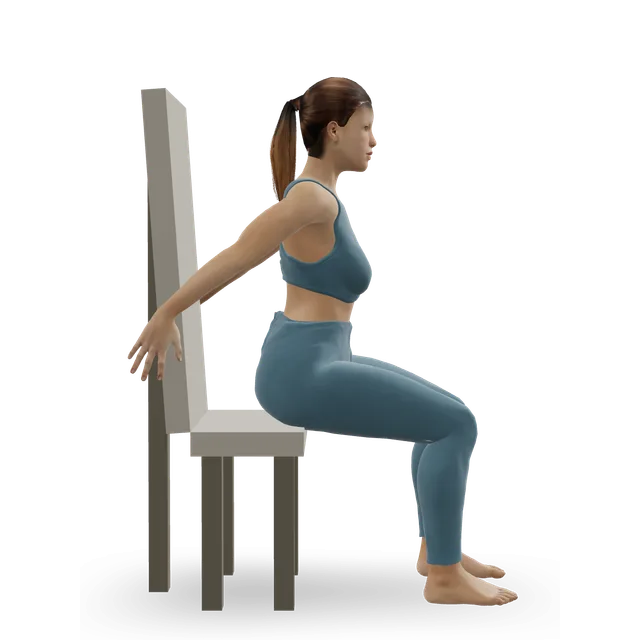
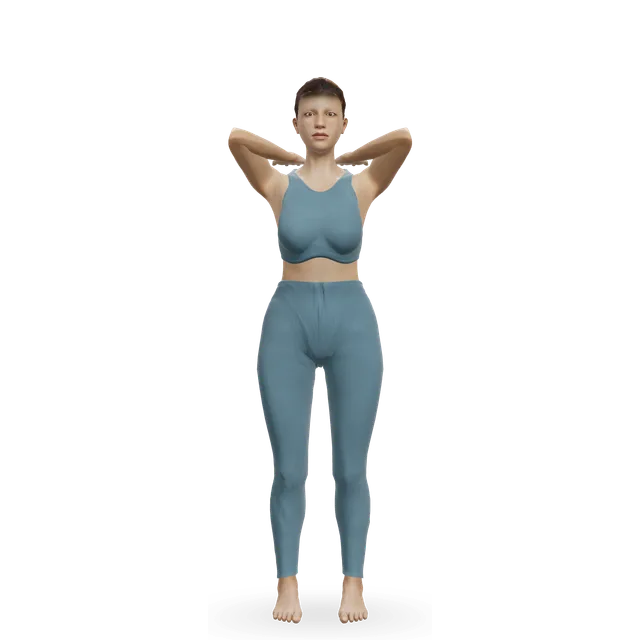
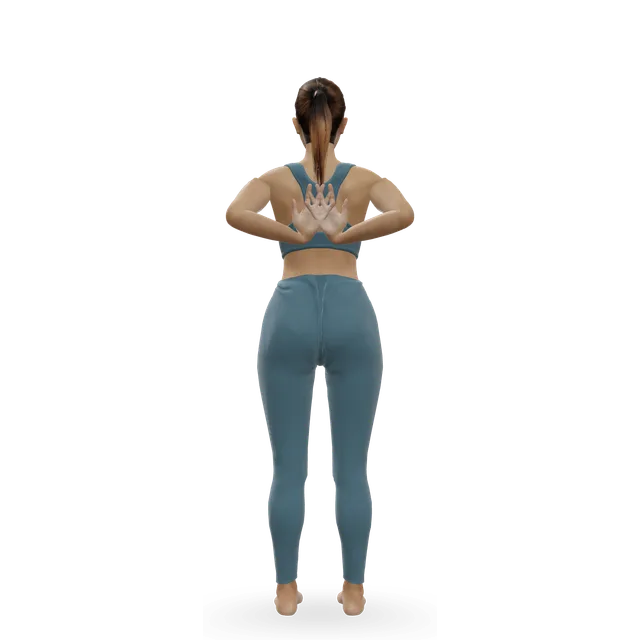
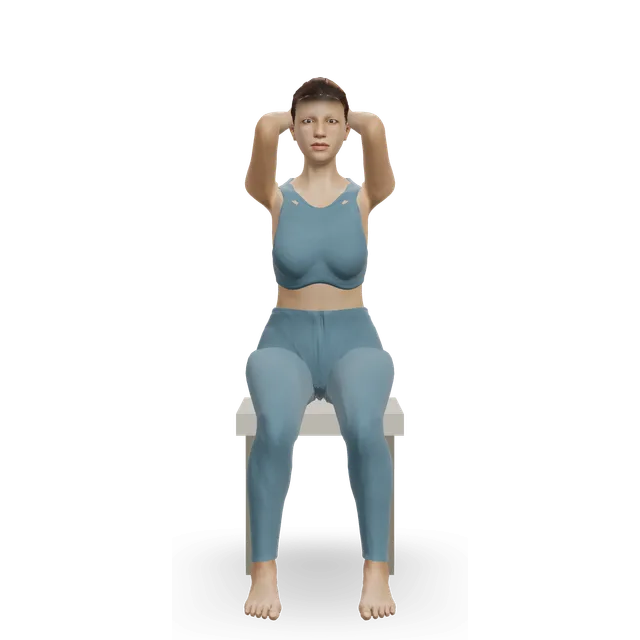
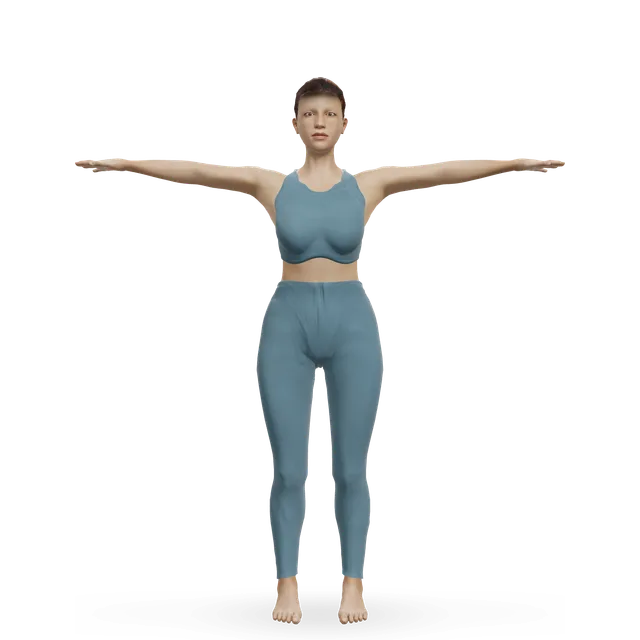
Start with pain-free movement (pendulum swings, table slides, assisted turning out), then strengthen the rotator cuff and shoulder-blade muscles (side-lying outward rotation, Y-T-W raises, a small swan), then add weight on your arms: wall push-ups first, then the knee hover. Our 20-minute class puts them in order.
Which Pilates exercises should I avoid with shoulder pain?
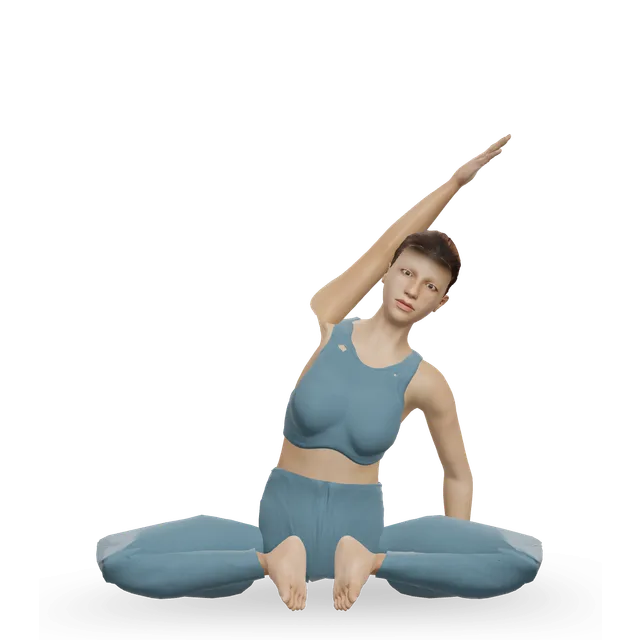
While it hurts, leave out the leg pull front and back, control balance, the kneeling side kick and upward plank, swap the side bend for a knee side plank, and do push-ups at a wall or on your knees. Keep your arms below shoulder height at first and avoid heavy springs or weights; the NHS advises against making up strenuous exercises or using heavy gym equipment.
How much pain is OK when exercising a sore shoulder?
Pain up to 5 out of 10 during exercise is acceptable, and it should be no worse the next morning. If it is, do fewer repetitions, go more slowly or rest longer, rather than stopping altogether. Stop and get it checked for sharp pain, a feeling that the shoulder is slipping, or pins and needles spreading down the arm.
Is Pilates good for frozen shoulder?
It hasn't been tested, but gentle exercise within pain limits suits frozen shoulder: in one study, 89% had normal or near-normal shoulders at 2 years after gentle exercise, against 63% after intensive stretching. Stay in the comfortable range while it's very painful, and add stretching and strength as it eases. A steroid injection can speed recovery, so talk to your GP.
Can Pilates help shoulder impingement or a rotator cuff tear?
For impingement, progressive strengthening helps: in one trial, 69% did well with specific shoulder exercises against 24% with general movement, and far fewer chose surgery. For tears that came on without an injury, a physical therapy programme worked for about 75% of people at 2 years. Pilates hasn't been tested for either, no exercise repairs a tear, and sudden weakness lifting the arm after a fall needs same-day care.
Is reformer Pilates OK with shoulder pain?
It can be, with a teacher who knows about your shoulder: springs let you start light, and in a lab study, heavier springs made the shoulder muscles work harder until very heavy ones led to compensation. Learn the strap work with a teacher: in one reported case, both shoulders dislocated during an unsupervised reformer session.
Why does my shoulder hurt after Pilates?
A new class can cause short-term muscle soreness that eases quickly and is no worse the next morning. If it hurts during weight-bearing or overhead moves, go back a step: wall push-ups instead of planks, and arms low instead of overhead. Pain that is getting worse, or hasn't improved after 2 weeks, needs a GP or physiotherapist.
Can I do Pilates after a dislocated shoulder?
Yes, once your team agrees: exercises to strengthen the shoulder help reduce the risk of it happening again. Avoid taking your arm out to the side and turning it back (some reformer strap work and the doorway stretch), and stop if it feels about to slip. The NHS says recovery usually takes 6 to 12 weeks.
Can I do Pilates after breast cancer surgery?
Yes, once the early exercises your team gives you are done. In small trials, Pilates helped shoulder movement, strength and pain about as much as other exercise, and NICE says there is "no indication that physical activity causes, or worsens, lymphoedema". Get any new arm swelling checked; our breast cancer surgery guide has the timeline.
Is my posture causing my shoulder pain?
Probably not on its own: across 10 studies, people with and without shoulder pain had similar upper-back rounding. Sitting tall lets your arm lift a little further in the moment, so it's worth doing during arm work, but strengthening is what has the evidence.
When should I see a doctor or physiotherapist about shoulder pain?
Call 999 for shoulder or arm pain with chest pain that feels tight or spreads to your arms, neck or jaw; go to A&E if, after a fall, your shoulder looks out of place or you can't move your arm; get same-day help if it's hot and swollen or you have a high temperature. See a GP or physiotherapist if it isn't better after 2 weeks of looking after it yourself; in many areas you can refer yourself.