Pilates guide

Pilates for rheumatoid arthritis: joints, fatigue and flares, the hands, feet and neck, what the trials show, and a gentle routine

Exercise is part of treating rheumatoid arthritis (RA), alongside your medicines: it improves everyday function and eases pain by moderate amounts, helps tiredness and mood a little, and doesn't make the disease more active. Pilates is one gentle way to do the strength, flexibility and balance parts. Only three small trials have tested Pilates itself in RA, so we can't say it beats other exercise, but it's easy to adapt for sore hands, feet and necks.

Pilates sits beside your rheumatology team, never in place of it, and you keep taking your medicines as prescribed. This guide covers what RA means for exercise, what the trials found, how to work around flares, the hands, feet and neck, steroids and bones, which moves to start with and which to change or leave out, and the warning signs that need help the same day. Our 25-minute Pilates for arthritis class has no kneeling and no weight on your hands.

The short version

Exercise is part of RA care

The National Institute for Health and Care Excellence (NICE) says adults with RA should have specialist physiotherapy to "improve general fitness and encourage regular exercise". The European Alliance of Associations for Rheumatology (EULAR) says everyday activity guidelines are "feasible and safe" in inflammatory arthritis. Neither names Pilates, but it's one gentle way to do the strength, flexibility and balance work.

Sources 1, 2

Exercise helps by moderate amounts

Across the trials behind the American College of Rheumatology's guideline, exercise improved everyday function and eased pain by moderate amounts, with about 1 in 6 people helped. It eased tiredness a little and low mood a bit more, and it didn't make the disease more active.

Sources 3, 4, 5, 6, 7

The Pilates trials are few and small

Three trials of 30 people each. In the best reported, Pilates, walking and both together didn't differ, and the Pilates group's tiredness, mood and walking improved but its pain didn't. No trial has tested reformer or hot Pilates in RA.

Sources 8, 9, 10, 11

In a flare, move gently rather than stop

Do less than usual, keep your joints moving through a comfortable range, and leave strengthening until hot or swollen joints settle. A flare that won't settle needs your rheumatology advice line.

Sources 12, 13, 14

Hands, feet and neck need care

A hand exercise programme improved hand function a little in a large trial. Most people with RA have foot problems, so stand in supportive shoes. Long-standing RA can affect the top of the neck: leave out moves that put weight on it, and know the warning signs.

Sources 15, 16, 17, 18

Bones and heart

RA raises fracture risk even without steroids, so with long-term steroids or thin bones use bone-safe versions of the moves. RA also raises heart and stroke risk by about half: add walking, cycling or swimming, because Pilates alone isn't enough for your heart.

Sources 19, 20, 21, 22, 2

Rheumatoid arthritis, and where Pilates fits

What rheumatoid arthritis is

RA is an autoimmune condition: the immune system attacks the lining of the joints, which become painful, swollen and stiff. It usually starts in the small joints of the hands and feet, and it can flare up unpredictably. Arthritis UK says it affects around 450,000 people in the UK, most are diagnosed at around 50, and it's much more common in women. It isn't the same as osteoarthritis, which our Pilates for arthritis guide covers.

Sources 23, 24

Medicines first, exercise alongside

Disease-modifying medicines control RA, with physiotherapy, occupational therapy and foot care (podiatry) beside them. Exercise is used alongside these medicines, never instead of them. NICE uses short courses of steroids for flares, and long-term steroids only after other options and their side effects have been discussed.

Sources 1, 25

Tiredness is common

In a National Rheumatoid Arthritis Society (NRAS) survey, 89% of people with RA said they had fatigue, and 40% of them said it was persistent and severe. EULAR recommends tailored physical activity for it, so pacing matters: short sessions on tired days, longer ones on good days.

Sources 26, 27

Your heart

Across 14 studies of 41,490 people, RA raised the risk of heart and circulation problems by 48%, of heart attack by 68% and of stroke by 41%. Your rheumatology team manages that risk, and regular aerobic exercise is part of it.

Sources 22, 28, 17

What a Pilates class adds

Slow, controlled strength for the trunk, hips and shoulders, movement for stiff joints, balance, and breathing that helps you pace effort. It can be done lying, side-lying, seated, standing or on spring-loaded equipment such as the reformer. It's low in aerobic effort, so it covers the strength, flexibility and balance parts of EULAR's advice, not the heart part.

Sources 29, 2

What the evidence says

Exercise improves function and painStrong evidence

Re-analysing the American College of Rheumatology's trials (20 comparisons in 1,487 people for function, 14 studies in 998 people for pain), exercise improved function and pain by moderate amounts, and about 1 in 6 people were helped. The authors say more trials could still shift the size of the effect, and not every programme will help everyone.

Sources 3, 4, 30

It's safe, and doesn't make RA more activeStrong evidence

EULAR found side effects in exercise trials were "transient and mild", such as muscle soreness and tiredness, and that there are "no disease-specific contraindications". A review for EULAR found activity "did not affect disease activity", and aerobic trials reported no harm to the disease.

Sources 2, 7, 31, 32

Harder isn't clearly betterEmerging evidence

Across 11 trials, high-intensity training didn't improve function more than gentler training, though it built a little more strength and fitness. A 2026 analysis of 44 trials found bigger doses didn't consistently help more. Everyday activity and sitting less eased fatigue too.

Sources 33, 34, 35

Tiredness and moodEmerging evidence

Physical activity eased RA fatigue by a small amount, about 14 points on a 100-point scale (6 trials, 388 people, moderate quality). In 15 trials, exercise reduced symptoms of depression by a moderate amount (moderate certainty) and may ease anxiety; mind-body exercise did about as well as other exercise.

Sources 5, 36, 6

The best-reported Pilates trial: no different from walkingMixed evidence

In 30 people with RA (10 per group), 8 weeks of Pilates, walking, or both didn't differ from each other. The Pilates group's tiredness, mood, walking distance and quality of life improved, but its pain didn't. There was no group that did no exercise, so it can't show Pilates beats doing nothing.

Source 8

Two smaller trials we can't lean onMixed evidence

In 30 Iranian women with RA in the hips and knees, 8 weeks of Pilates eased pain and strengthened the knees more than in a control group, but the paper is in Persian, and what the control group did, and some details, are unclear to us. A trial in 30 men reported only before-and-after changes, and a registered trial has published no results.

Sources 9, 37, 38

A ranking that ranked Pilates first isn't reliableMixed evidence

A 2025 analysis of 34 trials ranked Pilates first for pain, but its Pilates result rests on one group of 10 people, its printed range of results doesn't contain its own estimate, and its authors rate the evidence low. We don't rely on it.

Source 10

No trials of reformer or hot PilatesMixed evidence

We found no trial of reformer Pilates, chair Pilates or hot Pilates in RA. The trials used mat Pilates.

Source 11

Yoga and tai chiMixed evidence

In 5 yoga trials (718 people), disease activity and function improved, but pain didn't clearly. Tai chi trials found fewer people dropped out, without clear changes in function. No trial has compared Pilates with yoga in RA.

Sources 39, 40

How much, how hard, and how it should feel

Pilates 2 or 3 times a week

Our editorial starting point: our 25-minute Pilates for arthritis class 2 or 3 times a week. The Pilates trials in RA used 3 sessions a week for 8 weeks. Add repetitions first, then range, then load.

Sources 8, 9, 38

Add aerobic activity and strength

EULAR's dose is the general one: 150 minutes a week of moderate activity, such as brisk walking, cycling or swimming, plus regular strength, flexibility and balance exercise. The NHS asks for strength on at least 2 days a week; a Pilates class counts.

Sources 2, 41

How it should feel

Some pain when you start is common and isn't a sign of harm if it settles. A hot, swollen joint is different: rest it from strengthening.

Aim for moderate effort: you can talk but not sing. If an activity makes your joints warm and swollen or causes severe pain, the NHS says stop and rest.

Sources 9, 14

In a flare

Move gently, don't stop

In a flare, rest the inflamed joints but keep them moving gently, then build back up.

Arthritis UK says to focus on "slow and gentle movement during a flare up, rather than stopping altogether", and to avoid intense or jarring movement. NRAS suggests rest and relaxation at the first signs of a flare, and gentle exercises to help with stiffness.

  • Relative rest: do less than usual, but not bed rest.
  • Ice for 15 to 20 minutes, wrapped, for a hot, inflamed joint, or heat for a stiff, aching one.
  • Keep the joints moving with gentle range-of-movement exercises.
  • As it settles, restart your usual exercise with only a few repetitions for a few days.
  • Build back up each day to where you were.

Sources 12, 42, 13

What to drop

Leave strengthening until hot or swollen joints settle, and keep to breathing and gentle range, such as heel slides, ankle circles and hand glides.

Our flare-up routine and the stretches in our hand routine fit a bad day; save the strengthening moves for when the joint has settled.

Sources 43, 13

When to call your team

NICE says everyone with RA should have rapid access to specialist care for flares. If a flare doesn't settle, or comes with feeling unwell, call your rheumatology advice line rather than pushing through.

Source 1

Your hands and feet

A hand programme helps a littleStrong evidence

NICE suggests considering a tailored stretching and strengthening hand programme, taught by a trained practitioner, if you're not on RA medicines or your medicines have been stable for at least 3 months. In the SARAH trial of 490 people, 5 supervised sessions and daily home exercises improved hand function by 4.3 points on a 0 to 100 scale at a year, but not pain. By about 26 months the difference had faded as people stopped. A Cochrane review calls the benefit small.

Sources 1, 15, 44, 45, 46

In Pilates, protect your wrists and fingers

Weight on flat hands (the knee hover, leg pulls, push-ups and side bends) loads the wrists and fingers most (our reading). Make fists, use your forearms, or choose the hands-free moves below when they're sore. Our hand routine follows the SARAH programme.

Feet: most people with RA have problems

Most people with RA have foot pain or foot problems, says NRAS (on a page past its review date), and most of 413 people in one survey had a current foot problem. NICE says everyone with RA and foot problems should see a podiatrist, with insoles and footwear if needed. Do standing moves in supportive shoes.

Sources 16, 47, 1

Foot and ankle exerciseEmerging evidence

In 13 studies (548 people), foot and ankle exercise eased pain and improved function and walking distance, at moderate certainty, though the review's reporting is a little inconsistent. Ankle circles and calf raises are simple places to start.

Source 48

Your neck

What can happen in the neckEmerging evidence

RA can loosen the joints at the top of the neck, where the first two bones meet. How often depends on the study: X-ray signs of neck instability were found in 17% to 86% of people with RA, and signs of pressure on the nerves or spinal cord in 7% to 34%. Neck surgery for RA has fallen as treatment has improved. The NHS calls the spinal cord problem (cervical myelopathy) uncommon but serious.

Sources 18, 17, 49

Moves to leave out (our reading)

No trial has tested which Pilates moves are safe for an RA neck, so this is our reading of the NHS's warning. If RA affects your neck, keep your head down in curl-up moves such as the hundred, and leave out moves that put weight on your neck: the roll-over, jack knife, control balance and boomerang. Gentle neck movement within comfort is fine unless your team says otherwise.

Our editorial advice: leave out headstands, shoulderstands and the plough pose, and don't force neck circles. Gentle neck movement is fine unless your team says otherwise.

Source 17

Signs to act on

Long-standing RA can affect the joints at the top of the spine, which can slip and press on the spinal cord (cervical myelopathy). It is uncommon but serious: NICE asks for an urgent MRI scan and a surgeon's opinion for symptoms such as pins and needles, weakness or unsteadiness, and you may need a neck check before a general anaesthetic.

Arthritis UK asks you to tell your healthcare team about neck pain, loss of balance, trouble walking, or weakness or numbness in your arms or legs.

Sources 24, 1

Steroids, bones and your heart

RA thins bones, with or without steroidsStrong evidence

The UK osteoporosis guideline says rheumatoid arthritis raises fracture risk even without steroids and whatever your bone density. Across 29 cohorts, people with RA were about 1.5 times as likely to break any bone and 2.2 times as likely to break a hip. In 57 studies, 28% of people with RA had osteoporosis.

Sources 20, 19, 50

Steroids and bone checks

The guideline starts bone protection alongside steroids for some people, including those aged 50 or over taking 7.5 mg or more of prednisolone a day for 3 months, without waiting for a scan. If you take steroid tablets, ask your team about your bones. Never stop or change steroids yourself.

Sources 20, 25

Bone-safe PilatesStrong evidence

The UK consensus on osteoporosis says to modify or avoid "sustained, repeated or end-range flexion" and to consider alternatives to the Pilates roll-down and curl-up, and it recommends Pilates at least twice a week for balance and strength.

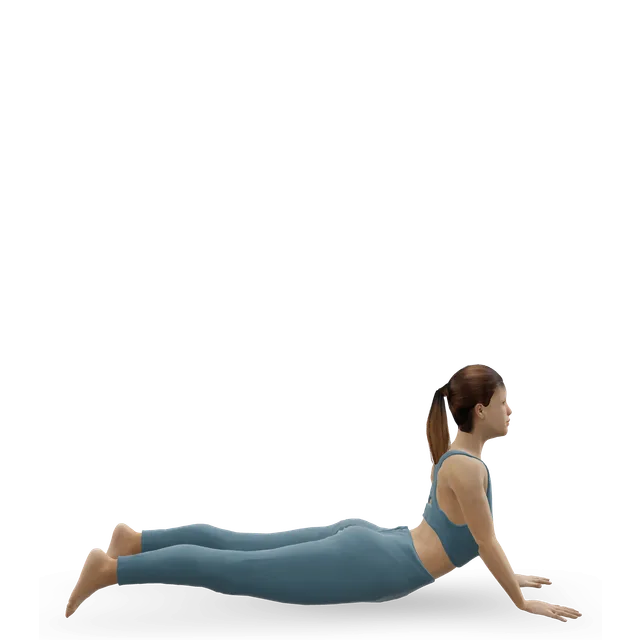
Leave out loaded rounding: the roll-up, roll-over, rolling like a ball and jack knife. Keep your head down in the hundred, chest lift, single-leg stretch and criss-cross, and twist and side-bend smoothly, as the move pages say.

Source 21

Your heart needs more than Pilates

Because RA raises heart and stroke risk, add aerobic activity towards 150 minutes a week. Walking, cycling, swimming and water exercise are easy on the joints.

Sources 22, 2

Mat, chair, reformer or hot Pilates?

Mat and chair

The RA trials used mat Pilates. Chair Pilates suits days when getting down to the floor is hard; the NHS has a chair-based Pilates video.

Sources 8, 51

Reformer

No trial has tested it in RA. The springs can lighten or add load, but the foot bar and straps can press on sore feet and hands, so a teacher who knows inflammatory arthritis helps (our suggestion).

Sources 11, 29

Hot Pilates

There's no evidence for it in RA. NRAS suggests a warm bath or shower for morning stiffness, and a warm-up does the same job in a normal room.

Sources 11, 12

Breathe and loosen (also for flare days)

Lateral breathing, 5 to 8 breaths; heel slides, 10 slow repetitions each side; ankle circles, 5 slow circles each way; tendon glides, 4 to 6 of each position held 5 seconds (the moves' pages); shoulder rolls, 10 slow circles each way, and slow breathing, 2 minutes (our lupus class).

Strengthen your hips, thighs and trunk

Pelvic tilt into bridge, 8 slow reps; hundred, 50 beats with your head down; clamshell, 10 each side; seated knee extension, 2 sets of 10 each leg; sit to stand, 5 slow reps (our arthritis class), building to 2 sets of 10 (our lupus class); knee folds, 2 sets of 5 to 10 each side; side kick, 8 to 10 each side; wall side leg lift, 10 to 12 each side (the moves' pages); dead bug heel taps, 6 each side, and swan, 5 small lifts with your arms by your sides (our lupus class).

Hands, feet and balance

Wrist and forearm flow, 5 finger spreads and 5 palm turns; reverse wrist curls, 10 reps; ball squeezes, 10 of 2 seconds (our hand routine); calf raises, 10 holding a counter (our lupus class); seated calf raises, 10 to 15 (our seated chair class); single-leg stand, up to 30 seconds each side with a hand near a wall (our arthritis class).

Rotate and side-bend, smoothly

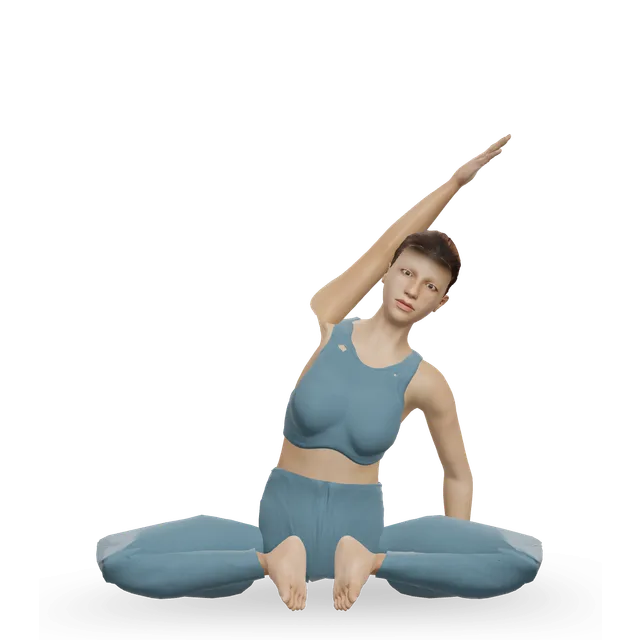
Spine twist, 3 to 4 each side, on a chair if you like; mermaid, 3 each direction, each side (the moves' pages); side-lying open book, 5 each side with your head on a cushion (our lupus class).

What to change or leave out

If RA affects your neck

With rheumatoid arthritis that affects your neck, leave this out: the NHS says long-standing rheumatoid arthritis raises the risk of an uncommon but serious problem at the top of the spine (cervical myelopathy).

That applies to the roll-over, jack knife, control balance and boomerang. Also leave out the neck pull and rolling like a ball, and keep your head down in the hundred, chest lift, single-leg stretch and criss-cross.

Source 17

Sore wrists or fingers

Swap the knee hover, leg pull front, side bend and push-up for the hands-free moves above, or use fists or your forearms, as the move pages suggest.

Thin bones or long-term steroids

Leave out loaded rounding: the roll-up, roll-over, rolling like a ball and jack knife. Keep your head down in the hundred, chest lift, single-leg stretch and criss-cross, and twist and side-bend smoothly, as the move pages say.

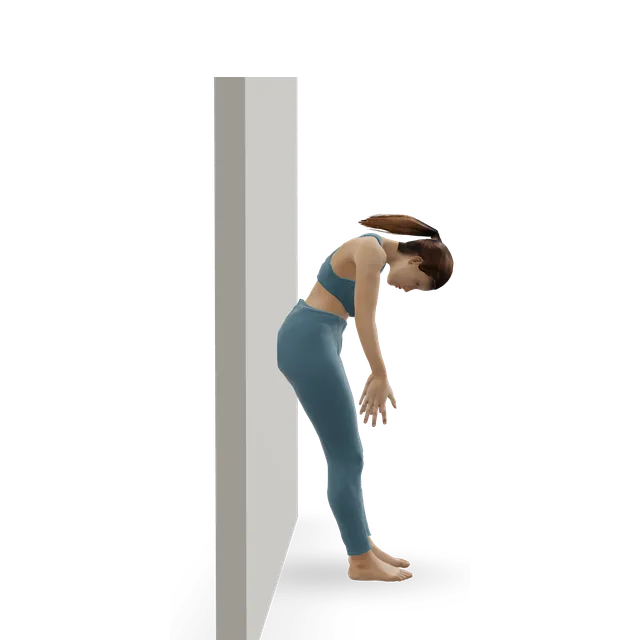
Do the wall roll-down only with your hands resting on your thighs.

Source 21

Sore knees, or a hot joint

Pad your knees or swap all-fours moves for lying or standing versions; our arthritis class has no kneeling. A hot, swollen joint gets gentle range only until it settles.

If a joint is hot and swollen, do the stretches only, gently, until it settles.

Classes to follow

Start with our 25-minute Pilates for arthritis class: it has no kneeling and no weight on your hands, and if RA affects your neck, keep your head down throughout. Add the hand routine on most days while your hands are a problem, and use the flare-up routine on bad days. The lupus class is a hands-free 30-minute alternative.

Pilates for arthritis: a 25-minute joint-friendly class (no kneeling)

A gentle 25-minute Pilates class for arthritis: lying, side-lying, chair and standing moves, with no kneeling or weight on your hands, and flare-day options.

25 minBeginner16 movesA bench or box, Something with weight

Hand exercises for rheumatoid arthritis (the SARAH programme)

The daily stretches and strengthening moves from the SARAH hand trial and NHS hand therapy leaflets: finger bends, finger walking, wrist circles, squeezes and pinches.

15 minBeginner7 movesA dumbbell, A bench or box

Chronic pain flare-up routine: gentle movement for a bad day

A 10-minute routine for a pain flare-up: slow breathing, small gentle moves lying and sitting, a short stroll if you can, then rest. Repeat later in the day.

10 minBeginner10 movesA band, A bench or box

Hands-free Pilates for lupus: a 30-minute class with a warm-up, balance, strength and a stretching cool-down

A 30-minute Pilates class for lupus with no weight on your hands: a gentle warm-up, balance at a counter, standing and mat strength, and a stretching cool-down.

30 minBeginner16 movesA wall, A bench or box

Chair Pilates workout

A 20-minute chair Pilates workout for beginners and older adults: breathing, sitting tall, gentle spine and leg moves, and a standing finish at the chair.

20 minBeginner14 movesA bench or box, Something with weight

Arthritis exercise routine: a joint-friendly circuit

A 30-minute joint-friendly circuit built like the GLA:D and ESCAPE-pain programmes: a gentle warm-up, chair, step and band strength moves, balance, then stretches.

30 minBeginner14 movesA bench or box, A step

Pilates for osteoporosis: a mat class with safe swaps

A 25-minute Pilates workout for osteoporosis and osteopenia: the Royal Osteoporosis Society's swaps for rounding moves, plus back strength and balance.

25 minBeginner16 movesA wall, A bench or box

Yoga for arthritis: a 30-minute joint-friendly class with a chair

A 30-minute joint-friendly yoga class for arthritis: seated breathing and joint warm-ups, standing poses with a chair, gentle lying poses and a long relaxation.

30 minBeginner17 movesA bench or box, A wall

Follow a plan

Once your RA is stable, the beginner Pilates plan builds a routine over 4 weeks; swap any move this guide asks you to change.

Warning signs: when to get help

These are the warning signs from our rheumatoid arthritis and neck pain guides. A&E means accident and emergency. In the US, call 911 for 999, and use your doctor's urgent line or urgent care for NHS 111.

Chest pain or fainting: call 999

Call 999 if:

  • You get sudden pain or discomfort in your chest that doesn't go away; it can feel like squeezing or pressure, burning or indigestion.
  • The pain spreads to your left or right arm, or your neck, jaw, stomach or back.
  • You have chest pain and feel sweaty, sick, light-headed or short of breath.
  • Someone faints while exercising, can't be woken within 1 minute, or has chest pain or a pounding, fluttering or irregular heartbeat.

Sources 52, 53

Unusual breathlessness

Call 999 or go to A&E (accident and emergency) straight away for severe difficulty breathing (gasping, choking or not able to get words out), a chest that feels tight or heavy, pain that spreads to your arms, back, neck and jaw, lips or skin turning very pale, blue or grey, or sudden confusion. If you're more short of breath than usual, or your heart is racing, fluttering or skipping beats, contact NHS 111.

Source 54

Signs of pressure on the spinal cord

Call 999 or go to A&E: new problems walking, loss of bladder or bowel control, or a sudden loss of coordination, such as difficulty doing up buttons. These can be signs of pressure on the spinal cord.

Long-standing RA can affect the joints at the top of the spine, which can slip and press on the spinal cord (cervical myelopathy). It is uncommon but serious: NICE asks for an urgent MRI scan and a surgeon's opinion for symptoms such as pins and needles, weakness or unsteadiness, and you may need a neck check before a general anaesthetic.

Sources 17, 1

Get urgent advice the same day

Contact your rheumatology advice line, GP or NHS 111 the same day for:

  • Pins and needles, weakness, unsteadiness, clumsy hands or loss of power, especially with neck pain: these can be signs of pressure on the spinal cord, which NICE treats as urgent.
  • A hot, swollen joint with a fever or feeling unwell, especially a replaced joint: it could be an infection.
  • A flare that won't settle.

Sources 1, 17, 24

A hot, swollen joint

Get help the same day for a hot, swollen joint with a fever, or severe pain and swelling that came on suddenly in one joint.

Source 14

Contact your rheumatology team soon

  • An activity always makes your joints warm and swollen or causes severe pain.
  • New breathlessness or a dry cough that won't go away if you take methotrexate, or frequent infections on biological treatment.
  • A tendon that suddenly stops working, or numbness and tingling in your hand.
  • Before a new programme, if you have badly damaged joints, joint replacements, heart disease or another condition that needs monitoring.

Sources 14, 25, 1, 17

A possible spinal fracture

Unexplained back pain with muscle spasms, loss of height, or a curved spine or change in posture: a possible osteoporotic spinal fracture, more likely with older age or long-term steroid tablets.

Source 20

Before you start

The NHS advises getting advice from a healthcare professional first if you have a health problem, an injury or symptoms, or have recently had a heart attack or an operation.

Never stop or change your RA medicines because of exercise or a flare without your team.

Source 55

Myths

"Exercise makes rheumatoid arthritis worse"Strong evidence

Trials found side effects were mild and short-lived, activity didn't make the disease more active, and function and pain improved.

Sources 2, 7, 3

"Rest is best in a flare"Strong evidence

Relative rest, not bed rest: keep your joints moving gently, then build back up.

Sources 13, 42

"Pilates is proven best for RA pain"Mixed evidence

The ranking that says so isn't reliable, and the only head-to-head trial found Pilates no different from walking.

Sources 10, 8

"Pilates stops flares"Mixed evidence

No trial measured flares. Medicines control the disease; exercise helps you function and feel better alongside them.

Sources 8, 9

"You need a reformer, or a hot studio"Mixed evidence

The RA trials used mat Pilates, and no trial tested reformer or hot Pilates in RA.

Sources 8, 11, 29

Questions people ask

Is Pilates good for rheumatoid arthritis?

It can be: exercise of any kind improves function and eases pain in RA by moderate amounts, and Pilates is a gentle way to do the strength, flexibility and balance parts. Only three small Pilates trials exist, so we can't say it's better than other exercise.

Is Pilates safe with rheumatoid arthritis?

For most people, yes: European rheumatologists found no condition-specific reason to avoid activity, and side effects in trials were mild. Adapt it: keep your head down if RA affects your neck, keep weight off sore wrists, and use bone-safe versions if you take steroids or have thin bones.

Can I do Pilates during a flare?

Do less, not nothing: gentle breathing, heel slides, ankle circles and hand glides, and leave strengthening until hot or swollen joints settle. Call your rheumatology advice line if a flare won't settle or you feel unwell.

Is reformer Pilates good for rheumatoid arthritis?

No trial has tested it. The springs can lighten or add load, which some people like, but the foot bar and straps can press on sore feet and hands, so a teacher who knows inflammatory arthritis helps.

Is hot Pilates good for rheumatoid arthritis?

There's no evidence for it in RA. A warm bath or shower beforehand, or a good warm-up, eases stiffness in a normal room.

Is yoga or Pilates better for rheumatoid arthritis?

Neither has been shown to be better. Yoga trials improved disease activity and function but not clearly pain; choose the one you'll keep doing, and see our yoga for arthritis guide.

Which Pilates exercises should I avoid with rheumatoid arthritis?

With RA in your neck, leave out the roll-over, jack knife, control balance and boomerang, and keep your head down in curl-ups. With sore wrists, avoid weight on flat hands; with steroid-thinned bones, avoid loaded rounding such as the roll-up.

Does Pilates help RA fatigue?

Exercise eases fatigue a little, about 14 points on a 100-point scale, and in one small trial the Pilates group's tiredness improved. Pace yourself: shorter sessions on tired days, and build up slowly.

Can Pilates help my hands?

Pilates itself hasn't been tested for RA hands. A tailored hand programme improved hand function a little in a large trial, and our hand routine follows it; NICE suggests a trained practitioner teaches it.

How often should I do Pilates with rheumatoid arthritis?

Our suggestion is our 25-minute class 2 or 3 times a week; the Pilates trials used 3 sessions a week for 8 weeks. Add walking, cycling or swimming towards 150 minutes a week for your heart.

I take steroids. Does that change anything?

Long-term steroids and RA itself thin bones, so ask your team about a bone check and use the bone-safe versions of the moves. Never stop or change steroids yourself.

When should I stop and get help?

Get advice the same day for pins and needles, weakness, unsteadiness or clumsy hands, especially with neck pain, a hot, swollen joint with a fever, or a flare that won't settle. Call 999 for chest pain, fainting or new problems walking.


Sources

  1. NICE NG100 · Rheumatoid arthritis in adults: management (guideline, updated 2020; recommendations read in full)
  2. Rausch Osthoff 2026 · EULAR recommendations for physical activity in inflammatory arthritis and osteoarthritis: 2025 update (recommendations, Ann Rheum Dis; read in full)
  3. Kelley 2026 · Exercise for function and pain in rheumatoid arthritis: the guideline's trials re-analysed (meta-analysis, Clin Rheumatol; read in full)
  4. England 2023 · American College of Rheumatology 2022 guideline on exercise, rehabilitation, diet and integrative treatments for rheumatoid arthritis (guideline, Arthritis Rheumatol)
  5. Cramp 2013 · Non-drug treatments for fatigue in rheumatoid arthritis: 24 trials (Cochrane review)
  6. Xiao 2026 · Exercise for depression, anxiety and quality of life in rheumatoid arthritis: 15 trials (systematic review and meta-analysis, PLoS One; read in full)
  7. Gwinnutt 2022 · Exercise and body weight in rheumatic and musculoskeletal diseases, informing EULAR (systematic reviews and meta-analyses, RMD Open; read in full)
  8. Yentür 2021 · Pilates, aerobic exercise or both in 30 people with rheumatoid arthritis (randomised trial, Ir J Med Sci; with its trial registration NCT03836820)
  9. Rezaei 2021 · Pilates in 30 women with rheumatoid arthritis (randomised trial in Persian, English abstract, Anesthesiology and Pain)
  10. Zhang 2025 · Exercise for rheumatoid arthritis: 34 trials, 2,435 people (network meta-analysis, J Pain Res; read in full)
  11. Europe PMC · Our searches for trials of Pilates, reformer Pilates and hot Pilates in rheumatoid arthritis (October 2026)
  12. National Rheumatoid Arthritis Society (NRAS) · Managing flares (updated November 2025)
  13. Arthritis UK · How to maintain movement during a flare-up (January 2025)
  14. NHS · Rheumatoid arthritis: living with (past its review date: reviewed March 2023, review due March 2026)
  15. Lamb 2015 · Hand exercises for rheumatoid arthritis in 490 people: the SARAH trial (randomised trial, Lancet)
  16. National Rheumatoid Arthritis Society (NRAS) · RA foot health (past its review date: updated June 2019, review due March 2022)
  17. NHS · Rheumatoid arthritis: complications, including cervical myelopathy (past its review date: reviewed March 2023, review due March 2026)
  18. Song 2026 · Rheumatoid arthritis in the cervical spine (review, Spine Surg Relat Res; read in full)
  19. Kanis 2025 · Rheumatoid arthritis and fracture risk: 29 cohorts, to update FRAX (meta-analysis, Osteoporos Int)
  20. Gregson 2025 · The 2024 UK clinical guideline for the prevention and treatment of osteoporosis (NOGG guideline, Arch Osteoporos; read in full)
  21. Brooke-Wavell 2022 · Strong, steady and straight: UK consensus on exercise for osteoporosis (consensus statement, Br J Sports Med; read in full)
  22. Avina-Zubieta 2012 · Heart disease and stroke risk in rheumatoid arthritis: 14 studies, 41,490 people (meta-analysis, Ann Rheum Dis)
  23. NHS · Rheumatoid arthritis (past its review date: reviewed March 2023, review due March 2026)
  24. Arthritis UK · Rheumatoid arthritis (about 450,000 people in the UK; neck symptoms to report)
  25. NHS · Rheumatoid arthritis: treatment (past its review date: reviewed March 2023, review due March 2026)
  26. National Rheumatoid Arthritis Society (NRAS) · Fatigue (2014 survey of people with RA)
  27. Dures 2024 · EULAR recommendations for managing fatigue in inflammatory rheumatic diseases (recommendations, Ann Rheum Dis)
  28. Agca 2017 · EULAR recommendations for heart and circulation risk in rheumatoid arthritis (recommendations, Ann Rheum Dis)
  29. Pilates Method Alliance · Beginner's guide to Pilates equipment: from reformer to Cadillac and beyond
  30. Rausch Osthoff 2018 · Exercise and activity promotion in inflammatory arthritis and osteoarthritis: 49 trials informing EULAR (meta-analysis, RMD Open; read in full)
  31. Ye 2022 · Aerobic exercise for rheumatoid arthritis: 13 trials, 967 people (systematic review and meta-analysis, BMC Sports Sci Med Rehabil; read in full)
  32. Hurkmans 2009 · Aerobic and strength training in rheumatoid arthritis (Cochrane review)
  33. Cuyul-Vásquez 2026 · High- against low-intensity exercise in rheumatoid arthritis: 11 trials (systematic review and meta-analysis, J Back Musculoskelet Rehabil)
  34. Huo 2026 · Exercise dose for rheumatoid arthritis: 44 trials, 3,132 people (dose-response network meta-analysis, Semin Arthritis Rheum)
  35. Brady 2023 · Everyday activity and sitting less in rheumatoid arthritis: 16 interventions (systematic review and meta-analysis, BMC Rheumatol; read in full)
  36. Santos 2023 · Non-drug treatments for fatigue in inflammatory rheumatic diseases, informing EULAR (systematic review, RMD Open; read in full)
  37. Khalili 2015 · Pilates in 30 men with rheumatoid arthritis (trial in Persian, English abstract, J Res Sport Rehabil)
  38. ClinicalTrials.gov NCT05240326 · Pilates training and exercise capacity in rheumatoid arthritis (registered trial, status unknown, no results)
  39. Biswas 2025 · Yoga added to treatment for rheumatoid arthritis: 5 trials, 718 people (systematic review and meta-analysis, ACR Open Rheumatol; read in full)
  40. Wu 2023 · Tai chi for rheumatoid arthritis: 9 studies (systematic review and meta-analysis, Front Physiol; read in full)
  41. NHS · Physical activity guidelines for adults aged 19 to 64
  42. National Rheumatoid Arthritis Society (NRAS) · Where do I begin? Exercise and rheumatoid arthritis (past its review date: reviewed August 2014, review due August 2017)
  43. National Rheumatoid Arthritis Society (NRAS) · Exercise (past its review date: updated March 2017, review due March 2020)
  44. Williams 2012 · Design of the SARAH hand exercise trial (trial protocol, BMC Musculoskelet Disord; read in full)
  45. Williamson 2017 · SARAH hand exercises followed up for about 26 months (trial follow-up, BMJ Open; read in full)
  46. Williams 2018 · Exercise for rheumatoid arthritis of the hand: 7 trials, 841 people (Cochrane review)
  47. Wilson 2015 · Foot problems in 413 people with rheumatoid arthritis (postal survey, conference abstract, J Foot Ankle Res)
  48. Cruz-López 2026 · Exercise for foot pain and function in rheumatoid arthritis: 13 studies (systematic review and meta-analysis, Clin Rheumatol; read in full)
  49. Kanda 2024 · Neck instability in rheumatoid arthritis over 10 years in 634 people (cohort study, Sci Rep; read in full)
  50. Moshayedi 2022 · How common osteoporosis is in rheumatoid arthritis: 57 studies (systematic review and meta-analysis, Sci Rep; read in full)
  51. NHS · Chair-based Pilates video workout (past its review date: reviewed August 2022, review due August 2025)
  52. NHS · Chest pain (past its review date: reviewed August 2023, review due August 2026)
  53. NHS · Fainting
  54. NHS · Shortness of breath
  55. NHS · Pilates for beginners (exercise video, with safety information)

Exercise education, not a personal prescription, and clinical review of these guides is pending. If you are pregnant, have a health condition or have had recent surgery, check with a doctor, midwife or physiotherapist before starting, and stop for sharp or increasing pain. Health disclaimer.