Pilates guide

Pilates for ankylosing spondylitis: posture, spinal mobility, breathing and what the trials show

Exercise is one of the most important things you can do for ankylosing spondylitis (AS) and the wider condition, axial spondyloarthritis (axial SpA), and Pilates is one of the best-studied ways to do it. In small trials, Pilates improved everyday function, disease activity and pain more than usual care. No type of exercise has been shown to improve spinal mobility much, Pilates won't reverse fusion, and some classical moves need leaving out if your spine is stiff or fused.

Pilates is an addition to your medicines and to the programme a specialist physiotherapist sets, never a replacement.

This guide covers what the trials show, how Pilates fits the NICE (National Institute for Health and Care Excellence) programme of posture, spinal extension, movement and breathing, mat or reformer, flares, a fused spine and falls, which moves to start with and which to leave out, and a 25-minute class with 3D demos.

The short version

Exercise is the backbone of managing AS

The National Axial Spondyloarthritis Society (NASS) calls exercise "the single most important thing you can do to help yourself". NICE asks for a programme set by a specialist physiotherapist, with stretching, strengthening, posture, deep breathing, spinal extension, spinal movement and aerobic exercise.

Sources 1, 2

Pilates helps function and disease activity

In small trials, Pilates improved everyday function and disease activity more than usual care or home exercise. A 2026 analysis of 59 exercise trials, which we could read only as an abstract, found the same against usual care, with less pain too, at low to moderate certainty.

Sources 3, 4, 5

Spinal mobility barely changes

In the same analysis, no type of exercise improved the spinal mobility score, and none was clearly best. Other reviews found small gains at most.

Sources 5, 6, 7

It won't reverse fusion

The NHS says it isn't possible to reverse the damage AS causes. Pilates can help you keep the movement and posture you have.

Sources 8, 9

Leave out rolling with a stiff or fused spine

A fused spine can break after a minor injury, most often in the neck, and spinal fractures are about 3 times more likely with AS. Leave out rolling and legs-overhead moves (our reading), and keep every move smooth and within your range.

Sources 10, 11, 12

Pilates is one part of the week

Add aerobic exercise and strength work, and do a few minutes of mobility and breathing exercises every day.

Sources 9, 2

Ankylosing spondylitis, and where Pilates fits

What it is

The NHS describes AS as "a long-term condition in which the spine and other areas of the body become inflamed". When the changes can't be seen on an X-ray, it's called non-radiographic axial SpA, and the symptoms and treatment are similar. Both tend to start in teenagers and young adults, and NICE says axial SpA affects a similar number of women as men.

Sources 8, 2

Over time

"Fusing of the spine can make it difficult to move your back and can mean your posture becomes fixed in 1 position, although it does not lead to severe disability in most cases." Bone thinning (osteoporosis) can develop in the spine and raise the risk of spinal fractures, and the longer you have AS, the more this risk increases.

Source 13

Eyes, bowel and heart

An eye can become red, painful and sensitive to light (iritis, also called anterior uveitis), which needs prompt treatment. Inflammatory bowel disease and heart and circulation disease are more common with AS.

Source 13

Treatment

Medicines such as anti-inflammatory painkillers and biological medicines, with physiotherapy and exercise. The NHS says "Keeping active can improve your posture and range of spinal movement, along with preventing your spine becoming stiff and painful".

Source 14

Where Pilates fits

NICE's programme lists postural exercise, deep breathing, spinal extension and movement through the whole spine, which many Pilates moves supply, and NASS lists Pilates among suitable classes. Pilates doesn't give you the aerobic exercise that NICE and NASS include. Someone early on with a flexible spine needs different moves from someone with a fused neck and a fixed stoop.

Sources 2, 15, 9, 16

What the evidence says

Function and disease activity improveEmerging evidence

In 55 people, 12 weeks of Pilates improved function more than usual care, measured at 24 weeks. In 42 people, 8 weeks of clinical Pilates (led by a physiotherapist) improved disease activity, spinal mobility and core endurance more than home exercise. In 28 people, adding clinical Pilates to aerobic training improved more outcomes than aerobic training alone.

A 2026 network analysis of 59 trials (3,404 people), which we could read only as an abstract, found Pilates improved disease activity and function by about 1.7 points each on 10-point scales against usual care, and eased pain, at low to moderate certainty. A review of mind-body exercise including Pilates (15 studies) found smaller gains, with no serious side effects.

Sources 3, 4, 17, 5, 6

Spinal mobility: little or no changeMixed evidence

In the 59-trial analysis, no type of exercise improved the spinal mobility score, a combined disease activity score, walking distance or quality of life, and no type was clearly best. The mind-body review found a small gain in spinal mobility, and another network analysis ranked aerobic exercise plus Pilates first for disease activity and spinal mobility, but rankings built on small trials are uncertain.

Sources 5, 6, 18

Long and combined programmesMixed evidence

In 96 people, 48 weeks of combined Pilates, McKenzie and Heckscher exercise improved pain, lower-back movement, function, disease activity and chest expansion more than a classical programme. In 30 people with non-radiographic axial SpA, 6 months of home Pilates with walking raised fitness by about a quarter and lowered disease activity by a fifth against no training. A year of Pilates in 11 people, with no comparison group, gave large improvements.

Sources 19, 20, 21

Breathing: no better than home exerciseMixed evidence

In 36 people, supervised Pilates and home exercise improved breathing muscle strength and chest expansion by similar amounts over 8 weeks.

Source 22

Exercise of any kind helps a littleStrong evidence

A Cochrane review of 14 trials (1,579 people) found that, against no exercise, exercise programmes probably improve function and disease activity slightly and may ease pain. Against usual care they made little or no difference, and the effects on spinal mobility, fatigue and harms were uncertain.

Source 7

Posture, extension and breathing

Our kyphosis guide covers a rounded upper back in more detail.

What NICE's programme asks forStrong evidence

NICE names postural exercises, deep breathing, spinal extension, and movement for the lower back, upper back and neck. NASS's Back to Action guide suggests mobility, flexibility and breathing exercises every day.

Sources 2, 9

How Pilates covers it

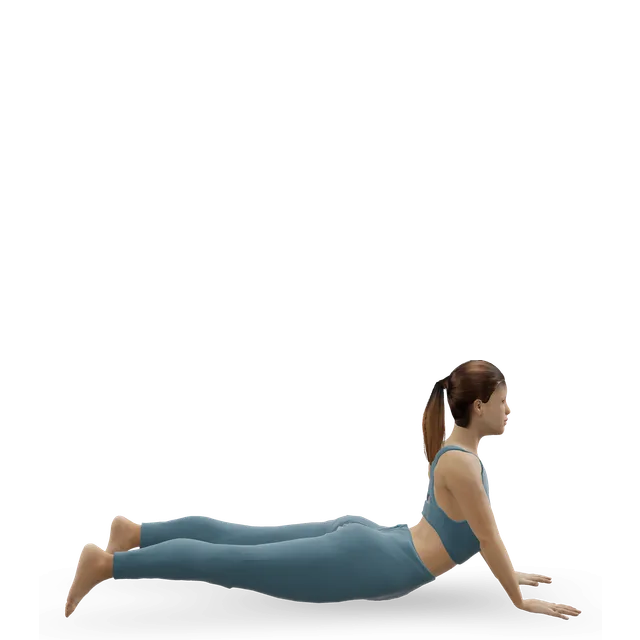
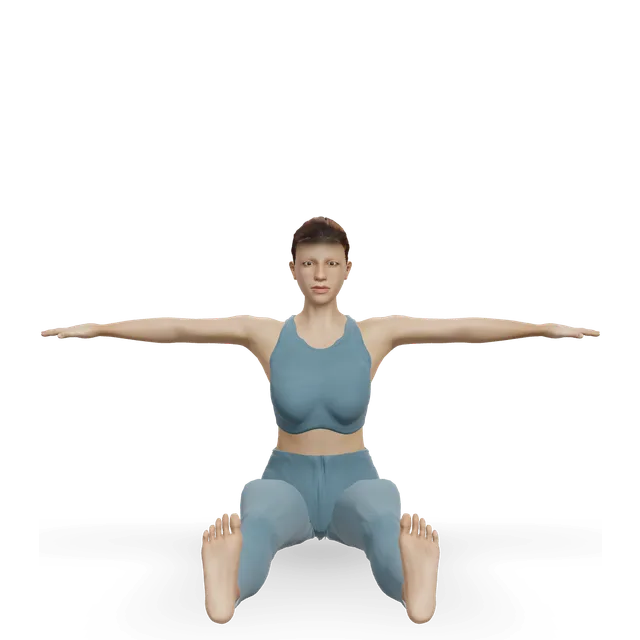
Our reading: lateral breathing is deep breathing; the swan, swimming and Y-T-W raises are spinal extension; the open book, spine twist and mermaid move the spine through rotation and side bending; the pelvic tilt and single-leg circle keep the lower back and hips moving.

Source 2

Use a mirror

NASS says "Maintain a good posture during all of your exercises. The mirror is your friend".

Source 16

Chest expansionMixed evidence

One long Pilates-based trial improved chest expansion; another found Pilates no better than home exercise. In one network analysis, supervised aerobic exercise with stretching ranked best for chest expansion, so keep up your walking, swimming or cycling too.

Sources 19, 22, 18

Mat or reformer?

Our reformer guide explains the machine and how classes differ.

Both can workMixed evidence

Most trials used mat or clinical Pilates. In the one head-to-head trial, 20 people did reformer or mat Pilates twice a week for 4 weeks, and the reformer did better for disease activity and fatigue: too small and short a trial to choose by.

Sources 23, 3, 4

Water PilatesMixed evidence

In 40 people, 6 weeks of water Pilates and water stretching gave similar gains.

Source 24

Tell your instructor

NASS suggests telling your instructor about your AS and checking which type of class might suit you best, and says low-impact classes are "less likely to lead to a flare".

Source 15

A stiff or fused spine, fractures and falls

Our Pilates for osteoporosis guide has the full list of swaps for thinner bones.

A higher fracture riskStrong evidence

In a large UK primary care study, spinal fractures were about 3 times more likely in people with AS, though hip and forearm fractures weren't. The NHS says the risk rises the longer you have AS.

Sources 11, 13

Minor injuries can break a fused spineEmerging evidence

A fused spine is "prone to fracture after minor trauma". In a review of 345 people with these fractures, most were in the neck after low-energy injuries, the diagnosis was often delayed, and two in three had nerve damage when they reached hospital.

Source 10

NICE's adviceStrong evidence

NICE says people with axial SpA "may be prone to fractures, and should consult a healthcare professional following falls or physical trauma, particularly in the event of increased musculoskeletal pain".

Source 2

What this means for Pilates

Our reading of this guidance: with a stiff or fused spine, or osteoporosis, leave out moves that put weight on your neck or roll on your spine, such as the roll-over, jack knife, control balance, boomerang, rolling like a ball, open-leg rocker, seal, crab, teaser and neck pull. Never force the end of your range in a fused part of your spine. Put a pillow under your head when lying on your back if your upper back is fixed forward, and use a chair or wall version if getting down to the floor is hard. NASS suggests checking with a health professional before a new programme if you have fusions or osteoporosis.

Sources 10, 2, 12, 16

Flares

Keep moving, with a smaller range

NASS says "You will have good and bad days", and many people prefer to avoid high-impact exercise during a flare. NICE says a flare plan should include self-care such as exercises and stretching. In a flare, keep the breathing and mobility moves going with a smaller range and fewer repetitions (our suggestion).

Sources 16, 2

Aches after exercise

Mild aches that ease after the session are normal. NASS says "If you have more than mild aches and pains after exercising seek medical advice". If mornings are stiff, exercising later in the day may suit you better.

Source 16

How often, and what else to do

Our exercise for ankylosing spondylitis guide has the aerobic and strength doses.

What the trials used

Two or three supervised sessions a week for 8 to 12 weeks, and up to 48 weeks in one trial.

Sources 3, 4, 19

NASS's week

NASS's Back to Action guide suggests mobility, flexibility and breathing exercises daily, strength work twice a week, and 30 minutes of aerobic exercise 5 times a week, in 10-minute bouts if that's easier.

Source 9

Our suggested week

Our editorial starting point: two or three Pilates sessions a week, a few minutes of the breathing and spine moves on the other days, plus walking, swimming or cycling and some strength work.

Sources 3, 4, 9

Breathing, neck and upper back

5 to 8 breaths, 5 breath reaches and 6 turns each side are the move pages' doses; 10 chin tucks held 5 seconds and 8 slow wall angels are as in our ankylosing spondylitis exercises. Never force a fused neck.

Spinal extension

5 small swans, two 20-second sets of swimming and 10 slow press-ups are within the move pages' doses; 5 of each letter for the Y-T-W raises is as in our ankylosing spondylitis exercises. Rest your forehead on a folded towel, and skip a move if it sends pain down a leg.

Rotation and side bending

8 open books each side, 3 spine twists each side, 3 mermaids each way on each side and 8 slow cat-cow waves are within the move pages' doses. Sit on a block or a chair for the twist and mermaid if sitting on the floor is hard.

Hips and trunk

5 leg circles each way on each leg and 8 side kicks each side are within the move pages' doses, and 2 holds of 30 seconds each side in the hip flexor stretch are as in our ankylosing spondylitis exercises; 6 to 8 slow bridges, 5 bird dogs each side with a 3-second hold, 6 heel taps each side and 2 holds of 20 seconds on each leg are our editorial starting point.

What to change or leave out

Rolling and legs-overhead moves

With a stiff or fused spine, especially in the neck, or osteoporosis: leave out rolling like a ball, the open-leg rocker, seal, crab, roll-over, jack knife, control balance and boomerang. Weight on the neck and rolling on a rigid spine risk a fracture (our reading).

Sources 10, 2, 12

Curls and roll-ups

With osteoporosis or fusion: use head-down versions or the knee fold in place of the roll-up, teaser, neck pull, chest lift and the hundred with the head up, or leave them out. NICE's programme names spinal extension, not curling forward (our reading).

Sources 12, 2

Deep forward folds

With osteoporosis, swap the spine stretch forward, saw and roll-down for a flat-back hip hinge, and stay within your range.

Source 12

Lying flat with a fixed stoop

Put a pillow or folded towel under your head so your neck isn't forced back, and keep every move smooth, never pushing into a fused part of your spine (our suggestion).

Source 16

Classes to follow

Do the 25-minute class two or three times a week, and a few moves from the ankylosing spondylitis exercises on the other days. The low-impact cardio adds the aerobic exercise Pilates leaves out.

Spine-extension Pilates for ankylosing spondylitis: a 25-minute class for posture, rotation and breathing

A 25-minute Pilates class for ankylosing spondylitis and axial SpA: breathing, spinal extension, rotation and hip work, with no rolling or weight on the neck.

25 minBeginner20 movesA wall

Daily exercises for ankylosing spondylitis

A 20-minute daily routine for ankylosing spondylitis and axial spondyloarthritis: breathing, neck, upper and lower back, spinal extension, hips and posture.

20 minBeginner15 movesA wall

Pilates for posture: upper back, shoulders and neck

A 20-minute Pilates routine for posture: breathing, head and shoulder-blade control, back strength and upper-back mobility, with no loaded rounding.

20 minBeginner13 movesA wall, A band

Kyphosis exercises for seniors: a spine-strengthening routine

A 30-minute routine for a rounded upper back in later life, built from the SHEAF trial: floor back-strengthening, posture practice and gentle mobility.

30 minBeginner13 movesA bench or box, A wall

Pilates for arthritis: a 25-minute joint-friendly class (no kneeling)

A gentle 25-minute Pilates class for arthritis: lying, side-lying, chair and standing moves, with no kneeling or weight on your hands, and flare-day options.

25 minBeginner16 movesA bench or box, Something with weight

Low-impact cardio workout (no jumping)

A 25-minute standing cardio circuit with no jumping: marching, step jacks, sit-to-stands, punches, step-ups and wall push-ups, with a seated option for most moves.

25 minBeginner9 movesA bench or box, A step

Plans

The beginner plan builds a Pilates habit; the walking plan builds the aerobic exercise NASS suggests.

Warning signs: when to get help

Call 999 or go to A&E

Call 999 or go to A&E (accident and emergency): loss of feeling or numbness around the genitals or bottom, new trouble peeing or controlling your bladder or bowels, changes in genital sensation during sex or problems with erections or orgasm, or pain, tingling, weakness or numbness in both legs. These are signs of cauda equina syndrome, which needs treating in hospital urgently. Don't drive yourself.

Sources 25, 13

After a fall or knock

See a health professional, especially if your pain is new or worse: with a fused spine, a minor injury can break a bone. Our editorial advice is to get checked the same day, and to call 999 and keep still if you have numbness, tingling or weakness in your arms or legs, or can't move normally.

Sources 2, 10

A fall with a knock to the head

Call 999 if someone has hit their head and has been knocked out and hasn't woken, can't stay awake, has a fit, has problems with their vision or hearing, has clear fluid from their ears or nose, or has new numbness, weakness or problems walking, balancing or speaking.

Source 26

The same day: eye symptoms

NICE asks for an eye assessment the same day for symptoms of eye inflammation (uveitis), such as eye pain, redness, sensitivity to light or blurred vision. The NHS says to ask for an urgent GP appointment or contact NHS 111; untreated, it can cause the loss of some or all of your vision.

The NHS says go to A&E or call 999 if you can't see (loss of vision).

Sources 2, 27, 13

Chest pain or fainting while exercising: call 999

Call 999 if:

  • You get sudden pain or discomfort in your chest that doesn't go away; it can feel like squeezing or pressure, burning or indigestion.
  • The pain spreads to your left or right arm, or your neck, jaw, stomach or back.
  • You have chest pain and feel sweaty, sick, light-headed or short of breath.
  • Someone faints while exercising, can't be woken within 1 minute, or has chest pain or a pounding, fluttering or irregular heartbeat.

Sources 28, 29

Stop the session if

You feel any pain or become unwell, as the NHS advises for its Pilates videos, and especially for chest pain or pressure, unusual breathlessness, dizziness or fainting. If you have a health problem, an injury or any symptoms, get advice from a healthcare professional, such as a GP, before you start.

Source 30

Stop and get advice

Seek medical advice if you feel faint, short of breath, dizzy or unwell, or get chest pain you're not used to, while you're exercising. NASS also says to get advice if you have more than mild aches and pains afterwards.

Source 16

Check with a health professional before a new programme

NASS's safety advice suggests checking first if you:

  • Haven't exercised for a while, are over 65, or have had axial SpA for more than 10 years.
  • Have fusions in your spine, osteoporosis, a joint replacement or spinal surgery.
  • Are in a flare, are pregnant, or have other medical conditions.
  • Have chest pain, palpitations, unexplained breathlessness or dizziness, have lost consciousness, or take medicines for your heart or blood pressure.

Source 16

Myths

"People with AS should rest their backs"Strong evidence

Keeping active helps posture and spinal movement and stops the spine becoming stiff and painful, the NHS says. NASS adds that "it's not enough to rely on medication. You also need to exercise".

Sources 14, 1, 7

"Pilates will straighten a fused spine"Mixed evidence

The damage AS causes can't be reversed, and no type of exercise improved spinal mobility scores in a large analysis of 59 trials. Pilates helps you keep the movement you have.

Sources 8, 5, 13

"Pilates is the best exercise for AS"Mixed evidence

Not shown. Pilates had some of the larger effects against usual care, but no type of exercise was clearly best, and exercise of many kinds helps.

Sources 5, 7

"Pilates is all the exercise you need"Strong evidence

NICE's programme includes aerobic exercise, and NASS suggests 30 minutes of it 5 times a week alongside daily mobility work.

Sources 2, 9

"Any hard exercise will flare AS"Emerging evidence

NASS says high-impact exercise can bring on a flare in some people, and low-impact classes like Pilates are "less likely to lead to a flare". Our exercise for ankylosing spondylitis guide covers the trials of harder exercise.

Sources 16, 15

"You need a reformer for real Pilates"Mixed evidence

Most AS trials used mat or clinical Pilates; the one reformer-against-mat trial had 20 people over 4 weeks.

Sources 23, 3, 4

Questions people ask

Is Pilates good for ankylosing spondylitis?

Yes, for most people: in small trials, Pilates improved function and disease activity more than usual care or home exercise, and NASS lists it as a low-impact class "less likely to lead to a flare". It works alongside your medicines and aerobic exercise, not in place of them.

Can Pilates improve spinal mobility in AS?

Only a little, if at all. In a 2026 analysis of 59 trials, which we could read only as an abstract, no type of exercise improved the spinal mobility score, though some reviews found small gains. Pilates helps you keep the movement you have.

Can Pilates reverse fusion or straighten my spine?

No. The NHS says it's not possible to reverse the damage AS causes, and fusion can fix your posture in one position. Pilates can help you keep the movement you still have and strengthen the muscles that hold you up.

Which Pilates exercises are best for ankylosing spondylitis?

Back extension (the swan and swimming), rotation (the open book and spine twist), side bending (the mermaid), lateral breathing and hip work match NICE's programme of spinal extension, spinal movement and deep breathing. Our 25-minute class puts them together.

Which Pilates moves should I avoid with AS?

With a stiff or fused spine or osteoporosis, leave out rolling and legs-overhead moves such as the roll-over, jack knife and rolling like a ball: a fused spine can break after a minor knock, most often in the neck. Keep every move smooth and within your range.

Is reformer Pilates good for ankylosing spondylitis?

It can be. In a small trial of 20 people, the reformer did better than the mat for disease activity and fatigue over 4 weeks, but that's too small a trial to choose by. NASS suggests asking your instructor which type suits you.

Is Pilates or yoga better for AS?

None of the Pilates trials we found compared it with yoga, and a review of mind-body exercise, including both, found gains in function, disease activity and pain. Choose the one you'll keep doing, and leave out poses or moves that put weight on your neck.

Does Pilates help breathing and chest expansion?

Lateral breathing matches the deep breathing in NICE's programme, and one long Pilates-based trial improved chest expansion. Another found Pilates no better than home exercise for breathing, so keep up aerobic exercise too.

How often should I do Pilates with AS?

Trials used 2 or 3 sessions a week for 8 to 12 weeks. NASS's programme adds daily mobility and breathing exercises and 30 minutes of aerobic exercise 5 times a week.

Can I do Pilates during a flare?

Usually yes, with a smaller range and fewer repetitions, keeping the breathing and mobility moves going. Low-impact exercise is less likely to make a flare worse, and if aches are more than mild after exercise, get advice.

What should I tell my Pilates teacher?

That you have AS, which parts of your spine are stiff or fused, whether you have osteoporosis, and any hip or eye problems. NASS suggests telling your instructor about your AS before you start.

When should I get help?

Get new neck or back pain after a fall or knock checked the same day, and call 999 and keep still if your arms or legs are numb, tingling or weak. A painful red eye needs a same-day eye check, and numbness around the genitals or bottom, or problems peeing, need A&E or 999.


Sources

  1. National Axial Spondyloarthritis Society (NASS) · Exercise
  2. NICE · Spondyloarthritis in over 16s: diagnosis and management (NG65, guideline, 2017)
  3. Altan 2012 · Pilates in 55 people with ankylosing spondylitis (RCT, Rheumatol Int)
  4. Acar 2023 · Clinical Pilates or home exercise in 42 people with ankylosing spondylitis (RCT, J Bodyw Mov Ther)
  5. Huo 2026 · Exercise for axial spondyloarthritis: 59 trials, 3,404 people (network meta-analysis, Ann Phys Rehabil Med; abstract only)
  6. Wang 2024 · Mind-body exercise for axial spondyloarthritis: 15 studies (systematic review and meta-analysis, J Orthop Surg Res)
  7. Regnaux 2019 · Exercise programmes for ankylosing spondylitis: 14 trials (Cochrane systematic review)
  8. NHS · Ankylosing spondylitis (past its review date: reviewed January 2023, review due January 2026)
  9. NASS · Back to Action exercise programme (Part 1 guide, 2010; read in full)
  10. Westerveld 2009 · Spinal fractures in ankylosed spines: 345 people with AS (systematic review, Eur Spine J)
  11. Vosse 2009 · Ankylosing spondylitis and the risk of fracture (case-control study, Ann Rheum Dis)
  12. Royal Osteoporosis Society · Pilates exercises: modifications with osteoporosis (fact sheet, February 2019; read in full)
  13. NHS · Ankylosing spondylitis: complications (past its review date: reviewed January 2023, review due January 2026)
  14. NHS · Ankylosing spondylitis: treatment (past its review date: reviewed January 2023, review due January 2026)
  15. NASS · Exercise classes
  16. NASS · Safety first
  17. Oksüz 2023 · Aerobic training with or without clinical Pilates in 28 people with ankylosing spondylitis (RCT, Physiother Theory Pract)
  18. Ye 2025 · Types of exercise and disease activity in ankylosing spondylitis: 32 trials (network meta-analysis, Front Physiol)
  19. Roşu 2014 · Pilates, McKenzie and Heckscher exercise in 96 people with ankylosing spondylitis (RCT, Rheumatol Int)
  20. Zaggelidou 2023 · Home Pilates with walking in 30 people with non-radiographic axial spondyloarthritis (RCT, J Funct Morphol Kinesiol)
  21. Rodríguez-López 2019 · A year of Pilates in 11 people with ankylosing spondylitis (pilot study, J Altern Complement Med)
  22. Bağlan Yentür 2024 · Pilates and breathing muscle strength in 36 people with ankylosing spondylitis (RCT, Physiother Theory Pract)
  23. Kabul 2025 · Reformer or mat Pilates in 20 people with ankylosing spondylitis (RCT, J Bodyw Mov Ther)
  24. Gandomi 2022 · Water Pilates or water stretching in 40 people with ankylosing spondylitis (RCT, BMC Sports Sci Med Rehabil)
  25. NHS · Back pain
  26. NHS · Head injury and concussion
  27. NHS · Uveitis
  28. NHS · Chest pain (past its review date: reviewed August 2023, review due August 2026)
  29. NHS · Fainting
  30. NHS · Pilates for beginners (exercise video, with safety information)

Exercise education, not a personal prescription, and clinical review of these guides is pending. If you are pregnant, have a health condition or have had recent surgery, check with a doctor, midwife or physiotherapist before starting, and stop for sharp or increasing pain. Health disclaimer.