Exercises after a broken hand or boxer's fracture: buddy strapping, the recovery stages and the warning signs
Most broken hands are a break in one of the long bones of the palm (the metacarpals), and the commonest is just below the little finger's knuckle: a boxer's fracture, usually from a punch. Most heal in about 6 weeks without surgery, often with the fingers strapped together while you keep them moving. The knuckle may look flatter afterwards, which rarely matters.
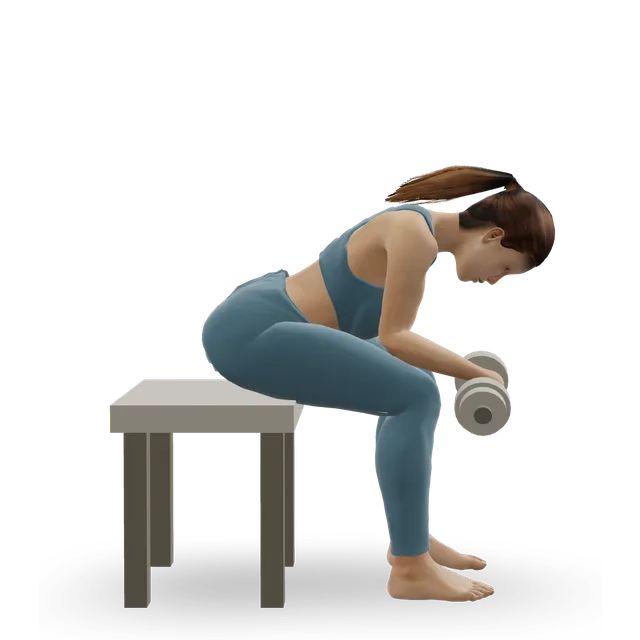
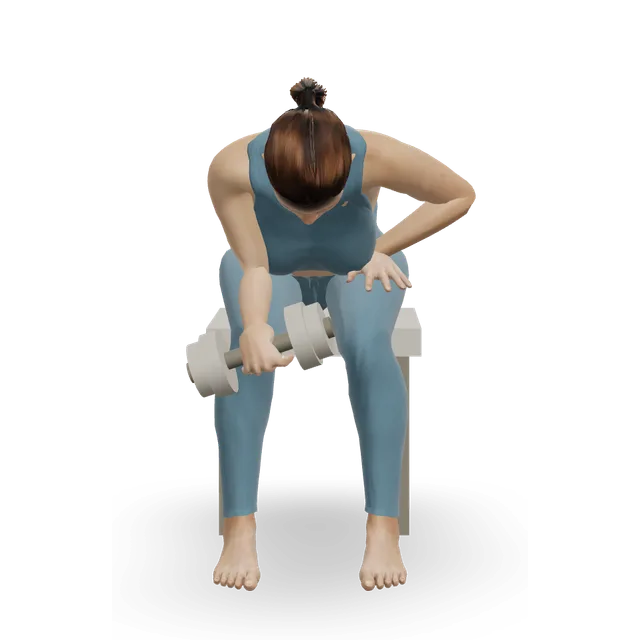
Your fracture team's plan comes first. Two things need urgent help: a finger that crosses over its neighbour when you make a fist, and any cut over a knuckle from a punch that hit someone's teeth. This guide gives the usual stages, from strapping to full grip, with a 3D demo of each move, and what trials found about strapping, casts and surgery.
Exercise is for pain that has been checked or is clearly mild and settling.
Get urgent medical help if
Call 999 or go to A&E after an injury (don't drive yourself) if the arm, wrist or hand is numb, tingling or has pins and needles; a bone is sticking out or a bad cut is bleeding heavily; or the wrist, thumb or a finger has changed shape, is at an odd angle, or has turned blue, grey, white or cold.
Same day, urgently: any cut or graze over a knuckle after a punch that hit someone's teeth (a fight bite), however small it looks. Go to A&E, or get help from NHS 111 if you're unsure where to go, and say how it happened. It can look harmless for a few days while infection gets into the joint, and hand surgeons treat it as urgent.
Same day: when you curl your fingers into a fist, the injured finger crosses over another or sticks up. Contact your fracture clinic, or NHS 111 or A&E if you haven't been seen yet: the bone may have twisted and need setting or surgery.
Call 999 or go to A&E: sudden, severe pain in a muscle of the forearm or hand, especially after an injury or when a cast or bandage feels too tight. It can be compartment syndrome.
Same day: the buddy strapping or splint feels too tight, or a finger changes colour or gets pins and needles: loosen it and re-strap, and get advice if it doesn't settle. In a cast, get help from NHS 111 the same day if the pain gets worse, the cast feels too tight or too loose, the fingers are numb, swollen, blue or white, or there's a bad smell or fluid from under it.
Same day (NHS 111): severe pain in the back of the hand; a snap, grinding or popping noise at the time of the injury; you can't move the hand or hold things; you've lost feeling in part of the hand; the hand has changed shape or colour; or you feel hot, cold or shivery. These can be signs of a broken hand or an infection.
After an operation, oozing or pus from the wound: ask for an urgent GP appointment or get help from NHS 111. If you feel unwell or feverish and the wound looks infected, go to A&E.
Throbbing pain and swelling in the arm, with red, blue or darker skin and swollen veins: ask for an urgent GP appointment or get help from NHS 111. It could be a blood clot.
See a doctor or physiotherapist if
Still significant pain or swelling at about 6 to 12 weeks: contact your fracture clinic or hand therapist.
A finger that won't fully bend or straighten once the strapping is off, or isn't improving with the exercises: ask your fracture clinic about hand therapy.
Pain that is getting worse instead of better, swelling with fingers that are hard to bend, skin that is shiny, red or very sensitive to touch, or a hand that doesn't feel like yours: contact your fracture clinic or physiotherapist promptly. These can be early signs of complex regional pain syndrome (CRPS), and early treatment helps.
Any tingling or loss of feeling in the hand.
You're 50 or over and broke your hand in a fall from standing height: ask about a bone health check.
Understand it
What a broken hand is
The metacarpals are the five long bones of the palm, running from the wrist to the knuckles. A break can be at the neck, just below the knuckle, along the shaft (straight across, spiral or slanting), at the base, or into a joint. Breaks of the finger metacarpals make up to 31% of all hand fractures.
The commonest hand fracture is at the neck of the fifth metacarpal, below the little finger's knuckle: the boxer's fracture, usually from punching something hard. The knuckle often looks sunken afterwards.
Pain, swelling and bruising on the back of the hand, pain when you grip, a sunken knuckle, and sometimes a finger that crosses over its neighbour (scissoring) when you make a fist, which means the bone has twisted. Only an X-ray can tell a break from a bad bruise or sprain, so get the same-day help the NHS describes.
For a typical boxer's fracture, NHS fracture services strap the little and ring fingers together (buddy strapping) or give a light splint for 2 to 3 weeks, and ask you to keep the fingers moving. Breaks of several bones, breaks that are unstable or run into a joint, and fingers that have rotated are managed differently, sometimes with an operation.
For other metacarpal breaks, NHS leaflets use strapping or a splint for comfort for up to about 3 weeks; one says the splint doesn't change how fast the bone heals. The American Academy of Orthopaedic Surgeons (AAOS) describes casts for 3 to 6 weeks for some breaks.
NHS leaflets expect a metacarpal to heal in about 4 to 6 weeks. The British Society for Surgery of the Hand (BSSH) says hand fractures generally join in 6 to 8 weeks, with strength near normal by 3 to 4 months. Movement and strength can keep improving for 6 to 12 months, swelling can last several months, and an ache in cold or damp weather improves with time.
A bump often forms over the healing bone, and after a boxer's fracture the knuckle may look flatter for good; this usually doesn't affect how the hand works. A small lag in straightening the finger usually goes over a few months. In 23 people whose bone healed more than 2 mm shorter after a spiral break, grip and movement were normal and some finger strength was measurably lower, but they reported little difficulty.
A cut over a knuckle from a punch that hit teeth can carry mouth bacteria into the joint or tendon. Once the fist opens, the skin wound no longer lines up with the deeper one, so it is easily missed, and pain, swelling, loss of movement or pus often appear only after a few days.
Treatment is usually a surgical washout and antibiotics through a drip for 2 to 5 days, then tablets for about 2 weeks, with movement straight after the operation. One NHS hand service says that in about 2%, infection spreads through the finger and destroys the bone and tendons, and the finger has to be removed.
Buddy strapping works as well as a cast for a typical boxer's fractureStrong evidence
In a trial of 97 adults, buddy taping the ring and little fingers gave the same hand function at 12 weeks as a plaster cast, and people missed less work (a median of 0 days against 2). In 62 adults, buddy strapping did as well as a hand splint at 6 weeks, though that trial was small. A review of 7 trials (454 people) found strapping better for pain, movement and strength early on, with the same function scores. An older Cochrane review of 5 trials (252 people, mostly of poor quality) found no treatment clearly better.
A bent knuckle rarely needs surgeryStrong evidence
In a trial of 85 people whose boxer's fracture was bent 30° or more, treatment without setting the bone did as well at a year as setting it and pinning it, for function, pain, grip, movement and quality of life, with fewer complications and less sick leave; people who had surgery were a little more satisfied with how the hand looked. A review of 2 trials (125 people) agreed, and a 2026 review of 5 studies (311 people) found surgery straightened the bone on the X-ray, but grip was the same.
Spiral breaks of the shaft: early movement without surgery did as wellEmerging evidence
In a trial of 42 people with a single spiral or slanting break that had shifted, moving freely from the start without surgery gave the same grip at a year as screw fixation (104% against 96% of the other hand), with 12 days off work against 35, though the bone healed shorter (5.3 mm against 2.3 mm). After surgery, 3 people needed another operation. At 4.5 years, grip was 95% of the other hand in both groups. It is one small trial.
The BSSH says moving the fingers straight away is often the simplest treatment, and stiffness is the main risk of keeping a hand still. NHS leaflets give tendon glides and finger movements from the start, and putty or a soft ball from about 3 to 4 weeks. A review found only 3 studies of hand therapy programmes for these fractures, so the exact exercises haven't been tested.
The NHS says to get urgent help after any bite from a person or any bite on the hand. The National Institute for Health and Care Excellence (NICE) asks for antibiotics after a human bite that breaks the skin and draws blood, and hospital referral when a deep wound may involve a joint or tendon. UK hand trauma standards call urgent surgical exploration of a fight bite mandatory, with surgery within 24 hours for bites that need it, and sooner for a fight bite.
About 5 out of 10, settling within 30 minutesEmerging evidence
This rule is borrowed from an NHS wrist fracture programme: some discomfort during the exercises is fine, up to about 5 out of 10, settling within about 30 minutes and no worse the next morning. That programme says this discomfort isn't a sign of a new injury or that you've unsettled the fracture.
The hand fracture leaflets add: move as far as you can, but don't push into sharp pain, and if the exercises are painful, build up the repetitions gradually. Pain far worse than expected, or a hand that becomes swollen, shiny or very sensitive, is a reason to contact your team rather than push on.
Start at the first stage. Each move opens a full guide with a 3D demo.
Stage 1
Strapping or splint: keep the fingers moving (about weeks 0 to 3, as your team allows)
As your team allows. Wear the buddy strapping or splint you were given, usually for 2 to 3 weeks. Keep the hand raised when you can, take off rings, use the hand for light tasks such as washing and dressing, and ice it for 10 to 15 minutes at a time, wrapped in a towel. Check your fist every day: if the injured finger crosses another or sticks up, contact your fracture clinic. Lift nothing heavier than a cup of tea.
5 slow breaths with the arms rising overhead, several times a day · Lifting the hand helps the swelling drain
Move on when: The strapping comes off, usually as the pain settles at 2 to 3 weeks, and the fingers bend most of the way into a fist.
Follow along: a timer, a cue and the next move, one step at a time.
Stage 2
Off the strapping: movement and light use (about weeks 3 to 6, as your team allows)
As your team allows. Use the hand for normal light activities as pain allows. Start a soft ball from about 3 weeks or putty from 4 weeks, and practise picking up small objects (steps in the notes below). Still no heavy lifting or contact sport.
Move on when: It's about 6 weeks, your fracture team or hand therapist says the bone has healed, and your fist is nearly full.
Follow along: a timer, a cue and the next move, one step at a time.
Stage 3
Strength and full use (about weeks 6 to 12, as your team allows)
As your team allows. Build grip and wrist strength 2 to 3 times a week. NHS leaflets allow heavy gripping and driving from about 6 to 8 weeks, heavy manual work after 6 weeks, and contact sport and heavy gym work from about 8 to 12 weeks. Leave knuckle push-ups and punching a bag until the knuckle isn't tender and your grip is back. These doses are editorial.
Move on when: Your grip is close to the other hand's and everyday tasks are pain-free. Full strength and movement can take 6 to 12 months.
Follow along: a timer, a cue and the next move, one step at a time.
What to change for now
Typical timings, which your team may change
These come from NHS leaflets, and they differ. Your own team's timings come first.
Strapping or splint: usually 2 to 3 weeks, coming off as the pain settles.
Light use straight away; nothing heavier than a cup of tea or a pot of yoghurt for the first weeks.
A soft ball from about 3 weeks, putty from about 4 weeks.
Heavy gripping, lifting and driving: from about 6 to 8 weeks. To drive, you must be able to grip the wheel and do an emergency stop safely; check with your insurer.
Heavy manual work after 6 weeks; contact sport and heavy gym work from about 8 to 12 weeks.
Still significant pain or swelling at 6 to 12 weeks: contact the fracture clinic or hand therapist.
Strap the injured finger to its neighbour (for a boxer's fracture, the little and ring fingers), with padding between them, and change the padding and tape daily. One NHS leaflet puts one strip of tape between the first and second finger joints and another between the second and third, so the fingers can still bend. If a finger changes colour or tingles, the strapping is too tight: loosen it. Take rings off the hand straight away.
Pain, swelling and bruising on the back of the hand, pain when you grip, a sunken knuckle, or a finger that crosses its neighbour when you make a fist are typical, but only an X-ray can tell for sure. Get help from NHS 111 the same day, or go to A&E if the hand is badly misshapen, numb or a bone is showing.
How long does a broken hand take to heal?
A metacarpal usually heals in about 4 to 6 weeks, and strength is near normal by 3 to 4 months. Full movement and strength can take 6 to 12 months.
Do I need a cast for a boxer's fracture?
Usually not. In trials, buddy strapping the little and ring fingers gave the same function as a cast, with less time off work. Your fracture team will say if your break needs a splint or cast.
Will I need surgery for a broken hand?
Rarely for a boxer's fracture: even with a bend of 30° or more, results were the same without surgery, with fewer complications. Surgery is for a finger that has rotated, an unstable or multiple break, or a break into a joint.
What exercises should I do after a broken hand?
Tendon glides, moving the fingers through a series of positions, little and often from the start; a soft ball or putty from about 3 to 4 weeks; and grip and wrist strength from about 6 weeks. Move as far as you can without pushing into sharp pain.
Why does my knuckle look different?
After a boxer's fracture, the knuckle often looks flatter, and a bump can form where the bone heals. This is common and usually doesn't affect how the hand works.
What is a fight bite, and why is it urgent?
It's a cut over a knuckle from a punch that hit someone's teeth: mouth bacteria can get into the joint, it often looks harmless for a few days, and it usually needs a surgical washout and antibiotics. Get help the same day, however small it looks: go to A&E, or NHS 111 if you're unsure where to go, and say how it happened.
When can I go back to the gym, boxing or contact sport?
Heavy gripping usually from about 6 to 8 weeks, and contact sport and heavy gym work from about 8 to 12 weeks, as your team allows. Leave punching and knuckle push-ups until the knuckle isn't tender and your grip is back.
When can I drive with a broken hand?
Once you can grip the wheel firmly and do an emergency stop safely, which one NHS leaflet puts at about 6 to 8 weeks. Check with your fracture clinic and your insurer.
My hand is still stiff and swollen. Is that normal?
Swelling can last several months after the bone has healed. If you still have significant pain or swelling at about 6 to 12 weeks, or the fingers aren't bending fully, contact your fracture clinic or ask about hand therapy.
Exercise education, not a diagnosis or treatment plan. It is written from the guidelines and studies listed above; review by a clinician is pending. If your pain follows an injury, is severe, is getting worse, or comes with any warning sign listed on this page, get it assessed. Health disclaimer.