Yoga guide

Yoga for boxers: the shoulders, hips and neck, breathing and recovery, what the evidence shows, and a 25-minute class

Boxing is hard on the hands and the head: in Britain's elite squad, the hand was the most injured part of the body, and in competition most injuries are to the head and neck. Yoga can't change that, but it can look after what training wears down: shoulder-blade control, upper-back rotation, hip range for your stance, balance, sore hands and wrists, and slow breathing to settle after a session. No trial has tested yoga in boxers, so treat it as sensible extra work, not a proven edge.

Your punching power comes from strength and power training, and your safety from your coach, your kit and your governing body's rules, so yoga sits beside them.

This guide covers boxing's injuries, what yoga can and can't do, flexibility and power, shoulders, neck and hands, breathing and recovery, concussion rules, a free 25-minute class and the warning signs that need help. For MMA (mixed martial arts), kickboxing and other martial arts, see our yoga for martial arts guide.

The short version

Boxing injures hands and heads

In the Great Britain squad, the hand was the most injured part of the body, and instability at the base of the fingers and boxer's knuckle led the hand and wrist injuries. In amateur competition, the head and neck took a median 72% of injuries, and concussion was about 12% of boxing injuries across 14 studies.

Sources 1, 2, 3, 4

No yoga trial in boxers

We found no randomised yoga trial in boxers or any other combat sport. The nearest are a relaxation case study of 2 karate athletes and a taekwondo study that hasn't been peer reviewed.

Sources 5, 6, 7

What yoga can offer, and what it can't

Range you can control in the shoulders, upper back and hips, one-leg balance, care for hands and wrists, and slow breathing are sensible uses, not tested ones. Flexibility isn't punching power: harder punchers have stronger, more explosive legs, and in tai chi athletes, flexibility training raised range but not kicking skill.

Sources 8, 9

Stretching won't prevent injuries, and more range isn't always better

Stretching didn't prevent sports injuries across 25 trials, long holds just before sparring cost a little power, and athletes with very flexible joints had more shoulder injuries (low-quality evidence).

Sources 10, 11, 12

Slow breathing helps you settle

Slow breathing can help you settle after training and before sleep. It hasn't been shown to boost performance or speed recovery: 4 weeks of it after sprint sessions made no difference.

Sources 13, 14

After a knockout, the rules come first

England Boxing: a 30-day suspension, a doctor's review before sparring, and no bout before day 35 at 19 and over, or day 39 at 18 and under; everyone else follows the UK grassroots guidelines. Yoga waits too: no head-down poses until you're cleared. A head injury with red flags is a 999 call; the full list is below.

Sources 15, 16

Boxing, and where boxers get hurt

Two activities

Boxing fitness (bag, pads, skipping and classes) and competitive boxing with sparring and bouts. Hand injuries come with punching anything; head injuries come with sparring and bouts, as our boxing guide explains.

How often boxers get hurtStrong evidence

Across 17 studies of amateur boxing, there was about 1 injury every 2.5 hours of bouts and every 772 hours of training. In the Great Britain squad, competition injuries ran at 828 per 1,000 hours, hand injuries alone at 302 per 1,000 hours. About 30% of boxers were injured at the Rio 2016 Olympics and 27% at Tokyo 2020, among the highest of any sport.

Sources 3, 1, 17, 18

WhereEmerging evidence

In competition, the head and neck took a median 72% of injuries; in training, the arms took 49%. Across 14 studies, concussion was about 12% of boxing injuries and fractures about 11%. In US emergency departments, 86.6% of boxing injuries happened in practice or training.

Sources 3, 4, 19

Hands and wristsEmerging evidence

In the Great Britain squad, instability at the base of the fingers (21.6%), boxer's knuckle (15.8%), a sprained thumb ligament (14.6%) and wrist sprains (13.5%) led the hand and wrist injuries, which cost a median of 29.5 days. In US emergency departments, the hand was 48.3%, the wrist 18.9% and the shoulder 14.2% of boxing arm injuries.

Sources 2, 20, 21

What drives the punchEmerging evidence

Elite amateurs who punch harder have stronger, more explosive legs, while upper-body maximal strength doesn't separate hard from soft punchers. Rear-hand punches use more trunk rotation and reach higher force than lead-hand punches. These are associations in elite amateurs.

Sources 8, 22

What the evidence says

No randomised yoga trial in any combat sportStrong evidence

Our searches of PubMed, Europe PMC and ClinicalTrials.gov found no randomised yoga trial in boxers or any other combat sport, and none that counted injuries.

Source 5

The nearest studiesMixed evidence

Yoga nidra (a guided relaxation lying down) went with better self-rated recovery and sleep in 2 elite karate athletes, in a case study. A preprint that hasn't been peer reviewed reported better sit-and-reach in 50 taekwondo athletes who did yoga after training.

Sources 6, 7

Flexibility isn't punching powerEmerging evidence

No study links range of movement to punch force or injury in boxers. In 39 tai chi athletes, flexibility training raised sit-and-reach without improving a jumping kick, while core training improved the kick and balance.

Sources 8, 9

Stretching doesn't prevent injuriesStrong evidence

Across 25 trials (26,610 people), stretching showed no protective effect, while strength and balance training cut injuries.

Source 10

Long holds just before sparring cost powerStrong evidence

Static holds of 60 seconds or more per muscle cut performance by about 4.6% on average. In taekwondo practitioners, sprinting had recovered 15 minutes after static stretching, and the authors advised against static stretching straight before sprinting.

Sources 11, 23

Shoulders and hands

Shoulder bladesMixed evidence

52.7% of 72 elite boxers had altered shoulder-blade movement, and boxers had less inward rotation in the punching arm, in studies that measured them once. Shoulder-blade control work, such as Y-T-W raises and wall push-ups, is a reasonable choice.

Sources 24, 25

Very flexible shoulders, or after a dislocationMixed evidence

Athletes with hypermobile joints had more shoulder injuries (low-quality evidence), so don't chase end-range shoulder stretches, especially after a dislocation.

Stop an exercise, or shrink its range, if you get the feeling the shoulder is about to slip out (editorial).

Sources 12, 26

Hands and wrists

With a sore hand, knuckle or wrist, do hand-loaded poses (downward dog, plank, all fours) on your forearms or leave them out, and put nothing on your knuckles after boxer's knuckle or a hand fracture until your hand clinic says (our suggestion, from the injury data). In one survey of 62 boxers, glove size went with finger fractures, thumb injuries and wrist pain.

Sources 2, 27

The neck

Stronger, stiffer necks

Combat athletes had stronger, more enduring but less mobile necks than active people who didn't fight, in one study of 40.

Source 28

Neck strength and concussion: unprovenMixed evidence

A stronger neck went with fewer concussions in 6,704 high school team-sport athletes, but a meta-analysis of 8 studies found a small link that could be chance (very low certainty), and no study has looked at boxers.

Sources 29, 30

In yoga

Gentle neck range and chin tucks belong in yoga; neck strengthening, if your coach uses it, belongs in your strength sessions. Leave out headstand, shoulder stand and plough with a sore neck (our suggestion).

Breathing and recovery

Slow breathing to settleEmerging evidence

Slow breathing can help you settle: across 223 studies in the general population, it raised heart rate variability, a sign of the body calming down, during and after a session. Breathe in through your nose for about 4 and out for about 6, with no holds, after training or before sleep.

Source 13

Not a proven performance or recovery aidEmerging evidence

Four weeks of slow breathing after sprint sessions didn't improve recovery or performance, and foam rolling or stretching after wrestling matches gave no clear advantage over rest. A yoga cool-down slowed breathing faster than stretching after interval training, which is about settling, not faster recovery.

Sources 14, 31, 32

SorenessStrong evidence

Stretching reduced next-day soreness by only about 1 point on a 100-point scale, and stretching researchers agree it doesn't speed recovery straight after exercise.

Sources 33, 34

Concussion: the rules come first

England BoxingStrong evidence

In England Boxing's 2026 rule book, a knockout from blows to the head, or a concussion, means a 30-day suspension, a doctor's review before sparring again, and no bout before day 35 at 19 and over, or day 39 at 18 and under. Anyone else follows the UK grassroots guidelines: if in doubt, sit them out.

Source 15

USA BoxingStrong evidence

USA Boxing's 2026 rule book sets a minimum restriction of 30 days without loss of consciousness, 90 days with under a minute of it and 180 days with over a minute, and boxers need written clearance from a doctor before they return.

Source 35

Everyone else, and yoga during a return

With a suspected concussion, if in doubt, sit them out. The UK's grassroots guidelines say no sport for at least 24 hours, get checked by a healthcare professional or NHS 111 within 24 hours, follow a staged return, and no competition before day 21; if symptoms last beyond 28 days, stay out of sport and see a doctor. Yoga waits too: gentle breathing fits the early, light-activity stages, and no head-down poses or inversions until you're cleared (our reading). Our concussion guide has the stages.

Members of a governing body follow its current rules; everyone else follows these guidelines. Our concussion guide sets out each stage.

Sources 16, 36

Making weight

No hot yoga to make weight

No guideline or study names hot yoga as a way to cut weight. Our editorial advice, as in our martial arts yoga guide: don't use hot yoga, saunas or sweat suits to make weight, and compete at a weight you reach with ordinary eating and training.

Source 37

Breathe

Slow breathing, seated: 3 minutes, in for about 4 and out for about 6, with no holds (our martial arts yoga class). Box breathing: 2 to 3 minutes (our editorial starting point; the move's page gives 5 minutes a day); skip the holds if they make you light-headed.

Neck and upper back

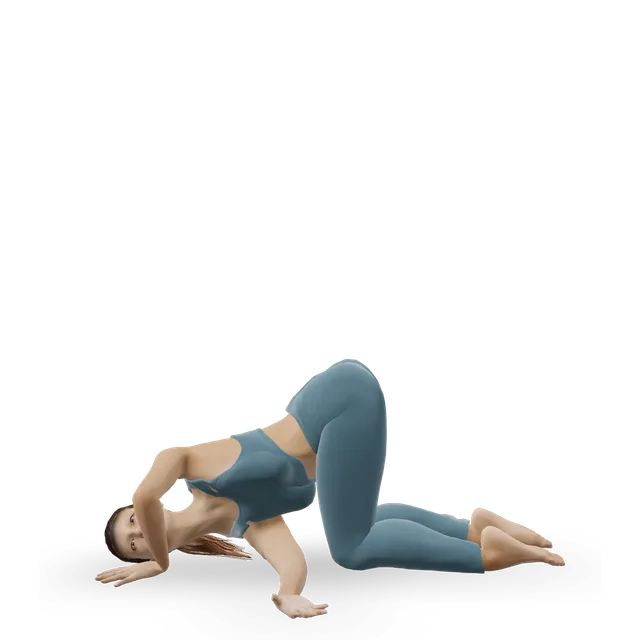
Chin tuck: 5 holds of 3 seconds (our rheumatoid arthritis class). Neck holds, only if your coach uses them: 3 holds of 10 seconds in each direction at a moderate effort (our strength workout for boxers); start with a clinician after recent whiplash or with any nerve symptoms. Thoracic rotation: 6 each side, the same each way; side-lying open book: 8 each side; thread the needle with your weight on your forearms: 30 to 45 seconds each side (our yoga for tennis players class).

Shoulder blades and shoulders

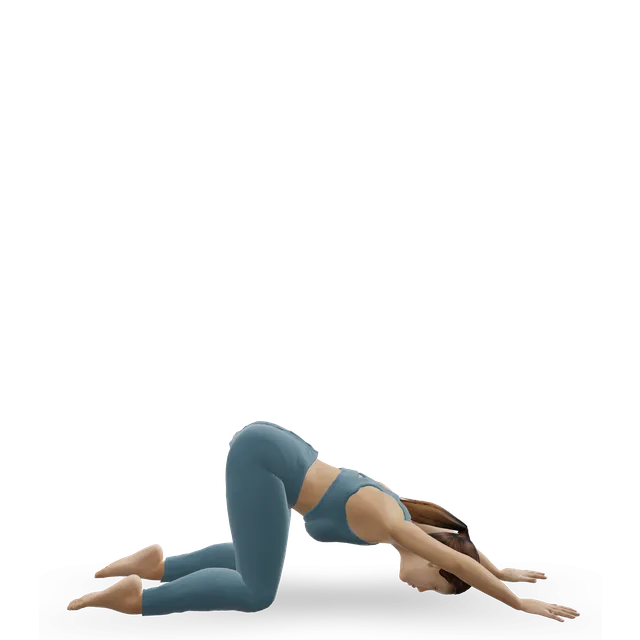
Y-T-W raises with small lifts: 5 of each shape; scapular push-ups on a wall: 2 sets of 10 (our yoga for tennis players class). Doorway chest stretch: 2 holds of 30 seconds each side; extended puppy pose: 2 holds of 30 seconds, skipped with a current shoulder injury (our editorial starting points).

Hips, stance and balance

Low lunge with the back knee padded: 45 seconds each side; 90/90 switch: 10 slow switches; one-leg stand: 2 holds of 30 seconds each leg; side plank on your forearm, knees down to start: 2 holds of 20 to 30 seconds each side (our martial arts yoga class). Warrior II, a wide, grounded stance: 5 breaths each side (our yoga for balance class).

Hands, wrists and rest

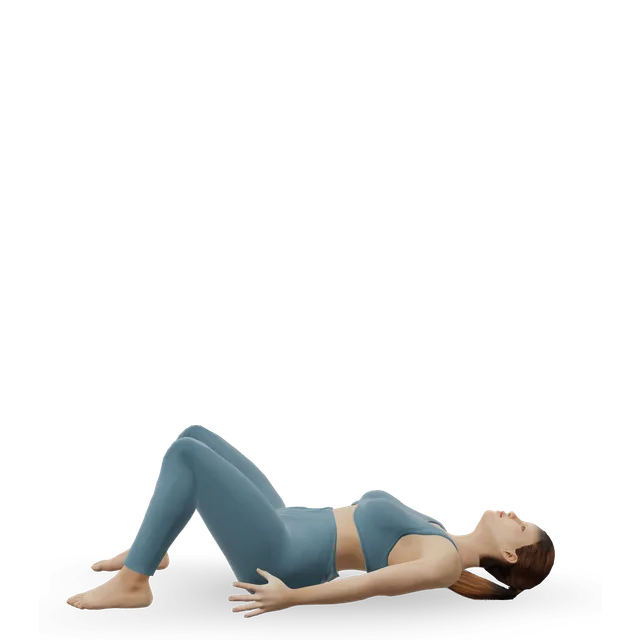
Tendon glides: 5 of each position with 5-second holds (our rheumatoid arthritis class). Wrist and forearm flow with your forearm supported: 60 seconds; reclined figure four, never pressing on the crossed knee: 45 seconds each side; strap hamstring stretch: 45 seconds each side (our martial arts yoga class). Wrist flexor stretch: 2 holds of 20 seconds each arm (our yoga for tennis players class); after a wrist fracture, start only when your team says. Corpse pose: 3 minutes (our editorial starting point).

Poses to change or leave out

Weight on a sore hand, knuckle or wrist

Downward dog, plank, crow, side plank on the hand, and anything on the knuckles after boxer's knuckle or a hand fracture: use forearm versions or leave them out until your hand clinic says (our suggestion).

Source 2

After a shoulder dislocation, or a shoulder that feels it might slip

Leave out end-range shoulder stretches, such as a deep extended puppy pose, cow face arms, binds and wheel, until it has been assessed.

Source 12

After a head injury, or with a sore neck

No headstand, shoulder stand, plough or other head-down poses until you're cleared.

Just before sparring or a bout

Keep to short flowing moves in your warm-up, and save long holds for after.

Sources 11, 23

Classes to follow

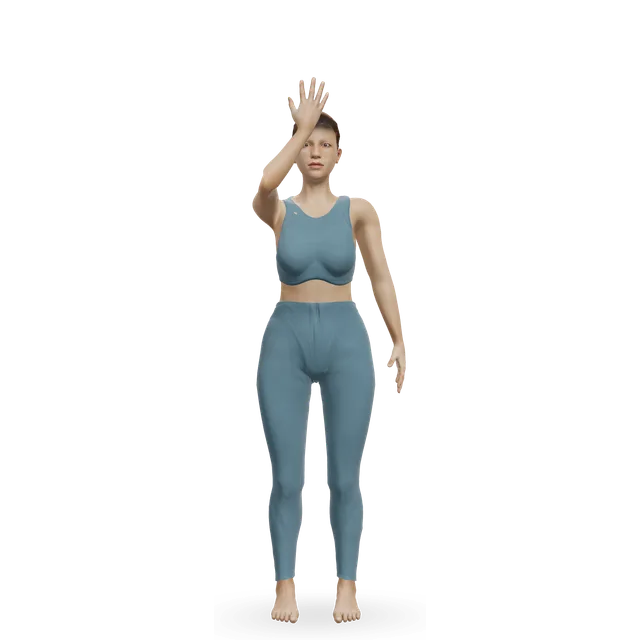
After training or on a rest day, once or twice a week: our 25-minute yoga for boxers class, with no weight on your knuckles and nothing upside down. The boxing fitness and strength workouts are the training itself, and the strength workout has the optional neck holds. The martial arts yoga class adds active hip range for kicking arts, the tennis class adds rotation (do its cat-cow on your fists or forearms with sore hands), the wrists class reloads the wrists in stages after an injury once your hand clinic agrees, and the breathing practice helps you settle.

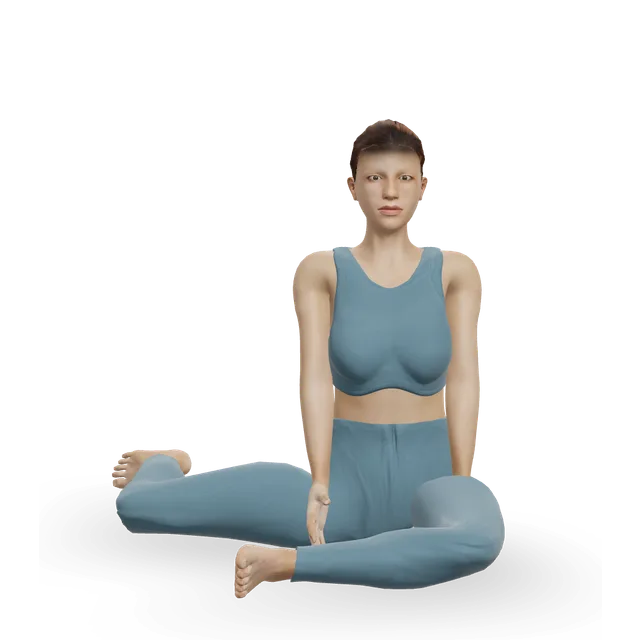
Yoga for boxers: a 25-minute recovery class for shoulders, upper back, hips, hands and breathing, with no weight on your knuckles

A 25-minute recovery yoga class for boxers: slow breathing, neck and upper back, shoulder blades, hips and balance, and hand care, with no weight on your knuckles.

25 minBeginner16 movesA wall

Boxing fitness workout: shadow boxing and bag rounds

A 35-minute boxing workout with no sparring: a warm-up, three shadow boxing rounds, optional bag rounds, a punching finisher and core work.

35 minBeginner10 movesA band, A wall

Strength workout for boxers: legs, power, shoulders and grip

A 45-minute strength and power workout for boxers: jumps and chest throws, squats and single-leg hinges, push-ups, rows, rotator cuff, carries and grip.

45 minIntermediate18 movesA band, Medicine ball

Martial arts yoga: a 25-minute active-range class for hips, kicks, balance and breathing

Twenty-five minutes of yoga for martial artists: slow breathing, hip range you control, the kicking leg and one-leg balance, wrists and upper back, then rest.

25 minBeginner17 movesA wall

Both-sides yoga for tennis players: a 25-minute class for rotation, shoulders, hips and balance

Twenty-five minutes of yoga for tennis and padel players: rotation both ways, shoulder blades, hips, one-leg balance and forearms, for non-match days.

25 minBeginner19 movesA wall

Yoga for wrists: a 20-minute class that warms, strengthens and slowly loads the wrists

A 20-minute yoga class for wrists: a gentle warm-up, poses with the hands free, then weight through the hands in stages, from a wall to all fours to the forearms.

20 minBeginner18 movesA wall, Other / check instructions

Breathing exercises to relax

A 6-minute breathing routine: slow breathing, crocodile breathing, alternate nostril breathing, box breathing and 4-7-8 breathing.

6 minBeginner5 movesNo equipment

Warning signs: when to stop and get help

These are the warning signs from our boxing, martial arts yoga and hand injury guides, word for word. This is general information, not a diagnosis. A&E means accident and emergency; in the US, call 911 for 999.

A head injury with red flags: call 999

The UK guidelines call these red flags, needing urgent assessment by a healthcare professional or at A&E (accident and emergency), by ambulance if necessary.

  • Any loss of consciousness, or getting drowsier
  • No memory of events before or after the injury
  • Increasing confusion or irritability, or unusual behaviour
  • New problems understanding, speaking, reading or writing, less feeling, loss of balance, weakness or double vision
  • A seizure, twitching limbs, or lying rigid or motionless
  • A severe or worsening headache, repeated vomiting or severe neck pain
  • A suspected skull fracture: a cut, bruise, swelling or severe pain where they were hit
  • Previous brain surgery, a bleeding disorder, blood-thinning medicine, or being drunk or on drugs at the time

Sources 16, 36

A head injury: NHS 111 or a GP

The NHS says to get help from NHS 111 if, after a head injury, you're being sick, feel dizzy, take medicine that thins your blood, were drinking alcohol or taking drugs at the time, or have any other symptoms you're worried about. See a GP if symptoms last more than 2 weeks, and don't play contact sports for at least 3 weeks.

Source 36

Neck and spinal cord

Numbness, tingling, burning or weakness in both arms, in more than one limb, or in the legs: keep the player still and call 999. It can be an injury to the spinal cord, even if it passes in minutes.

Call 999 or go to A&E: new problems walking, loss of bladder or bowel control, or a sudden loss of coordination, such as difficulty doing up buttons. These can be signs of pressure on the spinal cord.

A hand that looks wrong, or a cut knuckle

Call 999 or go to A&E after an injury (don't drive yourself) if the arm, wrist or hand is numb, tingling or has pins and needles; a bone is sticking out or a bad cut is bleeding heavily; or the wrist, thumb or a finger has changed shape, is at an odd angle, or has turned blue, grey, white or cold.

Same day, urgently: any cut or graze over a knuckle after a punch that hit someone's teeth (a fight bite), however small it looks. Go to A&E, or get help from NHS 111 if you're unsure where to go, and say how it happened. It can look harmless for a few days while infection gets into the joint, and hand surgeons treat it as urgent.

Same day (NHS 111): severe pain in the back of the hand; a snap, grinding or popping noise at the time of the injury; you can't move the hand or hold things; you've lost feeling in part of the hand; the hand has changed shape or colour; or you feel hot, cold or shivery. These can be signs of a broken hand or an infection.

Fingers and wrists after a punch

The NHS says to go to A&E if a finger points at an odd angle, looks blue or feels numb, or bone is showing, and to get help from NHS 111 if it's painful, swollen and bruised or hard to move. A cut over a knuckle from a punch that hit someone's teeth needs help the same day, as our broken hand guide explains.

Get help from NHS 111 for severe wrist pain, a snap, grinding or popping noise at the time of injury, a wrist you can't move or use to hold things, a change in its shape or colour, or lost feeling in your hand. Pain at the base of the thumb after a punch or a fall needs checking for a scaphoid fracture.

Source 38

A shoulder that looks out of place

Call 999 or go to A&E: after a fall or injury, your shoulder looks out of place or has changed shape, you cannot move your arm, or your shoulder is painful, bruised or swollen. Do not drive yourself, and do not try to put it back in yourself.

Source 26

Get your shoulder assessed before end-range poses

  • Your shoulder has partly or fully come out of joint, or you worry it might.

Flashes, floaters or a shadow in your vision

Get help from NHS 111 if floaters suddenly appear or increase, you see flashes of light, a dark curtain or shadow moves across your vision, or your sight suddenly blurs. These can be signs of a detached retina.

Hot classes and making weight

Our editorial advice: don't use hot yoga, saunas or sweat suits to make weight. In any hot class, drink before and during, and stop at the first sign of dizziness, a headache or feeling sick; our hot yoga guide gives the NHS signs of heat exhaustion and heatstroke.

Source 37

Chest pain or fainting: call 999

Call 999 if:

  • You get sudden pain or discomfort in your chest that doesn't go away; it can feel like squeezing or pressure, burning or indigestion.
  • The pain spreads to your left or right arm, or your neck, jaw, stomach or back.
  • You have chest pain and feel sweaty, sick, light-headed or short of breath.
  • Someone faints while exercising, can't be woken within 1 minute, or has chest pain or a pounding, fluttering or irregular heartbeat.

Sources 39, 40

During yoga

A joint pain that is sharp, gets worse during a session, lingers into the next day or changes how you move is a reason to use an easier version, and to see a GP or physiotherapist if it keeps happening (the rule in our plans). Muscle soreness for a day or two after something new is normal. In a hot class, stop if you feel dizzy, sick or unwell; our hot yoga guide lists the signs of heat illness.

If you're hypermobile, don't use mobility work to push further: the NHS says "do not overextend your joints just because you can". See a GP if you think you have joint hypermobility syndrome: for example, your joints keep dislocating, or you keep getting sprains, strains, pain or stiffness.

Stop for sharp pain, a feeling that the shoulder is slipping, pins and needles or numbness down the arm, or pain that is still worse by your next session after strengthening.

Tell your teacher about any recent knockout or hand injury (our suggestion).

Source 41

Before you start

The NHS advises getting advice from a healthcare professional first if you have a health problem, an injury or symptoms, or have recently had a heart attack or an operation.


Myths

"Boxers should stay stiff to hit harder"Mixed evidence

Punch force goes with leg strength and explosive strength, not with stiffness, and the rear hand uses more trunk rotation. No study shows yoga or mobility work reduces punching power; flexibility training in tai chi athletes neither helped nor harmed kicking skill.

Sources 8, 22, 9

"The more flexible the better: yoga makes you punch harder"Mixed evidence

No study links flexibility to punch force, and athletes with hypermobile joints had more shoulder injuries. Aim for range you can control.

Sources 8, 12

"Stretching prevents boxing injuries"Strong evidence

Stretching didn't prevent sports injuries across trials. Boxing's injuries are mostly blows to the head and hands, which rules, wraps, gloves and sparring limits address, as our boxing guide explains.

Sources 10, 3, 2

"Stretching after sparring stops soreness"Strong evidence

Stretching reduced next-day soreness by about 1 point on a 100-point scale, and stretching researchers agree it doesn't speed recovery straight after exercise.

Sources 33, 34

"A strong neck stops concussion"Mixed evidence

A link was found in high school team sports, but a meta-analysis found a small link that could be chance, at very low certainty, and no boxing study exists.

Sources 29, 30

"Breathing drills will boost your performance"Emerging evidence

Slow breathing can help you settle, but 4 weeks of it after sprint training didn't improve recovery or performance. Use it to settle.

Sources 13, 14

"A hot yoga class is a good way to make weight"Strong evidence

No evidence supports it. Our editorial advice: don't use hot yoga, saunas or sweat suits to make weight.

Source 37

Questions people ask

Is yoga good for boxers?

It can help with shoulder-blade control, upper-back rotation, hip range for your stance, balance, hand care and slow breathing. No trial has tested yoga in boxers, so treat it as sensible extra training, not a proven edge.

Do boxers do yoga?

Some boxers say they do, but no study has followed boxers who do yoga. Your boxing, strength and conditioning work comes first.

Will yoga make me punch harder?

There's no evidence it will. Harder punchers have stronger, more explosive legs, and upper-body maximal strength doesn't separate them; our boxing guide has the strength and power training.

Is yoga good after a fight?

A gentle class and slow breathing can help you settle. After a knockout or a suspected concussion, your governing body's return comes first: England Boxing members are suspended for 30 days and need a doctor's review before sparring, and others follow the UK grassroots guidelines.

What breathing exercises help boxers?

Slow breathing, in for about 4 and out for about 6, can help you settle. It hasn't been shown to improve recovery or performance after hard training, so use it after sessions and before sleep.

What are good shoulder stretches for boxers?

Shoulder-blade control (Y-T-W raises, wall push-ups), thread the needle and a gentle chest stretch. Boxers often have altered shoulder-blade movement; after a dislocation, or if you're very flexible, avoid end-range shoulder stretches.

Does flexibility matter in boxing?

Enough hip and upper-back range to hold your stance and turn is useful, and the rear hand uses trunk rotation. No study links extra flexibility to punch force or fewer injuries in boxers.

Is hot yoga good for cutting weight?

No. Our advice is not to use hot yoga, saunas or sweat suits to make weight, and to stop any hot class at the first sign of dizziness, a headache or feeling sick.

Can yoga help a boxer's hand or wrist injury?

Get it assessed first: instability at the base of the fingers and boxer's knuckle are the commonest hand injuries in elite boxers. Once your hand clinic agrees, tendon glides and our yoga for wrists class reload the hand gradually; keep weight off it in poses until then.

What about MMA or kickboxing?

Our yoga for martial arts guide covers kicking and grappling arts, MMA and fighters in general; this guide is for boxing.

When should a boxer get help?

Call 999 for head injury red flags such as loss of consciousness, a worsening headache, repeated vomiting, confusion or a seizure. Go to A&E for a hand that looks wrong or a shoulder that looks out of place, and get any cut over a knuckle from a punch that hit teeth seen the same day.

Sources

  1. Loosemore 2015 · Injuries in the Great Britain boxing squad over 5 years: 66 boxers (surveillance study, Br J Sports Med)
  2. Loosemore 2017 · Hand and wrist injuries in the Great Britain Olympic boxing squad, 2005 to 2012 (cohort study, Hand; read in full)
  3. Alevras 2022 · Injuries in amateur boxing: 17 studies (systematic review and meta-analysis, J Sci Med Sport)
  4. Mao 2023 · Boxing injury rates and types since 2000: 14 studies (systematic review and meta-analysis, Orthop J Sports Med)
  5. PubMed, Europe PMC and ClinicalTrials.gov · Our searches for yoga trials in boxers and combat sports: no randomised yoga trial found (30 October 2026)
  6. di Fronso 2024 · Yoga nidra and recovery in two elite karate athletes (case study, Heliyon)
  7. Liu 2020 · Yoga after training in 50 taekwondo athletes (preprint, not peer reviewed, Research Square)
  8. Beattie 2022 · The role of strength in punch force (review, J Strength Cond Res)
  9. Li 2025 · Core or flexibility training for a jumping kick: 39 tai chi athletes (randomised trial, PLoS One)
  10. Lauersen 2014 · Exercise programmes to prevent sports injuries: 25 trials, 26,610 people (meta-analysis, Br J Sports Med)
  11. Behm 2016 · Stretching just before activity: performance, range of movement and injury (systematic review, Appl Physiol Nutr Metab)
  12. Liaghat 2021 · Joint hypermobility and shoulder injuries in athletes (systematic review and meta-analysis, BMC Musculoskelet Disord)
  13. Laborde 2022 · Slow breathing, heart rate and heart rate variability: 223 studies (systematic review and meta-analysis, Neurosci Biobehav Rev)
  14. Raidl 2026 · Slow breathing as recovery during 4 weeks of sprint interval training: 34 people (randomised trial, Int J Sports Physiol Perform)
  15. England Boxing · Technical and competition rules 2026 (rule book; section 4 and the concussion protocols read in full)
  16. UK Government and Sport and Recreation Alliance · UK concussion guidelines for non-elite (grassroots) sport (November 2024 update; read in full)
  17. Soligard 2017 · Injuries and illnesses at the Rio 2016 Olympic Games: 11,274 athletes (surveillance study, Br J Sports Med)
  18. Soligard 2022 · Injuries and illnesses at the Tokyo 2020 Olympic Games (surveillance study, Br J Sports Med)
  19. Tsuzaki 2026 · Boxing injuries treated in US emergency departments, 2000 to 2023 (national surveillance study, Phys Sportsmed)
  20. Matharu 2022 · Boxer's knuckle in elite boxers: 57 fingers (case series, J Hand Surg Eur)
  21. Megafu 2026 · Boxing-related arm and hand injuries in US emergency departments, 2014 to 2023 (national surveillance study, J Emerg Med)
  22. Wan 2026 · Lead and rear straight punches in 17 elite boxers (lab study, BMC Sports Sci Med Rehabil)
  23. Alemdaroğlu 2017 · Stretching and sprinting in 12 taekwondo practitioners (crossover study, J Sports Med Phys Fitness)
  24. Jung 2021 · Shoulder-blade movement, neck and shoulder problems in 72 elite boxers (cross-sectional study, Medicina)
  25. Lenetsky 2015 · Shoulder function and shoulder-blade position in 18 boxers (cross-sectional study, Phys Ther Sport)
  26. NHS · Dislocated shoulder
  27. Giannatos 2022 · Arm function and boxing injuries in 62 boxers (comparative study, BMC Sports Sci Med Rehabil)
  28. Brown 2022 · Neck range, strength and endurance in 40 combat athletes (cross-sectional study, Musculoskelet Sci Pract)
  29. Collins 2014 · Neck strength and concussion in 6,704 high school athletes (cohort study, J Prim Prev)
  30. Garrett 2023 · Neck strength and concussion in team sports: 8 studies (systematic review and meta-analysis, J Orthop Sports Phys Ther)
  31. Güngör 2026 · Foam rolling, stretching or rest after wrestling matches: 16 wrestlers (randomised crossover trial, BMC Sports Sci Med Rehabil)
  32. Petviset 2025 · Yoga or static stretching after high-intensity interval training: 20 male athletes (randomised crossover trial, Int J Exerc Sci)
  33. Herbert 2011 · Stretching to prevent or reduce muscle soreness after exercise: 12 studies (Cochrane review)
  34. Warneke 2025 · Practical recommendations on stretching: a Delphi consensus of research experts (J Sport Health Sci)
  35. USA Boxing · National rule book, effective January 2026 (rules 5.3 and 5.4 read in full)
  36. NHS · Head injury and concussion
  37. NHS · Heat exhaustion and heatstroke
  38. NHS · Broken finger
  39. NHS · Chest pain (past its review date: reviewed August 2023, review due August 2026)
  40. NHS · Fainting
  41. NHS · Joint hypermobility syndrome (past its review date: reviewed August 2023, review due August 2026)

Exercise education, not a personal prescription, and clinical review of these guides is pending. If you are pregnant, have a health condition such as glaucoma, high blood pressure or osteoporosis, or have had recent surgery, check with a doctor, midwife or physiotherapist before starting, and stop for sharp or increasing pain. Health disclaimer.