Yoga guide

Yoga for basketball players: ankles, knees, hips and landings, recovery, what the evidence shows, and a 25-minute class

Basketball's commonest injury is a sprained ankle, and knees cost players the most time. Yoga can add what the game wears down: ankle and calf mobility, one-leg balance, hip range for cutting and pivoting, and a calm way to wind down after hard sessions. No trial has tested yoga in basketball players, though, and the injury protection with evidence behind it comes from lace-up braces, balance training and a 10-minute warm-up.

So yoga is an off-court addition, not a replacement for your warm-up, strength and jump training.

This guide covers where players get hurt, what prevents it, what yoga can and can't do, ankles and landings, when to stretch and when to hold, recovery, a free 25-minute class and the warning signs that need help.

The short version

Ankles first, then knees

Ankle sprains were the commonest injury in US college basketball (about 17% of injuries) and over 17 NBA seasons (13.2%), where kneecap problems cost the most games. Across 11 studies, 63.7% of injuries were in the legs: ankles 21.9%, knees 17.8%.

Sources 1, 2, 3

The proven protection isn't yoga

Lace-up ankle braces cut acute ankle injuries by about two-thirds, a balance programme cut sprains by about 44%, a 10-minute basketball warm-up went with 36% fewer ankle and knee injuries, and ACL (anterior cruciate ligament) programmes roughly halved ACL injuries in young female athletes.

Sources 4, 5, 6, 7

No yoga trial in basketball players

We found no trial of yoga in basketball players, and no yoga trial in any sport has counted injuries. College athletes gained flexibility and one-leg balance after 10 weeks of yoga, in a study that wasn't randomised and had no basketball players.

Sources 8, 9

Where yoga can help: one-leg balance and ankle bend

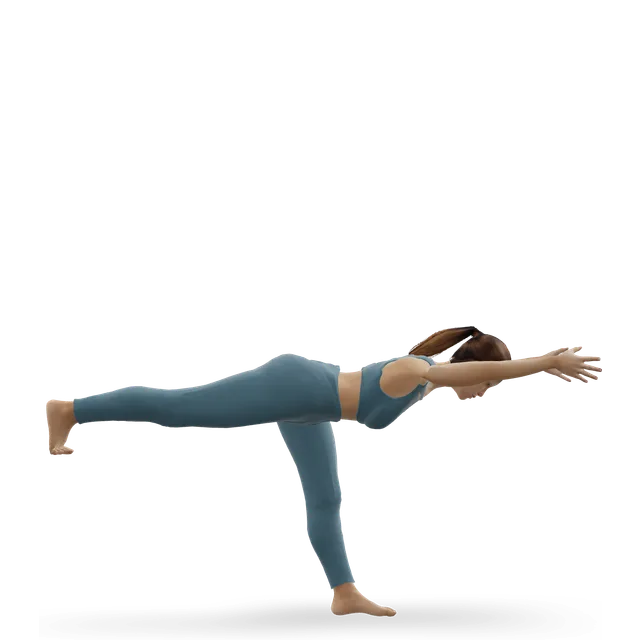
One-leg balance work is the core of the programmes that cut sprains, so tree, warrior III and one-leg reaches fit well on lighter days, beside the warm-up and braces. In one small study, junior players with stiffer ankles were more likely to develop jumper's knee, though reviews call that evidence limited or conflicting; calf and ankle mobility poses are a sensible, low-risk addition.

Sources 5, 10, 11, 12

Flow before, hold after

Across 25 trials, stretching didn't prevent injuries, while strength and balance training did. Holds of 60 seconds or more per muscle just before explosive work cut performance by about 4.6%, so keep to short flowing moves before a game and save the holds for after.

Sources 13, 14

A cool-down that settles you, not jump training

Fifteen minutes of yoga after interval training slowed breathing faster than stretching in 20 athletes, but stretching barely changes next-day soreness, and slow breathing after sprint sessions didn't speed recovery. Jump height comes from jump and strength training, which our basketball guide covers.

Sources 15, 16, 17

What basketball asks, and where players get hurt

What the game asks

Repeated sprints, jumps, landings, cutting and pivoting, with contact. In the NBA, 73% of injuries that cost games came on suddenly, and about half of those involved contact with another player.

Source 18

How often players get hurtStrong evidence

US college players had about 8 injuries per 1,000 games and practices in men and 6.5 in women, more than half costing less than a day. Finnish teenagers had 2.64 per 1,000 hours, 34.47 in games against 1.51 in practice. British players recalled a median of 2.1 injuries per 1,000 hours, 70.7% of them in the legs.

Sources 1, 19, 20

WhereEmerging evidence

Across 11 studies, legs took 63.7% of injuries, ankles 21.9% and knees 17.8%; across 22 studies, the head and face took 16.3%. Over 17 NBA seasons, lateral ankle sprains were 13.2% of injuries and kneecap inflammation 11.9%, and kneecap inflammation cost the most games (17.5% of games missed).

Sources 3, 21, 2

Repeat ankle sprainsEmerging evidence

In Finnish teenagers, 28% of injuries were repeats, mostly ankle sprains. A past ankle injury went with about 5 times the odds of another, and landing was the commonest way it happened.

Sources 19, 22

KneesEmerging evidence

Women tore an ACL more often than men in US college basketball (0.29 against 0.08 per 1,000 games and practices), mostly without contact. Jumper's knee (pain just below the kneecap) affected 31.9% of Norwegian national-level male players, 20.8% of players pooled across studies and 19.0% of youth players over a season.

Sources 23, 24, 25, 26

What prevents basketball injuries

Lace-up ankle bracesStrong evidence

In 1,460 high school players, lace-up braces cut acute ankle injuries by about two-thirds (from 1.41 to 0.47 per 1,000 games and practices), with or without a past sprain. Across 6 trials in athletes, braces cut first sprains (low-quality evidence) and repeat sprains (moderate quality).

Sources 4, 27

Balance trainingEmerging evidence

In 765 high school soccer and basketball players, a balance programme cut sprains by about 44%; in 232 basketball players, a multistation programme cut ankle injuries by about 65%; and after a sprain, an 8-week home programme cut repeat sprains from 33% to 22%. A wobble-board programme in 920 players cut sudden injuries a little, though only 60% kept it up.

Sources 5, 10, 28, 29

Warm-upsEmerging evidence

The SHRed Injuries Basketball warm-up (10 minutes, 13 exercises) went with 36% fewer ankle and knee injuries in players aged 11 to 18, in a study that wasn't randomised. A multicomponent warm-up cut ankle sprains in 112 trained players, and across 10 studies, prevention programmes cut ankle sprains but not clearly ACL ruptures in basketball.

Sources 6, 30, 31

ACL programmesStrong evidence

Neuromuscular training roughly halved ACL injuries in young female athletes (from 1 in 54 to 1 in 111), more so in younger players, with lower-body strength and landing control as the key parts. Most trials were in soccer and handball.

Source 7

Where yoga fits beside them

Yoga's one-leg poses are close to the balance part of these programmes, and its planks match the warm-up's. Use them on lighter days, alongside the warm-up and braces, not instead of them.

Sources 5, 6

What the evidence says about yoga and stretching

No yoga trial in basketball playersStrong evidence

Our searches of PubMed, Europe PMC and ClinicalTrials.gov found no trial of yoga in basketball players, and no yoga trial in any sport has counted injuries.

Source 8

Yoga in other athletesMixed evidence

In 26 male college athletes, the soccer team did two hour-long yoga classes a week for 10 weeks and improved sit-and-reach and one-leg balance, while the baseball team didn't; it wasn't randomised. In 26 volleyball players, 8 yoga sessions improved flexibility and balance more than strength exercises did.

Sources 9, 32

Stretching doesn't prevent injuriesStrong evidence

Across 25 trials (26,610 people), stretching showed no protective effect (risk ratio 0.963), against 0.315 for strength training and 0.550 for balance training, where lower means fewer injuries. Earlier reviews agree.

Sources 13, 33

Long holds just before play cost powerStrong evidence

Static holds of 60 seconds or more per muscle cut performance by 4.6% on average, against 1.1% for shorter holds, and short stretches inside a warm-up followed by dynamic moves had "inconsequential effects". Stretching researchers agree it isn't an all-round injury prevention strategy.

Sources 14, 34, 35

Recovery: calmer, not fasterEmerging evidence

Fifteen minutes of yoga after interval training slowed breathing and raised heart rate variability faster than stretching in 20 athletes. But stretching reduced next-day soreness by only about 1 point on a 100-point scale, and 4 weeks of slow breathing after sprint sessions didn't improve recovery or performance.

Sources 15, 16, 17

Ankles: sprains, ankle bend and coming back

Ankle bend and jumper's knee: one small studyMixed evidence

In 75 junior elite players followed for a year, those with less ankle bend (dorsiflexion, under 36.5 degrees) had an 18.5% to 29.4% chance of jumper's knee, against 1.8% to 2.1% above it. But there were only 12 cases, and the cut-off was worked out in the same players, so it's an early lead; a review calls the evidence limited or conflicting. Stiffer ankles also go with stiffer landings and knees caving in, in studies that measured both at once.

Sources 11, 12, 36

Ankle bend and sprains: conflictingMixed evidence

A review of prospective studies found ankle range "strongly predicted" sprains, but a later meta-analysis of 16 prospective studies didn't list it as a risk factor, and in 534 youth players, landing technique and ankle bend weren't linked to past injuries.

Sources 37, 38, 39

What that means for yoga

Calf and ankle mobility poses are low-risk and reasonable for players with stiff ankles, especially after a sprain. They haven't been shown to prevent jumper's knee or sprains (our reading).

After a sprainEmerging evidence

Follow your rehab's balance programme first: an 8-week home programme cut repeat sprains from 33% to 22%. Then add one-leg poses on your good leg first, next to a wall, and wear a lace-up brace when you play.

Sources 29, 4

Knees, hips and landings

Landing shapes

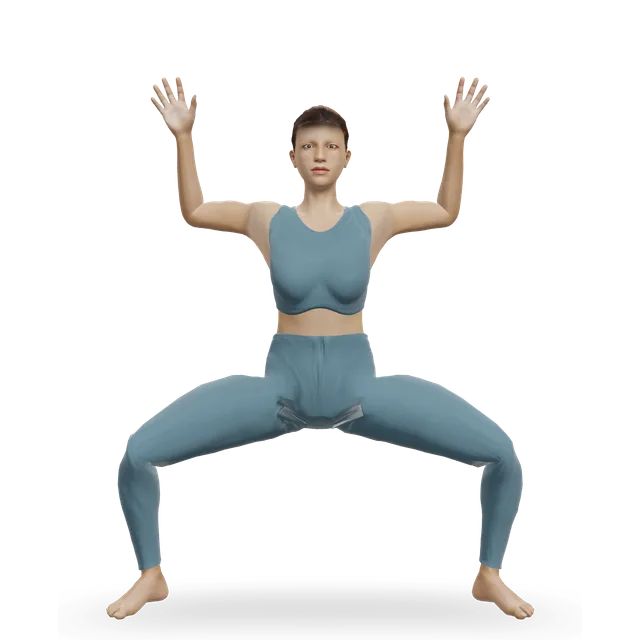
ACL programmes teach landing with the knees over the toes. Chair pose, warrior II and goddess practise that shape slowly, but holding a shape isn't landing training, so keep doing the warm-up's jumps.

Source 7

Hip strength: mixed findingsMixed evidence

Weaker side-hip muscles went with ankle sprains in men across 16 prospective studies, but not in 169 high school athletes. Weaker hips predicted ACL injuries across sports in one study, but stronger side-hip muscles went with ACL injuries in 171 Japanese female basketball players. Side-hip work is a reasonable addition, not proven protection.

Sources 38, 40, 41, 42

With jumper's knee

Our jumper's knee guide has the loading programme that treats it. In yoga, keep chair pose and goddess shallow, and leave out deep kneeling and hero pose while it's sore.

Rate your knee pain from 0 to 10 during and after exercise. In the pain-monitoring model used in knee trials, 0 to 2 counts as safe, up to 5 as acceptable and above 5 as too much. Aim for 0 to 3 most of the time.

Source 43

Before or after: when to do yoga

Flow before, hold after

Before practice or a game, keep to short flowing moves inside your warm-up. Save held stretches of 30 seconds or more for after, or for a separate session.

Sources 14, 35

How often: our editorial starting point

Once or twice a week, after practice or on a lighter day. The yoga study in college athletes used two hour-long classes a week.

Source 9

In season and off season

In season, short sessions after practice and on rest days; off season, a longer class or two a week alongside your strength work (our suggestion).

Ankles and calves

Knee-to-wall rock: 10 slow rocks per side, daily (the move's page). Wall calf stretch with the back knee straight, and soleus stretch with it bent: 2 holds of 30 seconds each side; calf raises: 2 sets of 10, up for 2 and down for 3 (our editorial starting points). Ankle circles: 5 slow circles each way, each ankle (our rheumatoid arthritis class).

One-leg balance

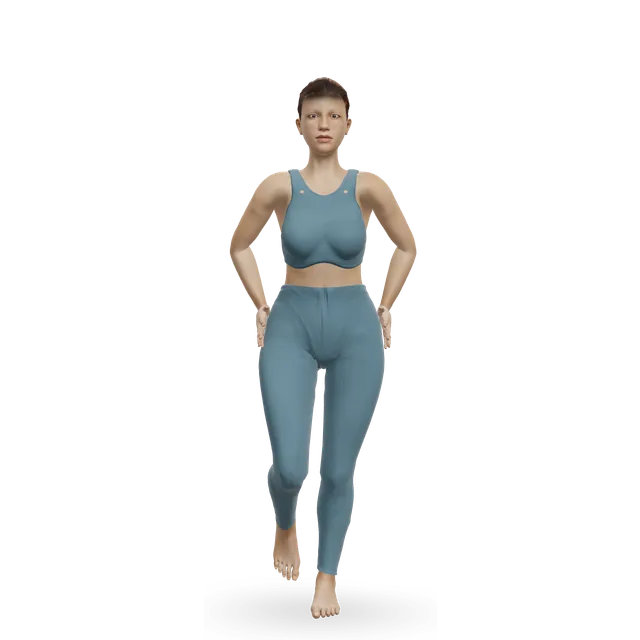
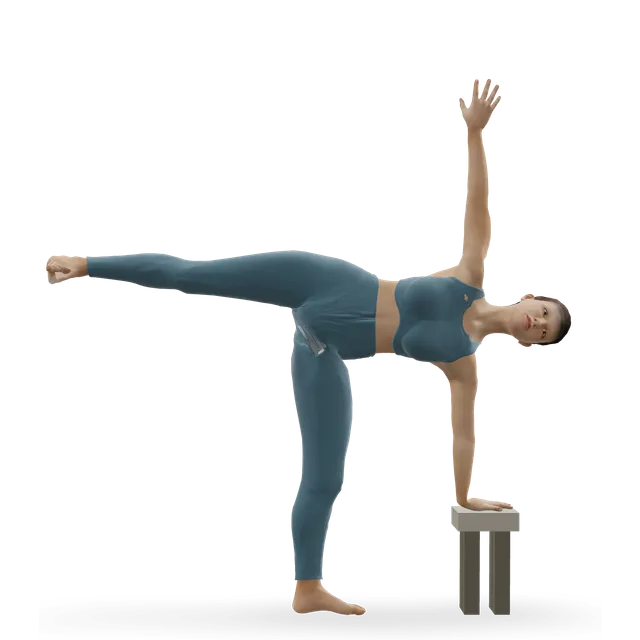
One-leg stand with a soft knee: 2 holds of 30 seconds each leg, eyes closed once it's easy (our martial arts yoga class). Tree pose, your foot never pressed into the side of your knee: 3 to 5 breaths each side; warrior III with your hands on a chair at hip height: 3 breaths each side, twice (our yoga for footballers class). One-leg reach: 2 rounds of 5 reaches in each direction, each leg (our yoga for balance class). Half moon near a wall: 2 holds of 20 seconds each side (our editorial starting point). Hip airplane holding a counter: 5 slow turns each leg (our yoga for tennis players class).

Landing shapes, legs and trunk

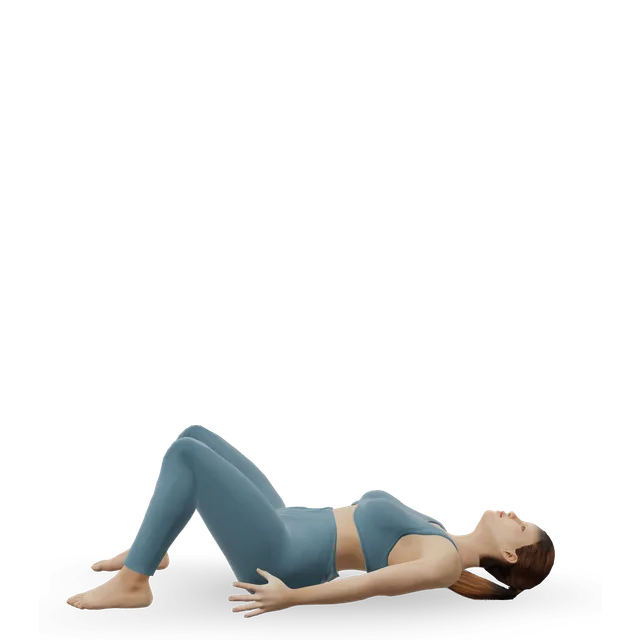
Chair pose with your knees over your toes and weight through the whole foot: 2 holds of 30 seconds; goddess, kept shallow: 3 holds of 3 breaths; single-leg bridge: 8 each side; side plank on your forearm, knees down to start: 2 holds of 20 to 30 seconds each side; forearm plank: 2 holds of 20 to 30 seconds (our yoga for footballers class). Warrior II with your front knee over your middle toes: 5 breaths each side (our yoga for balance class).

Hips for cutting and pivoting

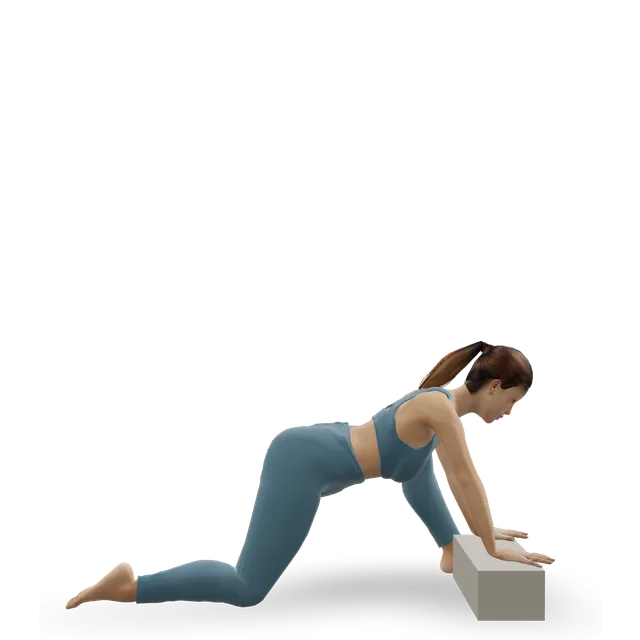
Low lunge with the back knee padded: 45 seconds each side; 90/90 lift-offs: 3 holds of 5 seconds each way, each side; lizard: 30 to 45 seconds each side, coming out if the front of your hip pinches; reclined figure four, never pressing on the crossed knee: 45 seconds each side (our yoga for footballers class).

Recovery and breathing

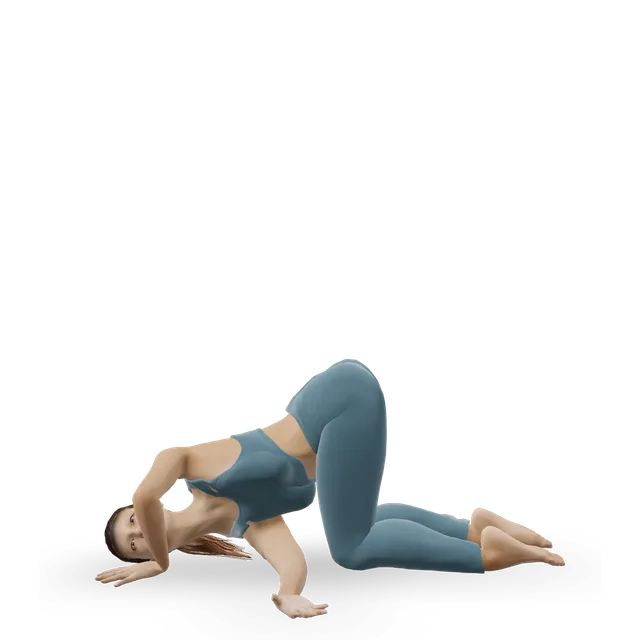
Slow breathing: 2 minutes, in for about 4 and out for about 6; strap hamstring stretch to a mild pull: 45 seconds each side (our yoga for footballers class). Thread the needle: 30 to 45 seconds each side (our yoga for tennis players class). Legs up the wall: 2 to 5 minutes (our editorial starting point); its caution lists who should skip it.

Poses to change or leave out

Long holds just before a game

Holds of 60 seconds or more per muscle: use short flowing moves inside your warm-up, and save the holds for after.

Source 14

After an ankle sprain

Your rehab's balance programme comes first. Keep one-leg poses next to a wall and on the good leg first, skip deep lunges and the knee-to-wall rock if they hurt the ankle, and wear a brace for the season.

Sources 29, 4

Back pain that's worse arching back

Leave out camel, wheel, bow and cobra and get it checked:

Back pain that is worse arching back and has lasted more than a couple of weeks can be a stress fracture of the spine (spondylolysis): get it checked.

Jammed or sore fingers and wrists

Do planks and side planks on your forearms, and skip downward dog and crow until they settle.

Very flexible players

If you're hypermobile, don't use mobility work to push further: the NHS says "do not overextend your joints just because you can". See a GP if you think you have joint hypermobility syndrome: for example, your joints keep dislocating, or you keep getting sprains, strains, pain or stiffness.

Source 44

Classes to follow

Before every practice and game: the 10-minute basketball warm-up, the part with injury evidence. After practice or on a lighter day, once or twice a week: our 25-minute off-court yoga class for ankles, one-leg balance, landing shapes and hips. The strength and jump workout covers what yoga can't, the Pilates class is the other off-court option, the footballers' and balance classes add hip and one-leg work, and the foot and ankle routine suits the weeks after a sprain.

Off-court yoga for basketball players: a 25-minute class for ankles, one-leg balance, landing shapes and hips

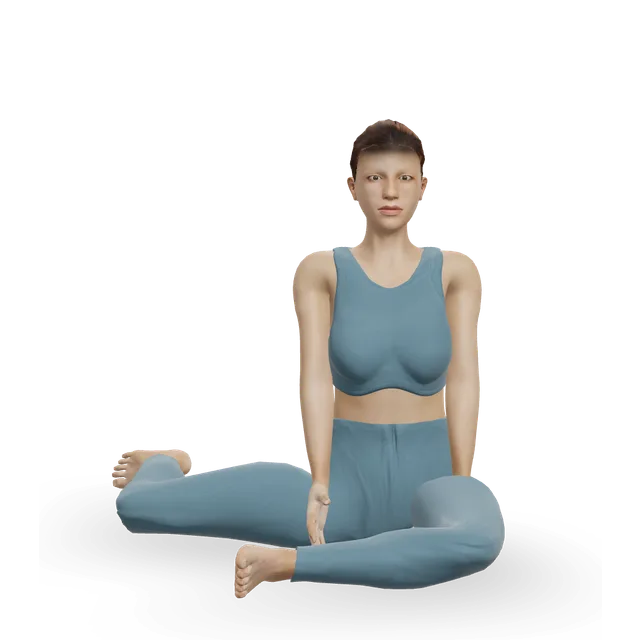
A 25-minute off-court yoga class for basketball players: ankle and calf mobility, one-leg balance, landing shapes, side planks, hips and a slow-breathing finish.

25 minBeginner16 movesA wall

Basketball injury prevention warm-up

A 10-minute basketball warm-up from a Canadian programme: runs, shuffles, line hops, jump landings, planks, Nordics, lunges and one-leg balance with a ball.

10 minBeginner12 movesCardio machine, A wall

Basketball strength and jump workout

A 45-minute basketball gym session: landings, box jumps, skater bounds and hop-and-sticks, then squats, hinges, split squats, Nordics, calf raises and planks.

45 minIntermediate13 movesA bench or box, A dumbbell

Off-court Pilates for basketball players: a 25-minute class for trunk control, hips, ankles and one-leg balance

A 25-minute Pilates class for basketball players: planks and side planks, trunk control, hip strength, calf and ankle work and one-leg balance, for lighter days.

25 minBeginner15 movesA step, A wall

Yoga for footballers: a 25-minute recovery-day class for hips, groin, hamstrings and balance

Twenty-five minutes of yoga for footballers: hip and groin range you control, hamstring holds, single-leg balance and side planks, then gentle stretches and rest.

25 minBeginner17 movesA wall

Yoga for balance: a 30-minute standing class, from steady to moving

Thirty minutes of standing yoga for balance: strong standing poses, one-leg poses at the wall, and side steps, backward steps, reaches and sit-to-stands.

30 minBeginner16 movesA wall, A bench or box

Foot and ankle strengthening routine: toes, arches, calves and balance

A 15-minute barefoot routine for stronger toes, arches, calves and ankles, finishing with balance. You need only a towel, a wall and a resistance band.

15 minBeginner11 movesA wall, Other / check instructions

Warning signs: when to stop and get help

These are the warning signs from our sport guides, word for word. This is general information, not a diagnosis. A&E means accident and emergency; in the US, call 911 for 999.

An ankle injury

Call 999 or go to A&E if you heard a crack, the joint has changed shape or points at an odd angle, it's numb or tingling, or the skin has turned blue or grey or is cold. Get help from NHS 111 or an urgent treatment centre if you can't put any weight on it or walk more than a few steps.

Source 45

A knee injury

Go to A&E (accident and emergency) if you've injured your knee and it has changed shape, it becomes very swollen very quickly, you felt a pop or snap, you can see bone sticking out, or it's bleeding heavily. Don't drive yourself: ask someone to take you, or call 999 if the pain means you can't move your leg to get there.

Get advice from NHS 111 now: you cannot move the knee or put any weight on it, or it is very painful, badly swollen or has changed shape, or it locks, gives way or clicks painfully. A pop, quick swelling and a knee that gives way point to an ACL injury: our ACL injury guide says what to do.

Source 43

A snap at the back of the ankle

Same day: a sudden snap or pop at the back of the heel or calf, or a feeling of being kicked there, then walking flat-footed and being unable to push off, stand on tiptoe or climb stairs. It could be an Achilles tendon rupture or a broken heel bone. Go to A&E or a minor injuries unit, or contact NHS 111.

A head injury

Call 999 if someone has hit their head and has been knocked out and hasn't woken up, can't stay awake or keep their eyes open, has a fit, has fallen from a height of more than 1 metre or 5 stairs, has problems with their vision or hearing, has clear fluid coming from their ears or nose, has new numbness or weakness, has problems with walking, balance, understanding, speaking or writing, hit their head at high speed, or their behaviour has changed. Get help from NHS 111 if they're being sick, feel dizzy or take medicine that thins the blood. If you're told to go to A&E (accident and emergency), don't drive yourself there if you have hit your head.

With a suspected concussion, if in doubt, sit them out. The UK's grassroots guidelines say no sport for at least 24 hours, get checked by a healthcare professional or NHS 111 within 24 hours, follow a staged return, and no competition before day 21; if symptoms last beyond 28 days, stay out of sport and see a doctor. Yoga waits too: gentle breathing fits the early, light-activity stages, and no head-down poses or inversions until you're cleared (our reading). Our concussion guide has the stages.

Sources 46, 47

A jammed or broken finger

Go to A&E if a finger points at an odd angle, looks blue or feels numb, or is cut with bone showing. Get help from NHS 111 if it's painful, swollen and bruised, or stiff and difficult to move. A fingertip that won't straighten needs same-day advice, as our mallet finger guide explains.

Source 48

See a GP or physiotherapist soon

  • An ankle that keeps giving way months after a sprain.
  • Back pain that is worse arching back and has lasted more than a couple of weeks can be a stress fracture of the spine (spondylolysis): get it checked.

Chest pain or fainting: call 999

Call 999 if:

  • You get sudden pain or discomfort in your chest that doesn't go away; it can feel like squeezing or pressure, burning or indigestion.
  • The pain spreads to your left or right arm, or your neck, jaw, stomach or back.
  • You have chest pain and feel sweaty, sick, light-headed or short of breath.
  • Someone faints while exercising, can't be woken within 1 minute, or has chest pain or a pounding, fluttering or irregular heartbeat.

Sources 49, 50

Unusual breathlessness

Call 999 or go to A&E (accident and emergency) straight away for severe difficulty breathing (gasping, choking or not able to get words out), a chest that feels tight or heavy, pain that spreads to your arms, back, neck and jaw, lips or skin turning very pale, blue or grey, or sudden confusion. If you're more short of breath than usual, or your heart is racing, fluttering or skipping beats, contact NHS 111.

Source 51

During yoga

A joint pain that is sharp, gets worse during a session, lingers into the next day or changes how you move is a reason to use an easier version, and to see a GP or physiotherapist if it keeps happening (the rule in our plans). Muscle soreness for a day or two after something new is normal. In a hot class, stop if you feel dizzy, sick or unwell; our hot yoga guide lists the signs of heat illness.

Before you start

The NHS advises getting advice from a healthcare professional first if you have a health problem, an injury or symptoms, or have recently had a heart attack or an operation.


Myths

"Yoga prevents ankle sprains on its own"Strong evidence

No trial has counted sprains after yoga. Lace-up braces, balance programmes and neuromuscular warm-ups have the evidence; yoga's one-leg poses can add to them.

Sources 8, 4, 5, 6

"Stretching before a game prevents injury"Strong evidence

Stretching showed no protective effect across 25 trials, and long holds just before explosive work cost about 4.6% of performance. One study linked not stretching with ankle injuries, but only as an association in 40 cases.

Sources 13, 33, 14, 22

"Yoga will make you jump higher"Mixed evidence

No yoga study in basketball measured jumping; the yoga studies in athletes measured flexibility and balance. Jump and strength training are the tools, as our basketball guide explains.

Sources 9, 32

"The more flexible the better"Emerging evidence

Hypermobile athletes in contact sports had more knee injuries, and hypermobile Premier League footballers had more injuries, though not in every group studied. In 171 Japanese female basketball players, those who tore an ACL had less general joint looseness, not more.

Sources 52, 53, 54, 42

"NBA players do yoga, so that's what keeps them healthy"

A professional's routine isn't a trial. Ankle sprains were still the commonest NBA injury over 17 seasons.

Source 2

Questions people ask

Is yoga good for basketball players?

It can add ankle and hip mobility, one-leg balance and a calm cool-down. No trial has tested yoga in basketball players; college athletes improved flexibility and one-leg balance after 10 weeks, in a study that wasn't randomised.


Does yoga prevent ankle sprains?

That hasn't been shown. Lace-up braces and balance training programmes have, and yoga's one-leg poses are similar to the balance part, so they can sit alongside your warm-up and braces, not replace them.

Do NBA players do yoga?

Some say they do, but a professional's routine isn't evidence that yoga prevents injuries. Ankle sprains were still the commonest NBA injury over 17 seasons.

Should I do yoga before or after basketball?

After practice or on rest days for held poses. Just before a game, keep to short flowing moves inside your warm-up: holds of 60 seconds or more per muscle cut performance by about 4.6%.

What are the best yoga poses for basketball players?

For ankles, the knee-to-wall rock and calf stretches; for balance, tree, warrior III and one-leg reaches; for landings and the trunk, chair pose and side plank; for hips, low lunge and 90/90 lift-offs. Our 25-minute class puts them together.

Can yoga help jumper's knee?

It hasn't been tested. In one small study, players with stiffer ankles were more likely to develop jumper's knee, so ankle mobility may help, but that's an early finding. The loading programme in our jumper's knee guide is the treatment, and the knee pain rule keeps yoga within limits.

Will yoga make me jump higher?

There's no evidence it does; jump and strength training raise jump height, as our basketball guide explains. Yoga's job is mobility, balance and recovery.

Is yoga good for recovery after games?

It calms you down: 15 minutes of yoga after hard intervals slowed breathing faster than stretching. It hasn't been shown to speed physical recovery, and stretching barely changes next-day soreness.

How often should basketball players do yoga?

Once or twice a week on lighter days is a reasonable start (our editorial suggestion). The yoga study in college athletes used two hour-long classes a week.

Is yoga good after an ankle sprain?

Once your rehab has started: balance training after a sprain cut repeat sprains, and yoga's one-leg poses can continue it. Start on the good leg next to a wall, and wear a brace when you play.

Is yoga good for young basketball players?

Yes, as a fun extra, but the warm-up matters most: ACL prevention programmes worked best in younger female athletes. Our yoga for kids guide covers children.

Sources

  1. Zuckerman 2018 · Injuries in US college basketball, 2009 to 2015 (surveillance study, Br J Sports Med)
  2. Drakos 2010 · Injuries in the NBA over 17 seasons (surveillance study, Sports Health)
  3. Andreoli 2018 · Basketball injuries: 11 studies, 12,960 injuries (integrative review, BMJ Open Sport Exerc Med)
  4. McGuine 2011 · Lace-up ankle braces in high school basketball: 1,460 players (cluster randomised trial, Am J Sports Med)
  5. McGuine 2006 · Balance training and ankle sprains in 765 high school soccer and basketball players (cluster randomised trial, Am J Sports Med)
  6. Emery 2022 · The SHRed Injuries Basketball warm-up in players aged 11 to 18 (quasi-experimental study, J Orthop Sports Phys Ther)
  7. Petushek 2019 · Preventing ACL injuries in young female athletes: 18 studies, 27,231 athletes (systematic review and meta-analysis, Am J Sports Med)
  8. PubMed, Europe PMC and ClinicalTrials.gov · Our searches for yoga trials in basketball players: none found (30 October 2026)
  9. Polsgrove 2016 · 10 weeks of yoga, flexibility and balance: 26 male college athletes (controlled study, Int J Yoga; read in full)
  10. Eils 2010 · A balance training circuit to prevent ankle injuries in 232 basketball players (randomised trial, Med Sci Sports Exerc)
  11. Backman 2011 · Ankle bend and jumper's knee: 75 junior elite basketball players followed for a year (prospective study, Am J Sports Med)
  12. Sprague 2018 · Risk factors for jumper's knee you can change: 31 studies (systematic review and meta-analysis, Br J Sports Med)
  13. Lauersen 2014 · Exercise programmes to prevent sports injuries: 25 trials, 26,610 people (meta-analysis, Br J Sports Med)
  14. Behm 2016 · Stretching just before activity: performance, range of movement and injury (systematic review, Appl Physiol Nutr Metab)
  15. Petviset 2025 · Yoga or static stretching after high-intensity interval training: 20 male athletes (randomised crossover trial, Int J Exerc Sci)
  16. Herbert 2011 · Stretching to prevent or reduce muscle soreness after exercise: 12 studies (Cochrane review)
  17. Raidl 2026 · Slow breathing as recovery during 4 weeks of sprint interval training: 34 people (randomised trial, Int J Sports Physiol Perform)
  18. Mack 2025 · Injuries in the NBA, 2013 to 2019 (surveillance study, Sports Health)
  19. Pasanen 2017 · Ankle injuries in adolescent basketball: 201 players over 3 years (cohort study, Scand J Med Sci Sports)
  20. Kataria 2025 · Injuries in British basketball (retrospective cross-sectional study, BMJ Open Sport Exerc Med)
  21. Stojanović 2025 · Basketball injuries by body part and cause: 22 studies (systematic review and meta-analysis, Sports Med)
  22. McKay 2001 · Ankle injuries in basketball: rate and risk factors (cohort and case-control study, Br J Sports Med)
  23. Agel 2005 · ACL injuries in US college basketball and soccer over 13 years (surveillance study, Am J Sports Med)
  24. Lian 2005 · Jumper's knee in elite athletes from different sports (cross-sectional study, Am J Sports Med)
  25. Nutarelli 2023 · How common jumper's knee is in athletes: 28 studies (systematic review and meta-analysis, Orthop J Sports Med)
  26. Owoeye 2021 · Patellar and Achilles tendon problems in 515 youth basketball players (cohort study, Int J Environ Res Public Health)
  27. Barelds 2018 · Ankle braces to prevent ankle injuries: 6 trials (systematic review and meta-analysis, Sports Med)
  28. Emery 2007 · Balance training in 920 high school basketball players (cluster randomised trial, Clin J Sport Med)
  29. Hupperets 2009 · Home balance training after an ankle sprain: 522 athletes (randomised trial, BMJ)
  30. Stojanović 2023 · A multicomponent warm-up in 112 trained basketball players (cluster randomised trial, Phys Sportsmed)
  31. Taylor 2015 · Preventing leg injuries in basketball: 10 studies (systematic review and meta-analysis, Sports Health)
  32. Erkan Özalp 2025 · Yoga in 26 volleyball players (randomised trial, J Sports Med Phys Fitness)
  33. Thacker 2004 · Stretching and sports injury risk (systematic review, Med Sci Sports Exerc)
  34. Kay 2012 · Static stretching and maximal muscle performance: 106 studies (systematic review, Med Sci Sports Exerc)
  35. Warneke 2025 · Practical recommendations on stretching: a Delphi consensus of research experts (J Sport Health Sci)
  36. Lima 2018 · Ankle bend and knees caving in: 17 studies (systematic review and meta-analysis, Phys Ther Sport)
  37. de Noronha 2006 · Do strength, balance or range of movement predict ankle sprains? (prospective study, Br J Sports Med)
  38. Mason 2022 · Risk factors for ankle sprains in men and women: 16 studies (systematic review and meta-analysis, Sports Med Open)
  39. Borges Gomes 2023 · Landing technique, ankle bend and past injuries in 534 youth basketball players (cross-sectional study, Int J Sports Phys Ther)
  40. McHugh 2006 · Hip strength, balance and ankle sprains in 169 high school athletes (cohort study, Am J Sports Med)
  41. Khayambashi 2016 · Hip strength and ACL injury in male and female athletes (prospective study, Am J Sports Med)
  42. Shimozaki 2018 · Hip strength, joint laxity and ACL injuries in 171 female high school basketball players (cohort study, Knee Surg Sports Traumatol Arthrosc)
  43. NHS · Knee pain
  44. NHS · Joint hypermobility syndrome (past its review date: reviewed August 2023, review due August 2026)
  45. NHS · Sprains and strains
  46. NHS · Head injury and concussion
  47. UK Government and Sport and Recreation Alliance · UK concussion guidelines for non-elite (grassroots) sport (November 2024 update; read in full)
  48. NHS · Broken finger
  49. NHS · Chest pain (past its review date: reviewed August 2023, review due August 2026)
  50. NHS · Fainting
  51. NHS · Shortness of breath
  52. Pacey 2010 · Joint hypermobility and leg injuries in sport: 18 studies (systematic review and meta-analysis, Am J Sports Med)
  53. Konopinski 2012 · Hypermobility and injuries in 54 Premier League footballers (cohort study, Am J Sports Med)
  54. Blokland 2017 · Hypermobility and injuries in 114 elite female footballers (cohort study, Am J Sports Med)

Exercise education, not a personal prescription, and clinical review of these guides is pending. If you are pregnant, have a health condition such as glaucoma, high blood pressure or osteoporosis, or have had recent surgery, check with a doctor, midwife or physiotherapist before starting, and stop for sharp or increasing pain. Health disclaimer.