Yoga guide

Yoga for footballers: hamstrings, groin and hips, recovery, what yoga can and can't prevent, and a recovery-day class

Football's injuries cluster in the hamstrings, the groin, the knees and the ankles, and the programmes that prevent them are already known: FIFA's 11+ warm-up cut injuries by 39% across 4 trials, and Nordic hamstring and adductor exercises add to it. Stretching on its own hasn't been shown to prevent injuries, and no study has counted injuries after yoga in footballers or soccer players. So yoga doesn't replace any of that.

What yoga can add, on a recovery day or after training, is hip and groin range you control, hamstring holds that make the muscle work, single-leg balance and side planks (both part of the 11+), and a calmer wind-down. This guide covers what the evidence shows, when to do yoga so it doesn't cost you speed, how to work around a hamstring or groin strain, the poses for footballers, a 25-minute class, and the warning signs, including concussion.

The short version

Football's injuries cluster in the thigh and groin

About 8 injuries per 1,000 hours of football, far more in matches than training. Muscle injuries are about a third, led by the hamstrings (37%) and the inner thigh (23%), and hamstring injuries doubled as a share of all injuries over 21 seasons.

Sources 1, 2, 3, 4

The proven answers aren't yoga

The FIFA 11+ warm-up cut injuries by 39% across 4 trials. Programmes with the Nordic hamstring exercise had about half as many hamstring injuries across 15 studies, though when only the randomised trials are pooled the effect is uncertain. An adductor programme cut groin problems by 41%. Yoga goes alongside these, never instead.

Sources 5, 6, 7, 8

Stretching doesn't prevent injuries; strength does

Across 25 trials, stretching programmes made no difference to sports injuries, while strength training cut them to under a third. FIFA leaves static stretching out of the 11+ warm-up.

Sources 9, 10, 11

No study has counted injuries after yoga in footballers

The evidence is a college soccer team that gained flexibility and balance over 10 weeks (not randomised), a study with no comparison group, and a survey.

Sources 12, 13

Flow before, hold after

Holds of 60 seconds or more per muscle just before explosive work cut performance by about 4.6%. Keep yoga before training short and moving, and save longer holds for after training or recovery days.

Source 14

After a head knock: if in doubt, sit them out

No sport for at least 24 hours, a check within 24 hours, a staged return and no competition before day 21. No head-down poses until you're cleared.

Source 15

Where footballers get hurt

How often

In elite European men, 8.0 injuries per 1,000 hours (27.5 in matches, 4.1 in training), about 2 per player each season; 12% were re-injuries. Across 44 studies of professional men, 8.1 per 1,000 hours.

Sources 1, 2

Which muscles

Muscle injuries were 31% of all injuries, and 92% of them hit four groups: hamstrings 37%, adductors (inner thigh) 23%, quadriceps 19% and calves 13%. Hamstring injuries rose from 12% to 24% of all injuries between 2001 and 2022.

Sources 3, 4

Knees and ankles

Per match or session, women tear an anterior cruciate ligament (ACL) about 2.2 times as often as men. In women's football overall, ankle injuries are the most common.

Sources 16, 17

What the evidence says

The FIFA 11+ prevents injuriesStrong evidence

Across 4 cluster trials, the 11+ cut injuries by 39%; FIFA's earlier warm-up, the 11, made no difference. In 1,892 girls aged 13 to 17, overall, overuse and severe injuries fell. FIFA's manual: before every training session, at least twice a week, about 20 minutes, for players from about 14.

Sources 5, 18, 11

The Nordic hamstring exercise: two viewsEmerging evidence

Across 15 studies (8,459 athletes), programmes that included the Nordic had about half as many hamstring injuries (risk ratio 0.49). In 942 Danish men, acute hamstring injuries fell from 13.1 to 3.8 per 100 player seasons, and in 579 male amateurs from 0.8 to 0.25 per 1,000 hours. But only 5 of those 15 studies randomised players to the Nordic, and pooling those with one newer randomised trial gave a risk ratio of 0.59 (95% confidence interval 0.27 to 1.29): the effect is uncertain.

Sources 6, 19, 20, 7

Adductor strengthening and balance trainingEmerging evidence

In 652 semi-professional men, an adductor strengthening programme lowered the share of players with groin problems from 21.3% to 13.5%. Programmes with balance training cut ankle injuries in football by about 36%, and balance training cut ankle sprains in athletes by about 38%.

Sources 8, 21, 22

Stretching doesn't prevent injuriesStrong evidence

Across 25 trials (26,610 people), stretching programmes didn't reduce sports injuries, while strength training cut them to under a third. In a 2025 expert consensus, stretching improves range of movement but doesn't "serve as an all-encompassing injury prevention strategy".

Sources 9, 10

Yoga in footballers: thin evidenceMixed evidence

No study has counted injuries after yoga in footballers. A college soccer team doing two hour-long classes a week for 10 weeks gained about 4.6 cm on the sit-and-reach test and 4 seconds of one-leg balance, while a baseball team didn't; the teams weren't randomised, and the baseball players started with better balance. In 31 college footballers with no comparison group, self-rated injury risk and tiredness scores fell. In 468 adolescent footballers, doing yoga before training went with less sport anxiety, in a survey at one point in time.

Sources 12, 13, 23, 24

Yoga in rugbyMixed evidence

Rugby players who did yoga twice a week in season kept their hamstring flexibility (down 1.2% against 14.8%), but didn't sprint faster.

Source 25

Flexibility and injuryEmerging evidence

In 146 Belgian professionals, players who later strained a hamstring or quadriceps had been a little tighter. But in 438 players in Qatar's top league, the difference was 1.8 degrees, with little value for predicting injury, and across 78 studies, older age and a previous hamstring injury were the strongest risk factors.

Sources 26, 27, 28

RecoveryMixed evidence

In 20 athletes, 15 minutes of yoga after interval training slowed breathing and raised heart rate variability more than static stretching over the next 15 minutes. A 2025 review of 41 recovery studies in football found no yoga studies; cold-water immersion had the most consistent effects. Stretching doesn't speed recovery.

Sources 29, 30, 10

Before or after training: flow before, hold after

Long holds just before playingStrong evidence

Holds of 60 seconds or more per muscle just before testing cut performance by about 4.6%, against about 1.1% for shorter holds, and moving again afterwards cancelled most of the effect. The extra range usually lasted under 30 minutes.

Source 14

FIFA's advice

The 11+ manual: stretching exercises "are not recommended as part of a warm-up programme, but can be performed at the end of the training session".

Source 11

Fitting yoga into your week: our suggestion

The 11+ before every training session; strength work twice a week in pre-season and once in season; yoga once or twice a week on recovery days or after training, as our Pilates for footballers guide suggests for Pilates. Before training, a few minutes of moving yoga inside your warm-up, with holds under 30 seconds, is fine (our yoga for athletes guide).

Hamstrings and groin

Hamstrings: load them, don't just stretch them

Across trials, eccentric training (lowering under load, as in the Nordic) cut hamstring injuries by 57% to 70%; static stretching gave the biggest range gains, but they didn't last. Yoga holds that make the hamstrings work, such as warrior III and single-leg bridges, fit better than deep folds (our reading).

Sources 31, 28

Groin: strengthen the inner thigh

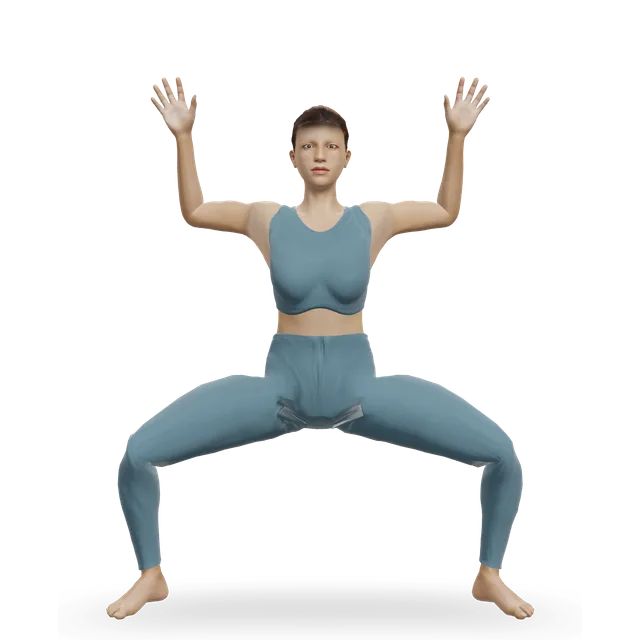
The adductor programme that cut groin problems used one exercise with three levels; our Pilates for footballers guide describes it building from side-lying hip adduction to the Copenhagen. Yoga's shallow goddess pose works the inner thigh; deep wide-legged stretches don't strengthen it.

Source 8

With a strain, follow your rehab first

With a hamstring or groin strain, follow our hamstring strain or groin strain guide rather than a yoga class, and leave out deep stretches of that muscle until your rehab allows.

Hips and groin: range you can control

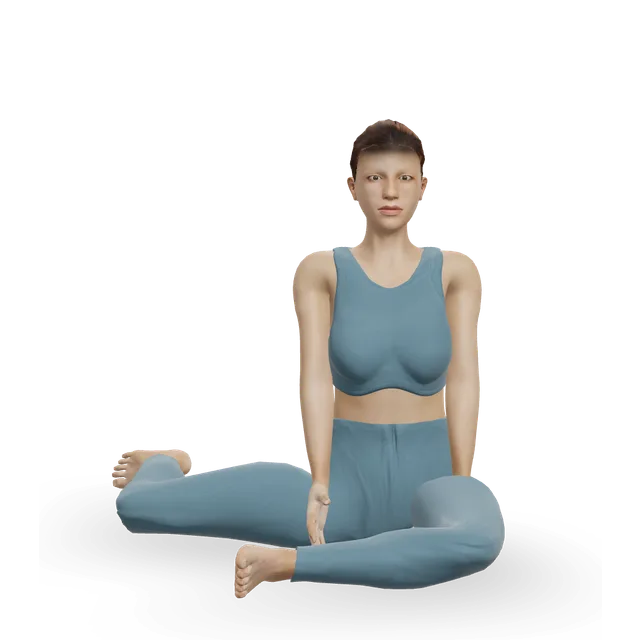
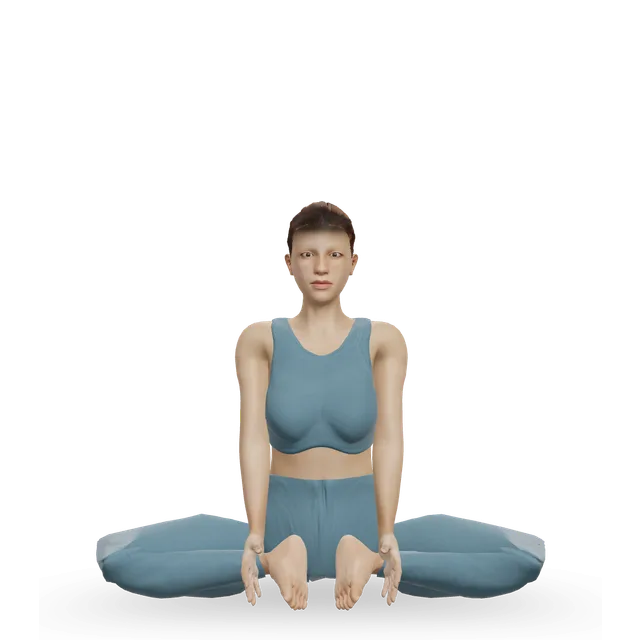
Low lunge: 45 seconds each side (our yoga for runners class). Lizard: 30 to 60 seconds each side, 2 rounds, coming out if the front of the hip pinches (the move's page). 90/90 lift-off: 3 holds of 5 to 8 seconds each way, each side (the move's page). Goddess pose: 3 holds of 3 breaths, kept shallow with groin pain (our yoga for dancers class). Bound angle: 60 seconds, without pushing your knees down (our yoga for hips class).

Hamstrings: load first, then gentle length

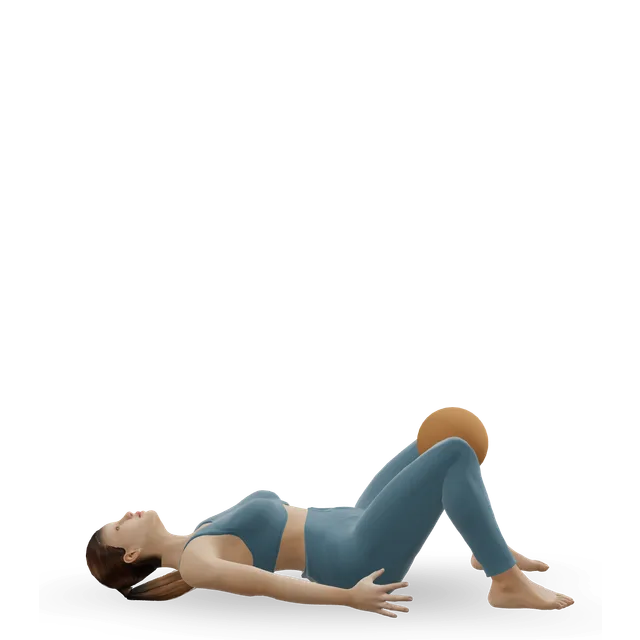
Warrior III, hands on a chair: 3 breaths each side, twice (our yoga for dancers class), left alone while a hamstring injury settles. Single-leg glute bridge: 8 to 10 each side (our strength yoga workout). Strap hamstring stretch: 45 seconds each side at a mild pull, about 3 out of 10 (our yoga for runners class).

Balance and trunk

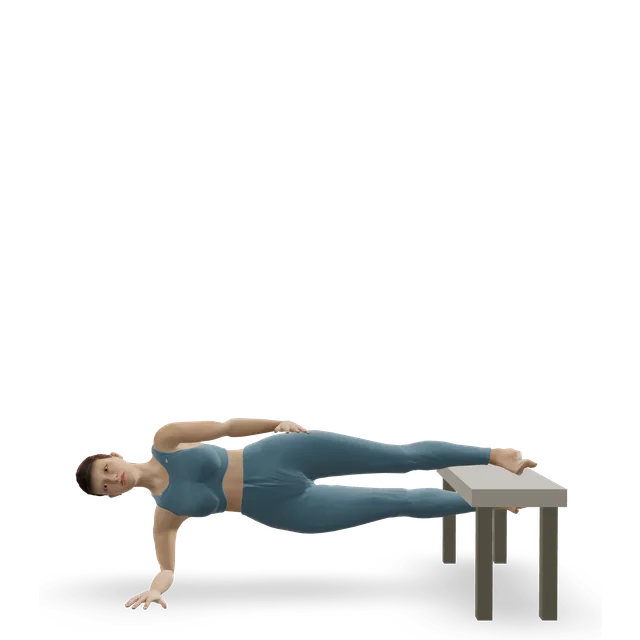
Single-leg stand: 2 sets of 30 seconds on each leg; side plank on your forearm with the lower knee bent, then straight: 3 sets of 20 to 30 seconds each side; forearm plank: 3 sets of 20 to 30 seconds (the FIFA 11+, level 1). Tree pose: 3 to 5 breaths each side, twice (our yoga for dancers class). Chair pose: 3 holds of 30 to 45 seconds (our strength yoga workout).

Before training: flow, not holds

Sun salutation: 2 to 5 minutes inside your warm-up, with holds under 30 seconds (our yoga for athletes guide). World's greatest stretch: 4 slow reps each side, 1 or 2 rounds (the move's page).

Wind down

Slow breathing: 2 minutes, or at least 5 on its own (the move's page). Reclined figure four: 45 seconds each side; legs up the wall: 2 minutes (our yoga for runners class). Lying twist: 45 seconds each side (our strength yoga workout). Corpse pose: at least 5 minutes, up to 10 (the move's page).

Keep doing these: the programmes with the evidence

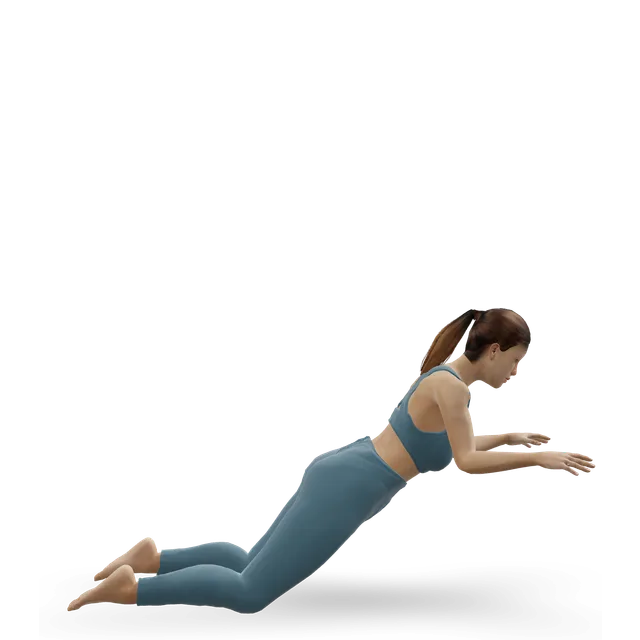
These aren't yoga. Nordic curl: 1 set of 3 to 5 at level 1, 7 to 10 at level 2 and 12 to 15 at level 3 (the FIFA 11+). Copenhagen plank: as in our hamstring and groin programme, not while the groin is acutely painful (the move's page). Adductor ball squeeze: 5 to 10 holds of 5 to 10 seconds (our groin strain guide).

Poses to change or leave out

These follow the stretching evidence, our athletes, hamstrings and hip openers guides and the move pages' cautions.

Long holds before training or a match

Keep holds under about 30 seconds before playing, then move. Long holds belong after training or on recovery days.

Source 14

Forcing splits and deep folds

Don't push into the sitting bone or the groin in standing splits, deep forward folds or wide-legged folds. The wide-angle fold's move page: "Groin strains happen when people force the legs wider than they are ready for."

With a hamstring or groin strain

Leave out warrior III, pyramid, wide-legged folds and deep goddess pose until your rehab allows, and stop at once for a sudden sharp pain or pop.

Knee pain or a pinch in the hip

Swap pigeon for reclined figure four with knee pain, and ease off a deep fold, lunge or twist that brings a sharp pinch deep in the groin (our hip openers guide).

After a head knock

No head-down poses or upside-down poses until you're cleared to return (our yoga for athletes guide).

Source 15

Headstands and handstands

Not needed for football, and hand, shoulder and head stands are the practices most often linked with acute yoga injuries.

Source 32

Free classes

Do our 25-minute class once or twice a week on a recovery day or after training, not in the hour before a match (our editorial starting point). Keep the 11+ before every training session, and the Nordic and Copenhagen exercises in the hamstring and groin programme.

Yoga for footballers: a 25-minute recovery-day class for hips, groin, hamstrings and balance

Twenty-five minutes of yoga for footballers: hip and groin range you control, hamstring holds, single-leg balance and side planks, then gentle stretches and rest.

25 minBeginner17 movesA wall

FIFA 11+ warm-up

FIFA's 11+ injury prevention warm-up as its manual sets it out: running drills, strength, balance and jumping at three levels, then faster running.

20 minBeginner20 movesCardio machine, A wall

Hamstring and groin injury prevention

The Nordic hamstring and Copenhagen adduction programmes from the football trials: a 10-week build, three adductor levels, then once a week in season.

15 minIntermediate6 movesA wall, An anchor point

Recovery-day Pilates for footballers: a 25-minute class for trunk, groin, hips and hamstrings

A 25-minute Pilates class for footballers: trunk control, the groin and outer hips, hamstrings with the hip extended, and balance, for recovery days.

25 minBeginner17 movesOther / check instructions, A wall

Yoga for runners: 20 minutes after a run or on a rest day

A 20-minute yoga cool-down for runners: calves, hip flexors, hamstrings and glutes, one balance pose and a rest, after an easy run or on a rest day.

20 minBeginner11 movesA wall

Yoga for tight hips

A hip-opening yoga sequence: low lunge, lizard, goddess, pigeon, bound angle and happy baby.

25 minBeginner10 movesA wall

Yoga for balance: a 30-minute standing class, from steady to moving

Thirty minutes of standing yoga for balance: strong standing poses, one-leg poses at the wall, and side steps, backward steps, reaches and sit-to-stands.

30 minBeginner16 movesA wall, A bench or box

Active recovery workout

A 25-minute easy session for rest days and sore muscles: easy cardio, a gentle mobility flow, optional rolling for sore spots, and slow breathing to finish.

25 minBeginner11 movesCardio machine, A wall

Strength alongside football

Two strength sessions a week in pre-season and one in season, as our football guide suggests.

Warning signs: when to get help

These follow our Pilates for footballers, football and ankle sprain guides word for word. This is general information, not a diagnosis. A&E means accident and emergency; in the US, call 911 for 999.

A pop at the back of the thigh

Same day: a pop near the sitting bone, a large bruise high on the back of the thigh, or you cannot put weight on the leg. The tendon may have pulled away from the bone, which needs assessing before you start these exercises.

Get help from NHS 111 if you think you've injured your hamstring and it's very painful, or the pain is getting worse; there's a large amount of swelling or bruising, or the swelling or bruising is getting worse; it hurts to walk or stand using the injured leg; your leg feels very stiff or is difficult to move; it's not feeling any better after treating it yourself; or you have a very high temperature or you feel very hot, but also cold and shivery, which could be signs of an infection.

Source 33

A pop high on the inner thigh

A pop high on the inner thigh, then a large bruise, a dent or a gap you can feel, and weakness squeezing the legs together, can be a complete tear of the adductor longus tendon: get it checked within days, as our inner thigh pain guide says.

A knee injury

Go to A&E (accident and emergency) if you've injured your knee and it has changed shape, it becomes very swollen very quickly, you felt a pop or snap, you can see bone sticking out, or it's bleeding heavily. Don't drive yourself: ask someone to take you, or call 999 if the pain means you can't move your leg to get there.

Get advice from NHS 111 now: you cannot move the knee or put any weight on it, or it is very painful, badly swollen or has changed shape, or it locks, gives way or clicks painfully. A pop, quick swelling and a knee that gives way point to an ACL injury: our ACL injury guide says what to do.

Source 34

An ankle injury

Call 999 or go to A&E: after an injury, you heard a crack, the foot or ankle has changed shape or points at an odd angle, a bone is sticking out, there is a bad cut over it, you're in severe pain, or the toes look blue or white, feel numb or are cold to touch. These can mean a broken bone. Don't drive yourself.

Same day (NHS 111 or an urgent treatment centre): after an injury, you can't put weight on it or walk more than a few steps, the pain is very bad or getting worse, there is a lot of swelling or bruising or it is getting worse, it feels very stiff, or it's not feeling any better after treating it yourself. Get the same help if you also have a very high temperature, or feel hot, cold or shivery: this could be an infection. If you think it's broken, don't treat it yourself.

Source 35

A head injury

Call 999 if someone has hit their head and has been knocked out and hasn't woken up, can't stay awake or keep their eyes open, has a fit, has fallen from a height of more than 1 metre or 5 stairs, has problems with their vision or hearing, has clear fluid coming from their ears or nose, has new numbness or weakness, has problems with walking, balance, understanding, speaking or writing, hit their head at high speed, or their behaviour has changed. Get help from NHS 111 if they're being sick, feel dizzy or take medicine that thins the blood. If you're told to go to A&E (accident and emergency), don't drive yourself there if you have hit your head.

With a suspected concussion, if in doubt, sit them out. The UK's grassroots guidelines say no sport for at least 24 hours, get checked by a healthcare professional or NHS 111 within 24 hours, follow a staged return, and no competition before day 21; if symptoms last beyond 28 days, stay out of sport and see a doctor. Yoga waits too: gentle breathing fits the early, light-activity stages, and no head-down poses or inversions until you're cleared (our reading). Our concussion guide has the stages.

Sources 36, 15

Chest pain or fainting while exercising: call 999

Call 999 if:

  • You get sudden pain or discomfort in your chest that doesn't go away; it can feel like squeezing or pressure, burning or indigestion.
  • The pain spreads to your left or right arm, or your neck, jaw, stomach or back.
  • You have chest pain and feel sweaty, sick, light-headed or short of breath.
  • Someone faints while exercising, can't be woken within 1 minute, or has chest pain or a pounding, fluttering or irregular heartbeat.

Sources 37, 38

During practice

Stop a stretch at the first sharp pull high at the back of the thigh or in the groin, and "Ease off a deep fold, lunge or twist that brings a sharp pinch deep in the groin" (our hip openers guide).


Myths

"Yoga prevents football injuries"Mixed evidence

No study has counted injuries after yoga in footballers. What prevents injuries is the 11+, the Nordic and adductor programmes and balance training; yoga can sit alongside them.

Sources 12, 5

"Stretching prevents hamstring strains"Strong evidence

Across 25 trials stretching didn't prevent sports injuries, while strength training did. International stretching experts agree.

Sources 9, 10

"The more flexible you are, the safer you are"Emerging evidence

Tighter hamstrings were a weak risk factor with little value for predicting injury, and age and a previous injury matter most. One older study found slightly tighter muscles before injury, so flexibility isn't irrelevant, just a small part.

Sources 27, 28, 26

"Top players do yoga, so it works"Mixed evidence

Player and club stories aren't studies. We found no trial that counted injuries after yoga in any sport (our yoga for athletes guide).

Source 12

"Legs up the wall drains waste so you recover faster"Mixed evidence

No study has tested it. Of 41 recovery studies in football, none tested yoga, and stretching doesn't speed recovery.

Sources 30, 10

"A long stretch before the match warms you up"Strong evidence

Holds of 60 seconds or more per muscle take a little off your sprint and jump just afterwards. FIFA keeps static stretching for the end of training.

Sources 14, 11

"Yoga makes you faster"Mixed evidence

Rugby players who did yoga kept their hamstring flexibility but didn't sprint faster. No football study has measured speed after yoga.

Source 25

Questions people ask

Is yoga good for footballers?

It can help with hip and groin range you control, balance, trunk strength and winding down, but no study has counted injuries after yoga in footballers. Use it alongside the FIFA 11+ and strength work, which have the injury evidence.

Does yoga prevent football injuries?

Not on any evidence yet. Stretching programmes don't prevent sports injuries, while strength, balance and multi-part programmes do, and the 11+ cut injuries by 39% across 4 trials.

Can yoga prevent hamstring injuries?

It hasn't been shown to. The hamstring exercise with prevention trials is the Nordic, linked with about half as many hamstring injuries, though the strictest analysis finds the effect uncertain. Yoga holds that make the hamstrings work, such as warrior III and single-leg bridges, are a better yoga choice than deep folds.

What are the best yoga poses for football players?

Low lunge and lizard for the front of the hip, goddess pose and 90/90 lift-offs for hip control, warrior III and single-leg bridges for the hamstrings, single-leg stands and side planks from the 11+, then gentle hamstring and hip stretches. Our 25-minute class puts them in order.

Should footballers do yoga before or after training?

A few minutes of moving yoga inside your warm-up is fine, with holds under 30 seconds. Holds of 60 seconds or more per muscle just before explosive work cost a little performance, so keep longer holds for after training or recovery days.

Does yoga help recovery after a match?

Possibly for winding down: 15 minutes of yoga after hard intervals slowed breathing faster than stretching in one small trial. No study has tested yoga for soreness or recovery in football, and stretching doesn't speed recovery.

Is yoga good for groin pain?

With a groin strain, follow our groin strain guide: the programme that prevents groin problems strengthens the inner thigh, which cut them by 41%. Once you're pain-free, a shallow goddess pose and a gentle bound angle can be part of your routine; don't force wide-legged stretches.

Do professional footballers do yoga?

Some players and clubs say so, but that's anecdote, not evidence that it prevents injuries. The professional evidence is for the 11+, Nordic and adductor programmes.

Will yoga make me more flexible, and does it matter?

Probably: a college soccer team gained about 4.6 cm on the sit-and-reach test after 10 weeks of yoga. But more flexibility hasn't been shown to prevent injuries, so aim for range you can control rather than as much as possible.

Is yoga or Pilates better for footballers?

Neither has been tested for injuries in footballers. Pilates suits trunk and hip control, and yoga suits mobility and winding down. Either fits on a recovery day, after the 11+ and strength work.

How often should footballers do yoga?

Once or twice a week, on recovery days or after training; the soccer study used two hour-long classes a week for 10 weeks. Keep it away from the hour before a match.

When should a footballer stop and get help?

Stop at a pop at the back of the thigh or in the groin and get it checked. Go to A&E for a knee that pops and swells fast, and call 999 for a crack or a changed shape. After a head knock, if in doubt, sit them out, and call 999 for chest pain or fainting while exercising.

Sources

  1. Ekstrand 2011 · Injuries in elite European men's football over 7 seasons (cohort study, Br J Sports Med)
  2. López-Valenciano 2020 · Injuries in professional men's football: 44 studies (systematic review and meta-analysis, Br J Sports Med)
  3. Ekstrand 2011 · Muscle injuries in professional football: 2,908 injuries (cohort study, Am J Sports Med)
  4. Ekstrand 2023 · Hamstring injuries in men's professional football over 21 seasons (cohort study, Br J Sports Med)
  5. Thorborg 2017 · The FIFA 11 and 11+ programmes: 6 cluster trials (systematic review and meta-analysis, Br J Sports Med)
  6. van Dyk 2019 · Programmes with the Nordic hamstring exercise: 15 studies, 8,459 athletes (systematic review and meta-analysis, Br J Sports Med)
  7. Impellizzeri 2021 · A reappraisal of the Nordic hamstring exercise meta-analysis (methods review, J Clin Epidemiol)
  8. Harøy 2019 · The adductor strengthening programme in men's football: 652 players (cluster randomised trial, Br J Sports Med)
  9. Lauersen 2014 · Exercise to prevent sports injuries: 25 trials, 26,610 people (systematic review and meta-analysis, Br J Sports Med)
  10. Warneke 2025 · Practical recommendations on stretching (international expert consensus, J Sport Health Sci)
  11. FIFA Medical Assessment and Research Centre (F-MARC) · The 11+: a complete warm-up programme to prevent injuries (manual, archived copy)
  12. PubMed · Search for yoga in footballers and team sports: 31 records, none counting injuries (29 October 2026)
  13. Polsgrove 2016 · Ten weeks of yoga, flexibility and balance in college athletes (controlled study, Int J Yoga; full text read)
  14. Behm 2016 · Stretching just before activity and performance (systematic review, Appl Physiol Nutr Metab)
  15. UK Government and Sport and Recreation Alliance 2024 · UK concussion guidelines for non-elite (grassroots) sport, November 2024 update
  16. Montalvo 2019 · ACL injury risk in football: 28 studies (systematic review and meta-analysis, Br J Sports Med)
  17. Crossley 2020 · Injury prevention programmes in women's football: 12 trials, 11,773 players (systematic review and meta-analysis, Br J Sports Med)
  18. Soligard 2008 · The 11+ warm-up in 1,892 girls' football players (cluster randomised trial, BMJ)
  19. Petersen 2011 · Eccentric hamstring training in 942 Danish men's footballers (cluster randomised trial, Am J Sports Med)
  20. van der Horst 2015 · The Nordic hamstring exercise in 579 amateur footballers (randomised trial, Am J Sports Med)
  21. Al Attar 2022 · Balance training and ankle injuries in football: 9 studies, 4,959 players (systematic review and meta-analysis, J Physiother)
  22. de Vasconcelos 2018 · Balance training and ankle sprains in athletes: 12 studies (systematic review and meta-analysis, Clin Rehabil)
  23. Arbo 2020 · Ten weeks of yoga in 31 college footballers (study without a comparison group, Int J Yoga; full text read)
  24. Yu 2026 · Yoga before training, sport anxiety and mental energy in 468 adolescent footballers (cross-sectional study, Acta Psychol)
  25. Raj 2021 · Eight weeks of yoga, hamstring flexibility and sprinting in rugby players: 31 players (controlled trial, Int J Yoga)
  26. Witvrouw 2003 · Muscle flexibility and muscle injuries in 146 professional footballers (cohort study, Am J Sports Med)
  27. van Dyk 2018 · Hamstring and ankle flexibility and hamstring injury: 438 professional footballers (cohort study, Am J Sports Med)
  28. Green 2020 · Risk factors for hamstring strain: 78 studies, 71,324 athletes (systematic review and meta-analysis, Br J Sports Med)
  29. Petviset 2025 · Yoga or static stretching after interval training: 20 athletes (crossover trial, Int J Exerc Sci)
  30. Vatne 2025 · Recovery methods in football players: 41 studies (systematic review, Sports)
  31. Rudisill 2023 · Preventing hamstring injuries: 108 trials (systematic review and meta-analysis, Am J Sports Med)
  32. Cramer 2019 · Harms from yoga: 1,702 German practitioners (national survey, BMC Complement Altern Med)
  33. NHS · Hamstring injury
  34. NHS · Knee pain
  35. NHS · Sprains and strains
  36. NHS · Head injury and concussion
  37. NHS · Chest pain (past its review date: reviewed August 2023, review due August 2026)
  38. NHS · Fainting

Exercise education, not a personal prescription, and clinical review of these guides is pending. If you are pregnant, have a health condition such as glaucoma, high blood pressure or osteoporosis, or have had recent surgery, check with a doctor, midwife or physiotherapist before starting, and stop for sharp or increasing pain. Health disclaimer.