Pilates guide

Pilates after a knee replacement: when to start, kneeling, bending and building strength

Pilates can help after a knee replacement, alongside the exercises your physiotherapist gives you. Many Pilates basics, such as heel slides, bridges and side-lying leg lifts, are the same moves as your rehabilitation, and in two small trials, adding Pilates-based or core exercises to standard rehabilitation improved balance, function and quality of life.

The main changes are about kneeling and deep bending. Kneeling hasn't been shown to harm a new knee, but it's what people find hardest, and the NHS says to wait until your doctor says you can. Your surgical team's advice comes first.

This guide covers when to start, getting the bend and the straightening back, kneeling in class, building strength and balance, the reformer and the warning signs that need help. Our knee replacement guide covers the rehabilitation stages.

The short version

Pilates goes alongside your physiotherapy

NICE (the National Institute for Health and Care Excellence) wants rehabilitation from the day of surgery or within 24 hours, and a 2026 US physical therapy guideline recommends progressive strength training from the early weeks, plus balance training. Pilates is one way to keep doing that once your team agrees.

Sources 1, 2

Small trials, encouraging results

Adding 6 weeks of Pilates-based exercise to standard rehabilitation improved balance and physical quality of life in 34 people, and adding core stability exercises by video call improved function, pain and strength in 42. A surgeon's case series used modified mat Pilates in 17 knees without problems.

Sources 3, 4, 5

Get the bend and the straightening back early

Stairs and chairs need about 90° to 120° of knee bend. One NHS trust warns that scar tissue tightens over the first 6 weeks and that after 3 months flexibility is very hard to improve, so keep up your daily bending and straightening exercises, and don't sleep with a pillow under the knee.

Sources 6, 7, 8

Kneeling: wait for the go-ahead, then use a cushion

The NHS says don't kneel on the new knee until your doctor says you can. After that, studies haven't shown kneeling harms it, though it's often uncomfortable: start on something soft and keep it short. Many people who think they can't kneel can when tested or taught.

Sources 8, 9, 7, 10, 11

Timings are a guide, not a rule

Our synthesis of an NHS trust leaflet, a Pilates professional body's advice, the case series and a survey of European knee surgeons: lying and seated Pilates moves that match your exercises once you're home, a class from about 6 weeks, and the reformer with moderate springs. No study has tested this, and your own team's advice comes first.

Sources 7, 12, 5, 13

No twisting, jumping or wobble boards early

The NHS says avoid twisting your knee, a Pilates professional body says no standing on wobble cushions early, and one NHS trust discourages jumping for the long term. Its pain rule: "A moderate ache that settles quickly is acceptable, severe pain that takes hours to settle is not".

Sources 8, 12, 7

Your new knee, and where Pilates fits

The operation

A knee replacement swaps the worn ends of the thigh and shin bones, and sometimes the back of the kneecap, for metal and plastic parts; a partial replacement replaces only one side and usually recovers faster. Most people go home 1 to 4 days after the operation, have a check at about 6 weeks and try walking without an aid from about then.

Source 8

Three jobs

Get the knee straight, get it bending, and rebuild the strength and balance that arthritis and surgery took away. Stairs and chairs need about 90° to 120° of bend, and getting out of a bath about 135°.

Sources 2, 7, 6

Where Pilates fits

Many Pilates basics are the same movements as the leaflet exercises: heel slides, bridges, side-lying leg work and tightening the thigh with the knee straight. The two small trials added Pilates-based or core exercises to standard rehabilitation, not in place of it.

Sources 7, 3, 4

Why kneeling matters in Pilates

Kneeling is the activity people find hardest after a knee replacement: 60% to 80% report difficulty, often because of pain, numbness around the scar or fear of harming the implant. Many Pilates classes kneel: all fours, the knee hover, kneeling side kicks and the reformer's knee stretches.

Sources 9, 12

What the trials show

Pilates-based exercise improved balance in one small trialEmerging evidence

In Turkey, 46 people were randomised after a knee replacement and 34 analysed: 6 weeks of Pilates-based exercise added to a standard programme improved balance (13.6 points more on the 56-point Berg balance scale) and physical quality of life more than the standard programme alone. The summary doesn't describe the Pilates exercises, and a quarter of the people weren't analysed.

Source 3

Core stability exercise improved functionEmerging evidence

In 42 people, core stability exercises by video call for 8 weeks and by phone for 4 more, added to standard exercises, improved function, pain, straightening, quality of life, chair-stand strength and stair climbing more than standard exercises alone. Knee bend didn't differ. This was core stability work rather than Pilates by name, in one small trial.

Source 4

A case series without problemsMixed evidence

A surgeon's case series included 17 knee replacements (average age 55) using modified mat Pilates from within 2 weeks of leaving hospital, with deep-bend moves such as rolling like a ball left until 6 months or later; there were no adverse events. A 2019 review judged that Pilates needs more study before it joins standard programmes.

Sources 5, 14

Strength and balance training are recommendedStrong evidence

The 2026 US guideline recommends progressive strength training from the early weeks after surgery to improve function, strength and range, and balance training. NICE wants a home programme with support. Pilates moves map onto these jobs, which is our reading rather than something the trials tested.

Sources 2, 1

Most people get back to activityEmerging evidence

Across 45 studies, 85% went back to physical activity or sport, after a median of about 4 months (very low certainty). European knee surgeons recommended yoga from 6 to 12 weeks after the operation, and in a survey of 257 Australians, yoga was among the activities people most often went back to.

Sources 15, 13, 16

When to start, and how to build up

A typical timeline

This is our synthesis of an NHS trust leaflet, a Pilates professional body's advice for instructors, the case series and a survey of European knee surgeons. No study has tested it, and your own team's advice comes first.

  • From day 1: your home exercises. Heel slides, quad sets and straight-leg raises are already Pilates-friendly moves.
  • Once you're home and your team agrees: lying, side-lying and seated Pilates moves that match your exercises. The case series started within 2 weeks, with an instructor.
  • From about 6 weeks, after medical clearance and once your wound has healed: a beginner mat or reformer class, with moderate springs and a limited knee bend on the reformer at first. The Pilates professional body suggests this once about 6 weeks of outpatient physiotherapy is done.
  • From about 6 to 12 weeks: European knee surgeons recommended yoga from this point.
  • From about 3 months: fuller classes. One NHS trust allows golf from 8 to 12 weeks, starting with chipping and putting.
  • Kneeling: only once your team says you can, then on something soft.

Sources 1, 7, 5, 12, 13

Let the next day guide you

One NHS trust: "A moderate ache that settles quickly is acceptable, severe pain that takes hours to settle is not". Swelling can last 3 months or more, so raise your leg after a session if it puffs up, and drop back a step if it swells more than usual (our suggestion).

Source 7

Getting the bend and the straightening back

How much bend you needEmerging evidence

In 20 older adults, walking and slopes needed less than 90° of knee bend, stairs and chairs 90° to 120°, and getting out of a bath about 135°. The researchers suggested 110° as a rehabilitation goal.

Source 6

Stretch early

One NHS trust asks you to hold the bend for 8 to 10 seconds, 5 to 10 times, because "the scar tissue will tighten up in the first 6 weeks" and "After 3 months it becomes very difficult to improve flexibility".

Source 7

Get it straight too

Don't sleep with a pillow under your knee, as the NHS advises. Quad sets with a small towel under the heel, not the knee, and a hamstring stretch help the knee straighten.

Sources 8, 7

In Pilates terms

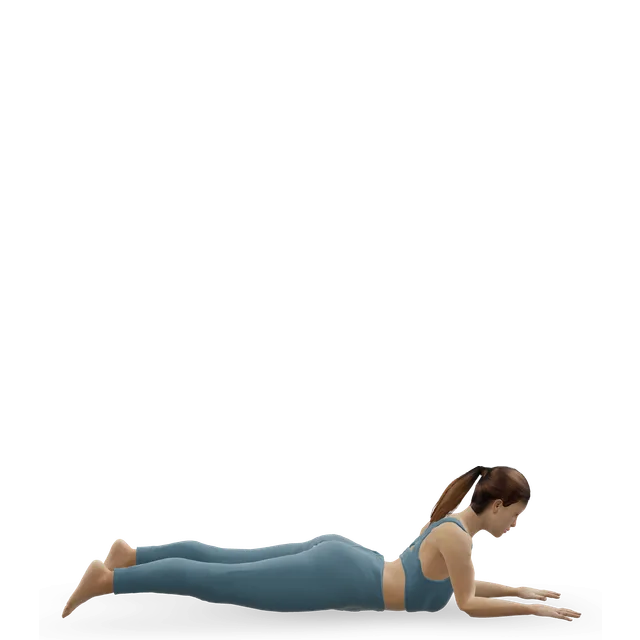
Choose moves that use the bend you have, such as heel slides and the single-leg kick lying face down, and don't force a kneeling or deep-squat position to get the bend back (our suggestion). If your knee isn't bending to about 90°, or isn't getting straight, by around 6 weeks, tell your physiotherapist or surgical team now: stiffness is easier to treat early (our threshold, from NHS trust leaflets).

Source 7

Kneeling in Pilates

Wait for your team's go-aheadStrong evidence

The NHS says don't kneel on your new knee until your doctor says you can.

Source 8

Kneeling hasn't been shown to harm a new kneeEmerging evidence

A review found "no evidence that there is any clinical reason why patients should not kneel on their replaced knee", and one NHS trust tells patients that kneeling won't harm the replacement. It is often uncomfortable, though, and some people never find it comfortable.

Sources 9, 7

Many people can kneel when they tryEmerging evidence

In 122 people, 81% could kneel when observed, though only 37% thought they could; in 307 knees, everyone who completed a simple kneeling programme could then kneel, though many of those eligible didn't take part; and in a trial after partial replacement, teaching kneeling improved it a year later.

Even so, across 36 studies only about 37% could kneel at a year and 48% at 3 years or more, and in 888 knees in Singapore, 64% couldn't kneel at a year.

Sources 10, 11, 17, 18, 19

A cushion helpsEmerging evidence

Once the scar is comfortable and your team agrees, one NHS trust suggests kneeling on something soft, such as the bed, then on a firmer surface with a cushion or pad. In a study of 60 people, a thick pad that spreads the pressure meant no one found kneeling impossible or extremely difficult. In class, use a folded mat or cushion and keep kneeling short, as a Pilates professional body advises padding or limiting kneeling.

Sources 7, 20, 12

Reformer Pilates after a knee replacement

What a Pilates professional body advisesMixed evidence

Pilates Association Australia, a professional body for instructors, gives this advice for clients after a knee replacement. It hasn't been tested:

  • Footwork with a moderate spring, and the stopper set so the knee bends only as far as is comfortable.
  • Side-lying leg work on the carriage.
  • Feet in straps, but frogs and bicycles "may twist the knee".
  • Knee stretches kneeling on the carriage "can often be too painful"; the scooter is an alternative.
  • No standing on a wobble cushion or disc early, because of the risk of twisting the knee.

Source 12

Cues matterEmerging evidence

In a lab study, reformer leg pushes could be done with two different patterns of muscle use, depending on how people pushed the footbar. Ask your teacher to watch how you push.

Source 21

Straighten and bend

Use your leaflet's doses (one NHS trust holds quad sets and straight-leg raises for a slow count of 5 to 10, 5 to 10 times), keep nothing under the knee, and kick through a smaller range if deep bending hurts.

Strength for your hips and thighs

Start with 8 slow repetitions of each (our editorial starting point; the hundred's page starts at 50 beats), build sit-to-stands towards 3 sets of 8 to 10 (editorial), and keep your knees in line with your toes without twisting.

Balance, stairs and stretching

On a firm floor, holding a counter or banister: one NHS trust builds single-leg balance to 20 to 30 seconds and step-ups to 5 to 10, and holding the hamstring stretch for 30 seconds is our editorial starting point.

What to change or leave out

Kneeling moves

The knee hover, kneeling side kick, bird dog, cat-cow and other all-fours work: wait until your doctor says you can kneel, then use a folded mat or cushion and keep it short. Meanwhile, do the side kick lying down, the dead bug in place of the bird dog, and cat-cow sitting on a chair.

Sources 8, 7, 12

Deep knee bends

Rolling like a ball, the seal, rocking and child's pose need a deep knee bend, and the case series kept rolling like a ball for 6 months or later. Leave them until bending and kneeling are comfortable.

Source 5

Side-sitting

Side-sitting for the mermaid bends and twists the knee: sit on a chair instead, as the move's page suggests.

Twisting and wobbly surfaces

Avoid twisting on a planted foot, as in hip airplanes and standing hip circles, and standing on wobble cushions, early on.

Sources 8, 12

Jumping

One NHS trust discourages jogging, jumping and contact sport after a knee replacement: skip jump squats and the reformer jump board.

Source 7

How Pilates fits with your physiotherapy

Your programme first

NICE recommends a home programme with support for most people, and supervised rehabilitation for people who struggle; the US guideline adds progressive strength and balance training. Keep doing your physiotherapy exercises every day, and use Pilates to add to them once your team agrees.

Sources 1, 2

Tell your teacher

The NHS advises getting advice from a healthcare professional before following its Pilates videos if you've recently had an operation. Tell your Pilates teacher about your knee and whether you've been cleared to kneel; one NHS trust suggests going back to the gym with "a personalised programme developed by someone who understands the limitations of your new knee".

Sources 22, 7

The rehabilitation stages

Our knee replacement guide sets out the stages from the hospital bed to golf, with the doses NHS leaflets use, and our kneeling guide covers kneeling in everyday life.

Classes to follow

Our suggested pairing: your physiotherapy exercises daily, and the knee pain class, which has no kneeling, 2 or 3 times a week once your physiotherapist agrees, adding heel slides and the single-leg kick for bend; walk or use a static bike on other days.

A plan

Once everyday activity is back, usually after about 3 months, a week of strength, balance and walking.

Warning signs

Call 999 or go to A&E

Call 999 or go to A&E if breathing suddenly becomes difficult, if pain in your chest or upper back comes on suddenly with breathlessness or a very fast heartbeat, or if someone passes out. Do not drive yourself. It can be a blood clot that has reached the lungs.

Source 23

Urgent GP appointment or NHS 111

  • Throbbing or cramping pain in your leg (a clot usually hurts in the calf or thigh): ask for an urgent GP appointment or get help from NHS 111. It could be a blood clot.
  • A high temperature, or feeling hot, cold or shivery, or redness, tenderness, swelling or pain in the knee that is not getting better or is getting worse: ask for an urgent GP appointment or get help from NHS 111. These can be signs of an infection.
  • Oozing or pus from the wound: ask for an urgent GP appointment or get help from NHS 111. If you feel unwell or feverish and the wound looks infected, go to A&E.
  • Your knee suddenly becomes very painful, you cannot move it or put weight on it, or it is badly swollen or has changed shape, for example after a fall: get advice from NHS 111 now.

Sources 23, 24

Tell your physiotherapist or team soon

  • The knee is not bending to about 90°, or not getting straight, by around 6 weeks, or it was moving well and is getting stiffer: tell your physiotherapist or surgical team now rather than waiting for a routine appointment. Stiffness is easier to treat early. (The 6-week check is our threshold, built from NHS trust leaflets.)
  • Exercise pain that takes hours to settle, keeps waking you, or builds week on week: ease off and tell your physiotherapist.
  • New or worsening pain, a limp or loss of function months or years after the operation: see your GP, who should refer you back to the orthopaedic team.

Source 7

During Pilates

One NHS trust: "If you experience sharp pain, stop the activity immediately, and if symptoms persist contact your GP for advice." If the knee swells more after a session, drop back a step (our suggestion), and avoid twisting on it.

Sources 7, 12

Myths

"You must never kneel after a knee replacement"Mixed evidence

A review found no clinical reason not to kneel on a replaced knee, and most people tested or taught could kneel. Wait for your team's go-ahead, then start on something soft.

Sources 9, 10, 11, 17, 8

"Kneeling will damage the new knee"Mixed evidence

It hasn't been shown to. Discomfort, numbness around the scar and fear are the usual reasons people don't kneel, and a thick pad that spreads the pressure helped in one study.

Sources 9, 7, 20

"Pain after Pilates means you're damaging the new knee"Mixed evidence

An ache that settles quickly is expected; severe pain that takes hours to settle means do less next time. The US guideline builds exercise up while avoiding too much swelling, pain or lingering soreness.

Sources 7, 2

"You need a reformer for real Pilates after a knee replacement"Mixed evidence

The case series used mat Pilates, and the core stability trial was done at home by video call. The reformer helps by letting you set springs and range, but it isn't needed.

Sources 5, 4, 12

"If the knee is stiff at 3 months, a Pilates class will loosen it"Emerging evidence

One NHS trust warns that flexibility becomes "very difficult to improve" after 3 months. A knee that isn't bending to about 90° by around 6 weeks needs your team, not a class.

Source 7

Questions people ask

Can I do Pilates after a knee replacement?

Yes, alongside your physiotherapy, once your team agrees. In two small trials, adding Pilates-based or core stability exercises to standard rehabilitation improved balance, function and quality of life more than standard exercise alone. The exercises your physiotherapist gives you come first.

When can I start Pilates after a knee replacement?

Your rehabilitation starts on day 1, and many Pilates basics, such as heel slides, bridges and side-lying leg lifts, are the same moves. A Pilates instructors' professional body suggests classes after medical clearance, usually once about 6 weeks of outpatient physiotherapy is done. Your own team's advice comes first.

Can I kneel in Pilates after a knee replacement?

Wait until your doctor says you can, as the NHS advises. Kneeling hasn't been shown to harm the replacement, though it's often uncomfortable: once you're cleared, start on something soft, use a cushion or folded mat, and keep kneeling short. Many people who think they can't kneel can when taught.

Why is kneeling so hard after a knee replacement?

It's the activity people find hardest: 60% to 80% report difficulty, often because of pain, numbness around the scar or fear of harming the implant. A thick pad that spreads the pressure let people who couldn't kneel do it comfortably in one study.

Which Pilates exercises should I avoid after a knee replacement?

Early on, leave out kneeling moves until you're cleared, deep knee bends such as rolling like a ball and child's pose, twisting on a planted foot, standing on wobble cushions and jumping. Swap them for lying, side-lying, seated and standing versions.

Will Pilates help my knee bend after a replacement?

It can help you keep the bend you've regained, with moves like heel slides and the single-leg kick. In the first weeks, your daily bending and straightening exercises matter most: one NHS trust warns that after 3 months flexibility is very hard to improve. Stairs and chairs need about 90° to 120° of bend.

Is reformer Pilates good after a knee replacement?

It can be: a Pilates professional body suggests footwork with a moderate spring and the stopper set so your knee bends only as far as is comfortable, plus side-lying legwork. It says knee stretches kneeling on the carriage are often too painful, with the scooter as an alternative. This advice hasn't been tested.

Is Pilates enough after a knee replacement, or do I need weights too?

Progressive strength training is recommended after a knee replacement. Pilates bridges and side-lying work help, but add sit-to-stands, step-ups and, later, light weights; our knee replacement guide has the stages.

Is it normal for my new knee to ache after Pilates?

An ache that settles quickly is fine; severe pain that takes hours to settle means do less next time. Swelling can last 3 months or more, so raise your leg after a session if it puffs up.

Can I do Pilates after a partial knee replacement?

Usually yes, often sooner: recovery from a partial replacement is usually shorter, and kneeling tends to come back more easily. Follow your own team's timeline.

Can I do yoga after a knee replacement instead of Pilates?

European knee surgeons recommended yoga from 6 to 12 weeks after a knee replacement. The same care with kneeling and deep knee bends applies.

When should I stop and get help after a knee replacement?

Sudden difficulty breathing, or chest or upper back pain with breathlessness, is a 999 call. Throbbing or cramping leg pain, a high temperature, an oozing wound, or knee redness, swelling or pain that's getting worse needs an urgent GP appointment or NHS 111.


Sources

  1. NICE NG157 · Joint replacement (primary): hip, knee and shoulder (guideline, 2020)
  2. Bove 2026 · Physical therapist management of knee replacement (US clinical practice guideline, Phys Ther; recommendations read in full)
  3. Karaman 2017 · Pilates-based exercise added to standard rehabilitation after a knee replacement in 34 people (RCT, Physiother Theory Pract)
  4. Süzer 2025 · Core stability exercise by video call after a knee replacement in 42 people (RCT, Physiother Theory Pract)
  5. Levine 2009 · Modified mat Pilates after 22 hip and 17 knee replacements (case series, Clin Orthop Relat Res; read in full)
  6. Rowe 2000 · How much knee bend daily life needs: 20 older adults (lab study, Gait Posture)
  7. Royal Berkshire NHS Foundation Trust · Advice and exercises after a total knee replacement (physiotherapy leaflet, 2024)
  8. NHS · Recovering from a knee replacement
  9. Wylde 2019 · Kneeling ability after total knee replacement (narrative review, EFORT Open Rev)
  10. Hassaballa 2004 · Observed and self-reported kneeling after knee replacement in 122 people (study, Knee Surg Sports Traumatol Arthrosc)
  11. Wallace 2019 · Most patients can kneel after knee replacement: 307 knees (study, J Arthroplasty)
  12. Pilates Association Australia · Helping a client who has had a total knee replacement (instructors' professional body, 2017)
  13. Thaler 2021 · Sports recommended after knee replacement by European knee surgeons (survey, Knee Surg Sports Traumatol Arthrosc)
  14. Shimarova 2019 · Rehabilitation approaches after knee replacement (narrative review in Russian, Vopr Kurortol Fizioter Lech Fiz Kult)
  15. Braz 2026 · Return to activity and sport after knee replacement: 45 studies (systematic review and meta-analysis, Knee Surg Sports Traumatol Arthrosc)
  16. Sarrami 2025 · Return to sport after knee replacement in 257 Australians (survey, Arch Orthop Trauma Surg)
  17. Jenkins 2008 · Teaching people to kneel after partial knee replacement (single-blind RCT, Phys Ther)
  18. Nadeem 2021 · Kneeling after knee replacement: 36 studies (systematic review and meta-analysis, Knee Surg Relat Res)
  19. Sethi 2026 · Kneeling and squatting a year after knee replacement: 888 knees (cohort study, J Arthroplasty)
  20. Watamori 2025 · A pressure-spreading pad for kneeling after knee replacement in 60 people (study, J Exp Orthop)
  21. Cantergi 2015 · Muscle use in reformer leg extensions in 15 people (lab study, J Electromyogr Kinesiol)
  22. NHS · Pilates for beginners (exercise video, with safety information)
  23. NHS · Complications of a knee replacement
  24. NHS · DVT (deep vein thrombosis)

Exercise education, not a personal prescription, and clinical review of these guides is pending. If you are pregnant, have a health condition or have had recent surgery, check with a doctor, midwife or physiotherapist before starting, and stop for sharp or increasing pain. Health disclaimer.