Yoga is safe for most people, and the knee is a common place to feel itEmerging evidence
The US National Center for Complementary and Integrative Health (NCCIH) says the most common yoga injuries are sprains and strains, the parts of the body most often injured are the knee or lower leg, and serious injuries are rare. In US emergency departments the lower limb (the knee, lower leg, ankle, thigh and foot together) was 21.9% of yoga injuries, behind the trunk, with the highest rates in people aged 65 and over. In trials, yoga was about as safe as usual care and other exercise, and across observational studies 1.9% of problems were serious.
In the German survey, about a third of acute problems with a known site were in the leg (read from the paper's figure); in vigorous Ashtanga practitioners, the knee was one of the three commonest injury sites; and in Canadian emergency data, mostly children and teenagers, the lower limb was 42% of 67 yoga injuries over 20 years. Japanese class-goers, more than half over 60, reported joint pain after a class in 4.9%, and most problems were mild and didn't stop them taking part. Against that, in 9,151 women in their 60s, those who did yoga had no more knee or other joint problems than those who didn't. No study has counted knee pain caused by yoga on its own.
Sources 1, 2, 3, 4, 5, 6, 7, 8, 9
Which posesEmerging evidence
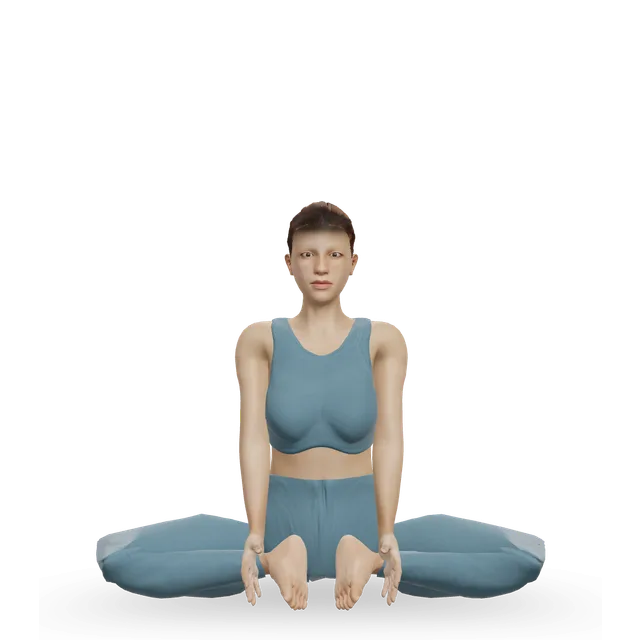
In an Australian survey, lotus and half lotus were linked with 5.3% of injuries, behind headstands and shoulder stands. Teachers and clinicians in a survey of 1,336 believed the knee was most often injured in warrior I and II, hero pose, pigeon and lotus; that is opinion, from a low response rate. The German survey's authors suggest that positions needing long kneeling or deep knee bending put large loads on the knees, an idea they didn't test.
Sources 10, 11, 5
Lotus and deep bends with the shin turned: the evidence is thin and mixedMixed evidence
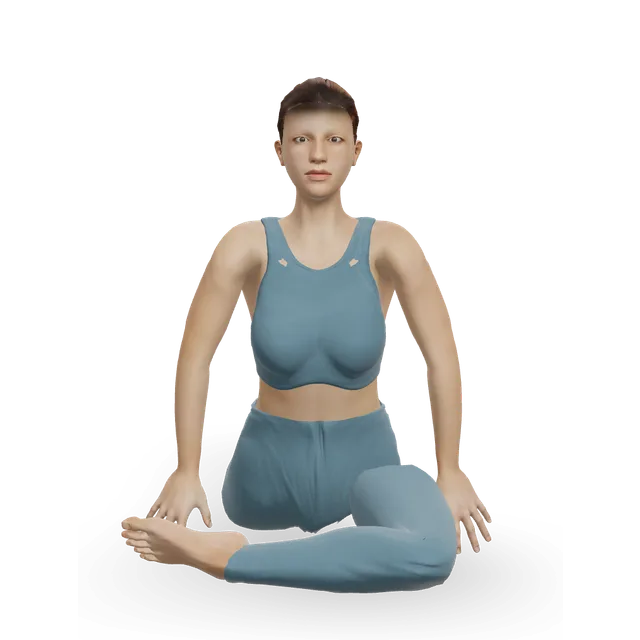
Our lotus and hero pose move pages explain the worry: if the hips don't turn out far enough, the knee twists to make up the difference, and a deeply bent knee that is also twisted squeezes the back of the meniscus. How often this causes harm is unclear. A review of observational studies found a higher chance of meniscus injury in people who do yoga (odds ratio 1.72), but that figure probably rests mainly on one study, in which daily yoga went with more meniscus changes on magnetic resonance imaging (MRI) scans than badminton, jogging or hill climbing in Chinese women; it measured scan changes, not symptoms, and named no poses.
Groups who sit in lotus every day showed no link: in Korean patients having surgery for a meniscus root tear, everyday lotus sitting and squatting didn't add to the risk, and in 261 Thai Buddhist monks, years of lotus sitting weren't linked with knee arthritis on X-ray (other groups). The published yoga case reports of lotus are a growth plate fracture in a 14-year-old and nerve injuries, not meniscus tears, and scans of 38 people with yoga injuries found 2 meniscus tears among them. So the sensible reading is to never force lotus, not to fear it.
Sources 3, 12, 13, 14, 15, 16
Kneeling, hero pose and the kneecapEmerging evidence
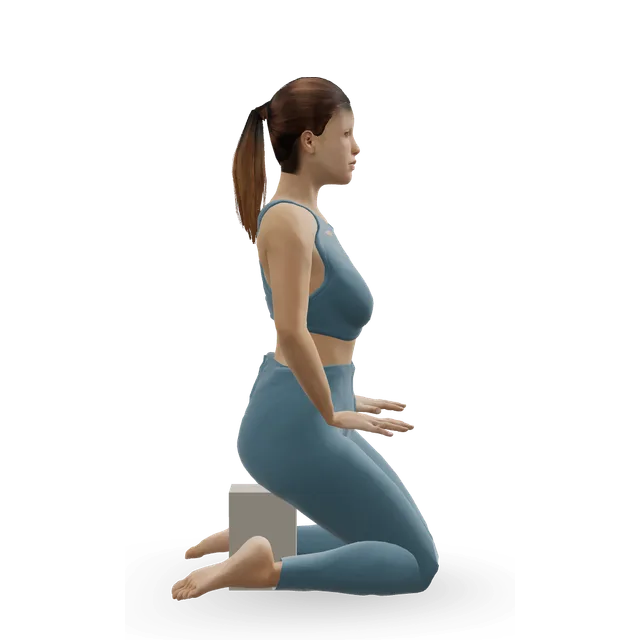
Kneeling puts weight through the front of the knee, and hero pose takes the knee to the end of its bend. In 16 healthy knees, the force through the joint was about 4,500 newtons rising from a full squat or from kneeling, several times body weight, but healthy cartilage spread it below the level thought to damage it. Once the thigh rests on the calf at full bend, part of the load bypasses the joint, so the peak is on the way into and out of a deep bend (our reading), which is why our move pages say use your hands to sit down and rise. The NHS notes that kneeling or bending makes the pain and swelling of bursitis worse.
Sources 17, 18, 19
Locked knees and the inner knee in standing posesEmerging evidence
Standing knees often sit a little past straight: in a sun salutation, trained practitioners stood with about 3 to 4 degrees of hyperextension. No study has measured knee pain from locking the knees in yoga; our hyperextended knee guide explains that knees that bend back are common and need control rather than more range.
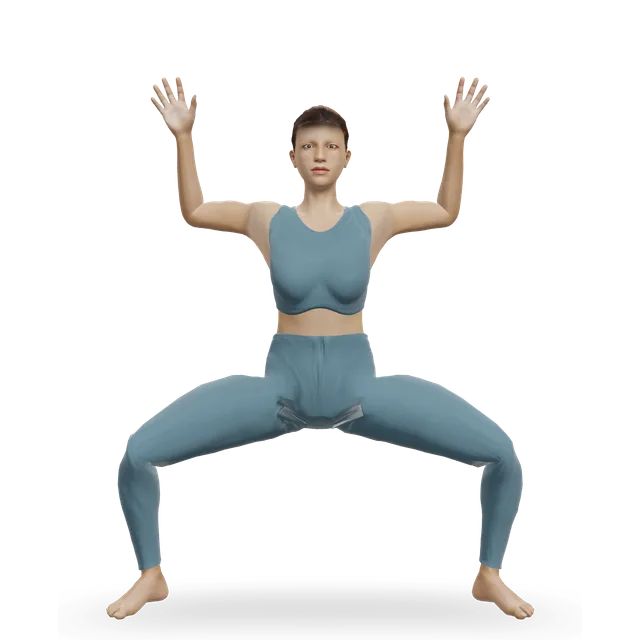
In 20 older adults, the back knee in warrior II took a sideways load 267% greater than the peak in walking, the largest of seven standing poses, and in 11 yoga instructors the back knee in warrior II took the largest sideways load of the standing poses measured. The two teams read the direction of that load differently, so linking it to inner knee pain is our reading, not a tested fact. In healthy young women, a wide squat (goddess) and an upright lunge put the least load on the inner knee of six standing poses, and a one-leg balance the most. Chair pose works the thigh hard with little sideways load.
Sources 20, 21, 22, 23, 24
Telling the causes apart, and when a scan mattersEmerging evidence
A general practitioner (GP) or physiotherapist asks which poses bring it on and where exactly it hurts, then examines the joint line, the kneecap and how the knee bends and straightens. The NHS sorts knee pain after an injury by pattern: a knee that is unstable, gives way when you try to stand or won't straighten, perhaps with a pop at the time, suggests a torn ligament, tendon or meniscus; without an injury, a warm, red knee made worse by kneeling or bending suggests bursitis. The American Academy of Orthopaedic Surgeons (AAOS) lists the common signs of a meniscus tear as pain, stiffness and swelling, catching or locking, the knee giving way, and not being able to move it fully, and notes that an awkward twist getting up from a chair can be enough to tear an ageing meniscus. Numbness or weakness of the foot after a pose is a nerve, not the joint.
For an ache after class that is settling, no scan is needed (our reading). An X-ray matters after a fall or if you can't take weight, but it won't show a meniscus tear; an MRI scan is the preferred test for a tear after an injury. Tears are common on the scans of knees that don't hurt, as our meniscus guide explains, so a scan matters most when it would change the plan: a locked knee, or catching that hasn't settled after about 3 months of exercise.
Sources 19, 25
How it usually goesEmerging evidence
No study has followed yoga practitioners with knee pain. Most aches from load settle within weeks of changing the poses (our reading); the NHS says you should start to feel better in a few days and to see a GP if knee pain doesn't improve within a few weeks.
Pressure on the nerve below the outer knee usually recovers: 16 farmworkers who squatted for hours a day all recovered without surgery, over about 7 weeks on average, and 7 of 8 others had good recovery by 6 months (other groups, with far longer daily positions than a yoga class). Damage to the sciatic nerve from habitual lotus sitting is a rare single case, and an inherited tendency to nerve pressure palsies makes these problems more likely. With knee arthritis, yoga eased pain about as much as strengthening exercise in the largest trial. No one can promise a date.
Sources 19, 26, 27, 28, 29, 30