A little lead foot flare and a slightly wider stance: lab evidence, not tested for painEmerging evidence
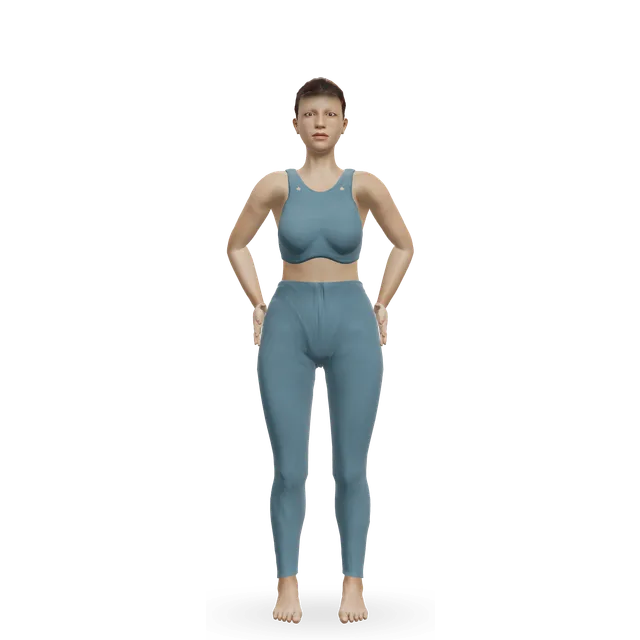
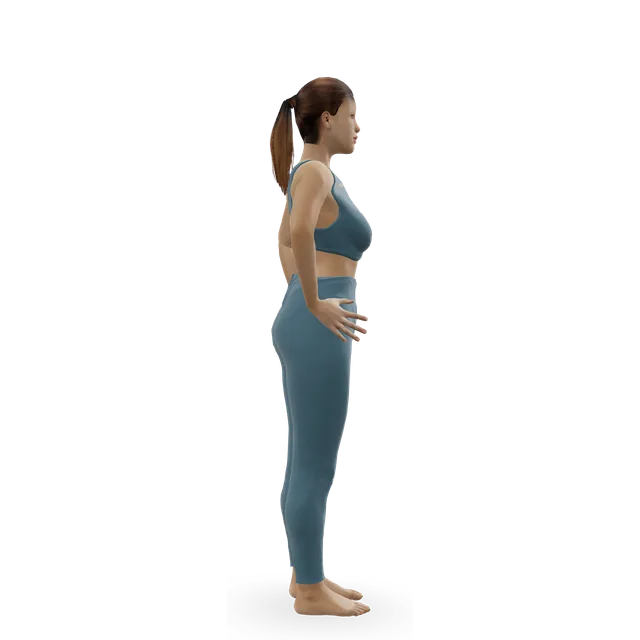
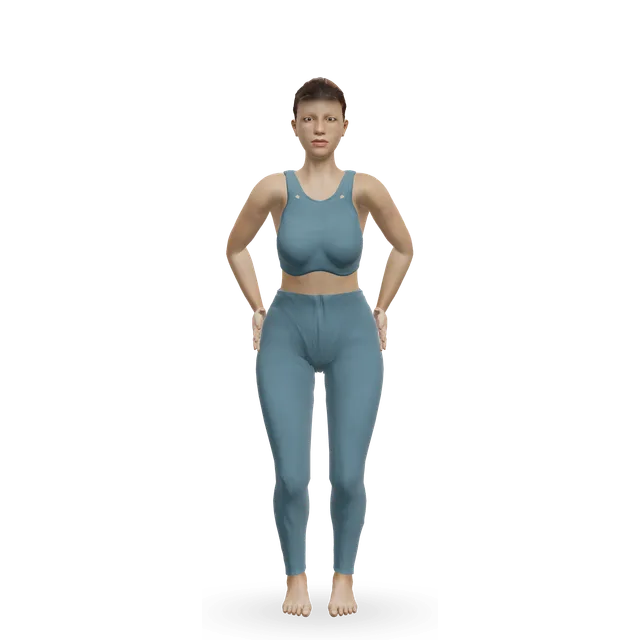
In 16 amateur golfers, an open (turned-out) lead foot cut the lead knee's twisting by 28%, its squeezing force by 5% and its twisting load by 9%. In 20 healthy adults, turning both feet out 30 degrees cut the lead knee's inner-knee load by about 30%, and a wider stance by about 23% (our arithmetic), without slowing the swing. In 7 college golfers a turned-out lead foot lowered the same load, and the authors advise it for inner knee problems in the lead leg. In 13 professionals, moving the ball about 4 cm away from the target cut that load by 11.5%, and a narrower stance and more sway towards the target went with higher loads.
These are small lab studies that measured knee loads, not pain. That a little flare (up to about 30 degrees) and a slightly wider stance should ease a sore lead knee is our reading of them. After a knee replacement, turning the foot out raised the knee's twisting with one implant design but not another, so ask your surgical team first.
Sources 20, 21, 8, 22, 23, 11
Fewer drivers, and less golf for a whileEmerging evidence
The driver loaded the lead knee most of four clubs tested, more play went with more injury in Australian amateurs, and heavy weekly play added risk in two studies. An NHS trust advises avoiding the driving range for up to 3 months after a knee replacement because the repetitive twisting can aggravate the knee. Short range sessions with wedges and short irons, fewer drivers and 9 holes before 18 are our suggestions built on these; none has been tested against knee pain.
Sources 20, 1, 2, 24
Spikes and golf shoes: untested for the kneeMixed evidence
On grass force plates, the lead foot twisted the turf harder than the back foot (peak twisting force about 17 to 19 against 6 to 7 newton metres), and metal and softer alternative spikes didn't differ; turf grip was the same whatever the shoe. These studies measured the shoe and the turf, not the knee. Softer or spikeless shoes are a reasonable try if a planted lead foot seems to twist your knee, but no study shows they help.
Sources 25, 9
Walk when you can; a buggy for sore spellsEmerging evidence
Walking 18 holes took about 12,000 steps in 42 golfers aged 30 to 80, and 11,000 to 17,000 against about 6,300 riding in a review. In 16 young tournament golfers, riding cut steps from about 17,000 to 6,300 without changing carry distance or club and ball speed.
In 10 golfers with inner-knee arthritis, a walked round gave far more moderate exercise (72% of the round against 33%) but raised knee pain by about 2.5 points out of 10 by the end, while a round with a buggy didn't; the authors call the buggy a good option when joint pain would otherwise stop you playing. An international consensus says walking the course is likely better for health than riding, for those who are able. Golfers returning after a knee replacement found a buggy helped them get back sooner.
Sources 26, 27, 28, 29, 30, 31
The warm-upEmerging evidence
An international consensus advises easy aerobic exercise, then golf-specific mobility, then practice swings. In a survey of 703 German golfers, warm-ups of at least 10 minutes went with fewer injuries, an association only. The AAOS says a warm-up is especially important if golf aggravates your arthritis.
Sources 30, 32, 33
Exercise is the treatment for arthritis and a worn meniscusStrong evidence
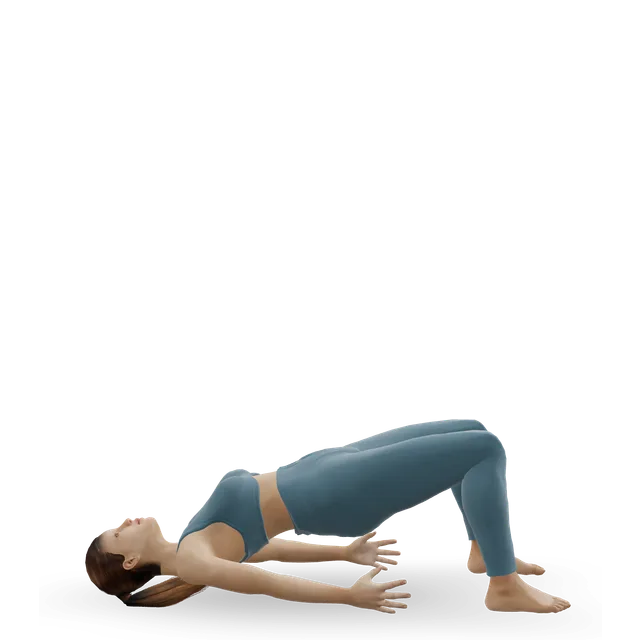
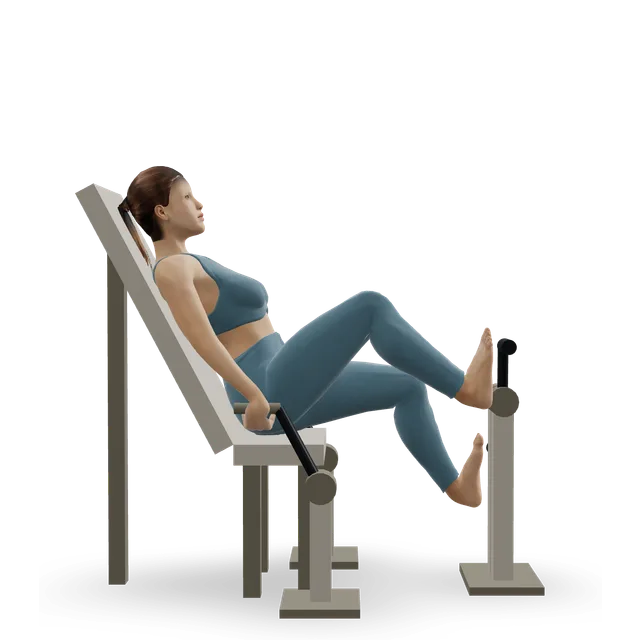
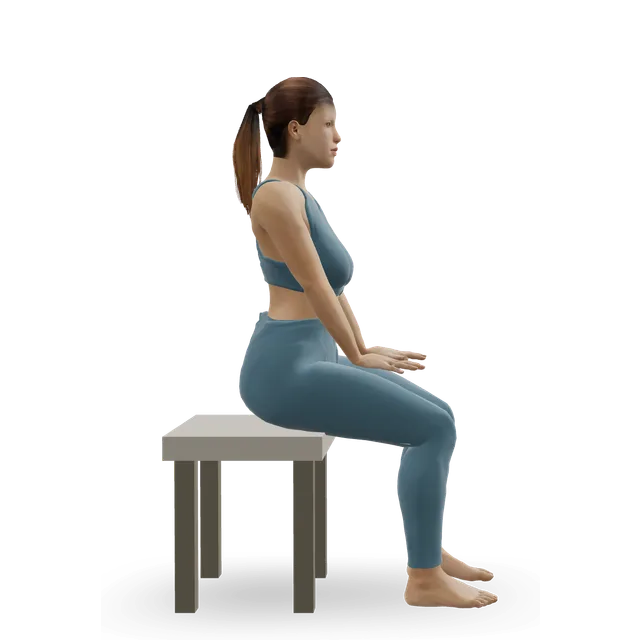
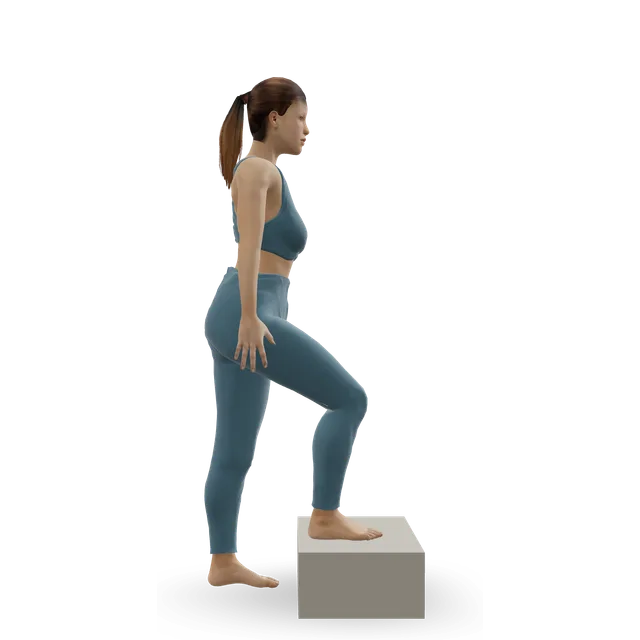
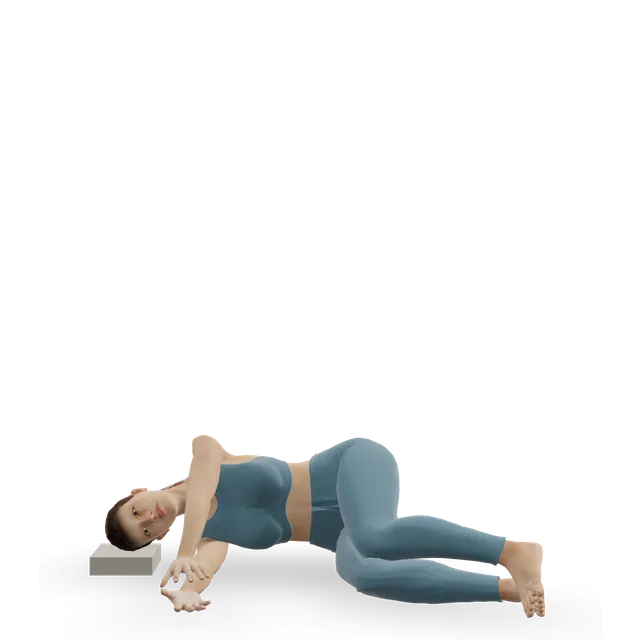
NICE says offer therapeutic exercise, such as local muscle strengthening and general aerobic fitness, to everyone with osteoarthritis, and explain that pain may rise at first. For a worn inner meniscus tear in 140 adults aged about 50, 12 weeks of supervised exercise did as well as keyhole surgery at 2 years, with better thigh strength at 3 months; 19% of the exercise group later chose surgery.
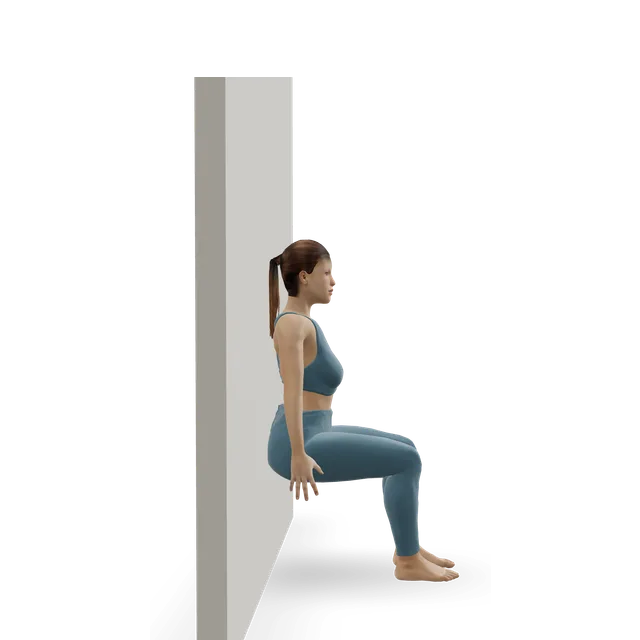
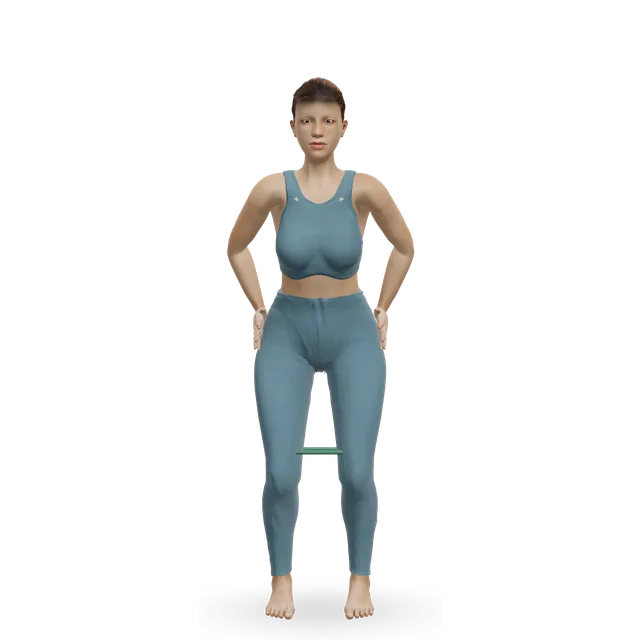
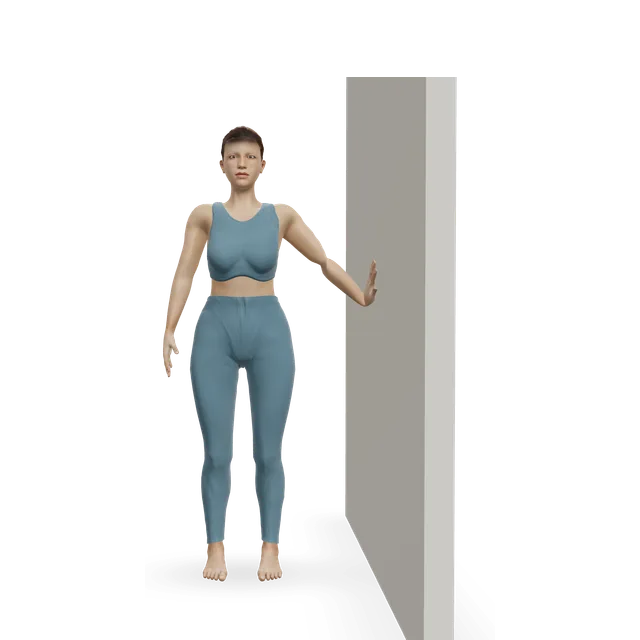
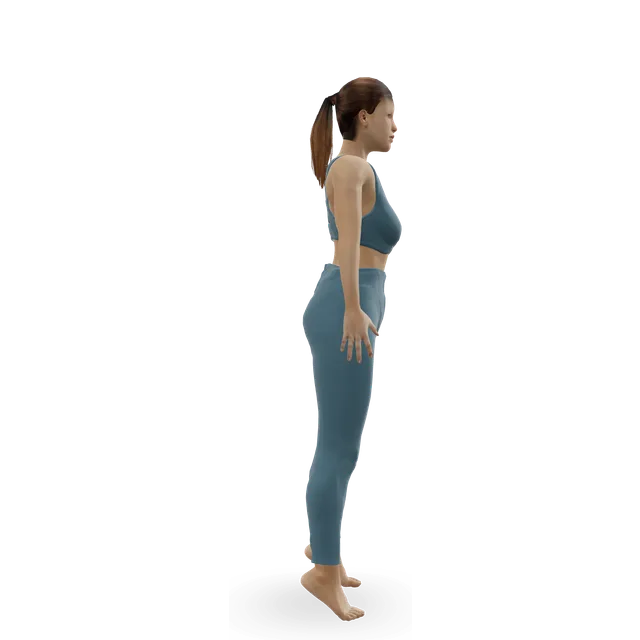
An NHS trust's meniscal tear leaflet, which covers worn tears too, gives the home exercises and doses the first two stages use, and NHS inform paces new exercises at 2 to 3 repetitions at a time. No trial has tested exercise for knee pain in golfers.
Sources 16, 34, 35, 36
Medicines, supports and keyhole surgeryStrong evidence
NICE says offer an anti-inflammatory gel (a topical NSAID) for knee osteoarthritis, use medicines alongside exercise, and don't routinely offer braces, tape or supports unless the joint is unstable and exercise alone isn't enough. An NHS trust says a knee support may help but ideally shouldn't be worn long term. For a new knee injury, the NHS suggests little weight on the knee at first, an ice pack wrapped in a tea towel for up to 20 minutes every 2 to 3 hours, and paracetamol or ibuprofen gel or tablets. Keyhole surgery rarely helps a worn meniscus tear, as our meniscus tear guide explains.
Sources 16, 35, 13
After a knee replacement: most golfers play againEmerging evidence
Across 23 retrospective studies, about 70% of golfers returned after a knee replacement (the range was wide, 39% to 100%), against 90% after a hip replacement, on average about 4 months after surgery. In 1,101 UK golfers with a knee replacement, from a study of 2,198 with an average age of 70, 92% kept up or increased their golf, a quarter were hitting irons at 6 weeks, 76% were back in club competitions at 6 months, 6% had persistent pain and 1.6% couldn't return. Other groups were back on an 18-hole course at 3.7 months, and 81.5% back at 5.3 months. In an older study, golfers with a lead-side replacement had more pain during and after play, and in another 86% used a cart afterwards.
An NHS trust starts golf 8 to 12 weeks after a knee replacement with chipping and putting before 9 or 18 holes, and the AAOS names golf among the lower-impact activities it prefers after one. After a partial knee replacement, golf was one of the four commonest activities people returned to. After an ACL reconstruction, one expert commentary proposes a return from putting to the course over many months, gated by thigh strength; it is opinion, not a trial. Your own surgical team's plan comes first.
Sources 37, 31, 18, 19, 38, 39, 24, 40, 41, 42