Change your practice first: professionals' reports and our readingEmerging evidence
No trial has tested a change to golf for wrist pain. European Tour professionals blamed hard ground and mats, and their doctors advise avoiding practice when the ground is hard and avoiding too much use of mats; a review links ECU tendon pain with hard practice mats and excessively hard ground. These are professionals' own reports, and in 1,170 amateurs the two wrists hurt about equally often. The NHS suggests resting the wrist when you can, ice, painkillers or ibuprofen gel, cutting down the activities that cause the pain and a splint, while keeping the hands moving with gentle exercises, and says don't grip anything too tightly. Two studies in a review found more injury in amateurs playing more than three or four rounds a week.
Fewer balls, shorter range sessions with rests, the ball teed up or hit off grass rather than mats, short game before long clubs, and avoiding shots near roots, rocks or hard-packed ground while it settles are our reading of those sources.
Sources 1, 15, 16, 3, 5
Grip, swing and clubs: untested for painEmerging evidence
Grip type changed wrist angles at every point of the swing in a lab study of 12 professionals, and higher-handicap golfers bent the lead wrist further towards the thumb; neither measured pain. A review lists swing changes among the first treatments, alongside rest, a splint and medicines. A lesson once you're playing again is our suggestion; changing your grip in the middle of a sore spell is not, since grip changes came before several hand stress injuries in grip athletes.
Graphite shafts lowered some forearm muscle activity late in the follow-through in 40 golfers, and shaft stiffness on its own made no meaningful difference to wrist movement in 20; neither measured injury. New clubs aren't a treatment. Keeping your clubs, with grips that aren't worn smooth or too thin to hold without squeezing, is our suggestion.
Sources 13, 12, 32, 33, 34, 35
Supports and tape: help for a few weeks, no golf studyEmerging evidence
No golf study has tested a brace or tape. In a pilot trial in 30 adults with little-finger-side wrist pain (not golfers), a support for that side helped pain, function and grip over 4 weeks against a placebo, and adding strengthening made no extra difference over that time. A review starts little-finger-side pain in athletes with a splint, load management, activity changes, strengthening the chain from the legs to the club, and pain relief. A splint or support for a few weeks while it is sore, and a light support or tape for golf as you come back, alongside the exercises, is our reading.
Sources 36, 28
ECU tendon and TFCC problems: a splint for some, then rebuildingEmerging evidence
A sore ECU tendon usually settles with rest, activity changes and a splint, or occasionally a short-arm cast, for about 3 weeks, then a structured strengthening programme; return to golf comes when movement and strength reach about 80% of the other side. A tendon that has slipped out of its groove after a strike on the ground needs a hand specialist early: it may be held in a cast for up to 6 weeks, and surgery is for the few injuries that need it. Reviews of athletes list exercise, splints and activity changes first.
An NHS hand clinic says TFCC injuries can happen when hitting a golf ball awkwardly, and most stable injuries are treated with a splint or cast for pain relief while they heal. Our TFCC tear guide has the plan for a diagnosed tear.
Sources 15, 29, 37, 17
A broken hook of the hamateEmerging evidence
The AAOS says treatment ranges from a cast or splint to surgery, and most operations remove the hook rather than trying to make it heal; after removal, people can often return to activity once the wound has healed, in about 3 to 4 weeks. Across 20 studies of 823 athletes, mostly baseball players, the average return to play was 45 days (21 to 168). In 81 people after removal, including 8 golfers, all of whom had broken the hook in the lead hand, the median return was 6 weeks, and 25% had complications, mostly short-lived tingling from the ulnar nerve; in 11 high-level amateur athletes, all were back at an average of 6 weeks. Fractures that had been missed for a while took a little longer (7.2 against 5.7 weeks).
Treated in a cast, hook fractures failed to heal in 24% of one series, while 16 people who chose 4 weeks in a cast and 8 in a splint all healed. A hook fracture that doesn't heal can rub through a finger tendon or irritate the ulnar nerve, which is why it is worth finding early.
Sources 18, 30, 38, 39, 40, 23, 31, 41, 32, 26
Exercise: little golf evidence, so the plan borrowsMixed evidence
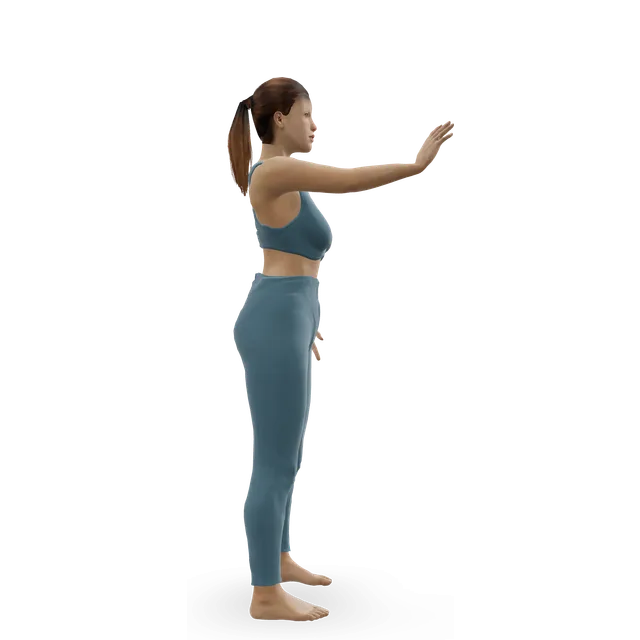
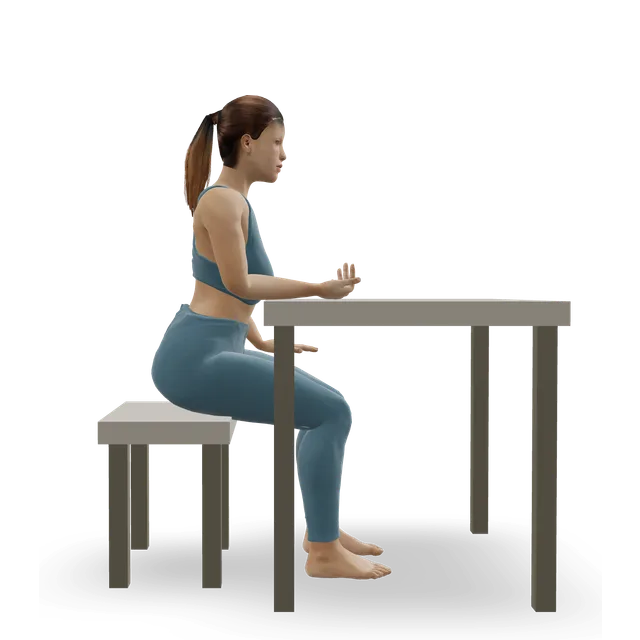
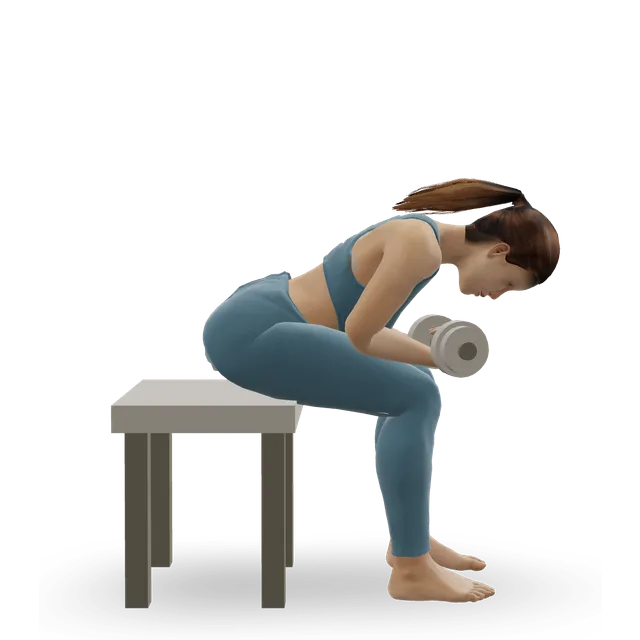
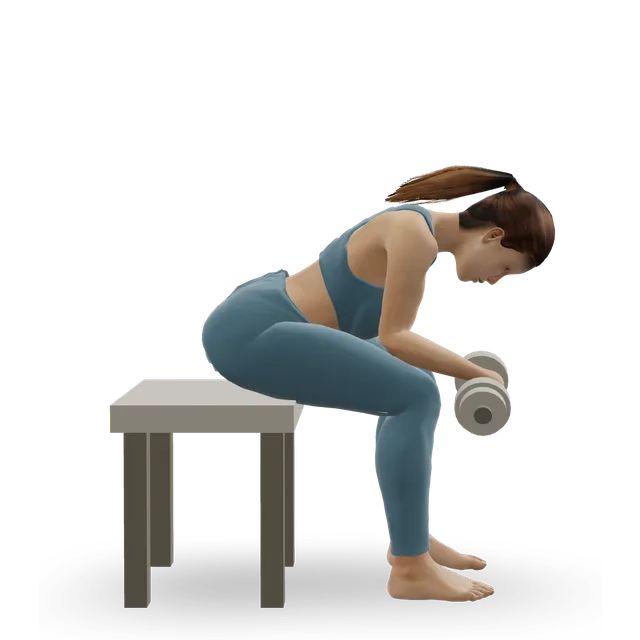
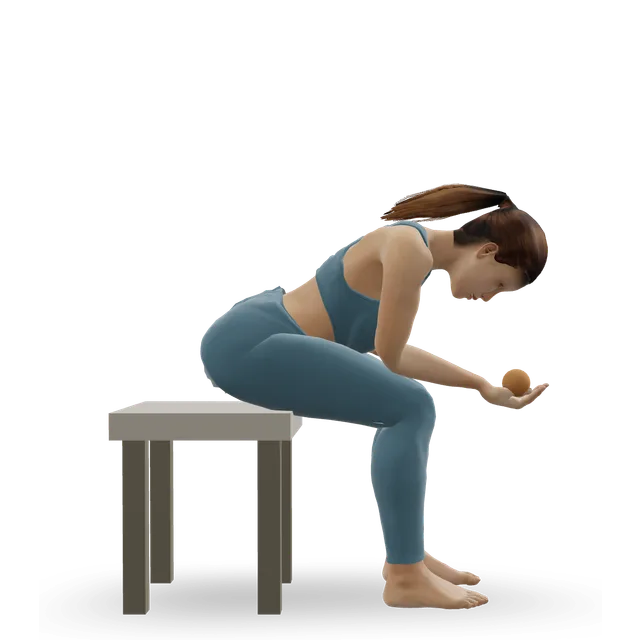
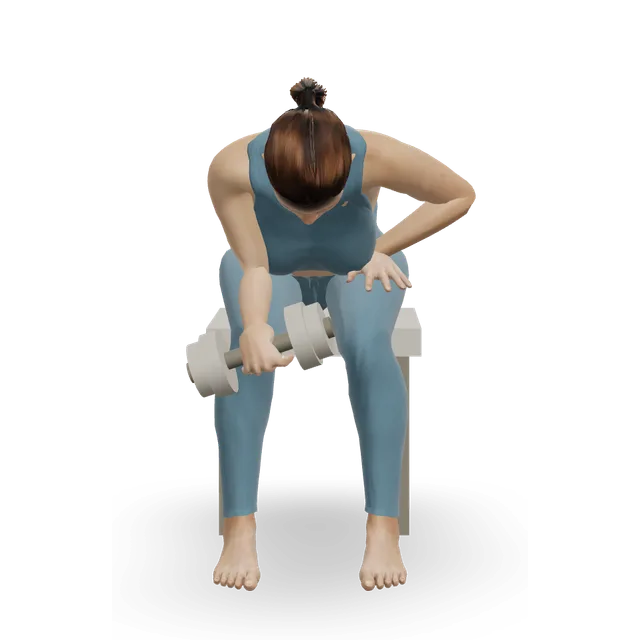
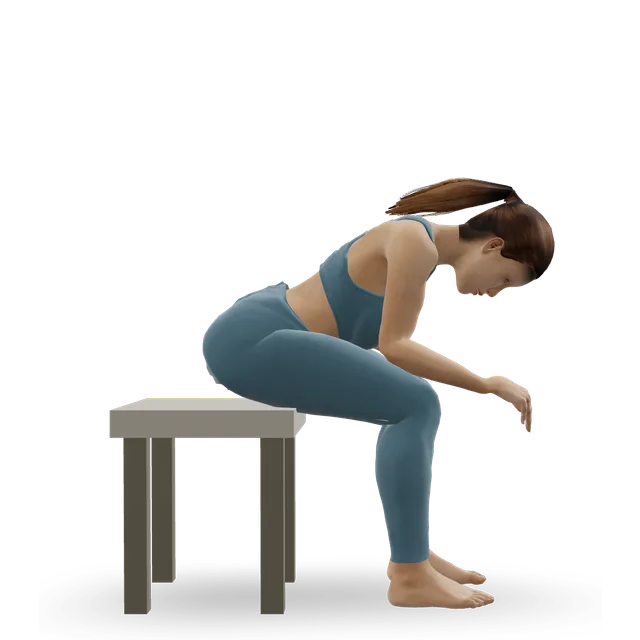
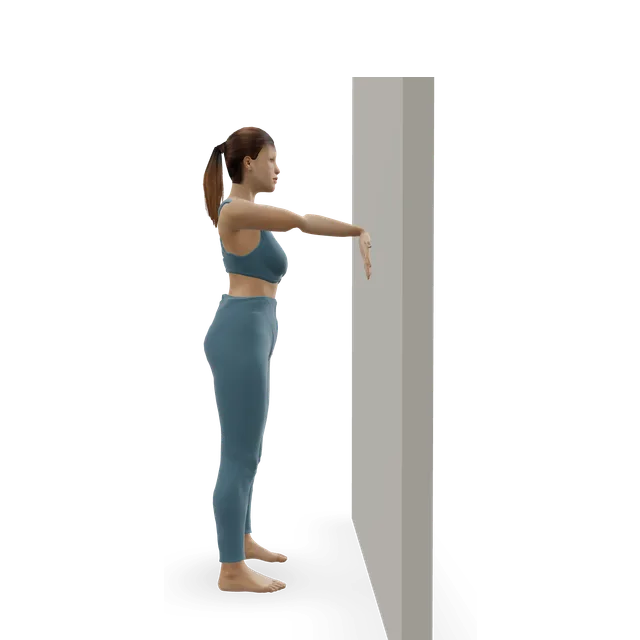
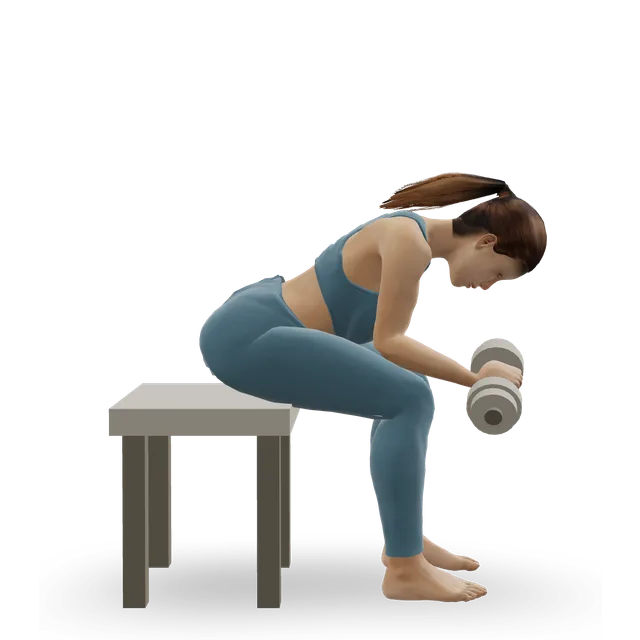
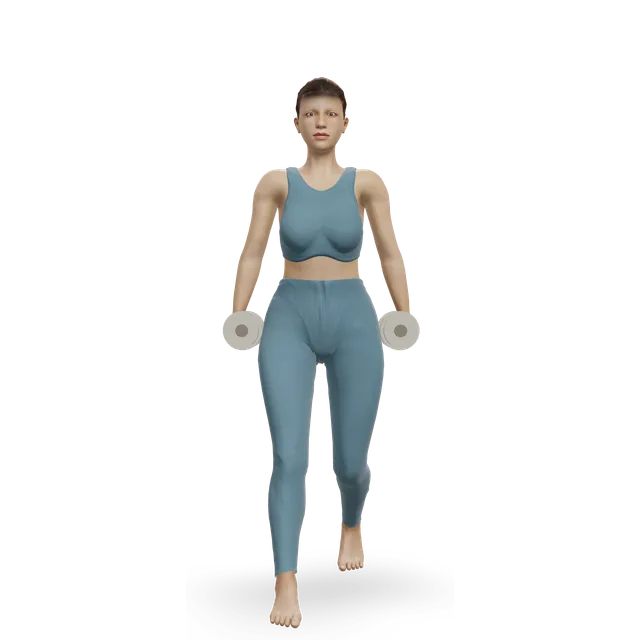
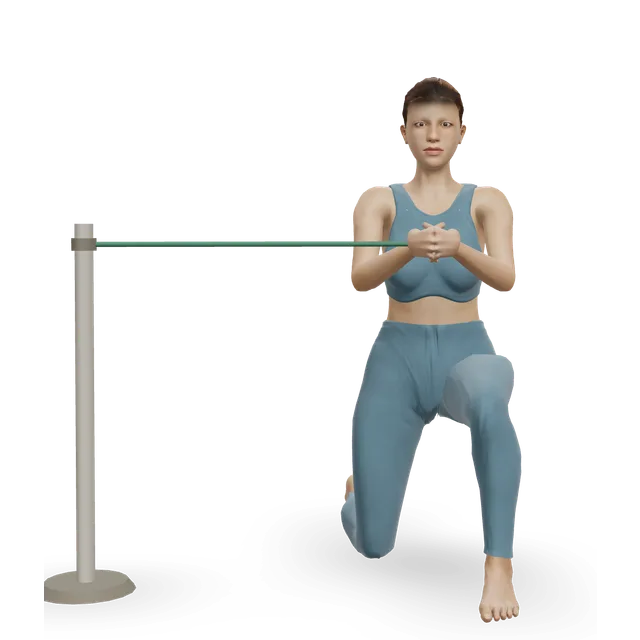
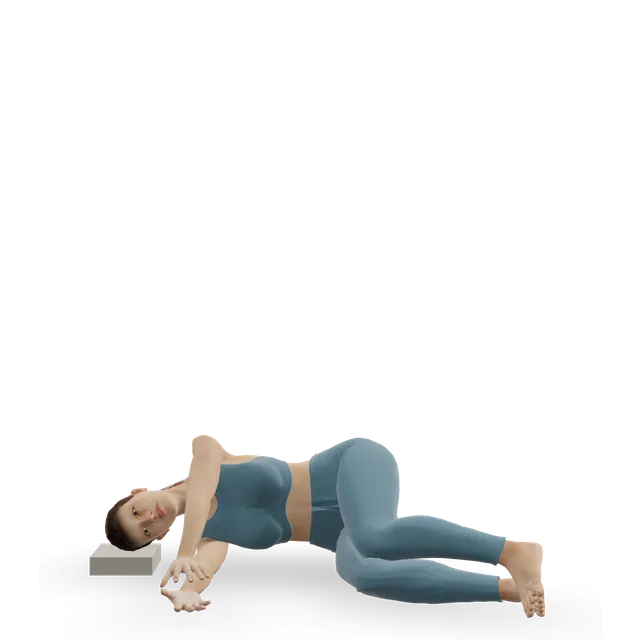
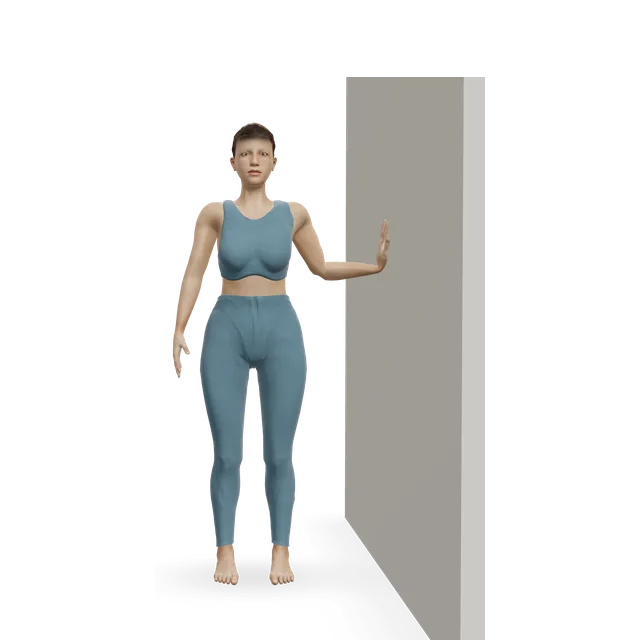
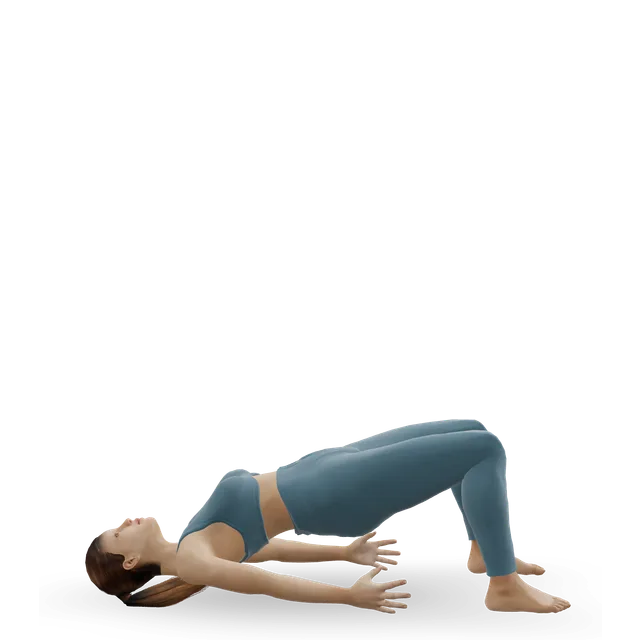
No trial has tested wrist exercise in golfers. The AAOS's golf page gives forearm strengthening for golfers: squeezing an old tennis ball for 5 minutes at a time, and wrist curls and reverse wrist curls with a light dumbbell, 4 sets of 10 on each side, 3 times a week (given there for the elbow). For a sore wrist, our tennis and twisting wrist guides start with held contractions and gentle movement, then lifting, turning the forearm and grip work, then slow lowering and carrying; the plan below follows them, with the AAOS doses for the building stage, and adds the trunk and hips that should power the swing, as reviews advise.
Sources 25, 28
The thumb side and a fallStrong evidence
For de Quervain's, a steroid injection with 3 to 4 weeks in a thumb splint is the best-supported first treatment across 30 trials of 1,663 people, and a thumb splint alone may help where that isn't available; these are trials in the general population. After a fall on the hand, across 11 studies of athletes with a scaphoid fracture, 90% returned to sport after treatment without surgery (at an average of 9.6 weeks) and 98% after surgery (7.3 weeks), and going back to sport in a cast should be avoided because the bone may not heal. Our de Quervain's, scaphoid fracture and broken wrist guides cover each.
Sources 42, 43, 44