Wrist pain from tennis: the little-finger side, ECU tendon, TFCC, grips, the backhand and what helps

Wrist pain from tennis usually builds up from repeated hitting rather than one injury, and most of it is on the little-finger (pinky) side of the racket wrist. The commonest cause is the extensor carpi ulnaris (ECU) tendon on the back of that side, which works hardest in topspin forehands; the triangular fibrocartilage complex (TFCC), a cushion of cartilage beside it, is the other common one. In a two-handed backhand the front wrist can hurt instead, and pain on the thumb side is more often de Quervain's. Most of it settles with changes to your shots and a staged plan.

This guide starts with the signs that need help today, from a 999 call or accident and emergency (A&E) for a wrist that looks deformed after a fall, to the same day for pain at the base of the thumb after a fall on the hand, and the National Health Service's 111 line (NHS 111) for a forearm that locks or a hot, swollen wrist. It then sorts the causes by where it hurts and which stroke brings it on, explains what grips, topspin and the two-handed backhand change, what rackets, strings, braces and scans can and can't tell you, and gives a four-stage plan with a 3D demo of every move that ends with the International Tennis Federation's step-by-step return to play.

When to get help first

Exercise is for pain that has been checked or is clearly mild and settling.

Get urgent medical help if

  • Call 999 or go to A&E after an injury (don't drive yourself) if the arm, wrist or hand is numb, tingling or has pins and needles; a bone is sticking out or a bad cut is bleeding heavily; or the wrist, thumb or a finger has changed shape, is at an odd angle, or has turned blue, grey, white or cold.
  • Same day (NHS 111): severe wrist pain; you feel faint, dizzy or sick from the pain, or you feel unwell, hot, cold or shivery; you heard a snap, grinding or popping noise when you hurt it; you can't move your wrist or hold things; your wrist has changed shape or colour; a lump on your wrist is very painful, hot or red (redness may be harder to see on brown and black skin); or you have lost the feeling in part or all of your hand. These might be signs of a broken wrist or an infection.
  • Same day (NHS 111, an urgent treatment centre or an urgent GP appointment): a wrist or hand injury that is very painful, getting worse, very swollen or bruised, stiff, or that you can't use. It may be broken. Get the same help if you also have a very high temperature, or feel hot, cold or shivery: this could be an infection.
  • Same day: after a fall onto an outstretched hand, pain or tenderness at the base of the thumb on the back of the wrist (the hollow called the snuffbox), even if the wrist moves well or the first X-ray was normal. A broken scaphoid can hide on the first X-ray and is slow to heal if it's missed, so ask what follow-up is planned.
  • Go to an urgent treatment centre or A&E if you heard a crack or snap when you hurt it, or the pain is severe and you can't move the thumb or hold things.
  • Same day (NHS 111): after an injury, the forearm locks so you can't turn the palm up or down, or the end of the forearm bone on the little-finger side clunks or sticks up at the back of the wrist. The joint between the forearm bones may have come out of place.
  • Same day (urgent GP appointment or NHS 111): sudden, severe pain in one joint, with swelling, a change in skin colour or difficulty moving it, especially if you feel unwell, hot, cold or shivery or have a high temperature (although not everyone has one). It could be an infection in the joint, gout or calcium crystals (pseudogout), and only a sample of fluid from the joint can tell them apart.
  • Call 999 or go to A&E: sudden, severe pain in a muscle of the forearm or hand, which may be worse when you stretch it, with swelling, numbness, weakness or pins and needles, or tightness or difficulty moving the fingers. This can be acute compartment syndrome, which needs surgery as soon as possible. It usually follows an injury, a crush, or a cast or bandage that is too tight. Do not drive yourself to A&E.
  • Same day: you have lost the feeling in part or all of your hand.
  • Same day: both hands numb or clumsy (dropping things, trouble with buttons or handwriting), especially with unsteady walking or falls. Pressure on the spinal cord in the neck can do this, and it is often first mistaken for carpal tunnel syndrome.
  • Call 999, even if it passes: sudden weakness or numbness in one arm, with a drooping face or slurred speech. These are signs of a stroke.
  • Call 999: chest pain that spreads to your arm, neck or jaw. It could be a heart attack.
  • Same day after a fracture: the cast feels too tight, or the fingers are numb, swollen, blue or white.

See a doctor or physiotherapist if

  • Not improved after 2 weeks of looking after it at home, getting worse, keeps coming back, or stopping you doing normal activities. In many areas you can refer yourself to NHS physiotherapy.
  • Any tingling or loss of feeling in the hand or wrist, especially in the ring and little fingers.
  • You have diabetes and a hand problem: the NHS says hand problems can be more serious if you have diabetes.
  • See a GP if your wrist is painful, warm, swollen and stiff, or you have wrist pain and also feel unwell with a high temperature.
  • The wrist feels unstable or weak, or clicks with pain: see a GP or physiotherapist. It may need a hand specialist to check it.
  • After a fall or a forced twist, a wrist that feels loose, gives way or clunks when you turn your palm or grip, or pain on the little-finger side that isn't clearly improving by about 6 weeks: see a GP or physiotherapist and ask whether a hand specialist should check it. UK hand surgeons say a sprain that doesn't get better may be a more significant injury, and an unstable joint between the forearm bones is best found early.
  • After a fall onto your hand, pain in the middle of the back of the wrist with a painful click or clunk, a weaker grip, or pain and swelling that haven't settled after a few days, even if the X-ray was normal: see a GP or physiotherapist and ask whether a hand specialist should check the wrist ligaments. A torn ligament between the wrist bones is best repaired within about 4 to 6 weeks.
  • A fall on the hand more than about 4 weeks ago that still hurts at the base of the thumb, and was never X-rayed or put in a splint: get it checked. UK hand surgeons ask for a scan and may advise an operation after a delay of more than 4 weeks.
  • Constant numbness in the ring and little fingers, a weak or clumsy hand, or visible wasting of the muscle between the thumb and index finger. Ask about referral: one NHS referral guide treats permanent numbness or wasting as urgent.
  • Fingers that go cold, white or blue, with pain in the heel of the hand, especially if you use the hand to strike things: see a GP. An artery there can become blocked.
  • Swollen, stiff joints in several fingers or both hands, with morning stiffness lasting more than 30 minutes. NICE asks GPs to refer suspected rheumatoid arthritis urgently when the small joints of the hands or feet, or more than one joint, are affected, or there has been a delay of 3 months or longer between the symptoms starting and seeking medical advice, even if blood tests are normal.
  • A lump that gets bigger, is hard or doesn't move.
  • A teenager whose wrist still hurts the day after lifting, cleans, handstands or push-ups, or whose wrist is swollen: stop putting weight through the hands and see a GP or sports doctor. In growing athletes it can be a stress injury of the growth plate.
  • After an injury or operation, pain that is getting worse instead of better or far worse than you'd expect, with swelling, colour or temperature changes, or skin that is very sensitive to touch: contact your fracture clinic, physiotherapist or GP promptly. It can be complex regional pain syndrome (CRPS), and early treatment may help.

Where does it hurt?

Location narrows the likely causes; it does not diagnose.

The back of the little-finger side of the racket wrist, worse with topspin forehands, low forehands and turning the palm up, sometimes swollen

Usually the ECU tendon (tendinopathy), the commonest tennis wrist problem. This guide covers it.

The same spot with a painful snap or clunk as the palm turns up, often after one low forehand or a backhand

The ECU tendon slipping out of its groove (instability): get it checked soon, because it does best treated early.

The little-finger side, in the soft spot beside the bony knob, worse turning a door handle, gripping or leaning on the hand, sometimes clicking

Often the TFCC. Our TFCC tear guide covers it, with the look-alikes.

Read: TFCC tear →

The front (non-dominant) wrist in a two-handed backhand, on the little-finger side

The ECU tendon or the TFCC of that wrist, a known trouble spot in elite two-handed players.

Read: TFCC tear →

The thumb side, worse lifting the thumb or gripping hard

Often de Quervain's, irritated thumb tendons.

Read: De Quervain's tenosynovitis →

A few finger-widths above the wrist on the thumb side, creaking

Possibly intersection syndrome, uncommon in players.

Read: Intersection syndrome →

A deep ache in the middle of the back of the wrist in a hard-hitting player

Rarely a stress injury of the lunate, a small wrist bone: get it checked if it lasts.

Read: Kienböck's disease →

The heel of the hand on the little-finger side, after a jarring shot or a mishit

Rarely a break of the hook of the hamate, a small wrist bone, which is easily missed and needs a special X-ray view or a CT scan. See a GP or physiotherapist and say how it started. Our wrist pain from golf guide covers it.

Read: Wrist pain from golf →

After a fall onto the hand on court: tender in the hollow at the base of the thumb

Possibly a broken scaphoid, even if the wrist moves: get it checked the same day, as the warning signs say.

Read: Scaphoid fracture →

After a fall: pain and swelling across the wrist that is settling

Usually a sprain. One that doesn't settle needs checking.

Read: Wrist sprain or fracture →

After a fall: a wrist that has changed shape, or is very swollen and painful

A possible broken wrist: see the warning signs.

Read: Broken wrist →

A growing player whose wrist still hurts the next day

A possible growth plate stress injury, more often seen in gymnasts: get it checked.

Read: Gymnast's wrist →
Show all 16 areasShow fewer areas

Understand it

How common it is, and who gets itEmerging evidence

Most tennis injuries are in the legs, then the arms, then the trunk, and most wrist problems in tennis come from overuse rather than one injury. In 370 Italian club players, 50 (13%) had had a wrist injury over about 18 months: 30 were ECU tendon problems, 6 de Quervain's, 5 flexor tendon injuries, 5 TFCC injuries, 3 other extensor tendon problems and 1 intersection syndrome. In 600 German league players, tendon problems were the commonest overuse diagnosis, with the shoulder first, then the elbow, then the wrist.

In professionals, the wrist was the second commonest injury site at 16 US Opens, one of the four commonest regions in women at 6 Australian Opens, and commoner in women than men at Wimbledon; over a full season of professional women's tennis it wasn't among the top four sites, and in 101 elite juniors the lower back and shoulder came first. A review concludes that wrist pain seems to have become more common in the modern game. How often young players get overuse wrist injuries is largely unknown; the data come mostly from gymnasts.

Sources 1, 2, 3, 4, 5, 6, 7, 8, 9, 10, 11

What the strokes ask of the wristEmerging evidence

The modern forehand is hit with the palm turned up and the wrist bent back and towards the little finger, where the ECU tendon and its sheath are most exposed; hand surgeons say most tennis wrist injuries are ECU problems from forehand groundstrokes, and a review of elite players lists ECU tendinopathy and a slipping ECU tendon among the common arm injuries. In 14 competitive players, topspin came from more shoulder and forearm turning rather than from the wrist. In 12 skilled players, hitting the forehand fast rather than slow bent the wrist back 16% further and snapped it forward 118% faster, and faster hitting sent more vibration to the wrist in 9 players.

In a two-handed backhand the front (non-dominant) wrist does real work. In 28 professional players with ECU problems, 12 had a tendon that suddenly slipped out of place, and in the 10 of those hurt in a two-handed backhand it was the hand nearer the racket head, the front wrist. Two papers from one group of elite players found little-finger-side pain in that wrist common. The ITF says wrist tendon injury often affects the non-dominant wrist in players with a two-handed backhand. The only lab work measured wrist angles, not strain: in 16 players, a Continental grip on the top hand bent the front wrist further back and sideways than an Eastern grip.

Sources 12, 13, 14, 15, 16, 17, 18, 19, 20, 21

Grips, rackets and strings: one survey and expert opinionMixed evidence

In the Italian club study, little-finger-side injuries went with Western and semi-Western forehand grips and thumb-side injuries with the Eastern grip. That rests on one cross-sectional study of the 50 injured club players, so it shows an association, not proof that the grip caused the injury. The same study found no link with racket weight or strings, the German league players' racket properties weren't linked to their arm problems, and string dampers didn't reduce vibration at the wrist in a lab study of 20 people. The French tennis federation's doctors blame wrist-driven topspin, the two-handed backhand and high string tension for little-finger-side pain in professionals; the string tension part is expert opinion, not a measured link.

Grip size has been studied only for the elbow: a quarter-inch change made no difference to forearm muscle activity in 16 college players, while in a lab and modelling study a handle that fitted lowered grip force. The ITF's check is to grip the racket lightly, as if shaking hands: the little finger should fit between the base of the thumb and the fingertips.

Sources 4, 5, 22, 17, 23, 24, 21

Telling the causes apartEmerging evidence

Clinicians press on the exact spot and compare movement, swelling and grip strength with the other side. ECU problems come in three patterns: a sudden painful snap as the tendon slips out of its groove, often with one low forehand; a tendinopathy that comes on gradually; and, rarely, a rupture. An NHS hand clinic says the commonest symptoms of a TFCC injury are pain and swelling on the little-finger side and difficulty turning the forearm. ECU and TFCC problems often come together, and their signs overlap. A case review calls TFCC injury the commonest cause of little-finger-side wrist pain in general, but in club tennis players the ECU came first (30 against 5 of 50 wrist injuries).

A hook of hamate fracture hurts on the little-finger side of the palm or the back of the wrist; it was missed by most doctors in one old series, so mention a jarring shot. Falls are different: in 449 recreational players treated at an Austrian hospital, 47 of 86 wrist and hand injuries came from falls, including 11 broken wrists and 7 scaphoid fractures, often on the free arm players put out to break the fall.

Sources 2, 17, 12, 25, 26, 4, 27, 28, 29

When a scan helps, and what it doesn't meanStrong evidence

After a fall, an X-ray comes first, and a broken scaphoid can hide on the first one, which is why the warning signs ask for follow-up. For overuse pain, scans often find things that don't hurt: in 26 long-time club players without wrist pain, 92% had ECU tendon changes on ultrasound and 73% an ECU tendon that slipped in at least one wrist. In elite two-handed players, wrists with pain showed only about one more change on MRI than pain-free wrists, and the authors say MRI findings should be read alongside the examination. An NHS hand clinic says wear changes in the TFCC are very common and often cause no symptoms.

A scan matters when it changes the plan: a suspected fracture, a tendon that snaps out of place and may need surgery, an unstable joint between the forearm bones, or pain that hasn't settled with good care.

Sources 30, 31, 18, 19, 25, 32

How it usually goesEmerging evidence

In the club study, players were out of competition for 69 days on average, and 46 of the 50 were treated without surgery. In the professional series, players with an ECU tendinopathy often kept playing because the pain eased after the warm-up, and in most cases the pain went within 2 to 24 weeks; 5 with a slipping tendon treated in a cast for 2 to 3 months were back in competition 5 to 6 months after the injury without symptoms. A review says most ECU tendinopathy settles with about 3 weeks in a splint, anti-inflammatory medicine and retraining the muscle.

An NHS hand clinic says the vast majority of TFCC tears heal with time, healing takes about 3 months, and normal function often takes longer. In 20 racket players with a TFCC injury, 11 of the 15 treated without surgery got back to their usual activity, and age over 50 and a previous TFCC problem went with not getting back. In 5 hard-hitting players with a lunate stress injury, all recovered without surgery by 14 weeks. The ITF says tendon injuries are slow to heal and may take six weeks or more. No one can promise a date.

Sources 4, 17, 33, 25, 34, 35, 21
What helps, and how strong the evidence is

Change the shots and the load firstEmerging evidence

The ITF's first aid is to keep playing only the shots that don't hurt, cool the wrist with ice, and steady it with a wristband or tape while it heals. The NHS suggests resting the wrist when you can, ice, painkillers, cutting down the activities that cause the pain and a splint, while keeping the hand moving with gentle exercises, and for repetitive strain it says don't rest the area for more than a few days. Reviews start with splinting, load management, activity changes and strengthening the whole chain from the legs to the racket. Less topspin and fewer heavy forehands while it settles, more slice and flatter shots, and lower hitting pace are our suggestions, built on the ITF sheet, the grip study and the lab studies of fast forehands.

Sources 21, 36, 37, 32, 4, 15

Grip and technique: a coach's check, untested for painEmerging evidence

No study has tested a change of grip for wrist pain. Western and semi-Western grips went with little-finger-side injuries in one club study, and a review notes that many young players use full Western forehand grips with the wrist bent far towards the little finger. For the two-handed backhand, an Eastern rather than a Continental grip on the top hand kept the front wrist straighter and gave more racket speed in a lab study. The ITF's backhand tips are to hit the ball in front of the body and use the forearm for racket control rather than power, and, if the front wrist keeps hurting in a two-handed backhand, to discuss switching to a one-handed backhand with your coach. A coach's look at your grip is reasonable once you're playing again (our suggestion).

Sources 4, 38, 20, 39, 21

Racket, strings and grip sizeMixed evidence

No study has measured a link between racket weight, strings or string type and wrist injury in club players, and string dampers don't reduce vibration at the wrist. Elite doctors' view that high string tension adds to the problem is expert opinion; lower tension is a reasonable try for a hard hitter, untested (our reading). The ITF advises the right grip size, because a grip that is too thick or too thin makes you squeeze the racket to stop it twisting; lab evidence on grip size is mixed and was about the elbow. Keeping the racket you know, with a grip that fits by the ITF's check, is our suggestion; a new racket isn't a treatment.

Sources 4, 5, 22, 17, 21, 23, 24

Wristbands, tape and supports: help for a while, no tennis studyEmerging evidence

The ITF advises a wristband or tape to steady the wrist while it heals. The trial evidence is one small pilot in non-athletes: in 30 adults with little-finger-side wrist pain, a wrist support for that side helped pain, function and grip within 4 weeks against a sham, and adding strengthening gave no extra benefit over that time. A review of a compression brace for TFCC injuries found 3 small studies with short-term gains, and a TFCC review suggests a light sleeve or brace during heavy loading for wear-related pain. No tennis study of braces or tape exists; the one sport brace study with numbers was in gymnasts. So a wristband, tape or light support for play and heavy tasks for a few weeks, with the exercises, is reasonable, not all day for months, since the NHS says long rest weakens the area.

Sources 21, 40, 41, 42, 43, 37

ECU tendon problems: a splint for some, held contractions, then staged loadingEmerging evidence

For a sore tendon, reviews describe rest from the strokes that hurt, a splint for about 3 weeks for some, held (isometric) contractions until the pain settles, usually over 5 to 10 days, then staged loading, and a return to sport when movement and strength reach about 80% of the other side. Because the playing wrist is normally the stronger one in players, 80% is a minimum. A steroid injection into the tendon sheath is an option if that fails, but in one professional series both tendon ruptures followed steroid injections in the weeks before.

For a tendon that slips out of its groove, a cast with the wrist turned palm down and bent back for 6 weeks can be tried before surgery is considered, and in professional players longer immobilisation worked. Surgery is for the few that don't settle: in 28 operated ECU problems, 22 people were back to their previous activities at about 2 years, though some lost grip strength.

Sources 44, 33, 45, 12, 17, 46, 47

TFCC injuries: non-surgical care first, and no trial yetEmerging evidence

Non-surgical care is the first treatment for a TFCC tear after an injury: a splint, activity changes, painkillers, sometimes an injection, and physiotherapy. In 84 people splinted or in a cast for at least 4 weeks, 43% went on to keyhole surgery, and a splint did as well as a cast; in a staged programme of splints, strengthening and balance training in 32 people, pain fell from 5.3 to 0.5 out of 10, with no comparison group. An NHS hand therapy service says TFCC care may involve splinting and wrist stability exercises, but physiotherapy for TFCC tears hasn't been properly tested, and a trial is running. Our TFCC tear guide has the plan for a diagnosed tear.

Sources 48, 49, 50, 51, 25

Exercise: the ITF's stages, with little trial evidenceMixed evidence

The ITF's recovery stages start with wrist flexor and extensor strength using a light weight of up to 1 kg or elastic tubing, 2 to 3 sets of 10 to 20, holding the weight still without moving the wrist at first, then side-to-side wrist bending and turning the palm up and down, and grip work with an older, softer ball, 3 sets of 10 to 20. A Cambridge NHS hand therapy leaflet moves the wrist in every direction, 5 to 10 times, 4 to 5 times a day, with a 5-second hold, turning the palm with the elbow tucked into your side. The trial evidence is thin: a review of exercise for hand and wrist tendon problems found only low-quality studies in which exercise was always given with other treatments, and a sensorimotor programme helped all 10 people with TFCC injuries in a study without a comparison group.

Sources 21, 52, 53, 54

The thumb side, the hamate and a fall on courtStrong evidence

For de Quervain's, a steroid injection followed by 3 to 4 weeks in a thumb splint is the best-supported first treatment across 30 trials of 1,663 people, and an injection with a splint did better than either alone across 16 trials; UK hand surgeons say an injection relieves it in about 70%, and the splint must hold the thumb as well as the wrist. Intersection syndrome is treated with rest, a thumb splint and then exercise. A hook of hamate fracture can heal in a cast and splint over about 3 months, and athletes often choose surgery to remove the fragment for a quicker return.

After a fall on an outstretched hand, a wrist sprain is the commonest result, but UK hand surgeons say an injury that seems to be a sprain and doesn't get better may be more serious. Across 11 studies of athletes with a scaphoid fracture, 90% returned to sport after non-surgical care and 98% after surgery, and a return to sport in a cast should be avoided because the bone may not heal. Our de Quervain's, intersection syndrome, scaphoid fracture and broken wrist guides cover each.

Sources 55, 56, 57, 58, 28, 59, 60, 30

How much pain is OK while you exercise?

About 5 out of 10 at most, and about 3 on the little-finger side, settled within half an hour and no worse the next morningEmerging evidence

Some discomfort during these exercises is fine and doesn't mean you are doing damage. Keep it to about 5 out of 10 or less. It should settle within half an hour or so, and your hand should be no worse the next morning. If it is, do fewer, smaller or lighter next time, not nothing. An NHS wrist rehabilitation booklet uses the same limit: an unpleasant stretch of about 5 out of 10 that settles within 30 minutes.

Tingling and numbness are different: stop and get advice if an exercise brings them on and they don't fade quickly, or if your grip or thumb gets weaker.

Don't rest the hand completely for long, either: for repetitive strain, the NHS says resting for more than a few days makes the area weaker and less flexible. If a joint becomes hot, red and swollen, stop and get it checked.

On the little-finger side, keep it lower: about 3 out of 10, as our TFCC tear guide does from a review's targets, which its authors call an untested framework. For an irritable tendon in the first days, Cambridge's still holds are kept pain-free, halving the effort if they hurt.

For tennis (our suggestion, built on the same rules and the ITF's staged return): judge each hitting session by the wrist during play, that evening and the next morning. Keep little-finger-side pain to about 3 out of 10 and thumb-side pain to about 5, settled within half an hour and no worse the next morning, and move on to the next step of the return only when the last session passed. A painful snap or clunk as the palm turns up, the wrist giving way, new swelling or pins and needles in the fingers isn't a pain-rule question: stop that stroke and see the warning signs.

Sources 37, 21

The exercise plan: 4 stages

Start at the first stage. Each move opens a full guide with a 3D demo.

Stage 1

Settle: change the shots, keep the wrist moving, hold rather than lift

About the first 2 weeks. Everyday use and the strokes that don't hurt within the pain rule, gentle wrist movement in every direction, and held contractions that load the tendons without moving the wrist, as the ITF and ECU reviews start. With a diagnosed TFCC tear, de Quervain's, a fracture or a slipping ECU tendon, that guide's or your clinician's plan comes first, including any splint or cast; with a warning sign, get checked first.

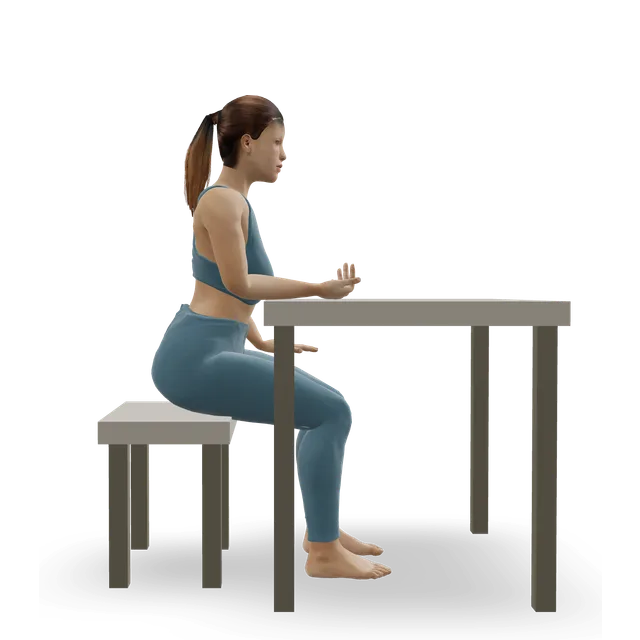
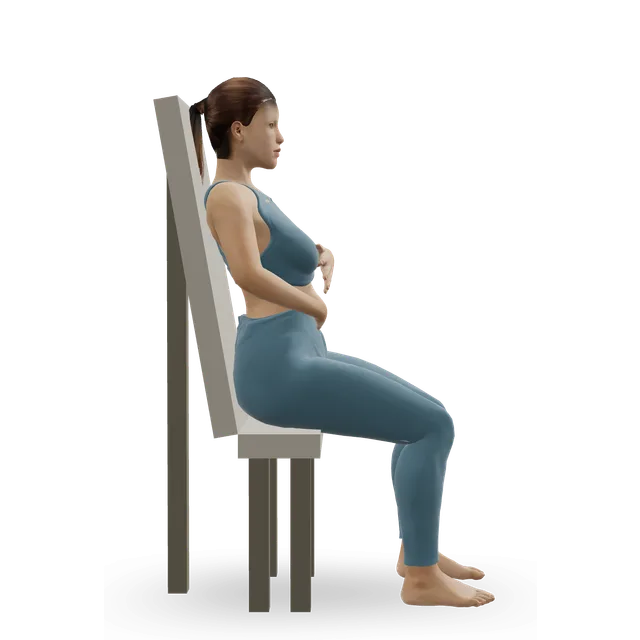
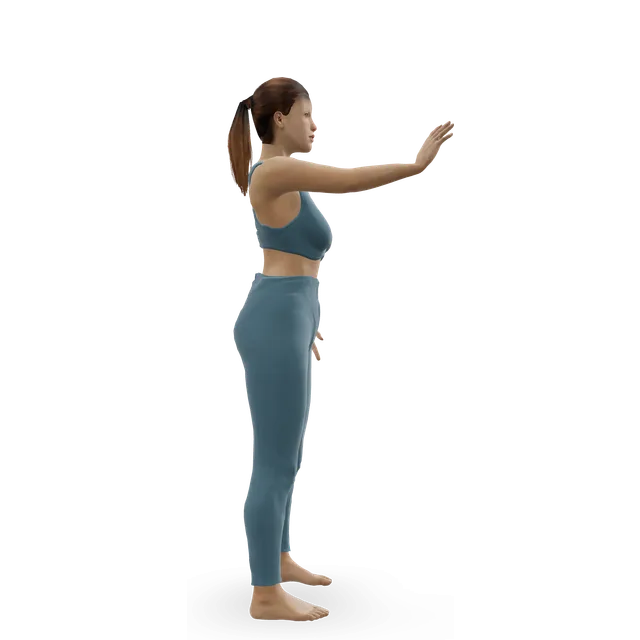
Wrist & forearm flow demonstrated on the 3D figure3D demoWrist & forearm flowBeginner · No equipment

Bend the wrist each way, then turn the palm up and down with the elbow tucked in: 5 to 10 slow reps, holding each end for 5 s, 4 to 5 times a day, in a comfortable range · A Cambridge NHS hand therapy leaflet's dose, as in our twisting wrist guide

Easier: Wrist circles · Harder: Wrist flexor stretch

Tendon glides (hand tendon gliding exercises) demonstrated on the 3D figure3D demoTendon glides (hand tendon gliding exercises)Beginner · No equipment

4 to 6 of each position, holding each for 5 seconds, up to 4 times a day · The move page's dose, from an NHS hand-therapy leaflet; fine in a splint

Harder: Ball squeeze

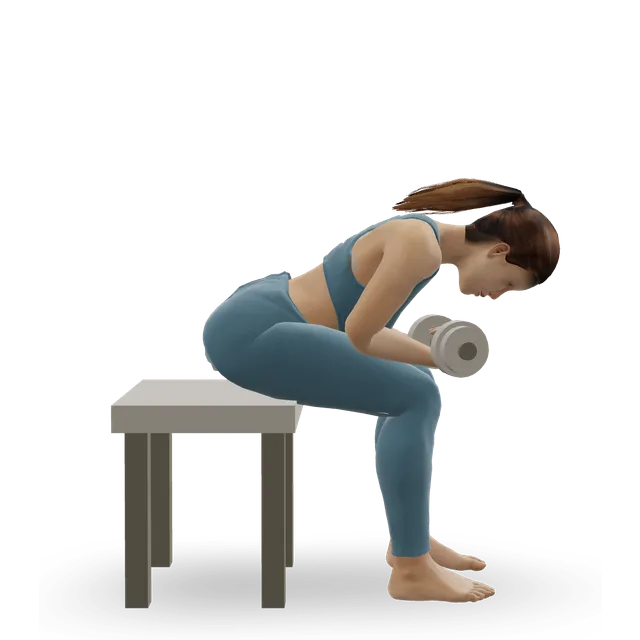
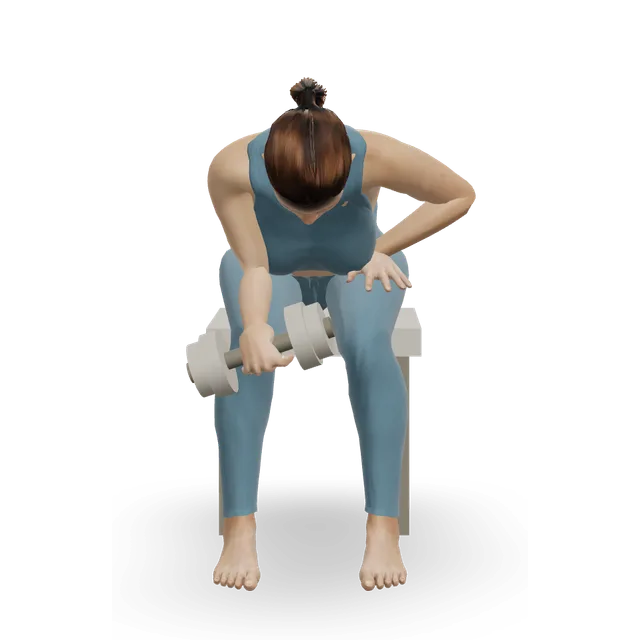
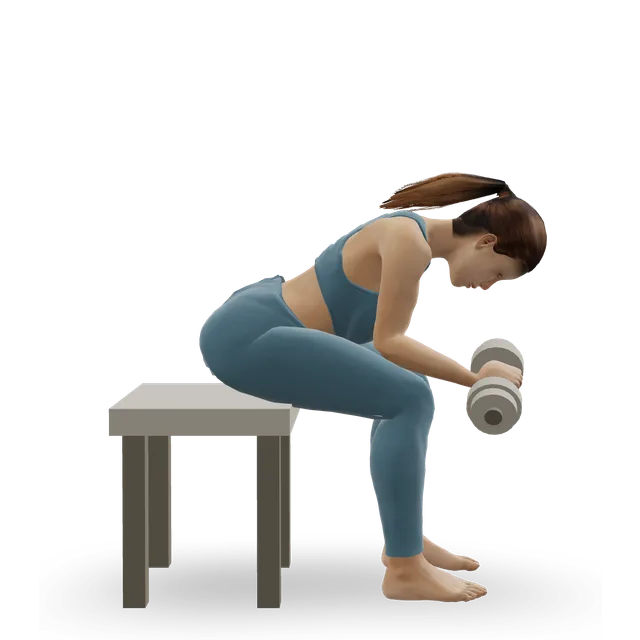
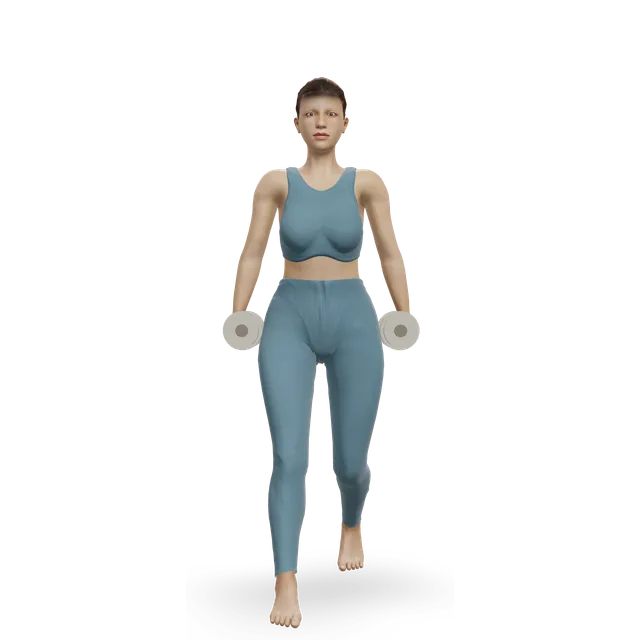
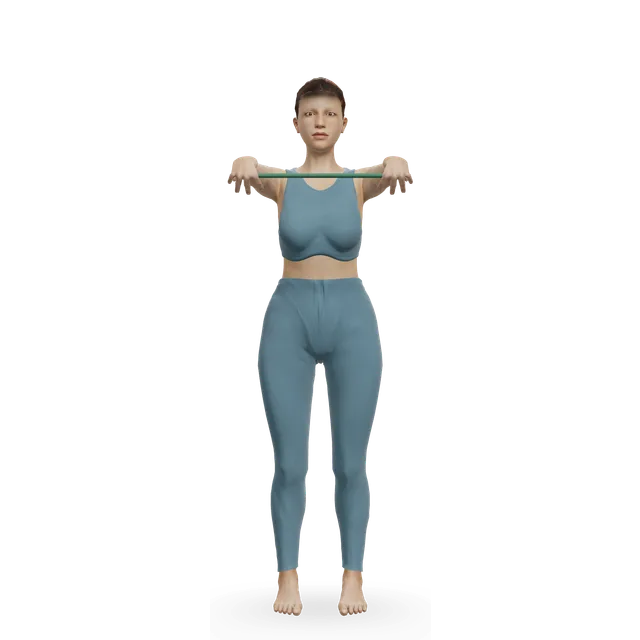
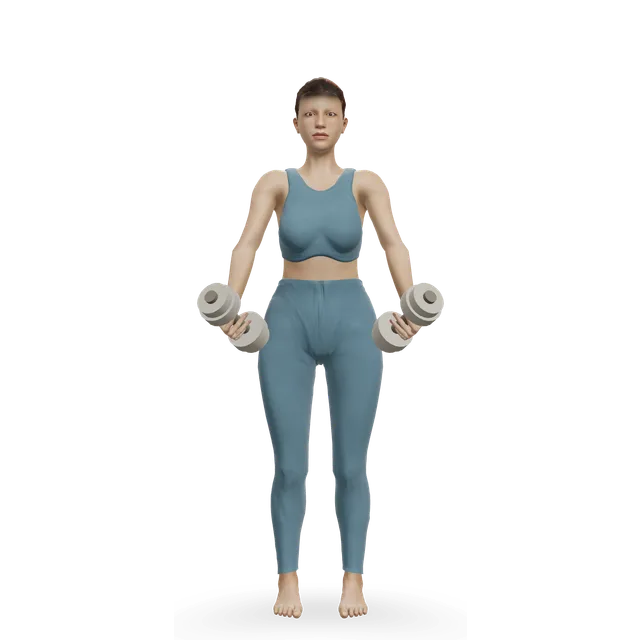
Wrist curls demonstrated on the 3D figure3D demoWrist curlsBeginner · A dumbbell

Held still, not lifted: palm up, forearm supported, wrist level, 10 holds of 10 s, 3 sets, within the pain limit · As in our TFCC tear and twisting wrist guides (the REINFORCER trial programme's held contractions); the ITF also starts by holding the weight still

Easier: Wrist-extensor eccentrics · Harder: Plate pinch

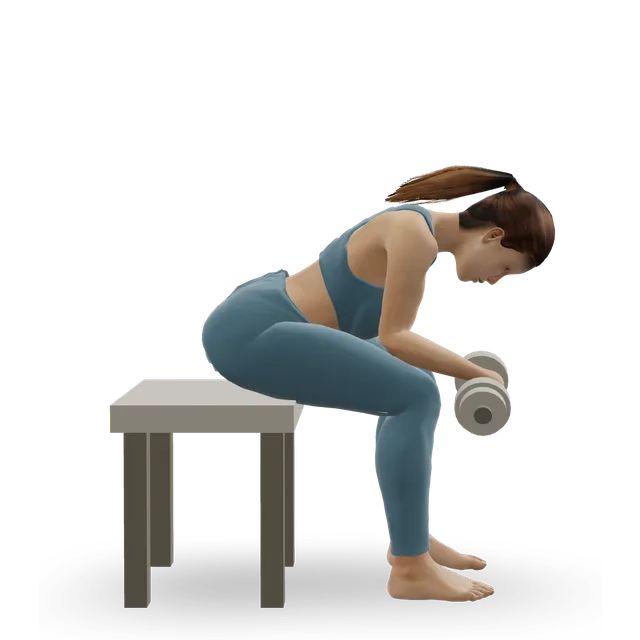
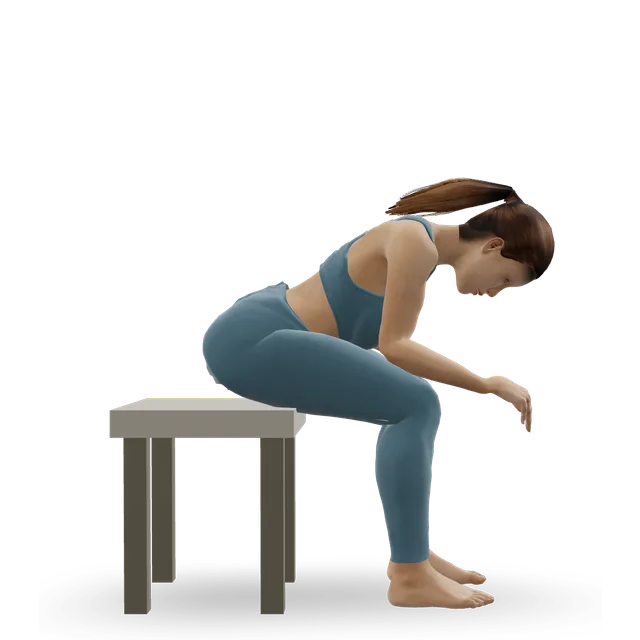
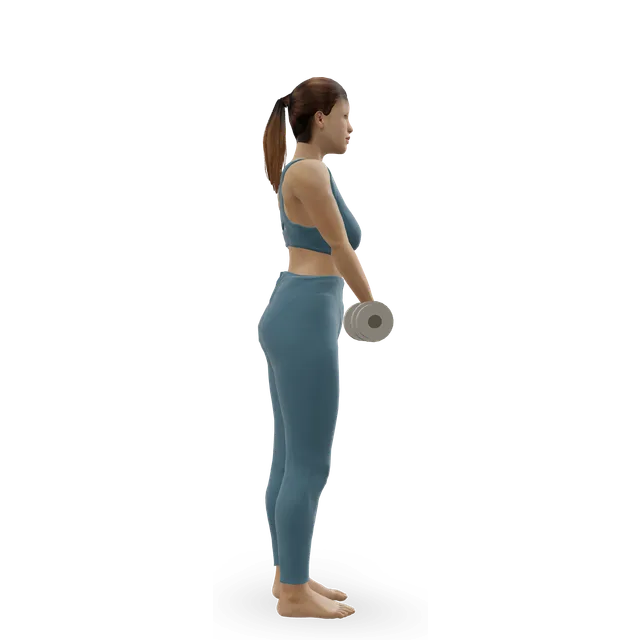
Reverse wrist curl demonstrated on the 3D figure3D demoReverse wrist curlBeginner · A dumbbell + A bench or box

Held still, palm down: 10 holds of 10 s, 3 sets, within the pain limit · As in our TFCC tear and twisting wrist guides; the ECU review's held contractions

Easier: Wrist-extensor eccentrics · Harder: Plate pinch

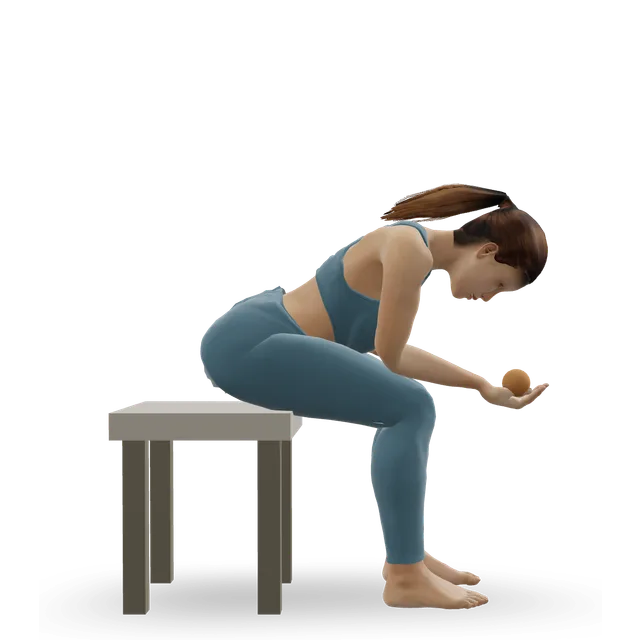
Ball squeeze demonstrated on the 3D figure3D demoBall squeezeBeginner · Other / check instructions

A soft, old tennis ball: 3 sets of 10 to 20, wrist straight · The ITF's grip exercise

Easier: Tendon glides (hand tendon gliding exercises) · Harder: Band finger extension

Move on when: Everyday tasks and the strokes you've kept are within the pain rule, the held contractions don't flare the wrist the next day, and the wrist moves through its full range without sharp pain (editorial, as in our twisting wrist guide).

Follow along: a timer, a cue and the next move, one step at a time.
Stage 2

Build: wrist and forearm strength in every direction

About weeks 2 to 6, once a day or every other day: moving strength in bending, straightening and turning, then side-to-side bending, with balance for the finger extensors. The ITF adds side-to-side bending with the elbow on the knee, palm down and a light weight in the hand, moving the hand left and right; the figure can't show it, and 2 to 3 sets of 10 to 20 is our reading of the ITF's dose for its other wrist exercises.

Wrist curls demonstrated on the 3D figure3D demoWrist curlsBeginner · A dumbbell

A light weight (up to 1 kg) or band, forearm supported, 2 to 3 sets of 10 to 20 · The ITF's wrist flexor exercise

Easier: Wrist-extensor eccentrics · Harder: Plate pinch

Reverse wrist curl demonstrated on the 3D figure3D demoReverse wrist curlBeginner · A dumbbell + A bench or box

As above, palm down: 2 to 3 sets of 10 to 20 · The ITF's wrist extensor exercise. The move page says keep any ache mild and settled by the next morning

Easier: Wrist-extensor eccentrics · Harder: Plate pinch

Dumbbell forearm rotation demonstrated on the 3D figure3D demoDumbbell forearm rotationBeginner · A dumbbell + A bench or box

Once wrist bending is comfortable: a light hammer of up to about 200 g held by the handle, 3 sets of 15 · The ITF's next step is turning the palm up and down; the dose is the REINFORCER trial programme's, as in our twisting wrist guide

Easier: Wrist-extensor eccentrics · Harder: Plate pinch

Band finger extension demonstrated on the 3D figure3D demoBand finger extensionBeginner · A band

2 sets of 15, once a day · As in our TFCC tear and tennis elbow guides (editorial)

Easier: Ball squeeze · Harder: Plate pinch

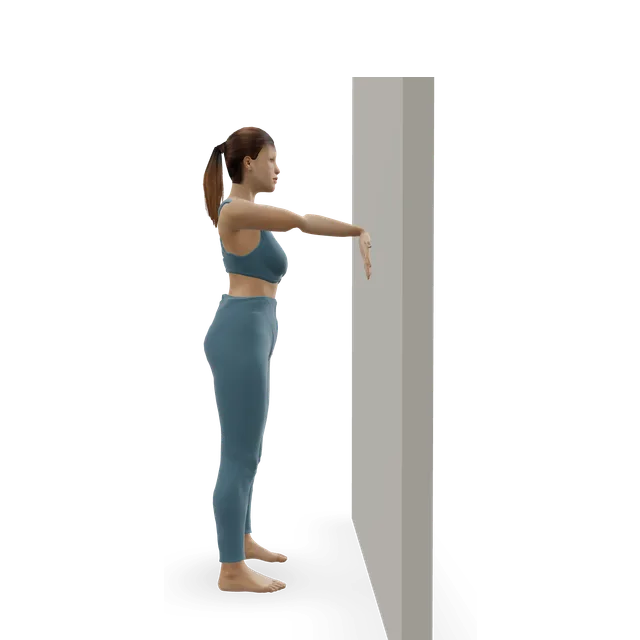
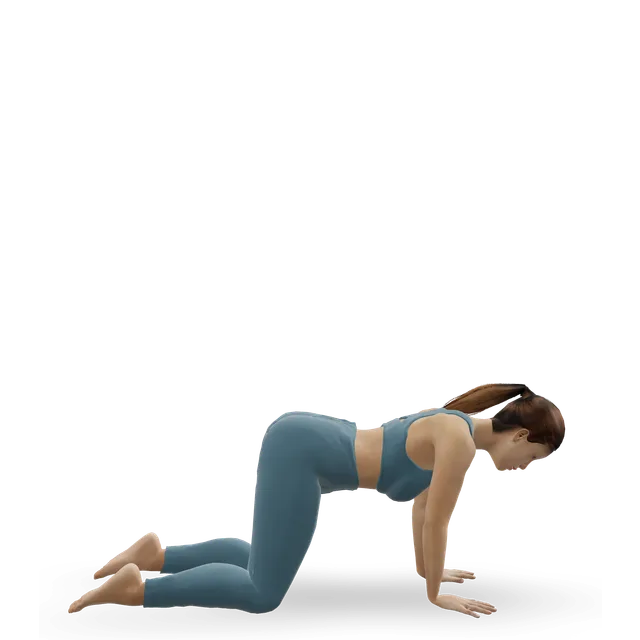
Wrist flexor stretch demonstrated on the 3D figure3D demoWrist flexor stretchBeginner · A wall

Gently, 5 holds of 30 s, within the pain limit · As in our twisting wrist guide (the trial programme's stretches). Ease off if the fingers tingle, as the move page says

Easier: Wrist circles · Harder: Quadruped wrist rocks

Move on when: 3 sets of 15 of each exercise are within the pain rule, grip feels close to the other side, and turning a door handle and gripping the racket without hitting are comfortable (editorial).

Follow along: a timer, a cue and the next move, one step at a time.
Stage 3

Strength under load, and the chain from the legs to the racket

About weeks 6 to 10, 2 or 3 days a week: heavier forearm work, slow lowering for the wrist extensors, carrying, and the shoulder and trunk that should do the work, as reviews advise and the ITF's backhand tips say.

Dumbbell forearm rotation demonstrated on the 3D figure3D demoDumbbell forearm rotationBeginner · A dumbbell + A bench or box

A hammer of up to about 300 g, 3 sets of 15, then heavier as the pain rule allows · The REINFORCER trial programme's later dose, as in our twisting wrist guide

Easier: Wrist-extensor eccentrics · Harder: Plate pinch

Wrist-extensor eccentrics demonstrated on the 3D figure3D demoWrist-extensor eccentricsBeginner · A dumbbell

2 sets of 15, lowering over 3 to 4 s: lift with the other hand, lower slowly · As in our tennis and padel injury prevention routine (editorial)

Harder: Wrist curls

Farmer's carry demonstrated on the 3D figure3D demoFarmer's carryIntermediate · A dumbbell + A kettlebell

Light, wrist kept straight, 3 carries of 20 to 30 m · As in our TFCC tear and twisting wrist guides (editorial)

Harder: Suitcase carry

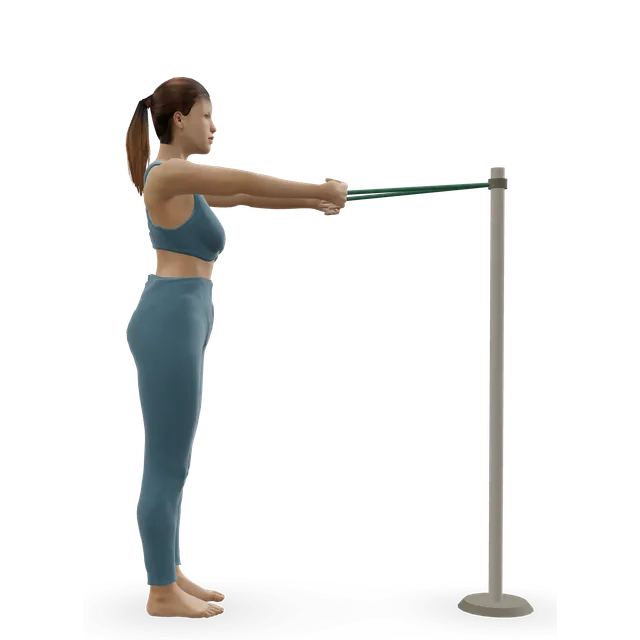
Band row demonstrated on the 3D figure3D demoBand rowBeginner · A band + An anchor point

3 sets of 10 to 15, stopping 2 to 3 reps short of failure, with 60 to 90 seconds' rest · The move page's dose. The back of the shoulder and the shoulder blade, part of the chain

Harder: Supported single-arm dumbbell row

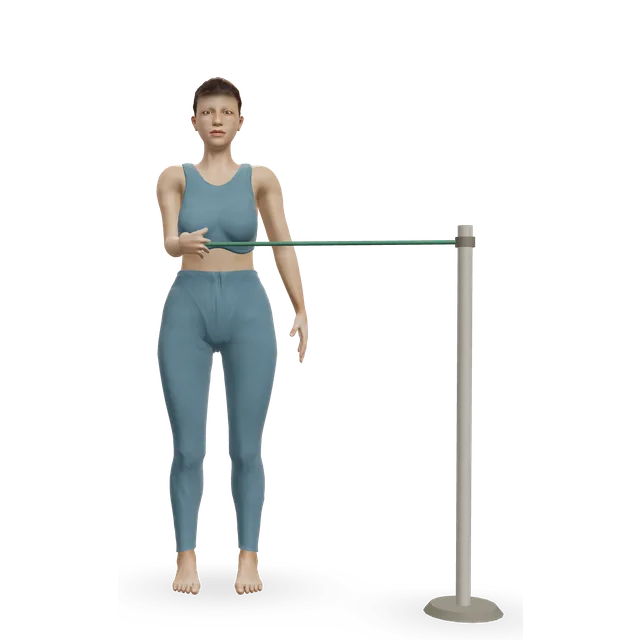
Standing band external rotation demonstrated on the 3D figure3D demoStanding band external rotationBeginner · A band + An anchor point

2 sets of 10 each arm, a light band, elbow at your side · As in our tennis and padel injury prevention routine (editorial)

Easier: Stick-assisted external rotation (lying) · Harder: Side-lying external rotation

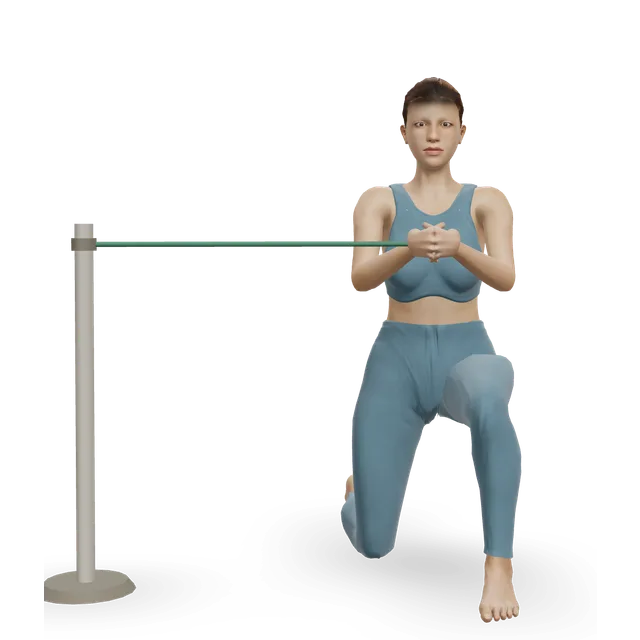
Half-kneeling Pallof press demonstrated on the 3D figure3D demoHalf-kneeling Pallof pressBeginner · A band + An anchor point

2 sets of 10 each side · As in our golf strength workout (editorial). Trunk control, so the trunk turns the racket

Harder: Pallof press

Move on when: These are within the pain rule, and strength in the playing wrist is at least about 80% of the other side, the target an ECU review uses for a return to sport, and ideally more, since the playing wrist is normally the stronger one; a physiotherapist can measure it.

Follow along: a timer, a cue and the next move, one step at a time.
Stage 4

Back to tennis: the warm-up, then the steps back

From about weeks 6 to 10, as the wrist allows, then for good: our racket sport warm-up before every session, the forearm work kept twice a week, and a step-by-step return by the written steps below, in the ITF's order. No study has tested a return to tennis after wrist pain; the order is the ITF's, and the amounts are our suggestion.

Wrist & forearm flow demonstrated on the 3D figure3D demoWrist & forearm flowBeginner · No equipment

10 slow reps each direction: circles, then palm up and palm down · As in our racket sport warm-up (editorial)

Easier: Wrist circles · Harder: Wrist flexor stretch

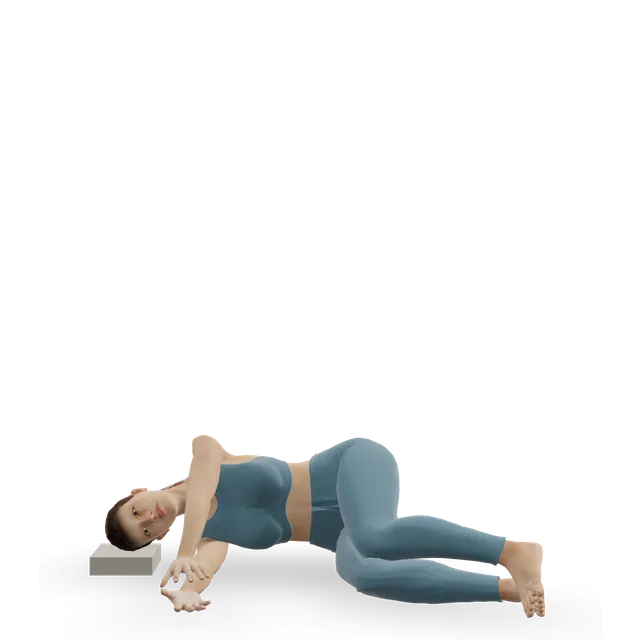
Thoracic rotation demonstrated on the 3D figure3D demoThoracic rotationBeginner · No equipment

6 rotations per side, moving with the breath · The move page's dose. Turning from the upper back, which drives groundstrokes

Easier: Side-lying open book · Harder: World's greatest stretch

World's greatest stretch demonstrated on the 3D figure3D demoWorld's greatest stretchIntermediate · No equipment

3 each side, reaching up as you turn · As in our racket sport warm-up (editorial)

Easier: Low lunge (Anjaneyasana) · Harder: Active pancake lift-off

Standing band external rotation demonstrated on the 3D figure3D demoStanding band external rotationBeginner · A band + An anchor point

10 to 12 each arm, a light band, elbow by your side · As in our racket sport warm-up (editorial)

Easier: Stick-assisted external rotation (lying) · Harder: Side-lying external rotation

Band pull-apart demonstrated on the 3D figure3D demoBand pull-apartIntermediate · A band

15, slowly, shoulders down · As in our racket sport warm-up (editorial)

Easier: Prone Y-T-W raises · Harder: Tuck back lever

Wrist-extensor eccentrics demonstrated on the 3D figure3D demoWrist-extensor eccentricsBeginner · A dumbbell

2 sets of 15, lowering over 3 to 4 s, on non-playing days · As in our tennis and padel injury prevention routine (editorial); the ITF advises keeping up wrist strength work with low resistance and high repetitions

Harder: Wrist curls

Move on when: Our suggestion: each step of the return passes the pain rule with the wrist no worse the next morning; then full practice and matches. Keep the forearm work twice a week.

Follow along: a timer, a cue and the next move, one step at a time.

What to change for now

Your tennis for now (written steps)

Our 3D figure shows the moves, not your grip, racket, strings or strokes. These steps come from the ITF's player sheet, the NHS, lab and survey studies of players and reviews; where a step is our suggestion or our reading, it says so. None has been tested in a trial against wrist pain.

  • 1. A fresh injury first: with any warning sign, and after any fall onto the hand with pain at the base of the thumb, stop and get it checked.
  • 2. Shots: hit mainly the shots that don't hurt, as the ITF advises. For little-finger-side pain in the racket wrist that often means slice backhands, volleys and serves rather than topspin forehands; for the front wrist of a two-handed backhand, forehands and a one-handed slice (our reading of the ITF's advice).
  • 3. Topspin and pace: less topspin, flatter and slower forehands while it settles, and no low, wristy forehands, which hand surgeons link to the ECU tendon slipping (our suggestion).
  • 4. Contact point: hit the ball in front of the body and let the shoulder and trunk supply the power, not the forearm, as the ITF advises.
  • 5. Grip: a coach's check of your forehand grip once you're playing again, since Western and semi-Western grips went with little-finger-side injuries in one club study; for the two-handed backhand, an Eastern top-hand grip kept the front wrist straighter in a lab study. Discuss switching to a one-handed backhand with your coach if the front wrist keeps hurting, as the ITF suggests.
  • 6. Grip size: check it with the ITF's handshake test, so you don't have to squeeze. A new racket or strings isn't a treatment; elite doctors suspect high string tension, but that is expert opinion (our reading).
  • 7. Support: a wristband or tape for play for a few weeks, as the ITF advises, with the exercises; not all day for months, since the NHS says long rest weakens the area (the time limit is our suggestion).
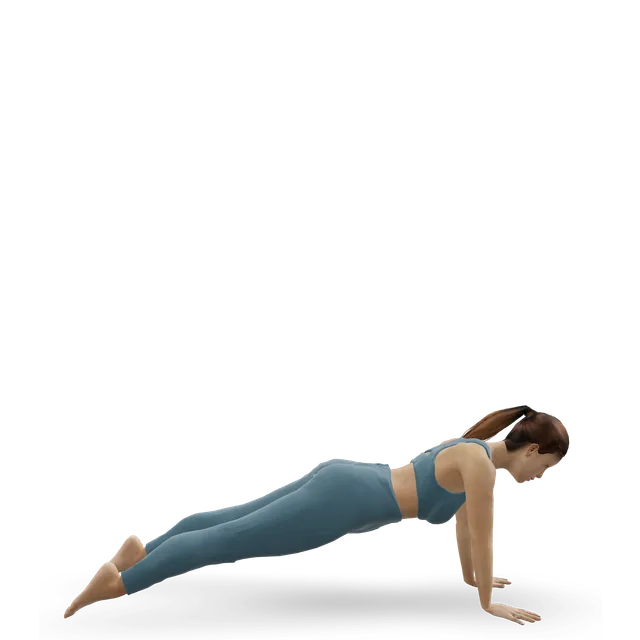
  • 8. The gym: push-ups on handles or knuckles to keep the wrist straight, as the ITF advises; neutral-grip and dumbbell curls rather than a straight bar (our suggestion).
  • 9. Load: build your hitting gradually after a break, and alternate volley drills with other strokes so the wrist recovers, as the ITF advises.

Sources 21, 12, 15, 4, 20, 5, 40, 37

How tennis comes back (written steps)

No trial has tested a return to tennis after wrist pain. These steps are the ITF's order; doing them every other day at first is our suggestion. Move on only when the last step passed the pain rule.

  • 1. Mini tennis within the service lines, forehands and backhands.
  • 2. Baseline rallies with forehands, slice backhands or a one-handed backhand, on a slower court such as clay at first if you can.
  • 3. Volleys, a few at a time.
  • 4. Baseline tennis with all backhands, limiting short cross-court backhands, which strain the wrist.
  • 5. Serves and overheads.
  • 6. A practice match, then matches.
  • 7. Padel, squash and badminton: the same steps; in padel, wall shots come back last (our suggestion).

Source 21

Positions to swap, and why

Habit or positionWhy it mattersInstead
Heavy topspin forehands through little-finger-side painThe forehand loads the ECU tendon most, and faster forehands ask more of the wrist.Flatter, slower forehands and slice for now, with held wrist contractions off court.Try: Wrist curls
Low, wristy forehandsHand surgeons link the low forehand to the ECU tendon slipping.Get down to the ball with the legs, and let the trunk turn.Try: Half-kneeling Pallof press
A Continental top-hand grip in a two-handed backhand with a sore front wristIt bent that wrist further back and sideways in a lab study.An Eastern top-hand grip, or a one-handed slice after talking to your coach.
Squeezing a handle that's too thin or too thickThe ITF says you then have to squeeze to stop the racket twisting.The ITF's handshake check for grip size.
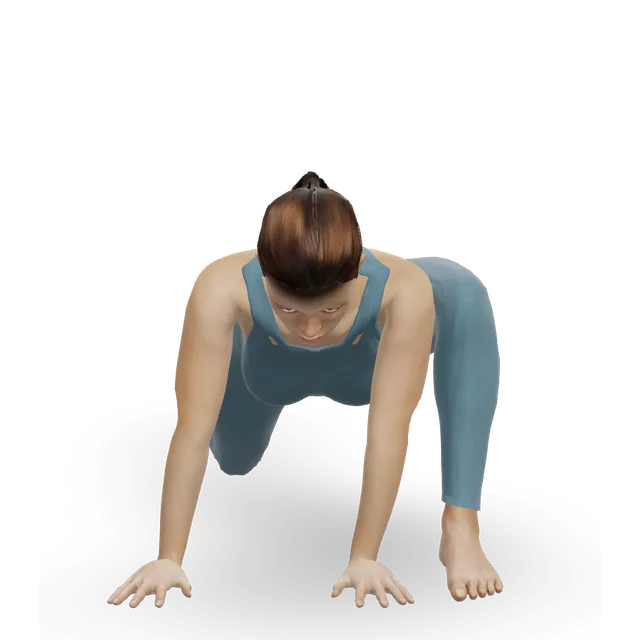
Playing through a painful snap on the little-finger sideIt can be the ECU tendon slipping, which is best treated early.Stop that stroke and get it checked.
Buying a new racket, strings or a damper as the fixNo link with wrist injury in club players, and dampers don't reduce vibration at the wrist.Change the shots and the load, and build forearm strength.Try: Reverse wrist curl
Push-ups on flat palms with a sore wristThe ITF says push-ups with a bent wrist can worsen a wrist injury.Push-ups against a wall, on handles or knuckles.Try: Wall push-up
Resting the wrist completely for weeksThe NHS says resting for more than a few days makes the area weaker.Gentle movement and held contractions.Try: Wrist & forearm flow
A splint or brace all day for monthsSupports help for a few weeks in small studies, and long rest weakens the hand.A support for play and heavy tasks, with the exercises.
Repeated steroid injections into the ECU tendon sheathBoth ruptures in one professional series followed injections.The staged plan; talk to your clinician.

Routines to follow

More moves for this area

Questions people ask

Why does my wrist hurt when I play tennis?

Usually from repeated hitting rather than one injury, and most often on the little-finger side of the racket wrist, where the ECU tendon works hardest in the forehand. The TFCC on the same side, the thumb-side tendons, or the front wrist in a two-handed backhand are the other common spots. Where it hurts is the first clue.

Why does the pinky side of my wrist hurt after tennis?

Most often the ECU tendon on the back of that side, sometimes the TFCC, the cushion of cartilage beside it. In one club study, Western and semi-Western forehand grips went with injuries on this side, an association rather than proof. A painful snap as you turn your palm up needs checking.

Why does my wrist hurt on my forehand?

The modern forehand loads the little-finger side with the wrist bent back and the palm turned up, and faster forehands ask much more of the wrist. Flatter, slower forehands and less topspin for a while usually help, with a coach's check of your grip.

Why does my left wrist hurt on my backhand?

In a right-hander's two-handed backhand, the left (front) wrist does a lot of the work, and the ITF says wrist tendon injuries often affect that wrist. A Continental top-hand grip bent that wrist further in a lab study. Hit forehands and a one-handed slice for now, and ask your coach about your grip.

What is tennis wrist?

A loose name for wrist pain in players, usually ECU tendinopathy on the little-finger side, sometimes a TFCC injury or thumb-side tendon pain. It isn't a diagnosis in itself; the exact spot sorts it.

Should I wear a wrist brace or tape for tennis?

For a few weeks it can help: the ITF advises a wristband or tape, and in one small pilot trial in non-athletes a support helped little-finger-side pain within 4 weeks. No tennis study has tested braces or tape. Don't rely on one for months, and do the exercises too.

Can I keep playing tennis with wrist pain?

Often, with changes: play the shots that don't hurt, ease off topspin and pace, and keep pain to about 3 out of 10 on the little-finger side, settled by the next morning. Stop for a painful snap, swelling, numbness or pain after a fall.

Will a different racket, strings or grip size help?

Racket weight and strings weren't linked to wrist injury in club players, and dampers don't help. Doctors treating professionals suspect high string tension, but that is expert opinion. A grip that fits, by the ITF's handshake check, means you don't have to squeeze.

What exercises help a sore tennis wrist?

Held contractions first, then wrist curls in both directions with up to 1 kg, then turning the palm up and down and grip work, as the ITF sets out, then slow lowering, carrying and shoulder and trunk strength. Aim for the playing wrist to be at least about 80% as strong as the other before you play fully.

Do I need a scan?

Usually not at first: most pain-free club players have ECU tendon changes on ultrasound. An X-ray matters after a fall, and a scan if a tendon snaps out of place, the pain doesn't settle or surgery is being considered.

How long does tennis wrist take to heal?

The ITF says tendon injuries may take six weeks or more; club players with wrist injuries were out for about 69 days on average, and a TFCC tear takes about 3 months to heal. No one can promise a date.

When should I see a doctor?

Call 999 or go to A&E after a fall if the wrist has changed shape or the hand is cold or numb, and get help the same day for pain at the base of the thumb after a fall on the hand, a forearm that locks or clunks, or a hot, swollen wrist. See a GP or physiotherapist if it isn't better after 2 weeks, or clicks and feels unstable. In the US, call 911 where this page says 999.

Related exercise guides

Other pain guides

Sources

  1. Pluim 2006 · Tennis injuries: occurrence, aetiology and prevention (systematic review, BJSM)
  2. Rettig 1994 · Wrist problems in the tennis player (narrative review, Med Sci Sports Exerc)
  3. Stuelcken 2017 · Wrist injuries in tennis players (narrative review, Sports Med)
  4. Tagliafico 2009 · Wrist injuries and grip type in 370 club tennis players (cross-sectional study, Am J Sports Med)
  5. Krueckel 2024 · Injuries in 600 German league tennis players (retrospective survey, Open Access J Sports Med)
  6. Sell 2014 · Injuries at 16 US Opens, 1994 to 2009 (tournament records, Br J Sports Med)
  7. Gescheit 2017 · Injuries at 6 Australian Opens, 2011 to 2016 (tournament surveillance, Br J Sports Med)
  8. McCurdie 2017 · Injuries at Wimbledon, 2003 to 2012 (tournament records, Br J Sports Med)
  9. Dakic 2018 · Injuries in 52 professional Women's Tennis Association players over a season (cohort study, Br J Sports Med)
  10. Gescheit 2019 · Injuries in an elite national junior tennis programme over 5 years (cohort study, J Sci Med Sport)
  11. Kox 2015 · Overuse wrist injuries in young athletes (systematic review, BJSM)
  12. Chung 2017 · Arm and hand injuries in tennis players: diagnosis and treatment (narrative review, Hand Clin)
  13. Shannon 2020 · Common and less known arm injuries in elite tennis players (narrative review, Curr Sports Med Rep)
  14. Genevois 2020 · Arm movement in flat and topspin forehands in 14 competitive players (lab study, Sports Biomech)
  15. Seeley 2011 · Wrist and body movement in slow, medium and fast forehands in 12 skilled players (lab study, Sports Biomech)
  16. Rogowski 2015 · Racket vibration and shock at the wrist in forehands in 9 players (lab study, PLoS One)
  17. Montalvan 2006 · Extensor carpi ulnaris injuries in 28 professional tennis players (case series, Br J Sports Med)
  18. Reid 2020 · MRI of the non-dominant wrist in 28 elite players with and without pain and 12 non-players (cross-sectional study, J Sci Med Sport)
  19. Levy 2020 · MRI findings and little-finger-side pain in the non-dominant wrist of elite players (imaging study, Skeletal Radiol)
  20. Busuttil 2022 · Top-hand grip and arm movement in the two-handed backhand in 16 players (lab study, Sports Biomech)
  21. International Tennis Federation · Wrist tendinopathy (player information sheet, 2019)
  22. Li 2004 · String dampers and racket vibration at the wrist and elbow in 20 people (lab study, J Sports Sci)
  23. Hatch 2006 · Racquet grip size and forearm muscle activity in 16 players (lab study, Am J Sports Med)
  24. Rossi 2014 · Racket grip size, grip force and modelled forearm loads (lab and modelling study, Scand J Med Sci Sports)
  25. Gloucestershire Hospitals NHS Foundation Trust · Injuries to the TFCC (hand clinic page)
  26. Logli 2022 · Little-finger-side wrist pain in a tennis player (case review, JBJS Rev)
  27. Stark 1977 · Hook of hamate fractures in 20 athletes (case series, J Bone Joint Surg Am)
  28. Stark 1989 · Hook of hamate fractures in 59 people (case series, J Bone Joint Surg Am)
  29. Kaiser 2021 · Acute injuries in 449 recreational tennis players at one hospital (case series, Orthop J Sports Med)
  30. Goffin 2019 · Return to sport after a scaphoid fracture (systematic review and meta-analysis, World J Orthop)
  31. Sole 2015 · The extensor carpi ulnaris tendon on ultrasound in 26 tennis players without symptoms (imaging study, PM R)
  32. Rios-Russo 2021 · Little-finger-side wrist pain in athletes (narrative review, Curr Sports Med Rep)
  33. Satria 2025 · Ulnar-sided wrist pain: a systematic clinical approach (narrative review, Orthop Res Rev)
  34. Astavans 2026 · TFCC injuries in 20 racket sport players (retrospective study, Hand)
  35. Maquirriain 2007 · Lunate stress injury in 5 tennis players (case series, Br J Sports Med)
  36. NHS · Wrist pain
  37. NHS · Repetitive strain injury (RSI)
  38. Kekelekis 2020 · Risk factors for arm and hand injuries in tennis players (systematic review, Int J Environ Res Public Health)
  39. Busuttil 2025 · Top-hand grip and racket speed in the two-handed backhand in 16 players (lab study, Sports Biomech)
  40. Abdelmegeed 2020 · A wrist support with or without strengthening for little-finger-side wrist pain in 30 adults (pilot randomised trial, J Sport Rehabil)
  41. Kolb 2026 · A wrist brace for TFCC injuries: 3 small studies (literature review, Hand Ther)
  42. Liu 2026 · Diagnosis and non-surgical management of TFCC tears (narrative review, Front Sports Act Living)
  43. Trevithick 2020 · A gel-padded wrist brace in 48 male gymnasts with wrist pain (single-group study, J Hand Ther)
  44. Campbell 2013 · The extensor carpi ulnaris tendon in sport: anatomy, injury and management (review, Br J Sports Med)
  45. Zarro 2024 · Non-surgical care for extensor carpi ulnaris tendon pain in athletes (review, Hand)
  46. Allende 2005 · Surgery for 28 extensor carpi ulnaris problems (case series, J Hand Surg Br)
  47. Ellenbecker 2006 · Wrist and forearm strength in 32 elite junior girls (cross-sectional study, Br J Sports Med)
  48. Kaivorinne 2024 · The REINFORCER trial protocol and its hand therapy programme (trial protocol with supplement, BMJ Open)
  49. Park 2010 · How many TFCC injuries need surgery after a splint or cast (retrospective study of 84, Orthopedics)
  50. Tse 2023 · A structured non-surgical programme for 32 traumatic TFCC tears (study without a control group, Hand Surg Rehabil)
  51. St George's University Hospitals NHS Foundation Trust · Wrist injuries (hand therapy page)
  52. Cambridge University Hospitals NHS Foundation Trust · Hand therapy: active wrist exercises (leaflet, 2023)
  53. Cordella 2023 · Exercise for hand and wrist tendon problems, 12 studies (systematic review, J Hand Ther)
  54. Chen 2021 · A wrist sensorimotor programme for TFCC injuries in 10 completers (study without a control group, Hand Ther)
  55. Challoumas 2023 · Treatments for De Quervain's tenosynovitis: 30 studies (systematic review and network meta-analysis, JAMA Netw Open)
  56. Cevik 2024 · Steroid injection or a splint for De Quervain's: 16 trials (systematic review and meta-analysis, Hand Surg Rehabil)
  57. British Society for Surgery of the Hand · De Quervain's syndrome (patient information)
  58. Balakatounis 2017 · Treating intersection syndrome (evidence synthesis, World J Orthop)
  59. Tanaka 2025 · Non-surgical care for hook of hamate fractures in 16 people (case series, World J Orthop)
  60. British Society for Surgery of the Hand · Wrist sprains (patient information)

Exercise education, not a diagnosis or treatment plan. It is written from the guidelines and studies listed above; review by a clinician is pending. If your pain follows an injury, is severe, is getting worse, or comes with any warning sign listed on this page, get it assessed. Health disclaimer.