Lower back pain from tennis: the serve, load, stress fractures in young players and what helps

Lower back pain from tennis is usually ordinary back pain that settles within weeks. The serve arches, side-bends and turns the lower back, then whips it back, and forehands and backhands turn it close to its limit too, so a sudden jump in serves, matches or hours is the usual trigger. The one study of adults, an interview survey at a tournament, found that people who play had no more back pain than people who don't. The exception is a young player whose back hurts more when arching and keeps hurting, which can be a stress fracture of the spine and needs checking.

This guide starts with the signs that need a 999 call or accident and emergency (A&E), such as numbness around your genitals or bottom, or chest pain or breathlessness on court, and those that need a general practitioner (GP) or the National Health Service's 111 line (NHS 111) the same day, such as back pain with a fever. It then maps the causes by where it hurts and who gets it, explains what the serve, load, courts and scans can and can't tell you, and gives a four-stage plan with a 3D demo of every move that ends with the racket sport warm-up and the International Tennis Federation's step-by-step return to serving.

When to get help first

Exercise is for pain that has been checked or is clearly mild and settling.

Get urgent medical help if

  • Call 999 or go to A&E: loss of feeling or numbness around the genitals or bottom, new trouble peeing or controlling your bladder or bowels, changes in genital sensation during sex or problems with erections or orgasm, or pain, tingling, weakness or numbness in both legs. These are signs of cauda equina syndrome, which needs treating in hospital urgently. Don't drive yourself.
  • Call 999 or go to A&E: leg pain with numbness around the genitals or bottom, new trouble starting or controlling peeing, not knowing when you need to poo or losing control of it, sciatica in both legs, or weakness or numbness in both legs that is severe or getting worse. These can be signs of cauda equina syndrome, which needs treating in hospital as soon as possible.
  • Call 999 or go to A&E: back pain with chest pain, or back pain that started after a serious accident, such as a car crash.
  • Call 999: chest pain that feels tight or like squeezing on your chest; chest pain that's spreading to your arms, neck or jaw; severe difficulty breathing (you're gasping, choking or not able to get words out); lips or skin that are pale, blue or grey (on brown or black skin this may be easier to see on the palms of the hands); or someone who has passed out and is not responding normally. It could be a heart attack. Don't drive yourself to A&E.
  • Get help from NHS 111: you're suddenly more short of breath than usual; you have chest pain and you feel sick or are being sick; or you have chest pain and you feel like your heart is racing, going too slowly, skipping a beat or fluttering.
  • Get help from NHS 111: pain or tightness in your chest, neck, shoulders, jaw or arms that comes and goes, often brought on by exercise, stress, emotion or cold and easing after a few minutes' rest. It can be angina, a sign of a heart problem. If you've been diagnosed with angina, get help from NHS 111 too if it feels worse than before, is happening more often, lasts longer or happens when you're resting.
  • Someone who faints while exercising, or who has fainted and can't be woken within a minute, has chest pain or a pounding, fluttering or irregular heartbeat, or hasn't fully recovered.
  • Call 999 or go to A&E if breathing suddenly becomes difficult, if pain in your chest or upper back comes on suddenly with breathlessness or a very fast heartbeat, or if someone passes out. Do not drive yourself. It can be a blood clot that has reached the lungs.
  • Call 999: sudden, severe pain in the tummy or back, which can come with breathlessness, pale or grey skin, or collapse. It can be a burst abdominal aortic aneurysm, most common in men aged 65 or over and in people who smoke or used to smoke.
  • Same day (GP or NHS 111): back pain and you feel hot, cold, shivery or generally unwell, or severe pain that starts suddenly or is getting worse quickly.
  • Ask for an urgent GP appointment or get help from NHS 111 if you think you may have a kidney infection (often pain in your lower back or side, with burning or stinging when you pee or needing to pee more often) and you have a very high temperature or feel hot, cold or shivery, a temperature below 36C, pain in the lower tummy or in the back just under the ribs, blood in your pee, you feel or are sick, you haven't had a pee all day, or you're pregnant. Call 999 or go to A&E if you're confused, drowsy or have difficulty speaking.
  • Call 999: after a fall, you may have hurt your head, neck, back or hip, or you cannot get up.
  • Same day (NHS 111): back pain after a new, significant injury in the last 7 days, such as a fall from a height (off a box, a bar or rings) or a direct blow to the back.
  • Same day: leg weakness that is getting worse; new leg pain with a history of cancer, HIV, TB or inflammatory arthritis; or leg pain with a fever, feeling unwell, loss of appetite, unexplained weight loss or night sweats.
  • Same day: leg weakness that is getting worse.
  • Same day (urgent GP appointment or NHS 111): new difficulty lifting the front of your foot or toes (foot drop), or a foot that slaps down or catches as you walk, especially if it is getting worse. Weakness in both legs, or with numbness around the genitals or bottom or bladder or bowel changes, is the 999 emergency above.
  • Same day: you have or have had cancer, and new back pain that is severe and doesn't let up, is getting steadily worse, is worse at night and disturbs your sleep, is worse when you cough, sneeze or strain, or comes with tenderness over the spine. Contact your cancer team or GP urgently. With cancer, new weakness, difficulty walking, numbness or bladder or bowel problems are an emergency.

See a doctor or physiotherapist if

  • Back pain that hasn't improved after a few weeks of looking after it at home, stops you doing day-to-day activities, worries you, or you're struggling to cope.
  • Pain, tingling or numbness spreading below the knee that isn't settling after a few weeks, is getting worse or stops your normal activities: see a GP.
  • Pain that is not improving after a few weeks, is getting worse, or is stopping your normal activities.
  • A teenager whose back pain is worse arching back and has lasted more than a couple of weeks: get it checked by a GP or sports physiotherapist. It can be a stress fracture of the spine (spondylolysis).
  • A teenager in a sport that arches or twists the back, such as gymnastics, dance, diving, volleyball, tennis, cricket fast bowling, baseball pitching, weightlifting, football or rugby, with back pain that lasts more than a couple of weeks, is worse arching back or stops them training: get it checked by a GP or sports physiotherapist. It can be a stress fracture in the spine.
  • Buttock or leg pain, heaviness or tingling that comes on when you stand or walk and only eases when you sit or bend forward, or the distance you can walk keeps shrinking: see a GP or physiotherapist (possible spinal stenosis). Leg weakness that is getting worse, or numbness around your genitals or bottom, is urgent (above).
  • Leg ache when you walk that goes after a few minutes' rest: possible peripheral arterial disease (narrowed leg arteries), especially if you smoke or have diabetes.
  • Pain that doesn't improve with rest or is worse at night, or pain that is worse when you sneeze, cough or poo.
  • Unexplained weight loss, or a lump, swelling or change in the shape of your back.
  • Pain at the top of the back, between the shoulders, rather than in the lower back.
  • Sudden new back pain after a minor fall, lift, cough or sneeze, from 50 or past the menopause, or if you take long-term steroid tablets; or height loss, a curved spine or a change in posture: see a GP. It can be a spinal fracture.
  • Back pain that started before 45 and has lasted more than 3 months, especially if it started before 35, wakes you in the second half of the night, comes with buttock pain, gets better with movement or within 48 hours of anti-inflammatory painkillers, or you have or have had arthritis, pain where a tendon attaches to bone (enthesitis) or psoriasis, or a parent, brother, sister or child with spondyloarthritis. These can point to inflammatory back pain (axial spondyloarthritis, such as ankylosing spondylitis). The National Institute for Health and Care Excellence (NICE) asks GPs to refer people with 4 or more of these 9 features to a rheumatologist, and to do a blood test for the HLA-B27 gene marker if exactly 3 are present, referring if it is positive.
  • A strain that is getting worse, or isn't feeling better after looking after it yourself: see a GP or physiotherapist. In many areas you can refer yourself to physiotherapy.
  • A burning, tingling or painful patch of skin on one side of your back or chest, with or without a rash: get advice from a pharmacist or NHS 111 as soon as possible. Shingles can cause pain a few days before the rash appears, and rarely without one. Try to see a pharmacist within 3 days of the rash appearing.
  • Back pain that is persistent and unchanging after following self-care advice, isn't affected by movement, or is worse at night: contact your GP practice, or NHS 111 if it's closed.

Where does it hurt?

Location narrows the likely causes; it does not diagnose.

Across the lower back or to one side, stiff and sore after a match or a serving session, with no pain down the leg

Ordinary back pain, often called a strain, which usually settles within weeks.

Read: Back spasm and pulled back muscle →

One side, catching as you arch to serve or reach for a high ball, from mid-life

Often labelled facet joint pain. No test can confirm it, and it is managed like other back pain.

Read: Facet joint pain →

A teenager or young player whose back pain is worse arching back and has lasted more than a couple of weeks

A possible stress fracture of the spine (spondylolysis): get it checked, as the warning signs say.

Read: Spondylolisthesis →

Pain, tingling or numbness down one leg below the knee, often worse coughing or sneezing

Usually sciatica, often from a disc.

Read: Sciatica →

Low on the front of the tummy, on the side opposite your racket arm, sore to serve, cough or sit up

A strain of the tummy muscle (rectus abdominis) from the serve.

Read: Abdominal strain →

Low on one side, by the dimple at the back of the pelvis

Possibly the sacroiliac (SI) joint. Only an examination can point to it.

Read: SI joint pain →

Buttock or leg heaviness on court or walking that eases when you sit or bend forward, usually from about 60

Possibly spinal stenosis.

Read: Lumbar spinal stenosis →

Sudden back pain after a fall or a minor strain, from 50 or with long-term steroid tablets

A possible spinal fracture from thin bones: see a GP, as the warning signs say.

Read: Spinal compression fracture →

The lower back and the hip or groin together

The back, the hip or both.

Read: Lower back and hip pain →

Between the shoulder blades or in the middle back

The upper back or a rib joint.

Read: Upper back pain →

Pain in the side or back with a fever, burning when you pee or waves of pain into the groin

The kidneys or another cause that isn't the back: get help the same day, as the warning signs say.

Read: Lower back pain on one side →

Back pain for more than 3 months, with good and bad days

Long-lasting (chronic) back pain.

Read: Chronic low back pain →

Back pain when you bend backwards in general, not only in tennis

Our bending backwards guide covers back bends, yoga and other arching sports.

Read: Back pain bending backwards →

Chest pain, tightness or breathlessness on court, with or without back pain

Possibly the heart: see the warning signs.

Understand it

How common it is, and who gets itEmerging evidence

Across tennis injury studies, the trunk accounted for 5% to 25% of injuries. In adults there is one study: an interview survey of 633 spectators at a French tournament in 1999 found that the 388 who played tennis had no more back pain or sciatica than the 245 who didn't. In 102 competitive 12-year-olds and 203 schoolchildren, back pain was as common in both groups, though the players more often said it limited their usual activities, and among 181 elite German athletes in overhead sports, back pain was common in all of them and least common in the tennis players, who were also the youngest.

Young competitive players are where back injuries stand out. In 101 elite Australian juniors over 5 years, the lower back was the commonest and most severe injury site, at about 10 days lost per injury. In 55 Swedish club juniors, low back pain was among the commonest problems and most repeat injuries were in the lower back; at 6 years of the US boys' national championships, back injuries were the commonest. In 198 Swedish competitive players aged 13 to 19 followed weekly for a year, 85 had a first episode of back pain. In professionals, the spine was 13.7% of 750 injuries at 12 French Opens (the lower back 9.3%), head, spine and abdominal injuries were about a quarter at Wimbledon, and the back wasn't among the top five sites at 16 US Opens. Each study counts injuries its own way.

Sources 1, 2, 3, 4, 5, 6, 7, 8, 9, 10, 11

What the strokes ask of the lower backEmerging evidence

As the arm cocks back to serve, the spine arches, side-bends and turns towards the racket side, then the turn reverses fast before the ball is struck. In 20 elite teenage boys, both kick and flat serves loaded the lower back hard, with side-bending forces about eight times those of running; players with back pain had higher side-bending forces, and the flat serve bent the back forward more than the kick serve. Every player served close to the end of their lower back's range, and those with pain had less lower back movement in every direction.

In 19 of the same group, players also turned close to their limit in the backswing of both forehands and backhands, so groundstrokes add to the load. In 24 pain-free elite juniors, those with spine changes on scans served with the same size of movements as those without. The International Tennis Federation (ITF) says the combined turning, bending and arching of the back in the serve may cause problems. These are lab studies of elite teenagers, so they show where the load goes, not that a club player's serve will injure them.

Sources 12, 13, 14, 15, 16, 17

Load: sudden jumps matter more than total hoursEmerging evidence

In the 198 Swedish teenagers, each extra weekly spike in tennis training or matches raised the rate of back pain by about 17%, and spikes in fitness training raised it too, while total hours for their age weren't linked. In 55 Swedish juniors, playing more than 6 hours a week and a previous back injury went with back pain. Elite matches average about 40 serves a set, a useful yardstick for a serving session (our reading).

Sources 8, 18, 19

A young player's stress fracture of the spineEmerging evidence

Back pain on arching backwards is the classic sign of spondylolysis, a stress fracture in the thin bridge of bone at the back of a lower vertebra, in young athletes. At one orthopaedic clinic it was found in about 4 in 10 young people under 19 whose back pain had lasted more than 2 weeks. The American Academy of Orthopaedic Surgeons (AAOS) says it is more likely in young people whose sport repeatedly overstretches the lower back into an arch, and its pain can feel like a muscle strain. In 66 young Spanish tennis players with spondylolysis, most lesions were at the lowest lumbar vertebra, and the authors suspected the forehand's arch with forced turning as a contributor.

Sources 20, 21, 22, 23

When a scan helps, and what it doesn't meanStrong evidence

The National Institute for Health and Care Excellence (NICE) says don't routinely offer imaging for low back pain outside specialist care. Scans of pain-free young players are rarely normal: 28 of 33 elite adolescents without back pain had changes on magnetic resonance imaging (MRI), including 9 with pars lesions, and only 4 of 98 elite juniors had none, with pars changes in about 3 in 10 and disc wear in about 6 in 10. So a scan finding isn't always the source of the pain.

The exception is a young player whose back hurts on arching and keeps hurting: an evidence review suggests MRI as the first scan after an X-ray, with computed tomography (CT) if it is unclear, and MRI can show an early stress reaction without radiation. A scan is also for the warning signs and for sciatica that isn't improving when an injection or surgery is being considered.

Sources 24, 25, 26, 21, 20

How it usually goesEmerging evidence

The NHS says back pain usually improves within a few weeks but can last longer or keep coming back, and sciatica usually gets better in a few weeks to a few months; in juniors, back pain often comes back. For a young athlete with spondylolysis, 92% returned to sport after non-surgical care across 14 studies of 592 athletes, on average about 4.6 months later, 92% of 376 adolescents across 11 studies returned without surgery, and a review of 25 publications put the return at about 3.7 months on average without surgery. In the 66 young tennis players, time off sport ranged from about 2 months for an established defect to about 4.5 months for a developing one. Most defects don't knit, but most people do well anyway. No one can promise a date.

Sources 27, 28, 6, 29, 30, 31, 23, 32
What helps, and how strong the evidence is

Keep moving: the health-service adviceStrong evidence

The NHS says stay active and try to continue with your daily activities, don't stay in bed for long periods, take an anti-inflammatory painkiller such as ibuprofen if it suits you, and use heat for stiffness or spasm. NICE asks clinicians to encourage normal activities and to consider a group exercise programme for an episode or flare-up. The ITF agrees that bed rest beyond two days isn't recommended.

Sources 27, 24, 17

Fewer serves for a few days, and steady weekly loadEmerging evidence

No trial has tested a change in tennis load for back pain. The cohorts support avoiding spikes: each weekly spike raised back pain in teenagers, and the authors suggest planning training to avoid rapid weekly increases; more than 6 hours a week went with back pain in juniors. The ITF lists the strokes that strain the back most, to be built up gradually: the serve (especially the kick and topspin serves), powerful open-stance topspin forehands, long series of low or wide volleys, side-to-side drills and high topspin backhands, with volley and overhead combinations trained in separate sessions. Fewer serves and smashes for a few days, doubles rather than singles, shorter sessions and rest days between hard sessions are our suggestions built on these.

Sources 8, 18, 17

The serve: a coach's check, untested for painMixed evidence

The AAOS says don't arch your back unnecessarily when serving or hitting an overhead. The lab studies don't show a clear bad serve: the kick serve wasn't the culprit, and players with spine changes served with the same movements as those without. The authors of the mobility study call for checking the back's mobility, the legs, the arms and the serve's movement, with clinicians and coaches working together on technique. Knee bend, leg drive and a turn that comes from the hips and upper back are reasonable things for a coach to look at once you're serving again (our suggestion).

Sources 33, 13, 16, 14

Courts and shoes: options, not tested fixesEmerging evidence

The ITF's return to play suggests playing on clay rather than hard courts where you can, because the longer braking distance lowers the peak strain on the back, and shoes with good shock absorption, side-to-side stability and grip; the AAOS also suggests avoiding hard courts with no give. Neither has been tested for back pain, so take them as options if your back is worse on hard courts.

Sources 17, 33

Exercise: trunk endurance and hip strength, without a tennis trialMixed evidence

The ITF's three steps are getting the back moving again (knee rolls, rounding and hollowing on hands and knees, a lower back stretch and an arm-and-leg reach on all fours), then building trunk and hip strength (crunches, a bridge and balance work), then the return to play. NHS inform's back exercises start with 2 to 3 repetitions at a time, adding 1 or 2 every few days.

No trial has tested trunk training in tennis players with back pain. In 35 players, those without back pain held trunk endurance tests longer, but in 38 elite players trunk strength didn't differ with back pain, and stiff hips weren't linked to back pain in 64 young elite players, unlike in one study of professional golfers. So the plan builds trunk endurance, hip strength and control for comfort and capacity, without claiming it prevents back pain.

Sources 17, 34, 35, 36, 37, 38

A young player with a stress fracture: physiotherapy straight awayEmerging evidence

In the one randomised trial, of 64 young athletes aged 10 to 19 with an active stress fracture, starting physiotherapy within 7 days, while off sport and without a brace, beat resting until pain-free first: a return to sport 38 days sooner (a median of 74 against 112 days) and fewer back pain relapses over a year (3% against 29%). A brace didn't change outcomes in pooled studies, though in the tennis series it eased early pain sooner without helping the bone heal, and reviews say advice on bracing conflicts. Surgery is for the few who haven't improved after more than 6 months of non-surgical care. Our spondylolisthesis guide has the plan, and the treating team decides the return.

Sources 39, 32, 23, 21, 30

A side strain from the serveEmerging evidence

A review calls strains of the tummy muscle common and disabling in competitive players, from a forced contraction of the muscle on the non-racket side as the arm cocks back to serve, and describes a tennis-specific programme of lowering and jumping-type exercises for the tummy wall. Our abdominal strain guide covers it.

Source 40

Medicines, belts, injections and surgeryStrong evidence

NICE says consider an anti-inflammatory painkiller (an NSAID), don't offer belts or corsets, and don't offer spinal injections for low back pain. The NHS says surgery may be an option for a condition such as a slipped disc when other treatments haven't helped. Our sciatica and facet joint guides cover injections and the nerve procedure NICE allows for selected long-lasting pain.

Sources 24, 27

How much pain is OK while you exercise?

Up to about 5 out of 10, settling within an hour and no worse the next morning; pain-free for a young player's stress fractureEmerging evidence

Some discomfort during exercise is fine, and it does not mean you are doing damage: the WHO counts "hurt does not necessarily mean harm" among the messages people with back pain need. Aim for pain you would call mild to moderate, no more than about 5 out of 10. It should settle within an hour or so, and your back should be no worse the next morning. If it is worse, do less next time (fewer reps, a smaller range, a lighter load), not nothing.

Leg symptoms are the exception: stop or shrink any movement that sends pain, pins and needles or numbness further down your leg. If leg symptoms move back towards your spine, that is a good sign, even if your back aches a little more for a while.

If pain climbs day after day, or you notice any warning sign, stop and get it checked. The 5 out of 10 figure matches this site's other pain guides and has not been tested in a back pain trial; in trials of long-lasting muscle and joint pain, exercise that allowed some pain did no harm.

NHS inform's back exercises use the same band (0 to 3 out of 10 is minimal pain, 4 to 5 acceptable and 6 to 10 excessive), say pain "should be no worse the morning after you've exercised", and suggest "reducing the speed of a movement" if it climbs. In long-lasting muscle and joint pain, exercise that allowed some pain did no worse than pain-free exercise.

Young athletes with an active stress fracture: exercises and daily activities shouldn't bring on the back pain. Move to the next stage only when you can bend forwards and backwards 10 times standing without pain, and later run, jump and train without pain. Ordinary muscle effort and stretch are fine; back pain is not. If an exercise brings the pain back, tell your physiotherapist and step back for a few days. In the trial, athletes were told that pushing through pain could slow their return to sport, and a specialist programme stops or changes any activity that makes the pain worse during or after it.

For tennis (our suggestion, built on the same rules and the ITF's staged return): judge each session by the back during play, that evening and the next morning. Aim for 0 to 3 out of 10 on court, allow up to 5 if it settles within an hour, and move on to more serves, longer sessions or matches only when the last session was within the rule and your back was no worse the next morning. A young player with a diagnosed or suspected stress fracture keeps the back pain-free instead, and the treating team decides when serving comes back. Pain, tingling or numbness spreading further down a leg isn't a pain-rule question: stop the stroke that does it, and see the warning signs.

Sources 27, 34, 39, 17

The exercise plan: 4 stages

Start at the first stage. Each move opens a full guide with a 3D demo.

Stage 1

Settle: keep moving, put serving on hold

About the first 1 to 2 weeks, little and often. Everyday activity and walking within the pain rule, with gentle movement in every comfortable direction, as the NHS, NICE and the ITF's first step advise. Gentle groundstrokes in a small area can carry on within the pain rule (our suggestion). With pain down a leg, our sciatica guide's first stage suits better; a young player with pain on arching stops tennis and gets checked first.

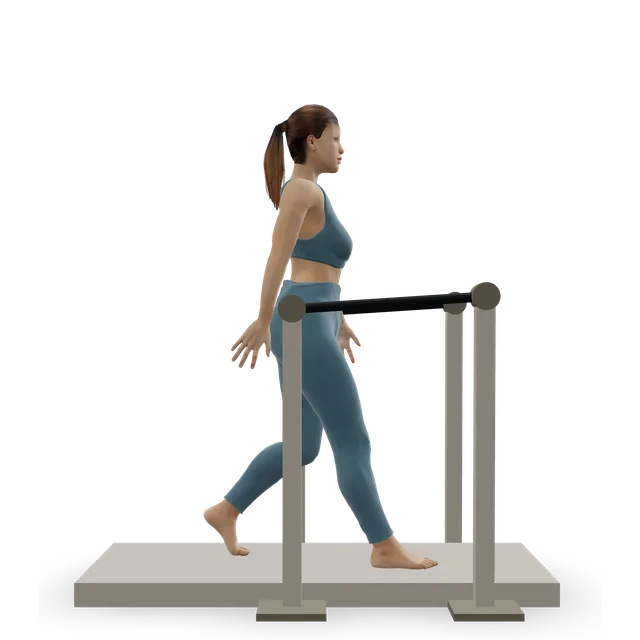
Treadmill walking demonstrated on the 3D figure3D demoTreadmill walkingBeginner · Cardio machine

5 to 10 min, several times a day · As in our back pain and twisting guides (editorial); walking outdoors counts

Harder: Treadmill jogging

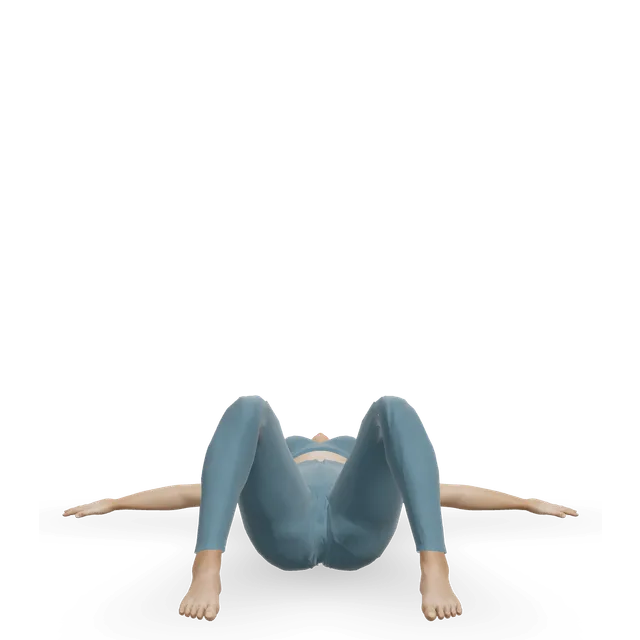
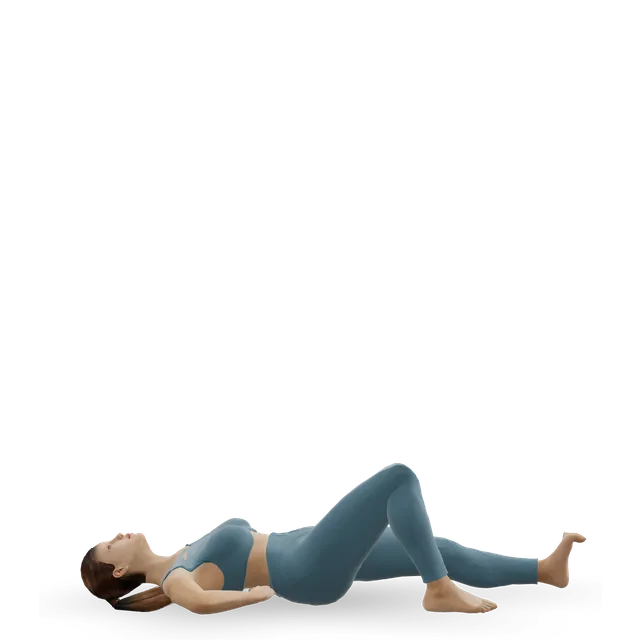
Hip windshield wipers demonstrated on the 3D figure3D demoHip windshield wipersBeginner · No equipment

10 slow passes side to side, 2 rounds · The move page's dose. The ITF's first step moves the bent knees slowly from side to side

Easier: Supine heel slide · Harder: 90/90 switch

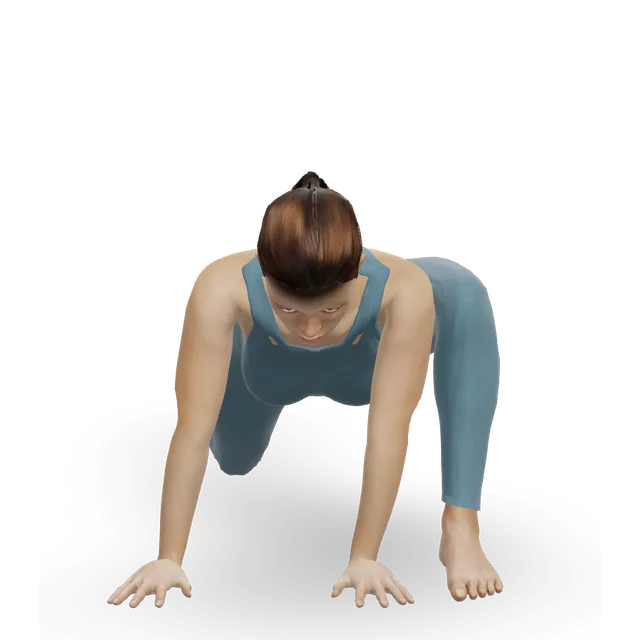
Cat-cow demonstrated on the 3D figure3D demoCat-cowBeginner · No equipment

8 waves, slower than feels natural · The move page's dose. The ITF's first step rounds and hollows the back on hands and knees

Harder: Half lord of the fishes (Ardha Matsyendrasana)

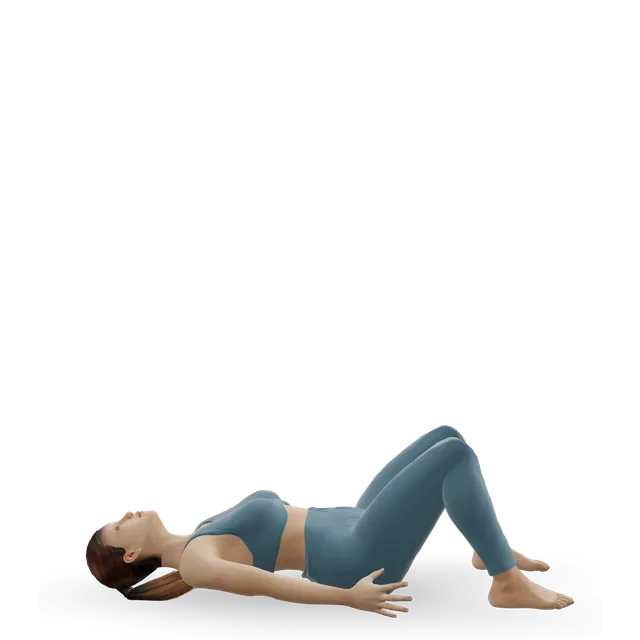
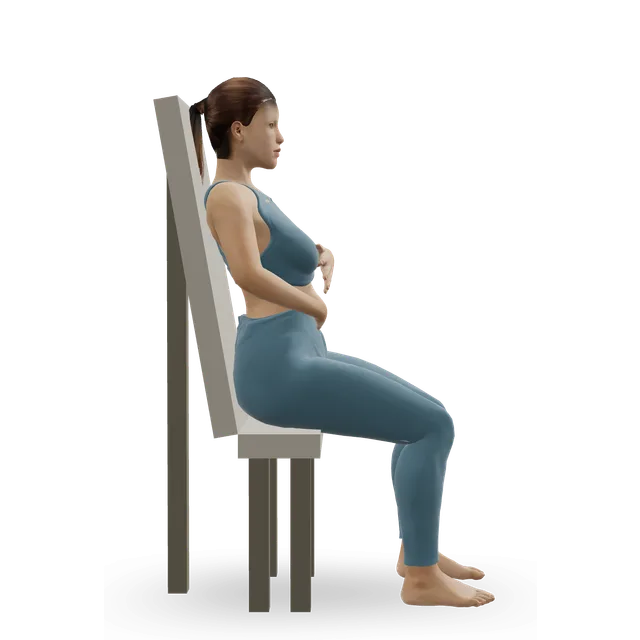
Pelvic tilt into bridge demonstrated on the 3D figure3D demoPelvic tilt into bridgeBeginner · No equipment

The tilt first: 2 to 3 at a time, adding 1 or 2 every few days · NHS inform's pelvic tilt, with its pacing

Harder: Glute bridge

Thoracic rotation demonstrated on the 3D figure3D demoThoracic rotationBeginner · No equipment

6 rotations per side, moving with the breath · The move page's dose. Most of a stroke's turn should come from the upper back and hips

Easier: Side-lying open book · Harder: World's greatest stretch

Move on when: You can walk for 15 to 20 minutes, everyday turning and bending are comfortable, and your back is no worse the next morning (the back hub's test).

Follow along: a timer, a cue and the next move, one step at a time.
Stage 2

Build: trunk endurance and hip strength

About weeks 2 to 6, 2 or 3 sessions a week, walking on most days: the ITF's second step, a trunk that holds its position for longer and hips that take their share.

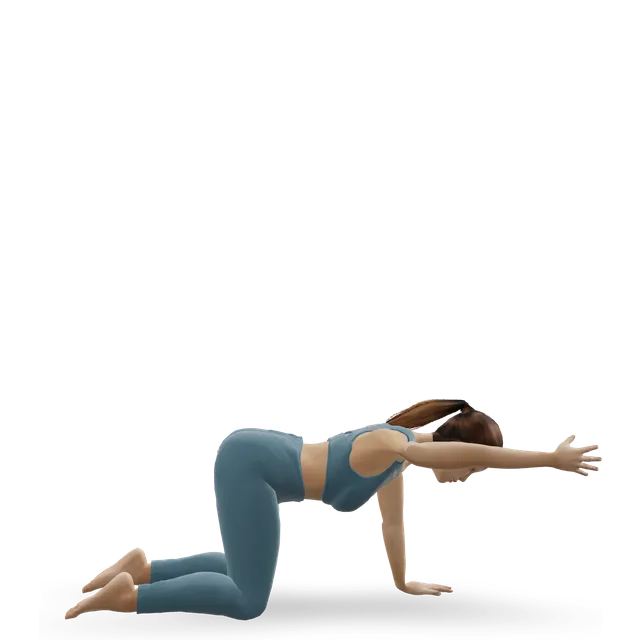
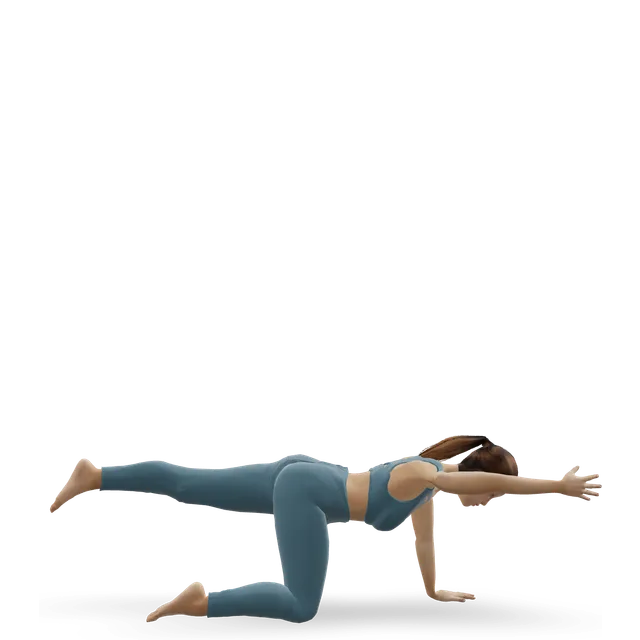
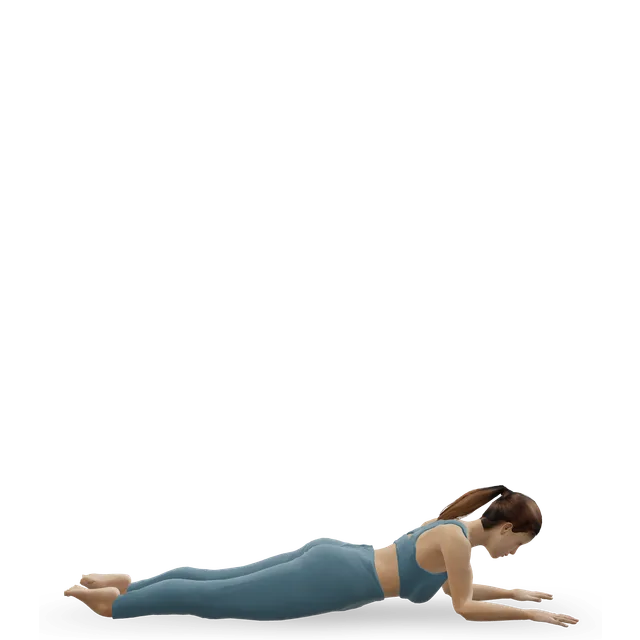
Bird dog, one limb at a time demonstrated on the 3D figure3D demoBird dog, one limb at a timeBeginner · No equipment

3 sets of 6 to 8 each side, with 3 to 5 s holds; then the full bird dog · As in our twisting and back pain guides (editorial). The ITF's arm-and-leg reach on all fours

Easier: Side-lying tummy draw-in · Harder: Bird dog

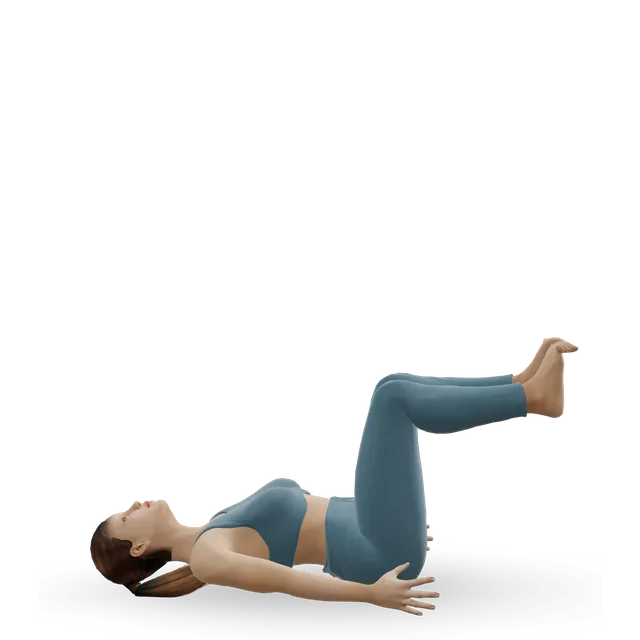
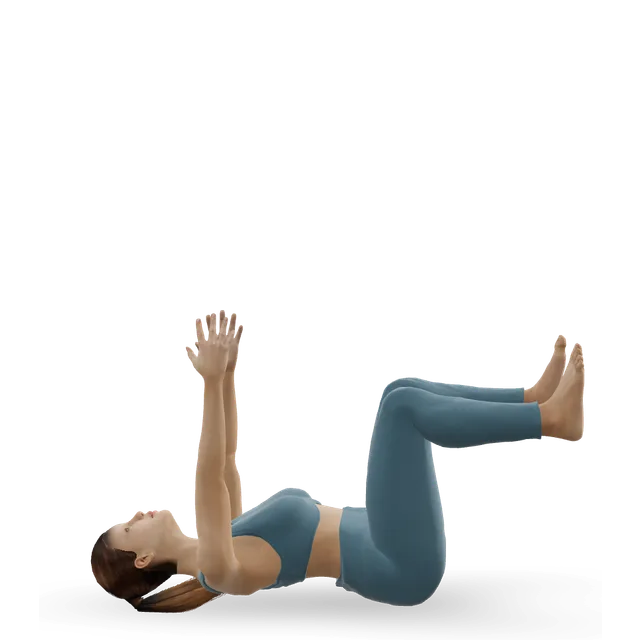
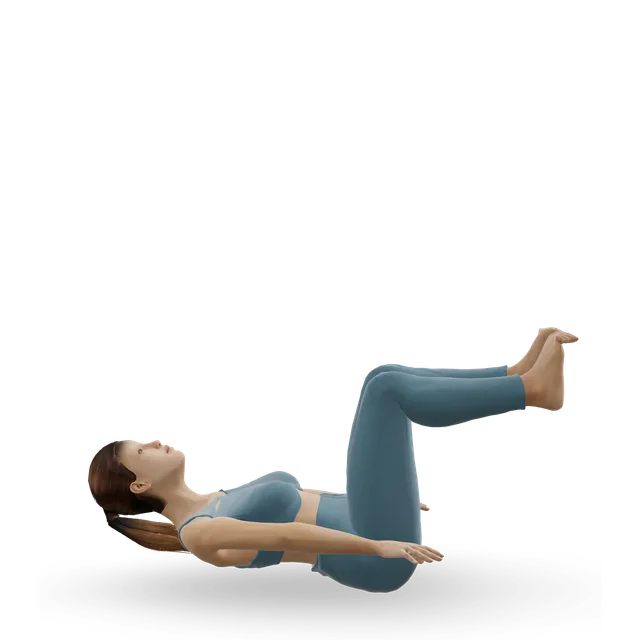
Dead bug heel taps demonstrated on the 3D figure3D demoDead bug heel tapsBeginner · No equipment

2 sets of 6 to 8 each side · As in our twisting guide (editorial)

Easier: Bent-knee fall-out · Harder: Forearm plank

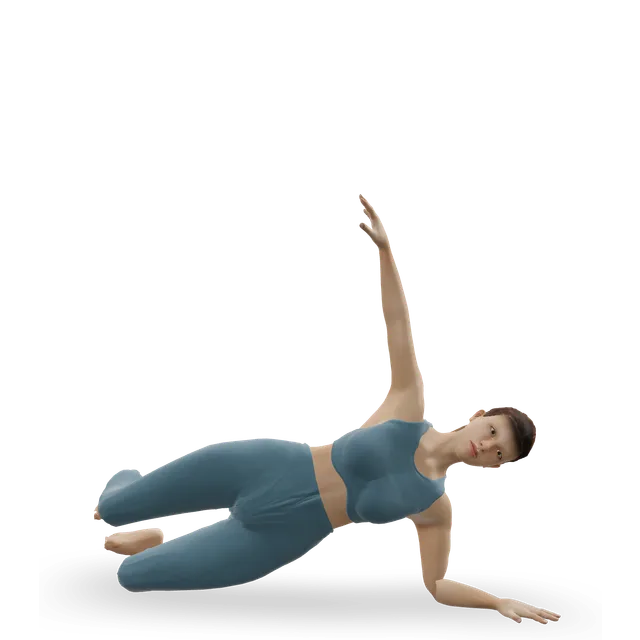
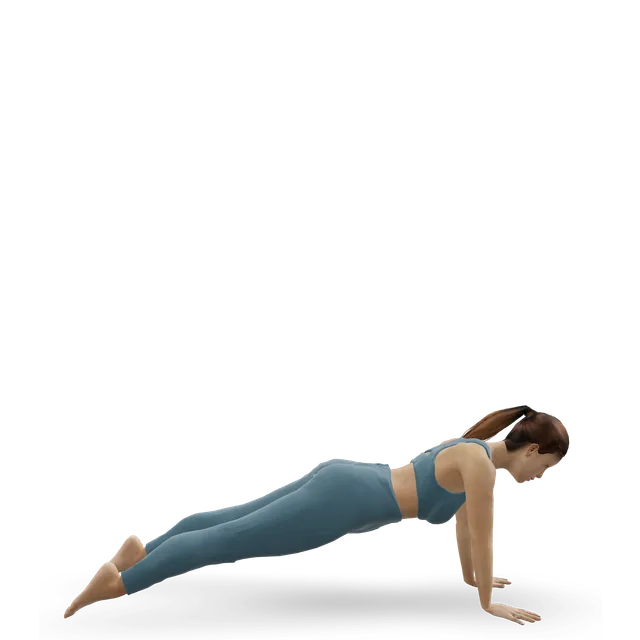
Knee side plank demonstrated on the 3D figure3D demoKnee side plankBeginner · No equipment

3 holds of 15 to 20 s each side · As in our twisting guide (editorial). Players with back pain held side bridges for less time in one study

Harder: Side plank

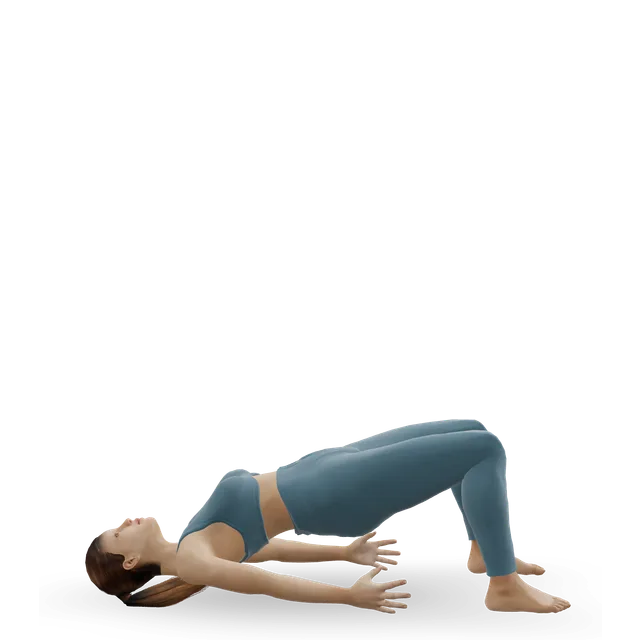
Glute bridge demonstrated on the 3D figure3D demoGlute bridgeBeginner · No equipment

2 to 3 sets of 10 · As in our back pain and twisting guides (editorial). The ITF's bridge

Easier: Pelvic tilt into bridge · Harder: Single-leg glute bridge

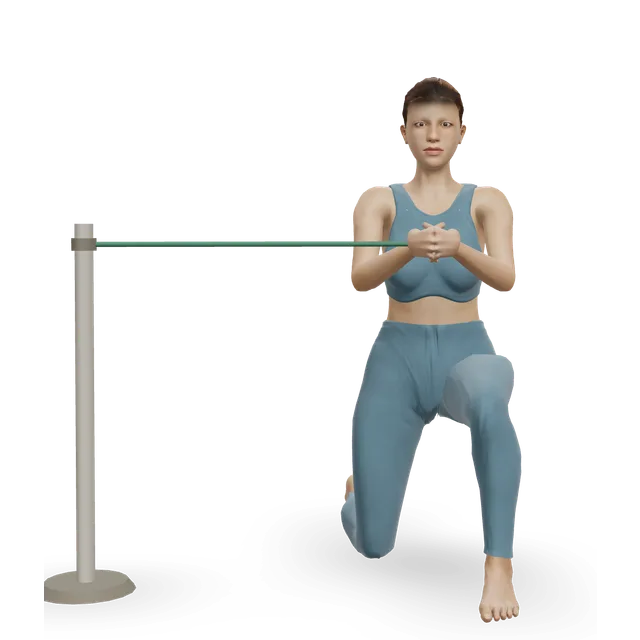
Half-kneeling Pallof press demonstrated on the 3D figure3D demoHalf-kneeling Pallof pressBeginner · A band + An anchor point

2 to 3 sets of 8 to 10 each side · As in our twisting guide (editorial). It trains the trunk to resist a turn

Harder: Pallof press

Move on when: Every set is controlled, groundstrokes at an easy pace from the baseline are within the pain rule, and your back is no worse the next morning (editorial).

Follow along: a timer, a cue and the next move, one step at a time.
Stage 3

Turn and load with control

About weeks 6 to 10, 2 or 3 sessions a week: turning through the upper back and hips, resisting and then making a turn under light load, and leg strength for the knee bend and drive of the serve.

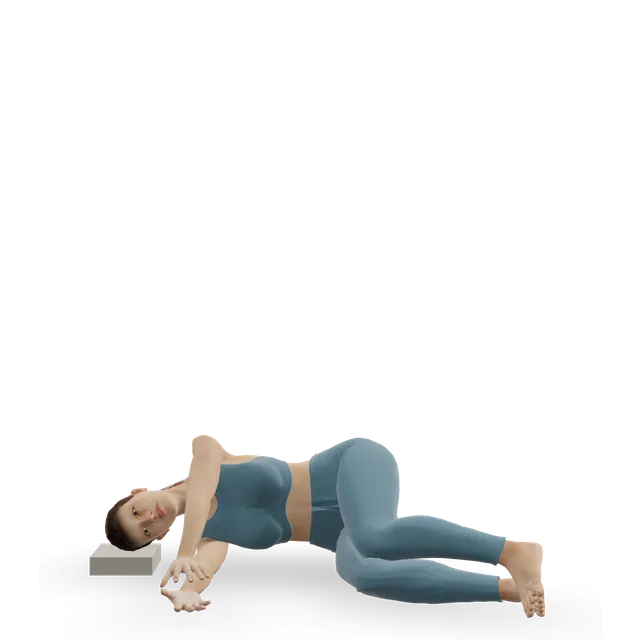
Side-lying open book demonstrated on the 3D figure3D demoSide-lying open bookBeginner · No equipment

8 to 10 slow openings each side, pausing 2 seconds at the end · The move page's dose

Harder: Thoracic rotation

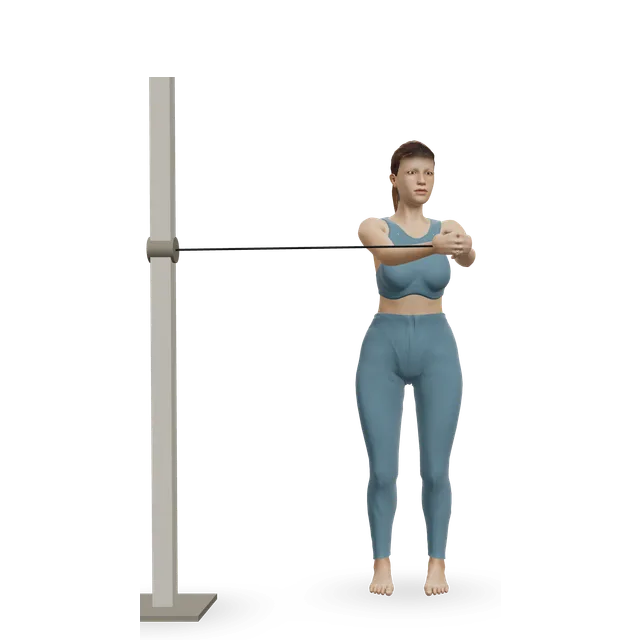
Cable press and rotation demonstrated on the 3D figure3D demoCable press and rotationIntermediate · A cable machine

2 to 3 sets of 8 to 10 each side, light and slow · As in our twisting guide (editorial)

Easier: Half-kneeling Pallof press · Harder: Cable wood chop

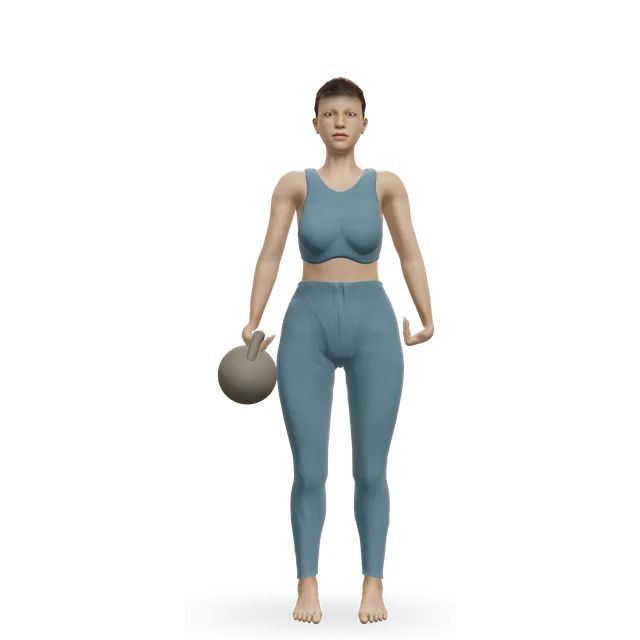
Suitcase carry demonstrated on the 3D figure3D demoSuitcase carryIntermediate · A dumbbell + A kettlebell

3 walks of 20 to 30 m each side · As in our back pain and twisting guides (editorial). If you can't stay level, the weight is too heavy, as the move page says

Easier: Farmer's carry · Harder: Overhead carry (waiter's walk)

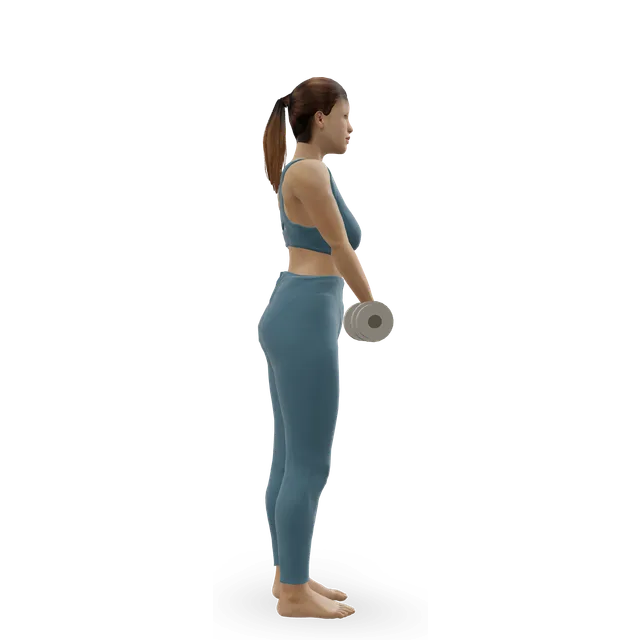
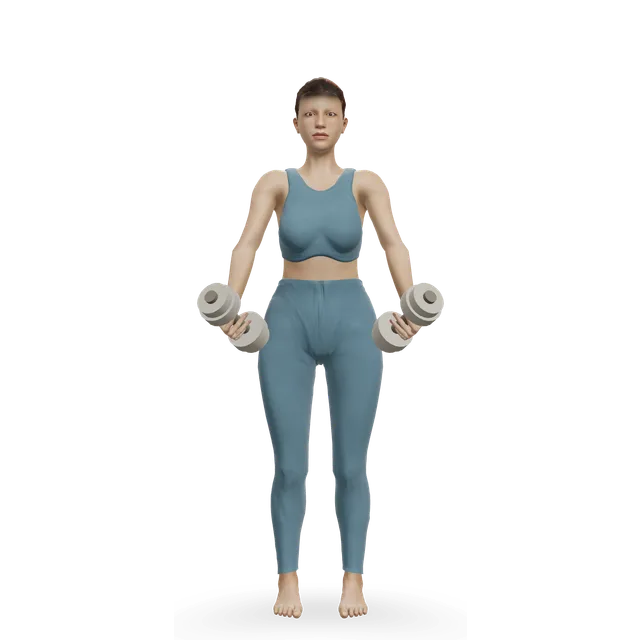
Single-leg Romanian deadlift demonstrated on the 3D figure3D demoSingle-leg Romanian deadliftAdvanced · A dumbbell

3 sets of 8 each leg, fingertips on a wall at first · As in our twisting knee guide (editorial). The legs and hips drive the serve

Easier: Dumbbell Romanian deadlift

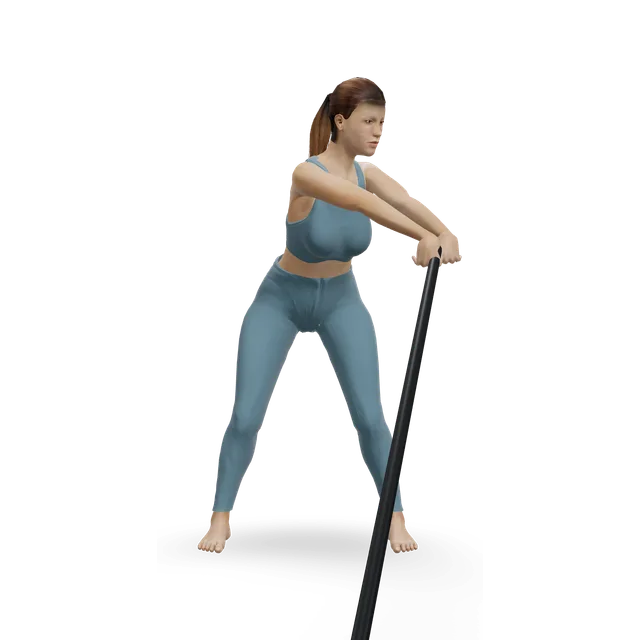
Landmine 180 (landmine rotation) demonstrated on the 3D figure3D demoLandmine 180 (landmine rotation)Intermediate · A barbell + An anchor point

2 to 3 sets of 8 to 12 each side, stopping with 2 or 3 reps in reserve · The move page's dose; a gym option. Start with little or no weight on the bar, as the move page says

Easier: Cable press and rotation · Harder: Barbell pike rollout

Move on when: These are within the pain rule, half-pace serves from the service line pass the rule for a week, and your back is no worse the next morning (editorial).

Follow along: a timer, a cue and the next move, one step at a time.
Stage 4

Back to tennis: the warm-up, then the steps back

From about weeks 6 to 10, as your back allows, then for good: our racket sport warm-up before every session, two strength days a week, and a step-by-step return by the written steps below, following the ITF's order. No study has tested a return to tennis after back pain; the ITF's order is the base, and the amounts are our suggestion.

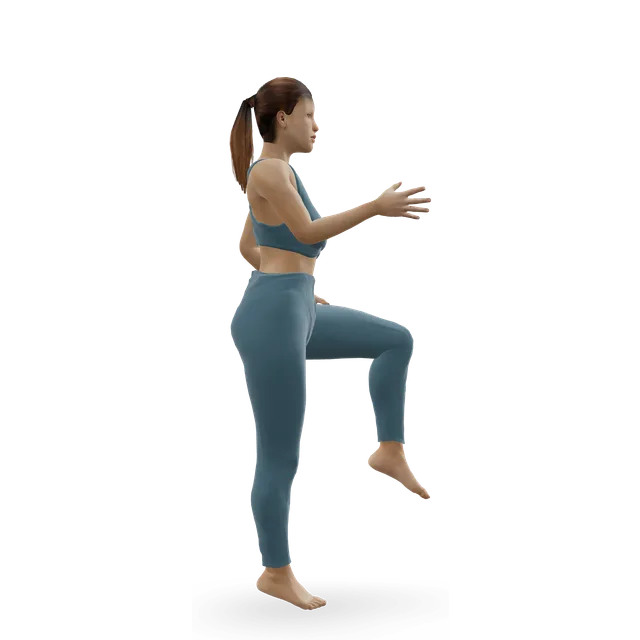
Front-to-back leg swings demonstrated on the 3D figure3D demoFront-to-back leg swingsBeginner · A wall

8 swings each leg, holding the net post or fence · As in our racket sport warm-up (editorial)

Harder: Contract-relax hamstring stretch (PNF)

World's greatest stretch demonstrated on the 3D figure3D demoWorld's greatest stretchIntermediate · No equipment

3 each side, reaching up as you turn · As in our racket sport warm-up (editorial). The turn should come from the middle back, as the move page says

Easier: Low lunge (Anjaneyasana) · Harder: Active pancake lift-off

Thoracic rotation demonstrated on the 3D figure3D demoThoracic rotationBeginner · No equipment

6 rotations per side, moving with the breath · The move page's dose

Easier: Side-lying open book · Harder: World's greatest stretch

Side-stepping (sideways walking) demonstrated on the 3D figure3D demoSide-stepping (sideways walking)Beginner · A wall

2 sets of 20 s each way, low and wide, quick feet · As in our racket sport warm-up (editorial)

Harder: Lateral band walk

Cable press and rotation demonstrated on the 3D figure3D demoCable press and rotationIntermediate · A cable machine

15 to 30 s each side · As in our tennis and padel injury prevention routine (editorial)

Easier: Half-kneeling Pallof press · Harder: Cable wood chop

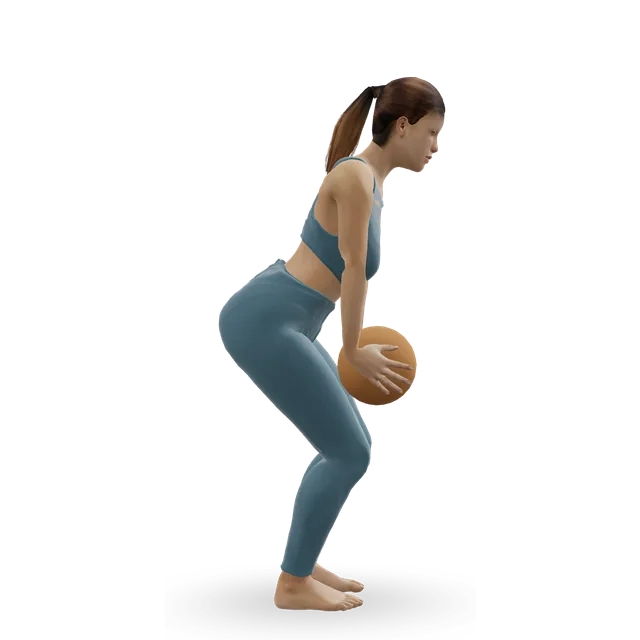
Medicine-ball scoop throw (backward overhead throw) demonstrated on the 3D figure3D demoMedicine-ball scoop throw (backward overhead throw)Beginner · Medicine ball

3 sets of 3 to 5 throws, resting a minute between sets · The move page's dose, on strength days, once arching back is comfortable: the move page says leave out the tall finish if leaning back hurts your lower back

Harder: Two-hand overhead throw

Move on when: Our suggestion: full practice and matches pass the pain rule for 2 weeks; then add back competition, extra sessions a week and singles, one at a time. Keep two strength days a week, as the ITF advises abdominal and back exercises at least twice a week.

Follow along: a timer, a cue and the next move, one step at a time.

What to change for now

Your tennis for now (written steps)

Our 3D figure shows the moves, not your serve, the court or your shoes. These steps come from the ITF's player sheet, the NHS, the AAOS and cohort studies of players; where a step is our suggestion, it says so. None has been tested in a trial against back pain.

  • 1. A fresh injury first: with any warning sign, stop and get it checked. A teenager whose back hurts more when arching, for more than a couple of weeks, stops serving and gets checked before carrying on.
  • 2. While it's sore: keep moving and keep up your daily activities, and don't stay in bed for long (the NHS). Put serving and smashes on hold for a few days (our suggestion).
  • 3. Load: no sudden jumps in weekly tennis or gym load, and build back over a few weeks after a holiday or a break, as the teenage cohort suggests. Doubles before singles, and a rest day between hard sessions (our suggestion).
  • 4. The return, in the ITF's order: start by hitting from a small area, about two square metres, working on footwork so you don't overstretch; then rallies; then build up gradually the strokes that strain the back most (the kick and topspin serve, powerful open-stance topspin forehands, long series of low or wide volleys, side-to-side drills and high topspin backhands), and train volley and overhead combinations in separate sessions. Every other day at first is our suggestion.
  • 5. Serving back (our suggestion, using the elite average of about 40 serves a set as a yardstick): 10 to 20 easy serves from the service line, then the baseline, adding about 10 a session, flat and slice before kick. Move on only when the last session passed the pain rule.
  • 6. Your serve: don't arch your back unnecessarily, as the AAOS says. Once you're serving again, ask a coach to look at your knee bend, leg drive and trunk turn (our suggestion).
  • 7. Courts and shoes: if your back is worse on hard courts, play more on clay or softer courts while it settles, in shoes with good cushioning and grip, as the ITF suggests.
  • 8. The warm-up and cool-down: at least 10 minutes each, as the ITF advises; our racket sport warm-up takes about that.
  • 9. A young player: a stress fracture means time off the painful sport, early physiotherapy, as in the one trial, and a pain-free return set by the treating team. No tennis through pain on arching.
  • 10. Padel, squash and badminton: the same steps; in padel, overheads and wall shots come back last (our suggestion).

Sources 27, 8, 17, 19, 33, 39

Positions to swap, and why

Habit or positionWhy it mattersInstead
A long serving session straight after a breakSpikes in weekly load went with more back pain in teenagers.Build up over weeks, 10 to 20 serves first.
Serving and smashing through back painThe serve takes the lower back close to the end of its range.Groundstrokes in a small area, then the staged return; upper-back turns off court.Try: Thoracic rotation
A big arch on every serve while your back is soreThe AAOS says don't arch your back unnecessarily when serving.Knee bend and leg drive, with a coach, and single-leg strength in the gym.Try: Single-leg Romanian deadlift
Volley and overhead drills back to backThe ITF calls them very taxing for the back.Train them in separate sessions.
A teenager playing on through back pain on archingIt can be a stress fracture of the spine.Stop and get it checked; early physiotherapy if it is one.
Staying in bed or stopping everythingThe NHS says don't stay in bed for long, and the ITF says not beyond two days.Walking and the stage 1 moves.Try: Treadmill walking
Fast, heavy Russian twists in the gym while it's soreFast, loaded twisting is the version to be careful with, and the move page says leave it out with osteoporosis or a past spinal fracture.The Pallof press, which trains the trunk to resist a turn.Try: Half-kneeling Pallof press
Bracing your stomach hard on every strokePlayers with and without back pain had the same trunk strength in one study.Trunk endurance and smooth movement.Try: Knee side plank
A back belt or brace for tennisNICE says don't offer belts or corsets for low back pain.Strength, walking and a smooth serve.
Asking for a scan to find what's wrongMost pain-free elite juniors had changes on MRI.Get checked if a warning sign appears, or for a young player's lasting pain on arching.

Routines to follow

Racket sport warm-up

A 12-minute warm-up for tennis, padel, squash or badminton: skipping, leg swings, trunk turns, band shoulder work, forearm circles, shuttles and landings.

12 minBeginner10 movesWall, band

Tennis and padel injury prevention

A 25-minute routine for racket players: the five-part Shoulder Control programme from handball trials, band rotations, forearm lowering, hops and balance.

25 minBeginner12 movesDumbbell, cable machine

Spine mobility routine: neck to pelvis, every direction

A 15-minute routine that moves your neck, upper back and lower back through bending, arching, side bending and twisting, then holds the spine steady.

15 minBeginner12 movesNo equipment

Beginner core workout

A 15-minute beginner core workout on the floor: dead bugs, bird dogs, knee planks, side planks and curl-ups.

15 minBeginner6 movesNo equipment

McGill big 3 core routine

The McGill big three for the core: curl-ups, side planks and bird dogs, each held for 10 seconds at a time in falling sets of 5, 3 and 1 reps.

12 minBeginner3 movesNo equipment

Both-sides yoga for tennis players: a 25-minute class for rotation, shoulders, hips and balance

Twenty-five minutes of yoga for tennis and padel players: rotation both ways, shoulder blades, hips, one-leg balance and forearms, for non-match days.

25 minBeginner19 movesWall

Both-sides Pilates for tennis players: a 25-minute class for rotation, shoulder blades and hips

A 25-minute Pilates class for tennis and padel players: trunk endurance, rotation both ways, shoulder blades, hips and single-leg balance, on a mat.

25 minBeginner19 movesBand, anchor point

More moves for this area

Questions people ask

Why does my lower back hurt after tennis?

Usually it's ordinary back pain from the serve's arch and turn and from groundstrokes that turn the back near its limit, often after more tennis than your back is used to. It usually settles within a few weeks. Pain down a leg, a fever or numbness around your genitals or bottom needs checking.

Why does my back hurt when I serve?

The serve arches, side-bends and turns the lower back, then whips the turn back, and in elite teenagers it took everyone close to the end of their back's range. A sore back often objects most as you arch. Fewer serves for a few days, then a staged return, usually helps.

Is tennis bad for your back?

Probably not for most people, though the evidence in adults is thin: one 1999 interview survey of tournament spectators found that adults who played had no more back pain than adults who didn't. Competitive 12-year-olds had no more back pain than schoolchildren. Sudden jumps in how much you play seem to matter more than the sport itself.

Can I play tennis with lower back pain?

Usually, within the pain rule: up to about 5 out of 10, settling within an hour and no worse the next morning, with no pain spreading down a leg. Start with groundstrokes in a small area, hold back on serves and play doubles. A teenager with pain on arching should stop and get checked first.

Is the kick serve bad for your back?

It hasn't been shown to be worse than the flat serve: in elite teenagers both loaded the back hard, and the flat serve bent it forward more. Easing off the kick while your back is sore is reasonable, as the ITF suggests building it up gradually.

Could it be a stress fracture?

In a young player, back pain that is worse arching back and lasts more than a couple of weeks can be, and at one clinic it was found in about 4 in 10 young people with lasting back pain. See a GP or sports physiotherapist. In adults with ordinary back pain, it is unlikely.

How long does a stress fracture in the back take to heal?

Most young athletes return to sport without surgery, on average about 4 months later. Starting physiotherapy within a week brought the return forward by about 5 weeks in a trial. The bone doesn't always knit, but most people do well anyway.

What exercises help a tennis player's back?

Gentle movement first (knee rolls, cat-cow and walking), then trunk endurance and hip strength (bird dogs, side planks, bridges and the Pallof press), then turning under control, then the warm-up and a staged return, as the ITF sets out. No trial has tested trunk training in tennis players with back pain, so the aim is comfort and capacity rather than proven protection.

Should I stretch my back or hips?

Gentle movement helps stiffness, but stretching isn't the treatment: hip range wasn't linked to back pain in young players. A short moving warm-up before play is better than long static holds.

Do I need a scan?

Usually not: NICE advises against routine imaging for back pain, and most pain-free elite juniors have changes on MRI. A young player with lasting pain on arching, sciatica that isn't improving or a warning sign is different.

Why does my side hurt when I serve?

A sharp pain low on the front of the tummy, on the side opposite your racket arm, can be a strain of the tummy muscle from the serve. Our abdominal strain guide covers it. Pain in the side with a fever or burning when you pee needs checking the same day.

When should I see a doctor?

Call 999 for numbness around your genitals or bottom, new bladder or bowel trouble, or chest pain or breathlessness on court. Get help the same day for back pain with a fever or feeling unwell, and see a GP for pain down a leg that isn't settling or a teenager's back pain that is worse arching back. In the US, call 911 where this page says 999.

Related exercise guides

Other pain guides

Sources

  1. Pluim 2006 · Tennis injuries: occurrence, aetiology and prevention (systematic review, BJSM)
  2. Saraux 1999 · Back pain and sciatica in 388 adults who play tennis and 245 who don't, interviewed at a tournament (cross-sectional survey, Rev Rhum Engl Ed)
  3. Zaina 2016 · Back pain and spine shape in 102 adolescent tennis players and 203 schoolchildren (cross-sectional study, Eur Spine J)
  4. Fett 2019 · Back pain in 181 elite overhead athletes, tennis players among them (survey, PLoS One)
  5. Gescheit 2019 · Injuries in an elite national junior tennis programme over 5 years (cohort study, J Sci Med Sport)
  6. Hjelm 2010 · Injuries in 55 junior tennis players over 2 years (cohort study, Knee Surg Sports Traumatol Arthrosc)
  7. Hutchinson 1995 · Injuries at 6 years of the US boys' national tennis championships (injury surveillance, Med Sci Sports Exerc)
  8. Johansson 2022 · Training load spikes and back pain in 198 adolescent tennis players (cohort study, Sports Health)
  9. Montalvan 2024 · Injuries at 12 French Opens, 2011 to 2022 (tournament surveillance, Orthop J Sports Med)
  10. McCurdie 2017 · Injuries at Wimbledon, 2003 to 2012 (tournament records, Br J Sports Med)
  11. Sell 2014 · Injuries at 16 US Opens, 1994 to 2009 (tournament records, Br J Sports Med)
  12. Kovacs 2011 · An 8-stage model of the tennis serve for performance and injury prevention (review, Sports Health)
  13. Campbell 2013 · Lower back loads in the serve in 20 elite adolescent players with and without back pain (lab study, Med Sci Sports Exerc)
  14. Campbell 2014 · The serve and back pain in 20 elite adolescent players (motion study, Med Sci Sports Exerc)
  15. Campbell 2016 · Lower back movement in groundstrokes in 19 elite adolescent players (lab study, J Appl Biomech)
  16. Connolly 2021 · Spine changes on scans, serve type and lower back movement in 24 elite adolescent players (lab study, Sports Med Open)
  17. International Tennis Federation · Lower back pain (player information sheet, 2019)
  18. Hjelm 2012 · Injury risk factors in 55 junior tennis players over 2 years (cohort study, Scand J Med Sci Sports)
  19. Myers 2016 · Serve counts in elite matches and a volume-based interval serving programme (retrospective cohort study, Sports Health)
  20. Ledonio 2017 · Imaging for spondylolysis in young people: 27 studies (evidence review, Spine Deform)
  21. Goetzinger 2020 · Spondylolysis in young athletes: non-surgical management (narrative review, J Sports Med)
  22. AAOS OrthoInfo · Spondylolysis and spondylolisthesis
  23. Ruiz-Cotorro 2006 · Spondylolysis in 66 young tennis players (case series, Br J Sports Med)
  24. NICE NG59 · Low back pain and sciatica in over 16s: assessment and management (2016, updated 2026)
  25. Alyas 2007 · Lower back MRI in 33 elite adolescent tennis players without pain (imaging study, Br J Sports Med)
  26. Rajeswaran 2014 · Back scans in 98 elite junior tennis players without pain (cross-sectional study, Skeletal Radiol)
  27. NHS · Back pain
  28. NHS · Sciatica
  29. Grazina 2019 · Return to sport after spondylolysis in athletes, 14 studies (systematic review, Phys Ther Sport)
  30. Overley 2018 · Return to play after spondylolysis in 376 adolescent athletes (meta-analysis, Global Spine J)
  31. Panteliadis 2016 · Return to sport after spondylolysis with and without surgery: 25 publications (narrative review, Global Spine J)
  32. Klein 2009 · Treatment without surgery for spondylolysis in children and young adults, 665 people (meta-analysis, J Pediatr Orthop)
  33. AAOS OrthoInfo · Tennis injury prevention
  34. NHS inform · Exercises for back pain
  35. Correia 2016 · Trunk endurance and back pain in 35 tennis players (cross-sectional study, J Sci Med Sport)
  36. Grosdent 2015 · Trunk strength in 38 elite tennis players with and without back pain (cross-sectional study, J Sports Med Phys Fitness)
  37. Moreno-Pérez 2019 · Hip range and back pain in 64 young elite players (cross-sectional study, J Back Musculoskelet Rehabil)
  38. Vad 2004 · Hip and lower back range and back pain in 42 professional golfers (cross-sectional study, Am J Sports Med)
  39. Selhorst 2026 · Physiotherapy straight away against rest first for spondylolysis in 64 adolescent athletes (randomised trial, Br J Sports Med)
  40. Maquirriain 2007 · Rectus abdominis strains in tennis players (review, Br J Sports Med)

Exercise education, not a diagnosis or treatment plan. It is written from the guidelines and studies listed above; review by a clinician is pending. If your pain follows an injury, is severe, is getting worse, or comes with any warning sign listed on this page, get it assessed. Health disclaimer.