A one-sided, rotating, stop-start game
Most tennis injuries are to the legs, then the lower back and the shoulder; in elite juniors, the lower back was the commonest and most severe site. In padel, the elbow comes first.
Yoga guide
Tennis turns you hard one way and loads one arm, thousands of times a season. Yoga suits tennis, padel, squash and badminton players best on non-match days and after play: rotation done equally both ways, shoulder-blade control, hips for lunging and one-leg balance, and a calm end to the day. Before you play, a moving warm-up does the job.
Only one small trial has tested yoga in tennis players, and no trial has shown that yoga or stretching prevents tennis injuries, so this guide is honest about what yoga can and can't do.
It covers where players get hurt, the hitting shoulder and when to stretch it, the back and the serve, tennis elbow, padel and other racket sports, how to fit yoga around play, the warning signs, and a 25-minute both-sides class with 3D demos.
Most tennis injuries are to the legs, then the lower back and the shoulder; in elite juniors, the lower back was the commonest and most severe site. In padel, the elbow comes first.
In 40 junior players, yoga by video link twice a week for 8 weeks went with better core, flexibility and balance tests, but players who didn't do yoga improved on several of the same tests. We could read only the summary, so how the groups compared is unknown.
Source 4
Across 25 trials, stretching programmes had no effect on sports injuries, while strength training cut them to under a third. The only tennis prevention trial, an app, didn't work.
The playing arm turns inwards less, and that wasn't linked with shoulder injury in 301 young players followed for a year. If one shoulder is clearly stiffer, stretching restores some range.
Long holds just before effort cost a little performance, and dynamic warm-ups served elite players better. Use the racket warm-up before you play and keep yoga for afterwards or another day.
Chest pain or fainting, a shoulder out of place, a pop with sudden elbow pain, and a knee that pops, swells fast or gives way all need help; the full list is below.
In the serve, "the legs and trunk segments are the engine", producing about 51% to 55% of the energy delivered to the hand, with a fast reversal of rotation through the lower back just before impact. Groundstrokes turn the hips and trunk; split steps and lunges load one leg at a time.
Source 17
In a small study of elite adolescent players, every one came close to the end of their lower-back range in the serve.
Source 18
The playing shoulder turns inwards less (about 53 against 63 degrees on average, across 25 studies), and the loss grows with years of play. Hip rotation, by contrast, was even on both sides in 147 elite players.
Many elite players had limited hip bending, straightening and opening out to the side, but hip range didn't go with a history of back pain in young elite players. Hip work in yoga is for comfort and lunging range, not proven protection.
Rotation both ways, upper-back and shoulder-blade work, hip range for lunging, one-leg balance, forearm care and a calm finish, alongside your power and strength training. The NHS counts yoga as muscle-strengthening activity when it's hard enough.
Source 23
Each study counted injuries its own way, so the figures in different notes aren't comparable. Our tennis and padel page has more.
Most injuries are in the legs, then the arms and the trunk. In 55 Swedish juniors, half were in the legs and a quarter each in the arms and the trunk. In high-performance players, leg injuries made up about half, followed by the lower back and shoulder overuse.
In 101 Australian national juniors followed for 4 years, there were about 2.7 to 2.8 injuries per 1,000 hours; the lower back was the commonest and most severe site, and the shoulder came second.
Source 1
In 52 professional women's players over a season, there were 56.6 injuries per 1,000 hours of match play, half of them in the legs.
Source 26
Recreational players get more sudden leg injuries such as ankle sprains and more overuse elbow problems such as tennis elbow; high-level players get more shoulder pain. In padel, about 3 injuries per 1,000 hours, and the elbow is the commonest site.
In 198 adolescent players, each sudden spike in training load raised the rate of back pain, and in Swedish juniors, playing more than 6 hours a week went with back pain. Build your playing time gradually.
No trial has counted injuries after yoga in racket sports, so this guide also draws on stretching and shoulder research in other athletes, and says where it does.
In 40 players aged 6 to 18, half did yoga by video link 2 days a week for 8 weeks and half carried on with tennis. The yoga group improved in core, flexibility, upper-limb stability, balance and body awareness tests, but the control group also improved in core strength, sit and reach, a balance test and body awareness. The summary gives no comparison between the groups, and we couldn't open the full paper, so it can't show that yoga beat tennis alone. Our search found no other yoga trial in a racket sport.
Across 25 trials and 26,610 people, stretching programmes didn't prevent sports injuries, while strength training cut them to under a third and balance training to about half. Stretching before exercise didn't prevent injury in 1,538 army recruits. A 2025 consensus of stretching researchers doesn't recommend stretching for injury prevention in general.
In 579 adult club players, an unsupervised 12-week app made no difference: 37% against 38% had an injury problem at any one time. Its designers had replaced static arm stretches with strength exercises "due to a lack of evidence".
In 23 small trials, jump, strength and core training raised serve speed and agility, and twice a week was enough. No trial has measured serve speed after yoga.
Source 33
In young adults, balance training worked best at about 3 sessions a week of 11 to 15 minutes for 11 to 12 weeks. Yoga's one-leg poses count if you make them harder over time.
Source 34
Across 17 studies of 2,195 overhead athletes, no shoulder range measure was significantly linked with injury. Another review of 9 studies found a link in adults but not in adolescents. In 301 adolescent tennis players followed weekly for a year, inward turn and total range weren't linked with shoulder injury. Professionals with past shoulder pain had less inward turn in both shoulders, not a bigger difference between sides.
In athletes with a clear loss of inward turn, the sleeper and cross-body stretches restored about 7 degrees, across 6 trials of 255 athletes. In 54 people with a stiff back of the shoulder, the cross-body stretch gained 20 degrees against about 6 in a comparison group. None of these trials counted injuries.
In 30 tennis players with a clear one-sided loss, a cross-body or sleeper stretch, held "for 30 s and performed with 3 to 5 repetitions once daily for 4 weeks", worked about equally. There was no group that didn't stretch, so treat it as a starting point, not proof.
Source 39
In 26 young players, 12 weeks of shoulder strength training also restored inward turn, without stretching.
Source 40
Stretch only a clear one-sided loss, cross-body first and the sleeper stretch gently if needed, as our shoulder guides say, and keep up the shoulder strength routine on our tennis and padel page.
In 98 pain-free elite junior players, back scans often showed changes, so a scan finding doesn't explain pain on its own. Young players with back pain had stiffer lower backs than those without.
Competitive 12-year-olds had no more back pain or spinal curves than schoolchildren. What raised back pain was sudden jumps in training load.
Rotation both ways, back-extension endurance such as locust, and calm breathing after play. Leave out deep backbends if your back hurts when you arch, and get a young player's lasting back pain checked first (the warning signs below).
The NHS says "Tennis elbow usually gets better after resting your arm for a few weeks, but it can sometimes last longer", and to see a GP if it hasn't improved after at least 2 weeks of looking after it yourself. Most people with tennis elbow don't play tennis (our tennis elbow guide), and that guide has the treatment, built on forearm loading.
Source 43
Put weight on your forearms or fists instead of flat hands, or use the wall, and don't grip hard. Our elbow guides' rule:
Some discomfort during forearm exercises is fine. Keep it mild: no more than about 3 to 4 out of 10. It should settle within an hour or so, and your elbow should be no worse the next morning. If it is worse, go lighter next time (a lighter weight, a bendier bar, fewer reps or a shorter hold), not nothing. When a set no longer causes any discomfort, it's time to progress.
Tingling is the exception: stop any exercise or position that brings on pins and needles or numbness in your hand, especially in the ring and little fingers, and avoid holding the elbow fully bent while it settles.
Holds of 60 seconds or more per muscle just before effort cut performance by about 4.6%, shorter holds by about 1.1%, and dynamic warm-ups prepared elite players better for sprints and changes of direction. The Lawn Tennis Association (LTA) warm-up uses moving drills, not holds.
Stretching after exercise changed next-day soreness by only about a point on a 100-point scale, but a short routine can feel good, and slow breathing raises heart rate variability, a sign of the calming side of the nervous system, while you do it.
The LTA has a yoga page from its physiotherapist that says flexibility "is important for avoiding injury", which the trials above don't support, and a Tennis Wales injury prevention routine with no static stretches.
Rotation both ways, shoulders, hips and balance. Padel players should take extra care with weight on the hands, because the elbow is the commonest padel injury site. Our tennis and padel, squash, badminton and pickleball pages cover each sport.
Source 3
Our editorial plan: no trial has tested how players should fit yoga in.
Once or twice a week on non-match days or after play, 20 to 30 minutes. The junior trial used 2 sessions a week for 8 weeks, and power and strength training twice a week was enough in the tennis trials.
The racket warm-up before you play; yoga after, or the next day. Keep long holds and hard classes away from the day before a match.
Do every rotation and balance the same on both sides, weaker side first. That's our suggestion: no trial has tested it.
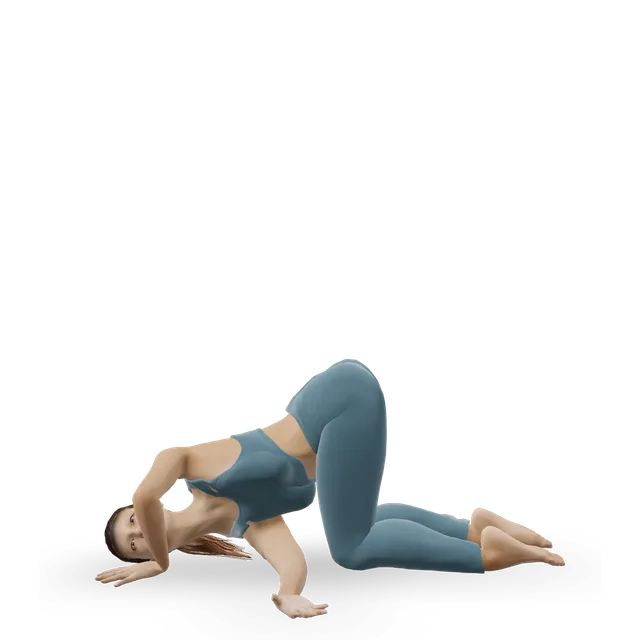
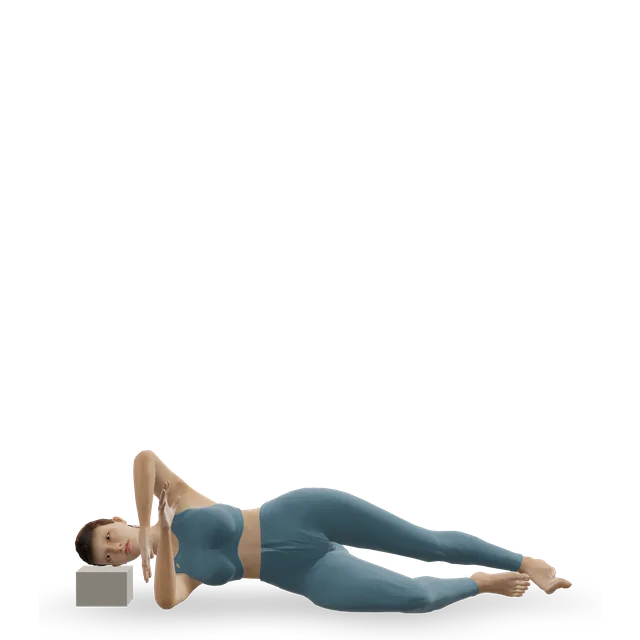
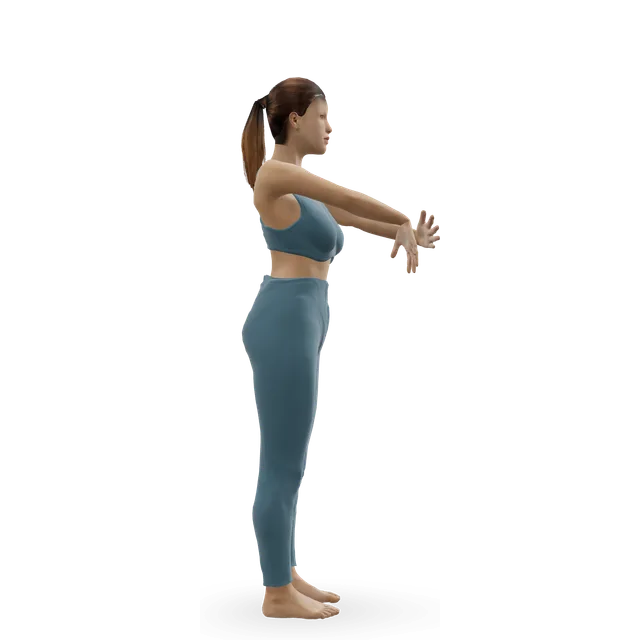
Thoracic rotation: 6 each side; the open book: 8 to 10 slow openings each side (the moves' pages). Thread the needle: 30 to 45 seconds each side, on your forearm or skipped if your wrist is sore (our yoga for golfers class).
Y-T-W raises: 5 of each shape, and scapular push-ups: 2 sets of 10, at the wall if anything is sore (our Pilates for tennis players class). Locust: 2 holds of 5 breaths, arms forward (our yoga for swimmers class). Cross-body stretch: only if your hitting arm turns inwards clearly less, 30-second holds 3 to 5 times once a day for about 4 weeks (from one small tennis trial); the sleeper stretch second, gently.
Low lunge: 45 seconds each side, back knee padded (our yoga for swimmers class). 90/90 switch: 10 slow switches; standing hip circles: 3 slow circles each way, each leg (the moves' pages). Reclined figure four: 45 seconds each side (our yoga for golfers class).
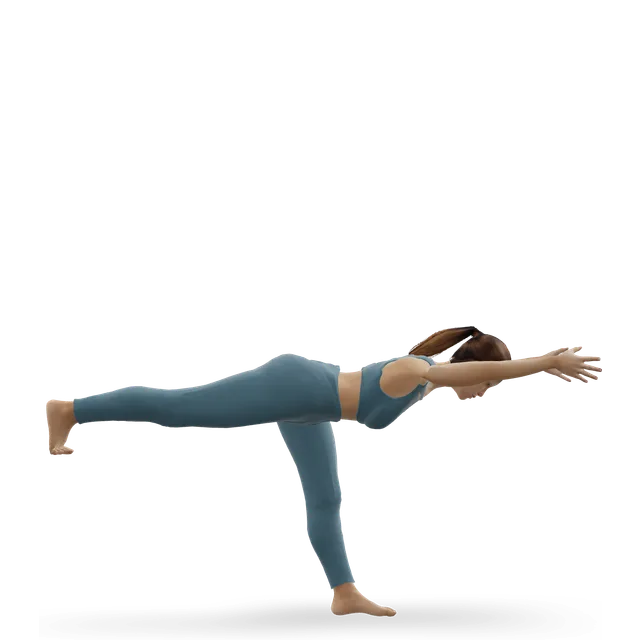
Single-leg stand: 2 holds of 30 seconds each leg (our Pilates for tennis players class). Hip airplane: 2 sets of 5 slow turns each leg, holding a counter (the move's page). Tree pose: 30 seconds each side (our yoga for golfers class); warrior III: 3 breaths each side, twice, hands on a chair (our yoga for footballers class). Side plank: 2 holds of 20 seconds each side, knees down to start (our Pilates for tennis players class).
Wrist extensor stretch: 2 holds of 30 seconds each arm, stopping if it tingles, and wrist flexor stretch: 2 holds of 20 seconds each arm (our yoga for golfers class; the extensor stretch's page gives 3 holds of 30 seconds for tennis elbow). Wrist and forearm flow: 10 slow reps each way (our racket sport warm-up).
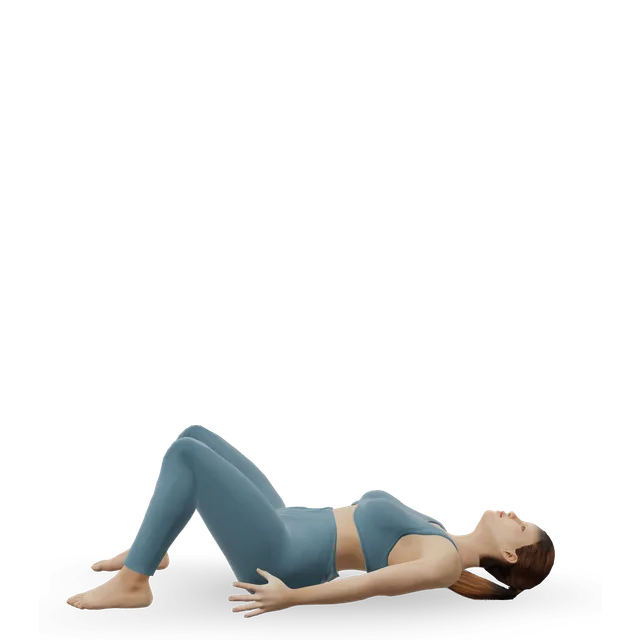
Slow breathing: 2 minutes, in for about 4 and out for about 6; lying twist: 45 seconds each side; corpse pose: 3 minutes (our yoga for golfers class).
Holds of a minute or more per muscle cost a little power and aren't needed before tennis. Keep them for afterwards.
Downward dog, plank, chaturanga and crow on your forearms, fists or at the wall, and no hard gripping.
Leave out wheel, bow and camel if your back hurts when you arch: the serve already arches the lower back. A young player's lasting back pain needs checking.
Only for a clear loss of inward turn on one side, as our shoulder guides say.
No end-range overhead holds, binds or extended puppy pose until you're cleared.
Stop an exercise, or shrink its range, if you get the feeling the shoulder is about to slip out (editorial).
Source 14
Not needed for tennis, and hand, shoulder and head stands are the practices most often linked with acute yoga injuries; US health advice says people new to yoga should avoid them.
Our 25-minute both-sides class on non-match days or after play. The racket warm-up goes before you play, and the injury prevention routine, 2 or 3 times a week, has the shoulder programme borrowed from handball trials.
Twenty-five minutes of yoga for tennis and padel players: rotation both ways, shoulder blades, hips, one-leg balance and forearms, for non-match days.
25 minBeginner19 movesA wallA 12-minute warm-up for tennis, padel, squash or badminton: skipping, leg swings, trunk turns, band shoulder work, forearm circles, shuttles and landings.
12 minBeginner10 movesA wall, A bandA 25-minute routine for racket players: the five-part Shoulder Control programme from handball trials, band rotations, forearm lowering, hops and balance.
25 minBeginner12 movesA dumbbell, A cable machineA 25-minute Pilates class for tennis and padel players: trunk endurance, rotation both ways, shoulder blades, hips and single-leg balance, on a mat.
25 minBeginner19 movesA band, An anchor pointA 25-minute yoga class for golfers: upper-back and hip rotation done evenly both ways, a hip hinge, one-leg balance, back endurance and forearm stretches.
25 minBeginner18 movesA wall, A stepA 25-minute dryland yoga class for swimmers: upper-back turns, shoulder-blade and trunk holds, hips for kicking and slow breathing, safe for loose shoulders.
25 minBeginner16 movesA wallWrist mobility and forearm strength for desk work, climbing, push-ups and handstands.
10 minBeginner7 movesA wall, A dumbbellThirty minutes of standing yoga for balance: strong standing poses, one-leg poses at the wall, and side steps, backward steps, reaches and sit-to-stands.
30 minBeginner16 movesA wall, A bench or boxThese are the warning signs from our tennis and padel, Pilates for tennis players, elbow, shoulder and knee guides, word for word. This is general information, not a diagnosis. A&E means accident and emergency; in the US, call 911 for 999.
Call 999 if:
Call 999 or go to A&E (accident and emergency) straight away for severe difficulty breathing (gasping, choking or not able to get words out), a chest that feels tight or heavy, pain that spreads to your arms, back, neck and jaw, lips or skin turning very pale, blue or grey, or sudden confusion. If you're more short of breath than usual, or your heart is racing, fluttering or skipping beats, contact NHS 111.
Source 52
Go to A&E or call 999 if you've injured your arm and it is numb, tingling or has pins and needles; a bone is sticking out or a bad cut is bleeding heavily; or the arm or elbow has changed colour or shape, or is at an odd angle. Don't drive yourself.
Go to an urgent treatment centre or A&E for a pop or snap and sudden pain during an effort, which could be a torn tendon, as our tennis elbow guide says.
Urgent treatment centre or A&E: a pop or snap and sudden pain during an effort, which could be a torn tendon. At the front of the elbow, with bruising and a bulge in the upper arm, don't wait for it to settle: a torn biceps tendon is best repaired within the first 2 to 3 weeks. If it happened weeks ago, still get it checked: repair is often still possible, though it may need a tendon graft.
Source 15
Call 999 or go to A&E if, after a fall or injury, your shoulder looks out of place or has changed shape, you cannot move your arm, or your shoulder is painful, bruised or swollen. Do not drive yourself, and do not try to put it back in yourself.
Same day (GP or NHS 111): sudden or very bad shoulder pain; you cannot move your arm; the arm or shoulder is badly swollen or has changed shape; pins and needles that do not go away; no feeling in the arm; the arm is hot or cold to the touch; pain that started after an injury such as a fall; or severe pain in both shoulders.
Your shoulder has partly or fully come out of joint, or you worry it might.
See a GP or physiotherapist for elbow pain that hasn't gone after at least 2 weeks of looking after it yourself, or shoulder pain that is getting worse or hasn't improved after 2 weeks, or if it's very hard to move your arm. In many areas you can refer yourself to NHS physiotherapy. Tennis elbow that hasn't improved after 12 to 24 weeks of good care needs referral, as our tennis elbow guide says.
Go to A&E (accident and emergency) if you've injured your knee and it has changed shape, it becomes very swollen very quickly, you felt a pop or snap, you can see bone sticking out, or it's bleeding heavily. Don't drive yourself: ask someone to take you, or call 999 if the pain means you can't move your leg to get there.
Get advice from NHS 111 now: you cannot move the knee or put any weight on it, or it is very painful, badly swollen or has changed shape, or it locks, gives way or clicks painfully. A pop, quick swelling and a knee that gives way point to an ACL injury: our ACL injury guide says what to do.
Source 16
Call 999 or go to A&E if you heard a crack, the joint has changed shape or points at an odd angle, it's numb or tingling, or the skin has turned blue or grey or is cold. Get help from NHS 111 or an urgent treatment centre if you can't put any weight on it or walk more than a few steps.
Source 54
Tennis leg feels like a sudden, sharp or burning pain in the calf, sometimes with a sound, and most players can't carry on. Stop playing, keep weight off it, and use ice, a compression bandage and raising the leg, as the ITF advises; see a doctor if it's severe or you're unsure. A snap at the back of the ankle with difficulty walking needs the checks in our calf pain and Achilles guides.
Go to A&E or call 999 if something hit your eye at high speed, your sight has changed, you have severe pain in the eye, a headache or sensitivity to light, you feel or are sick, you can't move your eye or keep it open, or blood or pus is coming from it. Ask for an urgent GP appointment or contact NHS 111 if it isn't getting better after 24 hours.
Call 999 if someone has hit their head and has been knocked out and hasn't woken up, can't stay awake or keep their eyes open, has a fit, has fallen from a height of more than 1 metre or 5 stairs, has problems with their vision or hearing, has clear fluid coming from their ears or nose, has new numbness or weakness, has problems with walking, balance, understanding, speaking or writing, hit their head at high speed, or their behaviour has changed. Get help from NHS 111 if they're being sick, feel dizzy or take medicine that thins the blood. If you're told to go to A&E (accident and emergency), don't drive yourself there if you have hit your head.
With a suspected concussion, if in doubt, sit them out. The UK's grassroots guidelines say no sport for at least 24 hours, get checked by a healthcare professional or NHS 111 within 24 hours, follow a staged return, and no competition before day 21; if symptoms last beyond 28 days, stay out of sport and see a doctor. Yoga waits too: gentle breathing fits the early, light-activity stages, and no head-down poses or inversions until you're cleared (our reading). Our concussion guide has the stages.
Back pain that lasts more than a couple of weeks and is worse arching backwards, as in the serve, can be a stress fracture of the spine: see a GP or sports physiotherapist (our spondylolisthesis guide).
A joint pain that is sharp, gets worse during a session, lingers into the next day or changes how you move is a reason to use an easier version, and to see a GP or physiotherapist if it keeps happening (the rule in our plans). Muscle soreness for a day or two after something new is normal. In a hot class, stop if you feel dizzy, sick or unwell; our hot yoga guide lists the signs of heat illness.
The NHS advises getting advice from a healthcare professional first if you have a health problem, an injury or symptoms, or have recently had a heart attack or an operation.
Stretching programmes didn't prevent sports injuries, experts don't recommend stretching for injury prevention in general, and the tennis prevention programme's designers dropped static stretches for lack of evidence.
Stretching before exercise didn't prevent injury in 1,538 recruits, and long holds just before effort cost a little performance.
Lost inward turn isn't consistently linked with injury. Stretching restores range when there's a clear loss, which is when to use it.
No trial has measured it. Jump and strength training raised serve speed in trials.
Source 33
Competitive 12-year-olds had no more back pain than schoolchildren; sudden jumps in training load went with back pain.
Athletes with very flexible joints had about 3 times the odds of shoulder injury, in low-quality studies. The NHS says "do not overextend your joints just because you can".
It's a sensible way to train rotation both ways, shoulder-blade control, hip range and one-leg balance, and to wind down. But only one small trial has tested it in tennis players, and the players who didn't do yoga improved on several of the same tests, so the benefits aren't proven.
It hasn't been tested. Stretching programmes don't prevent sports injuries, while strength and balance training do, and the one tennis prevention trial, an app, found no effect.
Upper-back rotations, thread the needle and the open book, done equally both ways; locust and Y-T-W raises for the shoulder blades; low lunges and 90/90 switches for the hips; one-leg balances, a side plank and forearm stretches. Our 25-minute class puts them together.
After, or on another day. Before you play, use a moving warm-up: long holds of a minute or more just before effort cost a little performance, and dynamic warm-ups helped elite players sprint and change direction better.
Only if it turns inwards clearly less than the other one. Lost inward turn isn't consistently linked with injury, but if one side is clearly stiffer, a cross-body stretch held 30 seconds, 3 to 5 times once a day for about 4 weeks, restored range in one small tennis trial.
It doesn't treat it. You can keep doing yoga with changes: put weight on your forearms or fists instead of flat hands, don't grip hard, and keep forearm discomfort mild. See a GP if it hasn't eased after 2 weeks of looking after it yourself.
Yes, with changes: no weight on flat hands, no hard gripping, and stop for tingling in your hand. Our tennis elbow guide has the treatment exercises, which load the forearm gradually.
Not on its own: no trial has tested it. Jump, strength and core training raised serve speed in trials, so pair yoga with them.
It may help as gentle movement and back strengthening, though it hasn't been tested in players. A young player's back pain that lasts and is worse arching backwards, as in the serve, needs checking first.
The same reasoning applies: rotation both ways, shoulders, hips and balance. Padel players should take extra care with weight on the hands, because the elbow is the commonest padel injury site.
Once or twice a week on non-match days, 20 to 30 minutes, is a good start; that's our suggestion, as the junior trial used 2 sessions a week. Keep power and strength training twice a week too.
Neither has been tested for injuries in tennis players. Yoga suits range, balance and winding down; Pilates suits trunk control. Choose the one you'll keep doing.
Exercise education, not a personal prescription, and clinical review of these guides is pending. If you are pregnant, have a health condition such as glaucoma, high blood pressure or osteoporosis, or have had recent surgery, check with a doctor, midwife or physiotherapist before starting, and stop for sharp or increasing pain. Health disclaimer.