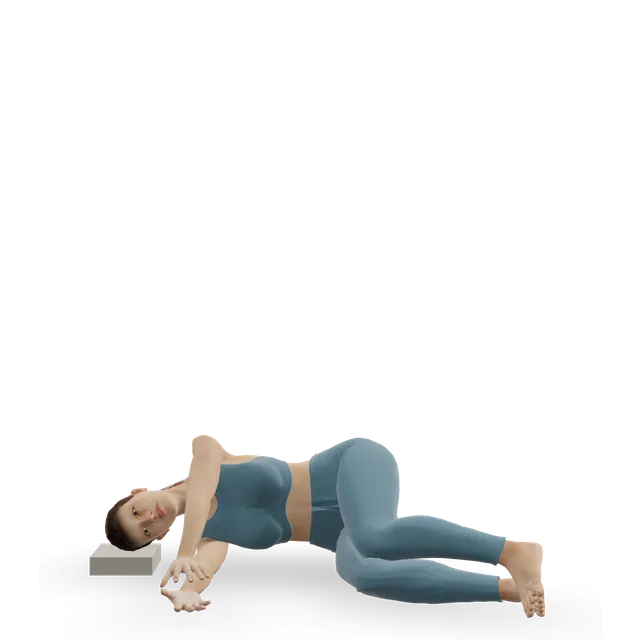
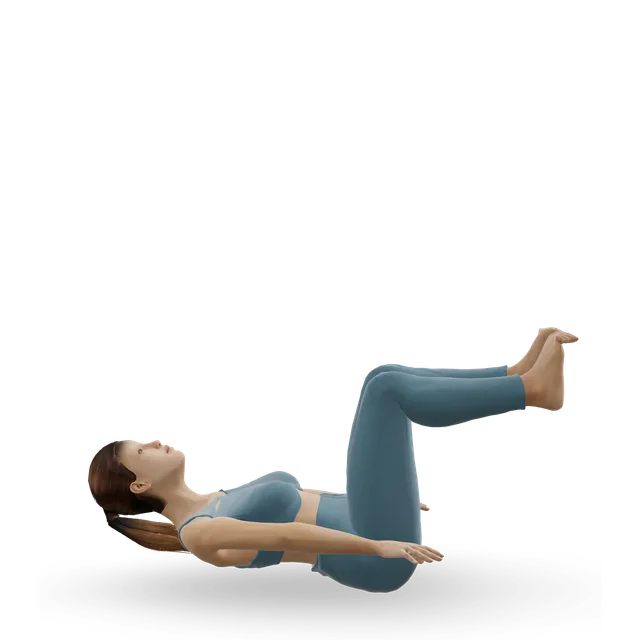
Shoulder pain from tennis: the serve, rotator cuff, labrum, racket and strings, and what helps

Shoulder pain from tennis usually comes from the serve. It turns the arm back further and faster than any other stroke, then asks the back of the shoulder to brake it, thousands of times a season. Pain on the outside of the shoulder when you serve or hit high forehands is usually the rotator cuff, often called impingement or tennis shoulder; a deep ache at the back as the arm cocks back, clicking or a dead arm can be the cuff pinched inside the joint, the labrum (the rim of cartilage around the socket) or a loose shoulder; and the front of the shoulder is often the biceps tendon. The shoulder is a common tennis injury in high-level, junior and older players, and most of it is overuse that settles with less serving and the right exercise.

This guide starts with the signs that need help today, from a 999 call for chest, jaw or arm pain on court or a shoulder that looks out of place after a fall, to an urgent general practitioner (GP) appointment or the National Health Service's 111 line (NHS 111) for sudden weakness lifting the arm, a hot, swollen shoulder or pins and needles down the arm. It then sorts the causes by where it hurts and when in the stroke, explains why scans mislead in tennis players, what racket and string changes can and can't do and why steady load matters, and gives a four-stage plan with a 3D demo of every move, ending with a step-by-step return to serving.

When to get help first

Exercise is for pain that has been checked or is clearly mild and settling.

Get urgent medical help if

  • Call 999 or go to A&E: after a fall or injury, your shoulder looks out of place or has changed shape, you cannot move your arm, or your shoulder is painful, bruised or swollen. Do not drive yourself, and do not try to put it back in yourself.
  • Call 999: shoulder or arm pain with chest pain that feels tight or squeezing, or chest pain that spreads to your arms, neck or jaw, especially with shortness of breath, sweating or feeling sick. It could be a heart attack.
  • Get help from NHS 111: pain or tightness in your chest, neck, shoulders, jaw or arms that comes and goes, often brought on by exercise, stress, emotion or cold and easing after a few minutes' rest. It can be angina, a sign of a heart problem. If you've been diagnosed with angina, get help from NHS 111 too if it feels worse than before, is happening more often, lasts longer or happens when you're resting.
  • Call 999: you suddenly can't fully lift both arms and keep them there, because of weakness or numbness in one arm, especially if one side of your face droops or you slur your words or sound confused. It could be a stroke. Call even if the signs have stopped.
  • Same day (GP or NHS 111): the shoulder or arm is hot, swollen or red, or you have a high temperature (although not everyone has one) or feel unwell. A joint infection needs same-day care.
  • Same day (GP or NHS 111): sudden or very bad shoulder pain; you cannot move your arm; the arm or shoulder is badly swollen or has changed shape; pins and needles that do not go away; no feeling in the arm; the arm is hot or cold to the touch; pain that started after an injury such as a fall; or severe pain in both shoulders.
  • Same day (GP or NHS 111): sudden weakness lifting the arm after an injury or fall. A rotator cuff tear caused by an injury needs urgent referral to a shoulder specialist. After a dislocation in anyone over 40, the rotator cuff should be checked: about 40% have a tear.
  • Call 999 or go to A&E: a hand or arm that suddenly turns cold, pale, blue or grey and painful, or goes numb and weak. Blood may not be getting through.
  • Same day (urgent GP appointment or NHS 111): throbbing or cramping pain, swelling, redness and warmth in one arm. These can be signs of a blood clot caused by thoracic outlet syndrome, which can be life-threatening if not treated quickly.
  • Call 999 or go to A&E if breathing suddenly becomes difficult, if pain in your chest or upper back comes on suddenly with breathlessness or a very fast heartbeat, or if someone passes out. Do not drive yourself. It can be a blood clot that has reached the lungs.
  • Same day (urgent GP appointment or NHS 111): severe neck pain that starts suddenly or gets worse quickly; heaviness or weakness in the arms or legs; pins and needles in an arm along with neck or arm pain; or pain between the shoulder blades.
  • Same day: clumsiness in your hands, or numbness, pins and needles or weakness in one or both arms, that is getting worse; problems with balance or walking since the neck pain started; or neck pain with a severe headache.
  • Call 999 or go to A&E: new problems walking, loss of bladder or bowel control, or a sudden loss of coordination, such as difficulty doing up buttons. These can be signs of pressure on the spinal cord.
  • Contact a GP immediately, go to 111.nhs.uk or call NHS 111: a new or frequent headache that usually comes on suddenly (your scalp may also feel sore or tender), pain in the jaw muscles or tongue when eating or talking, or problems with your sight, such as double vision or loss of vision in 1 or both eyes. With pain and stiffness around the shoulders, these can be signs of temporal arteritis (giant cell arteritis), which up to 1 in 5 people with polymyalgia rheumatica develop. If you suddenly can't see from 1 or both eyes, call 999 or go to A&E.

See a doctor or physiotherapist if

  • Pain that is getting worse or has not improved after 2 weeks of looking after it yourself, or it is very hard to move your arm. In many areas you can refer yourself to physiotherapy.
  • Not improving after a good 3 months of exercise, or the arm is clearly weak: ask for a specialist opinion.
  • Strength getting worse, or the shoulder not clearly better by 12 weeks of exercise: ask for a specialist opinion.
  • Locking, catching or a dead arm that keeps stopping you playing despite rehab, or no improvement after about 3 months of rehab: ask for a specialist opinion.
  • Your shoulder has partly or fully come out of joint, or you worry it might.
  • Losing throwing speed or control, needing a much longer warm-up, a dead arm, or pain that comes back each time you build up your throwing: see a physiotherapist or sports doctor.
  • The muscle over the back of the shoulder blade looks thinner, or turning the arm outwards is weak, even without pain: see a GP or physiotherapist. In overhead athletes this is usually a squeezed nerve, and it often settles with strengthening.
  • A throwing arm that tires easily, with a hand that feels cold or turns blue, grey or pale, or pins and needles: see a GP. Rarely, a blood vessel or nerve near the top of the ribs or in the armpit is being squeezed (thoracic outlet syndrome).
  • Pins and needles or a cold arm alongside neck pain, or a new loss of strength or feeling in the arm that you cannot explain (a possible nerve problem).
  • A past history of cancer, an unexplained lump or swelling, weight loss, or pain that is constant and does not ease when you change position.
  • You smoke or used to, and have shoulder pain with a cough that will not go away, breathlessness or weight loss. See a GP if you've had a cough for longer than 3 weeks; if you've coughed up blood, ask for an urgent GP appointment or get help from NHS 111.
  • See a GP if you have pain and stiffness for more than a week, especially if you're over 50, it's in both shoulders (often the neck and hips too) and the stiffness lasts longer than 45 minutes in the morning. It can be polymyalgia rheumatica.

Where does it hurt?

Location narrows the likely causes; it does not diagnose.

The outside of the shoulder and upper arm, hurting when you serve, smash or hit high forehands, often with a painful arc lifting the arm and pain lying on that side

Rotator cuff related pain, often called impingement, the commonest cause.

Read: Shoulder impingement (rotator cuff pain) →

Deep at the back of the shoulder as the arm cocks back for the serve, with stiffness, a longer warm-up or lost serve speed

The cuff pinched inside the joint (internal impingement), often with a stiff back of the shoulder. Our throwing guide covers it.

Read: Shoulder pain when throwing →

Deep inside, with clicking, catching, locking or a dead arm after serving

A SLAP tear (a tear at the top of the labrum) or a loose shoulder.

Read: SLAP tear →

The front of the shoulder at the top of the arm, worse serving and with the arm turned back

Often the biceps tendon, common in professional players.

Read: Biceps tendinitis (shoulder) →

Sudden weakness lifting the arm after a fall or a pop, especially from mid-life

A rotator cuff tear caused by an injury: get it checked the same day.

Read: Rotator cuff tear →

One point on top, at the end of the collarbone, worse with smashes and reaching across your body

The acromioclavicular (AC) joint.

Read: AC joint injury and pain →

The muscle over the back of the shoulder blade looks thinner, or turning the arm out is weak, often without pain

Usually a squeezed nerve to the back of the cuff, seen in overhead servers.

Read: Back of shoulder pain →

A shoulder blade that sticks out at the back

A winged shoulder blade.

Read: Winged scapula →

A shoulder that slipped out of place in a fall or a stretch for a wide ball

A dislocation: see the warning signs.

Read: Shoulder dislocation and instability →

Stiff in every direction, worse at night, usually between 45 and 60

Frozen shoulder, which isn't an overuse injury.

Read: Frozen shoulder →

A deep ache, stiffness and grinding, usually over 60

Shoulder arthritis.

Read: Shoulder arthritis →

Neck pain with pain, pins and needles or numbness down the arm

A nerve from the neck.

Read: Pinched nerve in the neck →
Show all 16 areasShow fewer areas

Understand it

How common it is, and who gets itStrong evidence

Most tennis injuries are in the legs, then the arm and the trunk, and most are overuse problems: 80% of 4,047 injuries in Dutch club players (average age 49). In 528 American recreational league players (average age 47), 41% of injuries were in the arm, mostly overuse, with no difference by skill level. How often that is the shoulder rather than the elbow or wrist hasn't been counted in recreational players.

The shoulder rises up the list with level and age. At 12 French Opens it was 11.9% of 750 injuries, mostly tendon problems; at 6 Australian Opens it was the commonest region in women; it was the second commonest specific site in a season of professional women, and the second commonest region in 101 Australian elite juniors (3.1 injuries per 1,000 hours). In 301 Swedish competitive players aged 13 to 19, shoulder injuries came at 1.12 per 1,000 hours of tennis. A review sums it up: shoulder pain is more common in high-level players, elbow problems in recreational ones. Older club players often have rotator cuff tears that don't trouble them.

Sources 1, 2, 3, 4, 5, 6, 7, 8, 9, 10

What the serve asks of the shoulderEmerging evidence

The serve is the most strenuous stroke in tennis, with the highest muscle activity in the shoulder and forearm, a review says. In 20 players at the 2000 Olympics, the upper arm turned back to 172 degrees before whipping forwards, at about 2,420 degrees a second in men, and the men's shoulders took about 608 newtons of compression. The highest forces come as the arm cocks back and starts forwards; after the ball is struck, the muscles at the back of the shoulder brake the arm, an enormous demand on their lowering strength. Elite players serve about 40 times a set.

The legs and trunk drive the serve. Servers with good leg drive have lower loads at the front of the shoulder, and players who bent the front knee less served as fast but with higher twisting loads at the shoulder. In expert players followed for two seasons, those who later had arm overuse injuries had poorer energy flow from the trunk to the arm. Kick serves loaded the back of the shoulder more than flat or slice serves in 7 college players, while in 12 high-performance men flat and kick serves loaded the shoulder similarly, and the authors pointed to the repetition of either serve over the years.

Sources 11, 12, 13, 14, 15, 16, 17, 18, 19, 20

Telling the causes apartEmerging evidence

The NHS lists pain that is worse when using the arm under tendonitis, bursitis and impingement; a tingling, weak arm with a shoulder that clicks or locks under instability; and sudden very bad pain after an injury under a dislocation, a broken bone or a torn tendon. The International Tennis Federation (ITF) says impingement in players is most often caused by strain from many serves and high forehands, with muscle imbalance and changes in how the shoulder blade moves. Reviews name rotator cuff problems, internal impingement, SLAP tears and the biceps tendon as the usual shoulder diagnoses in tennis, and biceps tendon changes were common in professional players' shoulders during the season.

A dead arm, catching or lost serve speed point deeper, to the labrum or a loose shoulder. The American Academy of Orthopaedic Surgeons (AAOS) says that from about 30 to 40 years of age, fraying at the top of the labrum can be a normal part of ageing. A physiotherapist sorts the causes by examination; clinical tests for SLAP tears are poor (our SLAP tear guide).

Sources 21, 22, 11, 23, 24, 25

Range, strength and the shoulder blade: the evidence is mixedMixed evidence

The racket shoulder turns inwards less than the other one. Across 25 studies of 18,534 competitive players, inward turning averaged 53 degrees on the racket side against about 63 on the other; the loss grew with years of tournament play in 39 elite players, and elite juniors had less total rotation on the racket side. One match cut inward turning by 1.3% and outward turning strength by 4.8% in 26 professionals.

Whether this matters is unclear, and the evidence is mixed and mostly from baseball, so this guide doesn't use it as a rule. Professionals with past shoulder pain had less inward turning in both shoulders, not a bigger difference between sides. In 301 adolescent players followed weekly for a year, shoulder range didn't predict shoulder complaints or injuries, and stronger rotators went with more problems, not fewer. Across overhead athletes, mostly baseball players, one meta-analysis found no range measure significantly linked with injury, while another, 75% baseball players and only 47 tennis players, found more loss in injured athletes.

An abnormal-looking shoulder blade raised the chance of later shoulder pain from 25% to 35% in 419 athletes, but a consensus says its exact role isn't clearly defined, and in handball, risk factors found in 206 players weren't confirmed in 329 others. In our reading, these are adaptations a physiotherapist checks and trains, not proven causes.

Sources 26, 27, 28, 29, 30, 31, 32, 33, 34, 35, 36, 37

Rackets and stringsMixed evidence

No study has linked racket weight, string tension, string type or grip size to shoulder pain or injury. In 5 players, a light racket needed more shoulder power and higher turning loads than a heavy one for a similar ball speed, and in 8 players a racket that resisted twisting more raised some shoulder and elbow loads. Both are small lab studies with no injury outcome, and one author of the second worked for a racket maker. Advice on grip size and strings comes from tennis elbow, as our tennis elbow guide explains, so this guide doesn't advise a racket or string change for the shoulder.

Sources 38, 39

When a scan or test mattersStrong evidence

Scans find a lot in shoulders that don't hurt: rotator cuff tears in 34% of 96 people without symptoms, and 54% of those over 60; in 40% of 20 elite overhead athletes' pain-free racket or throwing shoulders and none of the other side, with no problems over 5 years, the authors advising that a magnetic resonance imaging (MRI) scan alone shouldn't be the basis for an operation; in 36% of the racket-side shoulders of 53 club players aged 60 to 83, without worse pain or function; and in 46% of 113 high-level players aged 35 and over, most without pain.

A scan helps after a fall with sudden weakness, when a tear may need repair, or when surgery is being considered (our rotator cuff tear guide); an X-ray checks a suspected break or dislocation.

Sources 40, 41, 9, 10

How it usually goesEmerging evidence

The NHS says shoulder pain can take 6 months or longer to recover, and that self-care usually takes 2 weeks to start helping; shoulder impingement usually gets better in a few weeks or months, and NHS inform asks you to talk to a healthcare professional if it hasn't improved within 6 weeks. In the Holmgren trial, 12 weeks of specific exercise gave 69% a good outcome at 3 months, against 24% with general exercise. A dislocated shoulder usually takes 6 to 12 weeks to recover, and up to 16 weeks for some sports. No one can promise a date.

Sources 21, 42, 43, 44, 45
What helps, and how strong the evidence is

Fewer serves, steady load, then your serveEmerging evidence

The ITF's first step is to play less tennis and, above all, serve and smash less. The NHS says don't carry on with activities that caused the pain or that involve lifting your arm above your head again and again, such as tennis, but don't stop moving your shoulder completely. Groundstrokes below shoulder height, doubles, where you serve less, and shorter sessions are our suggestions built on that.

In adolescent players, each sudden spike in tennis load raised the chance of a shoulder injury by about a quarter (a hazard rate ratio of 1.26), and the authors advise keeping training load steady from week to week; across 9 studies, more weekly tennis was a small risk factor for injury. A serve with good knee bend and leg drive went with lower shoulder loads in elite players, so having a coach look at your serve once you're serving again is reasonable, though untested for pain.

Sources 22, 42, 21, 7, 46, 13, 16

Exercise is the first treatmentStrong evidence

For rotator cuff related shoulder pain, reviews make a strong recommendation for exercise as the first treatment. In 102 people waiting for decompression surgery, specific lowering exercises for the rotator cuff and shoulder blade, 3 sets of 15 twice a day for 8 weeks, with pain allowed up to 5 out of 10, gave a good outcome in 69% against 24%, and 20% against 63% chose surgery; they weren't athletes.

The best dose is unknown: one trial of three found better function with more load and volume, at low certainty, and across tendon problems, exercise with added resistance done less often than daily did at least as well as daily exercise. In 41 tennis players aged about 42 with rotator cuff injuries, adding core exercises 3 times a week for 8 weeks eased pain in a small controlled study. The plan builds the cuff and shoulder blade first, then strength with the arm in the serving position, then whole-body power, as our throwing and impingement guides do.

Sources 47, 44, 48, 49, 50

Prevention programmes: tested in handball, not in tennisEmerging evidence

The only tennis prevention trial, an injury prevention app for 579 adult club players used without supervision, didn't work: 37% had an injury against 38%, and only 8% stuck to it. A 10-minute warm-up and cool-down in 317 adult league players didn't lower injuries overall, only overuse injuries at 12 months in those who kept to it. In handball, a shoulder warm-up 3 times a week cut shoulder problems from 23% to 17%, and the Shoulder Control programme cut shoulder injuries by 56% in adolescent players (one injury prevented for every 9 players who did it); a review before those trials found limited evidence for any measure. Nobody has tested these in tennis; our tennis and padel injury prevention routine borrows Shoulder Control.

Sources 51, 52, 53, 54, 55

Stretching adds a few degrees, and that's all it has shownEmerging evidence

Stretching adds a few degrees of inward turning: about 7 degrees across 6 trials of 255 overhead athletes, and 20 degrees with a cross-body stretch (5 holds of 30 seconds a day for 4 weeks) in people without pain, while the sleeper stretch's 12 degrees wasn't significant; in the one tennis trial, 30 players improved with either stretch, with no untreated group to compare. No trial shows that stretching prevents shoulder pain, so stretch only a clear loss on one side, cross-body first.

Sources 56, 57, 58, 59

Injections, medicines and surgeryMixed evidence

The NHS suggests paracetamol or ibuprofen, ibuprofen gel and an ice pack for up to 20 minutes, 2 to 3 times a day, and lists steroid injections if rest and exercises don't help, and surgery for some; our impingement guide explains that decompression surgery did no better than placebo surgery. For a SLAP tear, treatment in most cases starts without surgery, with exercise for 3 to 6 months, the AAOS says. A rotator cuff tear after an injury may need early repair (our rotator cuff tear guide).

Sources 42, 25

How much pain is OK while you exercise?

Strength work: up to 5 out of 10, settled by the next session. Serving: the soreness rulesEmerging evidence

This guide uses the shoulder hub's rule. During shoulder strengthening, pain up to about 5 out of 10 is acceptable, and a little is expected. By your next session it should be back to where it was before. If it isn't, use a lighter band or weight or a smaller range next time, not nothing.

This is how the Holmgren trial set each person's load: pain was not allowed above 5 out of 10 during the exercises, and any increase had to settle back to the starting level before the next session; otherwise the load came down. If pain climbs week on week, or a warning sign appears, stop and get it checked.

For throwing, use the soreness rules from published interval throwing programmes. No soreness: move up a step. Sore in the warm-up but gone within the first 15 throws: repeat the last session. Sore during the session: stop, take 2 days off and drop back a step. Sore more than an hour after throwing or the next day: take a day off and repeat the last session. These rules are expert advice and haven't been tested in trials.

Two exceptions: a child with Little League shoulder keeps the top of the arm pain-free, as our Little League shoulder guide says; and with a loose shoulder, stop at any feeling of slipping (our suggestion). A dead arm, catching, a cold or swollen arm, or pins and needles that don't go away aren't pain-rule questions: see the warning signs.

For serving (our suggestion, built on the same rules and the ITF's staged return): use the throwing soreness rules for each serving session. No soreness that evening or the next morning: move up a step. Sore in the warm-up but gone within the first few serves: repeat the last session. Sore during the session: stop serving, take 2 days off serving and drop back a step. Sore the next day: a day off serving, then repeat the last session. Groundstrokes below shoulder height can carry on within 5 out of 10, settled by the next session, as the shoulder hub's rule allows. A dead arm, catching, a feeling of the shoulder slipping, pins and needles down the arm, or chest, jaw or arm pain on court aren't pain-rule questions: stop and see the warning signs.

Sources 44, 22

The exercise plan: 4 stages

Start at the first stage. Each move opens a full guide with a 3D demo.

Stage 1

Settle: fewer serves, keep the shoulder moving, start the cuff

About the first 2 weeks, serving and smashing little or not at all, as the ITF advises: everyday use and groundstrokes below shoulder height within the pain rule, the shoulder moving through its comfortable range, and light rotator cuff and shoulder blade work. With a diagnosed rotator cuff tear, SLAP tear, dislocation or frozen shoulder, that guide's plan replaces stages 1 to 3, and after surgery your surgical team's plan comes first; with a warning sign, get checked first.

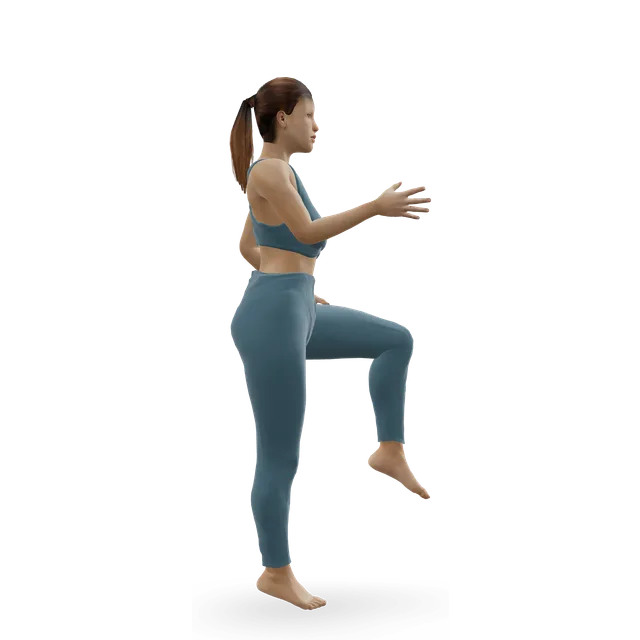
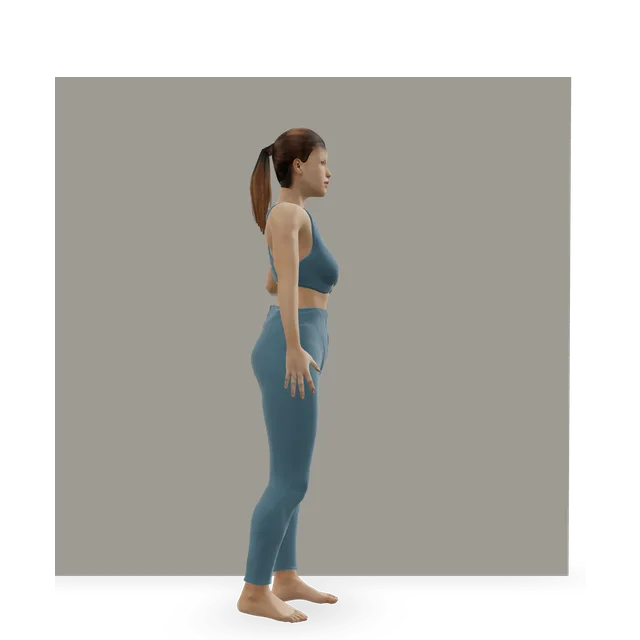
Shoulder CARs (controlled articular rotations) demonstrated on the 3D figure3D demoShoulder CARs (controlled articular rotations)Beginner · No equipment

3 slow circles each way with each arm, 20 to 30 seconds a circle (our editorial starting point). The warm-up trial used 2 rounds of 10 forward and 10 backward circles. Expect any extra range to be short-lived: hip CARs worked like static stretching in a 2026 trial, and gains from stretching usually last under 30 minutes, so do them shortly before the session they prepare you for. · The move page's dose. In a pain-free range; work round a painful arc, as the move page says

Easier: Arm circles · Harder: Sleeper stretch

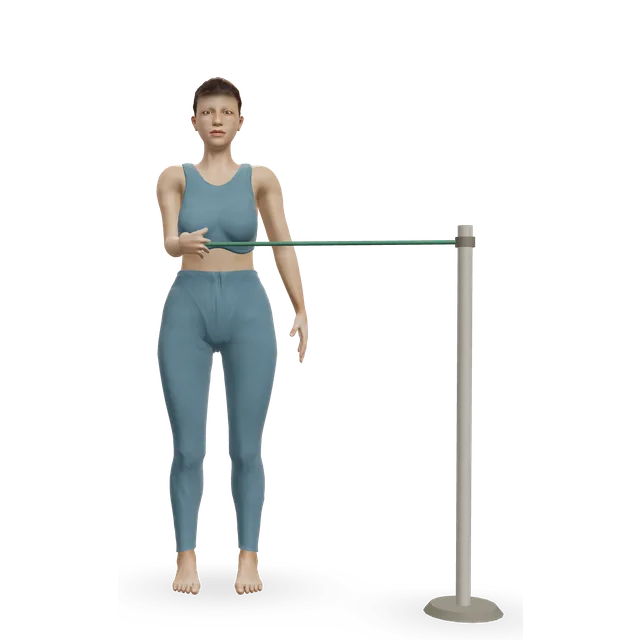
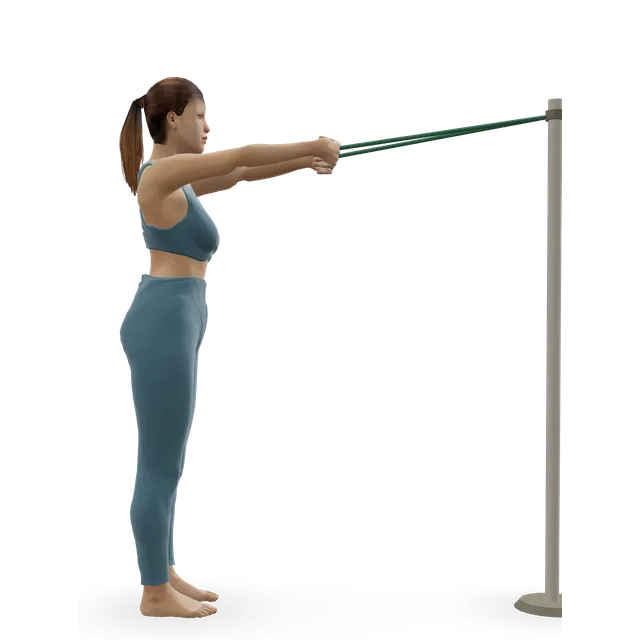
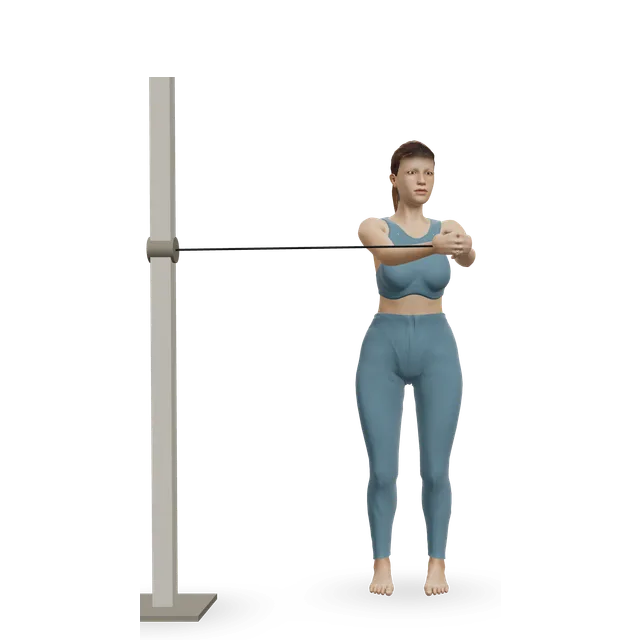
Standing band external rotation demonstrated on the 3D figure3D demoStanding band external rotationBeginner · A band + An anchor point

2 to 3 sets of 15, light band, elbow at your side, slow return · As in our shoulder impingement guide; 3 sets of 15 is the Holmgren trial's dose

Easier: Stick-assisted external rotation (lying) · Harder: Side-lying external rotation

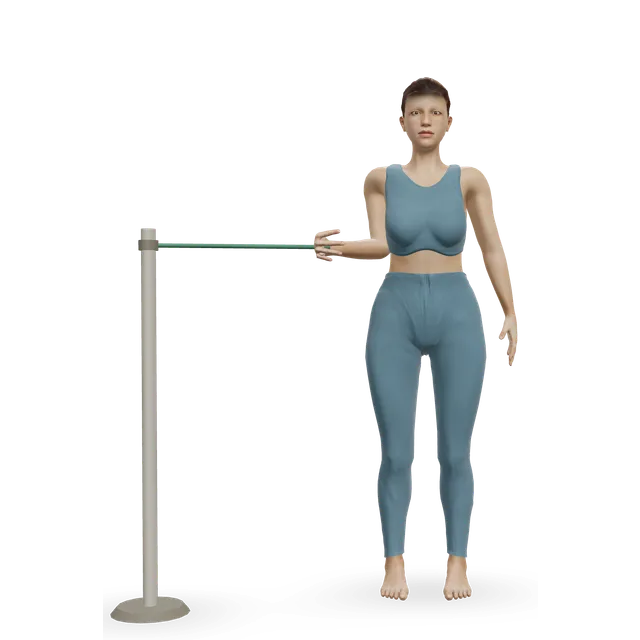
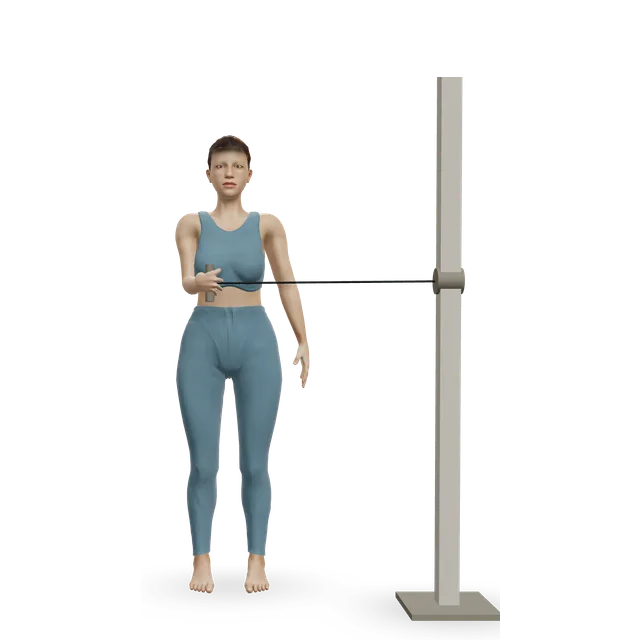
Band internal rotation demonstrated on the 3D figure3D demoBand internal rotationBeginner · A band + An anchor point

2 to 3 sets of 15, elbow at your side · As in our shoulder impingement guide (editorial)

Harder: Side-lying external rotation

Band row demonstrated on the 3D figure3D demoBand rowBeginner · A band + An anchor point

3 sets of 10 to 15, stopping 2 to 3 reps short of failure, with 60 to 90 seconds' rest: an editorial starting point. Training with elastic bands improves strength and muscle size compared with no training; no trial of this exact exercise was reviewed. · The move page's dose. Shoulder blade work like the Holmgren trial's

Harder: Supported single-arm dumbbell row

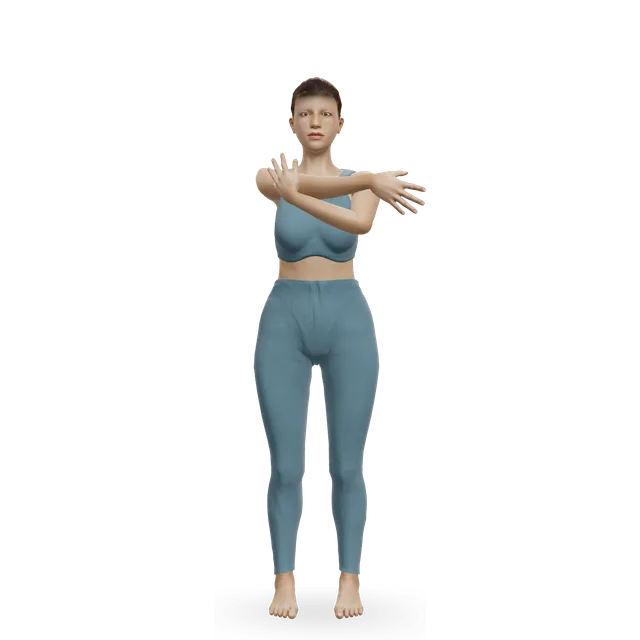
Cross-body shoulder stretch demonstrated on the 3D figure3D demoCross-body shoulder stretchBeginner · No equipment

Only if the racket side has clearly lost inward turning: 5 holds of 30 s, once a day · The McClure trial's dose, in people without pain. Skip it if the end of the collarbone is sore or the shoulder feels loose, as the move page says

Harder: Sleeper stretch

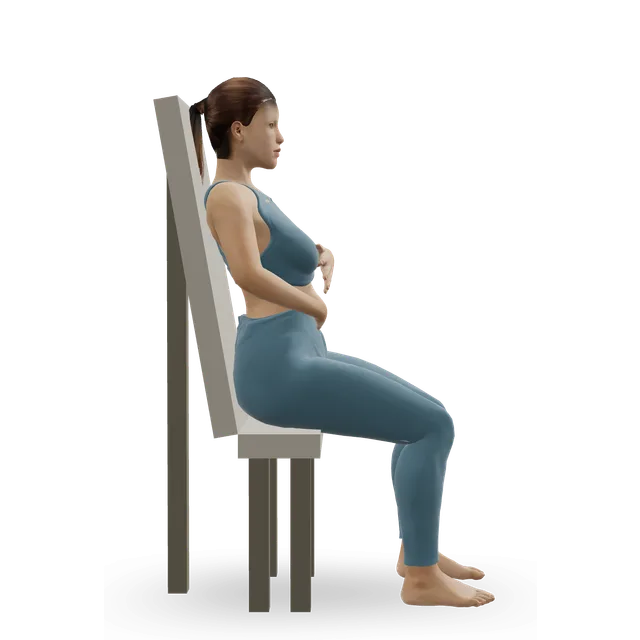
Thoracic rotation demonstrated on the 3D figure3D demoThoracic rotationBeginner · No equipment

6 rotations per side, moving with the breath · The move page's dose. Upper-back turning, part of the shoulder programmes that worked in handball

Easier: Side-lying open book · Harder: World's greatest stretch

Move on when: Daily use and groundstrokes are within the pain rule, turning the arm outwards against a light band is comfortable, and pain at night has settled (editorial).

Follow along: a timer, a cue and the next move, one step at a time.
Stage 2

Build: rotator cuff, shoulder blade, legs and trunk

About weeks 2 to 6, 3 to 5 days a week, or every other day: the cuff and shoulder blade strength the Holmgren programme built, with the legs and trunk that drive the serve.

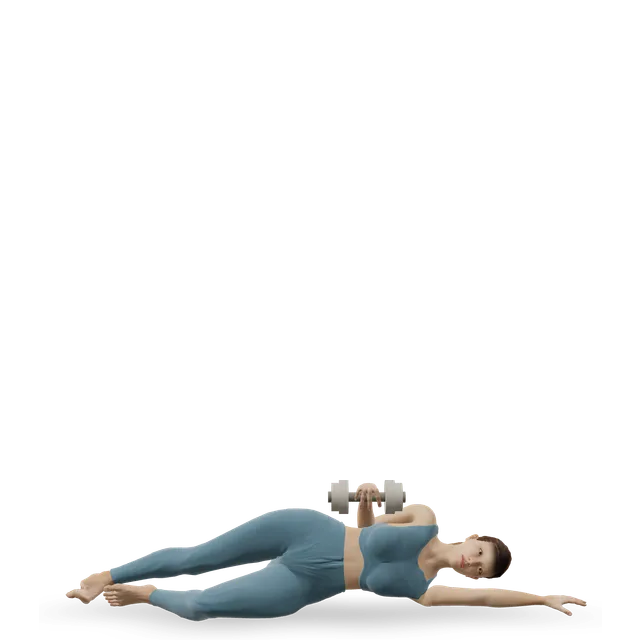
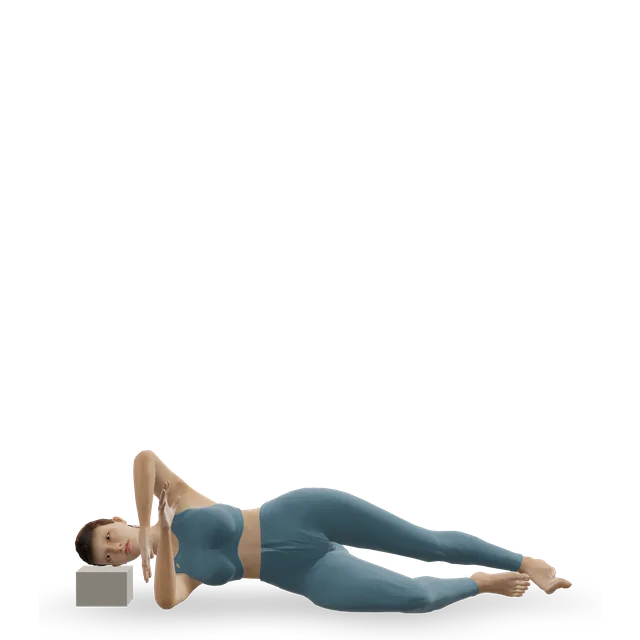
Side-lying external rotation demonstrated on the 3D figure3D demoSide-lying external rotationBeginner · A dumbbell

3 sets of 15, once a day, lowering over 3 s · As in our shoulder impingement guide: the Holmgren trial's dose, which was twice a day

Easier: Standing band external rotation · Harder: Cuban rotation

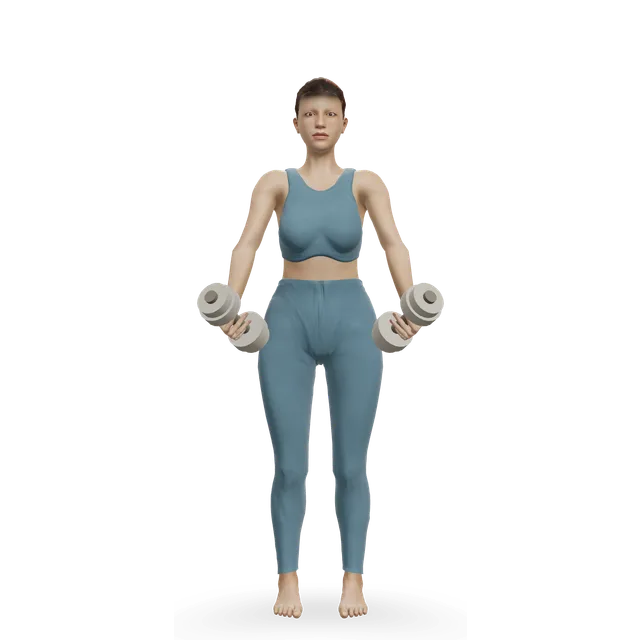
Scaption raise demonstrated on the 3D figure3D demoScaption raiseBeginner · A dumbbell

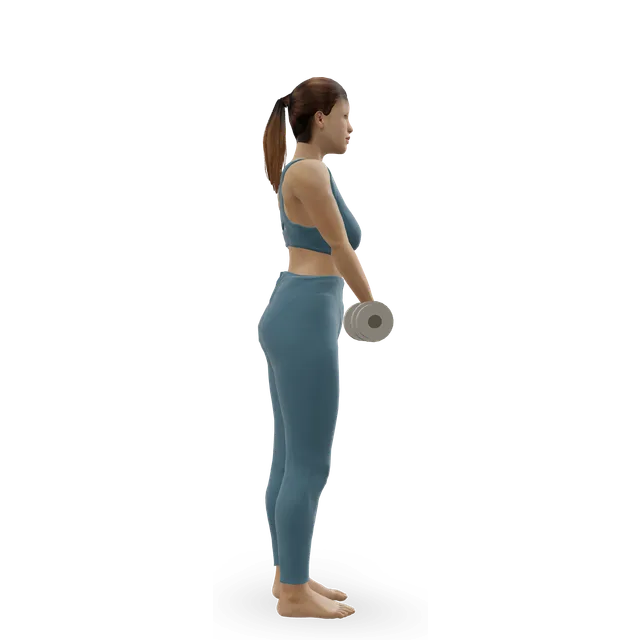
3 sets of 15, thumbs up, to shoulder height, lowering over 3 s · As in our shoulder impingement guide (modelled on the Holmgren trial's lowering work)

Easier: Band lateral raise · Harder: Smith machine upright row

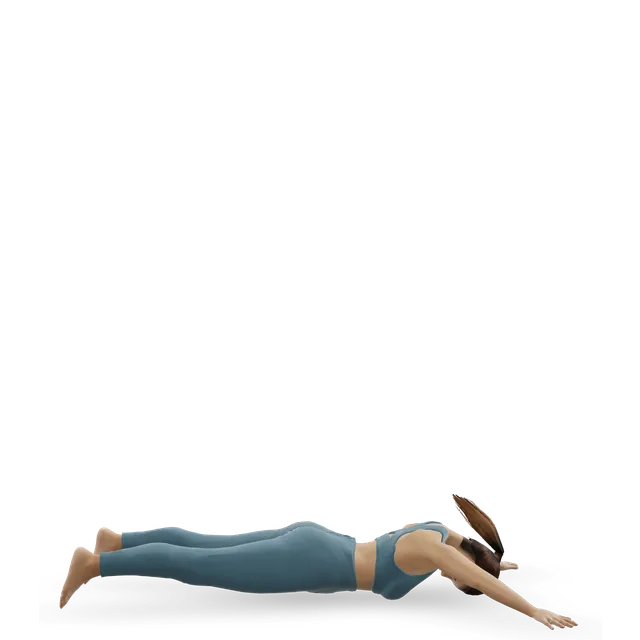
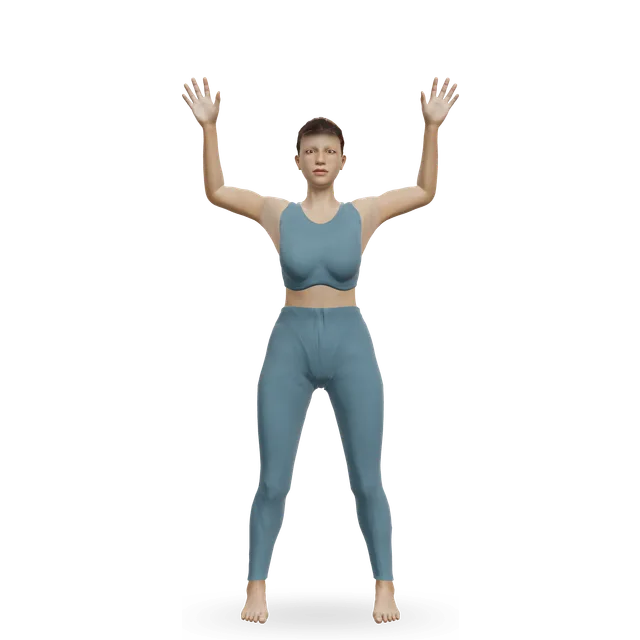
Prone Y-T-W raises demonstrated on the 3D figure3D demoProne Y-T-W raisesBeginner · No equipment

2 to 3 rounds of 8 · As in our shoulder impingement guide (editorial)

Easier: Wall angel · Harder: Bent-over reverse fly

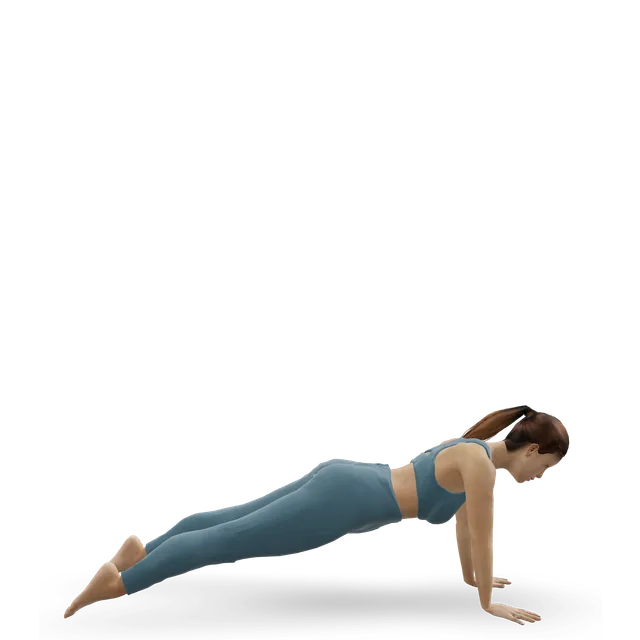
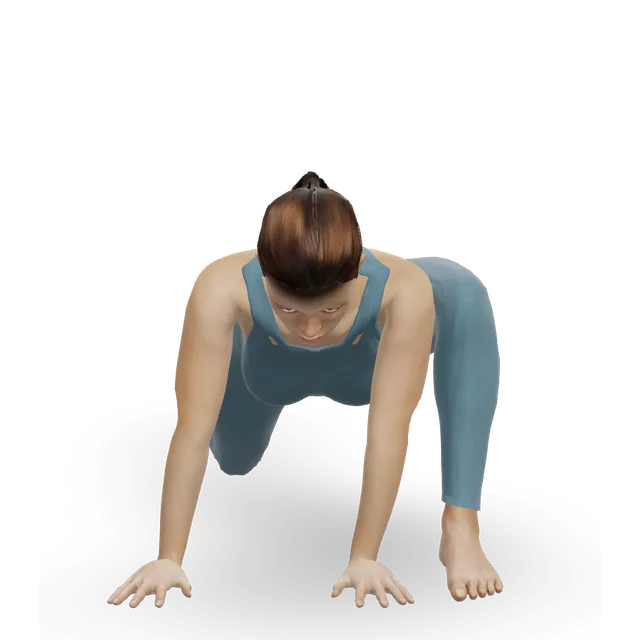
Scapular push-up (push-up plus) demonstrated on the 3D figure3D demoScapular push-up (push-up plus)Beginner · No equipment

3 sets of 10 to 15, on a wall or bench first · As in our shoulder impingement guide (editorial)

Easier: Dumbbell shoulder-blade punch · Harder: Push-up

Single-leg Romanian deadlift demonstrated on the 3D figure3D demoSingle-leg Romanian deadliftAdvanced · A dumbbell

2 sets of 8 each leg, no weight at first, fingertips on a wall · As in our throwing shoulder guide (editorial). The legs and trunk power the serve

Easier: Dumbbell Romanian deadlift

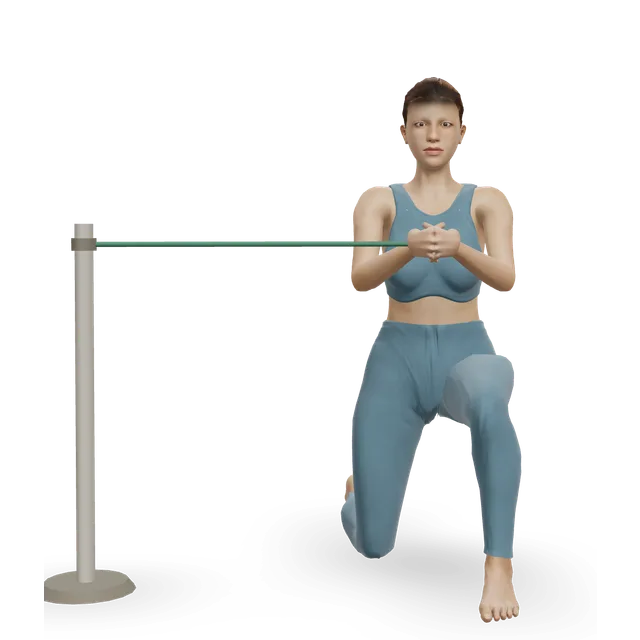
Half-kneeling Pallof press demonstrated on the 3D figure3D demoHalf-kneeling Pallof pressBeginner · A band + An anchor point

2 sets of 10 each side · As in our throwing shoulder guide (editorial). Trunk control

Harder: Pallof press

Move on when: Shoulder movement is close to the other side, turning the arm outwards and inwards against resistance is pain-free, and strength feels similar on both sides (editorial, as in our throwing guide).

Follow along: a timer, a cue and the next move, one step at a time.
Stage 3

Strength in the serving position, and power

About weeks 6 to 10, 2 or 3 days a week: strength with the arm raised to the serving position, then light medicine-ball throws that join the legs, trunk and arm before you serve for real.

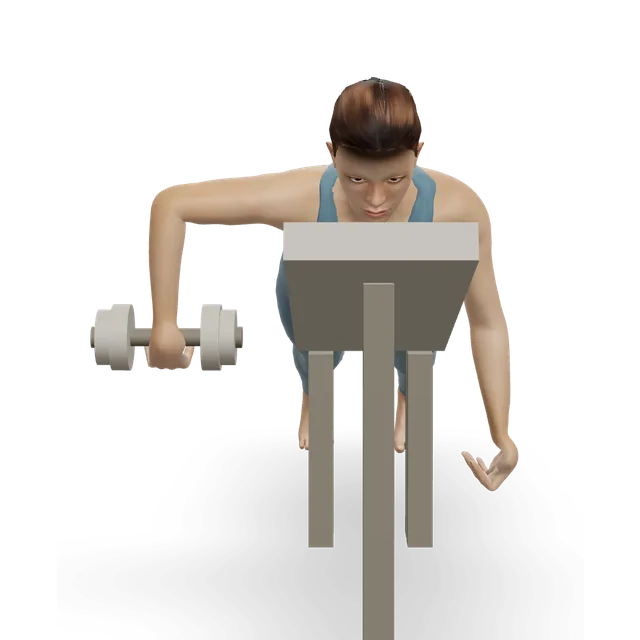
Prone dumbbell external rotation demonstrated on the 3D figure3D demoProne dumbbell external rotationIntermediate · A dumbbell + A bench or box

3 sets of 8 to 15 with a light dumbbell (NHS Ayrshire & Arran's rotation exercise with the arm at 90 degrees). · The move page's dose. Start only when rotation with the elbow at your side is pain-free, as the move page says

Easier: Side-lying dumbbell external rotation (on a bench) · Harder: Barbell rear-delt row

Cable external rotation demonstrated on the 3D figure3D demoCable external rotationBeginner · A cable machine

3 sets of 10 to 12, heavier · As in our shoulder impingement and SLAP tear guides (editorial)

Harder: Side-lying external rotation

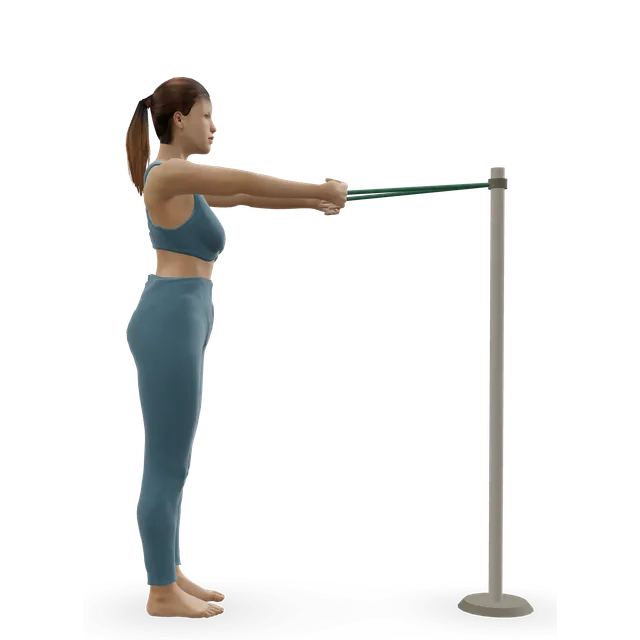
Face pull demonstrated on the 3D figure3D demoFace pullIntermediate · A band

3 sets of 12 to 15 · As in our shoulder impingement guide (editorial)

Easier: Prone Y-T-W raises · Harder: Tuck back lever

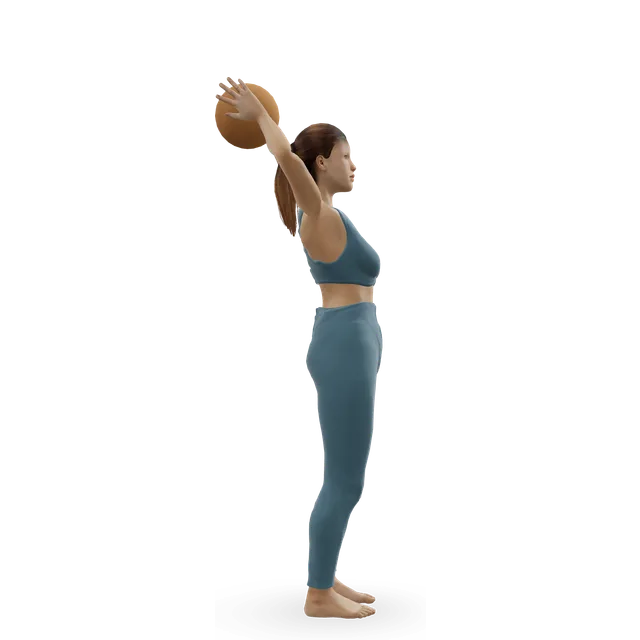
Two-hand overhead throw demonstrated on the 3D figure3D demoTwo-hand overhead throwIntermediate · Medicine ball

2 sets of 5, light ball · As in our throwing shoulder guide (editorial)

Easier: Medicine-ball chest push · Harder: Lying one-arm overhead throw

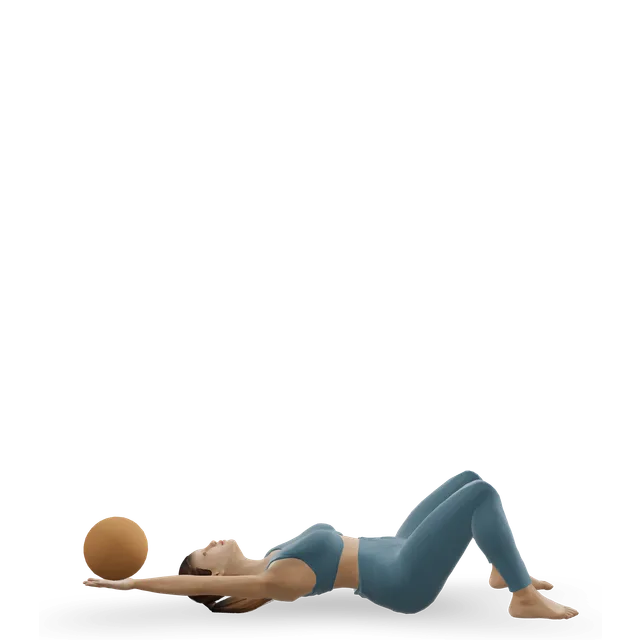
Lying one-arm overhead throw demonstrated on the 3D figure3D demoLying one-arm overhead throwIntermediate · Medicine ball

2 sets of 5 each arm, light ball · As in our throwing shoulder guide (editorial)

Easier: Two-hand overhead throw

Sleeper stretch demonstrated on the 3D figure3D demoSleeper stretchIntermediate · No equipment

Only for a clear loss of inward turning: 3 holds of 30 s on the racket side, gently · As in our throwing shoulder guide (editorial). Skip it with a painful or loose shoulder, as the move page says

Easier: Cross-body shoulder stretch · Harder: Sots press

Move on when: Light medicine-ball throws cause no pain during or the next morning, and the stage 2 checks still hold (editorial).

Follow along: a timer, a cue and the next move, one step at a time.
Stage 4

Back to serving: the warm-up and a staged return

From about weeks 8 to 12, then for good, serving every other day at first: a shoulder warm-up before every session and a step-by-step return to serving by the written steps below, with the shoulder routine kept going 2 or 3 times a week. No study has tested a return to serving after shoulder pain; the steps follow the ITF's sheet and our tennis and padel routine.

World's greatest stretch demonstrated on the 3D figure3D demoWorld's greatest stretchIntermediate · No equipment

4 slow reps each side, moving with the breath, 1 or 2 rounds, as part of a warm-up (our editorial starting point). Do it shortly before the session: the extra range fades within about 30 minutes, and moving stretches like this can help performance soon after, where long static holds slightly hinder it. · The move page's dose

Easier: Low lunge (Anjaneyasana) · Harder: Active pancake lift-off

Standing band external rotation demonstrated on the 3D figure3D demoStanding band external rotationBeginner · A band + An anchor point

10 to 12 each arm, light band, elbow by your side · As in our racket sport warm-up (editorial)

Easier: Stick-assisted external rotation (lying) · Harder: Side-lying external rotation

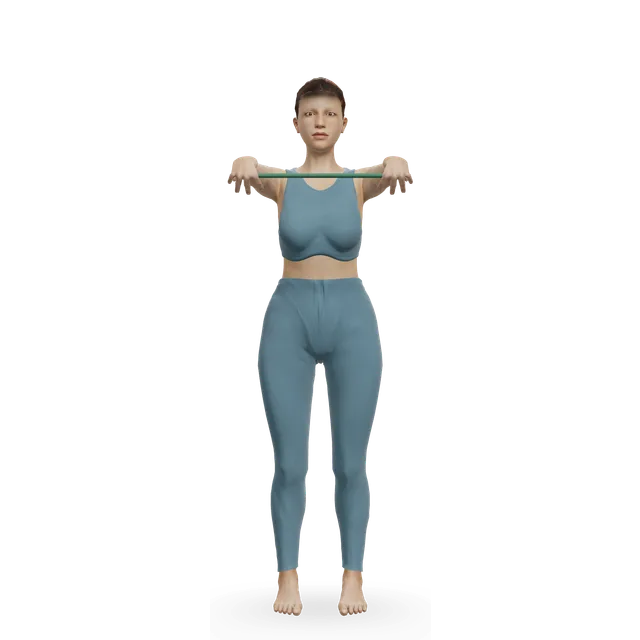
Band pull-apart demonstrated on the 3D figure3D demoBand pull-apartIntermediate · A band

15, slowly, shoulders down · As in our racket sport warm-up (editorial)

Easier: Prone Y-T-W raises · Harder: Tuck back lever

Scapular push-up (push-up plus) demonstrated on the 3D figure3D demoScapular push-up (push-up plus)Beginner · No equipment

15 to 30 s, on knees and forearms first · As in our tennis and padel injury prevention routine (the Shoulder Control programme's level and timing)

Easier: Dumbbell shoulder-blade punch · Harder: Push-up

Cable press and rotation demonstrated on the 3D figure3D demoCable press and rotationIntermediate · A cable machine

15 to 30 s each side · As in our tennis and padel injury prevention routine (editorial)

Easier: Half-kneeling Pallof press · Harder: Cable wood chop

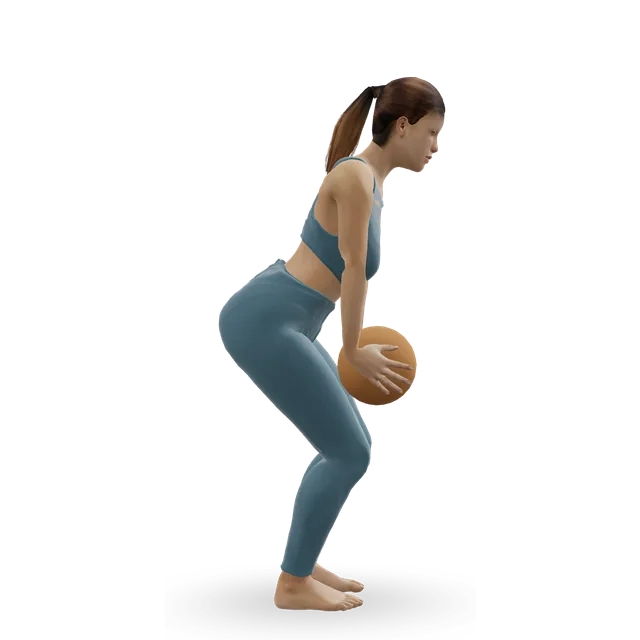
Medicine-ball scoop throw (backward overhead throw) demonstrated on the 3D figure3D demoMedicine-ball scoop throw (backward overhead throw)Beginner · Medicine ball

3 sets of 3 to 5 throws, resting a minute between sets (our editorial starting point). Expect the distance to improve over the first few throws as you learn it (Mayhew 2005). · The move page's dose. Whole-body power before full serves

Harder: Two-hand overhead throw

Move on when: Each serving step passes the soreness rules with no soreness the next day, then full serves from the baseline, then sets and matches; keep the shoulder routine going twice a week (editorial).

Follow along: a timer, a cue and the next move, one step at a time.

What to change for now

Your tennis for now (written steps)

Our 3D figure shows the moves, not your racket, the court or your serve. These steps come from the ITF, the NHS, the AAOS, cohort and lab studies of players and our tennis and padel page; where a step is our suggestion, it says so. None has been tested in a trial against shoulder pain.

  • 1. A fresh injury first: with any warning sign, stop and get it checked.
  • 2. Fewer serves and smashes, and less tennis overall, while it hurts, as the ITF advises. Keep the shoulder moving for everyday jobs, because the NHS says don't stop using it completely.
  • 3. What you can keep: groundstrokes below shoulder height, volleys, footwork and fitness, within the pain rule (our suggestion). Doubles means fewer serves (our suggestion).
  • 4. Load: no sudden jumps in how much you play from week to week; after a holiday or a break, build back over a few weeks (our suggestion).
  • 5. The staged return to serving, as the ITF sheet sets out: underhand serves first; then overhead throws of the ball from the service line; then serves without a ball; then serves from the service line; then gradually more distance and speed. A programme for elite players builds to 120 serves, about 3 sets' worth; for club players, start with 10 to 20 easy serves and add about 10 a session, every other day (our suggestion).
  • 6. Second serves: a kick serve loaded the back of the shoulder more in one small study but not in another; easing off the kick while it settles is our suggestion.
  • 7. Your serve: once you're serving again, ask a coach to look at your knee bend, leg drive and trunk turn, because less knee bend went with higher shoulder loads. Don't arch your back unnecessarily when you serve or hit an overhead, as the AAOS advises.
  • 8. Racket and strings: keep the racket you're used to while you recover. No racket, string or grip change has been shown to help the shoulder; grip size and strings matter more for tennis elbow, as our tennis elbow guide explains.
  • 9. The warm-up: our racket sport warm-up before every session, with serves last, and the shoulder routine 2 or 3 times a week (borrowed from handball). A 10-minute warm-up on its own didn't lower injuries overall in league players.
  • 10. The gym: no heavy gym equipment, such as heavy overhead pressing, and no strenuous exercises you've made up yourself while it hurts, as the NHS advises.
  • 11. Padel: overheads and wall shots load the shoulder in the same way; cut them first and bring them back last (our suggestion).

Sources 22, 21, 7, 20, 18, 19, 13, 16, 60, 38, 39, 52, 54

Positions to swap, and why

Habit or positionWhy it mattersInstead
Serving and smashing through painThe ITF and the NHS say do less of what caused it.Groundstrokes below shoulder height, then the staged return.
Long match weeks straight after a breakSpikes in load went with more shoulder injuries in young players.Build up over weeks, and keep weekly load steady.
Lots of kick serves while it's soreKick serves loaded the back of the shoulder more in one small study.Flat or slice second serves for now.
Stiff-legged servesLess knee bend went with higher shoulder loads.Knee bend and leg drive, with a coach, and single-leg strength in the gym.Try: Single-leg Romanian deadlift
Stopping all arm movementThe NHS says stopping using your shoulder completely can stop it getting better.The stage 1 moves, starting with shoulder circles.Try: Shoulder CARs (controlled articular rotations)
Forcing the sleeper stretch, or stretching a painful or loose shoulderSome loss of inward turning is normal in players, and the move page says skip it then.A gentle cross-body stretch, only for a clear loss on one side.Try: Cross-body shoulder stretch
Buying a new racket or strings as the fixNo study links them to shoulder pain.Keep your racket; change your load and technique.
Heavy overhead pressing in the gymThe NHS says don't use heavy gym equipment or make up your own strenuous exercises while it hurts.Cuff and shoulder blade work first.Try: Scaption raise
An MRI firstCuff tears are common in tennis shoulders that don't hurt.Exercise first; a scan if it isn't improving or surgery is being considered.
Skipping the warm-upIt prepares the shoulder for the serve, though no warm-up on its own has been shown to prevent injury.Our racket sport warm-up, serves last.Try: Standing band external rotation

Routines to follow

More moves for this area

Questions people ask

Why does my shoulder hurt when I serve?

The serve turns the arm back further and faster than any other stroke, and the back of the shoulder then brakes it. The usual cause is the rotator cuff, often called impingement, from many serves and high forehands. Deep pain at the back, clicking or a dead arm can be the cuff pinched inside the joint or the labrum.

What is tennis shoulder?

A loose name for shoulder pain in tennis players, usually rotator cuff related pain, sometimes a SLAP tear, the biceps tendon or a loose shoulder. It isn't a diagnosis in itself; where it hurts and what makes it worse sort the cause.

Can I keep playing tennis with shoulder pain?

Usually, with changes: less tennis and fewer serves and smashes for now, as the ITF advises, groundstrokes below shoulder height within 5 out of 10, and the strength plan. Stop for a dead arm, catching, a feeling of slipping or pins and needles.

Why does my shoulder hurt on forehands?

High forehands lift the arm into a position like the serve's, which pinches the cuff on the outside of the shoulder. Pain at the front of the shoulder with the arm turned back is often the biceps tendon. Hit flatter and lower while it settles.

Should I change my racket or strings?

Not for the shoulder: no study links racket, strings or grip size to shoulder pain, and the few lab studies of rackets have no injury outcome. Keep the racket you know while you recover.

What exercises help tennis shoulder?

Rotator cuff and shoulder blade strength first, then strength with the arm raised, then medicine-ball throws, with leg and trunk work throughout. A specific cuff and shoulder blade programme cut the number choosing surgery from 63% to 20% in a trial.

Do I need to stretch my serving shoulder?

Only if it is clearly stiffer turning inwards than the other side. Some loss is normal in tennis players and didn't predict problems in young players, and the evidence that it matters is mixed and mostly from baseball. A cross-body stretch adds a few degrees.

Do I need an MRI for tennis shoulder?

Usually not at first: cuff tears are common in tennis shoulders that don't hurt. A scan helps after a fall with sudden weakness, or when surgery is being considered.

How long does tennis shoulder take to heal?

The NHS says shoulder pain can take 6 months or longer, and impingement usually gets better in a few weeks or months. Exercise trials ran for about 12 weeks. No one can promise a date.

How do I get back to serving?

Step by step, as the ITF sets out: underhand serves, overhead throws from the service line, serves without a ball, serves from the service line, then more distance and speed. Serve every other day, and move on only when the last session left no soreness the next day.

How can I prevent shoulder pain in tennis?

Avoid sudden jumps in how much you play, warm up with serves last, and keep a shoulder routine going 2 or 3 times a week. Routines like it cut shoulder problems in handball, though nobody has tested them in tennis.

When should I see a doctor?

Call 999 for shoulder or arm pain with chest pain on court, or a shoulder that looks out of place after a fall. Get help the same day for sudden weakness lifting the arm after a fall, a hot, swollen shoulder with a high temperature, or pins and needles that don't go away, and see a GP or physiotherapist if it hasn't improved after 2 weeks. In the US, call 911 where this page says 999.

Related exercise guides

Other pain guides

Sources

  1. Pluim 2006 · Tennis injuries: how often, why and prevention (review, Br J Sports Med)
  2. Pluim 2018 · Court surfaces and injuries in 3,656 Dutch recreational tennis players (repeated survey, Br J Sports Med)
  3. Montalvan 2024 · Injuries at 12 French Opens, 2011 to 2022 (tournament surveillance, Orthop J Sports Med)
  4. Gescheit 2017 · Injuries at 6 Australian Opens, 2011 to 2016 (tournament surveillance, Br J Sports Med)
  5. Dakic 2018 · Injury profiles in professional Women's Tennis Association players (surveillance study, Br J Sports Med)
  6. Gescheit 2019 · Injuries in 101 Australian elite junior players over several years (cohort study, J Sci Med Sport)
  7. Johansson 2022 · Spikes in playing load and shoulder injuries in 301 adolescent tennis players: the SMASH cohort (cohort study, Sports Health)
  8. Abrams 2012 · Injuries in tennis players (review, Br J Sports Med)
  9. Harada 2022 · Rotator cuff tears in 53 tennis players aged 60 to 83, and their shoulder function (cross-sectional study, J Sport Rehabil)
  10. Vervaecke 2026 · Shoulder range and rotator cuff changes in 113 high-level players aged 35 and over (cross-sectional study, Orthop Traumatol Surg Res)
  11. Dines 2015 · Tennis injuries: how common, why and their treatment (review, J Am Acad Orthop Surg)
  12. Fleisig 2003 · How 20 world-class players produce fast serves, at the 2000 Olympics (lab study, Sports Biomech)
  13. Elliott 2003 · Serve technique and loads on the arm and shoulder in world-class players (lab study, J Sci Med Sport)
  14. Abrams 2011 · Serve motion studies and three serve types (review, Sports Biomech)
  15. Cools 2015 · Preventing shoulder injuries in overhead athletes (review, Braz J Phys Ther)
  16. Kovacs 2011 · An 8-stage model of the tennis serve for performance and injury prevention (review, Sports Health)
  17. Martin 2014 · Energy flow in the serve in expert players who did and didn't later have arm injuries (case-control study, Am J Sports Med)
  18. Abrams 2014 · Shoulder and elbow loads in flat, kick and slice serves in 7 college players (lab study, Br J Sports Med)
  19. Reid 2007 · Shoulder loads in flat and kick serves in 12 high-performance players (lab study, Br J Sports Med)
  20. Myers 2016 · Serve counts in elite matches and a volume-based interval serving programme (retrospective cohort study, Sports Health)
  21. NHS · Shoulder pain (past its review date: reviewed May 2023, review due May 2026)
  22. International Tennis Federation 2019 · Impingement syndrome (player information sheet)
  23. Fu 2018 · Injuries in tennis players (review, Curr Rev Musculoskelet Med)
  24. López-Vidriero Tejedor 2023 · Shoulder changes in 135 professional players during the season (case series, Knee Surg Sports Traumatol Arthrosc)
  25. AAOS OrthoInfo · SLAP tears
  26. Garret 2024 · Shoulder range in competitive tennis players: 25 studies, 18,534 players (systematic review and meta-analysis, JSES Int)
  27. Kibler 1996 · Shoulder range in 39 elite tennis players by age and years of play (cross-sectional study, Am J Sports Med)
  28. Ellenbecker 2002 · Total shoulder rotation in elite tennis players and baseball pitchers (cross-sectional study, Med Sci Sports Exerc)
  29. Moreno-Pérez 2019 · Shoulder range and strength after a single match in 26 professional players (before-and-after study, PLoS One)
  30. Moreno-Pérez 2015 · Shoulder rotation in professional players with and without past shoulder pain (cross-sectional study, Man Ther)
  31. Johansson 2026 · Shoulder strength, range and injury in 301 adolescent tennis players: the SMASH cohort (cohort study, Sports Health)
  32. Keller 2018 · Lost inward shoulder rotation and arm injuries in overhead athletes, mostly baseball players (systematic review and meta-analysis, Sports Health)
  33. Johnson 2018 · Lost inward shoulder rotation and injuries, mostly in baseball players (systematic review and meta-analysis, Orthop J Sports Med)
  34. Hickey 2018 · An abnormal-looking shoulder blade and later shoulder pain in athletes (systematic review and meta-analysis, Br J Sports Med)
  35. Kibler 2013 · Shoulder blade movement problems and shoulder injury (consensus statement, Br J Sports Med)
  36. Clarsen 2014 · Shoulder risk factors in 206 elite male handball players (prospective cohort study, Br J Sports Med)
  37. Andersson 2018 · Shoulder risk factors in 329 elite handball players: earlier findings not confirmed (prospective cohort study, Br J Sports Med)
  38. Creveaux 2013 · Racket mass and shoulder loads in the serve in 5 players (lab study, J Sports Sci Med)
  39. Rogowski 2014 · Racket twisting resistance and arm loads in the serve in 8 players (lab study, PLoS One)
  40. Sher 1995 · MRI findings in 96 shoulders without symptoms (cross-sectional study, J Bone Joint Surg Am)
  41. Connor 2003 · MRI of the pain-free shoulders of 20 elite overhead athletes, with 5-year follow-up (cohort study, Am J Sports Med)
  42. NHS · Shoulder impingement
  43. NHS inform · Subacromial pain syndrome
  44. Holmgren 2012 · Specific shoulder exercises for long-standing impingement in 102 people waiting for surgery (randomised trial, BMJ)
  45. NHS · Dislocated shoulder
  46. Bradley 2025 · Injury risk factors and the tennis serve: 9 studies (systematic review and meta-analysis, Adv Rehabil Sci Pract)
  47. Pieters 2020 · Physiotherapy for subacromial shoulder pain: an update of systematic reviews (umbrella review, J Orthop Sports Phys Ther)
  48. Malliaras 2020 · Higher or lower exercise doses for rotator cuff tendinopathy (systematic review of randomised trials, Arch Phys Med Rehabil)
  49. Pavlova 2023 · Resistance exercise dose for tendinopathy (systematic review and meta-analysis, Br J Sports Med)
  50. Ersever 2025 · Core exercises in 41 tennis players with rotator cuff injuries (controlled study, J Tissue Viability)
  51. Pas 2020 · An injury prevention app in 579 adult club tennis players (randomised trial, Br J Sports Med)
  52. Render 2026 · A 10-minute warm-up and cool-down in 317 adult league tennis players over a year (longitudinal study, Sports Health)
  53. Andersson 2017 · A shoulder injury prevention programme in 660 elite handball players (cluster-randomised trial, Br J Sports Med)
  54. Asker 2022 · Shoulder Control and knee programmes in adolescent elite handball players (three-armed cluster randomised trial, Sports Med Open)
  55. Asker 2018 · Risk factors for and prevention of shoulder injuries in overhead sports (systematic review, Br J Sports Med)
  56. Iida 2026 · Stretching for lost inward shoulder rotation in overhead athletes: 6 trials (systematic review and meta-analysis, PM R)
  57. McClure 2007 · Cross-body or sleeper stretch for a tight back of the shoulder, in people without shoulder pain (randomised trial, J Orthop Sports Phys Ther)
  58. Manske 2010 · Cross-body stretching with or without joint mobilisation for lost inward rotation (randomised trial, Sports Health)
  59. Anjupriya D 2023 · Sleeper or cross-body stretch in 30 tennis players (randomised trial without an untreated group, Sci Rep)
  60. AAOS OrthoInfo · Tennis injury prevention

Exercise education, not a diagnosis or treatment plan. It is written from the guidelines and studies listed above; review by a clinician is pending. If your pain follows an injury, is severe, is getting worse, or comes with any warning sign listed on this page, get it assessed. Health disclaimer.