Pain guide · Wrist and hand pain

Wrist pain in older adults: arthritis, carpal tunnel, pseudogout, falls and walking aids

Wrist pain becomes more common in later life, but it isn't just wear and tear. Most often it is arthritis at the base of the thumb, carpal tunnel syndrome, which in men is most common between 75 and 84, or a fall onto the hand; less often it is a sudden attack of calcium crystals (pseudogout), gout, or rheumatoid arthritis, which can start in your 70s. Walking sticks and frames can load the wrist too. Most of it is helped by keeping the hand moving, gadgets and the right stick height, strength and balance work, and, after a broken wrist, a check of your bones.

This guide starts with the warning signs: after a fall, a wrist that has changed shape or a hand that is numb or tingling needs accident and emergency (A&E) or 999, and a hot, swollen wrist or lost feeling in the hand needs help the same day, even without a fever. Then it sorts the causes by where it hurts, covers grip, splints, walking aids, falls and bone checks, says when to see a general practitioner (GP) or contact the National Health Service's 111 line (NHS 111), and gives a three-stage plan with 3D demos.

When to get help first

Exercise is for pain that has been checked or is clearly mild and settling.

Get urgent medical help if

  • Call 999 or go to A&E after an injury (don't drive yourself) if the arm, wrist or hand is numb, tingling or has pins and needles; a bone is sticking out or a bad cut is bleeding heavily; or the arm or wrist has changed colour or shape, or is at an odd angle.
  • Call 999 if you or someone else has fallen and may have hurt the head, back, neck or hip, or cannot get up. Get help from NHS 111 after a fall if you may be in pain, injured or unwell.
  • Same day (NHS 111): severe wrist pain; you feel faint, dizzy or sick from the pain, or you feel unwell, hot, cold or shivery; you heard a snap, grinding or popping noise when you hurt it; you can't move your wrist or hold things; your wrist has changed shape or colour; a lump on your wrist is very painful, hot or red; or you have lost the feeling in part or all of your hand. These might be signs of a broken wrist or an infection.
  • Same day (urgent GP appointment or NHS 111): sudden, severe pain in one joint, with swelling, a change in skin colour or difficulty moving it, especially if you feel unwell, hot, cold or shivery or have a high temperature (although not everyone has one). It could be an infection in the joint, gout or calcium crystals (pseudogout), and only a sample of fluid from the joint can tell them apart.
  • Same day: you have lost the feeling in part or all of your hand.
  • Same day: both hands numb or clumsy (dropping things, trouble with buttons or handwriting), especially with unsteady walking or falls. Pressure on the spinal cord in the neck can do this, and it is often first mistaken for carpal tunnel syndrome.
  • Call 999, even if it passes: sudden weakness or numbness in one arm, with a drooping face or slurred speech. These are signs of a stroke.
  • Call 999: chest pain that spreads to your arm, neck or jaw. It could be a heart attack.
  • Call 999 or go to A&E: sudden, severe pain in a muscle of the forearm or hand, which may be worse when you stretch it, with swelling, numbness, weakness or pins and needles, or tightness or difficulty moving the fingers. This can be acute compartment syndrome, which needs surgery as soon as possible. It usually follows an injury, a crush, or a cast or bandage that is too tight. Do not drive yourself to A&E.
  • While it heals, get help from NHS 111 the same day if the pain gets worse; your temperature is very high or you feel hot, cold or shivery; the cast breaks or feels too tight or too loose; your fingers, wrist or arm feel numb, look swollen or turn blue or white; or there is a bad smell or fluid coming from under the cast.
  • Throbbing pain and swelling in the arm, with red, blue or darker skin and swollen veins: ask for an urgent GP appointment or get help from NHS 111. It could be a blood clot.

See a doctor or physiotherapist if

  • You're 50 or over and broke your wrist in a fall from standing height or less: ask about a fracture liaison service or a bone health check, and about a falls assessment if you fell.
  • You're 50 or over, or past the menopause, and have broken a bone in a fall from standing height or less, or you take steroid tablets long term: ask your GP about a fracture risk assessment. NICE recommends offering a bone density (DXA) scan after a broken hip or spine from thin bones, or another major fragility fracture, such as a broken wrist or shoulder, in the last 2 years.
  • Any fall or near-fall, new unsteadiness, or a new fear of falling: ask about a falls assessment.
  • Carpal tunnel symptoms that are getting worse, not going away, or not helped by treatment at home; sooner if the thumb is weak or the muscle at the base of the thumb looks thinner.
  • Numbness that is there all the time, a weak pinch or grip, or a thin muscle at the base of the thumb, even if it doesn't hurt much: see a GP soon and ask about referral. In later life carpal tunnel syndrome is often more advanced by the time it's checked, and treatment works best before the nerve is badly damaged.
  • Any tingling or loss of feeling in the hand or wrist.
  • See a GP if your wrist is painful, warm, swollen and stiff, or you have wrist pain and also feel unwell with a high temperature.
  • See a GP if you have symptoms of gout for the first time (sudden, severe pain in a joint with hot, swollen, red skin), or you have gout and your usual treatments aren't helping.
  • Swollen, stiff joints in several fingers or both hands, with morning stiffness lasting more than 30 minutes. NICE asks GPs to refer suspected rheumatoid arthritis urgently when the small joints of the hands or feet, or more than one joint, are affected, or there has been a delay of 3 months or longer between the symptoms starting and seeking medical advice, even if blood tests are normal.
  • You have diabetes and a hand problem: the NHS says hand problems can be more serious if you have diabetes.
  • Not improved after 2 weeks of looking after it at home, getting worse, keeps coming back, or stopping you doing normal activities. In many areas you can refer yourself to NHS physiotherapy.
  • Pins and needles or numbness in the thumb, index and middle fingers, or pain or sudden difficulty straightening the thumb: tell your physiotherapist or doctor soon.
  • After an injury or operation, pain that is getting worse instead of better or far worse than you'd expect, with swelling, colour or temperature changes, or skin that is very sensitive to touch: contact your fracture clinic, physiotherapist or GP promptly. It can be complex regional pain syndrome (CRPS), and early treatment may help.
  • A lump that gets bigger, is hard or doesn't move.
  • If the hand that holds your stick or frame keeps going numb, tingles at night or gets weak, or your wrist hurts each time you lean on it, ask a GP or physiotherapist to check the aid's height and handle and the nerve at your wrist. This is our suggestion: no health-service page covers it.

Where does it hurt?

Location narrows the likely causes; it does not diagnose.

An ache at the base of the thumb when you pinch, turn a key or open a jar, sometimes with a bump

Usually thumb base arthritis, the commonest painful arthritis of the hand in later life. Our thumb arthritis guide covers it.

Read: Thumb arthritis →
Stiff, sore finger joints with bony bumps

Usually hand osteoarthritis, which often settles over a few years though the bumps remain. Our hand arthritis guide covers it.

Read: Hand and finger arthritis →
A deep ache across the wrist with stiffness and a weaker grip, years after a break or a bad sprain

Possibly arthritis of the main wrist joint, which is uncommon and usually follows an old injury. See a GP; this guide's plan helps meanwhile.

Tingling, numbness or pain in the thumb, index and middle fingers, often at night

Usually carpal tunnel syndrome, which in men is most common at 75 to 84. Our carpal tunnel guide covers splints, injections and surgery.

Read: Carpal tunnel syndrome →
Numbness that is there all the time, a weak pinch, or a thin muscle at the base of the thumb

Often carpal tunnel syndrome that has gone on a while. See a GP soon and ask about referral, as the warning signs say.

Read: Carpal tunnel syndrome →
A sudden, very painful, hot, swollen wrist with no injury

In later life often calcium crystals (pseudogout), sometimes gout, but it could be an infection, even without a fever: get help the same day, as the warning signs say.

After a fall onto an outstretched hand: pain, swelling, bruising or a changed shape

Possibly a broken wrist, which is common in later life, especially in women. Get help as the warning signs say. Our wrist sprain guide covers falls that aren't breaks.

Read: Wrist sprain or fracture →
Recovering from a broken wrist

Our broken wrist guide covers the cast, surgery and the exercises; your fracture clinic's plan comes first. From 50, ask about a bone check.

Read: Broken wrist →
The thumb side of the wrist, worse gripping or lifting with the thumb up

Possibly De Quervain's, a sore tendon on the thumb side. Our De Quervain's guide covers it.

Read: De Quervain's tenosynovitis →
A smooth lump on the back or palm side of the wrist

Often a ganglion cyst, which can be harmless and left alone. Our ganglion guide covers it.

Read: Ganglion cyst →
A finger or thumb that clicks, catches or locks

Usually trigger finger, common after 40. Our trigger finger guide covers it.

Read: Trigger finger →
Several swollen, warm finger or wrist joints, often in both hands, with long morning stiffness

Possibly rheumatoid arthritis, which can start in later life: see a GP, as the warning signs say.

Both hands numb or clumsy, with unsteady walking

Possibly pressure on the spinal cord in the neck, which is often first labelled carpal tunnel: get help the same day, as the warning signs say.

The hand that holds your walking stick or frame aches, tingles or goes numb

The aid's height or grip may be loading the wrist. This guide's written steps cover sticks and frames.

Tingling in the ring and little fingers, worse with the elbow bent

Usually the ulnar nerve at the elbow. Our ulnar nerve guide covers it.

Read: Ulnar nerve entrapment →
Wrist or hand pain that wakes you at night

Our wrist pain at night guide sorts the causes.

Read: Wrist and hand pain at night →
Wrist pain in a woman, around the menopause or after a baby

Our wrist pain in women guide covers it.

Read: Wrist pain in women →

Understand it

Usually the base of the thumb, and more common with ageStrong evidence

In a UK community study, about 1 in 5 adults aged 50 and over (22.4%) had painful thumb base arthritis: 27.4% of women and 16.7% of men, rising to 39.8% of women over 80. It was the commonest painful hand arthritis. In US adults aged 71 to 100, painful hand arthritis went with a weaker grip and more trouble handling small objects.

X-ray changes are far more common than pain. In one sample of people with a broken wrist, thumb base changes showed in 91% of those over 80, and hand arthritis on X-ray was only weakly linked with hand pain in 3,906 Dutch adults. As the British Society for Surgery of the Hand (BSSH) puts it, "many people with arthritis of this joint have no significant pain".

Sources 1, 2, 3, 4, 5

The main wrist joint is arthritic less often, usually after an old injuryEmerging evidence

In 1,297 people aged 50 to 89 in a Japanese town, arthritis of the main wrist joint showed on X-ray in only 1.5% of wrists, the small joint next to the thumb base in 5.3%, and the joint between the forearm bones, on the little-finger side, in 21.2%. Wrist arthritis "most commonly develops secondary to prior trauma", such as an old break or a torn ligament, and the Royal Osteoporosis Society lists it among occasional long-term problems after a broken wrist. The evidence is thin: one population study and clinic series.

Sources 6, 7, 8, 9

Carpal tunnel syndrome doesn't stop at midlifeStrong evidence

In UK general practice, new cases of carpal tunnel syndrome were most common in women at 45 to 54 but in men at 75 to 84, when women outnumbered men only about 1.5 to 1. It causes tingling, numbness or pain in the thumb, index and middle fingers, often at night, eased by shaking the hand.

Two look-alikes matter more with age. A nerve in the neck can cause wrist and hand symptoms "even when you don't feel pain in your neck", NHS inform says. Pressure on the spinal cord in the neck can numb both hands and make you unsteady, and it is often first labelled carpal tunnel.

Sources 10, 11, 12, 13

Often more advanced by the time it's checkedEmerging evidence

In specialist referral clinics, older people with carpal tunnel syndrome more often had a weak thumb, a thin muscle at its base and worse nerve test results than younger people. In 187 people aged 80 and over, the muscle had wasted in 26% of hands, and the authors thought people seek care only once it is severe. In advanced cases the numbness can be constant and the pain "absent", the UK hand surgery pathway says, so a hand that doesn't hurt much isn't reassurance. These are clinic samples, not the whole population.

Sources 14, 15, 16

Calcium crystals (pseudogout): a common cause of a hot wrist after 60Strong evidence

An attack of calcium pyrophosphate crystal arthritis "affects men and women in equal numbers, but it's rare for it to affect people under the age of 60", Arthritis UK says. The knee is the commonest site, "followed by the wrist". In 3,170 UK adults with an average age of 66, calcium deposits showed at the wrist in 6.9%.

An attack brings "severe pain and stiffness in a joint, which comes on quickly and reaches its worst in just 12-24 hours", with swelling, redness and sometimes a fever, and can follow an illness or an operation. It can look exactly like gout or an infection; only crystals in fluid drawn from the joint confirm it. Calcium deposits on an X-ray are common without symptoms and need no treatment.

Sources 17, 18, 19, 20, 21

Gout and infectionStrong evidence

Gout can affect the wrist, though the big toe is commoner. In the UK, new gout is most common at 80 to 84 in both men and women, and the gap between the sexes narrows with age; water tablets (diuretics) and the menopause raise the risk.

A joint infection is rare (about 4 per 100,000 adults a year in western Sweden, 14 per 100,000 at 80 and over) but urgent. A high temperature is usual, "although not everyone has one", the NHS says: only about half of people over 80 with an infected joint had one, and some also had crystals in the joint.

Sources 22, 23, 24, 25

A fall onto the handStrong evidence

In the UK, broken wrists happen to about 37 in 10,000 women and 9 in 10,000 men aged 35 and over each year; in women the rate rises from the menopause, in men only later in life. In Germany, women aged 60 and over broke a wrist 3.8 times as often as men, rising to about 1,100 per 100,000 women a year at 85 and over.

A broken wrist from a fall at 50 or over is often the first fracture from thin bones: in one US study, 55% had another fracture within 10 years. The National Institute for Health and Care Excellence (NICE) counts it as a major osteoporotic fracture and offers a bone density (DXA) scan, and a fall injury that needed treatment qualifies for a full falls assessment. After the cast, stiffness can last months, and rarely the long thumb tendon ruptures, even after a break that hardly moved.

Sources 26, 27, 28, 29, 30, 31, 32, 9

Rheumatoid arthritis can start lateStrong evidence

In the UK, new rheumatoid arthritis is most common at 70 to 79, when women outnumber men only about 1.5 to 1, against 2.5 to 1 in the 40s. A third of people are over 65 when diagnosed. It "usually affects the hands, feet and wrists", with morning stiffness that lasts longer than 30 minutes, and some cases start over a few days. NICE asks for urgent referral when the small joints of the hands are affected, even if blood tests are normal.

Sources 33, 34, 35, 36

Tendons, lumps and rarer causesEmerging evidence

De Quervain's (a sore tendon on the thumb side) is more common in women and over 40, though data in older adults are lacking. Trigger finger is usually over 40. Ganglion cysts are "the commonest type of swelling in the hand and wrist", and palm-side ones are "seen in association with wrist arthritis in older individuals". A mucous cyst by the nail goes with arthritis of the end finger joint. Kienböck's disease is rare and mostly in working-age adults.

Sources 37, 38, 39, 40, 41

Walking sticks and frames: the evidence is indirectEmerging evidence

No study has measured how often walking sticks or frames cause wrist pain in older people. A Taiwanese study found carpal tunnel slightly more often after a broken leg or foot (12% higher), most clearly under 65, and couldn't show the walking aids were the cause. Crutches and frames put a lot of load through the hands, and in 25 people aged 65 and over, an angled frame handle reduced wrist bending and forearm effort in one session. A review notes that walking aids help balance, but their strength demands "can be excessive".

Sources 42, 43, 44, 45

When a scan or test helpsStrong evidence

After a fall, "You'll probably need an X-ray". Osteoarthritis needs no X-ray to diagnose from 45 with typical symptoms, NICE says. A hot, swollen joint needs fluid drawn from it, the only way to find crystals and rule out infection; an ultrasound shows crystals better than an X-ray.

Nerve tests for carpal tunnel are "not always needed if the diagnosis is clear and symptoms are typical" (BSSH); the UK pathway uses them when the diagnosis is unclear or before some surgery. Suspected rheumatoid arthritis needs blood tests, which shouldn't delay referral. A DXA scan follows a broken wrist from thin bones, and both hands numb with unsteadiness needs a scan of the neck.

Sources 28, 46, 20, 47, 16, 36, 30, 13

How it usually goesEmerging evidence

"In many cases, new pain or a flare-up of long-standing wrist, hand, finger or thumb problems should begin to settle within 6 weeks", NHS inform says, and age-related changes can flare now and again. Thumb base arthritis symptoms "often stabilise over the long term". A pseudogout attack usually lasts "several days to two weeks". A broken wrist usually takes 6 to 12 weeks to recover, with stiffness that can last months. Untreated carpal tunnel can cause permanent nerve damage. No one can promise a timescale.

Sources 12, 5, 17, 28, 47

What helps, and how strong the evidence is

Hand exercises help a littleEmerging evidence

Across 5 trials (381 people), hand exercises for osteoarthritis lowered pain by about 0.5 points out of 10 and helped function slightly, on low-quality evidence. In 80 Norwegian women with an average age of 61, 3 months of home exercises improved chosen daily tasks and grip. NICE offers exercise to everyone with osteoarthritis, and the OTTER II thumb booklet asks for exercises at least 3 times a week.

Sources 48, 49, 46, 50

Thumb splints: the sources disagreeMixed evidence

In 349 UK adults with thumb base arthritis, adding a real or dummy thumb splint to a therapist-led self-management programme made no difference to pain at 8 weeks; everyone improved. NICE says not to offer splints routinely. Arthritis UK says a thumb splint "can be helpful", but "It's best not to use a splint all the time, as this could weaken your hands".

Sources 51, 46, 52, 53

Carpal tunnel: splint, injection and surgery, at any ageEmerging evidence

The NHS suggests a splint at night for up to 6 weeks first; a steroid injection is "not always a cure", and surgery "usually cures" it. At 70 and over, symptoms improved after surgery and complications were no more common (3.1%), but grip didn't improve and feeling recovered less often (low certainty, 20 studies). "Age alone should not constitute a surgical contraindication", the authors say. The benefit lasted 5 years in a small US follow-up. In severe cases, "normal feeling or strength may not fully return" (BSSH), which is why earlier treatment helps.

Sources 54, 55, 56, 57, 47

Pseudogout: draining the joint and a steroid injectionEmerging evidence

European experts advise "cool packs, temporary rest and joint aspiration combined with steroid injection" for an attack, and anti-inflammatory tablets with stomach protection or low-dose colchicine for repeated attacks. Draining the joint "usually brings fast relief", Arthritis UK says, and colchicine "works best if it's started within 24 hours". This is expert consensus from 2011.

Sources 58, 17

A broken wrist over 60: a cast often does as wellStrong evidence

In 166 people aged 60 and over (average age 71, 90% women), a plate gave no clinically important gain in wrist function at a year over setting the bone and a cast, with complications in 8% against 14%. Across 12 studies, the benefit of surgery shrank with age, and "people over 70 likely experience no clinically relevant benefit". Your fracture team decides with you.

After the cast, supervised physiotherapy gave better function at 6 weeks than a home programme, including over 65, but the gains were short-term; overall, the evidence on rehabilitation is low quality.

Sources 59, 60, 61, 62

After a broken wrist: bones and fallsStrong evidence

NICE offers a DXA scan after a wrist fracture from thin bones in the last 2 years, and a full falls assessment after a fall that needed treatment. Across 108 trials of older people living at home, exercise cut the rate of falls by 23% and the number of people falling by 15% (high certainty). The NHS asks older adults to do strength and balance work at least twice a week, and points people over 50 with a broken wrist to a fracture liaison service.

Sources 30, 31, 63, 64, 28

Medicines for arthritis, and what doesn't helpStrong evidence

NICE suggests an anti-inflammatory gel for joints other than the knee, doesn't routinely offer paracetamol or weak opioids, says steroid injections "only provide short-term relief (2 to 10 weeks)", and says "Do not offer glucosamine". Copper bracelets and magnetic wrist straps did no better than a placebo in trials in osteoarthritis (45 people) and rheumatoid arthritis (70 people).

Sources 46, 52, 65, 66

Walking aids: consistent advice, untestedEmerging evidence

NHS trusts agree that a stick should be "level with your wrist crease when you hold your arm by your side", held "in the opposite hand to the affected or weaker leg", with a slight bend at the elbow, and that you should push up from the chair arm, not the stick. No trial has tested this advice for wrist pain, and no health-service source covers palm-shaped handles, so our handle advice is a suggestion.

Sources 67, 68, 69, 70

How much pain is OK while you exercise?

Up to about 5 out of 10, settled soon after and no worse the next morningEmerging evidence

During the exercises, NHS inform rates 0 to 3 out of 10 as minimal pain, 4 to 5 as acceptable and 6 to 10 as too much. Keep within 0 to 5, with the hand "no worse the morning after you've exercised"; if it goes higher, do fewer, more slowly or rest longer, and stop exercises that make your symptoms worse or cause new pain. Across 7 trials of long-lasting pain, exercise that allowed some pain did no worse than pain-free exercise.

With thumb base arthritis, "Any discomfort should stop after 24 hours" (the OTTER II booklet). After a broken wrist, an Oxford NHS leaflet allows about 5 out of 10 discomfort that settles within 30 minutes. With nerve glides, a little extra tingling that fades within an hour is expected; numbness that spreads or lasts, or a weaker grip, means stop. A changed shape after a fall, lost feeling or a hot, swollen wrist aren't pain-rule questions: they are warning signs.

Sources 71, 50, 72, 73, 46

The exercise plan: 3 stages

Start at the first stage. Each move opens a full guide with a 3D demo.

Stage 1

Settle: keep the hand moving, little and often

About the first 2 weeks. Gadgets, the right stick height, a night splint for tingling, warmth for stiffness and gentle movement. No trial has tested a plan for wrist pain in older adults; the doses come from NHS inform, the OTTER II booklet and the move pages, as named, or are editorial. After a break, the fracture clinic's plan and our broken wrist guide come first; with a hot, swollen wrist, nothing here applies until it has been checked.

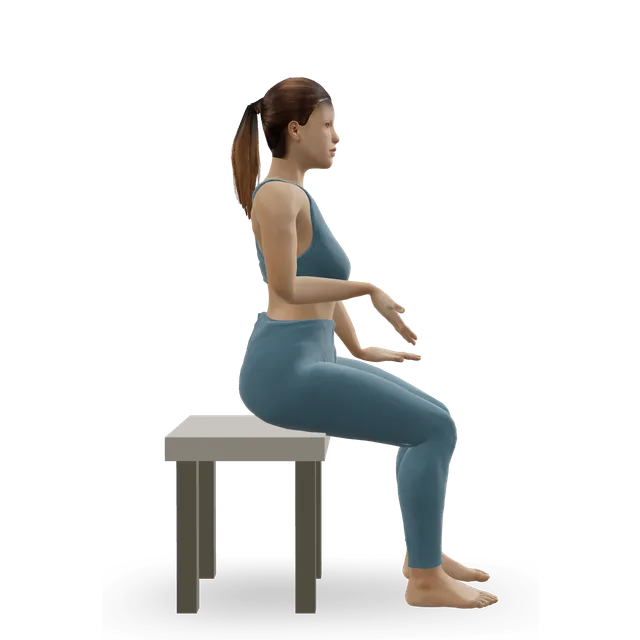
Wrist & forearm flow demonstrated on the 3D figure3D demoWrist & forearm flowBeginner · No equipment

2 to 3 at a time, building to sets of 8, up to 2 sets of 15, 2 to 3 times a day · NHS inform's pacing for wrist and hand exercises

Easier: Wrist circles · Harder: Wrist flexor stretch

Tendon glides (hand tendon gliding exercises) demonstrated on the 3D figure3D demoTendon glides (hand tendon gliding exercises)Beginner · No equipment

4 to 6 of each position, holding each for 5 s, up to 4 times a day · The move page's dose, from an NHS hand therapy leaflet

Harder: Ball squeeze

Median nerve glide (six hand positions, for carpal tunnel) demonstrated on the 3D figure3D demoMedian nerve glide (six hand positions, for carpal tunnel)Beginner · No equipment

For tingling in the thumb and first fingers: about 7 s in each position, 5 times through, 3 times a day · The move page's dose, from a carpal tunnel trial. Skip the last step with thumb base arthritis, as the move page says

Easier: Median nerve slider (neck-to-arm nerve glide)

Wrist circles demonstrated on the 3D figure3D demoWrist circlesBeginner · No equipment

10 slow circles each way, a few times a day · Editorial, as in the wrist hub

Harder: Wrist flexor stretch

Treadmill walking demonstrated on the 3D figure3D demoTreadmill walkingBeginner · Cardio machine

10 to 20 minutes most days, with your stick at wrist-crease height if you use one · Editorial; the NHS asks older adults to be active every day. Walking outdoors counts

Harder: Treadmill jogging

Move on when: Daily tasks are easier, the hand is no worse the next morning, and any tingling from the glides fades within an hour.

Follow along: a timer, a cue and the next move, one step at a time.
Stage 2

Build: grip, thumb and forearm

About weeks 2 to 8, every other day, light. Keep the thumb exercises (written steps below) going 3 times a week.

Ball squeeze demonstrated on the 3D figure3D demoBall squeezeBeginner · Other / check instructions

A soft ball: squeeze and hold for 5 s, up to 10 times · Editorial, matching the OTTER II holds. Use a soft ball with thumb arthritis, as the move page says

Easier: Tendon glides (hand tendon gliding exercises) · Harder: Band finger extension

Band finger extension demonstrated on the 3D figure3D demoBand finger extensionBeginner · A band

With thumb arthritis, the band round the thumb only: open against it, hold 5 s and lower slowly, up to 10 times; otherwise 2 sets of 10 · An OTTER II booklet hold; the general dose is editorial

Easier: Ball squeeze · Harder: Plate pinch

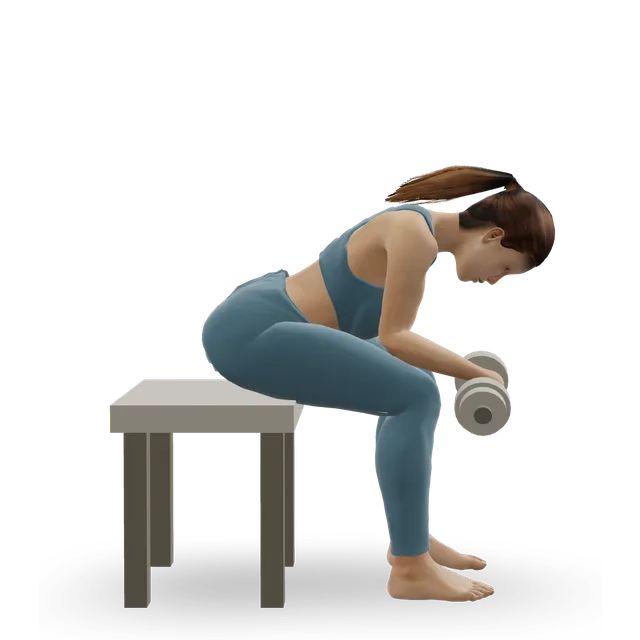
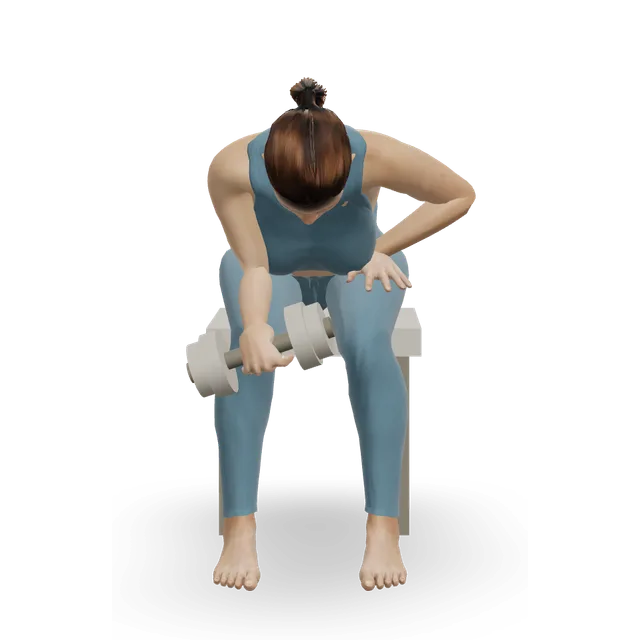
Reverse wrist curl demonstrated on the 3D figure3D demoReverse wrist curlBeginner · A dumbbell + A bench or box

A tin of beans, then a little heavier: sets of 8, up to 2 sets of 15, every other day · NHS inform's pacing

Easier: Wrist-extensor eccentrics · Harder: Plate pinch

Wrist curls demonstrated on the 3D figure3D demoWrist curlsBeginner · A dumbbell

The same, palm up · NHS inform's pacing (editorial match)

Easier: Wrist-extensor eccentrics · Harder: Plate pinch

Dumbbell forearm rotation demonstrated on the 3D figure3D demoDumbbell forearm rotationBeginner · A dumbbell + A bench or box

3 turns, building to 10, with 0.5 to 0.75 kg · As in our hand arthritis guide, which takes it from a UK trial (editorial here)

Easier: Wrist-extensor eccentrics · Harder: Plate pinch

Sit to stand from a chair demonstrated on the 3D figure3D demoSit to stand from a chairBeginner · A bench or box

5 slow repetitions, arms crossed so the wrists stay free, building to 10 · Editorial, as in our older adults' guides. Use a firm chair against a wall, as the move page says

Easier: Sit to stand, pushing on the thighs · Harder: Bodyweight squat

Move on when: The moves pass the pain rule, and lifting a full kettle with both hands or a shopping bag is comfortable (our suggestion).

Follow along: a timer, a cue and the next move, one step at a time.
Stage 3

Stronger and steadier: carrying, balance and bones

From about 6 to 8 weeks: 2 or 3 sessions a week, then keep going. Strength and balance at least twice a week, as the NHS asks for older adults. Housework, shopping, gardening and hobbies come back a little more each week (our suggestion); a local falls service or strength and balance class helps many people keep it up.

Farmer's carry demonstrated on the 3D figure3D demoFarmer's carryIntermediate · A dumbbell + A kettlebell

2 to 3 walks of 20 m, light, with thick or padded handles if the thumb is sore · Editorial. The move page suggests thick or padded handles with thumb arthritis

Harder: Suitcase carry

Single-leg stand demonstrated on the 3D figure3D demoSingle-leg standBeginner · A wall

Hold 5 to 10 s, 3 times each side, fingertips on a counter, building towards 30 s · Editorial, as in our ankle pain in older adults guide. After a fall, stay within reach of support with someone nearby, as the move page says

Easier: Tandem stance and heel-to-toe walk · Harder: Single-leg reach matrix

Side-stepping (sideways walking) demonstrated on the 3D figure3D demoSide-stepping (sideways walking)Beginner · A wall

10 steps each way, next to a counter · The move page's dose, from the NHS balance exercises

Harder: Lateral band walk

Tandem stance and heel-to-toe walk demonstrated on the 3D figure3D demoTandem stance and heel-to-toe walkBeginner · A wall

At least 5 heel-to-toe steps beside a wall · Editorial, as in our ankle pain in older adults guide

Easier: Semi-tandem stance · Harder: Single-leg stand

Wall push-up demonstrated on the 3D figure3D demoWall push-upBeginner · A wall

Once leaning on the hand is comfortable: 2 sets of 8 to 10, hands on the wall at shoulder height · Editorial. After a break, the fracture clinic's weight-bearing steps come first; leave it out with painful thumb base or wrist arthritis, as Arthritis UK suggests avoiding moves that load the hands heavily

Harder: Push-up

Heel drop (impact for bone) demonstrated on the 3D figure3D demoHeel drop (impact for bone)Beginner · No equipment

After a broken wrist at 50 or over, or after the menopause: 20 to 30 drops, building towards about 50 on most days · The move page's dose, which it credits to the UK osteoporosis consensus. Keep it gentle with spinal fractures, as the move page says

Harder: Jump rope (basic bounce)

Move on when: Our suggestion: your usual week of housework, shopping, gardening and hobbies passes the pain rule. Then keep the strength and balance work going at least twice a week.

Follow along: a timer, a cue and the next move, one step at a time.

What to change for now

Thumb exercises (written steps)

Our 3D figure can't show these well. They come from the OTTER II trial's thumb booklet.

  • 1. Warm your hand in a bowl of warm water first, gently circling the thumb.
  • 2. Thumb holds: hold each position for 5 to 10 seconds, up to 10 times.
  • 3. Practise everyday grips the right way: turning a key with the thumb in the right position 10 times, and unscrewing a bottle top 5 times.
  • 4. Do the exercises at least 3 times a week, for about 20 minutes each time.

Source 50

Grip, gadgets and splints (written steps)

These come from the NHS and Arthritis UK.

  • 1. Use gadgets and tools to make painful tasks easier, such as jar openers, electric tin openers and chunkier, softer handles (the NHS; Arthritis UK).
  • 2. Don't lift heavy things or grip too tightly; carry shopping in a backpack or a trolley, and use both hands (the NHS; Arthritis UK).
  • 3. Switch between harder and easier jobs, and take breaks (Arthritis UK).
  • 4. Ice wrapped in a towel for up to 20 minutes at a time, and warm water for morning stiffness; no heat for the first 2 to 3 days after an injury (the NHS; Arthritis UK).
  • 5. For tingling at night, a wrist splint at night for up to 6 weeks (the NHS). Don't wear a splint all the time, as it can stiffen and weaken the hand (Arthritis UK).

Sources 74, 52, 53, 54

Walking sticks and frames (written steps)

These come from NHS trust leaflets and the NHS, except where marked as our suggestion. No trial has tested them for wrist pain.

  • 1. Set the handle level with your wrist crease when you stand with your arm by your side, with a slight bend at the elbow (NHS trusts).
  • 2. Hold the stick in the hand opposite your painful or weaker leg (NHS trusts).
  • 3. To stand up, push with your free hand on the chair arm, not on the stick, and choose a chair with arms and a high seat (an NHS trust).
  • 4. Replace worn rubber tips and check the handle isn't loose (NHS trusts).
  • 5. You can borrow some walking sticks from the NHS: ask your GP, physiotherapist or occupational therapist, including about the right height (the NHS).
  • 6. If the hand that should hold the stick is the painful one, or your wrist hurts each time you lean, ask a physiotherapist or occupational therapist about a different handle or aid (our suggestion).

Sources 67, 68, 69, 70

Falls, and after a broken wrist (written steps)

These come from the NHS, NICE and an Oxford NHS leaflet, except where marked as our suggestion.

  • 1. Strength and balance work at least twice a week, shoes or slippers that fit and grip, and enough calcium and vitamin D (the NHS).
  • 2. If you fall and aren't hurt: roll onto your side, get onto your hands and knees, crawl to something stable and stand up slowly (the NHS). With a sore or recently broken wrist, push with the other hand or your forearms, or call for help (our suggestion).
  • 3. While a broken wrist heals, keep the hand above the elbow when you can, and don't drive or lift heavy things until you're told it's safe (the NHS).
  • 4. Once the cast is off, use the hand for light tasks such as washing up, dressing and typing (an Oxford NHS leaflet).
  • 5. From 50, after a broken wrist in a fall from standing height or less, ask about a fracture liaison service and a bone density scan (the NHS; NICE).

Sources 64, 28, 72, 30

Positions to swap, and why

Habit or positionWhy it mattersInstead
Resting the wrist completely until it stops hurtingNHS inform says use your hand more after the first 48 hours, and long rest stiffens it.Gentle movement little and often.Try: Wrist & forearm flow
Wearing a wrist or thumb splint all day, every dayArthritis UK says it can stiffen and weaken the hand.A night splint for tingling, and a splint only for the jobs that hurt.
A walking stick set too high or too low, or held on the wrong sideNHS trusts set it at the wrist crease, held opposite the painful or weaker leg.Have it checked by a physiotherapist.
Pushing up from a chair on a painful wrist or on your stickA stick isn't stable to push on, and a sore wrist takes your weight.Arms crossed, feet back, standing up slowly.Try: Sit to stand from a chair
Tight pinching and twisting: jars, keys and tapsPinching multiplies the force through the thumb base about 12 times, the OTTER II booklet says.Gadgets, chunkier handles and two hands.
Heavy shopping bags in your handsArthritis UK suggests a backpack or trolley instead.A trolley, and light carries with padded handles.Try: Farmer's carry
Copper bracelets or magnetic strapsThey did no better than a placebo in trials.The exercises and gadgets on this page.
Waiting to see whether a hot, swollen wrist settlesIt can be infection, gout or calcium crystals, and not everyone with an infection has a fever.Same-day help: an urgent GP appointment or NHS 111.
Putting up with numbness that is now there all the timeIn later life carpal tunnel is often advanced by the time it's checked, and nerve damage recovers less well.See a GP and ask about referral.
Push-ups with your full weight on a sore thumb or wristArthritis UK suggests avoiding moves that put a lot of body weight through the hands.Wall push-ups only if comfortable, and standing strength work.Try: Wall push-up

Routines to follow

Wrist and forearm routine

Wrist mobility and forearm strength for desk work, climbing, push-ups and handstands.

10 minBeginner7 movesA wall, A dumbbell

Arthritis exercise routine: a joint-friendly circuit

A 30-minute joint-friendly circuit built like the GLA:D and ESCAPE-pain programmes: a gentle warm-up, chair, step and band strength moves, balance, then stretches.

30 minBeginner14 movesA bench or box, A step

Hand exercises for rheumatoid arthritis (the SARAH programme)

The daily stretches and strengthening moves from the SARAH hand trial and NHS hand therapy leaflets: finger bends, finger walking, wrist circles, squeezes and pinches.

15 minBeginner7 movesA dumbbell, A bench or box

Strength and balance exercises for seniors

A 40-minute strength and balance session for over-65s, built from the Otago home programme and NHS exercises, using a chair, a counter and a step.

40 minBeginner18 movesA bench or box, Something with weight

Chair exercises for seniors: a seated workout

A 20-minute seated workout for older adults who cannot stand for long: marching, leg and arm strength, posture, and sit-to-stands that lead back to standing.

20 minBeginner11 movesA bench or box, Something with weight

Balance exercises routine

Balance practice in 10 minutes: tandem stance, single-leg stands, marches, heel walks, tree pose and floor transfers.

10 minBeginner7 movesA wall, A bench or box

Bone-strengthening workout

Impact, strength and balance for stronger bones, following UK osteoporosis consensus advice, with options for every level.

40 minBeginner14 movesA kettlebell, Other / check instructions

More moves for this area

Questions people ask

What causes wrist pain in older adults?

Most often arthritis at the base of the thumb, carpal tunnel syndrome, or a fall onto the hand. Less often it is calcium crystals (pseudogout), gout, rheumatoid arthritis or a tendon problem. Where it hurts and how it started point to the cause.

Is wrist pain in older people just arthritis?

Often it is arthritis at the base of the thumb, but true arthritis of the main wrist joint is uncommon unless you injured it before. Tingling fingers, a hot, swollen wrist or pain after a fall have other causes and need different care.

Can using a walking stick or frame hurt my wrist?

It can load the wrist and hand, though no study has measured how often it causes pain in older users. Check that the handle is level with your wrist crease and the stick is in the hand opposite your bad leg. If your stick hand is the sore one, ask a physiotherapist about another handle or aid.

What is pseudogout, and how long does an attack last?

Calcium crystals in a joint cause a sudden hot, swollen, painful wrist, mostly after 60, in men and women alike. Attacks usually last several days to 2 weeks, and draining the joint with a steroid injection often settles one quickly. Get it checked the same day, because it can look like gout or an infection.

Is carpal tunnel common in older people?

Yes: in men, new cases are most common at 75 to 84. In later life it is often noticed late, with numbness all the time or a weak thumb, so see a GP early.

Am I too old for carpal tunnel surgery?

Age alone isn't a reason not to have it: people 70 and over had symptom relief and satisfaction similar to younger people, with no more complications, though grip and feeling recovered less. Your surgeon will weigh your health and how damaged the nerve is.

I fell and my wrist hurts. Should I go to A&E?

Go to A&E or call 999 if the wrist has changed shape, a bone is showing, or the hand is numb or tingling. Otherwise contact NHS 111 the same day if it's very painful, swollen or you can't use it. You'll probably need an X-ray.

I broke my wrist. Should I have my bones checked?

Yes, if you're 50 or over and it happened in a fall from standing height or less. NICE counts it as a major fracture from thin bones and offers a bone density scan, and you can ask about a fracture liaison service and a falls assessment.

Do older people need surgery for a broken wrist?

Often not: in people 60 and over, a cast gave about the same wrist function at a year as a plate in a large trial. Your fracture team decides with you.

Do wrist splints or copper bracelets help?

A night splint helps carpal tunnel syndrome, and a thumb splint helps some people with thumb arthritis, though it added nothing to good self-management in a UK trial. Don't wear one all the time. Copper and magnetic bracelets did no better than a placebo.

What exercises help?

Gentle wrist, finger and thumb movement every day, then grip and forearm strength, and strength and balance work at least twice a week to prevent falls. The plan on this page builds up in three stages.

When should I see a doctor?

Call 999 or go to A&E for the injury signs at the top of this page. Contact NHS 111 or your GP the same day for a hot, swollen wrist or lost feeling, and see a GP soon for constant numbness, a weak thumb, several swollen joints, or pain that isn't better after 2 weeks. In the US, call 911 where this page says 999.

Related exercise guides

Other pain guides

Sources

  1. Marshall 2013 · Types of painful hand osteoarthritis in UK adults aged 50 and over (population study, Osteoarthritis Cartilage)
  2. Zhang 2002 · Painful hand osteoarthritis and daily tasks in 1,041 people aged 71 to 100: the Framingham Study (population study, Am J Epidemiol)
  3. Dahaghin 2005 · Hand osteoarthritis on X-ray, hand pain and disability in 3,906 Dutch adults aged 55 and over (the Rotterdam Study, population study, Ann Rheum Dis)
  4. Sodha 2005 · Thumb base arthritis on the X-rays of 615 people with a broken wrist, by age (cross-sectional study, J Bone Joint Surg Am)
  5. BSSH · Basal thumb arthritis (patient information)
  6. Kitamura 2025 · Arthritis of the wrist joints on X-ray in 1,297 Japanese adults aged 50 to 89 (population study, J Hand Surg Am)
  7. Cornette 2025 · Patterns of advanced wrist osteoarthritis in 1,327 people over 40 (single-centre cohort, J Hand Surg Eur)
  8. Shaheen 2026 · Surgery for wrist osteoarthritis (Cochrane protocol; background read)
  9. Royal Osteoporosis Society · Broken hips, wrists and other bones
  10. Latinovic 2006 · How often common nerve entrapments, including Morton's neuroma, are diagnosed in UK general practice (database study, J Neurol Neurosurg Psychiatry)
  11. Burton 2018 · Carpal tunnel syndrome in UK primary care, 1993 to 2013 (BMJ Open)
  12. NHS inform · Wrist, hand, finger and thumb problems
  13. Davies 2018 · Degenerative cervical myelopathy (clinical review, BMJ)
  14. Blumenthal 2006 · Carpal tunnel syndrome in older adults: 343 people referred for nerve tests (clinic study, Muscle Nerve)
  15. Shields 2025 · Carpal tunnel syndrome in 187 people aged 80 and over (clinic cohort, Neurol Int)
  16. Getting It Right First Time (GIRFT) and the British Society for Surgery of the Hand · Adult carpal tunnel syndrome: hand surgery pathway (UK pathway)
  17. Arthritis UK · Acute CPP crystal arthritis
  18. Rosenthal 2016 · Calcium pyrophosphate deposition disease, or pseudogout (review, N Engl J Med)
  19. Abhishek 2012 · Calcium crystal deposits at the wrists, knees and hips in 3,170 UK adults (cohort study, Arthritis Res Ther)
  20. Zhang 2011 · European League Against Rheumatism (EULAR) recommendations for calcium pyrophosphate deposition, part I: terms and diagnosis (expert recommendations, Ann Rheum Dis)
  21. Abhishek 2023 · The 2023 ACR/EULAR classification criteria for calcium pyrophosphate deposition disease (criteria study, Ann Rheum Dis)
  22. Kuo 2015 · Gout in the UK by age and sex, 1997 to 2012 (population study, Ann Rheum Dis)
  23. NHS · Gout (past its review date: reviewed August 2023, review due August 2026)
  24. Alexandersson 2024 · Joint infection (septic arthritis) in people aged 80 and over compared with younger adults in western Sweden (population study, Pathogens)
  25. NHS · Septic arthritis
  26. O'Neill 2001 · Broken wrists in British men and women aged 35 and over (population study, Osteoporos Int)
  27. Reiland 2024 · Broken wrists in German adults aged 60 and over, by age and sex (claims data study, Osteoporos Int)
  28. NHS · Broken arm or wrist
  29. Cuddihy 1999 · A broken forearm as a predictor of later fractures in 1,288 people (cohort study, Osteoporos Int)
  30. NICE NG259 · Osteoporosis: risk assessment (2026)
  31. NICE NG249 · Falls: assessment and prevention in older people and in people 50 and over at higher risk (2025)
  32. BSSH · Thumb extensor tendon (EPL) rupture (patient information)
  33. Abhishek 2017 · How common rheumatoid arthritis is in the UK, by sex (population study, Rheumatology)
  34. Dag 2025 · Rheumatoid arthritis starting after 65 in 425 people in the tREACH trial (trial cohort analysis, Rheumatology)
  35. NHS · Rheumatoid arthritis: symptoms (past its review date: reviewed March 2023, review due March 2026)
  36. NICE · Rheumatoid arthritis in adults: management (NG100, guideline)
  37. Wolf 2009 · New cases of De Quervain's in the US military, by sex and age (population study, J Hand Surg Am)
  38. British Society for Surgery of the Hand · Trigger finger and thumb (patient information)
  39. British Society for Surgery of the Hand · Ganglion cysts (patient information)
  40. British Society for Surgery of the Hand (BSSH) · Terminal finger joint arthritis (patient information)
  41. van Leeuwen 2016 · How often Kienböck disease is found by chance on wrist imaging (51,071 people, CORR)
  42. Chang 2025 · Carpal tunnel syndrome after a broken leg or foot in Taiwan (population cohort study, Healthcare)
  43. Anguiano-Hernandez 2023 · Load through the hands with crutches, walking frames and a knee walker in 20 adults with type 2 diabetes (laboratory study, Clin Biomech)
  44. Lee 2017 · How the angle of a walking frame's handle changes wrist load in 25 people aged 65 and over (laboratory study, J Phys Ther Sci)
  45. Bateni 2005 · Walking sticks and frames: benefits, demands and downsides (review, Arch Phys Med Rehabil)
  46. NICE NG226 · Osteoarthritis in over 16s: diagnosis and management (2022)
  47. British Society for Surgery of the Hand · Carpal tunnel syndrome (patient information)
  48. Østerås 2017 · Exercise for hand osteoarthritis (Cochrane review)
  49. Hennig 2015 · Home hand exercises for 80 women with hand osteoarthritis (RCT, Ann Rheum Dis)
  50. OTTER II trial team · Thumb base pain exercise booklet (hosted by NHS Scotland Right Decisions)
  51. Adams 2021 · A thumb splint added to a self-management programme in 349 people with thumb base arthritis: the OTTER II trial (RCT, Rheumatology)
  52. Arthritis UK · Osteoarthritis of the hand and wrist
  53. Arthritis UK · Splints: hand and wrist supports
  54. NHS · Carpal tunnel syndrome
  55. Di Dio 2026 · Carpal tunnel release at 70 and over: 20 studies (systematic review and meta-analysis, Med Sci)
  56. Hobby 2005 · Age, sex and the results of carpal tunnel surgery in 97 UK patients (prospective study, J Hand Surg Br)
  57. Weber 2010 · Five years after carpal tunnel surgery in people over 65 (follow-up study, J Hand Surg Am)
  58. Zhang 2011 · EULAR recommendations for calcium pyrophosphate deposition, part II: management (expert recommendations, Ann Rheum Dis)
  59. CROSSFIRE Study Group 2021 · A plate vs setting and a cast in people 60 and over (RCT of 166, JAMA Surg)
  60. Linnanmäki 2023 · A plate vs no surgery in different age groups (meta-analysis, J Hand Surg Eur)
  61. Handoll 2015 · Rehabilitation for distal radius fractures in adults (Cochrane review)
  62. Gutiérrez-Espinoza 2026 · Supervised physical therapy vs home exercise after a broken wrist (meta-analysis of 13 trials, JOSPT)
  63. Sherrington 2019 · Exercise for preventing falls in older people living in the community: 108 trials (Cochrane review)
  64. NHS · Falls
  65. Richmond 2009 · Magnetic and copper bracelets for osteoarthritis (randomised placebo-controlled crossover trial of 45 people, Complement Ther Med)
  66. Richmond 2013 · Copper bracelets and magnetic wrist straps for rheumatoid arthritis (randomised placebo-controlled crossover trial of 70 people, PLoS One)
  67. Guy's and St Thomas' NHS Foundation Trust · Falls: keeping active and using a walking aid
  68. South Tees Hospitals NHS Foundation Trust · How to use walking sticks (physiotherapy leaflet)
  69. NHS Lothian Physiotherapy · How to use a walking stick (patient leaflet, 2008)
  70. NHS · Walking aids, wheelchairs and mobility scooters
  71. NHS inform · Exercises for wrist, hand and finger problems (including how to tell if you're exercising at the right level)
  72. Oxford University Hospitals NHS · Wrist fractures: information and exercises for patients (2024)
  73. Smith 2017 · Should exercises be painful in chronic musculoskeletal pain? (systematic review and meta-analysis, Br J Sports Med)
  74. NHS · Wrist pain

Exercise education, not a diagnosis or treatment plan. It is written from the guidelines and studies listed above; review by a clinician is pending. If your pain follows an injury, is severe, is getting worse, or comes with any warning sign listed on this page, get it assessed. Health disclaimer.