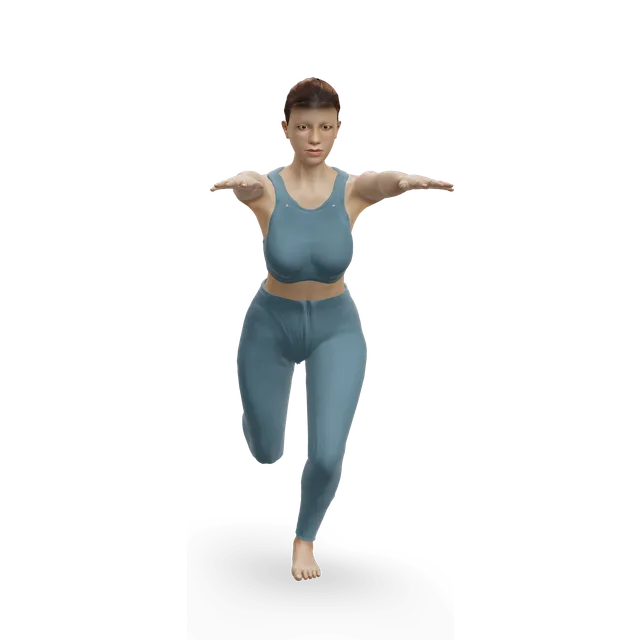
A snap at the back of the heel
Same day: a sudden snap or pop at the back of the heel or calf, or a feeling of being kicked there, then walking flat-footed and being unable to push off, stand on tiptoe or climb stairs. It could be an Achilles tendon rupture or a broken heel bone. Go to A&E or a minor injuries unit, or contact NHS 111.
Contact NHS 111 if you heard a snap, grinding or popping noise at the time of the injury, can't walk on tiptoe or up stairs, or have swelling and bruising in your calf and ankle. Our Achilles rupture guide says to get it checked the same day, at A&E (accident and emergency) or a minor injuries unit, or through NHS 111.
Source 45
Achilles or calf pain now
5 of 31 players who ruptured an Achilles had noticed symptoms first. Follow our Achilles tendinopathy guide's calf loading and pain rule before full play, rather than playing through it.
Ruptures cluster in recreational players in their mid-30s. Warm up every time, keep sessions shorter at first, and strengthen your calves on other days (our suggestion).
Sources 7, 8
An eye hit by a shuttle or racket
Go to A&E or call 999 if something hit your eye at high speed, your sight has changed, you have severe pain in the eye, a headache or sensitivity to light, you feel or are sick, you can't move your eye or keep it open, or blood or pus is coming from it. Ask for an urgent GP appointment or contact NHS 111 if it isn't getting better after 24 hours. Raised eye pressure can follow years later, so keep any follow-up appointments (our suggestion).
Sources 46, 28
Chest pain or fainting: call 999
Call 999 if:
- You get sudden pain or discomfort in your chest that doesn't go away; it can feel like squeezing or pressure, burning or indigestion.
- The pain spreads to your left or right arm, or your neck, jaw, stomach or back.
- You have chest pain and feel sweaty, sick, light-headed or short of breath.
- Someone faints while exercising, can't be woken within 1 minute, or has chest pain or a pounding, fluttering or irregular heartbeat.
Sources 47, 48
Chest pain or palpitations on court
Call 999 for sudden chest pain or discomfort that doesn't go away, pain that spreads to your arms, neck, jaw, stomach or back, or chest pain with sweating, feeling sick, light-headedness or breathlessness. Call 999 if someone faints while exercising, and call 999 or go to A&E for palpitations that don't go away or come with chest pain, breathlessness or fainting.
Sources 47, 48, 49
Unusual breathlessness
Call 999 or go to A&E (accident and emergency) straight away for severe difficulty breathing (gasping, choking or not able to get words out), a chest that feels tight or heavy, pain that spreads to your arms, back, neck and jaw, lips or skin turning very pale, blue or grey, or sudden confusion. If you're more short of breath than usual, or your heart is racing, fluttering or skipping beats, contact NHS 111.
Source 50
An ankle or knee injury
Call 999 or go to A&E if you heard a crack, the joint has changed shape or is pointing at an odd angle, it's numb, tingling or has pins and needles, or the skin has changed colour or is cold. Get help from NHS 111 if it's very painful, badly swollen, or you can't put weight on it or walk more than a few steps, and for a knee that locks, gives way or painfully clicks.
Repeat sprains are common. Our ankle sprain guide: balance training 3 times a week for 8 weeks once you're back on court, and a brace for sport.
Sources 51, 52, 5, 25
A painful shoulder
Ask for an urgent GP appointment or contact NHS 111 for sudden or very bad shoulder pain, an arm you can't move, a shoulder that has changed shape or is badly swollen, pins and needles that don't go away, or pain that started after a fall.
Source 53
Heat in a hot hall
Heat exhaustion should improve within 30 minutes of resting somewhere cool, cooling down and drinking. Call 999 if it doesn't, or for a very high temperature, hot skin that isn't sweating, a fast heartbeat, fast breathing, confusion, a fit or loss of consciousness.
Source 54
Very flexible joints
If you're hypermobile, don't use mobility work to push further: the NHS says "do not overextend your joints just because you can". See a GP if you think you have joint hypermobility syndrome: for example, your joints keep dislocating, or you keep getting sprains, strains, pain or stiffness.
Source 55
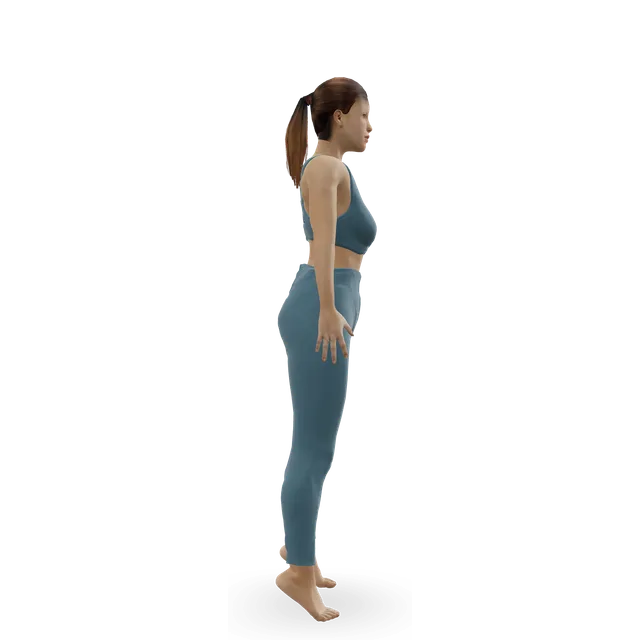
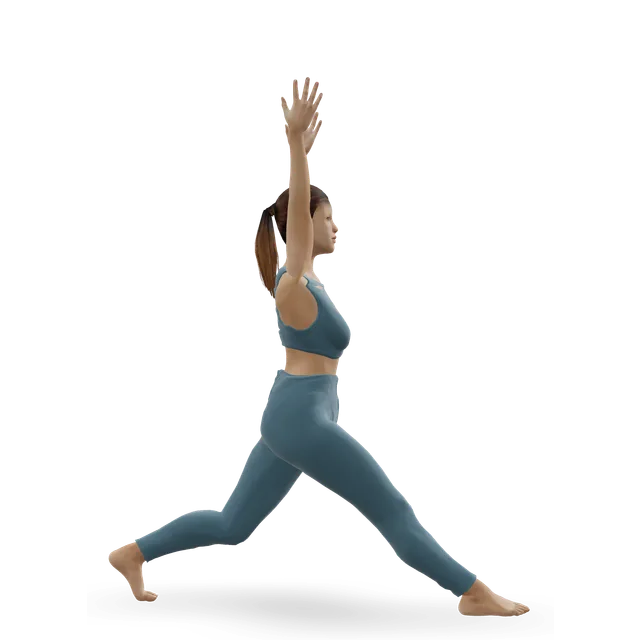
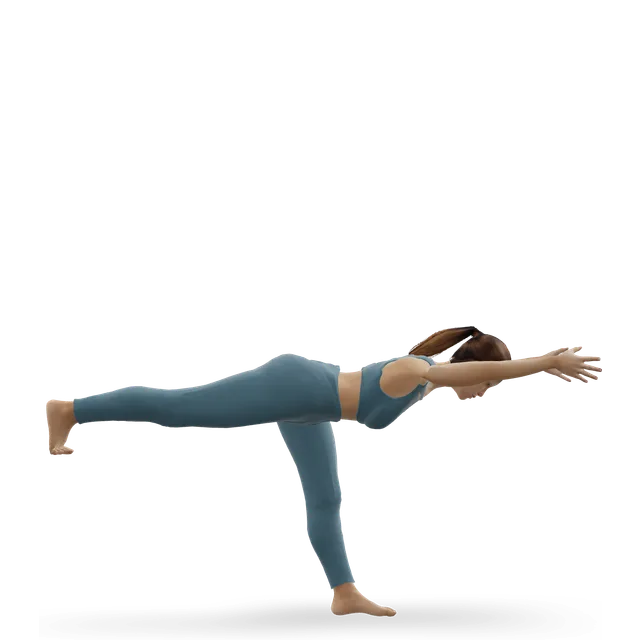
During yoga
A joint pain that is sharp, gets worse during a session, lingers into the next day or changes how you move is a reason to use an easier version, and to see a GP or physiotherapist if it keeps happening (the rule in our plans). Muscle soreness for a day or two after something new is normal. In a hot class, stop if you feel dizzy, sick or unwell; our hot yoga guide lists the signs of heat illness.
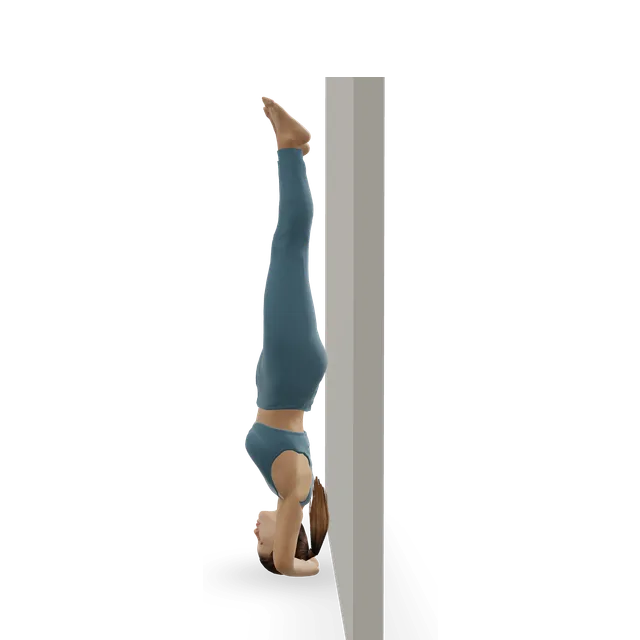
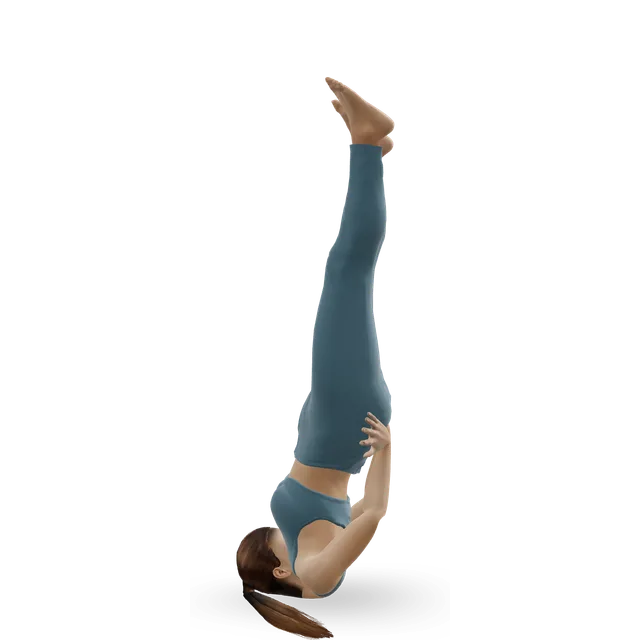
With glaucoma, or high blood pressure that isn't under control, skip headstands, shoulder stands and long head-down holds. With osteoporosis, swap deep forward folds for a flat-back hinge from the hips, and twist smoothly. In pregnancy, our yoga in pregnancy guide covers the changes. NCCIH advises beginners to avoid headstands, shoulder stands, the lotus position and forceful breathing.
You can say no to any hands-on adjustment, and a teacher registered with Yoga Alliance must get your explicit consent each time.
Source 56
Who should check first
The PAR-Q+ (Physical Activity Readiness Questionnaire for Everyone) asks about a heart condition or high blood pressure, chest pain, dizziness or losing consciousness, other long-term conditions and their medicines, a bone or joint problem that activity could make worse, and being told to exercise only under supervision. If you answer yes to any, check with your GP or a qualified exercise professional first. If you're over 45 and not used to hard exercise, ask a qualified exercise professional before the hardest sessions, and delay if you're ill.
Competitive badminton is vigorous, at 7.0 to 9.0 METs, and heavy exertion raises the short-term risk of a heart attack most in people who rarely exercise hard. Use the PAR-Q+ and see your GP if it flags anything, and start with social doubles (our suggestion). Our heart disease guide has more.
Sources 41, 18, 14
Before you start
The NHS advises getting advice from a healthcare professional first if you have a health problem, an injury or symptoms, or have recently had a heart attack or an operation.