Pilates guide

Pilates for badminton players: lunges and the knees, the Achilles, the hitting shoulder, balance and footwork, the evidence and a routine

Badminton is a game of lunges, quick first steps and jumping smashes, and most injuries are in the legs: ankle sprains, knee and tendon pain and, in recreational players in their mid-30s, Achilles ruptures. Half of players have had pain in the hitting shoulder. Pilates for badminton can train what those injuries point to, at low load: the calves, the hips and a steady single leg for the lunge, the trunk turning both ways, and the shoulder blades on both arms. The Pilates trials in badminton players are small, and they measured fitness tests, not play or injuries.

So Pilates sits beside your coach, on-court footwork, strength training, the PreventiBad warm-up and a gradual build-up after breaks, never in place of them, and it doesn't replace eye protection or rehabilitation of an injury. We're not connected with any badminton body, club or brand.

This guide covers the lunge and the knees, the Achilles and ankles, the hitting shoulder, balance and footwork, the back, what the evidence shows, a 25-minute class and the warning signs.

The short version

Small, weak trials, and none counted injuries

One small Indian trial reported better jump, shuttle-run, balance and coordination tests after 5 weeks of added Pilates, but we could read only its abstract, in a journal not indexed in PubMed. In a 2025 randomised trial, mat Pilates did no better than plank exercises. The rest are tiny or uncontrolled.

Sources 1, 2, 3, 4

Most injuries are in the legs

Most studies counted 1 to 4 injuries per 1,000 hours, mostly in the lower body, and the risk rose with level of play and a previous injury. Outer ankle sprains led one French hospital's acute leg injuries.

Sources 5, 6

Achilles ruptures, in recreational players

In 31 Swedish players with an Achilles rupture, the average age was 36 and nearly all were recreational players or beginners. No trial has tested a way to prevent ruptures; warming up, building up after a break and calf strength are the sensible steps.

Source 7

Balance training has the injury evidence, borrowed from other sports

Balance training cut ankle sprains in other sports, and in one small youth trial, the PreventiBad warm-up, with one-leg balance, planks and side planks, went with about 70% fewer injuries per hour.

Sources 8, 9

Half have had hitting-shoulder pain

About half of world-class and recreational players had had pain in the hitting shoulder. No shoulder prevention programme has been proven in overhead athletes; Pilates can work the shoulder blades and rotator cuff at low load on both arms.

Sources 10, 11, 12

Not before you play

Before play, use the PreventiBad warm-up. Do Pilates once or twice a week on non-match days or after play.

Sources 13, 9

What badminton asks of your body, and where Pilates fits

Each figure keeps its own group and measure. Our badminton guide has the training, footwork and injuries in full.

How hard the game isStrong evidence

The Compendium of Physical Activities gives social badminton 5.5 METs (multiples of resting energy use), competitive play 7.0 and match play 9.0, against 2.8 for Pilates in general. Rallies are short and fast, with split steps, lunges to the net and sides, jumping smashes with one-leg landings and overhead shots.

Sources 14, 15

The lunge is the loadEmerging evidence

In 52 players, a maximal lunge to the net loaded the front leg with about 2.0 to 2.95 times body weight, and less skilled players braked with more force and larger knee loads. Lunges made up about 15% of movements in singles in one small video study, and a step-in lunge took less push-off force than a kick lunge. Across 20 lab studies, elite players absorbed impact better. Lunge technique and footwork belong to your coach.

Sources 16, 17, 18

Where players get hurtEmerging evidence

Across 19 studies, most counted 1 to 4 injuries per 1,000 hours, with 41% to 92% in the lower body and most mild or moderate; the risk rose with level of play and a previous injury. In Danish players, 74% of injuries were from overuse and "92% of the injured were playing with their injury"; in 20 French internationals the rate was 3.4 per 1,000 hours, 11.6 in matches, with lunges and smashes the main causes; in 44 Hong Kong elite players it was 5.04, and half were recurrences. Across 28 studies of 2,435 adults, 52% of injuries were in the leg, the ankle most. In a French hospital's 140 acute injuries, outer ankle sprains made up 43.4% of leg injuries, Achilles ruptures 13.9% and calf tears 8.5%, and in Umeå, 90.7% of players treated in the emergency department were recreational players or beginners. 48% of 164 world elite juniors had had an injury lasting 30 days or more, mostly knee, ankle and lower back, and the patellar tendon was the commonest injury in elite Malaysian records.

Sources 5, 19, 20, 21, 22, 6, 23, 24, 25

What Pilates offers, and what it doesn't

Pilates can train calf and soleus endurance, hip strength and one-leg control for the lunge and landing, trunk endurance and rotation both ways, and the shoulder blades and rotator cuff on both arms, at low load (our reading). It can't replace on-court footwork and jump training, strength training, the PreventiBad warm-up, a gradual build-up after breaks, eye protection or rehabilitation of an injury.

What the evidence says

The badminton Pilates trials are tiny, mostly in journals outside PubMed, and measured fitness tests. Balance and core training have more evidence, mostly from other sports or young players.

The Pilates trials in badmintonMixed evidence

In India, 40 young men were randomised to Pilates added to their training, twice a week for 5 weeks, or training alone, and the Pilates group's jump, 10 m shuttle-run, balance and hand-eye coordination tests improved more. We could read only the abstract, which doesn't report the exercises, blinding or dropouts, in a journal not indexed in PubMed; a 2025 review's balance result for Pilates rests on this one trial. In Pakistan, 28 recreational players did mat Pilates or plank exercises for 6 weeks: both improved core strength and agility, and "No significant between-group differences were observed." (abstract only; registered with no results posted). The rest are smaller: 20 young Slovenian players doing Pilates before training with no comparison group, 30 Indian college players in whom Pilates and neuromuscular training both improved balance and agility, neuromuscular training more, and two small studies in low-tier journals. Our searches found no badminton Pilates trial in PubMed, and none that counted injuries or measured match play.

Sources 1, 26, 2, 27, 3, 28, 29, 30, 31, 4

Core and balance training in racket playersEmerging evidence

Across 18 small trials in tennis, badminton and table tennis players, core training improved agility and balance tests, but "only one study implemented blinding of participants or therapists, and no studies blinded outcome assessors". In young badminton players, 13 studies at high risk of bias reported better skill scores. In 20 adolescents, 6 weeks of core training improved balance and core endurance but not agility. Jump training improved agility and balance in 11 trials, at low or very low certainty, balance training sped up young players' push-off by 19% to 36% in 8 weeks, and balance with jump training beat jumps alone on two agility tests.

Sources 32, 33, 34, 35, 36, 37

PreventiBad: the one badminton prevention trialEmerging evidence

In 273 French players aged about 14, an 8-week warm-up programme after a long break went with 1.23 injuries per 1,000 hours against 4.07 (a rate ratio of 0.30, so about 70% fewer), but there were only 20 injuries. It includes the plank, side plank, one-leg balance and band shoulder work, the parts a Pilates class shares (our reading). It hasn't been tested in adults. Our badminton guide has it as the badminton injury prevention warm-up.

Sources 9, 38

Balance training and ankle sprains, in other sportsStrong evidence

In 765 high school football and basketball players, balance training cut ankle sprains (1.13 against 1.87 per 1,000 exposures). In 522 athletes after a sprain, an 8-week home programme cut repeat sprains from 33% to 22%. Reviews agree, with the biggest effect after a previous sprain. These trials weren't in badminton players.

Sources 8, 39, 40, 41, 42

Core strength and injuriesStrong evidence

"Definitive evidence demonstrating an association between core instability and injury is lacking". Across 25 trials, strength training cut sports injuries to about a third and balance training to about half, and stretching made no difference.

Sources 43, 44

Lunges and the knees

Knee pain in playersEmerging evidence

In 14 elite players, the kneecap tendons already showed raised blood flow on ultrasound at the start of a season, rising after matches. Elite men with patellar tendinopathy had smaller tendons, players with chronic knee pain lunged with less knee and trunk movement and more back muscle activity, and players with knee pain had different trunk muscle sizes, all in snapshots that can't show cause. In prospective studies, knee loading in lunges and knees moving in on landing went with injuries.

Sources 45, 46, 47, 48, 49

Where Pilates fits

No trial has tested lunge technique, thigh or hip training for knee pain in badminton. Pilates can strengthen the hips and train one-leg control (our reading); lunge technique is your coach's job, and a painful kneecap tendon needs our jumper's knee guide and its staged plan. Use the knee pain rule in the warning signs.

The Achilles and ankles

Who ruptures an AchillesEmerging evidence

In 31 Swedish players with a ruptured Achilles, the average age was 36, 27 were men, 97% were recreational players or beginners, 94% ruptured it in the middle or at the end of a game, and 5 had noticed symptoms first. Danish players ruptured it at the back of the court in a sudden forward movement "despite limbering up". Badminton caused 27% of sport-related ruptures in a Shanghai series, where ruptures in the first 10 minutes were commoner in people who hadn't warmed up (a link, not proof), and badminton, floorball and football caused more than half of sport ruptures in Stockholm. In US emergency data, ruptures rose most at ages 40 to 59, and the evidence on risk factors is weak.

Sources 7, 50, 51, 52, 53, 54

Landing and the AchillesMixed evidence

In a lab study, landing a jump smash with the foot turned out cut the force on the Achilles by about 25%. It hasn't been tested as a way to prevent ruptures.

Source 55

AnklesEmerging evidence

Ankle sprains lead acute leg injuries in badminton, and balance training after a sprain cut repeat sprains in other sports. Our Pilates after an ankle sprain class has the ankle work.

Sources 6, 22, 39

Where Pilates fits

Calf and soleus strength, and one-leg balance, on non-match days (our reading). Warm up every time, keep sessions shorter when you start or come back after a break, and follow our Achilles tendinopathy guide's pain rule if your Achilles aches, as our badminton guide says.

The hitting shoulder

How common shoulder pain isEmerging evidence

52% of 188 world-class players and 52% of 99 recreational players had had pain in the hitting shoulder, ongoing in 20% and 16%. In 45 Spanish players under 17, 47.4% developed shoulder pain within a year, and inward rotation of 55° or less predicted it. In 611 Japanese children, playing more than 2.5 hours a day went with shoulder pain.

Sources 10, 11, 56, 57

Prevention is unprovenMixed evidence

Across 7 prevention studies in overhead athletes, only 3 were favourable and one was at low risk of bias: "no conclusions can be made". The evidence on risk factors is limited too, and there is no badminton shoulder trial.

Sources 12, 58

Where Pilates fits

Shoulder-blade and outward-rotation work on both arms, at low load: band turn-outs, Y-T-W raises and scapular push-ups (our reading). A gentle cross-body stretch is only for a clear loss of inward turning on the hitting side, and not for a shoulder that feels loose. A shoulder that hurts after play needs our rotator cuff and shoulder impingement guides.

Balance and footwork

Balance trainingEmerging evidence

Balance training sped up young players' push-off and cut ankle sprains in other sports. Make one-leg work harder over time: eyes closed, a softer surface, or catching a shuttle a partner throws, as the PreventiBad warm-up does.

Sources 36, 37, 8, 39

Footwork stays on court

Footwork, jumps and lunges are trained on court and in our badminton strength and footwork workout. Pilates adds hip control and a steadier single leg (our reading).

The back, and turning both ways

Back pain in playersMixed evidence

70% of 23 German elite players had low back pain in the past year, no more than active students. The lower back was the commonest current complaint in world elite juniors and the back the commonest site of new injuries in Hong Kong elite players.

Sources 59, 24, 21

Where Pilates fits

Badminton turns the trunk hard one way, so turn both ways equally in Pilates (our reading, as on our tennis page). For back pain in general, Pilates helps about as much as other exercise, and trunk training improves trunk endurance most.

Sources 60, 61

Fitting Pilates around badminton

Your week

The PreventiBad warm-up before every session, the strength and footwork workout twice a week off-season, and a Pilates class once or twice a week on non-match days (our suggestion, from our badminton guide's plan). Count a hard reformer class as training (our reading of the International Olympic Committee's consensus on load).

Sources 9, 62

Not before you play

Long static holds just before activity cost a little performance (3.7% on average), so keep Pilates for after play or another day.

Source 13

Your eyes

The shuttle causes 85% of badminton eye injuries, many in doubles from your own partner. Pilates has nothing to add here: the American Academy of Ophthalmology advises polycarbonate sports eyewear for racket sports, and our badminton guide covers it.

Sources 63, 64, 65

Breathe and turn both ways

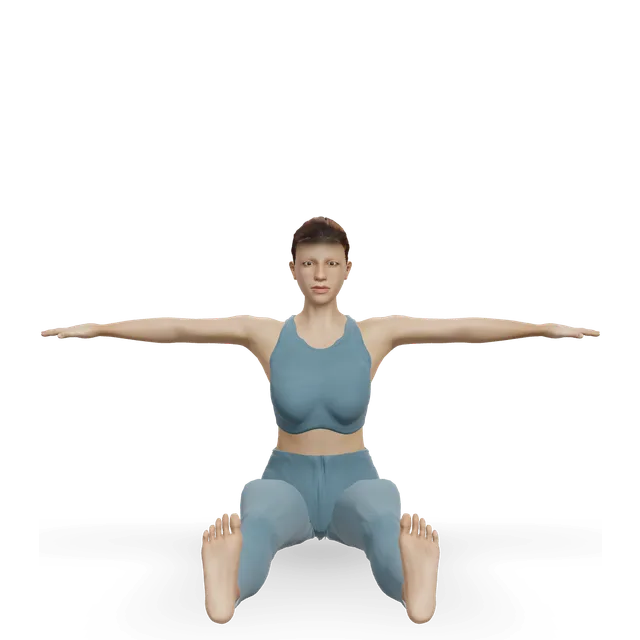
Lateral breathing, 5 to 8 breaths at the start of every session (the move page's dose); thoracic rotation, 6 rotations per side, moving with the breath (the move page's dose); side-lying open book, 8 to 10 slow openings each side, pausing 2 seconds at the end (the move page's dose); spine twist, 3 to 4 each side (the move page's dose). Turn both ways the same number of times, whichever hand you play with.

Calves and the Achilles

Slow calf raise, 2 sets of 10 to 12, holding a counter, up for 2 and down for 3 (our Pilates for pickleball players class); seated bent-knee calf raise, 3 sets of 15 (our badminton strength and footwork workout), for the deeper calf muscle (soleus); single-leg calf raise from a step, 3 sets of 10 to 15 each leg (our badminton strength and footwork workout), once two-leg raises are easy, with a hand on a rail.

One leg, for lunges and landings

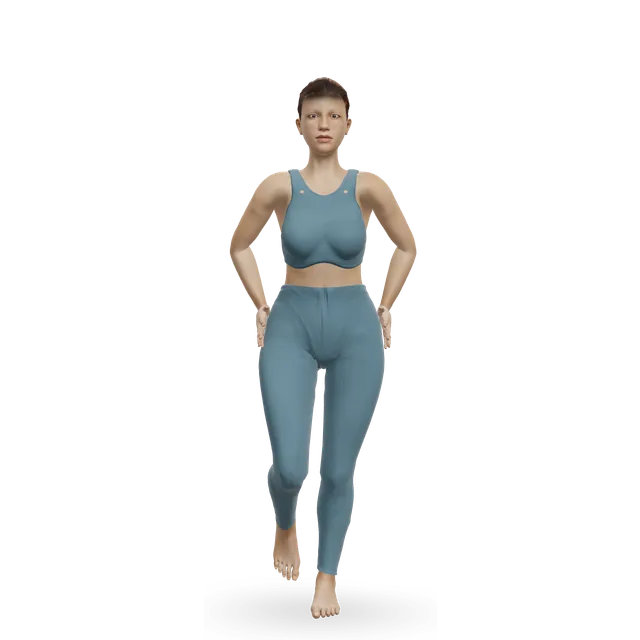
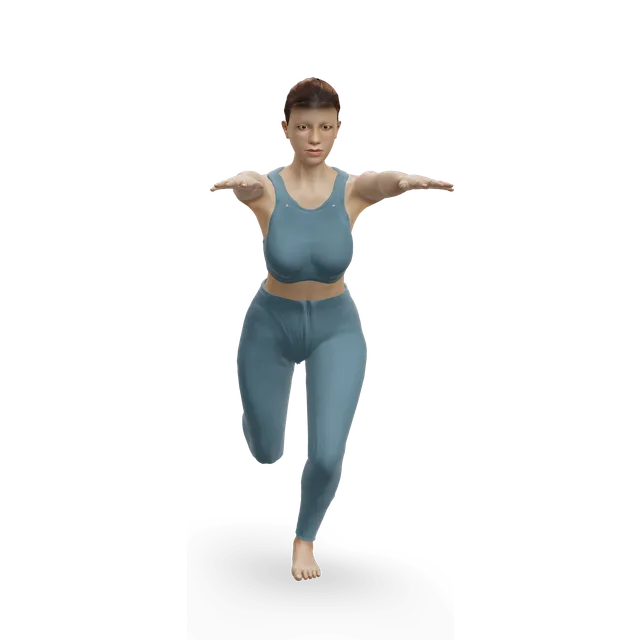
Single-leg stand, 2 sets of 30 s each leg (our badminton injury prevention warm-up); single-leg reach matrix, 2 sets of 3 reaches each direction, each leg (our badminton strength and footwork workout), like lunges to the corners of the court; hip airplane, 5 slow turns each leg, holding a counter (our Pilates for tennis players class); Cossack squat, 6 slow shifts per side, hold the last one (the move page's dose), the side lunge, staying higher if your kneecap hurts, as its page says.

Hips

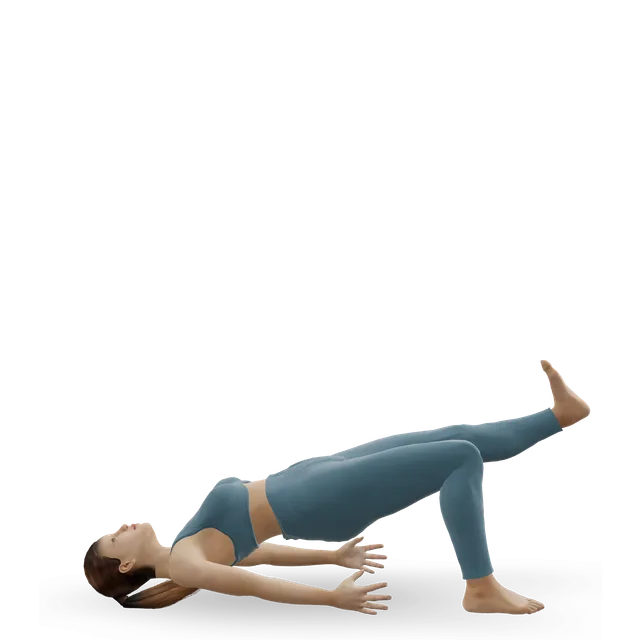
Shoulder bridge, 3 to 5 kicks each leg (the move page's dose); side kick, 8 to 10 each side (the move page's dose); clamshell, 10 each side (our Pilates for tennis players class).

Trunk

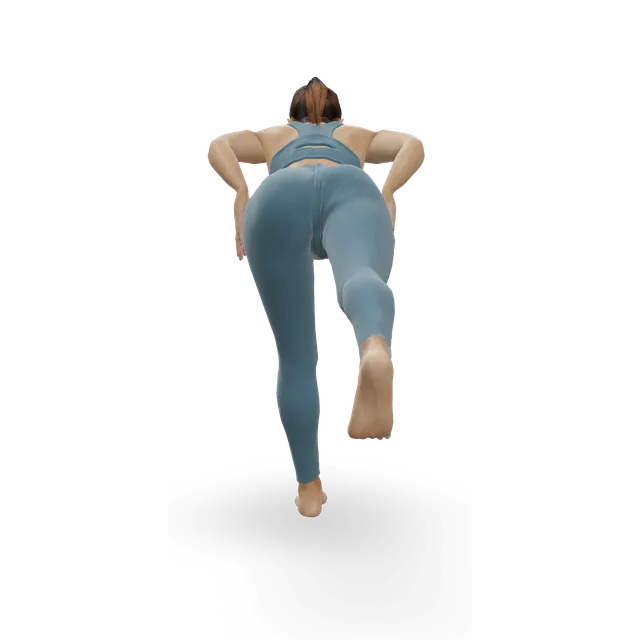
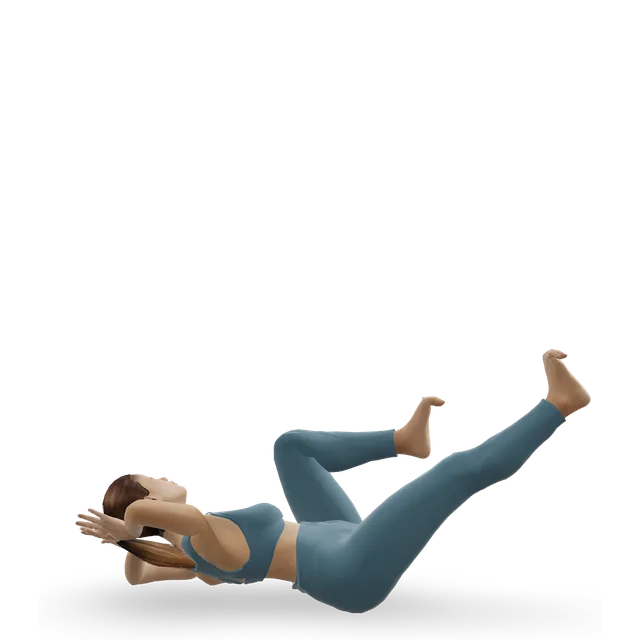
Side plank, 2 sets of 20 to 30 s each side (our badminton injury prevention warm-up), from your knees to start; forearm plank, 2 sets of 20 to 30 s (our badminton injury prevention warm-up); dead bug, 6 each side (our Pilates for tennis players class); criss-cross, 6 each side, slowly (the move page's dose).

The hitting shoulder, on both arms

Outward rotation with a band, 10 each arm (our badminton injury prevention warm-up), a stronger band as the next level; Y-T-W raises, 5 of each shape (our Pilates for tennis players class), forehead on a folded towel; scapular push-up, 2 sets of 10 (our Pilates for tennis players class), on a wall if your shoulder or wrist is sore; cross-body shoulder stretch, 30 s each side, gently (our back workout at home), only for a clear loss of inward turning on the hitting side, and skipped if your shoulder feels loose or has dislocated, as its page says.

What to change or leave out

Achilles or calf pain, or after a rupture

No heel drops below the step while it's painful: the step calf raise's page says to get a painful Achilles assessed before loading it below step level. Follow our Achilles tendinopathy and Achilles rupture guides for the stages.

Source 7

A sore kneecap or kneecap tendon

Keep the Cossack squat high, as its page says, use the knee pain rule in the warning signs, and see our Pilates for patellar tendinopathy class.

After an ankle sprain

Do balance work beside a counter and keep the reaches small: the reach matrix's page says to ease off the deep reaches in the first weeks after an ankle sprain. Our Pilates after an ankle sprain class has the stages.

A sore hitting shoulder

Do the scapular push-ups against a wall, keep the Y-T-W lifts small, and skip the cross-body stretch if the shoulder feels loose or the pain is on the very top of the shoulder, as its page says.

Back pain that's worse arching, from smashes

Keep back extensions small, or use the bird dog, as the swan and swimming pages say. A teenager's back pain that's worse arching back and lasts more than a couple of weeks needs checking by a GP or sports physiotherapist.

Before play

No long holds and no Pilates class in place of the warm-up: use the PreventiBad warm-up.

Source 13

Heart disease or high blood pressure

Keep breathing in planks and side planks. With heart disease, ask your cardiac team before long holds, as the plank pages say, and use the PAR-Q+ first.

Classes to follow

Our 25-minute off-court class covers the calves and Achilles, one-leg balance and the side lunge, the hips, the trunk both ways and the hitting shoulder on both arms. Before you play, use the badminton injury prevention warm-up; the strength and footwork workout is your off-season training. The tennis class is the nearest Pilates class without the calf and lunge work, and the ankle sprain, Achilles and kneecap tendon classes are for those injuries.

Off-court Pilates for badminton players: a 25-minute class for the calves and Achilles, one-leg balance and the side lunge, the hips, the trunk both ways and the hitting shoulder

A 25-minute Pilates class for badminton players: calves and Achilles, one-leg balance, the side lunge, hips, the trunk both ways and the hitting shoulder.

25 minBeginner17 movesWall, bench or box

Badminton injury prevention warm-up

A 20-minute badminton warm-up built on PreventiBad: runs and partner footwork, planks, Nordics, band shoulder work, balance, squats, jumps and court moves.

20 minBeginner14 movesCardio machine, wall

Badminton strength and footwork workout

A 45-minute badminton session: side bounds, split jumps and hop-and-stick, squats, lunges, side lunges, hinges and Nordics, calf raises and shoulder work.

45 minIntermediate17 movesDumbbell, anchor point

Racket sport warm-up

A 12-minute warm-up for tennis, padel, squash or badminton: skipping, leg swings, trunk turns, band shoulder work, forearm circles, shuttles and landings.

12 minBeginner10 movesWall, band

Both-sides Pilates for tennis players: a 25-minute class for rotation, shoulder blades and hips

A 25-minute Pilates class for tennis and padel players: trunk endurance, rotation both ways, shoulder blades, hips and single-leg balance, on a mat.

25 minBeginner19 movesBand, anchor point

Court-ready Pilates for pickleball players: a 25-minute class for balance and stepping, calves, hips, the trunk, and the paddle shoulder and forearm

A 25-minute Pilates class for pickleball players: balance and stepping at a counter, calves, hips, a head-down trunk, and the shoulder and forearm on both arms.

25 minBeginner18 movesWall, bench or box

Ankle-steadying Pilates after a sprain: a 25-minute class for ankle strength, hips and one-leg balance

A 25-minute Pilates class for the weeks after a sprained ankle: footwork on a wall, band work in every direction, side-lying hip work and a balance progression.

25 minBeginner18 movesBench or box, wall

Calf-loading Pilates for Achilles tendinopathy: a 25-minute class with holds, slow heel raises, heels kept level and no jumping

A 25-minute Pilates class for Achilles tendonitis: holds on tiptoe and slow heel raises first, then mat Pilates that's light on the tendon. Heels level, no jumps.

25 minBeginner13 movesWall, bench or box

Tendon-friendly Pilates for jumper's knee: a 25-minute class with the loading plan's holds built in, shallow knee bends and no jumping

A 25-minute Pilates class for jumper's knee: the loading plan's first-stage hold, hip, trunk and calf work, no kneeling, shallow knee bends and no jumping.

25 minBeginner13 movesWall

Balance exercises routine

Balance practice in 10 minutes: tandem stance, single-leg stands, marches, heel walks, tree pose and floor transfers.

10 minBeginner7 movesWall, bench or box

New to Pilates?

The beginner Pilates plan builds the basics over 4 weeks, 3 days a week; fit it around your badminton, on non-match days.

When to stop and get help

This is general information, not a diagnosis. A&E means accident and emergency; in the US, call 911 for 999, and use your doctor's urgent line or urgent care for NHS 111.

Chest pain or fainting: call 999

Call 999 if:

  • You get sudden pain or discomfort in your chest that doesn't go away; it can feel like squeezing or pressure, burning or indigestion.
  • The pain spreads to your left or right arm, or your neck, jaw, stomach or back.
  • You have chest pain and feel sweaty, sick, light-headed or short of breath.
  • Someone faints while exercising, can't be woken within 1 minute, or has chest pain or a pounding, fluttering or irregular heartbeat.

Sources 66, 67

Chest pain that comes and goes

Get help from NHS 111: pain or tightness in your chest, neck, shoulders, jaw or arms that comes and goes, often brought on by exercise, stress, emotion or cold and easing after a few minutes' rest. It can be angina, a sign of a heart problem. If you've been diagnosed with angina, get help from NHS 111 too if it feels worse than before, is happening more often, lasts longer or happens when you're resting.

Source 68

Before you play hard

The PAR-Q+ (Physical Activity Readiness Questionnaire for Everyone) asks about a heart condition or high blood pressure, chest pain, dizziness or losing consciousness, other long-term conditions and their medicines, a bone or joint problem that activity could make worse, and being told to exercise only under supervision. If you answer yes to any, check with your GP or a qualified exercise professional first. If you're over 45 and not used to hard exercise, ask a qualified exercise professional before the hardest sessions, and delay if you're ill.

Source 69

A snap at the back of the heel

Contact NHS 111 if you heard a snap, grinding or popping noise at the time of the injury, can't walk on tiptoe or up stairs, or have swelling and bruising in your calf and ankle. Our Achilles rupture guide says to get it checked the same day, at A&E (accident and emergency) or a minor injuries unit, or through NHS 111.

Same day: a sudden snap or pop at the back of the heel or calf, or a feeling of being kicked there, then walking flat-footed and being unable to push off, stand on tiptoe or climb stairs. It could be an Achilles tendon rupture or a broken heel bone. Go to A&E or a minor injuries unit, or contact NHS 111.

Sources 70, 71, 72

Achilles or calf pain, or coming back after a break

5 of 31 players who ruptured an Achilles had noticed symptoms first. Follow our Achilles tendinopathy guide's calf loading and pain rule before full play, rather than playing through it.

Ruptures cluster in recreational players in their mid-30s. Warm up every time, keep sessions shorter at first, and strengthen your calves on other days (our suggestion).

Sources 7, 50

An ankle or knee injury

Call 999 or go to A&E if you heard a crack, the joint has changed shape or is pointing at an odd angle, it's numb, tingling or has pins and needles, or the skin has changed colour or is cold. Get help from NHS 111 if it's very painful, badly swollen, or you can't put weight on it or walk more than a few steps, and for a knee that locks, gives way or painfully clicks.

Call 999 or go to A&E: after an injury, you heard a crack, the foot or ankle has changed shape or points at an odd angle, a bone is sticking out, there is a bad cut over it, you're in severe pain, or the toes look blue or white, feel numb or are cold to touch. These can mean a broken bone. Don't drive yourself.

Same day (NHS 111 or an urgent treatment centre): after an injury, you can't put weight on it or walk more than a few steps, the pain is very bad or getting worse, there is a lot of swelling or bruising or it is getting worse, it feels very stiff, or it's not feeling any better after treating it yourself. Get the same help if you also have a very high temperature, or feel hot, cold or shivery: this could be an infection. If you think it's broken, don't treat it yourself.

Go to A&E (accident and emergency) if you've injured your knee and it has changed shape, it becomes very swollen very quickly, you felt a pop or snap, you can see bone sticking out, or it's bleeding heavily. Don't drive yourself: ask someone to take you, or call 999 if the pain means you can't move your leg to get there.

Get advice from NHS 111 now: you cannot move the knee or put any weight on it, or it is very painful, badly swollen or has changed shape, or it locks, gives way or clicks painfully. A pop, quick swelling and a knee that gives way point to an ACL injury: our ACL injury guide says what to do.

Sources 72, 73, 71

A previous ankle sprain

Repeat sprains are common. Our ankle sprain guide: balance training 3 times a week for 8 weeks once you're back on court, and a brace for sport.

See a doctor or physiotherapist if:

  • An ankle that keeps giving way months after a sprain.

Sources 5, 21, 71, 72

Knee pain when you play: the pain rule

Our knee guides use this rule: rate your knee pain from 0 to 10 during and after exercise; 0 to 2 counts as safe, up to 5 as acceptable and above 5 as too much, and your knee should be back to its usual level by the next morning.

Sources 74, 75

A shuttle in the eye

Go to A&E or call 999 if something hit your eye at high speed, your sight has changed, you have severe pain in the eye, a headache or sensitivity to light, you feel or are sick, you can't move your eye or keep it open, or blood or pus is coming from it. Ask for an urgent GP appointment or contact NHS 111 if it isn't getting better after 24 hours. Raised eye pressure can follow years later, so keep any follow-up appointments (our suggestion).

Sources 76, 77

The hitting shoulder

Ask for an urgent GP appointment or contact NHS 111 for sudden or very bad shoulder pain, an arm you can't move, a shoulder that has changed shape or is badly swollen, pins and needles that don't go away, or pain that started after a fall.

Same day (GP or NHS 111): sudden weakness lifting the arm after an injury or fall. A rotator cuff tear caused by an injury needs urgent referral to a shoulder specialist. After a dislocation in anyone over 40, the rotator cuff should be checked: about 40% have a tear.

See a GP or physiotherapist if:

  • Your shoulder has partly or fully come out of joint, or you worry it might.

Sources 78, 79

Heat in a hot hall

Heat exhaustion should improve within 30 minutes of resting somewhere cool, cooling down and drinking. Call 999 if it doesn't, or for a very high temperature, hot skin that isn't sweating, a fast heartbeat, fast breathing, confusion, a fit or loss of consciousness.

Source 80

Pregnant

The NHS says it's usually fine to keep doing the activities you already do, but advises against sports with a risk of falling or bumping your tummy, and against starting a new vigorous activity. Talk to your midwife or GP; if you already play, gentle social doubles may suit (our suggestion).

Source 81

Back pain with numbness or bladder problems

Call 999 or go to A&E: loss of feeling or numbness around the genitals or bottom, new trouble peeing or controlling your bladder or bowels, changes in genital sensation during sex or problems with erections or orgasm, or pain, tingling, weakness or numbness in both legs. These are signs of cauda equina syndrome, which needs treating in hospital urgently. Don't drive yourself.

Source 82

Unusual breathlessness

Call 999 or go to A&E (accident and emergency) straight away for severe difficulty breathing (gasping, choking or not able to get words out), a chest that feels tight or heavy, pain that spreads to your arms, back, neck and jaw, lips or skin turning very pale, blue or grey, or sudden confusion. If you're more short of breath than usual, or your heart is racing, fluttering or skipping beats, contact NHS 111.

Source 83

During a session

A joint pain that is sharp, gets worse during a session, lingers into the next day or changes how you move is a reason to use an easier version, and to see a GP or physiotherapist if it keeps happening (the rule in our plans).

Source 84

Stop the session if

You feel any pain or become unwell, as the NHS advises for its Pilates videos, and especially for chest pain or pressure, unusual breathlessness, dizziness or fainting. If you have a health problem, an injury or any symptoms, get advice from a healthcare professional, such as a GP, before you start.

Source 85

Before you start

The NHS advises getting advice from a healthcare professional first if you have a health problem, an injury or symptoms, or have recently had a heart attack or an operation.

Source 85

Myths

"Pilates will make you faster around the court"Mixed evidence

One small trial, read only as an abstract, reported better shuttle-run and jump tests after 5 weeks, but mat Pilates did no better than planks in another, and no trial measured match play. Jump and balance training have more evidence for footwork tests.

Sources 1, 2, 35

"A strong core prevents injuries"Strong evidence

"Definitive evidence demonstrating an association between core instability and injury is lacking". The badminton warm-up that went with fewer injuries combined strength, balance and jumps, and strength and balance training are what prevent injuries across sports.

Sources 43, 9, 44

"Stretching before you play prevents Achilles ruptures"Mixed evidence

Danish players ruptured their Achilles "despite limbering up", stretching hasn't prevented injuries in other sports, and long holds just before play cost a little performance. Warm up with the PreventiBad warm-up instead.

Sources 50, 44, 13

"Achilles ruptures happen to elite players"Emerging evidence

97% of 31 Swedish players with a rupture were recreational players or beginners, at an average age of 36.

Source 7

"Pilates is just stretching"Strong evidence

A review of 119 papers describes Pilates as "a mind-body exercise that focuses on strength, core stability, flexibility, muscle control, posture and breathing". For badminton, the useful parts are calf, hip, trunk and shoulder strength and one-leg balance (our reading).

Source 86

"Badminton is gentle, so you don't need to train for it"Strong evidence

Competitive play is 7.0 to 9.0 METs, a lunge loads the front leg with 2 to 3 times body weight, and injuries rise with level of play.

Sources 14, 16, 5

"You need a reformer for real Pilates"Mixed evidence

The badminton Pilates trials used mat work, and in young footballers the reformer did only a little better than the mat on a few tests.

Sources 1, 2, 87

Questions people ask

Is Pilates good for badminton?

It can train the trunk, hips, calves, one-leg balance and the shoulder blades at low load, which match where players get hurt. The badminton Pilates trials are small and measured fitness tests, not play or injuries, so use it beside your training, not instead of it. Our yoga for badminton players guide covers yoga.

Will Pilates improve my footwork or speed?

Maybe a little on tests: one small trial found better shuttle-run and jump scores after 5 weeks, but another found mat Pilates no better than planks. Footwork, jump and balance training have more evidence.

Can Pilates prevent Achilles ruptures?

No study shows it. Ruptures cluster in recreational players around 36, often late in a game, so warm up every time, build back up gradually after a break, and strengthen your calves, as our badminton guide says.

Can Pilates help my knees with all the lunging?

It can strengthen the hips and train one-leg control, which suits lunging. No trial has tested any knee programme in badminton players, and a painful kneecap tendon needs our jumper's knee guide.

Can Pilates help a sore hitting shoulder?

Half of players have had pain in it. Shoulder-blade and outward-rotation work on both arms is sensible, though no shoulder programme has been proven in overhead athletes, and a shoulder that hurts after play needs our shoulder guides.

Should I do Pilates before playing?

No: use the PreventiBad warm-up, which went with fewer injuries in a youth trial. Long static holds just before play cost a little performance, so do Pilates on non-match days or after play.

How often should badminton players do Pilates?

Once or twice a week on non-match days, beside the strength and footwork workout twice a week off-season. That's our suggestion, from our badminton guide's plan.

Pilates vs badminton: which is better exercise?

Badminton is much harder on the heart and lungs: 5.5 to 9.0 METs against about 2.8 for Pilates. Pilates adds strength, control and balance, so they suit each other.

Is Pilates good for ankle sprains in badminton?

Balance training cut repeat ankle sprains in other sports, and Pilates one-leg work counts if you make it harder over time. Our Pilates after an ankle sprain class has the ankle work.

Is reformer Pilates good for badminton?

The springs add adjustable resistance, but the badminton Pilates trials used mat work. In young footballers, the reformer was only slightly better than the mat on a few tests, so use whichever you can get to.

Is Pilates good for older badminton players?

It suits them for balance and strength, but use the PAR-Q+ first, as competitive badminton is vigorous. Chest pain, fainting or palpitations during play need 999, as the warning signs say.

Does Pilates help with back pain from badminton?

For back pain in general, Pilates helps about as much as other exercise. Back pain is common in elite players; pain with leg symptoms or numbness needs the warning signs.

Sources

  1. Preeti 2019 · Pilates added to training in 40 young badminton players (randomised trial, J Clin Diagn Res; abstract only, in a journal not indexed in PubMed)
  2. Ammar 2025 · Mat Pilates or plank exercises in 28 recreational badminton players (randomised trial, Pakistan Journal of Rehabilitation; abstract only, not indexed in PubMed)
  3. Doler 2025 · Pilates before training in 20 young badminton players, no comparison group (study, Šport; abstract only, in Slovenian)
  4. PubMed, Europe PMC, Crossref and ClinicalTrials.gov · Our searches for Pilates trials in badminton and other racket sports (November 2026)
  5. Stepper 2025 · Badminton injuries: 19 studies (systematic review, BMJ Open Sport Exerc Med; read in full)
  6. Saragaglia 2023 · 140 acute badminton injuries at a French hospital, ages 10 to 66 (case series, Eur J Orthop Surg Traumatol)
  7. Fahlström 1998 · Achilles tendon rupture in 31 Swedish badminton players (case series, Am J Sports Med)
  8. McGuine 2006 · Balance training and ankle sprains in 765 high school athletes (randomised trial, Am J Sports Med)
  9. Phomsoupha 2025 · The PreventiBad warm-up in 273 young badminton players (cluster randomised trial, J Sports Sci)
  10. Fahlström 2006 · Shoulder pain in 188 world-class badminton players (survey, Scand J Med Sci Sports)
  11. Fahlström 2007 · Shoulder pain and function in 99 recreational badminton players (survey, Scand J Med Sci Sports)
  12. Wright 2021 · Shoulder injury prevention programmes in overhead athletes: 7 studies (systematic review, Phys Ther Sport)
  13. Behm 2016 · Stretching just before activity: performance, range of motion and injuries (systematic review, Appl Physiol Nutr Metab)
  14. Adult Compendium of Physical Activities (2024 update) · Sports: badminton (reference table; read in full)
  15. Adult Compendium of Physical Activities (2024 update) · Conditioning exercise: Pilates and resistance training (reference table; read in full)
  16. Lam 2018 · Impact forces in the badminton lunge in 52 players (lab study, PLoS One)
  17. Kuntze 2010 · Common lunges in badminton (lab study, J Sports Sci)
  18. Lam 2020 · Leg biomechanics in the badminton lunge: 20 studies (scoping review, PeerJ)
  19. Jørgensen 1987 · Badminton injuries in Danish club and elite players (survey, Int J Sports Med)
  20. Guermont 2021 · Injuries in 20 French international badminton players (prospective study, Clin J Sport Med)
  21. Yung 2007 · Injuries in 44 Hong Kong elite badminton players (prospective study, Res Sports Med)
  22. Marchena-Rodriguez 2024 · Badminton injuries: 28 studies, 2,435 adults (systematic review and meta-analysis, Res Sports Med)
  23. Fahlström 1998 · Acute badminton injuries treated in Umeå, Sweden (hospital series, Scand J Med Sci Sports)
  24. Kaldau 2021 · Training and injuries in 164 world elite junior badminton players (survey, Asia Pac J Sports Med Arthrosc Rehabil Technol; read in full)
  25. Mohd Jamali 2022 · Injuries in elite Malaysian badminton and para-badminton players (records study, Phys Sportsmed)
  26. Ma 2025 · Training programmes in badminton players: 15 studies, 370 players, including one Pilates trial (systematic review and meta-analysis, BMC Sports Sci Med Rehabil; read in full)
  27. ClinicalTrials.gov NCT05060081 · Pilates or plank exercises in recreational badminton players: 28 enrolled, no results posted (trial registration; read in full)
  28. Ramesh 2026 · Pilates or neuromuscular training in 30 male college badminton players (comparison study, Int J Phys Educ Sports Health; abstract only)
  29. Francis 2026 · Yoga and Pilates in 30 school badminton players (study, J Adv Sports Phys Educ, a fee-charging publisher; abstract only)
  30. Vora 2021 · Standing Pilates for 4 weeks in 30 badminton players (study, Indian J Appl Res; abstract only)
  31. Hassan 2025 · Pilates and performance in badminton players: 3 studies (narrative review, J Clin Diagn Res)
  32. Yu 2026 · Core training in racket sport players: 18 trials (systematic review and meta-analysis, Sci Rep; read in full)
  33. Ma 2024 · Core training in young badminton players: 13 studies (systematic review and meta-analysis, PLoS One; read in full)
  34. Özmen 2016 · Core training in 20 adolescent badminton players (controlled trial, J Bodyw Mov Ther)
  35. Deng 2024 · Jump training in badminton players: 11 trials, 445 players (systematic review and meta-analysis, Heliyon)
  36. Malwanage 2022 · Balance training and footwork in 20 young badminton players (controlled study, PLoS One; read in full)
  37. Guo 2025 · Balance and jump training in 48 young badminton players (randomised trial, Sci Rep; read in full)
  38. Tran 2021 · PreventiBad: the programme and its trial in young badminton players (physiotherapy research dissertation, in French, hosted by the French Badminton Federation; read in full)
  39. Hupperets 2009 · Home balance training after an ankle sprain in 522 athletes (randomised trial, BMJ)
  40. Doherty 2017 · Treating and preventing ankle sprains: 46 reviews (overview of systematic reviews, Br J Sports Med)
  41. Wang 2023 · Preventing lateral ankle sprains: 17 studies (systematic review and meta-analysis, Clin Rehabil)
  42. Al Attar 2022 · Injury prevention programmes with balance exercises and ankle injuries in footballers (systematic review, J Physiother)
  43. Huxel Bliven 2013 · Core stability training for injury prevention (review, Sports Health; read in full)
  44. Lauersen 2014 · Exercise programmes to prevent sports injuries: 25 trials, 26,610 people (systematic review and meta-analysis, Br J Sports Med)
  45. Boesen 2011 · Achilles and kneecap tendons on ultrasound in 14 elite badminton players over a season (study, Knee Surg Sports Traumatol Arthrosc)
  46. Couppé 2013 · Tendon properties in elite badminton players with and without patellar tendinopathy (study, Scand J Med Sci Sports)
  47. Lin 2015 · Knee and trunk movement in badminton lunges in 17 players with and without knee pain (lab study, J Sports Sci; it has a 2018 correction we couldn't open)
  48. Hides 2024 · Trunk muscles and leg injuries in Australian badminton players (cross-sectional study, J Biomech)
  49. Xiao 2026 · Biomechanical risk factors for badminton injuries (systematic review, Res Sports Med)
  50. Kaalund 1989 · Achilles tendon rupture in Danish badminton players (case series, Br J Sports Med)
  51. Teng 2022 · Achilles tendon ruptures operated on in Shanghai (hospital series, Orthop Surg; read in full)
  52. Saarensilta 2020 · Achilles tendon ruptures in Stockholm by season and sport (cohort study, Knee Surg Sports Traumatol Arthrosc; read in full)
  53. Lemme 2018 · Achilles tendon ruptures in the United States, 2012 to 2016 (emergency department data, Orthop J Sports Med)
  54. Claessen 2014 · Predictors of Achilles tendon ruptures (systematic review, Sports Med)
  55. Kaldau 2022 · Landing technique and Achilles tendon load in badminton players (lab study, J Sports Sci Med)
  56. Cejudo 2022 · Risk factors for shoulder pain in 45 young badminton players (prospective cohort study, Int J Environ Res Public Health; read in full)
  57. Zhou 2021 · Pain in 611 Japanese elementary school badminton players (survey, Sci Rep; read in full)
  58. Asker 2018 · Risk factors for and prevention of shoulder injuries in overhead sports (systematic review, Br J Sports Med)
  59. Fett 2019 · Back pain in 23 elite badminton players and other overhead athletes (survey, PLoS One; read in full)
  60. Yamato 2015 · Pilates for low back pain: 10 trials (Cochrane review)
  61. Saeterbakken 2022 · Trunk training in athletes: 31 studies, 693 athletes (systematic review and meta-analysis, Sports Med)
  62. Soligard 2016 · How much is too much? Load in sport and injury (International Olympic Committee consensus, Br J Sports Med)
  63. Hoskin 2023 · Badminton eye injuries: 19 studies (systematic review, Inj Prev)
  64. Yu 2020 · 85 badminton eye injuries in China (case series, Br J Sports Med)

  65. American Academy of Ophthalmology · Sports eye safety (patient page, March 2025; read in full)
  66. NHS · Chest pain (past its review date: reviewed August 2023, review due August 2026)
  67. NHS · Fainting
  68. NHS · Angina
  69. PAR-Q+ Collaboration · The Physical Activity Readiness Questionnaire for Everyone (PAR-Q+), 2025 version (read in full)

  70. NHS · Heel pain
  71. NHS · Ankle pain
  72. NHS · Sprains and strains
  73. NHS · Knee pain
  74. Thomeé 1997 · Treating kneecap pain in 40 young women with a pain-monitoring model (randomised trial, Phys Ther)
  75. Ageberg 2010 · NEMEX-TJR neuromuscular training for severe hip or knee osteoarthritis, and its pain rule (feasibility study, BMC Musculoskelet Disord)
  76. NHS · Eye injuries
  77. Jao 2017 · Twelve sight-threatening shuttlecock eye injuries in Australia (case series, Clin Exp Optom)
  78. NHS · Shoulder pain (past its review date: reviewed May 2023, review due May 2026)
  79. NHS · Dislocated shoulder
  80. NHS · Heat exhaustion and heatstroke
  81. NHS · Exercise in pregnancy
  82. NHS · Back pain
  83. NHS · Shortness of breath
  84. NHS · How to warm up before exercising (with the NHS exercise video safety information)
  85. NHS · Pilates for beginners (exercise video, with safety information)
  86. Wells 2012 · Defining Pilates exercise: 119 papers (systematic review, Complement Ther Med)
  87. Yılmaz 2025 · Mat or reformer Pilates in 30 young footballers (randomised trial, PLoS One)

Exercise education, not a personal prescription, and clinical review of these guides is pending. If you are pregnant, have a health condition or have had recent surgery, check with a doctor, midwife or physiotherapist before starting, and stop for sharp or increasing pain. Health disclaimer.