Pilates guide

Pilates for the rotator cuff: which moves load the shoulder, swaps on the mat and the reformer, after a tear or a repair, what the evidence shows, and a class to follow

Exercise is the first treatment for most rotator cuff problems, including what's often called impingement and many worn tears, and the exercise that helps gets gradually harder: turning the arm out and in against a band or a light weight, shoulder-blade work, and weight on the arms built up in steps. Pilates can carry all of that, but on its own it has barely been tested: one small trial found it helped, and a 2026 trial found that adding unloaded Pilates moves to physiotherapy made no difference. So this guide shows how to make Pilates progressive for your cuff.

It covers which moves load the shoulder on the mat and the reformer and how to change them, the 5 out of 10 pain rule, building weight on your hands, tears from wear and from an injury, Pilates after a repair, what the surgery trials found, and our 20-minute step-by-step class. If your arm suddenly became weak after a fall or a lift, your shoulder looks out of place, or you have chest pain, go straight to the warning signs.

The short version

Exercise is the first treatment

The 2025 US physiotherapy guideline puts an active exercise programme first for rotator cuff tendinopathy, and the UK's 2025 care pathway says most symptoms settle within 3 months. That covers what's often called impingement, and many worn tears too.

Sources 1, 2

It has to get harder

Across 7 trials (468 people), exercise that progressed and added resistance improved pain and function by about 15 points out of 100 more than nothing or placebo. Exercise that didn't progress was no better (4 points, which could be chance). The trial with the clearest result raised the load every other week.

Sources 3, 4

Pilates: two tiny trials that disagree

In 33 people, 10 clinical Pilates sessions over 2 weeks eased pain more than conventional exercise. In a 2026 trial of 60 people with rotator cuff tendinopathy, adding unloaded Pilates moves to physiotherapy didn't help more than physiotherapy alone. Two more trials are registered and haven't reported. So Pilates helps as a way to do progressive cuff and shoulder-blade work, not as a treatment of its own.

Sources 5, 6, 7

The 5 out of 10 rule

In the trial with the clearest result, pain up to 5 out of 10 was allowed during exercise if it settled by the next session. 69% did well against 24% with general exercise, and 20% went on to choose surgery against 63%; at a year, 24% against 63%.

Sources 4, 8

Weight on your arms, in steps

In a lab study of push-ups, the hands took about 49% of body weight from the knees, 64% on the floor and 41% with the hands raised on a high box. Those are push-up figures, a rough guide rather than measurements of Pilates moves, but they make a ladder: the wall, a worktop, your knees, then the floor.

Sources 9, 10

After a repair, the team's plan comes first

Typical plans keep the arm protected for the first several weeks (a sling for 5 to 6 in one trial), start lifting the arm yourself from about 6 weeks and strengthening from about 12. Starting rehabilitation early didn't raise re-tears across 20 trials. Weight through the operated arm waits until your team allows it.

Sources 11, 12, 13

What the rotator cuff is, and what goes wrong

Four small muscles round the ball of the shoulder

The supraspinatus, infraspinatus, teres minor and subscapularis wrap their tendons round the ball of the shoulder: they turn the arm out and in, help lift it, and keep the ball centred in its socket. Rotator cuff related shoulder pain covers tendon pain (often called impingement or subacromial pain), partial tears and small tears. The UK pathway calls it "a self-limiting condition" and says "most symptoms respond within three months". Our rotator cuff muscle guide has the anatomy.

Source 2

Tears from wear, and tears from an injury

Many tears found on scans come from wear and are managed with exercise first; in one trial, partial tears did as well as intact tendons with specific exercise. Without surgery, small to medium tears may grow over 5 to 10 years, US surgeons' 2025 guideline says, and in a Norwegian trial unrepaired tears grew from about 16 to 32 mm over 15 years. A tear after a fall or a jerking lift, with sudden weakness, is different and needs a specialist soon. Our rotator cuff tear guide has the scan studies.

Sources 14, 15, 8, 12

Which Pilates moves load the shoulder

These are lab studies in people without shoulder pain. None measured a Pilates move in someone with a cuff problem, so what they mean for Pilates is our reading.

Weight on your handsEmerging evidence

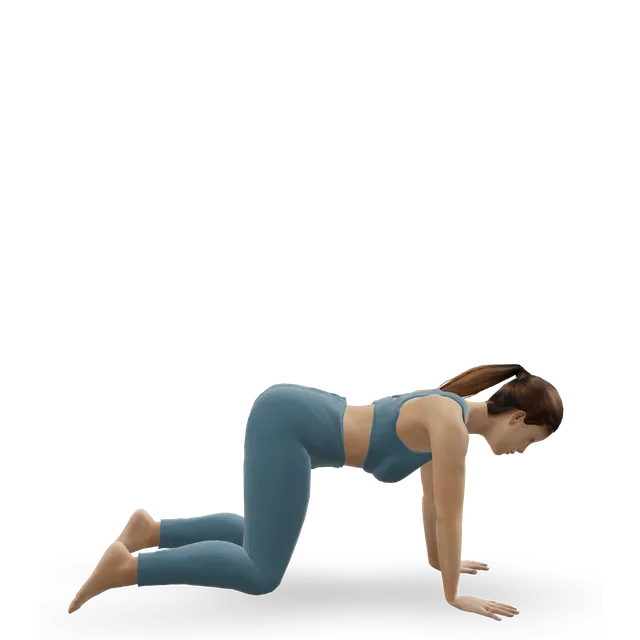
On the mat: the knee hover, planks, the leg pulls, the side bend and the push-up. On the reformer, the elephant, long stretch, up stretch and knee stretches put your hands on the footbar. In 23 adults on force plates, peak force through the hands was about 64% of body mass in a floor push-up, 49% from the knees, and 41% to 55% with the hands raised on a box. Less weight goes through the hands at the top of a push-up than at the bottom, and in 21 men, taking more weight onto the arms in plank variations raised the work of the shoulder and shoulder-blade muscles, including one of the cuff muscles. Take these push-up figures as a rough guide: no study has measured cuff load in a Pilates position.

Sources 9, 16, 17, 10, 18

Arms overhead and behind you

The roll-up, swimming and the teaser reach overhead; rocking and the leg pull back take the arms behind you. On the reformer, the rowing series, backstroke and arm circles take loaded arms overhead and back. These are the moves to leave until the shoulder copes with lighter work (our suggestion).

Sources 19, 20

Reformer springsEmerging evidence

In 22 healthy men doing reformer arm work, the shoulder muscles worked harder with each heavier spring (about 2, 3 and 5.5 kg of starting tension), and in the overhead version the authors wrote that heavy springs "may lead to abnormal compensation". In 26 men, the arm's angle changed which part of the trapezius, the big muscle across the top of the shoulder blade, worked most. Springs set the load, like weights, so start light.

Sources 21, 22

Weight towards your neck

The roll-over, jack knife, control balance and boomerang put weight on the shoulders and neck. Their own cautions keep them out with a shoulder or neck problem.

Which moves work the cuff mostEmerging evidence

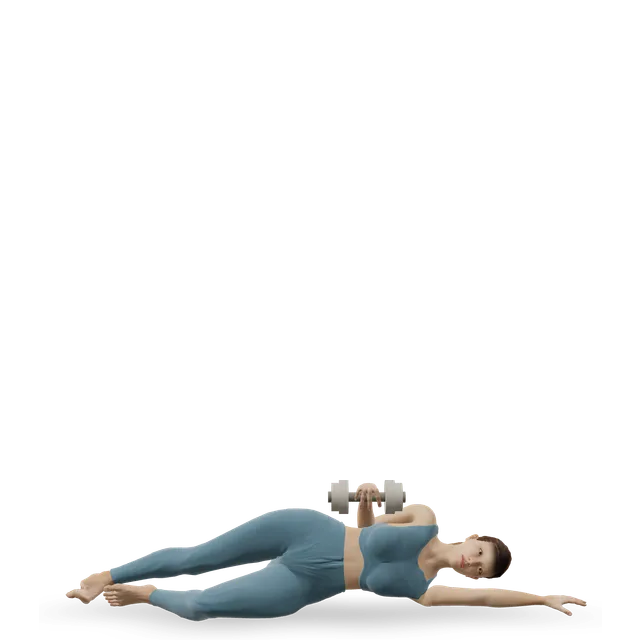
In 10 people, lying on your side and turning the forearm up drew the most activity from two cuff muscles (the infraspinatus and teres minor, at 62% and 67% of their maximum) of seven rotation exercises. A review says the thumbs-up "full can" raise works the supraspinatus about as much as the thumbs-down "empty can", with less risk of a pinch. In 26 trained men, pressing the floor away at the top of a push-up (the push-up plus) worked the serratus anterior, the muscle that holds the shoulder blade to the ribs.

Sources 23, 24, 25

What the evidence says

Pilates itself: two tiny trialsMixed evidence

In 33 people with shoulder pain (no diagnosis given), 10 clinical Pilates sessions over 2 weeks eased pain and disability more than conventional exercise, with no follow-up. In a 2026 trial of 60 adults aged 40 to 60 with rotator cuff tendinopathy, adding unloaded Pilates moves (5 to 10 repetitions, with no rule for making them harder) to physiotherapy didn't improve pain or arm function more than physiotherapy alone over 8 weeks. Its groups of 15 were allocated by coin flip, it was registered about 6 months after recruitment began, and its journal isn't indexed in PubMed, the main medical database.

Two more Pilates trials in the shoulder are registered and haven't reported, and no Pilates trial has studied tears or recovery after a repair. A 2026 review of exercise in middle-aged and older adults included only the first trial for Pilates, and misreported its size and length.

Sources 5, 6, 7, 26, 18

Exercise that gets harder is what helpedEmerging evidence

Across 7 trials (468 people), progressive, resisted exercise improved a combined pain and function score by 15 points out of 100 (somewhere between 9 and 21) against nothing or placebo; exercise that didn't progress or add resistance gave 4 points, which could be chance. The certainty is low.

In the Holmgren trial, 102 people on a surgical waiting list did 2 cuff exercises and 3 shoulder-blade exercises, 3 sets of 15 twice a day for 8 weeks, then once a day to 12 weeks, with the load raised every other week. 20% chose surgery, against 63% with general exercise, and still 24% against 63% at a year. Everyone had a steroid injection first, and the comparison group's exercise was weak. Whether higher doses work better is uncertain.

Sources 3, 4, 8, 27

A home programme can be enoughStrong evidence

In 708 adults in 20 NHS trusts, up to 6 physiotherapy sessions over 16 weeks did no better over a year than one advice session with a home programme done 5 days a week, and no serious harms were reported. A smaller trial found one self-managed loaded exercise comparable to usual physiotherapy, though 30% of its data were missing.

Sources 28, 29

Which exercise: unsettledMixed evidence

A Cochrane review of 60 trials, mostly at high risk of bias, found one type of exercise or manual therapy was rarely better than another. The 2025 US guideline says motor control programmes, the closest match to how Pilates teaches control of the shoulder blade, "could be better" than standard ones, at low certainty.

Sources 30, 1

Surgery for impingement: no better than placeboStrong evidence

Shaving bone from the roof of the shoulder (subacromial decompression) did no better than placebo surgery in 313 people, or at 10 years in another trial of 210, and a Cochrane review of 8 trials (1,062 people) rates that finding high certainty.

Sources 31, 32, 33

What the guidelines sayStrong evidence

The 2025 US physiotherapy guideline puts an active exercise programme first, which "may include motor control and/or resistance training exercises of various load", and finds supervised programmes no better than home ones. The British Elbow and Shoulder Society's 2025 pathway adds painkillers, advice and early physiotherapy, considers one steroid injection at 6 to 8 weeks and refers at 12 weeks, and says the most effective physiotherapy "remains uncertain". US surgeons' 2025 guideline finds that physical therapy and surgery both improve small to medium full-thickness tears. The US physiotherapy guideline doesn't mention Pilates.

Sources 1, 2, 14

The 5 out of 10 rule, in Pilates

The rule

During shoulder strengthening, pain up to about 5 out of 10 is acceptable, and a little is expected. By your next session it should be back to where it was before. If it isn't, use a lighter band or weight or a smaller range next time, not nothing.

It comes from the Holmgren trial, which set each person's load this way and raised it every other week while pain stayed within the limit. In Pilates, apply it to the band work, the arm springs and each step of weight on your arms.

Source 4

When to stop

Stop and get checked if you get a sharp pain with a sudden loss of strength: a small tear can get bigger.

Sharp pain, a feeling that the shoulder is slipping or a clunk, pins and needles or numbness spreading down the arm, or pain that's worse the next morning and doesn't settle by your next session (our suggestion, from NHS inform's pain guide and the reformer case report). Tell your teacher about shoulder pain, a past dislocation, surgery or breast cancer treatment before class.

Stop an exercise, or shrink its range, if you get the feeling the shoulder is about to slip out (editorial).

Building up weight on your hands

The order is our suggestion, as on our Pilates for shoulder pain guide, from the push-up force study (a rough guide, measured in push-ups rather than Pilates moves), the plank study and the moves' own pages. The wall push-up and push-up plus doses are from our Pilates for shoulder pain class and guide; the incline push-up and knee plank doses are editorial, as our yoga for wrists guide gives them; the knee push-up dose and the week or two at each step are editorial; the knee hover dose is the move page's dose.

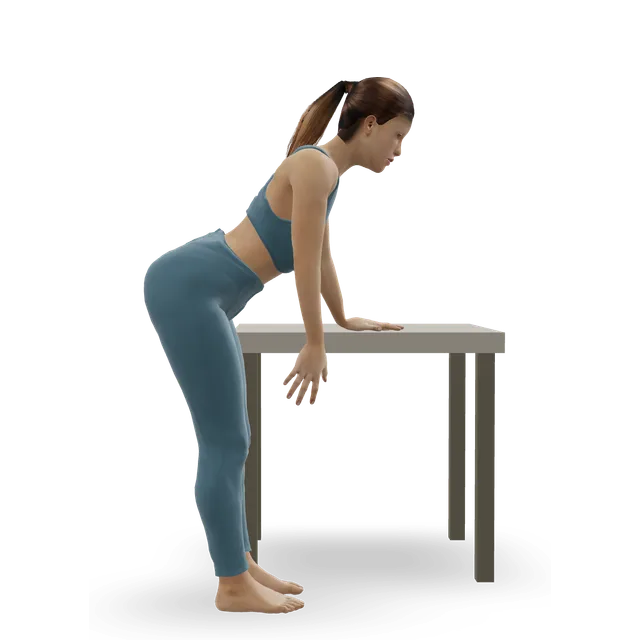
  1. Push-ups against a wall, hands at chest height: 2 sets of 8, building to 3 sets of 5 to 10, slowly.
  2. Push-up plus at the wall: arms straight, let your chest sink between your shoulder blades, then push the wall away, 8 to 10 times.
  3. Hands on a worktop or bench: incline push-ups, 2 to 3 sets of 8 to 12.
  4. Hands and knees: the knee hover, 3 holds of 15 to 30 seconds, pressing the floor away.
  5. Forearms and knees: a knee plank, 3 holds of 10 to 20 seconds, then push-ups with your knees down, 2 sets of 6 to 8.
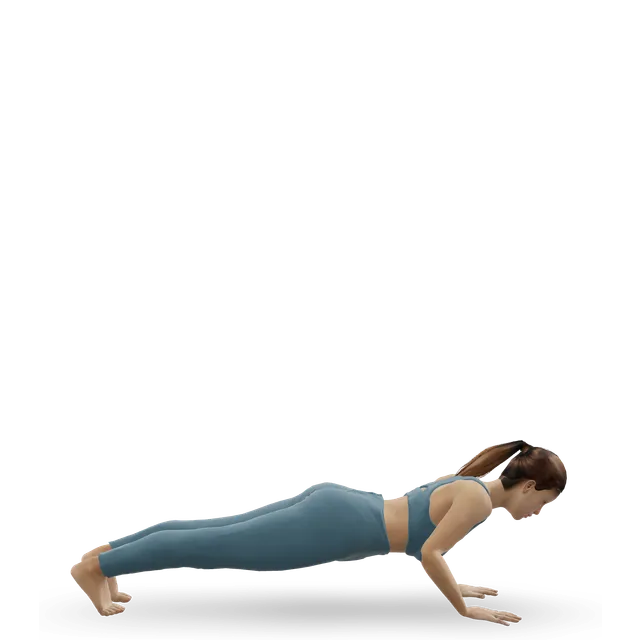
  6. Last, when those feel easy and pain stays at 5 out of 10 or less: the full plank, the Pilates push-up, the side bend and the leg pull front.
  7. Move up one step at a time, after a week or two at the step before. If a step brings pain that hasn't settled by your next session, go back one.

See the movement on the 3D figure: Wall push-up

Progress it week by week

Our editorial order, from the Holmgren trial, the GRASP trial's home programme and the UK pathway. The 0.5 to 1 kg steps and the timings are editorial.

  1. Weeks 1 and 2: our 20-minute class 2 or 3 times a week, within the 5 out of 10 rule, and the band session (turning the arm out and in, raises with the thumbs up, rows) on 2 or 3 other days, with the lightest band.
  2. Every 1 to 2 weeks, if pain has stayed within the rule and settled by the next session, go up one band or add 0.5 to 1 kg, as the Holmgren trial raised the load every other week.
  3. Move up the weight-on-your-hands steps one at a time.
  4. Keep going for at least 6 to 12 weeks: the UK pathway expects most symptoms to settle within 3 months, and asks for a referral if they haven't.
  5. After about 12 weeks, if the shoulder is strong and settled, bring back the classical hands-down moves and the reformer's overhead strap work.

Rotator cuff tears: from wear, or from an injury

After a fall or a jerking lift

Same day (GP or NHS 111): sudden weakness lifting the arm after an injury or fall. A rotator cuff tear caused by an injury needs urgent referral to a shoulder specialist. After a dislocation in anyone over 40, the rotator cuff should be checked: about 40% have a tear.

That is the site's shoulder line. Leave Pilates for that arm until it has been seen (our suggestion).

Sources 34, 14

Worn tearsEmerging evidence

In a Cochrane review of 9 trials (1,007 people, mostly small worn tears of the supraspinatus, average ages 56 to 68), repair gave about 0.87 points out of 10 less pain at a year than treatment without surgery, at moderate certainty, and a little more function, at low certainty. In people over 55 with small tears that didn't follow an injury, physiotherapy did as well as repair at about 6 years. US surgeons' 2025 guideline finds both physical therapy and surgery improve small to medium tears.

Sources 15, 35, 14

Tears up to 3 cmEmerging evidence

In a Norwegian trial of 103 people with tears up to 3 cm, repair was 11.8 points better on a 100-point shoulder score at 15 years, and 15 of the 51 people given physiotherapy later had surgery. Unrepaired tears grew from about 16 to 32 mm. So ask a shoulder specialist whether yours should be repaired.

Source 12

The 12-week check

Strength getting worse, or the shoulder not clearly better by 12 weeks of exercise: ask for a specialist opinion.

That is our rotator cuff tear guide's line. Pilates can carry the exercise in those 12 weeks if the arm work gets harder over time.

Pilates after a rotator cuff repair

Your surgical team's plan comes first

Hospitals differ on the sling, the limits and when each exercise starts, and the size of your tear matters. Our rotator cuff repair guide sets out the usual NHS hospital stages; this section only says where Pilates fits.

What plans look likeEmerging evidence

The US shoulder therapists' consensus: about 2 weeks with the arm kept still, protected movement with help to 6 weeks, then lifting the arm yourself, and progressive strengthening from about 12 weeks. In the Norwegian trial: a sling for 5 to 6 weeks, active movement from 6 weeks and strengthening after 12. Our repair guide's typical precautions include: "No pushing up from a chair, bed or bath with that arm: until 12 weeks in one plan, with care for 3 months in another."

Sources 11, 12

Moving early is safe for the repairEmerging evidence

Across 20 trials, starting rehabilitation early didn't raise re-tears and gave a little more movement in the first months. In trials of 124 and 206 people, early movement helped range for a while without harming healing, and US surgeons' 2025 guideline rates early and delayed movement (up to 8 weeks) as similar. Early here means the movement your team prescribes, not Pilates.

Sources 13, 36, 37, 14

Re-tears and getting backEmerging evidence

Scans find the tendon has torn again in about 15% to 21% of repairs, more often with age and bigger tears. In a review, 88.5% of people returned to their activities, after about 6.6 months on average. No study has looked at a return to Pilates (or yoga) after a repair.

Sources 38, 39, 18

Where Pilates fits after a repair

Our suggestion, from the repair guide's stages and precautions: until your team allows weight through the arm, Pilates means breathing, leg and trunk work with the operated arm resting at your side, and no lying on the operated side. Then the wall push-up, before any move on your hands.

No knee hover, planks, push-ups, leg pulls, side bend, elephant, long stretch or knee stretches on the repaired side until your team allows weight through the arm, and no reformer arm springs until they allow resisted work.

No pushing up from a chair, bed or bath with that arm: until 12 weeks in one plan, with care for 3 months in another.

The reformer

Springs set the load

Arm work in the straps (seated arm work, rowing, arms lying down, pulling straps and backstroke on the long box) works the cuff and shoulder blades against springs, and in healthy men muscle activity rose with each heavier spring. Start with the lightest arm spring, arms below shoulder height and in front of you, elbows near your sides for turning the arm out and in (our suggestion).

Sources 21, 22

Footwork and leg work leave the shoulder out

Footwork, leg springs, bridging, feet in straps and side-lying leg work keep your arms resting, so most of a reformer class can carry on. The hundred in the straps does load the shoulders, and the classical manual lists shoulder issues as a precaution for it.

Sources 20, 19

Hands on the footbar

The elephant, long stretch, up stretch and knee stretches put weight through your hands on the footbar. Treat them like planks, and bring them back at the same step (our suggestion).

Sources 19, 40

Overhead and behind-the-back strap work comes last

Rowing, backstroke and arm circles take loaded arms overhead or behind you. Leave them until the cuff copes with lighter work and you've reached the last weight-bearing step (our suggestion).

Source 20

What the maker says

One reformer maker lists "Wrist, arm or shoulder problems" as a precaution for arm work and shoulder problems for kneeling abdominals, and doesn't recommend kneeling arm work facing the footbar, because balance, control and coordination "may be a challenge to maintain". Tell your teacher about the shoulder before class.

Sources 20, 19

Settle a painful or stiff shoulder (pain-free only)

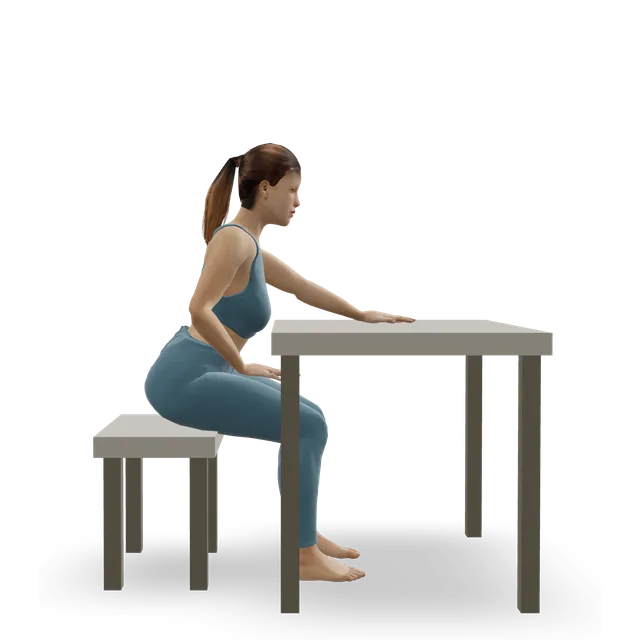
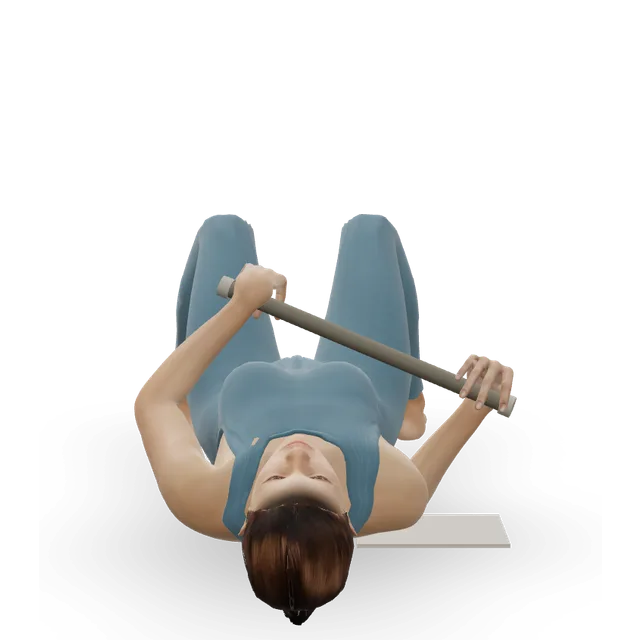
Gentle range first, pain-free. Lateral breathing, "5 to 8 breaths at the start of every session"; pendulum, "About 1 minute (10 small circles each way), 2 to 3 times a day"; table slide, "10 slow repetitions, 1 to 3 times a day"; stick-assisted turning out, "For a very irritable shoulder, 10 slow repetitions, pain-free, twice a day"; the open book, on your pain-free side, "8 to 10 slow openings each side, pausing 2 seconds at the end (our editorial starting point)" (the move page's dose for each).

Rotator cuff strength, elbow at your side

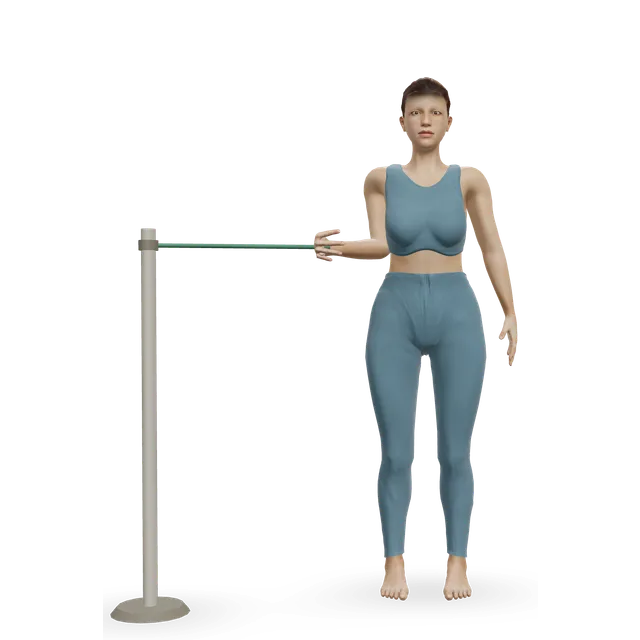
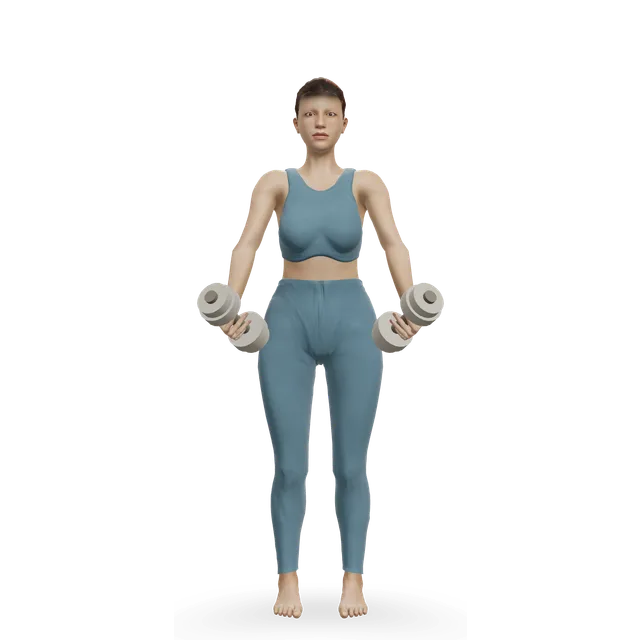
The core of the page, within the 5 out of 10 rule. External rotation with a band, 2 to 3 sets of 12 to 15 each arm, two or three times a week; side-lying external rotation with a tin of beans or a light weight, 2 sets of 8 to start (our Pilates for shoulder pain class), building to 2 to 3 sets of 12 to 15, lowering over about 3 seconds; internal rotation with a band, 2 rounds of 12 to 15 each arm; raises with your thumbs up (scaption), to shoulder height, 10 to 12, lowering over 3 seconds (our guide to strengthening your rotator cuff, for each). For the Holmgren trial's dose: 3 sets of 15, twice a day for 8 weeks, then once a day to 12 weeks, raising the load every other week.

Shoulder blades, face down and standing

Y-T-W raises, 5 of each shape, W and T first, adding the Y when lifting your arms overhead is comfortable (our Pilates for shoulder pain class), building to 5 to 8 of each letter for 2 rounds (our rotator cuff strength guide). The swan, "5 to 6 reps", kept small; swimming, "2 to 3 sets of 20 to 30 seconds", arms by your sides or bent while it's sore; band row, "3 sets of 10 to 15, stopping 2 to 3 reps short of failure, with 60 to 90 seconds' rest", elbows stopping at your sides at first (the move page's dose for each). Wall angels, 8 slow slides, only as high as is comfortable (our Pilates for shoulder pain class); band pull-aparts later, 2 or 3 sets of 12 to 15 (our rotator cuff strength guide).

Weight on your arms, in the order of the steps

Wall push-up, 2 sets of 8, and push-up plus at the wall, 8 to 10 (our Pilates for shoulder pain class); incline push-up, 2 to 3 sets of 8 to 12, and knee plank on the forearms, 3 holds of 10 to 20 seconds (editorial, as our yoga for wrists guide gives them); knee push-up, 2 sets of 6 to 8 (editorial). Last, the knee hover and the high plank, "3 holds of 15 to 30 seconds", and the Pilates push-up, "2 to 3 rounds of 3 push-ups" (the move page's dose for each).

Pilates with your arms low, while the shoulder settles

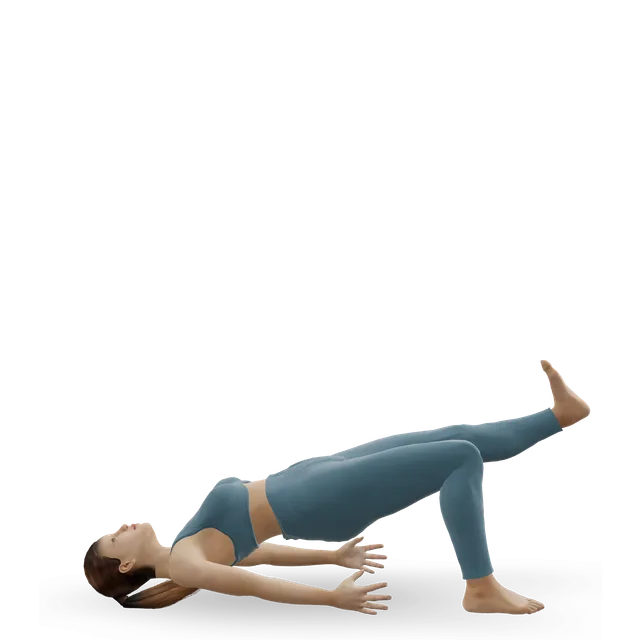
The trunk and hips don't have to wait (our suggestion). The hundred, "50 beats to start, building to 100 (the classical count)", arms pumping low or resting; single-leg stretch, "6 to 10 each side", hands resting lightly on your shins; shoulder bridge, "3 to 5 kicks each leg", arms long by your sides; side kick, "8 to 10 each side", lying on your pain-free side with your head on your lower arm (the move page's dose for each).

Moves to change or leave out while it hurts

Most of these are the moves' own cautions, word for word; the reformer changes are our suggestion.

Leave out for now

The leg pull front: "Skip it with shoulder pain." The leg pull back: "Skip it if your wrists or the front of your shoulders hurt." The kneeling side kick: "Skip it with wrist or shoulder pain." Control balance: "It may not suit a shoulder or neck injury." The sleeper stretch: "Lying on the shoulder compresses it: stop for a pinch at the front of the shoulder, and skip it with a painful or unstable shoulder." Leave out the roll-over, jack knife, boomerang and upward plank too (our suggestion).

Change

The side bend: "If your wrists or shoulders hurt, use the knee side plank or a forearm side plank instead." The push-up: "With shoulder pain, do the push-ups against a wall instead, and stop if the front of your shoulder pinches (our suggestion)." The double leg kick: "If the hand clasp hurts your shoulders, hold a towel between your hands." The roll-up: "If your shoulder is stiff or sore, reach your arms forward rather than overhead (our suggestion)." The mermaid: "If your shoulder is stiff or sore, reach only as high as is comfortable (our suggestion)." Rocking: "Holding your ankles pulls your shoulders back, so skip it if the front of your shoulder hurts (our suggestion)." The hip twist: "Mind your wrists and shoulders: with tight shoulders, bend the elbows and rest on the forearms."

Swimming, the high plank and the side kick

Swimming: "With shoulder pain, keep your arms by your sides or bent and lift only your chest and legs (our suggestion)." The high plank: "With shoulder pain, try the forearm plank or rest your hands on a bench." The side kick: "If propping on the elbow hurts your shoulder, rest your head on your arm."

On the reformer

The lightest arm spring first; arms below shoulder height and in front of you; overhead and behind-the-back strap work later; the hands-on-the-footbar moves at the plank step; and no kneeling arm work facing the footbar (our suggestion, from the maker's precautions and the spring studies).

Sources 20, 21

Hypermobility, a shoulder that slips, pregnancy and frozen shoulder

Hypermobility

With hypermobility, the NHS advises not overextending your joints: keep your elbows soft rather than locked, use fists if your wrists bend back too far, and push the floor away rather than sinking into your shoulders.

That is the line on the hands-down Pilates moves' own pages.

A shoulder that slips, or after a dislocation

Keep your arm in front of you, and leave the arm-out-and-turned-back position (some strap work, the doorway stretch) for later, as our Pilates for shoulder pain guide says. Stop or shrink any move that makes the shoulder feel about to slip.

Pregnancy

In pregnancy, after the first trimester, keep time flat on your back to a few minutes: prop your upper body up, or use a side-lying or all-fours version.

That is the Pilates moves' shared caution.

Frozen shoulder, or after breast cancer surgery

Pain and stiffness in every direction, worst when turning the arm out, is more likely a frozen shoulder: our Pilates for frozen shoulder guide covers it. After breast cancer surgery, start with the exercises your team gives you; our Pilates for shoulder pain guide has a section on it.

Classes

Our 20-minute step-by-step class comes first: gentle range, then cuff and shoulder-blade strength, then weight on your arms. Add the band session on 2 or 3 other days, starting with the lightest band. The swimmers' class and the push-up progression are for when your shoulder copes with planks.

Warning signs: when to get help

These are the same warning signs as our shoulder pain, rotator cuff tear and rotator cuff repair guides, word for word. This is general information, not a diagnosis. A&E means accident and emergency; in the US, call 911 for 999, and use your doctor's urgent line or urgent care for NHS 111.

Call 999 or go to A&E

  • Call 999: shoulder or arm pain with chest pain that feels tight or squeezing, or chest pain that spreads to your arms, neck or jaw, especially with shortness of breath, sweating or feeling sick. It could be a heart attack.
  • Call 999 or go to A&E: after a fall or injury, your shoulder looks out of place or has changed shape, you cannot move your arm, or your shoulder is painful, bruised or swollen. Do not drive yourself, and do not try to put it back in yourself.
  • Call 999: you suddenly can't fully lift both arms and keep them there, because of weakness or numbness in one arm, especially if one side of your face droops or you slur your words or sound confused. It could be a stroke. Call even if the signs have stopped.

Sources 41, 42

Get help from NHS 111

  • Get help from NHS 111: pain or tightness in your chest, neck, shoulders, jaw or arms that comes and goes, often brought on by exercise, stress, emotion or cold and easing after a few minutes' rest. It can be angina, a sign of a heart problem. If you've been diagnosed with angina, get help from NHS 111 too if it feels worse than before, is happening more often, lasts longer or happens when you're resting.

Get help the same day

  • Same day (GP or NHS 111): sudden weakness lifting the arm after an injury or fall. A rotator cuff tear caused by an injury needs urgent referral to a shoulder specialist. After a dislocation in anyone over 40, the rotator cuff should be checked: about 40% have a tear.
  • Same day (GP or NHS 111): sudden or very bad shoulder pain; you cannot move your arm; the arm or shoulder is badly swollen or has changed shape; pins and needles that do not go away; no feeling in the arm; the arm is hot or cold to the touch; pain that started after an injury such as a fall; or severe pain in both shoulders.
  • Same day (GP or NHS 111): the shoulder or arm is hot, swollen or red, or you have a high temperature (although not everyone has one) or feel unwell. A joint infection needs same-day care.

Sources 34, 43

See a GP or physiotherapist

  • Pain that is getting worse or has not improved after 2 weeks of looking after it yourself, or it is very hard to move your arm. In many areas you can refer yourself to physiotherapy.
  • Strength getting worse, or the shoulder not clearly better by 12 weeks of exercise: ask for a specialist opinion.
  • Your shoulder has partly or fully come out of joint, or you worry it might.
  • Pins and needles or a cold arm alongside neck pain, or a new loss of strength or feeling in the arm that you cannot explain (a possible nerve problem).
  • A past history of cancer, an unexplained lump or swelling, weight loss, or pain that is constant and does not ease when you change position.
  • See a GP if you have pain and stiffness for more than a week, especially if you're over 50, it's in both shoulders (often the neck and hips too) and the stiffness lasts longer than 45 minutes in the morning. It can be polymyalgia rheumatica.

Sources 34, 2

After a repair

Your surgical team's plan comes first. These are our rotator cuff repair guide's lines:

  • Same day (your surgical team): a sudden sharp pain with a clear loss of strength, or losing movement you had got back, especially after a fall, a jerk or catching something heavy. The repair may have torn again.
  • A high temperature, or feeling hot, cold or shivery; or a wound that is red, hot, swollen or oozing: contact your surgical team, ask for an urgent GP appointment or get help from NHS 111. These can be signs of an infection. If you feel unwell and the wound looks infected, go to A&E.
  • Same day (your surgical team or NHS 111): once the nerve block has worn off, usually within a day or two, your arm or hand stays numb, you have pins and needles that don't go away or weakness you can't explain, or your hand turns cold, pale or blue.
  • Arm pain or swelling with breathlessness or chest pain: call 999 or go to A&E, and do not drive yourself. It can be a blood clot that has reached the lungs.
  • Throbbing pain and swelling in the arm, with red, blue or darker skin and swollen veins: ask for an urgent GP appointment or get help from NHS 111. It could be a blood clot.
  • The shoulder is getting stiffer rather than freer, or night pain is getting worse rather than better after the first few weeks: tell your physiotherapist or surgical team. About 1 in 20 people develop a painful stiff (frozen) shoulder after a repair, which improves over months with physiotherapy, one NHS hospital says.
  • Stop and contact your team for a sudden sharp pain with a loss of strength, a pop, or losing movement you had got back.

During Pilates: the 5 out of 10 rule

During shoulder strengthening, pain up to about 5 out of 10 is acceptable, and a little is expected. By your next session it should be back to where it was before. If it isn't, use a lighter band or weight or a smaller range next time, not nothing.

Stop and get checked if you get a sharp pain with a sudden loss of strength: a small tear can get bigger.

Sharp pain, a feeling that the shoulder is slipping or a clunk, pins and needles or numbness spreading down the arm, or pain that's worse the next morning and doesn't settle by your next session (our suggestion, from NHS inform's pain guide and the reformer case report). Tell your teacher about shoulder pain, a past dislocation, surgery or breast cancer treatment before class.

Source 4

Chest pain or fainting while exercising: call 999

Call 999 if:

  • You get sudden pain or discomfort in your chest that doesn't go away; it can feel like squeezing or pressure, burning or indigestion.
  • The pain spreads to your left or right arm, or your neck, jaw, stomach or back.
  • You have chest pain and feel sweaty, sick, light-headed or short of breath.
  • Someone faints while exercising, can't be woken within 1 minute, or has chest pain or a pounding, fluttering or irregular heartbeat.

Sources 41, 44

Unusual breathlessness

Call 999 or go to A&E (accident and emergency) straight away for severe difficulty breathing (gasping, choking or not able to get words out), a chest that feels tight or heavy, pain that spreads to your arms, back, neck and jaw, lips or skin turning very pale, blue or grey, or sudden confusion. If you're more short of breath than usual, or your heart is racing, fluttering or skipping beats, contact NHS 111.

Stop the session if

You feel any pain or become unwell, as the NHS advises for its Pilates videos, and especially for chest pain or pressure, unusual breathlessness, dizziness or fainting. If you have a health problem, an injury or any symptoms, get advice from a healthcare professional, such as a GP, before you start.

Source 45

Before you start

The NHS advises getting advice from a healthcare professional first if you have a health problem, an injury or symptoms, or have recently had a heart attack or an operation.

Source 45

Myths

"Rest your shoulder until it stops hurting"Strong evidence

Exercise that gets harder within a pain limit has the evidence: in the Holmgren trial, 69% did well against 24%, and exercise that progressed beat nothing while exercise that didn't progress didn't. The US guideline's first treatment is an active exercise programme.

Sources 4, 3, 1

"Pilates fixes a torn rotator cuff"Emerging evidence

No exercise repairs a tendon, and no Pilates trial has studied tears. Exercise works for many people with small, worn tears, but tears up to 3 cm did better repaired over 15 years in one trial.

Sources 18, 15, 35, 12

"Any Pilates strengthens the deep stabilisers"Emerging evidence

In the 2026 trial, adding unloaded Pilates moves to physiotherapy didn't help more than physiotherapy alone, though the trial was small and had weaknesses. What helped in the trials was exercise that progressed and added resistance.

Sources 6, 3, 4

"Never put weight on your hands with a cuff problem"Emerging evidence

The load can be stepped up: in push-ups, about 41% of body mass went through the hands with them raised high, 49% from the knees and 64% on the floor. The wall, a worktop, your knees, then the floor is how our shoulder guides bring it back.

Sources 9, 10

"A tear on a scan means surgery"Strong evidence

Many worn tears are managed with exercise first, and surgery added little for them at a year. A tear after an injury with sudden weakness is different: see the warning signs.

Sources 15, 14

"Shaving the bone fixes impingement"Strong evidence

Subacromial decompression did no better than placebo surgery, and the result held at 10 years.

Sources 31, 32, 33

"Reformer arm work is too light to matter"Emerging evidence

In a lab study, shoulder muscle activity rose with each heavier spring, and the authors warned that heavy springs overhead may bring compensation. Start light.

Source 21

Questions people ask

Is Pilates good for a rotator cuff injury?

It can be, if the arm work gets gradually harder. Exercise is the first treatment for most rotator cuff problems, and the exercise that helped in trials progressed and added resistance. Pilates itself has only two tiny trials, one positive and one showing no added benefit from unloaded moves.

Can I do Pilates with a rotator cuff injury?

Usually, yes, with changes: arms low at first, light springs, weight on your arms built up in steps, and pain kept to about 5 out of 10, settling by your next session. Get help first if your arm suddenly became weak after a fall or a lift, or your shoulder looks out of shape.

Which Pilates exercises should I avoid with a rotator cuff injury?

While it hurts: the leg pull front and back, the kneeling side kick, control balance, the roll-over and jack knife, upward plank and the sleeper stretch. Do the side bend as a knee side plank and push-ups at a wall. On the reformer, leave heavy arm springs, overhead strap work and kneeling arm work facing the footbar for later.

Which Pilates moves strengthen the rotator cuff?

Turning the arm out and in with the elbow at your side (lying on your side with a light weight, or with a band), Y-T-W raises and a small swan face down, and band rows. Then weight on your arms in steps: the wall, the knee hover, knee planks and push-ups.

Is reformer Pilates OK for the rotator cuff?

It can be, starting with the lightest arm spring: in lab studies, shoulder muscles worked harder with each heavier spring, and very heavy springs brought compensation. Footwork, bridging and side-lying leg work don't load the shoulder. The elephant, long stretch and knee stretches put weight on your hands, so treat them like planks.

Can Pilates help a torn rotator cuff?

No exercise repairs a tendon, and no Pilates trial has studied tears. For small, worn tears, exercise works for many people and surgery added little at a year. Tears up to 3 cm did better repaired over 15 years in one trial, so ask a shoulder specialist whether yours should be.

Can I do Pilates after rotator cuff surgery?

Yes, when your surgical team says so; its plan comes first. Typical plans protect the arm for the first several weeks and start strengthening around 12 weeks. Until the team allows weight through the arm, Pilates means breathing, leg and trunk work with the arm resting, and no planks or hands-down moves.

How much pain is OK when exercising a sore rotator cuff?

Up to about 5 out of 10 during the exercise, back to where it was by your next session. If it isn't, use a lighter band or a smaller range next time, not nothing. Stop and get checked for a sharp pain with a sudden loss of strength.

Is Pilates enough, or do I need a physiotherapist?

In 708 NHS patients, one advice session with a home programme did as well as up to 6 physiotherapy sessions. See a physiotherapist if it isn't improving after 2 weeks of looking after it yourself; the UK pathway asks for a referral if it isn't better by 12 weeks. In many areas you can refer yourself.

Can Pilates cause a rotator cuff injury?

Moves that put your weight on your hands, or load the arm overhead or behind you, can irritate a cuff that isn't ready, and so can heavy reformer springs. Start light and build up. Pain that is still worse by your next session means go back a step.

Do I need surgery for impingement?

Probably not: shaving bone off the roof of the shoulder did no better than placebo surgery, still at 10 years. Most rotator cuff pain settles within 3 months with exercise.

When should I see a doctor about rotator cuff pain?

Call 999 for shoulder or arm pain with chest pain that feels tight or spreads to your arms, neck or jaw, and go to A&E if, after a fall, your shoulder looks out of place. Get help the same day for sudden weakness lifting the arm after an injury. See a GP or physiotherapist if it isn't better after 2 weeks of looking after it yourself.

Sources

  1. Desmeules 2025 · Rotator cuff tendinopathy: diagnosis, non-surgical care and rehabilitation (clinical practice guideline, J Orthop Sports Phys Ther; read in full)
  2. Pandey 2025 · British Elbow and Shoulder Society patient care pathway: subacromial pain (care pathway, Shoulder Elbow; read in full)
  3. Naunton 2020 · Progressive, resisted exercise against exercise that doesn't progress, for rotator cuff related shoulder pain (systematic review and meta-analysis, Clin Rehabil)
  4. Holmgren 2012 · Specific cuff and shoulder-blade exercise and the need for surgery in 102 people with impingement (randomised trial, BMJ; read in full)
  5. Atılgan 2017 · Clinical Pilates against conventional exercise for shoulder pain in 33 people (randomised trial, J Bodyw Mov Ther)
  6. Shahawy 2026 · Pilates and diaphragm manual therapy added to physiotherapy for rotator cuff tendinopathy in 60 adults (randomised trial with coin-flip allocation, registered after recruitment began, not indexed in PubMed, Physiotherapy Quarterly; read in full)
  7. ClinicalTrials.gov · Registered Pilates trials in the shoulder: NCT06148805, NCT07265765 and NCT07608809 (trial records, October 2026)
  8. Hallgren 2014 · The same exercise strategy at 1 year (randomised trial follow-up, Br J Sports Med)
  9. Wurm 2010 · How much weight the hands take in push-up variations, in 23 adults (lab study, ISBS conference paper; read in full)
  10. Can 2024 · Shoulder and shoulder-blade muscle activity in plank variations, in 21 men (lab study, J Strength Cond Res)
  11. Thigpen 2016 · Rehabilitation after arthroscopic rotator cuff repair (consensus statement of the American Society of Shoulder and Elbow Therapists, J Shoulder Elbow Surg)
  12. Moosmayer 2024 · Repair against physiotherapy for tears up to 3 cm, at 15 years, in 103 people (randomised trial, J Bone Joint Surg Am; read in full)
  13. Mazuquin 2021 · Early against delayed rehabilitation after rotator cuff repair: 20 trials (systematic review and meta-analysis, PLoS One)
  14. American Academy of Orthopaedic Surgeons 2025 · Management of rotator cuff injuries (clinical practice guideline; read in full)
  15. Karjalainen 2019 · Surgery for rotator cuff tears: 9 trials (Cochrane review)
  16. Ebben 2011 · Kinetic analysis of push-up variations (lab study, J Strength Cond Res)
  17. Suprak 2011 · Share of body weight on the hands in push-up positions, in 28 men (lab study, J Strength Cond Res)
  18. PubMed, Europe PMC and ClinicalTrials.gov · Our searches for Pilates trials in the shoulder, in rotator cuff tears and after a repair (October 2026)
  19. Balanced Body · Contrology classical reformer manual: the footwork, the hundred, the elephant and the knee stretch series (maker's manual, 2021; read in full)
  20. Balanced Body · Allegro reformer user guide: footwork, kneeling abdominals and arm work (maker's guide; read in full)
  21. Seo 2025 · Shoulder muscle activity with lighter and heavier springs in reformer arm work, in 22 healthy men (lab study, Life; read in full)
  22. Mun 2025 · Shoulder-blade muscle activity at different arm angles in reformer arm work, in 26 healthy men (lab study, Medicina)
  23. Reinold 2004 · Rotator cuff muscle activity in seven external rotation exercises, in 10 people (lab study, J Orthop Sports Phys Ther)
  24. Escamilla 2009 · Shoulder muscle activity in common shoulder rehabilitation exercises (narrative review, Sports Med)
  25. Jung 2025 · Shoulder-blade muscle activity in four push-up plus variations, in 26 trained men (lab study, Life)
  26. Vico-Rodríguez 2026 · Exercise for rotator cuff related shoulder pain in middle-aged and older adults: 21 trials (systematic review and meta-analysis, BMC Musculoskelet Disord; read in full)
  27. Malliaras 2020 · Higher against lower dose exercise in rotator cuff tendinopathy (systematic review, Arch Phys Med Rehabil)
  28. Hopewell 2021 · Progressive physiotherapy against one advice session, for rotator cuff disorders in 708 adults: the GRASP trial (randomised trial, Lancet; read in full)
  29. Littlewood 2016 · One self-managed exercise against usual physiotherapy for rotator cuff tendinopathy in 86 people: the SELF trial (randomised trial, Clin Rehabil)
  30. Page 2016 · Manual therapy and exercise for rotator cuff disease: 60 trials (Cochrane review)
  31. Beard 2018 · Decompression surgery against placebo surgery for shoulder pain in 313 people: the CSAW trial (randomised trial, Lancet)
  32. Kanto 2025 · Decompression against placebo surgery at 10 years: the FIMPACT trial (randomised trial, BMJ; read in full)
  33. Karjalainen 2019 · Subacromial decompression surgery for rotator cuff disease: 8 trials (Cochrane review)
  34. NHS · Shoulder pain (past its review date: reviewed May 2023, review due May 2026)
  35. Kukkonen 2021 · Repair against physiotherapy for small tears that didn't follow an injury, in people over 55, over 5 years (randomised trial, J Shoulder Elbow Surg)
  36. Keener 2014 · Early movement against a sling after rotator cuff repair, in 124 people (randomised trial, J Bone Joint Surg Am)
  37. Sheps 2019 · Early active movement against a sling after rotator cuff repair, in 206 people (randomised trial, Arthroscopy)
  38. Longo 2021 · How often a repaired rotator cuff tears again: 31 studies (systematic review and meta-analysis, BMC Musculoskelet Disord; read in full)
  39. Kholinne 2023 · Return to physical activity after rotator cuff repair (systematic review and meta-analysis, Eur J Orthop Surg Traumatol)
  40. Pilatesology · Reformer long stretch (classical exercise encyclopedia; public page read)
  41. NHS · Heart attack
  42. NHS · Dislocated shoulder
  43. NHS · Septic arthritis
  44. NHS · Chest pain (past its review date: reviewed August 2023, review due August 2026)
  45. NHS · Pilates for beginners

Exercise education, not a personal prescription, and clinical review of these guides is pending. If you are pregnant, have a health condition or have had recent surgery, check with a doctor, midwife or physiotherapist before starting, and stop for sharp or increasing pain. Health disclaimer.