Training guide

How to strengthen your rotator cuff: the four cuff muscles, turning the arm out and in, how light and how often, for lifting, throwing and shoulder pain, and when shoulder symptoms need a different plan

Your rotator cuff is four small muscles that keep the ball of your shoulder centred and turn your arm out and in. Strengthening it means turning your arm out and in against a band or a light dumbbell with your elbow at your side, raising your arm, and training your shoulder blades, 2 or 3 times a week. Start light, then progress.

Exercise is the first treatment for most cuff-related shoulder pain, and in a trial of 708 NHS patients, one advice session with a home band programme did as well as up to six physiotherapy sessions. Cuff tears on scans are common with age and often painless.

This guide covers the four cuff muscles, the rotator cuff strengthening exercises with doses, how light is light, how often, bands or weights, lifting and throwing, tears and scans, and when shoulder symptoms need checking first.

The short version

Four small muscles, four kinds of work

The cuff turns your arm out and in, helps lift it and keeps the ball of the shoulder centred. Strengthen it by turning the arm out and in against a band or weight, raising the arm, and training the shoulder blades, alongside the presses, rows and carries that load it too.

Source 1

Start light, then progress

Light loads make the cuff do a bigger share of the work, but cuff activity rises with load. Going heavier once light work is easy is our reading and common coaching practice: no trial has compared heavy and light loads for building the cuff in healthy people, and in people with cuff pain, heavier and lighter programmes did about equally.

Sources 2, 3, 4

How much

Two or 3 sets of 12 to 15 each arm, 2 or 3 times a week, as our external rotation and shoulders guides say. NHS inform's shoulder programme builds to a maximum of 2 sets of 15, and light daily sets are fine too.

Source 5

For a painful shoulder, exercise comes first

Exercise is the first treatment, and simple is enough: one advice session with a home band programme did as well as up to six physiotherapy sessions over a year. A specific cuff and shoulder-blade programme cut the share choosing surgery from 63% to 20%.

Sources 6, 7, 8

Tears are common with age

Cuff changes on scans rise from about 10% of people at 20 to 62% at 80, often without pain, and in people over 55 with worn tears, physiotherapy alone did as well as surgery for about 6 years. A scan alone doesn't decide what you can train.

Sources 9, 10

For sport: promising, not proven

Warm-ups with cuff work cut shoulder problems in some handball trials but not others, and the pooled effect is uncertain. Sudden weakness lifting the arm after a fall, a shoulder that looks out of place, or shoulder pain with chest pain isn't a strengthening job: see the warning signs.

Sources 11, 12, 13

Your rotator cuff: four muscles and what they do

The muscles

Four muscles run from the shoulder blade to the top of the arm bone: the supraspinatus on top, the infraspinatus and teres minor behind, and the subscapularis in front. The infraspinatus and teres minor turn the arm out, the subscapularis turns it in, and the supraspinatus works most with the arm raised; all four help keep the ball centred on its small, shallow socket. They add a large share of everyday lifting force too: in one model, about 30% of the force raising the arm out to the side came from the subscapularis and 25% from the supraspinatus. Our rotator cuff page has the anatomy.

Source 1

You can't isolate it, and you don't need to

Every cuff exercise uses the deltoid too. Side-lying rotation drew the most infraspinatus and teres minor activity of seven versions in a study of 10 people, but five versions were similar in a study of 30, as our external rotation guide explains. Muscle activity in a few reps isn't a guide to what grows.

Source 14

Four parts to cuff strength

Turning the arm out, elbow at your side and then with the arm raised; turning it in; raising the arm (scaption, thumbs up); and the shoulder blades and big lifts (rows, face pulls, presses, carries), which train the cuff while it steadies the joint. The handball programme behind our shoulder routine had the same shape.

Source 15

How people differ

Cuff changes on scans become more common with every decade, with or without symptoms. Throwers and racket players need more outward-turning strength and range, as our shoulders guide says. In young men who lift, signs of shoulder problems went with raises and upright rows above shoulder height and behind-the-neck presses and pulldowns, and fewer signs with external rotation training, in snapshot studies that can't show cause.

Sources 9, 16, 17

What this guide covers

The plan for strengthening a healthy cuff, at home or the gym. Our shoulders guide covers the whole shoulder, our external rotation guide covers that exercise in depth, and our pain guides cover a painful, torn or repaired cuff.

What the evidence says

Most of this evidence is in people with shoulder pain or in overhead athletes; the muscle activity studies are small lab studies in people without pain.

Exercise is the first treatment for cuff-related painStrong evidence

An overview of 16 systematic reviews made a strong recommendation for exercise as the first-line treatment for this kind of shoulder pain, and exercise beat doing nothing for pain and function in a review of 200 trials, though the evidence was of very low quality.

Sources 6, 18

Simple is enoughStrong evidence

In GRASP, 708 adults (average age 55) at 20 NHS trusts had either up to six physiotherapy sessions of progressive exercise over 16 weeks or one advice session with a home band programme. Both groups improved by about 30 points out of 100, with no meaningful difference over 12 months. A single self-managed exercise matched usual physiotherapy in a smaller trial.

Sources 7, 19

Progressive, resisted exerciseEmerging evidence

Progressive resisted exercise beat placebo or nothing by about 15 points out of 100, and exercise that didn't progress by 4, at low certainty. No type, load or frequency is clearly best: higher doses had low to very low certainty, conflicting evidence, and no trial compared different frequencies.

Sources 20, 21, 22

A specific programme and surgeryEmerging evidence

In 102 people aged 30 to 65 on a surgery waiting list, 2 lowering cuff exercises and 3 shoulder-blade exercises, 3 sets of 15 twice a day for 8 weeks with pain kept to 5 out of 10 or less, cut the share choosing surgery to 20% against 63% with unloaded movements, and 24% against 63% at a year. Our shoulder hub's pain rule comes from this trial.

Sources 8, 23

Rotator cuff strengthening exercises: how much and how often

How often

Two or 3 times a week, as our external rotation guide says, and light daily sets are fine too. As a warm-up before throwing or pressing, 1 or 2 sets.

Sets and reps

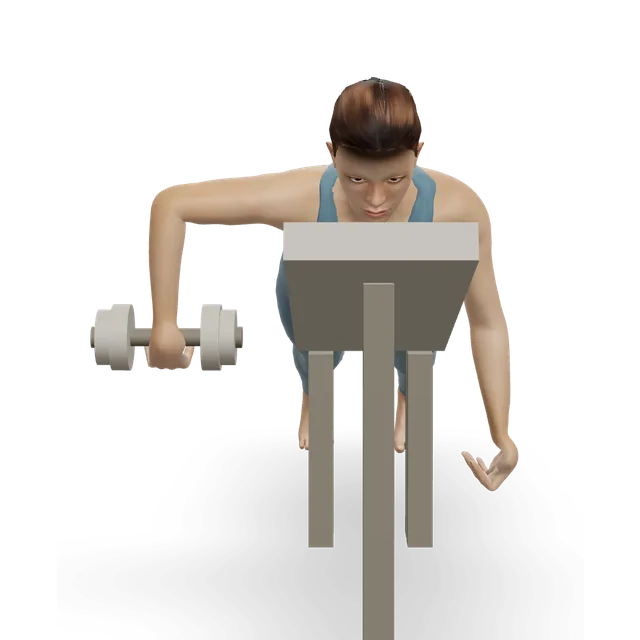
Two or 3 sets of 12 to 15 each arm (our external rotation guide's editorial starting point). NHS inform's shoulder programme builds to a maximum of 2 sets of 15. For the face-down rotation, the move page's dose is 3 sets of 8 to 15 with a light dumbbell (NHS Ayrshire & Arran's rotation exercise with the arm at 90 degrees).

Source 5

How hard

Smooth reps, stopping 2 or 3 short of failure and the last set 1 or 2 short, never through sharp pain, as our external rotation guide says. Rest about 60 seconds, or none in a circuit.

Progress

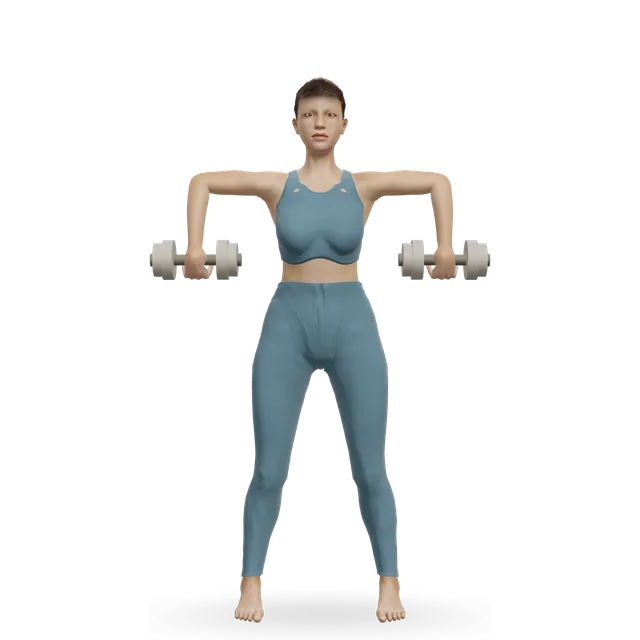
Add reps up to 15, then slow the return, then use the next band or 0.5 to 1 kg more, as our external rotation guide says, then raise the arm with the Cuban rotation and the face-down rotation.

Every day?

Light daily sets are fine if your shoulder feels the same or better the next day: the programme that cut surgery used 3 sets of 15 twice a day for 8 weeks. For a healthy shoulder, 2 or 3 times a week is plenty.

Source 8

How long

Strength rises within weeks. The shoulder pain programmes ran 8 to 16 weeks and the handball programme a whole season, and for a painful shoulder the NHS suggests trying shoulder exercises for 6 to 8 weeks to stop pain returning.

Sources 8, 7, 11, 24

The shoulder pain rule

During shoulder strengthening, pain up to about 5 out of 10 is acceptable, and a little is expected. By your next session it should be back to where it was before. If it isn't, use a lighter band or weight or a smaller range next time, not nothing.

This is how the Holmgren trial set each person's load: pain was not allowed above 5 out of 10 during the exercises, and any increase had to settle back to the starting level before the next session; otherwise the load came down. If pain climbs week on week, or a warning sign appears, stop and get it checked.

A rotator cuff session, step by step

Our editorial order, from our shoulder mobility and rotator cuff routine and our external rotation guide's side-lying steps and progression, with NHS inform's tin of beans.

  1. Warm up: 4 slow shoulder circles each arm and 8 slow wall slides.
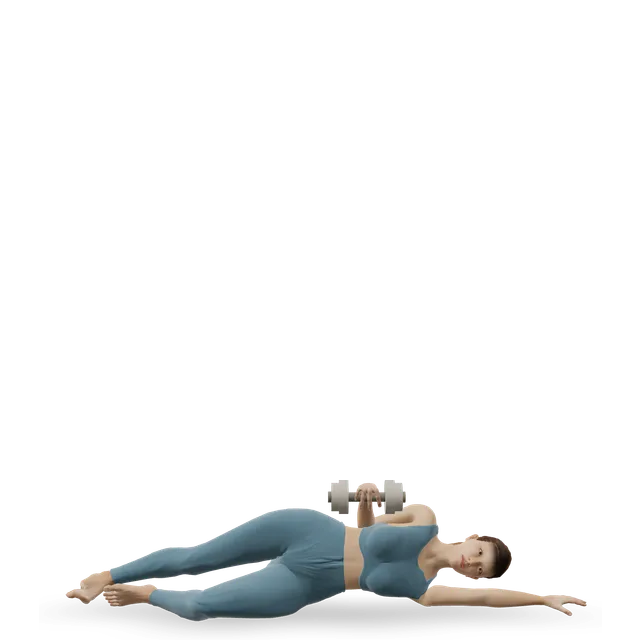
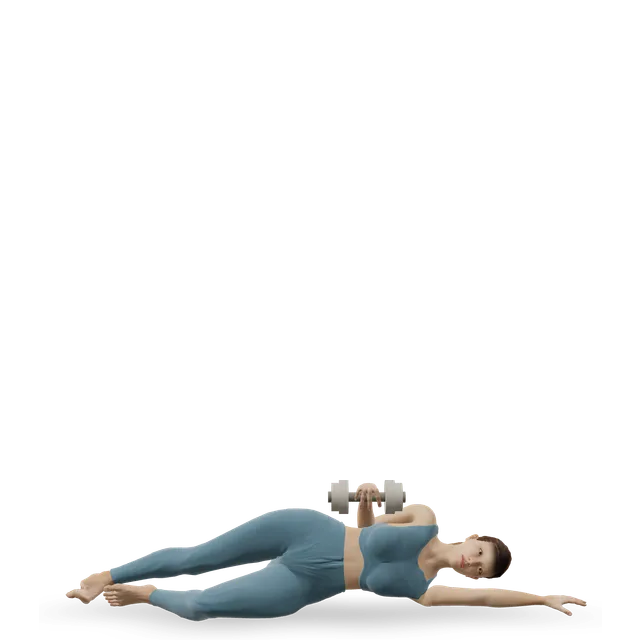
  2. Lie on your side, head on your lower arm or a pillow, top elbow tucked against your ribs and bent to a right angle, a light dumbbell or a tin of beans in that hand. A folded towel under the elbow helps.
  3. Turn your forearm up until it points at the ceiling, elbow still against your ribs, then lower it over about 3 seconds. Do 2 to 3 sets of 12 to 15, then switch sides.
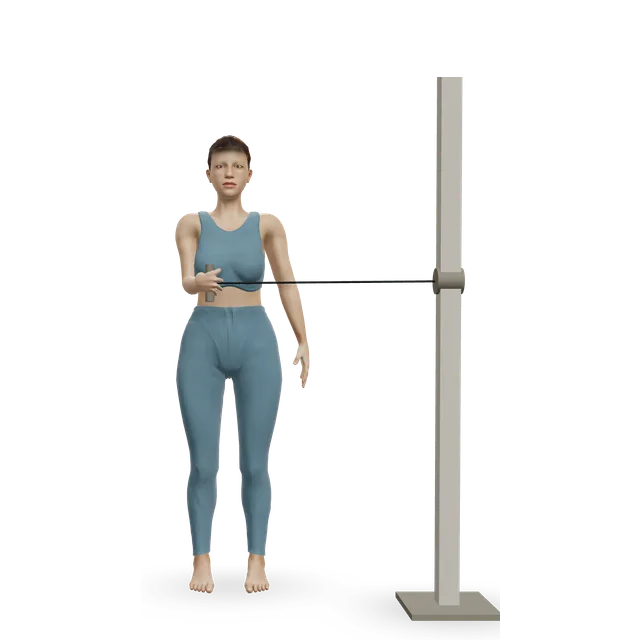
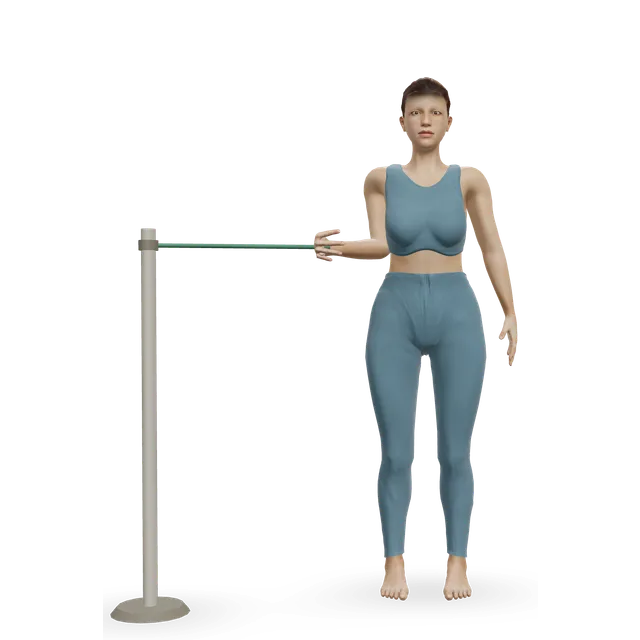
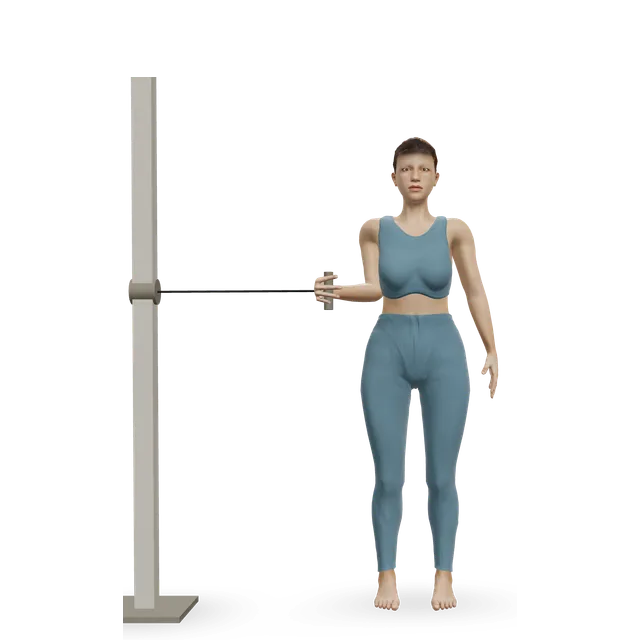
  4. Standing: band internal rotations, elbow at your side, 12 to 15 each arm.
  5. Scaption raises: thumbs up, raise light dumbbells forward and a little out to shoulder height, lowering over 3 seconds, 10 to 12 reps.
  6. Shoulder blades: 2 rounds of 5 Y-T-W raises, then face pulls or band rows, 12 to 15.
  7. Next time, add reps up to 15, then slow the return, then go to the next band or 0.5 to 1 kg more. Keep pain to about 5 out of 10, settled by your next session.

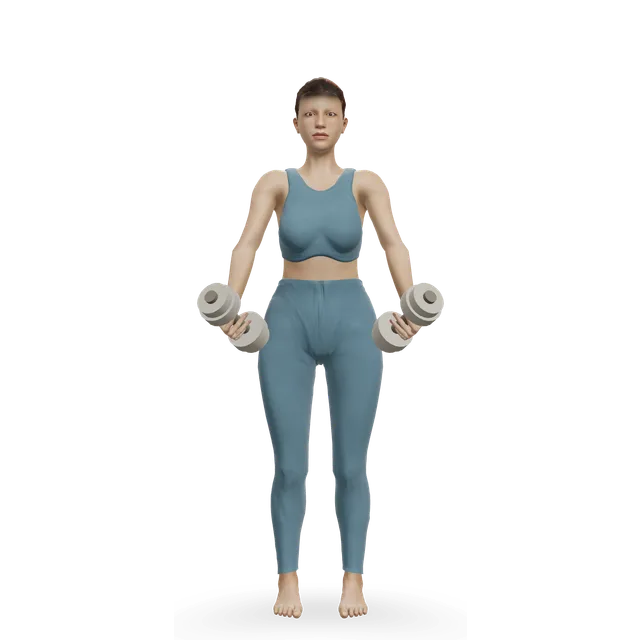
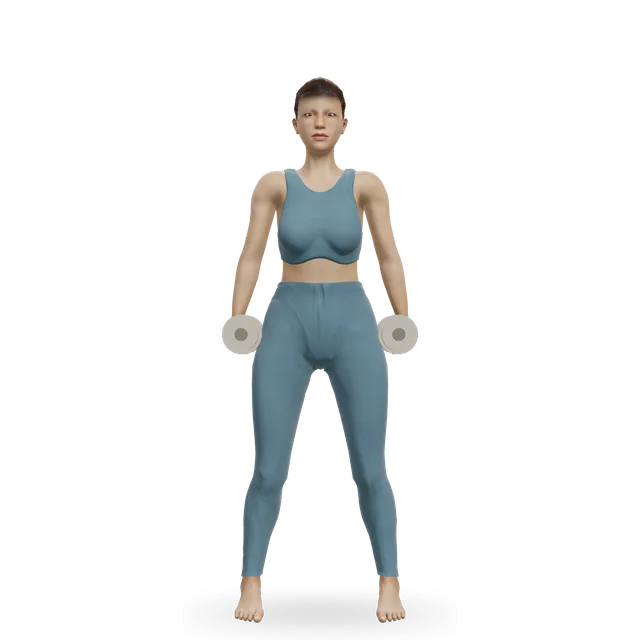
Loading the 3D figure…

Gets into position, then repeats the movement. Technical checks passed; qualified exercise review is pending.

The movement on the figure: Side-lying external rotation

Turning the arm out

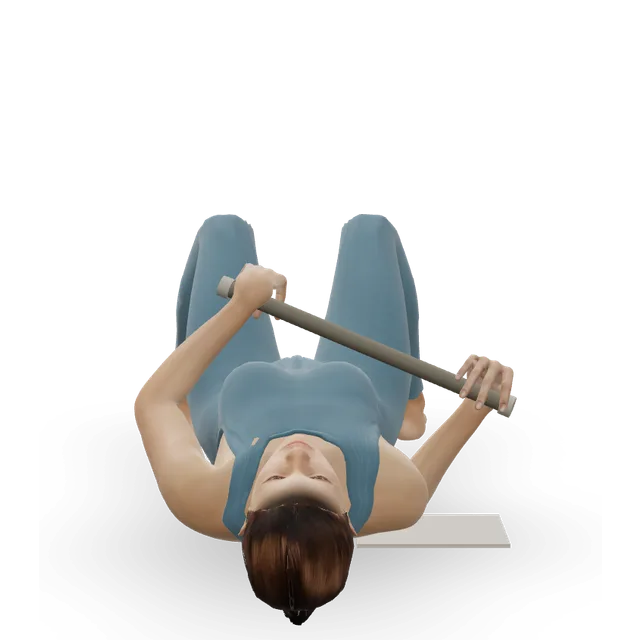
Elbow at your side first: band or cable rotations, 2 to 3 sets of 12 to 15 each arm, two or three times a week (our external rotation guide), and side-lying rotations, 2 to 3 sets of 12 to 15, lowering over about 3 seconds. Once those are pain-free, raise the arm: Cuban rotations, 2 sets of 10, 5 seconds each way (our swimmers' routine), and the face-down rotation. The stick-assisted rotation is for a stiff or very irritable shoulder.

Turning in and raising the arm

Band internal rotations, 2 rounds of 12 to 15 each arm, and scaption raises, 10 to 12, thumbs up, to shoulder height, lowering over 3 seconds (our shoulder mobility and rotator cuff routine). There's no 3D demo of the full-can raise: scaption with the thumbs up is the same movement.

The shoulder blades, and pulling

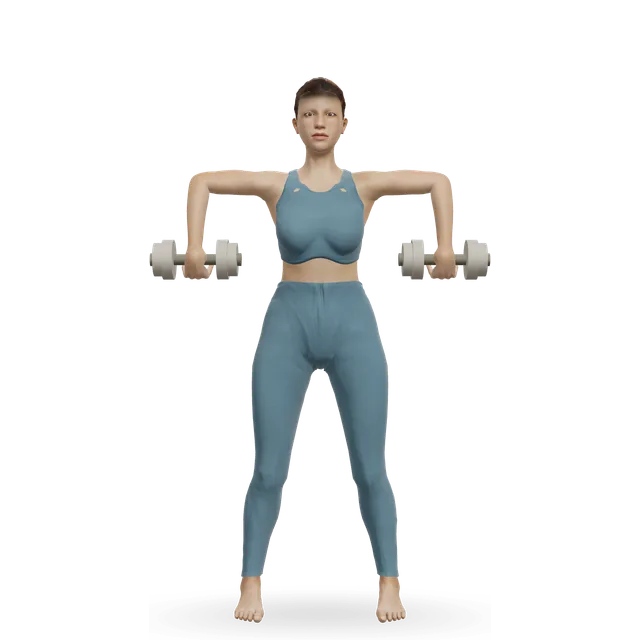
Y-T-W raises, 5 to 8 of each letter for 2 rounds; push-up plus, 2 or 3 sets of 10; face pulls, 3 sets of 12 to 20; pull-aparts, 2 or 3 sets of 12 to 15 (our shoulders guide and move guides). Band rows: the move page's dose is 3 sets of 10 to 15, stopping 2 to 3 reps short of failure, with 60 to 90 seconds' rest: an editorial starting point.

How light is light? Bands or weights?

Light makes the cuff do more of the workEmerging evidence

At 10 to 40% of maximum, the infraspinatus did its largest share of an external rotation, which is why the authors suggested that range. That study measured each muscle's share of the work, not how hard it worked.

Source 2

Activity rises with loadEmerging evidence

In another muscle activity study, activity rose steadily in all the muscles that turn the arm as rotation exercises got harder.

Source 3

Heavy against light, in people with cuff painEmerging evidence

In 100 people with cuff tendinopathy training 3 times a week for 12 weeks, building up to heavy sets of 6 did no better than staying at light sets of 20 to 25, though only 59 of the 100 stuck with it.

Source 4

Training studies in healthy peopleEmerging evidence

Light, slow side-lying rotation (3 sets of 10 with 500 g) grew the infraspinatus 7.3% in 8 weeks in 8 men, with no strength change. Maximal lowering training raised outward rotation strength in junior handball players, light loads with high reps raised cuff strength 7 to 20% in untrained adults, and maximal training thickened the supraspinatus in a small study. No trial has compared heavy and light rotation loads for cuff size or strength in healthy adults.

Sources 25, 26, 27, 28, 29

Our reading

Start with a band or dumbbell you can turn smoothly 12 to 15 times, then progress like any other muscle. Heavier sets of 8 to 12 in a healthy shoulder are our reading of these studies and common coaching practice, not a tested dose.

Bands or dumbbellsEmerging evidence

Across 7 studies of 224 people, elastic and conventional training gave similar strength gains, though none tested the cuff. External rotation worked the muscles about as hard with tubing as with dumbbells at the same effort, and 4 weeks of band and light dumbbell work raised rotation strength and serve speed in tennis players. Use what you have.

Sources 30, 31, 32

For lifting, throwing and racket sports

Shoulder warm-ups in handballMixed evidence

In 660 elite handball players, a warm-up of outward rotation and shoulder-blade strength, rotation range and upper-back mobility, 3 times a week, cut shoulder problems from 23% to 17%. In adolescent elite players, a shoulder programme went with a 56% lower injury rate, though it was done only about once a week on average. In 579 players, stretching and rubber band strengthening made no difference. Pooled across 3 trials, the effect was uncertain, at low certainty.

Sources 11, 33, 12, 13

Cuff work on its ownEmerging evidence

A youth baseball warm-up of stretching, mobility and balance, with no strengthening, cut throwing injuries, and 8 weeks of band external rotation alone didn't raise outward rotation strength in 92 youth handball players beyond their usual training.

Sources 34, 35

Football goalkeepersMixed evidence

In 726 amateur goalkeepers, the FIFA 11+ Shoulder warm-up was followed by fewer arm and shoulder injuries in one team trial. Its abstract gives 68% fewer in its results and 50% fewer in its conclusion, with unusually narrow confidence limits.

Source 36

Outward rotation strength and injuryMixed evidence

Weaker outward rotation before the season went with injury in professional pitchers and in elite male and youth handball players, but not in a mixed-sex group of 329 elite handball players.

Sources 37, 38, 39, 40

LiftersEmerging evidence

In snapshot studies of people who lift, signs of shoulder problems went with raises and upright rows above shoulder height and behind-the-neck presses and pulldowns, and fewer signs with external rotation training; lifters with shoulder pain had weaker outward rotators and lower trapezius. Our shoulder pain on the bench press guide covers the changes to try.

Sources 16, 17, 41

What we take from it

If you throw, serve or swim, a short cuff and shoulder-blade warm-up 2 or 3 times a week is sensible, done consistently, alongside the rest of your strength training. It's promising, not a guarantee. Our throwing arm, swimmers' and handball sessions have one.

Tears, scans and getting older

Cuff changes are common, and often painlessStrong evidence

Pooled scan studies found cuff changes in 9.7% of people aged 20 or under, rising to 62% at 80 or over, with or without symptoms. In a whole Japanese village, full-thickness tears were found in none of the people in their 20s to 40s and 36.6% of those in their 80s, and about two thirds caused no symptoms.

Sources 9, 42

Worn tears over 55: physiotherapy or surgeryStrong evidence

In 180 shoulders of people over 55 with small tears that came on without an injury, physiotherapy alone, physiotherapy with bone shaving, or repair made no difference at 1 year, or at an average of about 6 years in the 150 shoulders followed up.

Sources 43, 10

Full-thickness tears without an injuryEmerging evidence

In 452 people with full-thickness tears that came on without an injury, following a physiotherapy programme of daily range work and strengthening 3 times a week, about a quarter had surgery by 2 years and still about a quarter by 10 years.

Sources 44, 45

Surgery's extra benefitMixed evidence

In the Cochrane review, surgery gave little or no extra improvement in pain over exercise at a year (moderate certainty).

Source 46

What it means for you

A scan alone doesn't decide what you can train. Sudden weakness after a fall is different: see the warning signs. Our rotator cuff tear guide has the plan for a known tear.

Workouts to follow

The shoulder mobility and rotator cuff routine is the band session; the throwing arm, swimmers', handball and water polo sessions suit sport. The shoulder workouts train the big movers, and the Pilates and yoga classes suit a sore shoulder.

Shoulder mobility and rotator cuff routine (with a band)

A 25-minute band routine for healthy shoulders: move the shoulder and upper back through their range, then strengthen the rotator cuff and shoulder blades.

25 minBeginner12 movesA wall, A band

Throwing arm strength workout

A 35-minute session for baseball and softball players: the five Shoulder Control exercises, rotator cuff and forearm work, medicine-ball throws and legs.

35 minIntermediate17 movesA dumbbell, A cable machine

Shoulder care routine for swimmers

A 20-minute rotator cuff and shoulder-blade routine for swimmers, from a 12-week trial in competitive swimmers, plus a daily cross-body stretch.

20 minBeginner9 movesA wall, A dumbbell

Handball warm-up: Knee Control, Shoulder Control, landings and a throwing build-up

A 20-minute handball warm-up: easy running, leg swings, Knee Control, landings and cuts, Shoulder Control, then build-up runs before passes and shots.

20 minBeginner18 movesCardio machine, A wall

Water polo warm-up: shoulders, rotator cuff, trunk rotation and hips on the poolside

A 12-minute poolside warm-up for water polo: arm circles, rotations, band work, scapular push-ups, hip circles, leg swings, band walks and trunk rotation.

12 minBeginner11 movesA band, An anchor point

Shoulder workout at home: presses, lateral raises and rear-shoulder work

A 30-minute home shoulder workout with dumbbells or a band: presses, lateral raises for the side of the shoulder, and rear-shoulder and rotator cuff work.

30 minBeginner8 movesA band, A dumbbell

Shoulder workout

A shoulder workout for all three heads: overhead press, lateral raises, reverse flyes, face pulls and rotations.

40 minIntermediate8 movesA band, A barbell

Climbers' antagonist and shoulder workout

A 30-minute antagonist workout for climbers: push-ups and presses, band rotations, Y-T-W raises and face pulls, wrist and finger extensions, and a side plank.

30 minBeginner13 movesA band, A dumbbell

Step-by-step Pilates for a sore shoulder: a 20-minute class

A 20-minute Pilates class for a sore shoulder: gentle range first, then shoulder-blade and rotator cuff strength, then light weight on the arms, in steps.

20 minBeginner15 movesA bench or box, Other / check instructions

Yoga for shoulder pain: a 20-minute sequence that builds up weight on the arms

A 20-minute yoga sequence for shoulder pain: gentle movement, standing poses with the arms low, shoulder strength, and weight on the arms built up from the wall.

20 minBeginner16 movesA bench or box, A wall

Plans

Each has room for 2 or 3 short cuff sets in its upper-body days; the bro split's shoulder day uses Cuban rotations.

When your shoulder hurts

What the NHS saysStrong evidence

While it hurts, the NHS says not to make up your own strenuous exercises or use heavy gym equipment, and to try shoulder exercises for 6 to 8 weeks to stop pain returning. NHS inform's shoulder exercises keep pain at 0 to 5 out of 10.

Sources 24, 5

Cuff pain and impingement

Exercise is the first treatment: our shoulder impingement guide has the staged plan, within the 5 out of 10 rule.

A tear that isn't settling

Stop and get checked if you get a sharp pain with a sudden loss of strength: a small tear can get bigger.

Strength getting worse, or the shoulder not clearly better by 12 weeks of exercise: ask for a specialist opinion.

Our rotator cuff tear guide has the plan.

Frozen shoulder

Frozen shoulder is the exception to the 5 out of 10 rule: our frozen shoulder guide keeps it to mild discomfort.

After a dislocation or a repair

After a recent shoulder dislocation or shoulder surgery, follow our shoulder dislocation guide or your surgical team first.

Our shoulder dislocation and rotator cuff repair guides have the stages.

Pain when you bench, press or throw

Our shoulder pain on the bench press and shoulder pain when throwing guides cover the changes to try, and our shoulder pain in older adults guide covers a sore shoulder later in life.

Who should change their cuff training

Loose shoulders or a past dislocation

Build strength in the middle of the range first, elbow by your side, stopping short of any feeling of slipping, and leave the 90/90 rotation until you're cleared, as our external rotation guide says.

After heart surgery

After heart surgery through the breastbone, or a heart or lung transplant, follow your surgeon's advice before pushing, pulling or lifting with your arms.

Pregnancy

Use the standing band versions or side-lying ones rather than lying face down or on your back in later pregnancy (our suggestion, following the NHS advice our plans give).

Older adults

Cuff changes on scans are common with age and often painless, so train as above, starting with a light band. Our exercise for older adults guide has the rest of the plan.

Warning signs: when to get help

A shoulder that's come out of place

Call 999 or go to A&E: after a fall or injury, your shoulder looks out of place or has changed shape, you cannot move your arm, or your shoulder is painful, bruised or swollen. Do not drive yourself, and do not try to put it back in yourself.

Source 47

Shoulder or arm pain with chest pain

Call 999: shoulder or arm pain with chest pain that feels tight or squeezing, or chest pain that spreads to your arms, neck or jaw, especially with shortness of breath, sweating or feeling sick. It could be a heart attack.

Pain that comes on with exercise and eases with rest

Get help from NHS 111: pain or tightness in your chest, neck, shoulders, jaw or arms that comes and goes, often brought on by exercise, stress, emotion or cold and easing after a few minutes' rest. It can be angina, a sign of a heart problem. If you've been diagnosed with angina, get help from NHS 111 too if it feels worse than before, is happening more often, lasts longer or happens when you're resting.

Same day

Ask for an urgent GP appointment or get help from NHS 111 for sudden or very bad shoulder pain, an arm you can't move, a shoulder that has changed shape or is badly swollen, pins and needles that don't go away, no feeling in your arm or shoulder, an arm or shoulder that's hot or cold to touch, pain after an injury or a fall, severe pain in both shoulders, or feeling feverish or unwell. Go to A&E if, after an injury, you can't move your arm or your shoulder looks out of place or has changed shape. See a GP if shoulder pain is getting worse or hasn't improved after 2 weeks.

Same day (GP or NHS 111): sudden weakness lifting the arm after an injury or fall. A rotator cuff tear caused by an injury needs urgent referral to a shoulder specialist. After a dislocation in anyone over 40, the rotator cuff should be checked: about 40% have a tear.

Same day (GP or NHS 111): the shoulder or arm is hot, swollen or red, or you have a high temperature (although not everyone has one) or feel unwell. A joint infection needs same-day care.

Source 24

A shoulder that slips

Your shoulder has partly or fully come out of joint, or you worry it might, including a clunk, a dead arm or a feeling it will slip when you hang from the bar or at the bottom of a pull-up. Get it checked by a GP or physiotherapist soon (our suggestion).

A pop while lifting

A pop or tearing at the front of the armpit or chest during a lift, followed by bruising into the chest or upper arm, a change in the shape of the chest or armpit, or weakness pushing, can be a torn chest tendon. Don't wait for it to settle: get help the same day from NHS 111 or an urgent treatment centre, as our pec strain guide explains.

A sudden pop at the front of the elbow during a heavy pull, with bruising, a gap at the front of the elbow or a bulge in the upper arm, can be a torn biceps tendon. Go to an urgent treatment centre or A&E (in the US, urgent care or the emergency department), and don't wait for it to settle: repair is best done within the first 2 to 3 weeks.

Arm symptoms from the neck

Pins and needles or a cold arm alongside neck pain, or a new loss of strength or feeling in the arm that you cannot explain (a possible nerve problem).

Arm weakness or numbness that keeps getting worse, severe pain that painkillers and rest do not touch, or an unexplained fever.

No improvement after 6 weeks of exercise, or arm symptoms still there beyond 6 to 12 weeks.

Arm symptoms: the rule

Use your arm, not your neck, as the main guide. An exercise is fine if it does not send pain, tingling or numbness further down your arm, and any increase settles within an hour. A hospital leaflet on nerve glides allows some increase in symptoms but not one lasting over an hour; applying that to every exercise is this site's suggestion.

Stop and get checked if the arm feels weaker or numbness spreads.

After a big or unusual session

Same day (call NHS 111, or go to A&E if you feel very unwell): after a big or unusual session, such as hundreds of pull-ups, push-ups, dips or curls, a challenge or a new class, muscle pain, swelling or weakness far worse than the session explains, and dark pee (red, brown, tea or cola coloured), sometimes starting hours or days later. Dark pee isn't always there, so muscles far sorer, more swollen or weaker than the session explains still need the same-day check. It can be rhabdomyolysis, a breakdown of muscle that can harm the kidneys.

Stop and get medical help

If you get chest pain or pressure, feel faint or dizzy, are unusually breathless, or your heart races or beats irregularly during exercise, as our plans advise.

Call 999 (911 in the US)

For chest pain that comes on suddenly and doesn't go away, feels tight or like squeezing, spreads to your arms, neck, jaw, stomach or back, or comes with sweating, feeling sick, light-headedness or breathlessness; arm pain that comes on suddenly with pressure, heaviness or squeezing across your chest; severe difficulty breathing, or a chest that feels tight or heavy; someone who faints while exercising; palpitations that don't go away, or come with chest pain, shortness of breath or feeling faint; or a headache that starts suddenly and is extremely painful, especially while lifting or straining. The NHS says a bleed on the brain may be more likely when lifting something heavy. Don't drive yourself to A&E.

Ask for an urgent GP appointment or call NHS 111

Ask for an urgent GP appointment or get help from NHS 111 for a headache that's triggered or made worse by coughing, sneezing, bending down or exercising. In the US, contact your doctor or urgent care.

During any session

Stop straight away if you feel any pain or become unwell, the NHS says, and contact 111 if your symptoms worry you or don't go away.

A dull ache in your muscles for a day or two after something new is normal. Joint pain that's sharp, gets worse during a set or lingers into the next day means switching to the easier option, and seeing a GP or physiotherapist if it carries on (our plans' rule). Our muscle soreness guide has more.

Check first

Speak to your GP first if you haven't exercised for some time or have medical conditions or concerns, as the NHS advises. Get advice before heavy lifting or hard straining work if your blood pressure is uncontrolled, or you have heart disease or chest pain when you're active, a pacemaker or defibrillator, diabetic eye disease, glaucoma, a hernia, recent eye or tummy surgery, or you're pregnant, as our breathing guide lists. After a recent shoulder dislocation or shoulder surgery, follow our shoulder dislocation guide or your surgical team first.

Speak to a GP first if you haven't exercised for some time, or if you have a medical condition or concerns. Get advice first, too, if you have a health problem, an injury or symptoms, have recently had a heart attack or an operation, or are pregnant or have recently given birth.

Source 48
Myths

"The rotator cuff only needs tiny weights"Emerging evidence

Light loads are a sensible start, because they make the cuff do a bigger share of the work. But cuff activity rises with load, heavier and lighter programmes helped cuff pain about equally, and both maximal and light high-rep training built cuff strength in healthy adults. Start light, then progress.

Sources 2, 3, 4, 26, 27

"Rotator cuff exercises prevent shoulder injuries"Mixed evidence

Warm-up programmes with cuff work cut shoulder problems in some handball trials but not others, and pooled, the effect is uncertain; a band-only programme didn't even raise strength. Nothing has tested the exercise on its own.

Sources 11, 33, 12, 13, 35

"You need lots of physiotherapy to strengthen a sore cuff"Strong evidence

One advice session with a home band programme did as well as up to six sessions over a year in 708 NHS patients.

Source 7

"A tear on a scan means you shouldn't lift"Strong evidence

Cuff changes are common and often painless with age, and physiotherapy did as well as repair for worn tears in people over 55. Sudden weakness after a fall is different: see the warning signs.

Sources 9, 42, 10

"Bands are for rehab; real strength needs weights"Emerging evidence

Bands and weights gave similar strength gains in pooled studies and similar cuff activity at the same effort.

Sources 30, 31

"Lying on your side is the only rotation that works"Mixed evidence

It led in one study of 10 people; in a study of 30, five versions were similar, as our external rotation guide explains. Use the one you can do well.

Source 14

"Cuff exercises fix rounded shoulders"

No trial has tested them for posture, as our external rotation guide says. Train the cuff for the shoulder's sake, and see our rounded shoulders guide for posture.

Questions people ask

What are the best exercises to strengthen your rotator cuff?

Turning the arm out with your elbow at your side (with a band, a cable or lying on your side with a light dumbbell), turning it in against a band, and scaption raises, with shoulder-blade work and rows alongside. No single version clearly wins: side-lying drew the most cuff activity in one small study, but five versions were similar in a larger one.

How often should you do rotator cuff exercises?

Two or three times a week for strength, 2 or 3 sets of 12 to 15 each arm. Light daily sets are fine too: the programme that helped people avoid surgery used twice-daily sets for 8 weeks.

Can I do rotator cuff exercises every day?

Yes, if they're light and your shoulder feels the same or better the next day. For a healthy shoulder, two or three times a week is plenty.

How heavy should rotator cuff exercises be?

Start with a band or dumbbell you can turn smoothly 12 to 15 times, elbow still at your side. Light loads make the cuff do a bigger share of the work, but cuff activity rises with load, so progress like any other muscle. No trial has compared heavy and light loads for building the cuff in healthy people.

Bands or dumbbells for the rotator cuff?

Either. Elastic and conventional training gave similar strength gains in pooled studies, and external rotation worked the muscles about as hard with tubing as with dumbbells at the same effort.

How do I strengthen my rotator cuff at home?

A light band and a door: outward and inward rotations with your elbow at your side, band rows and pull-aparts, and side-lying rotations with a tin of beans. Our shoulder mobility and rotator cuff routine puts them into 25 minutes.

Will rotator cuff exercises help my bench press or overhead press?

They train the muscles that steady the joint, and lifters who trained their outward rotators had fewer signs of shoulder problems, though that's a link from small snapshot studies. They don't replace the press itself.

Do rotator cuff exercises prevent shoulder injuries?

In throwing sports, warm-ups with cuff and shoulder-blade work cut shoulder problems in some trials but not others, and the pooled effect is uncertain. Treat them as a sensible warm-up, not a guarantee.

My shoulder hurts. Should I strengthen my rotator cuff?

Exercise is the first treatment for most cuff-related shoulder pain, and one advice session with a home band programme did as well as several physiotherapy sessions. Keep pain to about 5 out of 10, back to its usual level by your next session, and follow our shoulder impingement guide. Check the warning signs first.

Can I strengthen my rotator cuff with a tear?

Often, yes: in people over 55 whose tears came on without an injury, physiotherapy did as well as surgery for about 6 years. A tear after a fall with sudden weakness needs checking the same day, and our rotator cuff tear guide has the plan.

What muscles are in the rotator cuff?

The supraspinatus on top, the infraspinatus and teres minor behind, and the subscapularis in front. Our rotator cuff page has the anatomy.

How long does it take to strengthen the rotator cuff?

Strength rises within weeks. Programmes for sore shoulders ran 8 to 16 weeks, and the NHS suggests 6 to 8 weeks of shoulder exercises to stop pain returning. Keep going after that.

Sources

  1. Escamilla 2009 · Shoulder muscle activity and function in common shoulder rehabilitation exercises (review, Sports Med)
  2. Bitter 2007 · Infraspinatus and deltoid during external rotation at different loads in healthy shoulders (muscle activity study, J Shoulder Elbow Surg)
  3. Dark 2007 · Shoulder muscle recruitment in common rotator cuff exercises (muscle activity study, Phys Ther)
  4. Ingwersen 2017 · High-load against low-load strength training for rotator cuff tendinopathy: the RoCTEx trial (randomised trial, OJSM)
  5. NHS inform · Exercises for shoulder problems
  6. Pieters 2020 · Conservative physical therapy for subacromial shoulder pain: an update of systematic reviews (umbrella review, JOSPT)
  7. Hopewell 2021 · Progressive exercise against best practice advice for rotator cuff disorders: the GRASP trial of 708 adults (randomised trial, Lancet)
  8. Holmgren 2012 · A specific exercise strategy and the need for surgery in subacromial impingement (randomised trial, BMJ)
  9. Teunis 2014 · Rotator cuff disease with increasing age (systematic review and pooled analysis, J Shoulder Elbow Surg)
  10. Kukkonen 2021 · Surgery or physiotherapy for small non-traumatic supraspinatus tears over 55: over 5 years of follow-up (randomised trial, J Shoulder Elbow Surg)
  11. Andersson 2017 · Preventing overuse shoulder injuries in 660 elite handball players (cluster-randomised trial, BJSM)
  12. Achenbach 2022 · Stretching and rubber band strengthening and overuse shoulder injuries in 579 handball players (cluster-randomised trial, BMJ Open Sport Exerc Med)
  13. Yonneau 2025 · Shoulder injury prevention programmes in handball (systematic review and meta-analysis, BMJ Open Sport Exerc Med)
  14. Reinold 2004 · Rotator cuff and deltoid activity in common external rotation exercises (muscle activity study, JOSPT)
  15. Malliou 2004 · Training methods for restoring the balance of rotator cuff strength in 48 students (randomised trial, BJSM)
  16. Kolber 2014 · Shoulder impingement in recreational weight trainers (cross-sectional study, J Strength Cond Res)
  17. Kolber 2013 · Shoulder instability and laxity in weight trainers (cross-sectional study, J Strength Cond Res)
  18. Steuri 2017 · Conservative treatments for shoulder impingement in adults (systematic review and meta-analysis, BJSM)
  19. Littlewood 2016 · A self-managed single exercise against usual physiotherapy for rotator cuff tendinopathy: the SELF study (randomised trial, Clin Rehabil)
  20. Naunton 2020 · Progressive resisted against non-progressive exercise for rotator cuff related shoulder pain (systematic review and meta-analysis, Clin Rehabil)
  21. Lafrance 2024 · Exercise therapy for rotator cuff related shoulder pain by frequency, intensity, time and type (systematic review and meta-analysis, JOSPT)
  22. Malliaras 2020 · Higher against lower dose exercise for rotator cuff tendinopathy (systematic review, Arch Phys Med Rehabil)
  23. Hallgren 2014 · A specific exercise strategy and the need for surgery: one-year follow-up (randomised trial, BJSM)
  24. NHS · Shoulder pain (past its review date: reviewed May 2023, review due May 2026)
  25. Matsumura 2023 · Eight weeks of light, slow external rotation and the infraspinatus (training study, Phys Ther Res)
  26. Vetter 2024 · Six weeks of eccentric external rotation training in male junior handball players (randomised field study, Front Physiol)
  27. Brumitt 2020 · Low-load rotator cuff training with and without blood flow restriction (randomised trial, Int J Sports Physiol Perform)
  28. Brumitt 2021 · Rotator cuff strength with low-load training, with and without blood flow restriction (randomised trial, Phys Ther Sport)
  29. Kim 2015 · Supraspinatus architecture after concentric and eccentric training (randomised trial, J Sci Med Sport)
  30. Lopes 2019 · Elastic against conventional resistance training for strength (systematic review and meta-analysis, SAGE Open Med)
  31. Andersen 2010 · Muscle activity with dumbbells and elastic resistance in rehabilitation exercises (lab study, Phys Ther)
  32. Treiber 1998 · Band and light dumbbell training, shoulder rotation strength and serve speed in college tennis players (randomised trial, AJSM)
  33. Asker 2022 · Shoulder and knee exercise programmes in adolescent elite handball players (cluster-randomised trial, Sports Med Open)
  34. Sakata 2019 · A prevention programme for throwing injuries in youth baseball players (randomised trial, AJSM)
  35. Fredriksen 2021 · Eight weeks of external rotation strength training in youth handball players (randomised trial, JOSPT)
  36. Al Attar 2021 · The FIFA 11+ Shoulder programme and upper limb injuries in 726 soccer goalkeepers (randomised trial, AJSM)
  37. Byram 2010 · Preseason shoulder strength and injury in professional baseball pitchers (cohort study, AJSM)
  38. Clarsen 2014 · Risk factors for shoulder injuries in elite male handball players (cohort study, BJSM)
  39. Achenbach 2020 · External rotation weakness and overuse shoulder injury in youth elite handball players (cohort study, Knee Surg Sports Traumatol Arthrosc)
  40. Andersson 2018 · Risk factors for overuse shoulder injuries in 329 elite handball players (cohort study, BJSM)
  41. Kolber 2017 · Shoulder joint and muscle characteristics in weight trainers with and without impingement (cross-sectional study, J Strength Cond Res)
  42. Minagawa 2013 · Rotator cuff tears with and without symptoms, from screening one village (screening study, J Orthop)
  43. Kukkonen 2014 · Treatment of non-traumatic rotator cuff tears: one-year results (randomised trial, Bone Joint J)
  44. Kuhn 2013 · Physical therapy for atraumatic full-thickness rotator cuff tears: the MOON shoulder cohort (cohort study, J Shoulder Elbow Surg)
  45. Kuhn 2024 · Ten-year outcomes of the MOON shoulder cohort for atraumatic full-thickness rotator cuff tears (cohort study, J Bone Joint Surg Am)
  46. Karjalainen 2019 · Surgery for rotator cuff tears (Cochrane review)
  47. NHS · Dislocated shoulder
  48. NHS · Physical activity guidelines for adults aged 19 to 64

Exercise education, not a personal prescription, and clinical review of these guides is pending. Check with a GP before starting hard training if you have a heart condition, chest pain, dizziness or breathlessness when active, and stop for sharp or increasing pain. Health disclaimer.