Training guide

How to do Y-T-W raises: the three letters, your lower and middle trapezius, lying, bench and band versions, what they can and can't do for posture, and how many

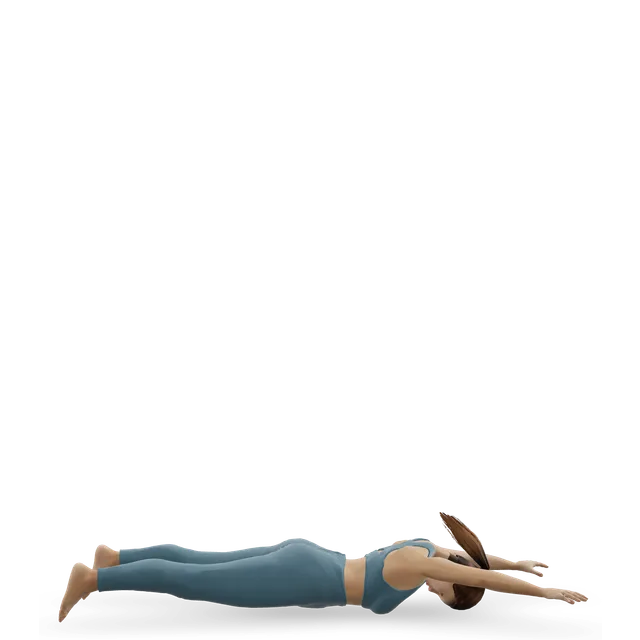
To do Y-T-W raises, lie face down with your forehead on a folded towel and lift your arms a few centimetres off the floor in three shapes: a Y overhead, a T out to the sides and a W with your elbows drawn down, thumbs up throughout. Start with 5 to 8 of each letter, 2 rounds, 2 or 3 times a week.

YTW raises work the muscles between and below your shoulder blades, the middle and lower trapezius, with your arms' own weight as the load, so you don't need weights to start. They're popular as a posture fix, but the one trial built on Ts, Ys and Ws changed nothing it measured in 6 weeks, and posture isn't a reliable cause of pain.

This guide shows them on the 3D figure, what each letter works, the bench and band versions, what they can and can't do for posture and shoulder pain, and how many to do.

The short version

The move

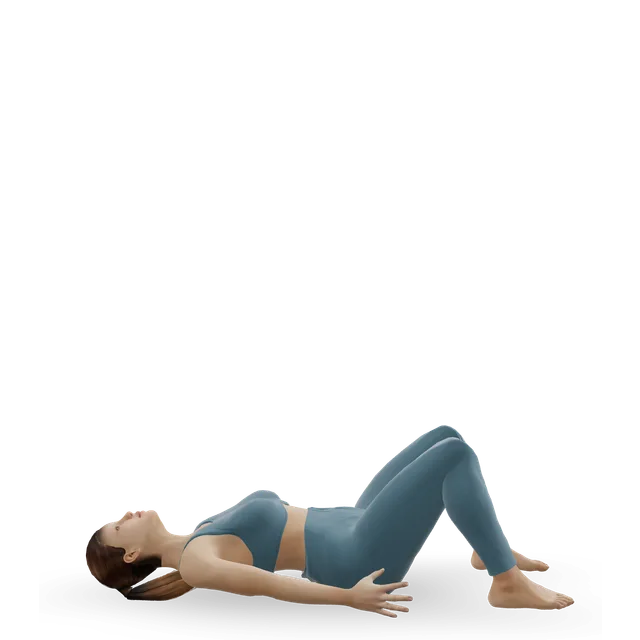
Lie face down, forehead on a folded towel. Draw your shoulder blades down and towards your spine, then lift both arms a few centimetres off the floor in three shapes: a Y (arms overhead and out, thumbs up), a T (arms straight out to the sides, thumbs up) and a W (elbows bent and drawn down towards your ribs). Keep your neck long and lower slowly.

Sources 1, 2, 3

What they work

The middle and lower trapezius, between and below your shoulder blades, plus the back of the shoulder and the rotator cuff, with little help from the shrugging part of the trapezius. With no weight at all, a thumb-up T worked the lower trapezius at about 46% of its maximum in 16 men, and moving towards a Y raised it to about 57%. Lying face down keeps the shrugging muscle quieter than standing versions.

Sources 4, 5

You don't need weights

Your arms are the load, which is why NHS and American Council on Exercise (ACE) programmes use no equipment. Light weights add work once the shapes are easy; one NHS service moves on to small weights of 1 to 3 kg.

Sources 1, 2, 6, 7

Posture: part of a mix, not a fix

Strengthening programmes change photo measures of the head and shoulders over weeks, but pain didn't clearly change. The one trial built on Ts, Ys and Ws, in 44 swimmers over 6 weeks, changed neither strength nor how the shoulder blades moved, and strength doesn't set where your shoulder blades sit at rest. Posture isn't a reliable cause of pain either.

Sources 8, 9, 10, 11, 12, 13

Shoulder pain

Shoulder blade exercise helps shoulder pain a little in the short term, but not by fixing posture, and adding it to general shoulder strengthening added nothing in the best trial. With a sore shoulder, follow our shoulder pain or impingement guide: start with the W and T, and add the Y when lifting overhead is comfortable.

Sources 14, 15, 16

How many

Start with 5 to 8 of each letter, 2 rounds, 2 or 3 times a week (our posture guides; our editorial starting point). Build to 2 or 3 rounds of 8 to 10 with a 2 to 5 second hold at the top. An NHS trust leaflet uses 5-second holds, 5 reps and 3 sets, 3 to 4 times a week.

Source 1

What Y-T-W raises are

A face-down shoulder blade exercise

You lie face down and lift your arms a little in three letter shapes, one after the other: the Y (arms overhead and out to about 120 to 135 degrees from your sides), the T (arms out at shoulder height) and the W (elbows bent and drawn down towards your ribs, forearms turned out, like a row with an outward turn). It's a shoulder blade exercise rather than an arm lift: you set your shoulder blades down and towards your spine first, and your arms rise only a little.

Sources 1, 3, 2

Its names

YTW raises, Y-T-W raises, Y-T-Ws, prone Y, T and W lifts, or the prone scapular series. ACE adds an I (arms by your sides, lifting backwards) and an O (hands joined behind your back). "YTWL" adds an L: elbows bent at your sides, turning the forearms outwards, a rotator cuff exercise. People also do them on an incline bench with light dumbbells or standing with a band.

Source 2

The muscles and joints

The lower trapezius (the lowest part of the big diamond-shaped muscle of your upper back, which draws your shoulder blades down and helps turn them upwards) works most in the Y. The middle trapezius, between your shoulder blades, works most in the T and W. The upper trapezius, the part that shrugs, stays fairly quiet lying down.

The rhomboids and the levator scapulae work moderately too (25 to 45% of maximum with fine-wire electrodes in the T), and the back of the shoulder and the rotator cuff work hard in the thumb-up T and Y. Your shoulder blades glide on the back of your ribs while your upper back extends a little to hold your chest steady.

Sources 17, 4, 18, 19, 20, 21

Before you start

You need to be comfortable lying face down, as our move page says, and for the Y, a shoulder that reaches overhead without a pinch. If overhead hurts, the W and T come first, as our Pilates for shoulder pain workout does.

How people differ

A stiff or very rounded upper back means a smaller Y: lift only as high as you can without arching your lower back (our editorial advice). Long arms make the Y and T harder, because the arm's weight acts further from the shoulder; bend your elbows a little to make it easier.

In 32 young adults, squeezing a band between the hands during the Y raised lower trapezius activity in those without rounded shoulders but not in those with them, while in 30 men with "upper crossed syndrome" the face-down Y was still among the three exercises with the most middle and lower trapezius and the least upper trapezius. In pregnancy, lying face down gets uncomfortable as the bump grows; our move page swaps to an all-fours move such as the bird dog.

Sources 22, 23, 24

How to do Y-T-W raises, step by step

From our move page, an NHS trust leaflet, ACE and Physitrack, in our editorial wording. The 10 to 15 cm limit is the range one trial used.

  1. Lie face down on a mat with your forehead on a folded towel, legs long, arms by your sides. Your neck stays long and your face stays down throughout.
  2. W: bend your elbows and bring your hands up level with your shoulders, elbows a little below shoulder height, thumbs turned up. Draw your shoulder blades in towards your spine and down towards your bottom, then lift your elbows and hands a few centimetres. Hold for 2 seconds and lower slowly.
  3. T: arms straight out to the sides at shoulder height, thumbs pointing to the ceiling. Set your shoulder blades, lift your arms a few centimetres, hold and lower.
  4. Y: arms overhead and out at about 120 to 135 degrees from your sides, thumbs up. Set your shoulder blades down, then lift, hold and lower. Only go as high as you can without arching your lower back or shrugging.
  5. Breathe out as you lift. Keep each lift small: a few centimetres, and no more than about 10 to 15 cm.
  6. Do all your Ws, then Ts, then Ys (or cycle through the letters), resting between rounds.

Loading the 3D figure…

Gets into position, then repeats the movement. Technical checks passed; qualified exercise review is pending.

The movement on the figure: Prone Y-T-W raises

What each letter works: what the evidence says

The Y for the lower trapezius, the T and W for the middleEmerging evidence

With the arm's weight alone, in 16 healthy men, a thumb-up T worked the lower trapezius at 45.6% of maximum, the middle trapezius at 38.9% and the upper trapezius at 15.6%; moving the arm up to 120 degrees, towards a Y, raised the lower trapezius to 56.9%. In 30 healthy people, the face-down overhead raise drew the most lower trapezius activity of 10 exercises, and it and the face-down T with the arm turned out drew the most middle trapezius (we read that study's summary only). An equipment-free Y gave the lower trapezius 63% in 16 men, but the upper trapezius was high there too.

Sources 4, 25, 17, 26

Lying face down keeps the shrugging muscle quietEmerging evidence

In 27 healthy adults, the face-down thumb-up T kept the upper trapezius under 20% while the middle and lower trapezius worked at over 50%. It was among the four exercises with the best trapezius balance in 45 people, and the face-down Y was among the three with the best balance in 30 men with "upper crossed syndrome". A review of 15 studies found that lying face down or on your side keeps the upper trapezius lowest, and standing raises it, especially as the arms pass between 60 and 120 degrees.

Sources 27, 18, 23, 5

Thumbs up helps the TEmerging evidence

Turning the thumb up (rotating the arm outwards) raised lower trapezius activity in the face-down T in 16 men, and raised lower and middle trapezius activity in a seated version in 15 men.

Sources 4, 28

Not every study puts the Y on topMixed evidence

In 18 adults, a face-down row (much like the W) and a modified face-down cobra beat the Y for the lower trapezius. Even at a low effort, 3 out of 10, face-down arm raises already favoured the middle and lower trapezius over the upper in 17 women. All three letters work the target muscles; which is best for the lower trapezius varies between studies.

Sources 29, 5, 30

The back of the shoulder and the rotator cuff work tooEmerging evidence

Lifting the arm out to the side lying face down, with the arm turned fully out, drew 88% of maximum in the back of the shoulder (posterior deltoid) and 82% in the supraspinatus, one of the rotator cuff muscles, in 10 people. A face-down thumb-up raise drew 87% in the posterior deltoid in 22 people.

Sources 20, 21

Cues: tilt back, don't brace hardEmerging evidence

A cue to tilt your shoulder blades back raised lower trapezius activity most in the Y (15 men). Consciously setting the shoulder blade didn't change the face-down T in 30 overhead athletes, and tightening the stomach muscles made no meaningful difference lying face down in 30 adults, though bracing did raise the lower trapezius in a standing band Y in 36 adults with rounded shoulders.

Sources 31, 32, 33, 34

Weights add workEmerging evidence

Adding a weight raised every shoulder blade muscle's activity in arm-raising exercises (21 people), and dumbbells and elastic tubing drew similar activity at a matched effort (16 women).

Sources 6, 35

Muscle activity isn't muscle growthStrong evidence

These studies measure electrical activity (EMG, electromyography) over a few reps. That shows effort, not what a muscle will build over weeks, so read the percentages as a guide to which muscles work, not a ranking for results.

Source 36

Bench, band, holds and the L

Incline bench Y-T-W (no 3D demo)

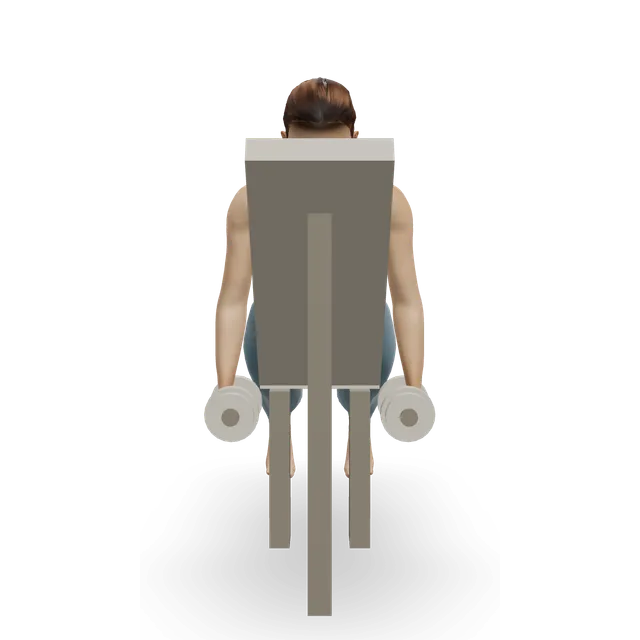
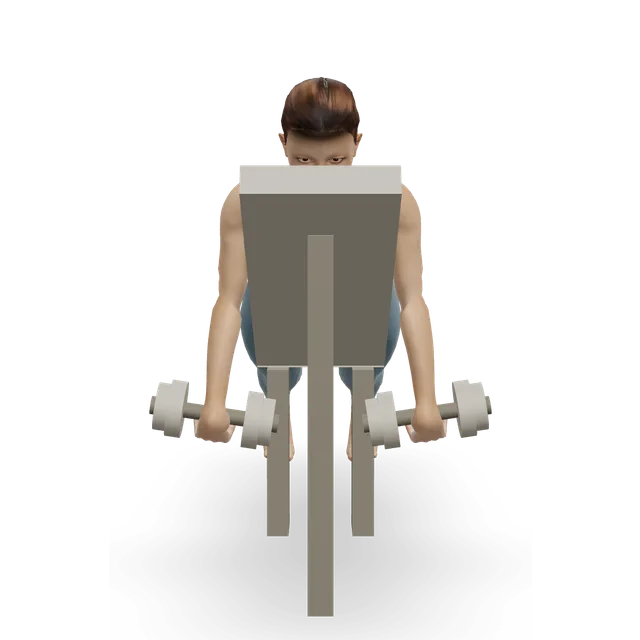
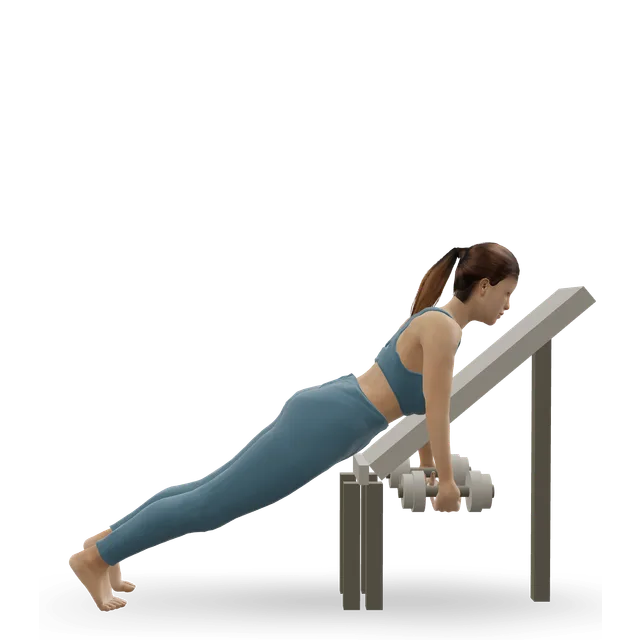
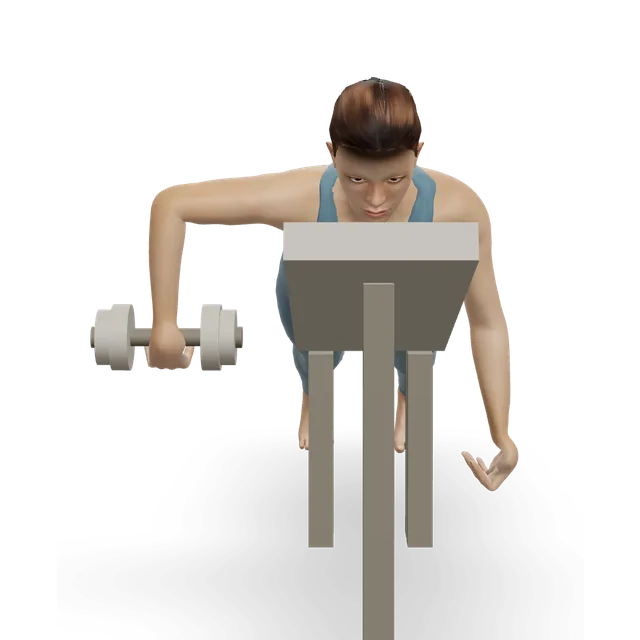
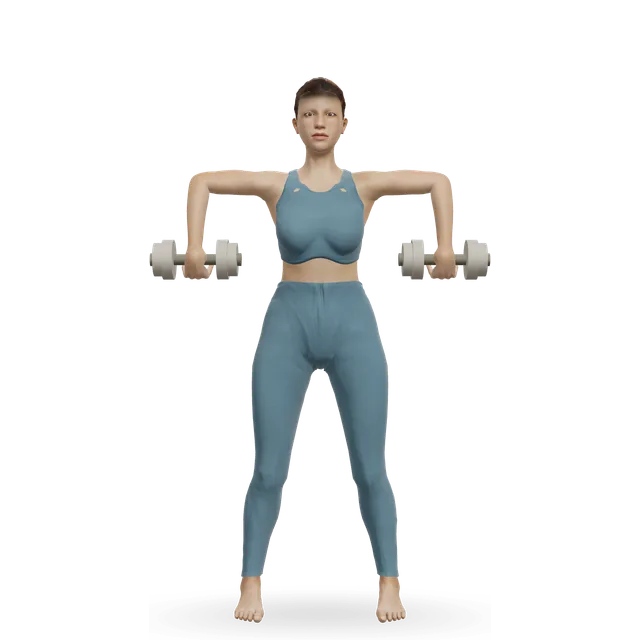
Lie chest down on a bench set to a low incline, arms hanging, and raise light dumbbells (0.5 to 2 kg) into the same three shapes, 2 sets of 8 to 10 of each letter (our editorial starting point). We found no study of the bench version. Lifting light weights (1.8 kg) on all fours, the lower trapezius reached 49% of maximum in 14 young adults, and the balance between the upper and lower trapezius was similar to lying face down and better than standing. Our demos of the incline reverse fly show the bench T, the reverse fly with an outward turn shows the bench W, and the prone shoulder-blade squeeze shows the set-up.

Source 37

Standing band Y-T-W (no 3D demo)

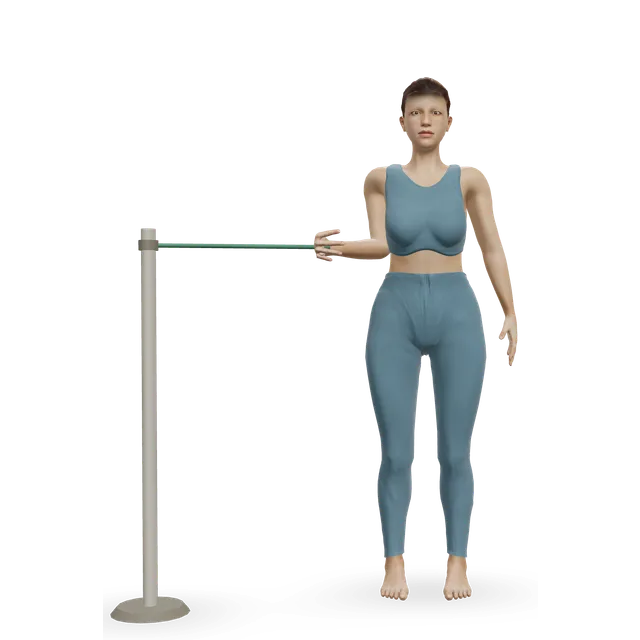
Anchor a band in front of you at shoulder height or low down and make the same shapes standing. A 12-week trial in swimmers used standing T and Y raises, 2 sets of 10, 5 seconds up and 5 seconds down, and a handball warm-up used band Y-raises from a low anchor, 2 or 3 sets of 15 to 30 seconds. Standing raises the upper trapezius's share, though a well-set band version can match the balance of lying ones. Our band pull-apart demo shows the T, the face pull shows the W, and the scaption raise shows the Y's arm path.

Sources 38, 39, 5, 40

Holds

Holding each shape at the top is the easiest way to make them harder without weights. An NHS trust leaflet holds for 5 seconds; ACE uses holds of 5 to 10 seconds, 2 to 4 of each letter. Holds use the same demo as the full move.

Sources 1, 2

The L of "YTWL"

A fourth shape that turns your forearms up from bent elbows, an outward rotation for the rotator cuff. Our prone dumbbell external rotation shows the version with the arm raised to the side. In 10 people, outward rotation lying on your side drew the most activity of seven exercises in two of the cuff muscles that turn the arm out (62% and 67% of maximum).

Source 20

Build up: from wall angels to face pulls

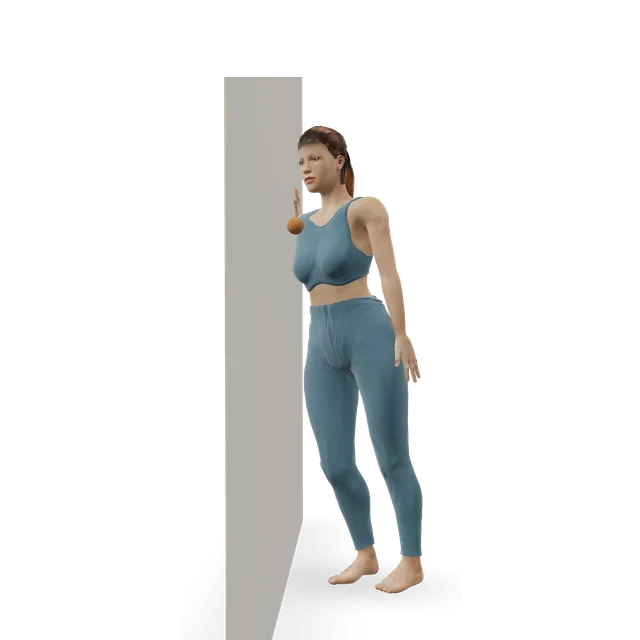
Wall angels, 8 slow slides (our wall angel guide, editorial). Y-T-W raises with the W and T only, 5 of each (our Pilates for shoulder pain workout), then all three letters, 5 to 8 of each, 2 rounds (our rounded shoulders guide, editorial), then holds. Prone swimmers, 4 or 5 slow circles, 2 rounds (the move page's dose). The incline reverse flys and the prone shoulder-blade squeeze (2 to 3 sets of 8 to 12, holding each squeeze for a second: the move page's dose) for the bench version. Band pull-aparts and face pulls, 2 to 3 sets of 12 to 15 (our rounded shoulders guide).

What they can and can't do for posture

Programmes change posture measuresEmerging evidence

Across 28 small trials (901 people, mostly teenagers and young adults), corrective exercise programmes changed the forward shoulder angle by a large amount on average (moderate certainty, with very different results between trials), but their effects on function and pain were inconclusive. In 23 studies of 969 healthy people, strengthening changed upper-back and neck posture and stretching didn't. A 2026 review rated the evidence for forward head posture low to very low.

Sources 8, 9, 41, 42, 43, 44

The one Ts, Ys and Ws trial changed nothing measuredEmerging evidence

44 Division I swimmers added tubing Ts, Ys and Ws with six other shoulder exercises, 3 times a week for 6 weeks. The authors report "no significant between-groups differences in strength variables", and the way the shoulder blades moved didn't change either. It's one small trial, but it's the only one built on these shapes.

Source 10

Swimmers and teenagers: small changes that fadedEmerging evidence

8 weeks of training improved forward head and shoulder measures in 28 swimmers, and 6 weeks reduced the shoulder's distance from the wall by 9.6 mm, against 2.0 mm in those who didn't do the programme, in 39 teenage swimmers (not randomised). In 130 teenagers, 16 weeks of strength and stretching work in PE lessons improved head and shoulder angles but not shoulder pain, and 16 weeks after stopping the gains were gone. In 68 people with shoulder impingement, a programme including face-down T, Y and W work on a ball improved posture more than standard physiotherapy, but pain didn't differ.

Sources 45, 46, 47, 48, 49

Strength doesn't set where your shoulder blades sitMixed evidence

Studies "have failed to detect a significant association between muscle strength and scapular position". In 20 people, 6 weeks of stretching and strengthening made the upper trunk more upright, but "Resting scapular posture did not change". In people with uneven shoulder blade movement, a review of 20 studies found "a lack of evidence for beneficial effects of exercise in improving scapular position and motion".

Sources 11, 50, 51

Posture isn't a reliable cause of painEmerging evidence

Across 10 studies, upper-back rounding didn't differ between people with and without shoulder pain. Adults with neck pain held their heads a little further forward in snapshot studies, but teenagers didn't, posture types didn't change the odds of neck pain in 1,108 teenagers, and in 686 young people followed to the age of 22, relaxed postures were "protective of neck pain compared with upright posture".

Sources 12, 52, 53, 13

There's no single correct postureStrong evidence

"There is no perfect posture or right or wrong desk set up", says the Chartered Society of Physiotherapy (CSP), and an NHS trust leaflet puts it as "There is NO 'correct' posture". Most physiotherapists still pick upright postures as best, despite a lack of strong evidence. Moving and changing position often matters more than finding one position.

Sources 54, 55, 56, 57

A caution on one often-quoted study

A small trial often cited for face-down Y and W work in "upper crossed syndrome" (30 men, 4 weeks) measured skin temperature over the neck, not posture or pain, so it can't show that Y-T-W raises fix posture.

Source 58

Shoulder pain and Y-T-W raises

Shoulder blade exercise helps a little, not by fixing postureEmerging evidence

In 8 trials of 387 people with pain at the top of the shoulder, shoulder blade exercise eased pain a little more than comparison treatments. In another review, pain with activity improved by about 0.9 points out of 10 more in the short term, with no difference at follow-up and no change in forward shoulder posture; a third found a benefit "up to six weeks but this benefit is not apparent by 3 months". Across 14 studies the certainty was low to very low, and exercise didn't reliably change how the shoulder blade sits or moves.

Sources 14, 15, 59, 60, 51

No better than general shoulder strengtheningMixed evidence

In 60 people with shoulder pain, adding shoulder blade stabilisation work to a shoulder blade strengthening programme made "no between group differences", and across 22 trials of 1,281 people it's still uncertain whether shoulder-blade-focused exercise beats general exercise. Y-T-W raises are a reasonable part of a shoulder programme, not a treatment of their own.

Sources 16, 61

Part of programmes that protected athletes' shouldersEmerging evidence

A warm-up programme of five exercises, including band Y-raises and the push-up plus, cut shoulder injuries by 56% in adolescent elite handball players (199 players against 212 without it), though players managed only 1.3 sessions a week of the 3 asked. In 30 competitive swimmers, a 12-week programme including standing T and Y raises kept rotator cuff strength through a season better than sham work. Both were whole programmes, so the Y-T-W shapes can't be singled out.

Sources 39, 38

The shoulder rule

Keep shoulder pain to about 5 out of 10 or less during the exercise, back to its usual level by your next session, as our shoulder guides advise. A sharp pinch means lower, lighter or stop.

W and T first, Y when overhead is comfortable

With shoulder impingement, the NHS says not to carry on with activities that involve repeatedly lifting your arm above your head. Start with the W and T, add the Y when lifting overhead is comfortable, and follow our shoulder pain or shoulder impingement guide for the rest of the plan.

Source 62

How many and how often

Start

5 to 8 of each letter, 2 rounds, with 30 to 60 seconds between rounds, 2 or 3 times a week on days apart (our rounded shoulders and neck pain guides; our editorial starting point, as the move page gives no dose).

Build

2 or 3 rounds of 8 to 10 of each letter with a 2 to 5 second hold at the top (our editorial next step). Sourced doses beside it: an NHS trust leaflet's face-down Y and W, "Hold 5 seconds", 5 reps, 3 sets, "3 to 4 times per week, with at least 1 day off in between"; ACE's holds of 5 to 10 seconds, 2 to 4 of each letter; another NHS service's kneeling Y, T and W, 2-second holds, 4 to 6 reps, 3 times a day; the swimmer trial's 2 sets of 10, 5 seconds up and 5 down, twice a week; and a coaching source's 1 to 3 sets of 5 to 10 of each shape.

Sources 1, 2, 7, 38, 63

Effort

You don't need to go to failure. Our plans let the last set of small moves stop 0 to 2 reps short; with Y-T-W raises, end the set when the lift gets smaller or your shoulders creep up towards your ears.

Source 64

Harder

Longer holds first, then a light weight in each hand (0.5 to 1 kg, or a tin of beans; one NHS service moves on to 1 to 3 kg once the exercise "becomes easy"), or the bench version with light dumbbells, or the standing band version. Don't make them your only back exercise: rows let you add load more easily, as our band pull-apart guide says.

Sources 7, 6

How long

Posture trials ran 3 to 16 weeks, and the gains faded after training stopped; shoulder pain trials ran 6 to 12 weeks. Judge progress by how you feel and move, not by a photo, as our wall angel guide says.

Source 48

Discomfort

An NHS neck exercise leaflet expects any discomfort to ease "within 2 hours of finishing the exercise". With a sore shoulder, use the shoulder rule above instead.

Source 1

Common mistakes

Shrugging

The upper trapezius takes over. Set your shoulder blades in and down first and keep your shoulders away from your ears.

Sources 3, 1

Lifting your head or looking forward

Keep your forehead on the towel, as our move page says. A physiotherapist points out that holding your head up recruits the upper trapezius.

Source 65

Arching your lower back to lift higher

The lift is small. ACE accepts some lower-back extension, but lifting higher by arching hands the work to your back (our editorial advice).

Source 2

Thumbs down in the T

Less lower trapezius work. Point your thumbs to the ceiling.

Source 4

Elbows above your body in the W

The NHS leaflet says "Do not lift your elbows above your body"; keep them a little below shoulder height.

Source 1

Going fast

Lift and lower slowly; the swimmer trial used 5 seconds each way.

Source 38

Adding weights too early

Master the shapes and holds first; the NHS sheet adds weights only when the exercise becomes easy.

Source 7

Moves that go with them

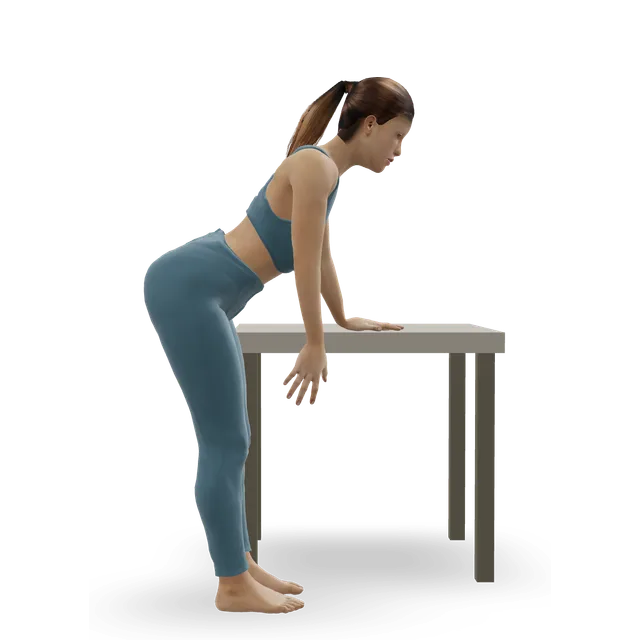
Shoulder CARs, 3 slow circles each way with each arm, and thoracic rotations, 6 each side, as a warm-up (the move pages' doses). Foam roller thoracic extension, 5 to 8 slow breaths at each of 3 or 4 spots (the move page's dose; skip it with osteoporosis unless cleared, as our upper back mobility routine says). Band rows, 3 sets of 10 to 15 (the move page's dose). The push-up plus and standing band external rotation, 2 to 3 sets of 10 and of 12 to 15 (our rounded shoulders guide). Prone dumbbell external rotation for the L, 3 sets of 8 to 15 with a light dumbbell (the move page's dose). Chin tucks, 10 (our upper back mobility routine). The bird dog, 6 each side (our Pilates for posture workout), when lying face down isn't comfortable.

Workouts

The upper back mobility routine does 2 rounds of chin tucks, wall angels, Y-T-W raises (5 of each letter) and band pull-aparts in 12 minutes. The shoulder care routine for swimmers uses the swimmer trial's T and Y, 2 sets of 10, 5 seconds each way; the Pilates for shoulder pain workout starts with the W and T.

Upper back mobility routine

A 12-minute routine for a stiff upper back and rounded shoulders: chin tucks, wall angels, Y-T-W raises and open books.

12 minBeginner8 movesA foam roller, A wall

Shoulder mobility and rotator cuff routine (with a band)

A 25-minute band routine for healthy shoulders: move the shoulder and upper back through their range, then strengthen the rotator cuff and shoulder blades.

25 minBeginner12 movesA wall, A band

Neck and shoulder strength routine

Deep neck holds and shoulder-blade strength in under 20 minutes: one of the best-supported kinds of exercise for a stiff, sore neck.

18 minBeginner11 movesA band, An anchor point

Upper body workout at home

An upper body workout at home with no gym: push-ups, band rows, pike push-ups, face pulls, close-grip push-ups and Y-T-W raises, with dumbbell options.

30 minIntermediate13 movesA band, An anchor point

Chest release routine: press, stretch, strengthen

A tight chest from desk work or pressing: a minute of ball release each side, a doorway stretch, then the back and shoulder-blade work that changed posture.

12 minBeginner7 movesA massage ball, A wall

Step-by-step Pilates for a sore shoulder: a 20-minute class

A 20-minute Pilates class for a sore shoulder: gentle range first, then shoulder-blade and rotator cuff strength, then light weight on the arms, in steps.

20 minBeginner15 movesA bench or box, Other / check instructions

Shoulder care routine for swimmers

A 20-minute rotator cuff and shoulder-blade routine for swimmers, from a 12-week trial in competitive swimmers, plus a daily cross-body stretch.

20 minBeginner9 movesA wall, A dumbbell

Kyphosis exercises for seniors: a spine-strengthening routine

A 30-minute routine for a rounded upper back in later life, built from the SHEAF trial: floor back-strengthening, posture practice and gentle mobility.

30 minBeginner13 movesA bench or box, A wall

Who should change them

A sore or stiff shoulder

W and T first, a small range below any pinch, within the shoulder rule; follow our shoulder pain or impingement guide.

After a dislocation or surgery

After a recent shoulder dislocation, or shoulder or elbow surgery, follow your surgical team's limits first.

Neck pain

Keep your forehead on the towel and the lifts small; our neck pain guide has the rest of the plan.

A very rounded upper back

A smaller Y, or the W and T only, as our kyphosis workout does.

Osteoporosis

Keep the lifts small and controlled, without arching your back to lift higher (our editorial advice); our kyphosis guide has more.

Pregnancy

Face down suits early pregnancy; as your bump grows, swap to the bird dog on all fours or the standing band version, and stop if you feel uncomfortable, too hot or unwell.

Source 24

Warning signs

Stop and get medical help

If you get chest pain or pressure, feel faint or dizzy, are unusually breathless, or your heart races or beats irregularly during exercise, as our plans advise. The American Heart Association says these need immediate medical evaluation.

Source 66

Call 999 (911 in the US)

For chest pain that comes on suddenly and doesn't go away, feels tight or like squeezing, spreads to your arms, neck, jaw, stomach or back, or comes with sweating, feeling sick, light-headedness or breathlessness; arm pain that comes on suddenly with pressure, heaviness or squeezing across your chest; severe difficulty breathing, or a chest that feels tight or heavy; someone who faints while exercising; palpitations that don't go away, or come with chest pain, shortness of breath or feeling faint; or a headache that starts suddenly and is extremely painful, especially while lifting or straining. The NHS says a bleed on the brain may be more likely when lifting something heavy. Don't drive yourself to A&E.

Sources 67, 68, 69, 70, 71, 72, 73, 74

A headache with effort

Ask for an urgent GP appointment or get help from NHS 111 for a headache that's triggered or made worse by coughing, sneezing, bending down or exercising.

Source 73

Your shoulder

Ask for an urgent GP appointment or get help from NHS 111 for sudden or very bad shoulder pain, an arm you can't move, a shoulder that has changed shape or is badly swollen, pins and needles that don't go away, no feeling in your arm or shoulder, an arm or shoulder that's hot or cold to touch, pain after an injury or a fall, severe pain in both shoulders, or feeling feverish or unwell. Go to A&E if, after an injury, you can't move your arm or your shoulder looks out of place or has changed shape. See a GP if shoulder pain is getting worse or hasn't improved after 2 weeks.

In the US, contact your doctor or urgent care. While your shoulder is sore, the NHS says not to make up your own strenuous exercises or use heavy gym equipment.

Source 75

Your neck and arms

See a GP if neck pain comes with other symptoms, like pins and needles or a cold arm, as the NHS says.

Stop if your fingers tingle or go numb: that's a nerve, not a tired muscle, as our grip strength guide says.

Source 76

Your upper back

See a GP if back pain is coming from the top of your back, between your shoulders, as the NHS advises.

Source 77

Sore, or hurt?

Muscle soreness for a day or two after a new or harder session is common and fades. Sharp pain, or pain that builds during a set or lingers into the next day, isn't: swap to an easier version, and see a clinician if it persists, as our plans advise. The NHS says to stop exercising straight away if you feel any pain or become unwell, and to get help from 111 if symptoms worry you or don't go away.

Source 78

Before you start

Speak to your GP first if you haven't exercised for some time or have medical conditions or concerns, as the NHS advises. Get advice before hard or straining work if your blood pressure is uncontrolled (140/90 or higher at a clinic, or 135/85 at home), or you have heart disease or chest pain when you're active, a pacemaker or defibrillator, diabetic eye disease, glaucoma, a hernia, recent eye or tummy surgery, or you're pregnant, as our breathing guide lists.

With controlled high blood pressure, the American Heart Association considers low- to moderate-intensity strength training with proper breathing safe. Breathe out as you lift, as our breathing guide advises.

With a pacemaker or defibrillator, the American Heart Association asks you to check with your doctor before upper-body strength training, because repeated arm movements can damage or dislodge the leads.

Sources 79, 80, 66

Myths

"Y-T-W raises fix rounded shoulders"Emerging evidence

No trial has tested them on their own for posture, and the one trial built on Ts, Ys and Ws changed neither strength nor shoulder blade movement. Mixed strengthening programmes change photo measures over weeks, but strength doesn't set where your shoulder blades sit at rest, the gains faded after training stopped, and pain didn't clearly change. They're a reasonable part of a programme with rows and face pulls, not a fix.

Sources 10, 8, 11, 50, 48

"You need weights to strengthen your shoulder blades"Emerging evidence

Lying face down, your arms' own weight worked the lower trapezius at about 46 to 57% of its maximum, and NHS and ACE programmes use no equipment. Weights add work once the shapes are easy.

Sources 4, 1, 2, 6

"Bad posture causes neck and shoulder pain"Emerging evidence

As a general claim, no: upper-back rounding didn't differ between people with and without shoulder pain, and slumped postures didn't predict later neck pain in 686 young people. "There is no perfect posture", as the CSP says.

Sources 12, 13, 54

"Y-T-W raises cure shoulder impingement"Mixed evidence

Shoulder blade exercise helps shoulder pain a little in the short term, but not by fixing posture or shoulder blade position, and adding it to general shoulder strengthening added nothing in the best trial. Use them inside our impingement guide's plan.

Sources 15, 59, 14, 16

"Lift as high as you can"

The lift is small. Going higher by arching your back, shrugging or lifting your head hands the work to the wrong muscles.

Sources 5, 65

"Standing band Y-T-Ws are the same as lying ones"Emerging evidence

Partly. Standing versions raise the upper trapezius's share, especially as your arms pass shoulder height, though a well-set band version can match the balance of lying ones. Both are fine; lying is the gentler start.

Sources 5, 40

Questions people ask

What are Y-T-W raises?

A shoulder blade exercise done lying face down: you lift your arms a few centimetres off the floor in a Y (overhead and out), a T (out to the sides) and a W (elbows bent and drawn down). They work the muscles between and below your shoulder blades, with your arms' weight as the load.

How do you do Y-T-W raises?

Lie face down with your forehead on a folded towel. For each letter, draw your shoulder blades down and towards your spine, turn your thumbs up, lift your arms a few centimetres, hold for a moment and lower slowly. Keep your neck long and your lower back quiet.

What muscles do Y-T-W raises work?

The lower and middle trapezius most (the Y favours the lower, the T and W the middle), plus the rhomboids, the back of the shoulders and the rotator cuff, with little upper trapezius. In one study the arm's weight alone worked the lower trapezius at about 46 to 57% of its maximum. These studies measure effort, not what a muscle builds.

Do I need weights for Y-T-W raises?

No. Your arms are the load, and NHS and ACE programmes do them without equipment. When the shapes are easy, hold longer, then add a very light weight or try the bench or band version.

How many Y-T-W raises should I do?

Start with 5 to 8 of each letter, 2 rounds, 2 or 3 times a week. Build to 2 or 3 rounds of 8 to 10 with a 2 to 5 second hold; an NHS trust leaflet uses 5-second holds, 5 reps and 3 sets, 3 to 4 times a week.

Do Y-T-W raises fix posture or rounded shoulders?

Not on their own, as far as anyone has tested. Strengthening programmes change measured posture a little over weeks, but a 6-week Ts, Ys and Ws programme changed nothing it measured in swimmers, and posture isn't a reliable cause of pain. Use them with rows and face pulls, as our rounded shoulders guide does.

Are Y-T-W raises good for shoulder pain?

They're a reasonable part of a shoulder programme: shoulder blade exercise helps shoulder pain a little in the short term, but not by fixing posture. Start with the W and T, add the Y when lifting overhead is comfortable, keep pain to about 5 out of 10 or less, and follow our shoulder pain guide.

Floor or bench Y-T-W raises: which is better?

The floor version is the easiest to start and needs nothing; on an incline bench your arms can hang lower and you can hold light dumbbells. We found no study of the bench version, so choose by comfort, and keep your chest on the pad and your neck long.

Can I do Y-T-W raises standing with a band?

Yes: anchor a band low or at shoulder height in front of you. Standing raises the share of the shrugging muscle, but standing band T and Y raises were part of a swimmer trial and of a handball warm-up that cut shoulder injuries.

What is the L in YTWL?

A fourth shape: elbows bent, turning your forearms up, an outward rotation for the rotator cuff. Our prone dumbbell external rotation shows the version with the arm raised to the side.

Why do my neck or traps hurt during Y-T-W raises?

Usually you're lifting too high, shrugging or lifting your head. Keep your forehead on the towel, lift only a few centimetres and draw your shoulder blades down first; turning your thumbs up helps the lower trapezius take over.

Can I do Y-T-W raises every day?

Light daily sets are fine if your shoulders feel normal, and one NHS service uses them 3 times a day, but no study shows daily is better. Two or three times a week is plenty for strength.

Sources

  1. Wrightington, Wigan and Leigh Teaching Hospitals NHS Foundation Trust 2024 · Neck and upper back exercises, level 3 (physiotherapy leaflet past its review date: expiry January 2026)
  2. American Council on Exercise · Prone scapular stabilisation series: the I, Y, T, W and O (exercise library)
  3. Physitrack · Prone T with thumbs up, and the prone T, Y and W combination (exercise videos)
  4. Lim 2015 · Trapezius activity in the face-down T at different arm angles and rotations, 16 men (EMG study, J Phys Ther Sci)
  5. Schory 2016 · Which exercises give the best balance of shoulder blade muscles: 15 studies (systematic review, Int J Sports Phys Ther)
  6. Castelein 2016 · Shoulder blade muscle activity during arm raises, with and without load (EMG study, J Orthop Sports Phys Ther)
  7. Warrington NHS musculoskeletal physiotherapy (OCATs) · Neck strengthening exercises (patient advice sheet)
  8. Khorramroo 2026 · Corrective exercise for upper crossed syndrome: posture changes without consistent benefits for pain or function, 28 trials (systematic review and meta-analysis, BMC Sports Sci Med Rehabil)
  9. Warneke 2024 · Stretching or strengthening for spinal posture: 23 studies (systematic review and meta-analysis, Sports Med Open)
  10. Hibberd 2012 · A 6-week strengthening programme with Ts, Ys and Ws in 44 college swimmers: strength and shoulder blade movement (randomised trial, J Sport Rehabil)
  11. Hrysomallis 2010 · Can strengthening and stretching correct protruding shoulder blades? (review, J Strength Cond Res)
  12. Barrett 2016 · Is upper-back posture linked to shoulder pain, movement and function? 10 studies (systematic review, Man Ther)
  13. Richards 2021 · Neck posture at 17 and neck pain at 22: 686 young people followed up (cohort study, Phys Ther)
  14. Zhong 2024 · Shoulder blade stabilisation exercise for subacromial pain: 8 trials, 387 people (systematic review and meta-analysis, Front Neurol)
  15. Saito 2018 · Shoulder-blade-focused treatment for subacromial pain: short-term pain and function (systematic review and meta-analysis, Physiother Theory Pract)
  16. Hotta 2020 · Adding shoulder blade stabilisation to shoulder blade strengthening for subacromial pain, 60 people (randomised trial, Musculoskelet Sci Pract)
  17. Ekstrom 2003 · Trapezius and serratus anterior activity in 10 shoulder exercises, 30 people (EMG study, J Orthop Sports Phys Ther)
  18. Cools 2007 · Which exercises balance the upper, middle and lower trapezius? 45 people (EMG study, Am J Sports Med)
  19. Berckmans 2021 · Shoulder blade exercises measured with fine-wire electrodes, including the rhomboids and levator scapulae (EMG study, Am J Sports Med)
  20. Reinold 2004 · Rotator cuff and deltoid activity in 7 outward rotation exercises, 10 people (EMG study, J Orthop Sports Phys Ther)
  21. Reinold 2007 · Supraspinatus and deltoid activity in 3 common shoulder exercises, 22 people (EMG study, J Athl Train)
  22. Hwang 2026 · The Y-raise with a band squeeze in people with and without rounded shoulders, 32 young adults (EMG study, Physiother Theory Pract)
  23. Bayattork 2024 · Shoulder blade exercises in 30 men with upper crossed syndrome (EMG study, J Bodyw Mov Ther)
  24. NHS · Exercise in pregnancy
  25. Kinney 2008 · Trapezius activity in face-down arm raises at different angles, 32 adults (EMG study, Phys Ther Sport)
  26. Adachi 2022 · Shoulder blade exercises with whole-body movement, fine-wire and surface electrodes, 16 men (EMG study, Orthop J Sports Med)
  27. Mendez-Rebolledo 2024 · Shoulder blade muscle activity in 5 common rehabilitation exercises, 27 adults (EMG study, Am J Phys Med Rehabil)
  28. Yu 2024 · Arm rotation changes trapezius activity in horizontal abduction, 15 men (EMG study, Int J Sports Med)
  29. Arlotta 2011 · Exercises that target the lower trapezius, 18 adults (EMG study, J Electromyogr Kinesiol)
  30. Andersen 2012 · Shoulder blade muscle activity in strengthening exercises at low and high effort, 17 women (EMG study, J Strength Cond Res)
  31. Yu 2023 · Shoulder blade cues and trapezius activity in the Y exercise, 15 men (EMG study, J Back Musculoskelet Rehabil)
  32. De Mey 2013 · Consciously correcting the shoulder blade during shoulder exercises in 30 overhead athletes (EMG study, J Orthop Sports Phys Ther)
  33. Caylan Gurses 2026 · Tightening the stomach muscles during face-down shoulder blade exercises, 30 adults (EMG study, J Athl Train)
  34. Song 2026 · Abdominal bracing and hollowing during the standing band Y-raise, 36 adults with rounded shoulders (EMG study, J Clin Med)
  35. Andersen 2010 · Dumbbells against elastic tubing at matched effort in rehabilitation exercises, 16 women (EMG study, Phys Ther)
  36. Vigotsky 2022 · Muscle activity measured in one session doesn't predict muscle growth (review, Sports Med)
  37. Tsuruike 2019 · Shoulder blade muscle activity in arm raises standing, on all fours and lying, 14 young adults (EMG study, Int J Sports Phys Ther)
  38. Tavares 2025 · Shoulder exercise programmes and rotator cuff strength in 30 competitive swimmers over 12 weeks (randomised trial, Healthcare (Basel))
  39. Asker 2022 · Shoulder and knee warm-up programmes and injuries in adolescent elite handball players (cluster randomised trial, Sports Med Open)
  40. Ishigaki 2014 · Exercises for balanced shoulder blade muscle activity standing (EMG study, J Phys Ther Sci)
  41. Sheikhhoseini 2018 · Exercise for forward head posture (systematic review and meta-analysis, J Manipulative Physiol Ther)
  42. Sepehri 2024 · Exercise for forward head, rounded shoulders and hyperkyphosis in upper crossed syndrome (systematic review and meta-analysis, BMC Musculoskelet Disord)
  43. González-Gálvez 2019 · Exercise programmes and the kyphosis and lordosis angles (systematic review and meta-analysis, PLoS One)
  44. Carrasco-Uribarren 2026 · Exercise and the neck angle in forward head posture: 13 trials (systematic review and meta-analysis, J Man Manip Ther)
  45. Lynch 2010 · An 8-week exercise programme for forward head and rounded shoulders in 28 elite swimmers (randomised trial, Br J Sports Med)
  46. Kluemper 2006 · Stretching and strengthening for forward shoulder posture in competitive swimmers (controlled trial, J Sport Rehabil)
  47. Ruivo 2017 · Strength and stretching in PE lessons for forward head and shoulder posture, 130 teenagers (randomised trial, J Manipulative Physiol Ther)
  48. Ruivo 2016 · What happens to posture gains when teenagers stop training (randomised trial, Man Ther)
  49. Moezy 2014 · Shoulder blade stabilisation exercise for pain and posture in 68 people with shoulder impingement (randomised trial, Med J Islam Repub Iran)
  50. Wang 1999 · Six weeks of stretching and strengthening and shoulder blade position and movement, 20 people (study, Arch Phys Med Rehabil)
  51. Nodehi Moghadam 2020 · Can exercise change shoulder blade position and movement in scapular dyskinesis? 20 studies (systematic review, J Shoulder Elbow Surg)
  52. Mahmoud 2019 · Forward head posture and neck pain (systematic review and meta-analysis, Curr Rev Musculoskelet Med)
  53. Richards 2016 · Neck posture types and neck pain in 1,108 Australian teenagers (cohort study, Phys Ther)
  54. Chartered Society of Physiotherapy · Desk-based exercises: there is no perfect posture (patient information)
  55. South Tees Hospitals NHS Foundation Trust 2024 · Posture reframed (patient leaflet)
  56. Slater 2019 · "Sit up straight": time to re-evaluate (viewpoint, J Orthop Sports Phys Ther)
  57. Korakakis 2019 · What physiotherapists think is the best sitting and standing posture (survey, Musculoskelet Sci Pract)
  58. Bae 2016 · Trapezius strengthening and neck stretching in upper crossed syndrome, 30 men: neck skin temperature (study, J Phys Ther Sci)
  59. Bury 2016 · Shoulder-blade-focused treatment for rotator cuff related shoulder pain (systematic review and meta-analysis, Man Ther)
  60. Brasileiro 2025 · Shoulder blade stabilisation exercise for shoulder impingement: 14 studies (systematic review and meta-analysis, Phys Sportsmed)
  61. Lafrance 2024 · Exercise for rotator cuff related shoulder pain by type, dose and frequency (systematic review and meta-analysis, J Orthop Sports Phys Ther)
  62. NHS · Shoulder impingement
  63. Catalyst Athletics · YTW (exercise library)
  64. Refalo 2023 · Training close to failure and muscle growth (systematic review and meta-analysis, Sports Med)
  65. Reinold · Why I do not like YTWL shoulder exercises (a physical therapist's blog)
  66. Paluch 2024 · Resistance training with and without heart disease: 2023 update (American Heart Association scientific statement, Circulation)
  67. NHS · Chest pain (past its review date: reviewed August 2023, review due August 2026)
  68. NHS · Heart attack
  69. NHS · Elbow and arm pain
  70. NHS · Shortness of breath
  71. NHS · Fainting
  72. NHS · Heart palpitations
  73. NHS · Headaches
  74. NHS · Subarachnoid haemorrhage
  75. NHS · Shoulder pain (past its review date: reviewed May 2023, review due May 2026)
  76. NHS · Neck pain (past its review date: reviewed April 2023, review due April 2026)
  77. NHS · Back pain
  78. NHS · How to warm up before exercising
  79. NHS · Physical activity guidelines for adults aged 19 to 64
  80. NHS · High blood pressure

Exercise education, not a personal prescription, and clinical review of these guides is pending. Check with a GP before starting hard training if you have a heart condition, chest pain, dizziness or breathlessness when active, and stop for sharp or increasing pain. Health disclaimer.