Foam rolling & fascia
Chest release routine: press, stretch, strengthen
A ball on the chest muscle and a doorway stretch give a few minutes of easier movement; the rows and pull-aparts are the kind of strength work that changed shoulder posture in trials, which chest stretching on its own didn't. This is for a tight chest muscle, not chest pain: chest pain, tightness that spreads to your arm, neck or jaw, or breathlessness need a 999 call, not a ball.
Press (optional)
- Chest ball release (against a wall)45 to 60 s each sideBeginner · Chest, Shoulders · 3D demoBelow the collarbone, on muscle, never in the armpit. Skip it over breast implants, a pacemaker or port, after recent chest surgery or with costochondritis
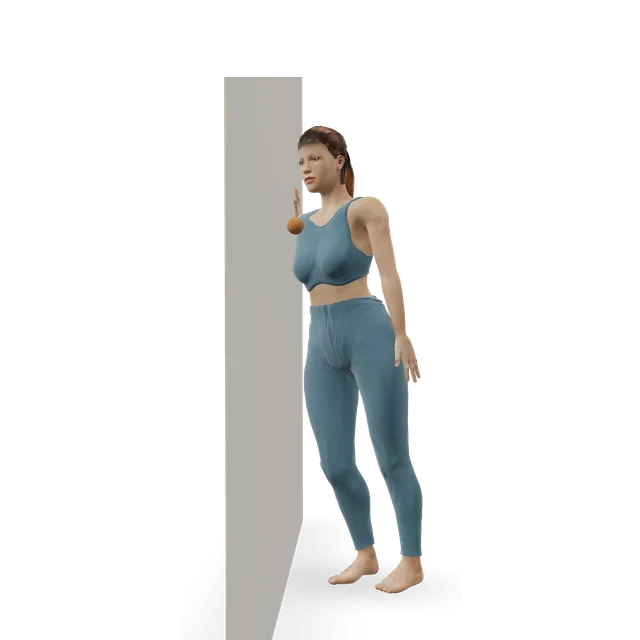
Stretch
- Doorway chest opener2 holds of 30 s each sideBeginner · Chest, Shoulders · 3D demoElbow at shoulder height; ease off for tingling or a pinch at the front of the shoulderEasier: Elbows backHarder: Fish pose (Matsyasana)
- Side-lying open book8 to 10 slow openings each sideBeginner · Back, Chest, Shoulders · 3D demoPause for 2 seconds at the endHarder: Thoracic rotation


Strengthen
- Band row3 sets of 10 to 15Beginner · Back, Biceps, Shoulders · 3D demoStop 2 or 3 reps short of failureHarder: Supported single-arm dumbbell row
- Band pull-apart2 sets of 12 to 15Intermediate · Shoulders, Back · 3D demoEasier: Prone Y-T-W raisesHarder: Tuck back lever
- Prone Y-T-W raises2 rounds of 5 of each letterBeginner · Back, Shoulders, Neck · 3D demoLight: thumbs up, shoulders away from your earsEasier: Wall angelHarder: Bent-over reverse fly



Finish
- Wall angel8 slow repsBeginner · Back, Shoulders · 3D demoEasier: Table slide (seated forward reach)Harder: Prone Y-T-W raises

Tips
- The extra ease from pressing and stretching lasts minutes; the strength work is the part that changes posture over weeks. Do this routine 2 or 3 times a week.
- Chest pain is never a release job: call 999 for chest pain that spreads to your arm, neck or jaw, or comes with sweating, sickness or breathlessness, even if your chest is sore to press.
- Don't press over breast implants, a pacemaker or port, a recent operation or a rib injury, or with costochondritis or a sore breastbone.
- After breast cancer surgery or radiotherapy, follow your breast care team's exercises, and ask before any massage.
- With osteoporosis, ask before leaning into a ball on your ribs.
- Stop if tingling spreads into your arm or hand.
The doses are suggested starting points, not a prescription. Choose a range you can control and stop for sharp or increasing pain, numbness or tingling. Get individual advice after an injury or surgery, or if you are pregnant or managing a health condition.
Guides that recommend it
Find more moves like these
More foam rolling & fascia
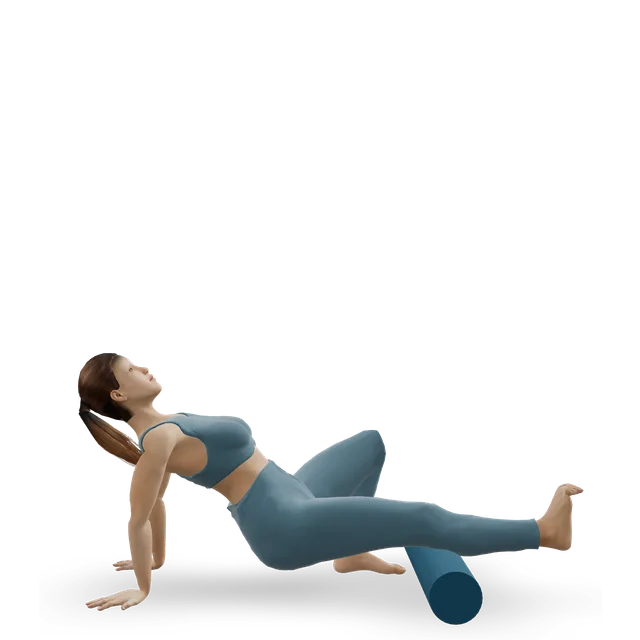
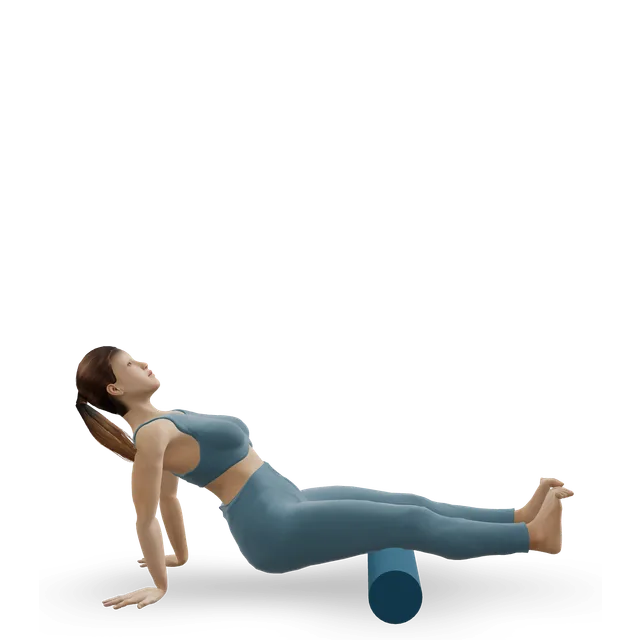
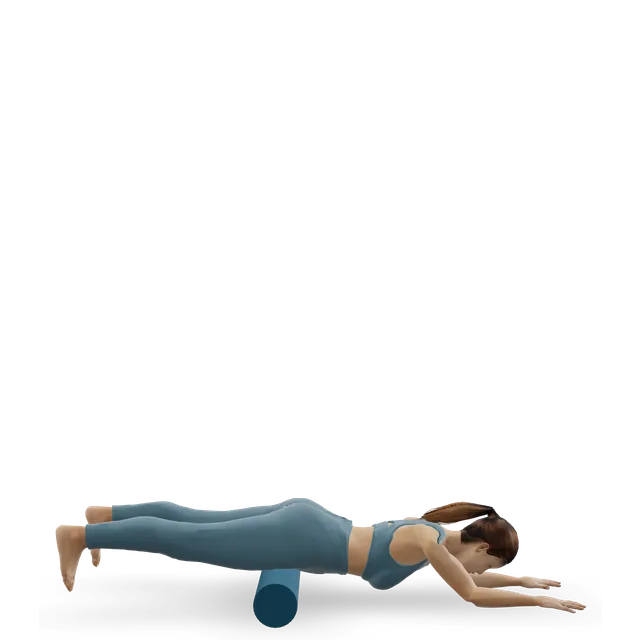
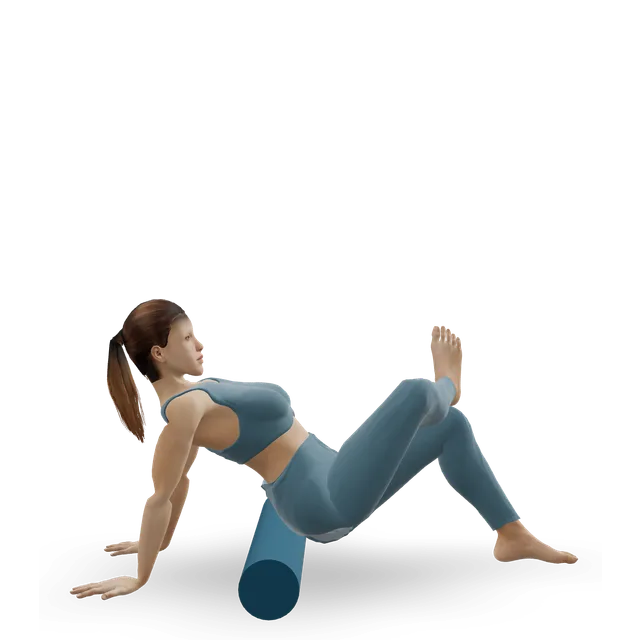
Full-body foam roller routine
A 10-minute foam roller routine for calves, thighs, glutes and upper back: about a minute per area, moderate pressure, slow rolls.
10 minBeginner6 movesA foam roller



Fascia stretching routine
A 12-minute, no-equipment routine of slow long-line stretches, side bends and rotations, moving in many directions.
12 minBeginner10 movesNo equipment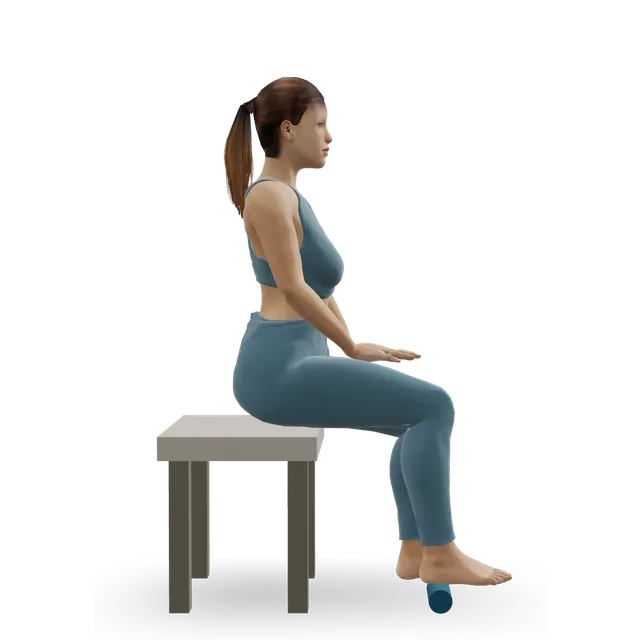


Fascia release for legs
Roll then stretch each part of the leg, feet to hips, and finish with springy calf bounces. About 20 minutes.
20 minBeginner14 movesA massage ball, A foam rollerQuestions people ask
How long does the chest release routine: press, stretch, strengthen take?
About 12 minutes, including any warm-up and cool-down listed. Shorten it by doing fewer rounds; lengthen it by adding one.
What equipment do I need?
You need: A massage ball, A wall, A band, An anchor point. Each move links to its guide, where you can find an alternative if you are missing something.
Is it suitable for beginners?
It is written for beginners. 4 of its 7 moves have an easier option listed beside them if you need one.
How do I make it easier or harder?
Use the easier or harder option listed under each move, change the number of rounds, or adjust the rest. Progress one change at a time.