Fascia guide

Fascia release for the chest: pec release with a ball, doorway stretches, after breast surgery, and chest pain warning signs

Chest release usually means pinning a ball against a wall on the muscle below your collarbone, then stretching in a doorway. It can ease a tight chest for a few minutes, but it doesn't lengthen your pecs or fix rounded shoulders: weeks of stretching didn't lengthen the small chest muscle in trials, and strength work for the back of the shoulders is what changed posture.

The honest headline: chest pain is never a release job. Pain you can press on can still come from your heart, so the warning signs on this page come first, and the ball is only for a tight chest muscle.

This guide shows how to use a ball and a doorway stretch safely, what trials found for tight pecs, rounded shoulders and recovery after breast surgery, where not to press, a routine, and the chest pain signs that need a 999 call.

The short version

A few minutes of easier movement

We found no trial of chest ball release on its own. In small studies, one session of release changed the small chest muscle (pectoralis minor) or shoulder posture briefly, but three sessions in another study changed nothing.

Sources 1, 2, 3

A tight pec isn't a reliable cause of pain

A short pectoralis minor goes with a shoulder blade that tips forward more when you lift your arm, but its length wasn't linked to shoulder pain and disability in 144 people.

Sources 4, 5

Stretching doesn't lengthen it for good

The one-arm doorway stretch lengthens pectoralis minor most while you hold it, but 6 weeks of daily stretching didn't change its resting length, and adding chest stretches to a 12-week shoulder programme added nothing. Strength work is what changed posture in trials.

Sources 6, 7, 8

Chest pain is never a release job

Most chest pain in general practice comes from the chest wall, but up to about 1 in 28 cases is an acute heart problem, and you can't tell which yourself. Follow the warning signs below, even if your chest is sore to press.

Sources 9, 10, 11

After breast cancer surgery, exercise leads

A physiotherapist-led exercise programme improved arm function and pain a year later in 392 women. Myofascial therapy added to physiotherapy didn't improve function, though it eased persistent arm pain for a few months in one trial.

Sources 12, 13, 15

Chest pain first: when to call 999

This page is for a tight chest muscle, not for chest pain. Never treat chest pain yourself.

Call 999

  • Call 999: chest pain that started suddenly, or spreads to your arm, neck or jaw, or your chest feels tight. This could be a heart attack. Do not drive yourself to A&E.
  • Call 999: sudden pain or discomfort in your chest that does not go away (it can feel like squeezing or pressure, burning or indigestion), or chest pain and you feel sweaty, sick, light-headed or short of breath.
  • Call 999: chest pain with difficulty breathing, your heart beating fast, or coughing up blood. This could be a blood clot in the lungs (pulmonary embolism).
  • Call 999: sudden chest or back pain that can feel like something being torn inside, with shortness of breath and problems walking, seeing or speaking.
  • Call 999: you've been diagnosed with angina and have chest pain that does not stop after resting for a few minutes or after taking your angina medicine.

Sources 11, 22, 23, 24

Even if your chest is sore to press

Call 999 for any of these signs even if your chest is sore to press: pain you can press on can still come from the heart or a clot (our suggestion, from the studies in this guide). Our costochondritis guide explains why the heart is checked first.

Source 9

Get help from NHS 111

  • Get help from NHS 111: pain or tightness in your chest, neck, shoulders, jaw or arms that comes and goes, often brought on by exercise, stress, emotion or cold and easing after a few minutes' rest. It can be angina, a sign of a heart problem. If you've been diagnosed with angina, get help from NHS 111 too if it feels worse than before, is happening more often, lasts longer or happens when you're resting.
  • You think you have costochondritis: the NHS says to get chest pain checked to rule out other, more serious conditions.

Sources 24, 22

See a GP

  • Chest pain that comes and goes, or goes away quickly but you're still worried.
  • See a GP if you have a lump or swelling in your breast, chest or armpit, or any change in your breasts or nipples that is not normal for you. The NHS says to always get a breast lump checked by a GP: most are harmless, but some can be serious.

Sources 10, 21

Your chest muscles, and what release changes

The muscles

Pectoralis major is the large, fan-shaped muscle across the front of the chest. Pectoralis minor lies beneath it, running from the upper ribs to the front of the shoulder blade. Nerves and blood vessels to the arm pass beneath pectoralis minor and through the armpit, which is why the ball stays below the collarbone and out of the armpit. Our muscle guides cover both.

"Tight pecs" and rounded shoulders

In 50 healthy people, those with a shorter pectoralis minor had a shoulder blade that stayed tipped forward more as they lifted the arm. But in 144 people, pectoralis minor length wasn't linked to shoulder pain and disability, and a rounded upper back isn't more common in people with shoulder pain. Our rounded shoulders guide covers posture.

Sources 4, 5, 32

What a ball can and can't do

Dense fascia needs far more force than a ball or hands apply to change shape, and reviewers concluded that rolling tools don't work by releasing fascia. What changes is how the area feels and moves for a while, mostly through the nervous system.

Sources 25, 26

Where chest pain comes from

In general practice, the chest wall (muscles, joints and costochondritis) causes 25% to 50% of chest pain, heart disease about 14% to 16%, and a heart attack or other acute heart problem 1.5% to 3.6%. The NHS says most chest pain isn't caused by the heart, but to get advice just in case and not to diagnose yourself.

Sources 9, 10

What the evidence says

One session of pec release: brief, and not alwaysMixed evidence

In 21 active young adults, one session of pectoralis minor self-release with arm movement lengthened the muscle and improved shoulder flexion straight away against a light-touch placebo. In 28 healthy people, one session of soft tissue work and self-stretching reduced rounded-shoulder posture against a placebo, still reduced 2 weeks later. But in 26 people, three 5-minute sessions of self-release or instrument scraping didn't lengthen the muscle or change shoulder range; only skin temperature rose. All three are small, and we read their summaries (abstracts).

Sources 1, 2, 3

Stretching lengthens the muscle while you hold it, not for goodMixed evidence

In 50 people, the one-arm doorway stretch lengthened pectoralis minor by 2.24 cm while held, more than two stretches done by a therapist. But in 50 people, 6 weeks of daily stretching didn't change its resting length, though pain and function improved in those with shoulder pain; in 80 people with shoulder pain, adding pectoralis minor stretches to a 12-week programme added nothing. Across 6 small trials, static stretching alone didn't change its length, while contract-relax stretching and tape changed a length measure by about 1 to 1.5 cm.

Sources 6, 7, 8, 27

Rounded shoulders over a few weeksEmerging evidence

In 52 students with rounded shoulders, 5 sessions of shoulder-blade mobilisation, pectoralis minor self-stretching or both improved the resting position of the shoulder blade equally, against no treatment. Our rounded shoulders guide covers the longer strength programmes that changed posture.

Source 28

Chest wall painEmerging evidence

For recent chest wall pain, a review found that a programme of hands-on care, exercise and advice gave only a small, clinically unimportant pain benefit over one education session. In 115 people, chiropractic care and self-management had the same results a year later.

Sources 29, 30

Where the evidence is thin

We found no trial of chest ball release on its own, or of release for chest tightness from desk work. Most studies were in young, healthy people, over one session or a few weeks.

Chest release against a wall, then stretch and strengthen

Steps 1 to 4 follow the chest ball release move's page, which calls its 45 to 60 seconds an editorial starting point because there are no trials of chest ball rolling; the arm slide matches the one-session trial (Laudner 2020). The doorway stretch has no dose on its move page, so the 2 holds of 30 seconds are our editorial starting point; it is the stretch that lengthened pectoralis minor most while held (Borstad 2006). The band row dose is its move page's (editorial).

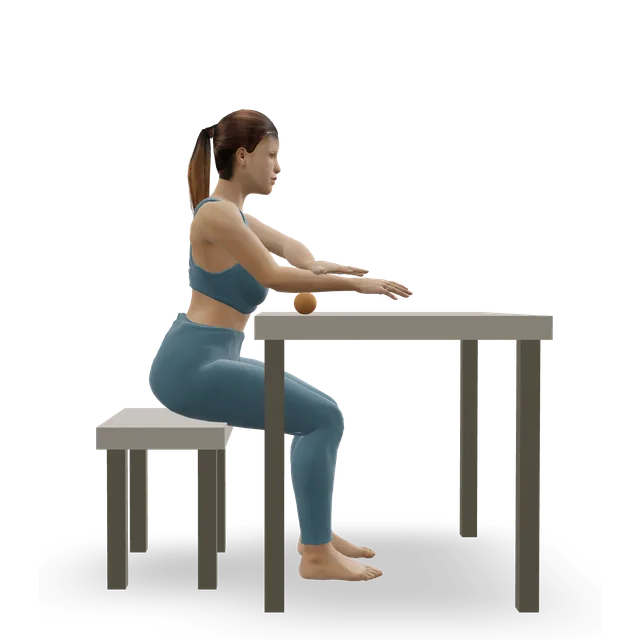
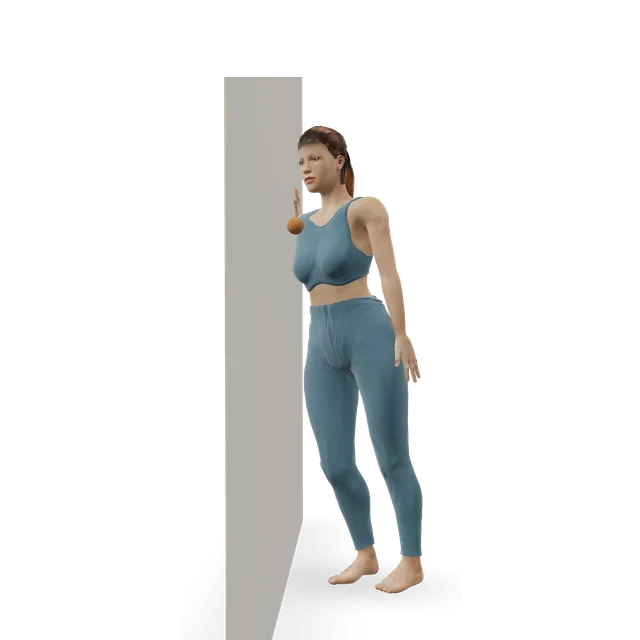
  1. Only for a tight chest muscle, never for chest pain. Stand facing a wall or door frame, slightly side-on.
  2. Place the ball on the chest muscle just below the collarbone, towards the shoulder. Keep it on muscle, not bone, and out of the armpit.
  3. Lean in to a pressure you can breathe through, and make slow small circles or hold still for 3 or 4 slow breaths. If you like, slide the arm slowly up and down the wall while the ball stays pinned.
  4. Give each side 45 to 60 seconds, then change sides.
  5. Doorway stretch: forearm flat on the frame with the elbow at shoulder height, then turn your chest gently away; 2 holds of 30 seconds each side.
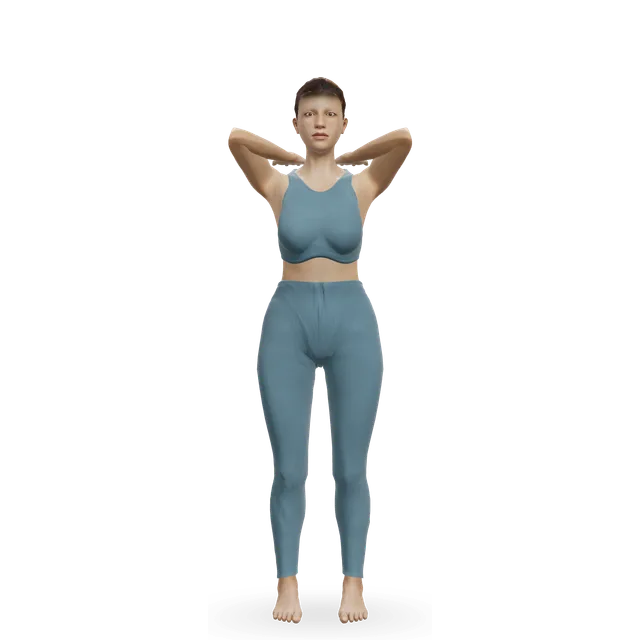
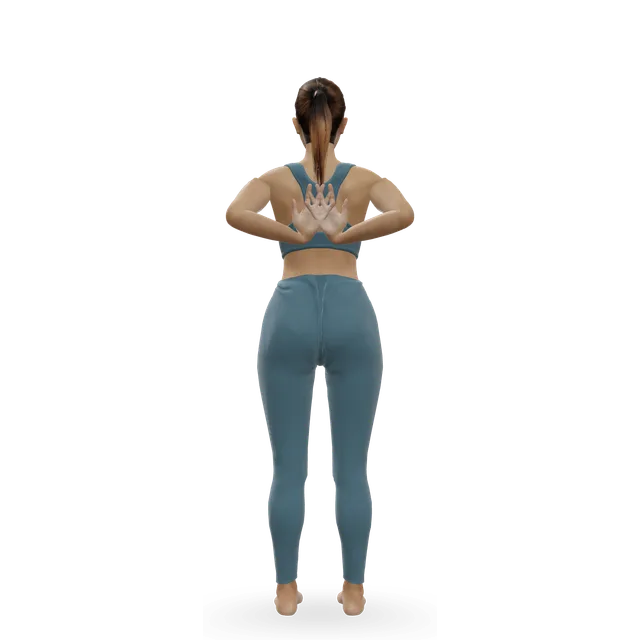
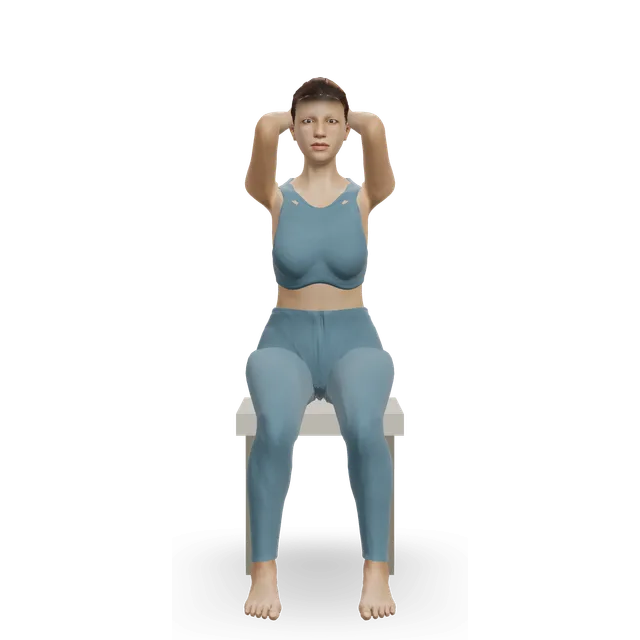
  6. Strengthen the back of the shoulders: band rows, 3 sets of 10 to 15, and band pull-aparts.
  7. Stop if tingling spreads into your arm or hand. Skip the ball over breast implants, a pacemaker or port, after recent chest or shoulder surgery, with a rib injury or with costochondritis, and ask first if you have osteoporosis.

Loading the 3D figure…

Gets into position, then repeats the movement. Technical checks passed; qualified exercise review is pending.

The movement on the figure: Chest ball release (against a wall)

What helps: doses and making it last

Each dose names its trial or move page, or is our editorial starting point. Doses are starting points, not prescriptions.

Ball release

45 to 60 seconds per side, the move page's dose, which it calls our editorial starting point. Rolling elsewhere gives a few minutes of easier movement, about as much as stretching, so use that window.

Source 31

Stretch

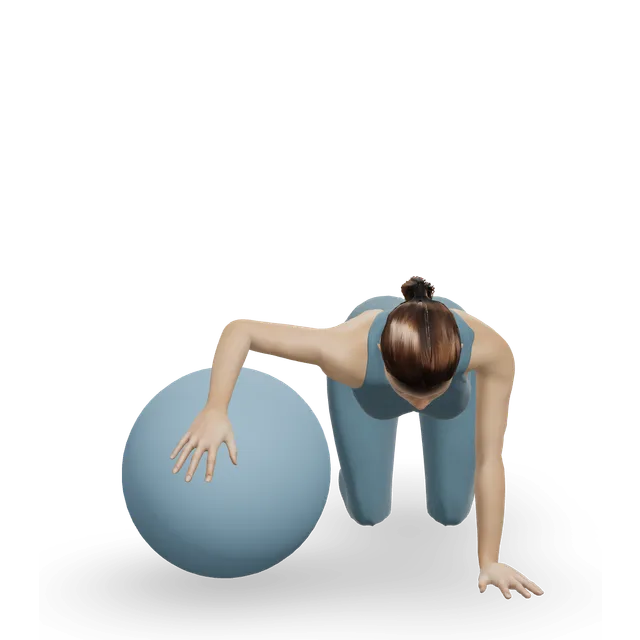
The doorway stretch with the elbow at shoulder height: 2 holds of 30 seconds each side (our editorial starting point). The kneeling chest stretch on a ball: 15 to 30 seconds, 2 to 4 times each side, the move page's dose, which follows the American College of Sports Medicine (ACSM).

Source 6

Strengthen the back of the shoulders

Band rows, 3 sets of 10 to 15, the move page's dose (editorial), with pull-aparts, Y-T-W raises and wall angels, 2 or 3 times a week (our editorial starting point). Chest stretching alone didn't lengthen the muscle in trials; strength programmes are what changed posture, as our rounded shoulders guide explains.

Sources 7, 8

How often

Our editorial starting point: the release and stretch on most days if you like them, and the strength work 2 or 3 times a week for more than 4 weeks.

Press and stretch

Press the chest muscle briefly, then stretch or open the upper back straight away; use each move page's dose where it gives one.

Strengthen the back of the shoulders

Strength for the muscles between and around the shoulder blades is what changed posture in trials; start light.

Routines to follow

The chest release routine presses, stretches and then strengthens the back of the shoulders in about 12 minutes. After breast cancer surgery, follow the arm and shoulder routine and your breast care team's advice.

After breast surgery or radiotherapy

Exercise comes firstStrong evidence

In the UK PROSPER trial, 392 women at higher risk of shoulder problems were offered a physiotherapist-led exercise programme from 7 to 10 days after surgery. A year later, their arm function was better (a disability score of 16 against 24 out of 100) and pain lower, with no increase in complications or lymphoedema. Our breast cancer surgery guide has the exercises and timings.

Source 12

Myofascial therapy added to physiotherapyMixed evidence

In 147 women, 8 sessions of myofascial therapy from 2 to 4 months after surgery didn't change how many had arm pain, or how bad it was, over a year. In 50 women with arm problems, 12 sessions didn't improve movement, strength, swelling or function. In 50 women with persistent arm pain, 12 sessions eased pain more at 3 months (pain fell by 44 against 24 points out of 100), but not at 12 months, and nothing else improved.

Sources 13, 14, 15

CordingEmerging evidence

Cording is one or more tight bands running from the armpit down the arm. In 308 people, about 36% reported it within 2 years of surgery, more after lymph node clearance. A review of 9 studies found exercise and stretching the most effective physiotherapy. In 96 women with cording, lymphatic drainage with progressive arm exercises eased pain more than standard arm exercises at 3 weeks and 3 months, but not at 6 months. In 46 women, 15 sessions of stretching, hands-on therapy and scar massage helped cords settle faster.

Sources 16, 17, 18, 19

Radiotherapy and lymphoedema

Cancer Research UK advises against massaging any area having radiotherapy, against very deep massage if you have cancer, and against general massage on an arm or leg swollen by lymphoedema; specialist lymphatic drainage is a separate treatment. See a GP or your breast team for swelling in the arm, hand, breast or chest.

Sources 20, 33

Safety: where not to press

Skip the ball

  • For any chest pain: follow the warning signs above.
  • Over breast implants, a pacemaker or port.
  • After recent chest or shoulder surgery, or with a rib injury.
  • With costochondritis or a sore breastbone: pressing on the inflamed joints keeps them irritated, as our costochondritis guide says.
  • In the armpit, or anywhere that makes your arm or hand tingle.
  • Over an area having radiotherapy, or an arm swollen by lymphoedema.

Expert cautions

In an expert consensus of 37 researchers, open wounds and broken bones were reasons not to roll, and inflammation, a clot, a bone infection or bone forming in a muscle after an injury were at least reasons for caution.

Source 34

Ask first

Keep the pressure light, or ask your doctor first, if you take blood thinners, which make bruising more likely, or have a nerve condition such as peripheral neuropathy. With osteoporosis, ask before leaning into a ball on the ribs: the NHS notes that a cough or sneeze can sometimes break a rib.

Sources 35, 36, 37

Myths

"Releasing your pecs fixes rounded shoulders"Mixed evidence

Single sessions changed posture briefly in small studies of healthy people, but 6 weeks of pectoralis minor stretching didn't lengthen it, and adding chest stretches to a shoulder programme added nothing. Strength work is what changed posture in trials.

Sources 7, 8, 2, 28

"A tight pec minor causes shoulder pain"Mixed evidence

Its length wasn't linked to shoulder pain and disability in 144 people, and a rounded upper back isn't more common in people with shoulder pain.

Sources 5, 32

"A lacrosse ball breaks up adhesions in the chest"Mixed evidence

Dense fascia doesn't change shape at these forces, and three sessions of self-release or scraping didn't lengthen pectoralis minor in a small study.

Sources 25, 26, 3

"Chest tightness is just tight fascia you can release"Mixed evidence

Most chest pain in general practice isn't the heart, but some is, and you can't tell which yourself. Chest pain or tightness needs the 999 and NHS 111 lines above, not a ball.

Sources 9, 10, 11

"Myofascial release after a mastectomy breaks up scar tissue and prevents problems"Mixed evidence

Added to physiotherapy, it didn't improve function or the number of women with arm pain over a year. A structured exercise programme did improve arm function.

Sources 13, 14, 15, 12

Questions people ask

How do I release tight chest muscles?

Pin a ball against a wall on the muscle below your collarbone for 45 to 60 seconds a side, then do a doorway stretch. It eases the chest for a few minutes; rows and other strength work for the back of the shoulders are what changed posture in trials.

Does pec minor release work?

Briefly, and not always. One session of self-release with arm movement lengthened pectoralis minor straight away in a small trial, but three sessions didn't in another. Expect a few minutes of easier movement, not lasting change.

Will stretching my pecs fix rounded shoulders?

Not on its own: 6 weeks of daily pectoralis minor stretching didn't lengthen it, and adding chest stretches to a shoulder programme added nothing. Strength work for the back of the shoulders changed posture in trials, and our rounded shoulders guide has the plan.

Can a knot in my chest cause chest pain?

A chest muscle can be tender, but don't assume chest pain is a knot. Call 999 for chest pain that spreads to your arm, neck or jaw, or comes with sweating, sickness or breathlessness, even if your chest is sore to press.

Why does my chest feel tight?

It can be a tight muscle after pressing or desk work, but also anxiety, a chest infection, heartburn, or the heart or lungs. Chest tightness needs checking before any release, and sudden or spreading tightness needs a 999 call.

Is it safe to massage the chest with a ball?

Gently, on muscle below the collarbone, yes, for a tight chest without chest pain. Skip it over breast implants, a pacemaker or port, after recent chest or shoulder surgery, with a rib injury or costochondritis, and ask first if you have osteoporosis.

Can I do myofascial release after a mastectomy?

Ask your breast care team first. In trials, myofascial therapy added to physiotherapy didn't improve arm function, though it eased persistent arm pain for a few months in one; a structured exercise programme improved function a year later.

What helps cording after breast surgery?

Keep doing your exercises within comfort and tell your breast care nurse, who can refer you to a physiotherapist. Stretching, gentle hands-on therapy, scar massage and lymphatic drainage helped cords settle faster in small trials.

Can I massage my chest during radiotherapy?

Not the area being treated. Cancer Research UK advises against massage there, against very deep massage if you have cancer, and against general massage on an arm swollen by lymphoedema.

Does chest release help costochondritis?

No. Pressing on the inflamed joints keeps them irritated, so our costochondritis guide says to skip ball work on the front of the chest. Costochondritis usually gets better on its own over a few weeks to several months, and it needs checking first, because chest pain can be the heart.

I found a lump while massaging my chest. What should I do?

See a GP. Most breast lumps are harmless, but the NHS says to always get one checked, along with a lump in your armpit or changes such as a nipple turning inwards or dimpled skin.

Sources

  1. Laudner & Thorson 2020 · One session of pectoralis minor self-release (placebo-controlled randomised trial of 21 people, Journal of Sport Rehabilitation)
  2. Wong 2010 · One session of pectoralis minor soft tissue work and self-stretching (randomised trial of 28 people, Journal of Bodywork and Movement Therapies)
  3. Rivera 2020 · Three sessions of self-release or scraping on the pectoralis minor (pilot study of 26 people, Journal of Sport Rehabilitation)
  4. Borstad & Ludewig 2005 · A short pectoralis minor and shoulder-blade movement (study of 50 people, Journal of Orthopaedic and Sports Physical Therapy)
  5. Rosa 2025 · Pectoralis minor length and shoulder pain (study of 144 people, Journal of Hand Therapy)
  6. Borstad & Ludewig 2006 · Three pectoralis minor stretches compared (study of 50 people, Journal of Shoulder and Elbow Surgery)
  7. Rosa 2017 · Six weeks of daily pectoralis minor stretching (study of 50 people, Journal of Hand Therapy)
  8. Gutiérrez-Espinoza 2019 · Adding pectoralis minor stretches to a shoulder exercise programme (randomised trial of 80 people, Musculoskeletal Science and Practice)
  9. Haasenritter 2015 · Causes of chest pain in general practice (systematic review of 11 studies, Croatian Medical Journal)
  10. NHS · Chest pain (past its review date: reviewed August 2023, review due August 2026)
  11. NHS · Heart attack
  12. Bruce 2021 · Exercise after breast cancer surgery: the UK PROSPER trial (randomised trial of 392 women, BMJ)
  13. De Groef 2017 · Myofascial therapy added to physiotherapy for arm pain soon after breast cancer surgery (randomised trial of 147 women, Clinical Rehabilitation)
  14. De Groef 2017 · Myofascial therapy added to physiotherapy for arm problems after breast cancer (randomised trial of 50 women, Supportive Care in Cancer)
  15. De Groef 2018 · Myofascial therapy for persistent arm pain after breast cancer treatment (randomised trial of 50 women, Clinical Rehabilitation)
  16. O'Toole 2013 · Cording after breast cancer treatment (cohort of 308 people, Breast Cancer Research and Treatment)
  17. González-Rubino 2023 · Physiotherapy for cording after breast cancer surgery (systematic review and meta-analysis of 9 studies, Supportive Care in Cancer)
  18. Torres-Lacomba 2022 · Lymphatic drainage with arm exercises for cording (randomised trial of 96 women, Physical Therapy)
  19. González-Rubino 2025 · Stretching, hands-on therapy and scar massage for cording (randomised trial of 46 women, Supportive Care in Cancer)
  20. Cancer Research UK · Massage therapy (past its review date: review due September 2025)
  21. NHS · Breast lumps (past its review date: reviewed June 2023, review due June 2026)
  22. NHS · Costochondritis
  23. NHS · Pulmonary embolism
  24. NHS · Angina
  25. Chaudhry 2008 · A 3D model of how fascia deforms in manual therapy (modelling study, Journal of the American Osteopathic Association)
  26. Behm & Wilke 2019 · Do self-myofascial release tools release fascia? (narrative review, Sports Medicine)
  27. Lai 2019 · Stretching and tape for pectoralis minor length (network meta-analysis of 6 trials, Physical Therapy in Sport)
  28. Fani 2020 · Shoulder-blade mobilisation against pectoralis minor stretching for rounded shoulders (randomised trial of 52 students, Journal of Bodywork and Movement Therapies)
  29. Southerst 2015 · Treatments without medicines for upper back and chest wall pain (systematic review, Journal of Manipulative and Physiological Therapeutics)
  30. Stochkendahl 2012 · Chiropractic care against self-management for chest wall pain, a year on (randomised trial of 115 people, Journal of Manipulative and Physiological Therapeutics)
  31. Wilke 2020 · Foam rolling and range of movement (multilevel meta-analysis of 26 trials, Sports Medicine)
  32. Barrett 2016 · Upper back posture and shoulder pain (systematic review of 10 studies, Manual Therapy)
  33. NHS · Lymphoedema (past its review date: reviewed March 2023, review due March 2026)
  34. Bartsch 2021 · Expert consensus on when not to foam roll (Delphi study of 37 experts, Journal of Clinical Medicine)
  35. NHS · Herbal medicines and complementary therapies
  36. NHS · Anticoagulant medicines: side effects
  37. NHS · Osteoporosis (past its review date: reviewed October 2022, review due October 2025)

Movement education, not medical advice. Stop for sharp or increasing pain, numbness or tingling, and get individual advice if you are pregnant, after an injury or surgery, or managing a health condition. Health disclaimer.