How to do reverse flys: dumbbell, cable, band and machine, and your shoulders
A reverse fly, also called a rear delt fly, lifts your arms out to the sides from in front of you until they're about level with your shoulders, with your body bent forward, lying face down on a bench, or facing a machine or cables. It works the back of your shoulders, the middle of your upper back and the rotator cuff muscles at the back of the shoulder.
In muscle-activity studies it's among the hardest-working moves for the back of the shoulder, especially with your palms facing each other. But no trial has measured how much muscle it builds, and the evidence that it fixes rounded shoulders is mixed. Light weights and strict reps do the job.
This guide covers the reverse fly step by step on the 3D figure, the dumbbell, cable, band and machine versions, arm angle and grip, how heavy and how many, how it compares with face pulls and rows, and your shoulders.
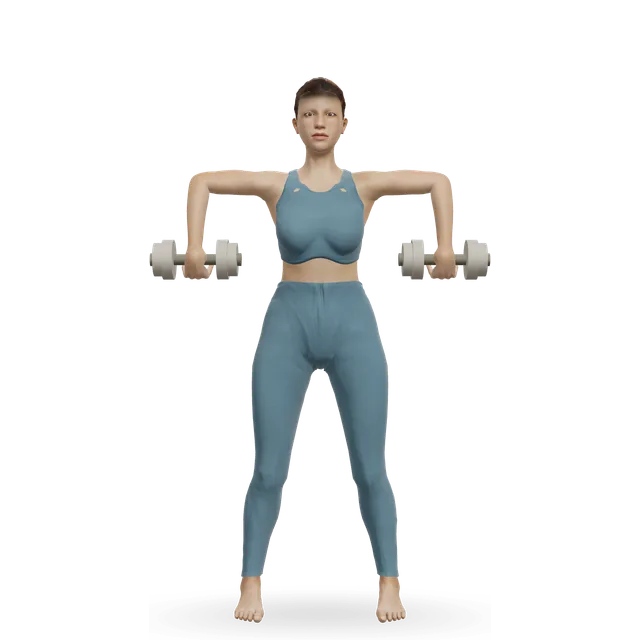
With a light weight in each hand and your elbows slightly bent, you open your arms out to the sides until they're about level with your shoulders, then lower slowly. Reverse fly, rear delt fly, rear lateral raise and reverse pec deck are names for the same movement.
The back of your shoulders (the rear deltoid), the middle and lower trapezius and the rhomboids between your shoulder blades, and the rotator cuff muscles at the back of the shoulder.
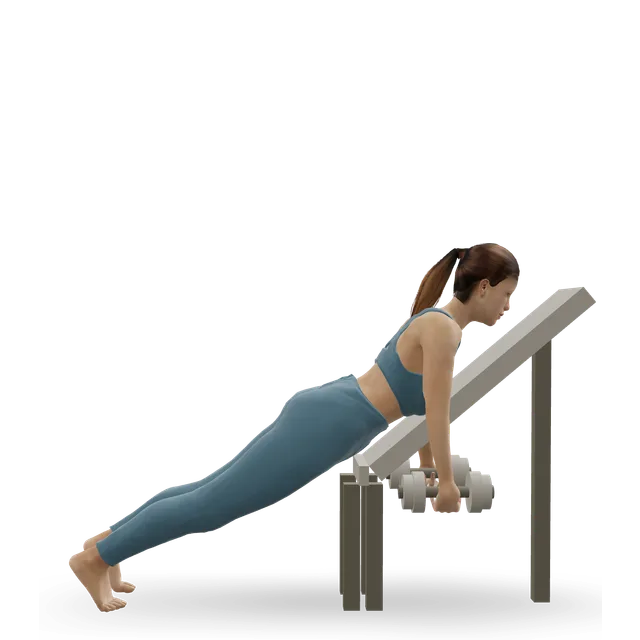
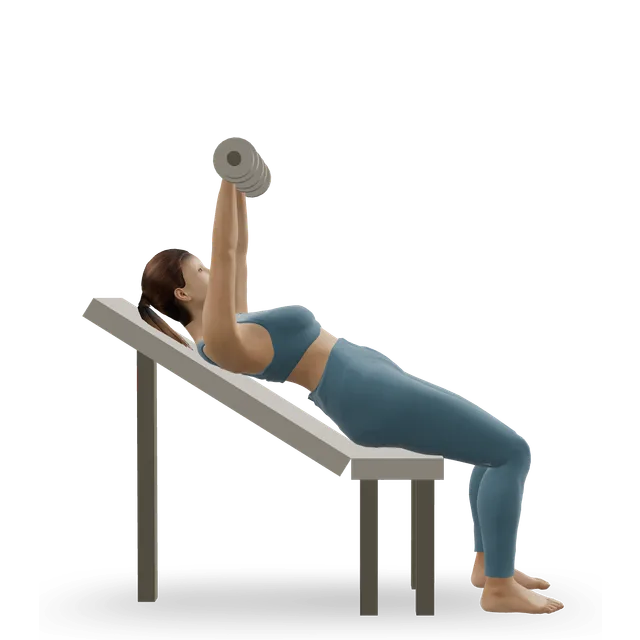
Lying face down on an incline bench is a beginner's version in ACE's library, and a machine is the easiest to load. The standing bent-over version adds a hinge to hold, so learn it once the supported ones feel steady.
2 to 3 sets of 10 to 15 (our move pages) or 3 sets of 12 to 15 (our shoulder workout), resting 60 to 90 seconds, with the last set 0 to 2 reps short of failure. A heavy weight turns it into a row or a swing.
Strengthening programmes improved measured forward-shoulder posture in trials, but muscle strength isn't linked with where your shoulder blades rest, and the posture changes didn't reliably ease pain.
Rear delt flys, reverse flys, rear lateral raises and the reverse pec deck all move your arms out and back at shoulder height. The names change with the equipment and whether you're bent over, sitting, lying on a bench or facing a machine.
The rear deltoid does most of the lifting, with the middle and lower trapezius and the rhomboids drawing your shoulder blades back, and the infraspinatus and teres minor of the rotator cuff helping. The side of the shoulder works hard too: 70% of its maximum in a seated version and 87% in a face-down raise with the arm turned out.
Your shoulder does the work, moving your arm backwards at shoulder height (horizontal abduction), and your shoulder blades move towards your spine. Your elbows stay at the same small bend throughout.
Activity isn't growth
The studies below use EMG (electromyography: electrodes measuring how hard a muscle works over a few reps), which isn't a validated predictor of which exercise grows a muscle more.
Among the hardest-working rear-shoulder movesEmerging evidence
In a study ACE funded (not peer reviewed), 16 men did 5 reps of 10 shoulder exercises at 70% of their maximum: a seated rear lateral raise worked the back of the shoulder hardest, at 73% of its maximum, with a 45-degree incline row next at 69%. In 10 people with fine-wire electrodes, a face-down raise with the arm at 100 degrees and turned out reached 88%, the most of 7 exercises.
A review of 33 studies found pull-ups and suspension rows worked the back of the shoulder hardest of the common exercises. A computer model of 10 men put the bent-over raise level with the face pull (58.6 N against 58.2 N) and above a dumbbell row (47.9 N). Lateral raises work it too: 24% of maximum against 11.4% in a shoulder press in 13 trained men.
On a reverse fly machine taken to failure, 19 trained men had more rear-shoulder and infraspinatus activity with their palms facing in than palms down. In band pull-aparts in 10 men, palms down worked the rear shoulder and upper trapezius most, and palms up the infraspinatus and lower trapezius.
Moving the arm back at shoulder height, face down and turned out, worked the middle trapezius hardest of 10 exercises in 30 people, and kept the upper trapezius quiet relative to the middle and lower parts in 45 people.
Arm angle: coaching practice, not testedEmerging evidence
No study has compared arm angles. ACE's incline reverse fly ends with the dumbbells in line with or slightly in front of your ears, and warns that ending behind your head moves the work onto the lats; the ACE study's seated version kept the arms at right angles to the body with the elbows bent 10 to 30 degrees. Treat these as sound coaching practice rather than tested rules.
Across 8 studies, elastic bands built strength about as well as weights and machines, and band pull-aparts at moderate effort worked the back of the shoulder hard.
In 48 women with painful neck and shoulder muscles (trapezius myalgia), 10 weeks of specific strength training cut their worst pain by 35 mm on a 100 mm scale (about 79%), while leg cycling gave a short-lived 5 mm drop. The same research group's muscle-activity study of the training used five dumbbell exercises, reverse flys among them.
No trial has measured how much reverse flys grow the back of the shoulder, or whether they make shoulders look wider, and no study has compared arm angles. The numbers above are muscle activity in one session.
How to do a reverse fly, step by step
From ACE's incline reverse fly and our move pages. The arm angle, the elbow bend and the end point are coaching practice from ACE and the study it sponsored, not tested rules.
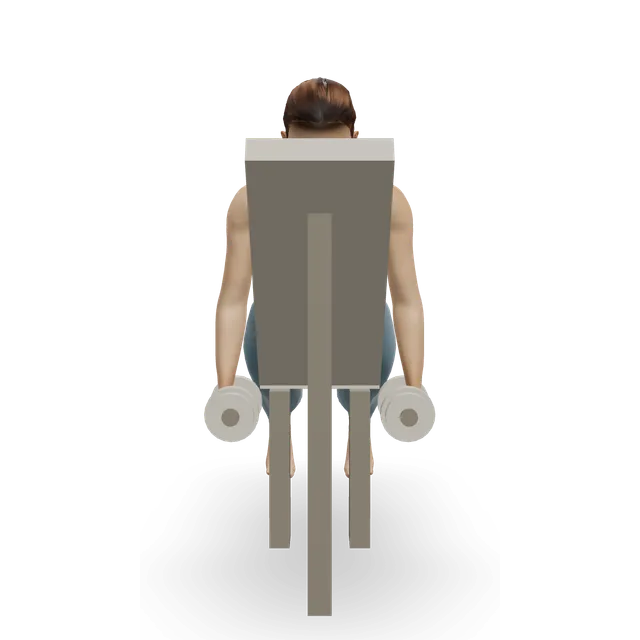
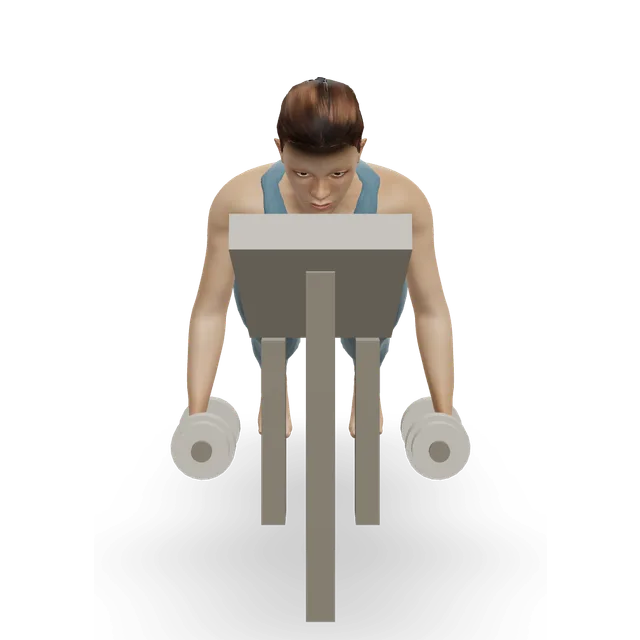
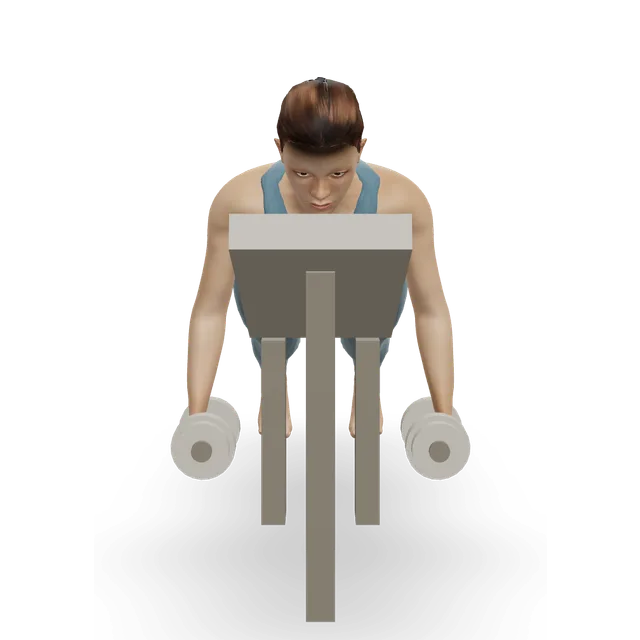
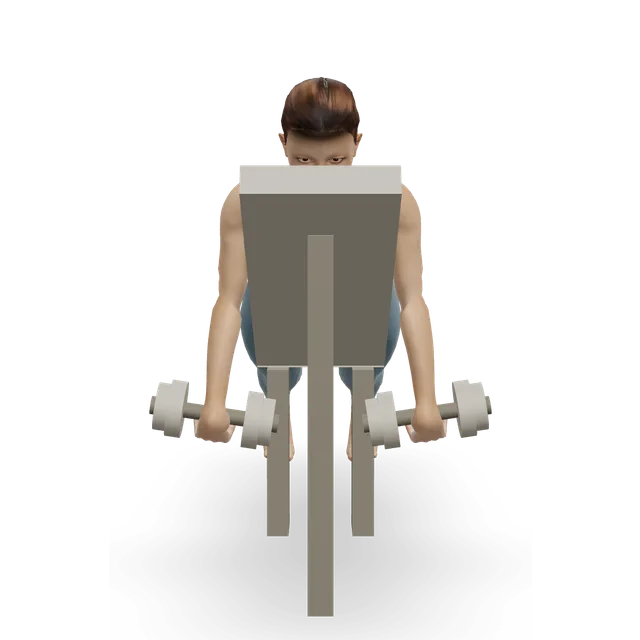
Set an incline bench to 45 to 60 degrees and sit or kneel facing the backrest with your chest against it, a light dumbbell in each hand, arms hanging, palms facing each other.
Bend your elbows slightly and keep that bend fixed.
Breathing out, raise the dumbbells out to the sides in an arc, arms at about right angles to your body, until they're about level with your shoulders.
Stop with the dumbbells in line with your ears or slightly in front, not behind your head.
Pause briefly with your chest on the pad and your neck long, then lower slowly without arching your lower back.
Loading the 3D figure…
Drag to turn
Gets into position, then repeats the movement. Technical checks passed; qualified exercise review is pending.
Chest-supported on an incline bench (ACE's beginner version), on a flat bench, or on a low incline with your thumbs up: the bench takes away the swing and the load on your lower back.
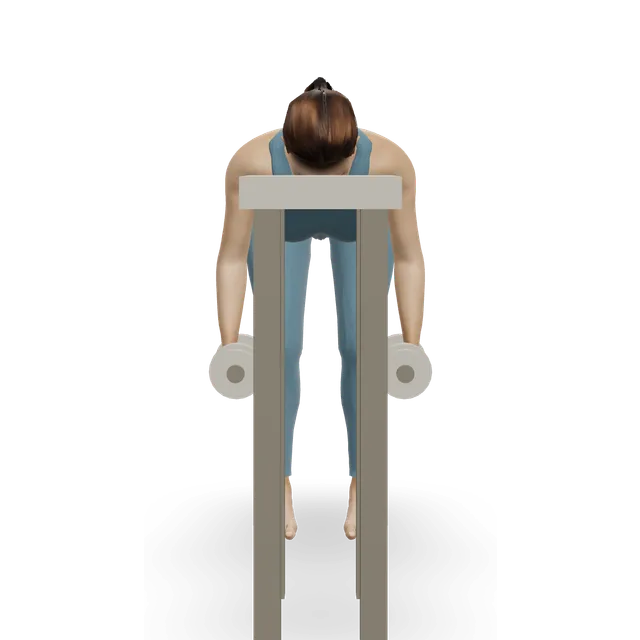
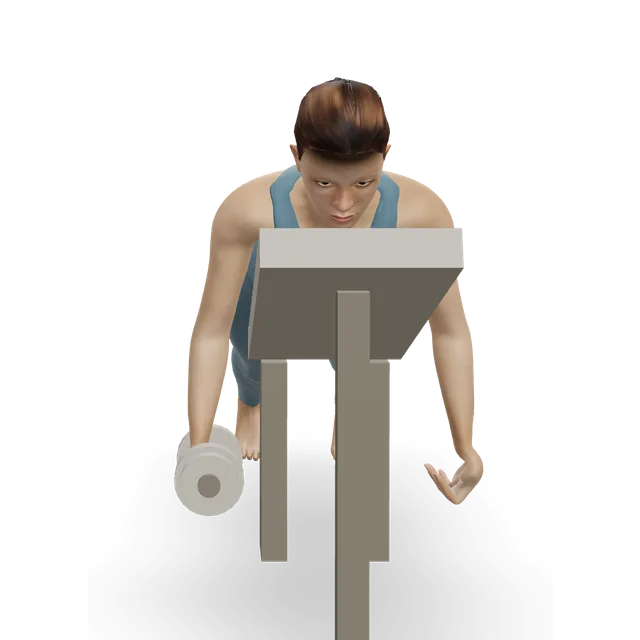
Hinge forward with your forehead resting on the top of an incline bench: a stand-in for chest support that still lets you stand (our move page).
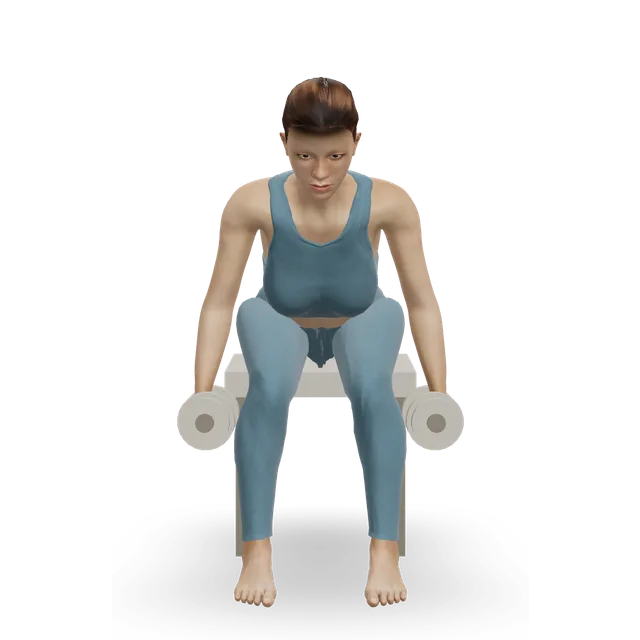
Seated
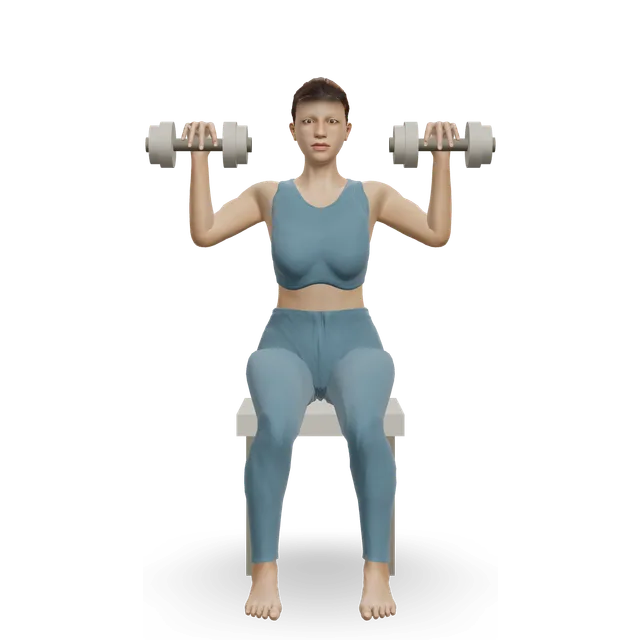
Sit on the end of a bench and fold forward over your thighs with a flat back: the version that worked the back of the shoulder hardest in the ACE study.
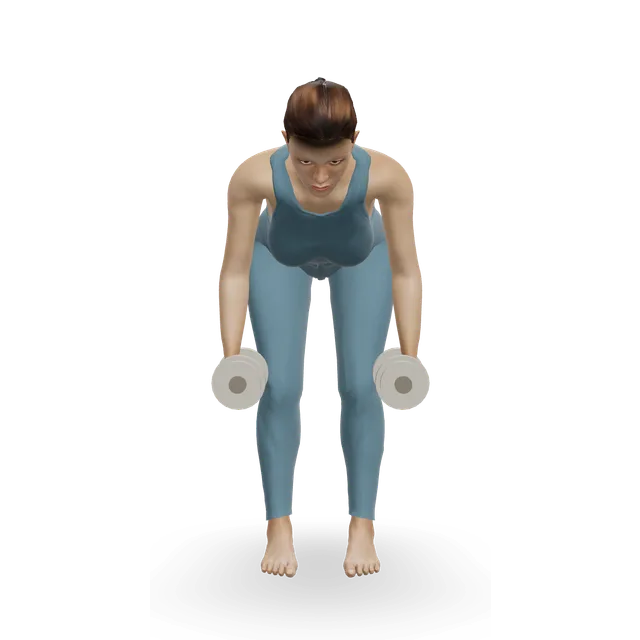
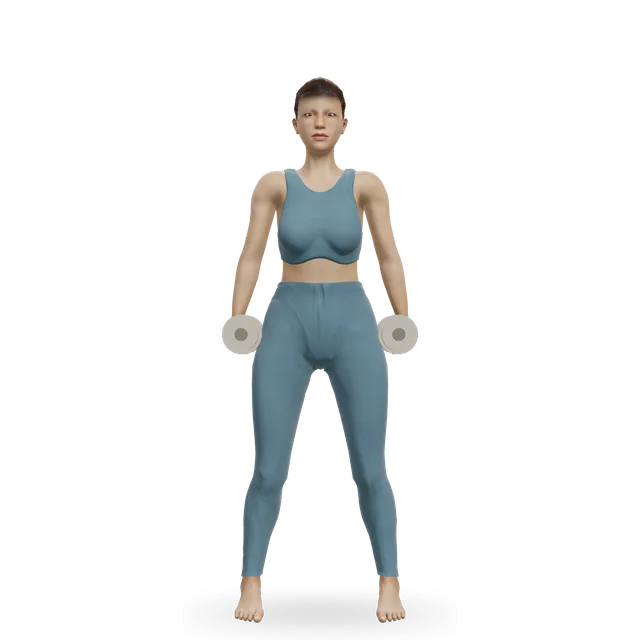
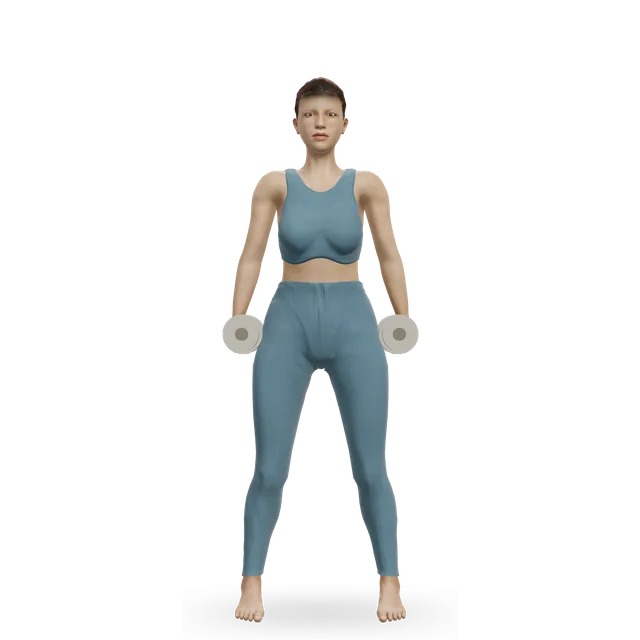
Hinge until your torso is nearly level, back flat and knees soft, dumbbells under your shoulders. It needs a steady hinge, as our move page says.
The reverse fly machine
Chest on the pad, handles at shoulder height and palms facing in; sweep your hands out and back until your arms are in line with your shoulders, then return slowly (our move page).
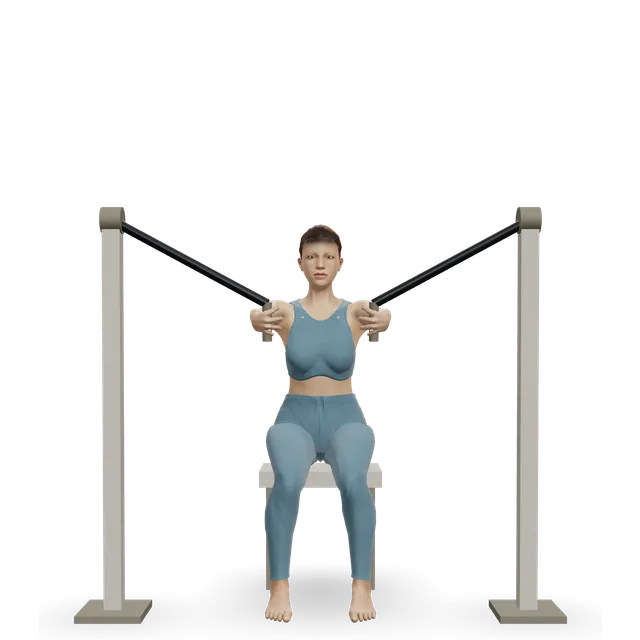
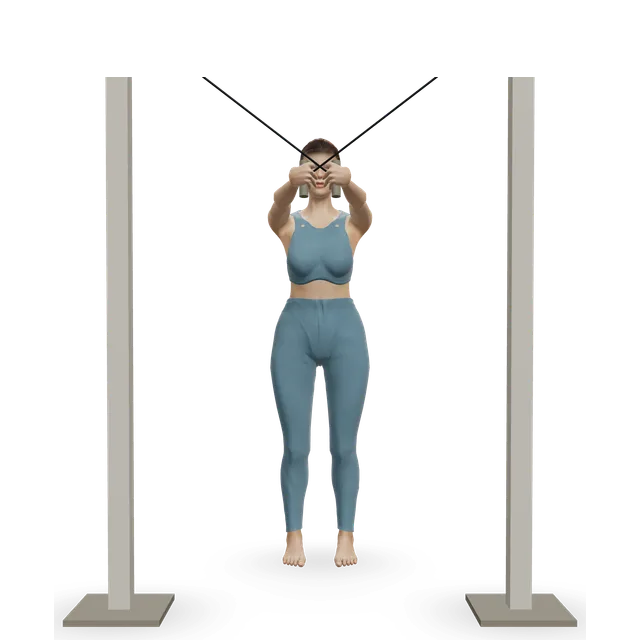
Cables
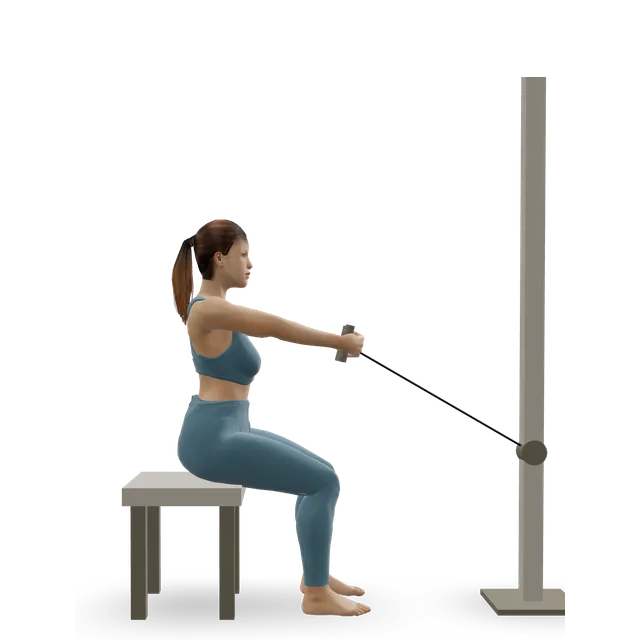
Pulleys at about shoulder height or slightly below, each hand holding the cable from the opposite side; open your arms out and back into a T, then let the cables cross again slowly.
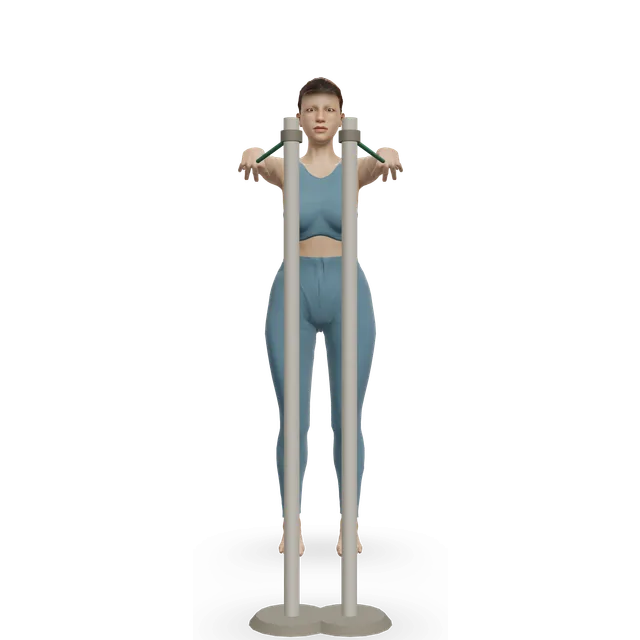
Anchor a band at chest height, or hold a light band in both hands at shoulder height and sweep your arms out into a T (a band pull-apart). ACE's kneeling version sweeps the arms out and down to your hips, turning the palms up; we have no 3D demo of it, or of a suspension-strap reverse fly, so use the standing band version's demo as your guide.
Prone Y-T-W raises, 5 of each letter (our upper back routine); the incline reverse fly, 2 sets of 12 to 20 (our dumbbell upper body workout B); the reverse fly machine, 3 sets of 12 to 20 (pull day B); the flat-bench, low-incline and head-supported versions, 2 to 3 sets of 10 to 15, stopping 2 or 3 reps short (their move pages); the seated bent-over raise, 2 to 3 sets of 12 to 15 (our editorial starting point); the standing bent-over reverse fly, 3 sets of 12 to 15 (our shoulder workout).
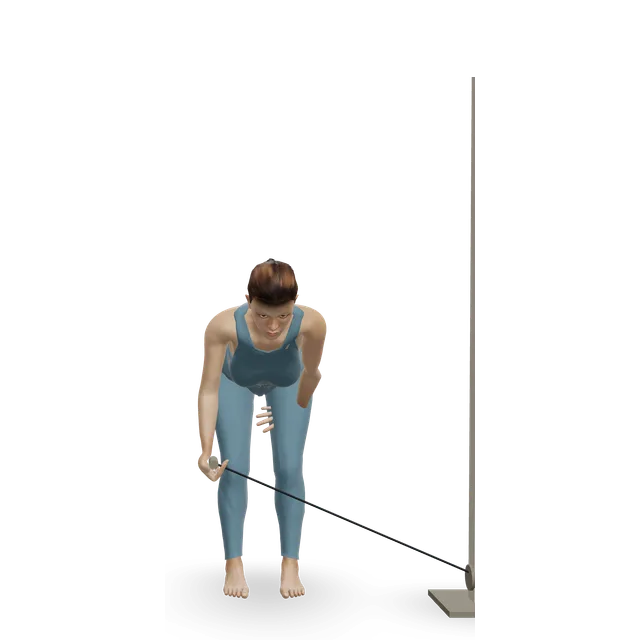
The standing cable reverse fly and the bent-over one-cable raise, 2 to 3 sets of 12 to 15 (our editorial starting points); the standing band reverse fly and the one-arm flat-bench reverse fly, 2 to 3 sets of 10 to 15 (each side for one arm), stopping 2 or 3 reps short (their move pages); band pull-aparts, 15 reps as a warm-up (our push day and shoulder workouts); the reverse fly with the arms turned out, 3 sets of 10 (our shoulder impingement guide).
Palms facing in is a good default. Palms down worked the upper trapezius more in band pull-aparts, and palms up the lower trapezius and rotator cuff: use either for variety.
ACE cues a squeeze of the shoulder blades at the top, but in rows, actively squeezing didn't change how hard the middle back worked. Let your shoulder blades move with your arms, with a brief pause at the top.
Reverse flys against face pulls, rows and lateral raises
Face pulls
Both work the back of the shoulder, and a computer model put them level. The face pull adds turning your arms out, and the reverse fly keeps your arms straighter, as our face pull guide says; many programmes use both.
Rows work the back of the shoulder a little less than a reverse fly in the model, though pull-ups and suspension rows ranked top in a review. Rows add your lats and biceps; the reverse fly isolates the rear shoulder.
Lateral raises mainly work the side of your shoulder and reverse flys the back, though each works the other too. Most shoulder programmes use both, as our shoulder workout does.
2 to 3 sets of 10 to 15 (our move pages) or 3 sets of 12 to 15 (our shoulder workout and face pull guide); 12 to 20 on a machine, as in our pull day B workout. Most sets stop 1 to 3 RIR (reps in reserve: how many more reps you could have done), and the last set 0 to 2, as our plans' notes say for small moves.
How heavy
Light: pick a weight you can lift 10 to 15 times without your elbows bending more or your body swinging, and add reps before weight. People underestimate how many reps they have left by about 1, so stop when your form starts to slip.
Rows, pulldowns and pull-ups already work the back of your shoulders: counting each as about half a set (our reading of the dose research), 4 to 6 direct sets a week on top is a sensible start (our editorial starting point).
A reverse fly and a press don't compete, so you can do them back to back as a superset and keep the work in less time, as our shoulder workout at home does.
Across 28 trials (901 people) of corrective exercise for rounded shoulders and a forward head, 18 measured the shoulders, and the programmes improved the forward-shoulder angle by a large amount; effects on pain and function were inconclusive. Across 23 studies of 969 healthy people, strengthening improved spinal posture and stretching didn't.
But strength doesn't set resting positionMixed evidence
Studies that compared people found no link between muscle strength and where their shoulder blades rest, so stronger rear shoulders don't guarantee a change in posture.
In 102 people with long-standing impingement, specific exercises for the rotator cuff and shoulder-blade muscles meant 20% chose surgery, against 63% with general exercises. But in 708 people with a new rotator cuff problem, a programme of progressive exercise was no better than one session of good advice over a year.
Use a supported version, light weights and a smaller arc, keeping pain to about 5 out of 10 or less and settled by your next session, as our shoulder guides advise. The NHS says not to make up your own strenuous exercises or use heavy gym equipment while your shoulder hurts.
In backward-looking studies, up to 36% of weight-training injuries were at the shoulder, but injury rates in bodybuilding-style training were low, about 0.24 to 1 injury per 1,000 hours.
Breathe out as you lift and keep the weights moderate, as our breathing guide says. High blood pressure means readings of 140/90 or higher; with controlled blood pressure, the American Heart Association considers low- to moderate-intensity strength training with proper breathing safe.
Lying on your front becomes uncomfortable as your bump grows: use the seated, cable or band version. The NHS says strength training is fine if you already do it.
Face pulls, 3 sets of 12 to 20 (our pull day workout); band external rotations, 2 sets of 12 to 15 each arm (our shoulder workout at home); Cuban rotations, 2 sets of 10 (our shoulder workout); chest-supported dumbbell rows, 3 sets of 10 to 12 (our pull day workout); wall angels, 8 slow slides (our shoulder mobility routine).
Our shoulder workout uses the bent-over reverse fly, pull day B the machine, and our back and biceps workout either; at home, our shoulder workout at home pairs it with a press, and our back workout at home and traps workout use it too.
If you get chest pain or pressure, feel faint or dizzy, are unusually breathless, or your heart races or beats irregularly during exercise, as our plans advise. The American Heart Association says these need immediate medical evaluation.
For chest pain that feels tight, heavy or squeezing, or spreads to your arms, neck, jaw or back; arm pain that comes on suddenly with pressure, heaviness or squeezing across your chest; a headache that starts suddenly and is extremely painful, especially while lifting or straining; someone who faints while exercising; palpitations that don't go away, or come with chest pain, breathlessness or feeling faint; severe difficulty breathing; or angina pain that doesn't stop after rest and your medicine. Don't drive yourself to A&E.
If you haven't exercised for some time or have a medical condition, speak to your GP first, as the NHS advises. Get advice before heavy lifting if your blood pressure is uncontrolled, or you have heart disease or chest pain when you're active, a pacemaker or defibrillator, diabetic eye disease, glaucoma, a hernia, recent eye or tummy surgery, or you're pregnant, as our breathing guide lists.
Ask for an urgent GP appointment or get help from NHS 111
If you have sudden or very bad shoulder pain, you can't move your arm, your shoulder has changed shape or is badly swollen, you have pins and needles that don't go away, no feeling in your arm, an arm that's hot or cold, pain after an injury or fall, severe pain in both shoulders, or you feel feverish or unwell. The NHS says these can be signs of something serious, like a broken or dislocated bone, or a torn ligament or tendon. Don't try to put a shoulder back yourself.
If shoulder pain is getting worse or hasn't improved after 2 weeks of looking after it yourself, or it's very hard to move your arm. In many areas you can refer yourself to physiotherapy.
An ache over the back of the shoulder blade with weakness lifting or turning your arm out, or a muscle that looks thinner, needs a GP or physiotherapist, as our back-of-shoulder pain guide says: a nerve can be involved.
Strengthening programmes improved measured posture, but strength isn't linked with resting shoulder-blade position, and the changes didn't reliably ease pain. Reverse flys are a sensible part of a programme, not a cure.
"The reverse fly is the best rear-delt exercise"Emerging evidence
One study ranked a seated version top; a review ranked pull-ups and suspension rows top; a computer model put it level with the face pull. Use the versions you can do well.
Heavy dumbbells turn the lift into a row or a swing, and the work moves away from the back of the shoulder. Lighter weights with strict form, taken close to failure, do the job (our view).
The back of your shoulders (the rear deltoid), the middle and lower trapezius and the rhomboids between your shoulder blades, and the rotator cuff muscles at the back of the shoulder. The side of the shoulder works too.
Is a rear delt fly the same as a reverse fly?
Yes. Rear delt fly, reverse fly, rear lateral raise and reverse pec deck all describe the same movement: your arms moving out and back at shoulder height. The names change with the equipment and your position.
What's the best way to do reverse flys?
The way you can do them without swinging. Lying face down on an incline bench is a good start, the machine is the easiest to load, and a seated bent-over version worked the back of the shoulder hardest in one study. Keep your arms at about right angles to your body, elbows slightly bent, and lift to shoulder height.
Should my palms face down or in on reverse flys?
Palms facing in worked the back of the shoulder and the rotator cuff harder than palms down on a reverse fly machine. Palms down works the upper trapezius more, so start with your palms in and use the others for variety.
How heavy should reverse flys be?
Light. Pick a weight you can lift 10 to 15 times without your elbows bending more or your body swinging, and add reps before weight. A heavy dumbbell turns the lift into a row.
How many sets and reps of reverse flys should I do?
2 to 3 sets of 10 to 15, or 3 sets of 12 to 15, resting 60 to 90 seconds, with the last set 0 to 2 reps short of failure. Your rows and pulldowns add to the work, so 4 to 6 direct sets a week is a sensible start.
Reverse fly or face pull?
Both work the back of the shoulder about equally in a computer model. The face pull adds turning your arms out and the reverse fly keeps your arms straighter; many programmes use both.
Reverse fly or lateral raise?
They do different jobs: lateral raises mainly work the side of your shoulder and reverse flys the back. Most shoulder programmes include both.
Do reverse flys help posture?
Strengthening programmes that include moves like this improved measured forward-shoulder posture in trials, but muscle strength isn't linked with where your shoulder blades rest, and the changes didn't reliably ease pain. They're a sensible part of a programme, not a fix.
Can I do reverse flys with a sore shoulder?
Often, with a supported version, light weights and a smaller arc, keeping pain to about 5 out of 10 or less and settled by your next session. See a GP if shoulder pain is getting worse or hasn't improved after 2 weeks.
Can I do reverse flys at home?
Yes: with dumbbells, bent over or lying on a bench, or with a resistance band anchored at chest height or held in both hands as a pull-apart. Bands build strength about as well as weights.
Exercise education, not a personal prescription, and clinical review of these guides is pending. Check with a GP before starting hard training if you have a heart condition, chest pain, dizziness or breathlessness when active, and stop for sharp or increasing pain. Health disclaimer.