Training guide

How to do dumbbell rows: the one-arm row on a bench, its versions, how heavy, and your lower back

The dumbbell row is the most adjustable pull there is: one knee and one hand on a bench, a dumbbell in the other hand, and you pull it up beside your ribs. It works your lats, your middle back and the back of your shoulders, one side at a time, while the bench holds your trunk still.

The bench very likely takes much of the load off your lower back, but that's our reading of the set-up: no study has measured spine load in this row. What has been measured is that unsupported bent-over rows load the lower back most, and that rowing one arm at a time works the muscles at the side of your trunk harder.

This guide covers the one-arm row step by step on the 3D figure, versions with both feet on the floor, with two dumbbells and with your chest on a bench, where your elbows go, how heavy and how many, and your lower back.

The short version

One knee and one hand on a bench

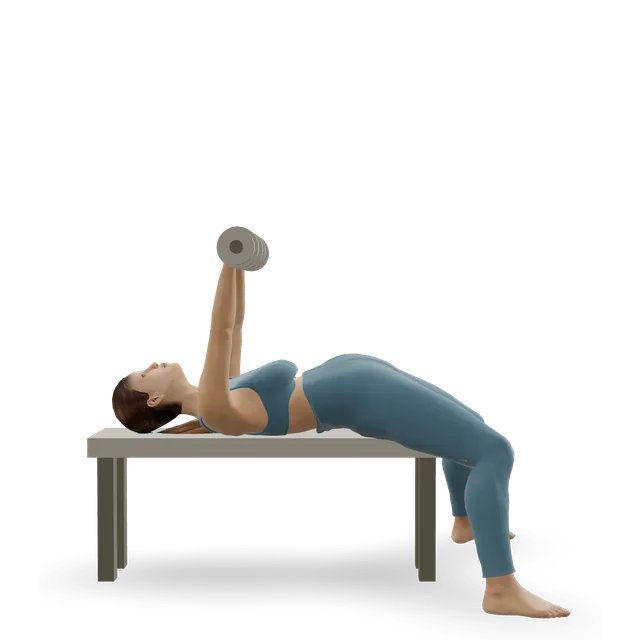
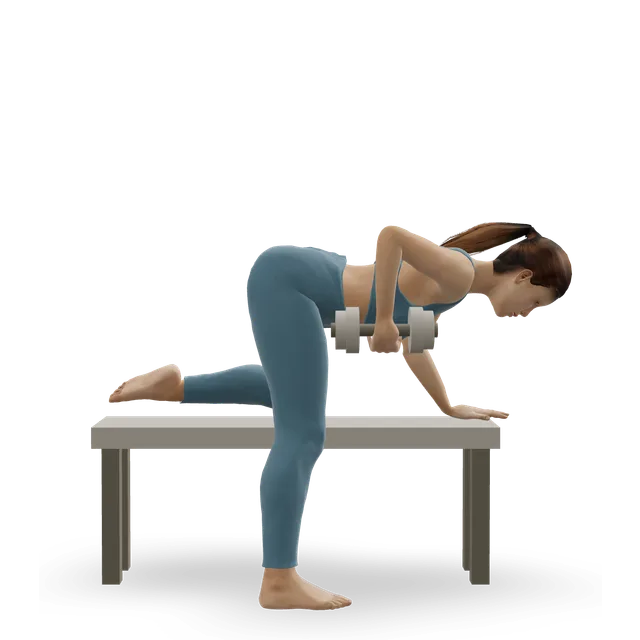
Put the same-side hand and knee on a flat bench, the hand under your shoulder and the knee under your hip, with your back flat. Pull the dumbbell up beside your ribs, keeping your arm close and your trunk still, then lower it under control.

Source 1

Your back does the pulling

Your lats, middle back and the back of your shoulders pull, with your biceps helping. Your trunk works too, to stop you twisting: rowing one arm at a time drew more activity from the obliques at the side of the trunk than rowing with both, in 15 trained men.

Source 2

Elbows close or out

Keep your elbow close to your side to favour the lats; let it travel out towards shoulder height to favour your upper back and the back of your shoulder. Grip direction changes little.

Source 3

How heavy and how many

A dumbbell you can row 8 to 12 times each side with 2 or 3 reps to spare, for 2 to 3 sets (its move page's starting point), resting about 90 seconds to 2 minutes. Add reps, then weight. There are no research standards for how heavy yours should be.

Your lower back: likely spared, not measured

The bent-over row loaded the lower spine most of three rows measured, and chest support lowered lower-back muscle activity in a 3-person study. That a hand and knee on the bench spares your lower back is our reading of the set-up: no study has measured it.

Sources 4, 5

Pain spreading down a leg is a stop sign

Discomfort up to 5 out of 10 that settles within an hour is acceptable; pain spreading down a leg is not. Numbness around the genitals or bottom, or new bladder or bowel trouble, needs a 999 call.

Source 6

What a dumbbell row is, and what it works

The one-arm row

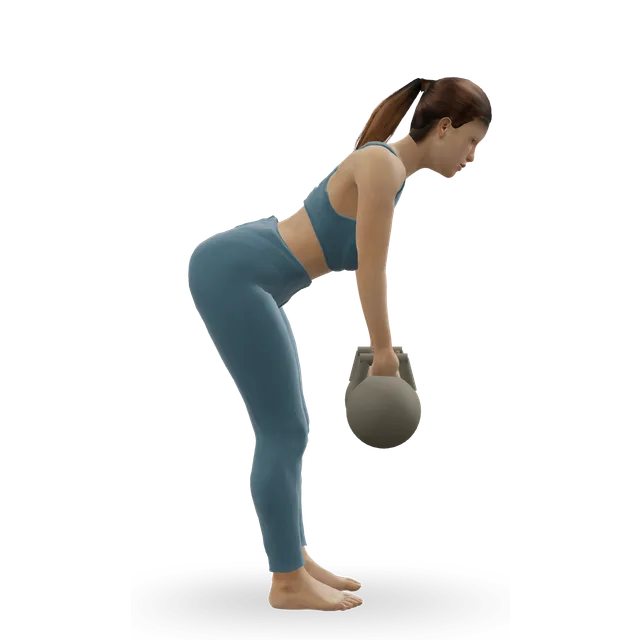
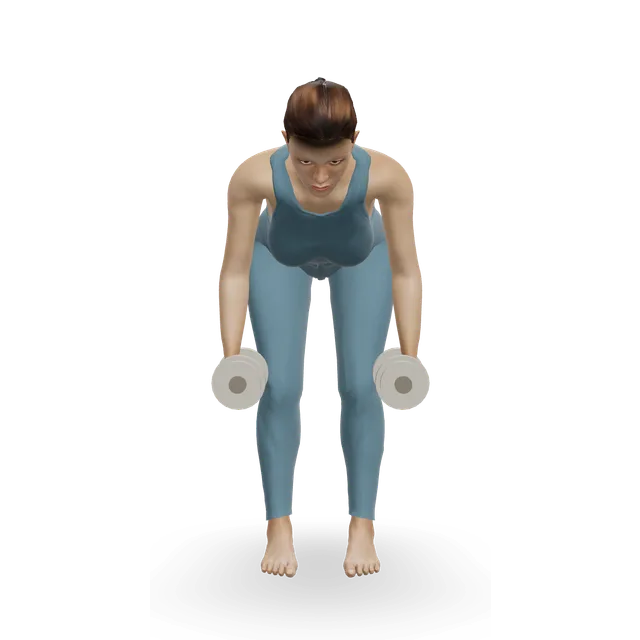
A horizontal pull, one arm at a time, with your trunk held flat by a hand and knee on a bench. ACE rates it intermediate. Other versions keep both feet on the floor with one hand on a bench, row two dumbbells bent over with nothing to lean on, or put your chest on an incline bench.

Source 1

What it works

Your lats, the middle and lower trapezius and the rhomboids (which pull your shoulder blades back), the back of your shoulder and the teres major, with your biceps, the brachialis and your forearms helping. The obliques work to stop your trunk turning, and where your elbow travels shifts the work between the lats and the upper back.

Sources 2, 3

Why people like it

You choose the exact weight, one side can't cover for the other, and the bench takes the job of holding the bent-over position away from your lower back. Our move page calls it the most adjustable pull there is.

Muscle activity isn't growth

Most row studies use EMG (electromyography: electrodes measuring how hard a muscle works over a few reps). It isn't a validated predictor of which exercise grows a muscle more, so treat the numbers below as clues, not verdicts.

Source 7

What the evidence says

One arm at a time works your trunk against twistingEmerging evidence

In 15 trained men at matched effort, rowing with both arms drew only 37 to 41% of the external oblique activity of rowing with one arm, across free-weight, cable and machine rows. A two-arm free-weight bent-over row drew 12% more lower-back (erector spinae) activity than a one-arm free-weight row, and 34% more than a machine row.

Source 2

Unsupported bent-over rows load the lower back mostEmerging evidence

In 7 healthy men, the standing bent-over row put the largest load on the lower spine of three rows; the inverted row put the least, and a standing one-arm cable row challenged the trunk against twisting.

Source 4

Chest support: less lower-back activity in a tiny studyEmerging evidence

In a preliminary study of 3 young men rowing 12 kg dumbbells, lower-back muscle activity was about 24% and 53% of maximum with the chest on a 47-degree bench (elbows out and in), against about 71% and 75% standing bent over. None of the differences was statistically significant.

Source 5

The hand-and-knee row and your lower back: our readingEmerging evidence

We found no study of spine load or back-muscle activity in the one-arm row with a hand and knee on a bench, or with and without the knee on it. The hand and knee hold your trunk, so it very likely spares your lower back compared with a bent-over row; that's our reading of the set-up, from the rows that have been measured.

Sources 2, 5

Your elbow path shifts the workEmerging evidence

In 21 trained men and women on a seated cable row, pulling with the elbows close to the body gave the most force and the most lat activity; pulling with them out at 60 to 90 degrees worked the upper and middle trapezius and the back of the shoulder more.

Source 3

Squeezing your shoulder blade changes littleEmerging evidence

In a seated row, actively squeezing the shoulder blades back didn't change how hard the middle trapezius and rhomboids worked.

Source 8

Few gym-goers linked one-arm rows with painEmerging evidence

In an online survey of 1,387 German gym-goers, 24 of the 440 who did one-arm dumbbell rows linked pain to them (about 5%), against 44 of 420 for barbell rows and 69 of 354 for pull-ups. It's self-reported, and the survey didn't say where each exercise hurt.

Source 9

Rows and your bicepsMixed evidence

In 10 untrained men over 8 weeks, the arm that did one-arm dumbbell rows grew its elbow flexors by about 5% and the arm that curled by about 11%. But in 29 untrained men, pulldowns alone grew them about as much as curls alone. Rows count towards your arms; curls may still add.

Sources 10, 11

Rows for neck and shoulder muscle painEmerging evidence

In 12 women with chronic neck muscle pain, one-arm rows were among five dumbbell exercises that worked the trapezius and the shoulder hard. In the same group's trial of 48 women, 10 weeks of specific strength training cut the worst neck pain by about 79%, against a small, short-lived effect from cycling; the trial's summary doesn't list its exercises.

Sources 12, 13

How to do a one-arm dumbbell row, step by step

From ACE's single-arm row and our move page. The breathing cue is from our breathing guide.

  1. Put a dumbbell beside a flat bench. Kneel on the bench with one knee and put the same-side hand flat on it, the hand under your shoulder and the knee under your hip, the other foot on the floor.
  2. Brace, with your back flat and about level and your head in line. Set the working shoulder down and back without arching your lower back.
  3. Pick up the dumbbell, palm facing in, and let it hang on a long arm without letting your trunk turn or that shoulder drop towards the floor.
  4. Breathing out, pull your elbow back past your side, your upper arm close to your body, until the dumbbell reaches the side of your ribs or you can't go higher without twisting.
  5. Lower it under control to a long arm. Finish the set, then switch sides.

Loading the 3D figure…

Gets into position, then repeats the movement. Technical checks passed; qualified exercise review is pending.

The movement on the figure: One-arm dumbbell row on a bench

Versions with and without a bench

Hand and knee on a bench

The main version and the most supported: the bench holds your trunk, so you can focus on the pull.

Source 1

Both feet on the floor, one hand on a bench

Stand in a staggered stance with one hand on a bench, a sturdy chair or a table. Your legs and trunk do more of the holding. Our pregnancy strength workout uses this stance with pelvic girdle pain. No demo shows this exact stance: the one-arm landmine row's page shows the staggered stance, and the bench row shows the arm action.

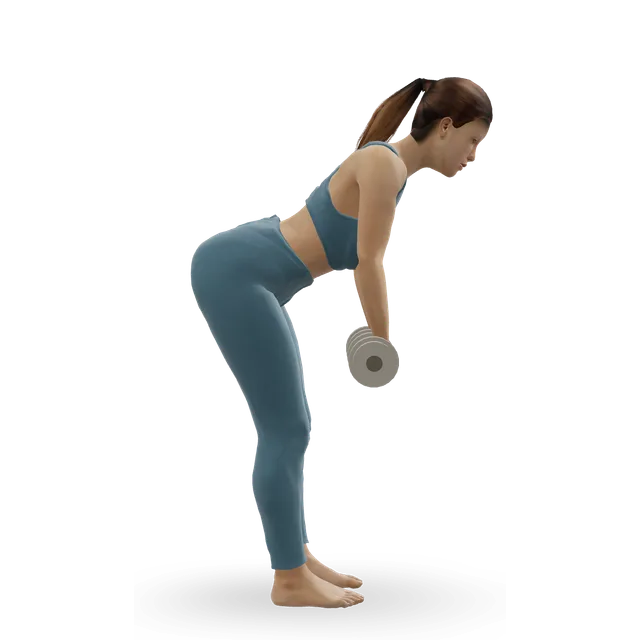
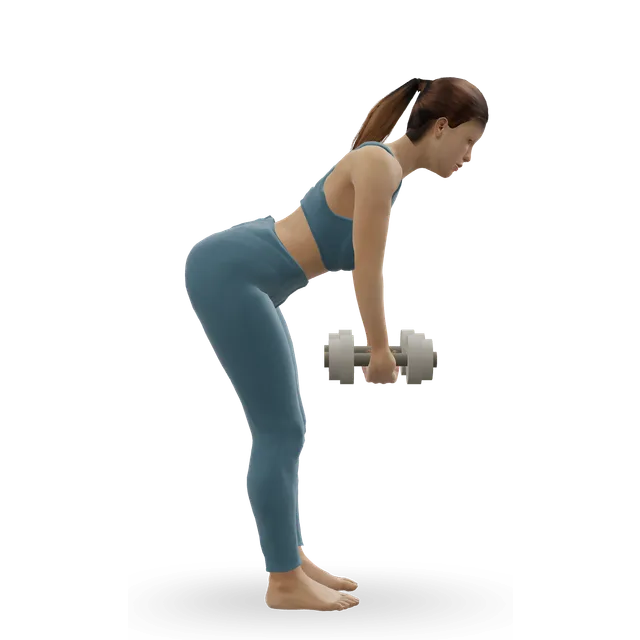
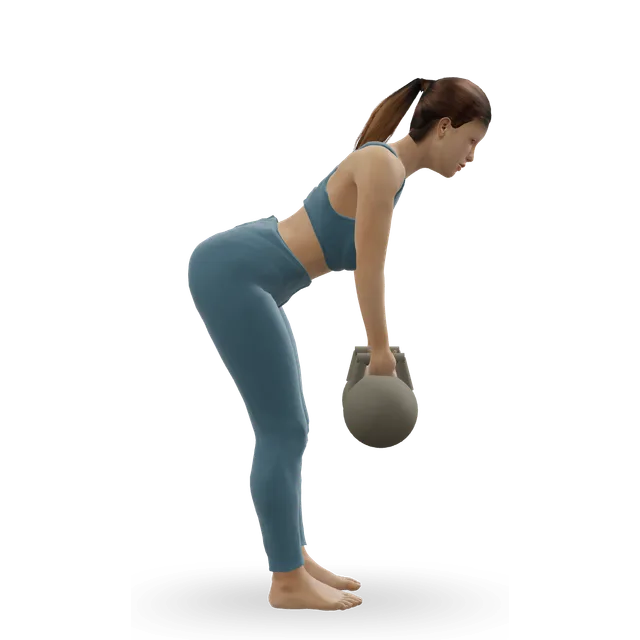
Two dumbbells, bent over

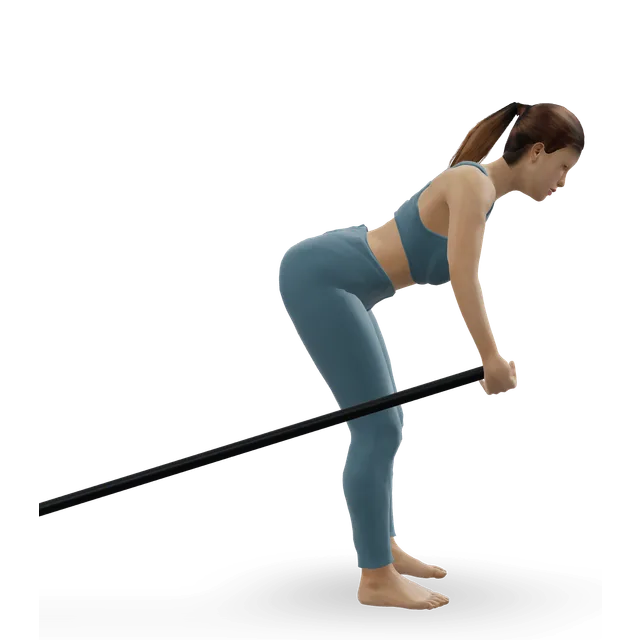
Hinge forward with a long back and row both dumbbells at once. With nothing to lean on, your lower back and hips hold the hinge: a two-arm free-weight row drew 12% more lower-back activity than a one-arm row, and the bent-over row loaded the lower spine most of the rows measured. Our bent-over row guide covers it.

Sources 2, 4

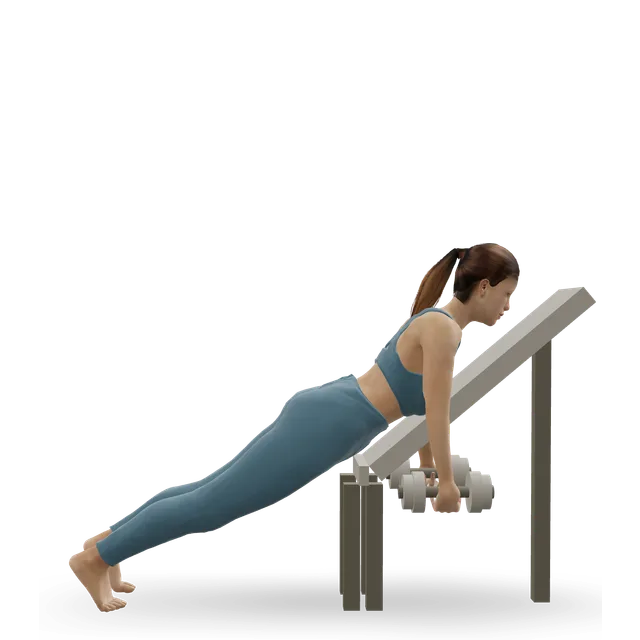
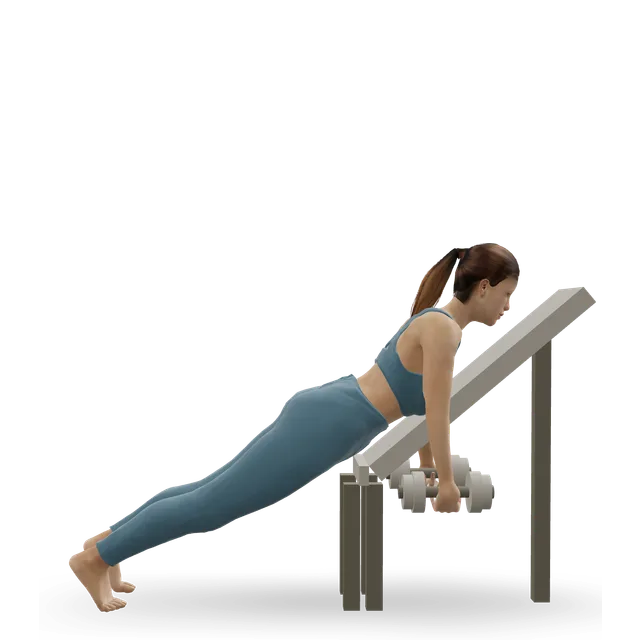
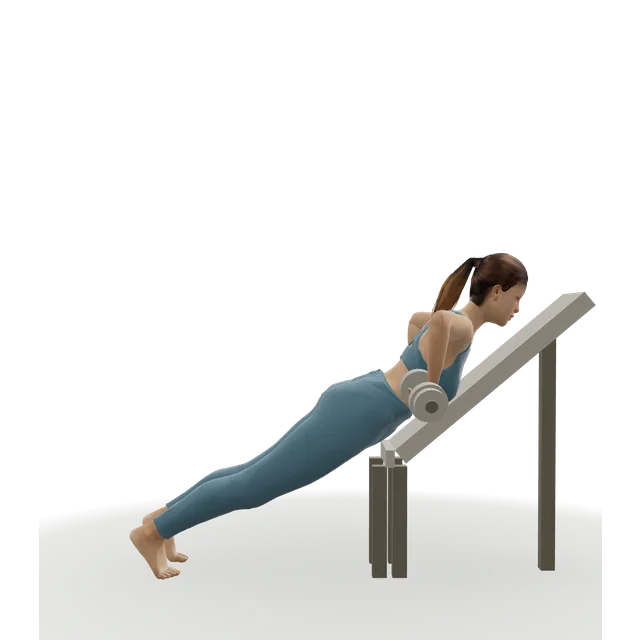
Chest on an incline bench

Lie face down on an incline bench and row both dumbbells. The bench takes over the job your lower back does in a bent-over row, which is why our move pages point to it when your lower back tires first.

Source 5

Kroc rows

Very heavy one-arm rows for high reps with some body movement. It's a coaching method: we found no study of it, so claims that it builds more muscle are untested. No demo; use the bench row's set-up.

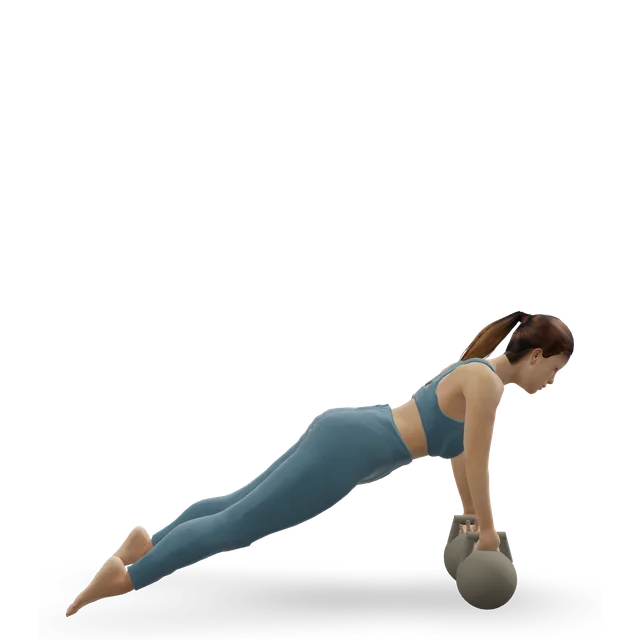
Renegade rows

A row from a push-up plank, alternating arms. Holding the plank makes it mostly a trunk exercise, so use a light dumbbell.

No dumbbells

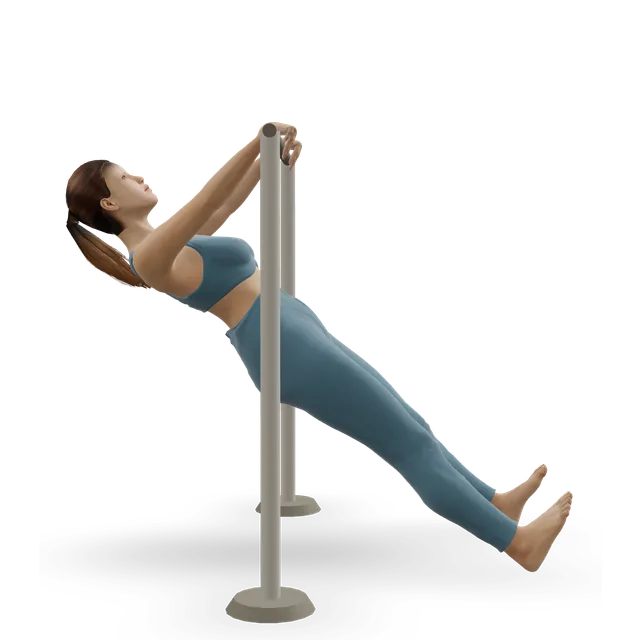
A band row anchored in a closed door, or an inverted row under a sturdy bar or table, works the same muscles.

Dumbbell rows and their swaps

The one-arm row on a bench, 2 to 3 sets of 8 to 12 each side, stopping 2 or 3 reps short (its move page); the same row as our workouts use it, 3 sets of 10 to 12 each side (pull day B). Bent-over two-dumbbell rows, 3 sets of 8 to 12, stopping 2 to 3 short (our back workout at home); chest-supported dumbbell rows, 3 sets of 10 to 12 (our pull day workout); the palms-in incline row, 2 to 3 sets of 8 to 12, 2 or 3 short (its move page); band rows, 3 sets of 10 to 15, 2 to 3 short, with 60 to 90 seconds' rest (its move page). The incline bench pull, 2 to 3 sets of 10 to 12, renegade rows, 2 sets of 6 to 8 each side, and kettlebell rows at the dumbbell doses are our editorial starting points.

Elbows and grip

Elbow close for the lats

Keep your upper arm brushing your side and pull towards your hip: in a seated row study, this path gave the most force and lat activity.

Source 3

Elbow out for the upper back

Let your elbow travel out towards shoulder height and pull towards your chest to shift work to the upper back and the back of your shoulder, as in the same study; in the 3-person bench study, rowing with the elbows out worked the back of the shoulder and the upper trapezius more, though not significantly.

Sources 3, 5

Grip

Palm facing in is the usual grip and the most comfortable for most people. Palm back or forward changes little; use whichever lets you pull hardest without pain.

Source 1

Your shoulder blade

ACE coaches setting the shoulder down and back and keeping it there; our bent-over row guide lets the shoulder blade move with the arm. Squeezing it back hard didn't change upper-back activity in one study, so choose whichever keeps the rep smooth.

Sources 1, 8

How heavy, how many and how often

Starting weight

A dumbbell you can row about 10 to 12 times each side with 3 or 4 reps to spare in your first two weeks, as our plans advise for any new lift.

Sets and reps

2 to 3 sets of 8 to 12 each side, stopping with 2 or 3 RIR (reps in reserve: how many more reps you could have done): its move page's editorial starting point. Our workouts use 3 sets of 10 to 12 each side.

How hard

There's no need to reach failure: across 15 studies it added a trivial amount of growth at most. People underestimate the reps they have left by about 1, so stop when your trunk starts to twist.

Sources 14, 15

Rest

About 90 seconds to 2 minutes between sets, as our plans advise for compound lifts in sets of 8 to 12; a review found a small growth benefit from resting more than about 60 seconds.

Source 16

Adding weight

When every set reaches 12, move to the next dumbbell and drop back to 8, then build the reps again (our plans' double progression). Dumbbells often jump by 2 kg or more, so expect fewer reps for a week or two.

Weekly sets

About 10 or more hard sets a week for your back, across all your rows and pulls, builds muscle, with smaller gains from each extra set. Count each set of rows as about half a set for your biceps.

Sources 17, 18, 19

Strength standards

We found no research standards for dumbbell rows, and online charts aren't research standards either, so compare yourself with your own last few weeks.

Common mistakes and how to fix them

Twisting to heave the weight up

If your trunk turns to finish the rep, the dumbbell is too heavy for now. A mirror helps you check, as ACE suggests.

Source 1

Shrugging

Pull your elbow towards your hip rather than your shoulder towards your ear.

Jerking the first inch

Start each rep from a still, long arm, and keep the pull smooth.

A rounding or sagging back

Reset your hand under your shoulder and your knee under your hip, brace, and use a lighter dumbbell.

Letting the shoulder drop

At the bottom, keep your shoulder level rather than letting it sink towards the floor, as ACE cues.

Source 1

Short reps

Lower until your arm is long, and pull until the dumbbell reaches your ribs or you'd have to twist to go higher.

Dumbbell rows against other rows

The barbell row

Both build your back. The barbell bent-over row works your lower back more because nothing supports your trunk, and lets you add weight in small steps; the one-arm dumbbell row works each side and adds the anti-twist challenge. Our bent-over row guide covers the barbell.

Sources 4, 2

The T-bar row

The same unsupported hinge as a barbell row, with a handle; its chest-supported machine takes the hinge out. Our T-bar row guide covers both.

The seated cable row

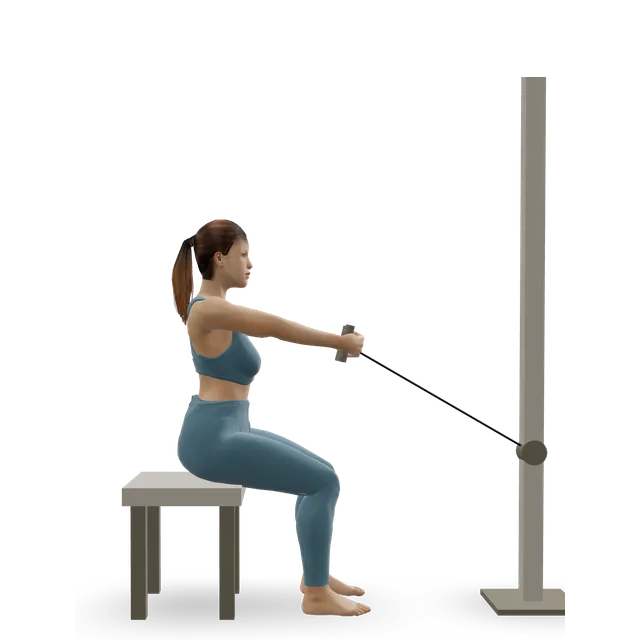
No hinge at all, and the cable makes small weight steps easy: our seated cable row guide covers grips and set-up.

Chest-supported rows

Both arms at once with your lower back out of it. A good second row, or your main row while back pain settles.

Source 5

The inverted row

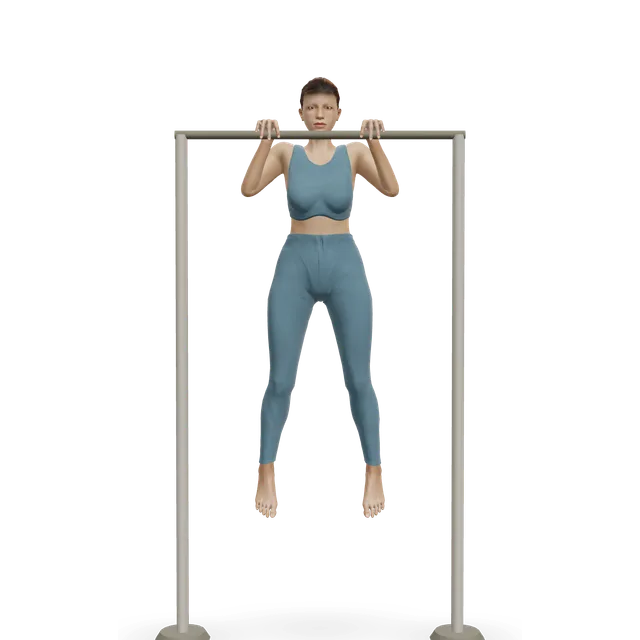
Your body weight on a bar: in the one study that compared it, it worked the lats and upper back hardest with the least load on the lower spine.

Source 4

Your lower back

Why the bench helps

In a bent-over row your back muscles hold your torso against the weight for the whole set, and the lower spine takes the most load of the rows measured. With a hand and knee on the bench, the bench does much of that holding. That's our reading of the set-up rather than a measurement.

Sources 4, 5

The back pain rule

Discomfort up to 5 out of 10 that settles within an hour and is no worse the next morning is acceptable, as our T-bar row and sit-up guides say; pain that spreads down a leg is not.

If your lower back still aches

Check your back is flat and your knee is under your hip, lighten the dumbbell, or switch to a chest-supported row or a seated cable row while it settles. Our back pain guide covers back pain itself.

Source 5

OsteoporosisStrong evidence

The UK consensus on exercise for osteoporosis recommends back-strengthening exercise and advises avoiding postures with a lot of spinal bending. Keep your back flat throughout; a supported row suits this well.

Source 20

Who should change it

Back pain or a disc problem

Keep the hand-and-knee set-up, or use a chest-supported or seated cable row, within the back pain rule above, as our bent-over row guide suggests.

Shoulder pain

Rows usually suit sore shoulders: keep your elbow close and the weight lighter, as our shoulder guides suggest, and stop if it pinches.

High blood pressure, heart conditions and eye conditions

Breathe out as you pull, use weights you can lift 10 to 15 times, and get advice before maximal lifting, as our breathing guide says. With controlled blood pressure, the American Heart Association considers low- to moderate-intensity strength training with proper breathing safe.

Source 21

Pregnancy

The NHS says strength training at a gym is fine if you already do it. The supported one-arm row is the row in our pregnancy strength workout; with pelvic girdle pain, keep both feet on the floor with one hand on the bench.

Source 22

Moves that go with it

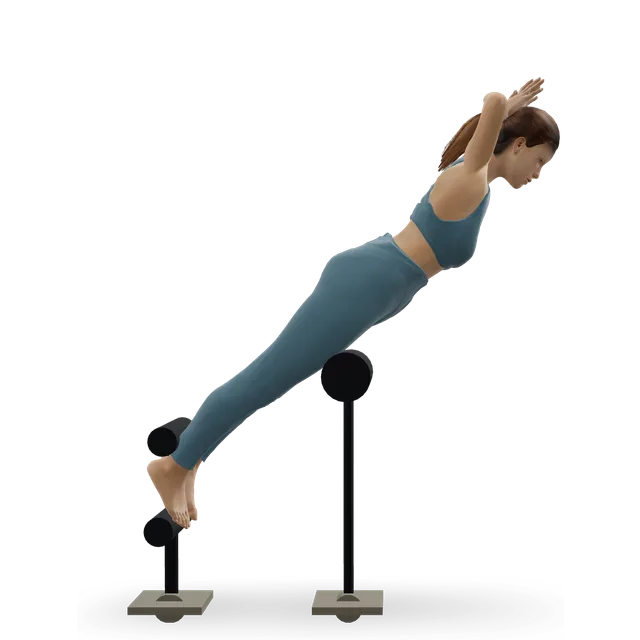
Hip-hinge practice, 2 sets of 8 then a 20 to 30 second hold, and suitcase carries, 2 walks of 20 to 30 m each side (our bent-over row technique workout); face pulls, 3 sets of 15 (our back workout); bent-over reverse flys, 2 sets of 12 to 20 (our back workout at home); back extensions, 2 sets of 10 to 15 (pull day B); inverted rows, 3 sets of 8 to 12 (our pull-up progression).

Workouts to follow

Our back workout and pull day B use the one-arm row; the back workout at home rows one arm at a time with a hand on a chair when your lower back tires; the bent-over row technique workout teaches the hinge with dumbbells; the strength and balance and dumbbell upper body workouts use it in full-body and upper-body sessions.

Plans with a dumbbell row in them

Each of these plans has a workout with the one-arm dumbbell row.

Warning signs

Stop and get medical help

If you get chest pain or pressure, feel faint or dizzy, are unusually breathless, or your heart races or beats irregularly during exercise, as our plans advise. The American Heart Association says these need immediate medical evaluation.

Source 21

Call 999 or go to A&E: back pain with these signs

Loss of feeling or numbness around the genitals or bottom, new trouble peeing or controlling your bladder or bowels, changes in genital sensation during sex or problems with erections or orgasm, or pain, tingling, weakness or numbness in both legs. These are signs of cauda equina syndrome, which needs treating in hospital urgently. Don't drive yourself.

Source 6

Call 999 (911 in the US)

For chest pain that feels tight, heavy or squeezing, or spreads to your arms, neck, jaw or back; arm pain that comes on suddenly with pressure, heaviness or squeezing across your chest; a headache that starts suddenly and is extremely painful, especially while lifting or straining; someone who faints while exercising; palpitations that don't go away, or come with chest pain, breathlessness or feeling faint; severe difficulty breathing; or angina pain that doesn't stop after rest and your medicine. Don't drive yourself to A&E.

Sources 23, 24, 25, 26, 27, 28, 29, 30, 31

Check before lifting heavy

If you haven't exercised for some time or have a medical condition, speak to your GP first, as the NHS advises. Get advice before heavy lifting if your blood pressure is uncontrolled, or you have heart disease or chest pain when you're active, a pacemaker or defibrillator, diabetic eye disease, glaucoma, a hernia, recent eye or tummy surgery, or you're pregnant, as our breathing guide lists.

Sources 32, 21

After a faint, or dizziness that keeps coming back

See a GP after any faint, and for dizziness that won't go away or keeps coming back.

Sources 28, 33

Ask for an urgent GP appointment or call NHS 111

For back pain with a high temperature, or if you feel hot, cold, shivery or generally unwell, or the pain came on suddenly and is severe or getting worse quickly.

Source 6

A pulled muscle

A sudden sharp pain in your back, side or armpit during a row may be a strained muscle. Get help from NHS 111 or an urgent treatment centre if it's very painful or getting worse, there's a lot of swelling or bruising, it's very stiff, or it isn't getting better with self-care.

Source 34

Go to an urgent treatment centre or A&E: a pop at the elbow

A sudden pop at the front of the elbow during a heavy pull, with bruising, a gap at the front of the elbow or a bulge in the upper arm, can be a torn biceps tendon: don't wait for it to settle, because it's best repaired within the first 2 to 3 weeks. In the US, go to urgent care or the emergency department.

Sources 25, 35

See a GP

If back pain isn't improving after a few weeks, stops your daily activities, is worse at night, or you have pain high in your back, between your shoulder blades. For sciatica (pain in your bottom and down the back of one leg) that isn't better after a few weeks of home treatment or is getting worse.

Sources 6, 36
Myths

"Dumbbell rows are bad for your lower back"Emerging evidence

The rows that load the lower back most are the unsupported bent-over ones. With a hand and knee on the bench your trunk is held, and in a survey of 1,387 gym-goers fewer people linked pain to one-arm dumbbell rows than to barbell rows or pull-ups. No study has measured spine load in the supported row itself.

Sources 4, 2, 9

"Squeeze your shoulder blade back as hard as you can"Emerging evidence

In a seated row, actively squeezing the shoulder blades didn't change how hard the middle back worked. Let your shoulder blade move with the pull, or hold it set if that feels steadier.

Source 8

"Heavier is always better: just do kroc rows"Emerging evidence

We found no study of kroc rows. The ACSM's overview found that loads from about 30% to 100% of your maximum build muscle similarly when sets are hard, so heavy rows are one option, not a requirement.

Source 17

Questions people ask

What muscles do dumbbell rows work?

Your lats, your middle back (the trapezius and rhomboids) and the back of your shoulders, with your biceps and grip helping. In the one-arm version the muscles at the side of your trunk work to stop you twisting.

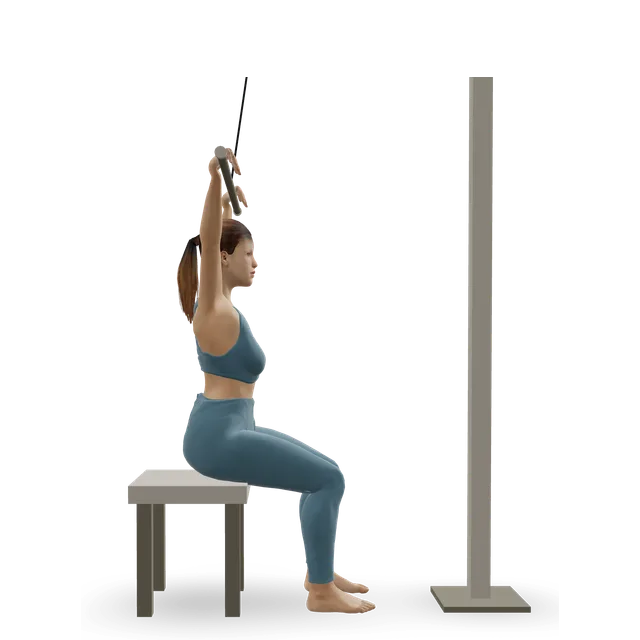
Should I put my knee on the bench for dumbbell rows?

It's the most supported way to row: a hand and knee on the bench hold your trunk, so your lower back very likely has less to do, though no study has measured it. Both feet on the floor with one hand on the bench also works and asks more of your legs and trunk.

How heavy should my dumbbell rows be?

Heavy enough that you can row 8 to 12 times each side with 2 or 3 reps to spare, without twisting. In your first two weeks, leave 3 or 4 in the tank. When every set reaches 12, go up a dumbbell size and drop back to 8.

How many sets and reps of dumbbell rows should I do?

2 to 3 sets of 8 to 12 each side, resting about 90 seconds to 2 minutes, is our starting point. Count them towards about 10 or more hard sets a week for your back.

Should my elbows be in or out on dumbbell rows?

Both work. Elbows close to your side gave the most force and lat activity in one study; elbows out towards shoulder height worked the upper back and the back of the shoulder more. Pick the path for the muscle you want to emphasise.

Which grip is best for dumbbell rows?

Palm facing in is the usual grip and the most comfortable for most people. Turning your palm back or forward changes the muscles little, so use whichever lets you pull hardest without pain.

Why do dumbbell rows hurt my lower back?

Usually the set-up or the weight: check your hand is under your shoulder, your knee under your hip and your back flat, and use a dumbbell you can row without twisting. If it still aches, use a chest-supported row while it settles. Pain spreading down a leg is a reason to stop and see our back pain guide.

Dumbbell row or barbell row?

Both build your back. The barbell row works your lower back more because nothing supports your trunk, and lets you add weight in small steps; the one-arm dumbbell row works each side and adds an anti-twist challenge.

How do I do dumbbell rows without a bench?

Put one hand on a sturdy chair or table with a staggered stance and row with the other arm. If your lower back is comfortable, you can hinge and row two dumbbells at once. A band row anchored in a closed door is another option.

What is a kroc row?

A very heavy one-arm dumbbell row done for high reps with some body movement. No study has tested it, so it's a coaching method rather than a better row; strict rows taken close to failure build muscle well.

Are dumbbell rows for the lats or the upper back?

Both. Keep your elbow close to your side to favour the lats, or let it travel out to favour the upper back and the back of your shoulder. One exercise can't isolate either.

Sources

  1. ACE · Single-arm row (exercise library, rated intermediate, American Council on Exercise)
  2. Saeterbakken 2015 · Free-weight, cable and machine rows: core muscle activity in 15 trained men (crossover study, Int J Sports Med)
  3. de Abreu Vasconcelos 2023 · Grip and elbow angle in the seated cable row in 21 trained men and women (muscle activity study, Int J Strength Cond)
  4. Fenwick 2009 · Three rows compared: trunk muscle activity and lower-spine load in 7 men (lab study, J Strength Cond Res)
  5. García-Jaén 2021 · Bent-over rows standing or on a bench: back and shoulder muscle activity in 3 people (preliminary study, J Phys Educ Sport)
  6. NHS · Back pain
  7. Vigotsky 2022 · Muscle activity measured in one session isn't a validated predictor of muscle growth (review, Sports Med)
  8. Lehman 2004 · Muscle activity in lat exercises, and squeezing the shoulder blades back (experimental study, Dyn Med)
  9. Bernstorff 2023 · Exercises linked to pain in 1,387 recreational gym users (online survey, Sports)
  10. Mannarino 2021 · Curls against rows for elbow-flexor growth over 8 weeks in 10 men (within-person trial, J Strength Cond Res)
  11. Gentil 2015 · Pulldowns alone against curls alone for 10 weeks in 29 untrained men (randomised trial, Asian J Sports Med)
  12. Andersen 2008 · Muscle activity in five dumbbell exercises in 12 women with neck muscle pain (EMG study, Phys Ther)
  13. Andersen 2008 · Specific strength training against leg cycling for neck muscle pain in 48 women (randomised trial, Arthritis Rheum)
  14. Refalo 2023 · Training to failure against stopping short, for muscle growth: 15 studies (meta-analysis, Sports Med)
  15. Halperin 2022 · How accurately people predict the reps they have left: 12 studies (scoping review and meta-analysis, Sports Med)
  16. Singer 2024 · Rest between sets and muscle growth: 9 studies (Bayesian meta-analysis, Front Sports Act Living)
  17. Currier 2026 · Resistance training for muscle function, size and performance in healthy adults: 137 reviews (ACSM position stand, MSSE)
  18. Schoenfeld 2017 · Dose-response relationship between weekly resistance training volume and muscle growth (meta-analysis, J Sports Sci)
  19. Pelland 2026 · Weekly sets and training frequency against muscle growth and strength: 67 studies, 2,058 people (meta-regression, Sports Med)
  20. Brooke-Wavell 2022 · Strong, steady and straight: UK consensus on exercise for osteoporosis (consensus statement, Br J Sports Med)
  21. Paluch 2024 · Resistance exercise training with and without cardiovascular disease: 2023 update (American Heart Association scientific statement, Circulation)
  22. NHS · Exercise in pregnancy
  23. NHS · Heart attack
  24. NHS · Chest pain (past its review date: reviewed August 2023, review due August 2026)
  25. NHS · Elbow and arm pain
  26. NHS · Headaches
  27. NHS · Subarachnoid haemorrhage
  28. NHS · Fainting
  29. NHS · Heart palpitations
  30. NHS · Shortness of breath
  31. NHS · Angina
  32. NHS · Physical activity guidelines for adults aged 19 to 64
  33. NHS · Dizziness (past its review date: reviewed April 2023, review due April 2026)
  34. NHS · Sprains and strains
  35. AAOS OrthoInfo · Biceps tendon tear at the elbow (patient information, American Academy of Orthopaedic Surgeons)
  36. NHS · Sciatica

Exercise education, not a personal prescription, and clinical review of these guides is pending. Check with a GP before starting hard training if you have a heart condition, chest pain, dizziness or breathlessness when active, and stop for sharp or increasing pain. Health disclaimer.