3D demo
Bent-over two-kettlebell row
Strength · Back, Biceps
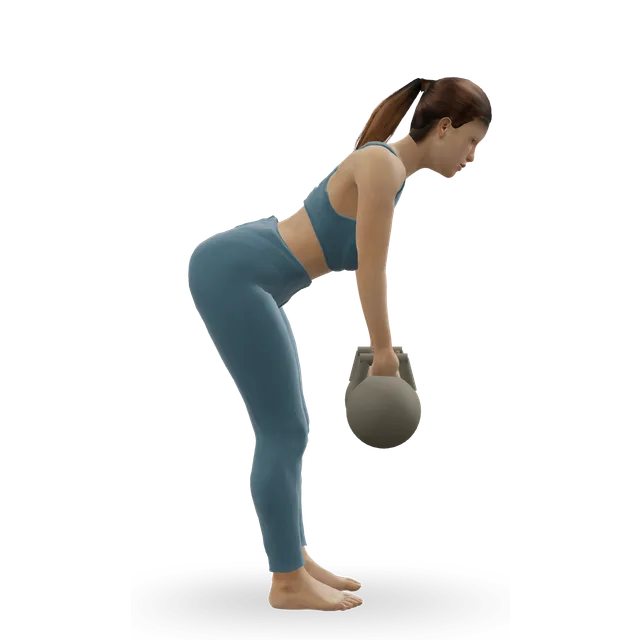
Loading the 3D figure…
The figure repeats the movement from its starting position. Drag to turn it; the arrows open the demos either side.
The bent-over row with a kettlebell in each hand: the two-dumbbell row's unsupported hinge with kettlebells.
Row family
Bent-over two-kettlebell row
Source-researched guide.
Form cues
- Hold the hinge still.
- Squeeze the shoulder blades together at the top.
Practice and cautions
No universal dose is assigned. Choose a manageable amount for your current capacity, leave room for controlled repetitions, and allow recovery. A clinician’s individual plan takes priority.
This is movement education, not an assessment or treatment prescription. Stop for sharp or increasing pain, dizziness, numbness or tingling; seek individual guidance for symptoms, injury or restrictions.
Sources and review status
Sources support the educational description; they do not establish that this exercise is suitable for you.
- Fenwick 2009 · Rowing exercises compared: the bent-over row loads the trunk and spine most (EMG, JSCR) ↗
- Free Exercise DB · community text ↗
Unlicense · Free Exercise DB contributors; derived from wrkout/exercises.json. Text import; no photographs or media. · Revision f00c92c7dcf1216a928a52c3706c7ce8e2f71ed5
No variation is labeled clinically validated.
What it works
Muscles
Main: Back. Also: Biceps.
Anatomy: Latissimus dorsi, Teres major, Trapezius, Rhomboids, Erector spinae, Multifidus.
Equipment
A kettlebell
Level
Intermediate. See the easier and harder options above.
Workouts that use it
Guides that use it
Similar moves
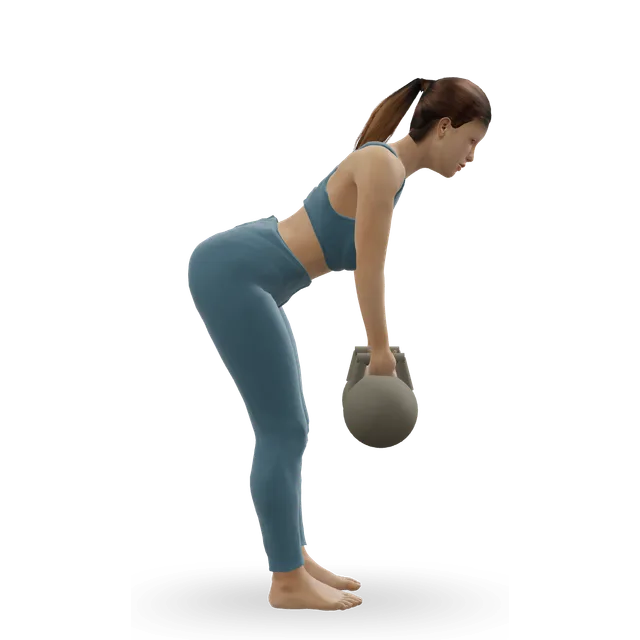 3D demoAlternating bent-over kettlebell rowIntermediate · A kettlebell
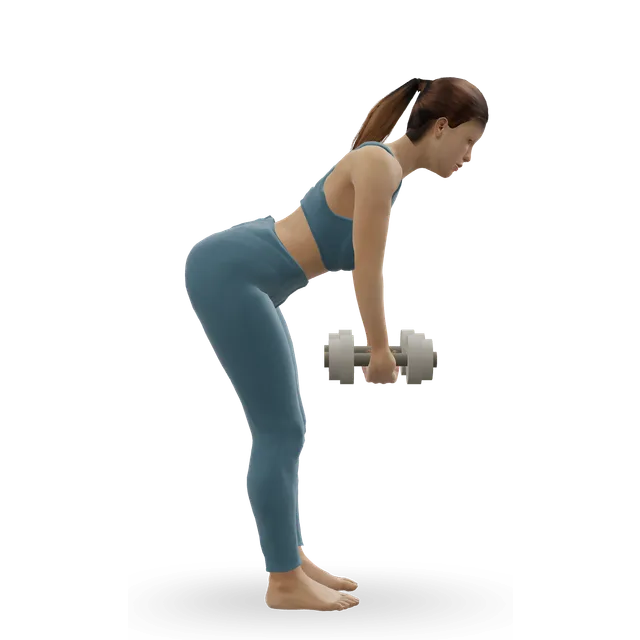 3D demoBent-over dumbbell row, palms inIntermediate · A dumbbell
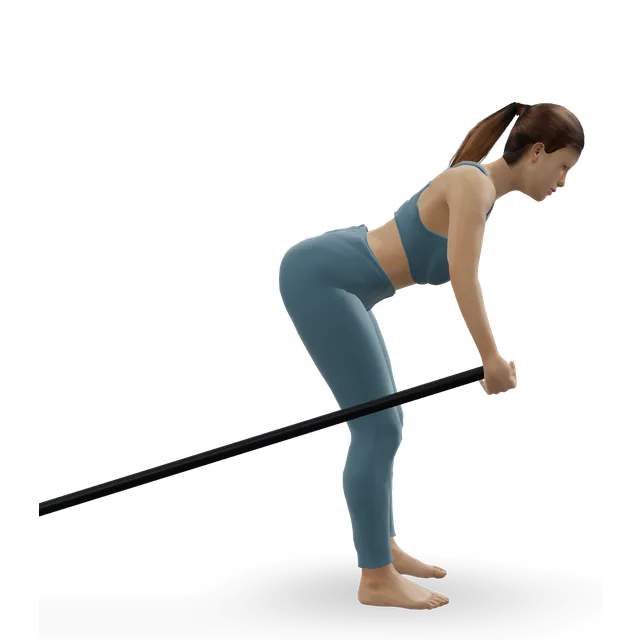 3D demoBent-over one-arm landmine rowIntermediate · A barbell
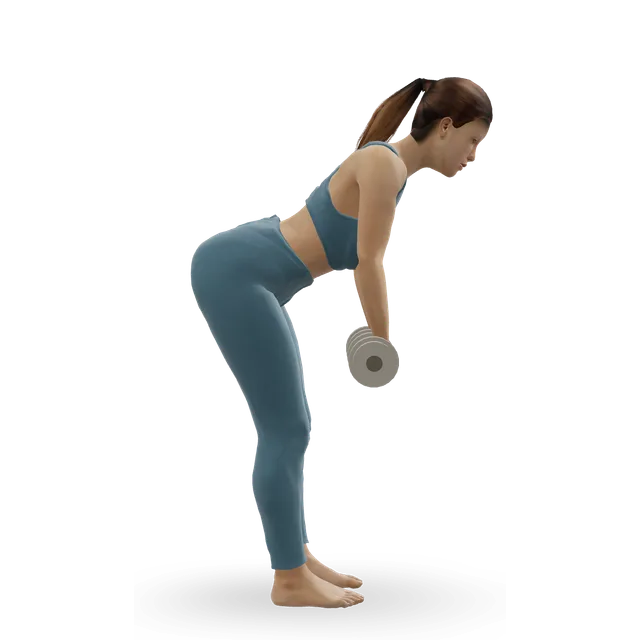 3D demoBent-over two-dumbbell rowIntermediate · A dumbbell
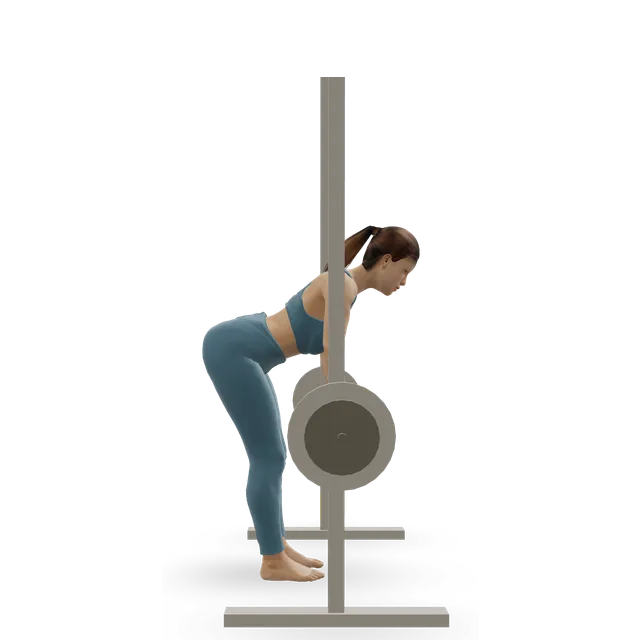 3D demoSmith machine bent-over rowIntermediate · Strength machine
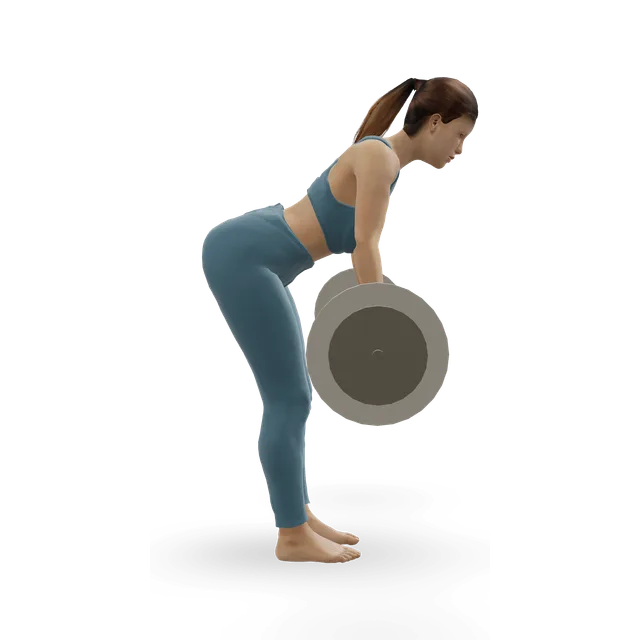 3D demoBarbell row standing on a benchAdvanced · A barbell + A bench or box
Browse more
Questions people ask
What muscles does the Bent-over two-kettlebell row work?
Mainly the back, with help from the biceps.
What equipment do I need for the Bent-over two-kettlebell row?
A kettlebell.
Is the Bent-over two-kettlebell row good for beginners?
It is graded intermediate. If it is too hard right now, start with the Supported single-arm dumbbell row.
What is an easier alternative to the Bent-over two-kettlebell row?
Try the Supported single-arm dumbbell row or the Inverted row. Both are written steps in the same progression.
How do I make the Bent-over two-kettlebell row harder?
Progress to the Bent-over barbell row or the Underhand bent-over barbell row. Follow that guide’s technique and any stated timing.