Stop and get medical help
If you get chest pain or pressure, feel faint or dizzy, are unusually breathless, or your heart races or beats irregularly during exercise, as our plans advise. The American Heart Association says these need immediate medical evaluation.
Source 17
Call 999 (911 in the US)
For chest pain that comes on suddenly and doesn't go away, feels tight or like squeezing, or spreads to your arms, neck or jaw; a sudden, extremely painful headache, for example during a heavy lift (the NHS says a bleed on the brain may be more likely when lifting something heavy); someone who faints while exercising; palpitations that don't go away, or come with chest pain, breathlessness or feeling faint; or signs of a stroke, even if they've stopped. Don't drive yourself to A&E.
Sources 20, 21, 22, 23, 24, 25, 26
Check before you start
If you haven't exercised for some time or have a medical condition, speak to your GP first, as the NHS advises. Get advice before heavy lifting if your blood pressure is uncontrolled, or you have heart disease or chest pain when you're active, a pacemaker or defibrillator, diabetic eye disease, glaucoma, a hernia, recent eye or tummy surgery, or you're pregnant, as our breathing guide lists.
Source 27
Your back
Call 999 or go to A&E for loss of feeling or numbness around your genitals or bottom, new trouble peeing or controlling your bladder or bowels, changes in genital sensation during sex or problems with erections or orgasm, or pain, tingling, weakness or numbness in both legs. These are signs of cauda equina syndrome, which needs treating in hospital urgently; don't drive yourself. Back pain with chest pain is also a 999 call.
See a GP if back pain hasn't improved after a few weeks of looking after it at home, stops you doing day-to-day activities, worries you, or you're struggling to cope.
Source 28
A pop at the front of the elbow
A sudden pop at the front of the elbow during a heavy pull, with bruising, a gap at the front of the elbow or a bulge in the upper arm, can be a torn biceps tendon. Go to an urgent treatment centre or A&E (in the US, urgent care or the emergency department), and don't wait for it to settle: it's best repaired within the first 2 to 3 weeks, as our T-bar row guide says.
A hamstring that grabs
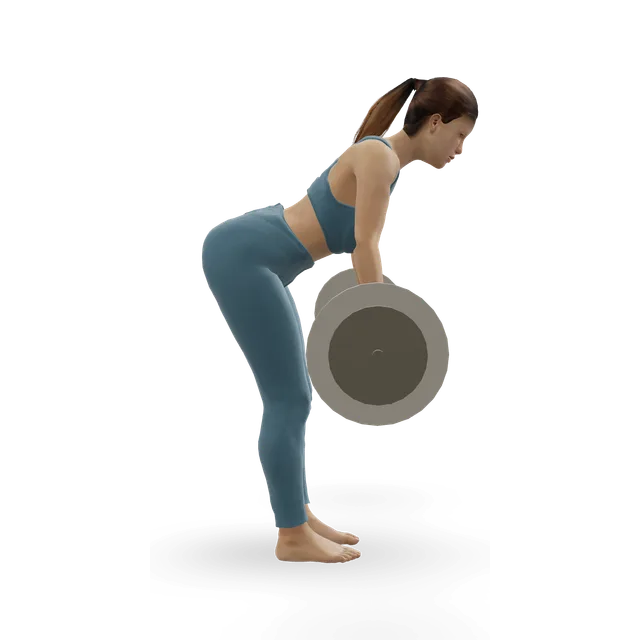
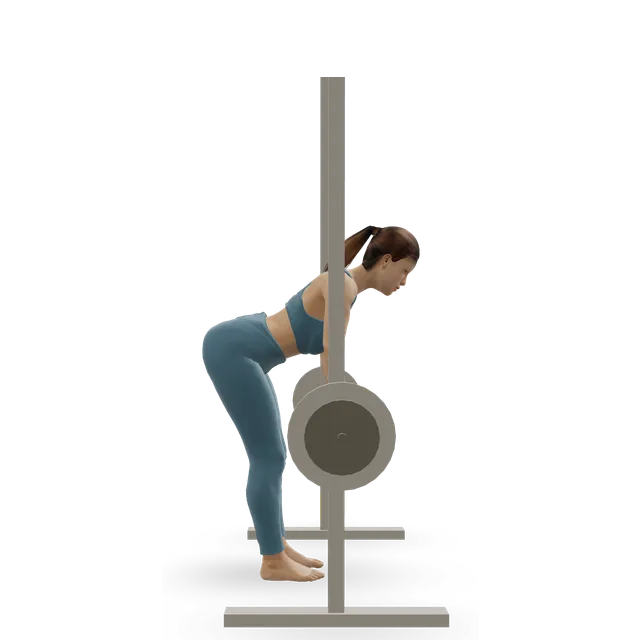
A sudden sharp pain at the back of the thigh at the bottom of the hinge: stop the set and see our hamstring strain guide. One person in the back pain programme strained a hamstring and left out the Pendlay row and the deadlift for the rest of it.
Source 1
A new lump or bulge
See a GP if you think you have a hernia. Get help from NHS 111 if you have a hernia and pain in or around it, a bloated tummy, sickness, constipation, a high temperature or sudden confusion. Call 999 or go to A&E for a femoral hernia (a lump at the top of the thigh) with very bad tummy pain, sickness, being unable to fart or poo, a high temperature or sudden confusion.
Sources 29, 30
A dropped bar, plate or dumbbell
Call 999 or go to A&E if you heard a crack, or the injured part has changed shape, points at an odd angle, is numb or tingling, or has turned blue, grey or cold. Get help from NHS 111 if it's very painful, badly swollen or bruised, or you can't put weight on it.
Source 31
Sore, or hurt?
Muscle soreness for a day or two after a new or harder session is common and fades. Sharp pain, or pain that builds during a set or lingers into the next day, isn't: swap to an easier version, and see a clinician if it persists, as our plans advise. The NHS says to stop exercising straight away if you feel any pain or become unwell, and to get help from 111 if symptoms worry you or don't go away.
Source 32