Training guide

How to start lifting weights: the first moves, how heavy, and your first plan

Lifting weights builds strength you'll use every day, at any age, and it's safer than its reputation: in trials with more than 38,000 people, exercise didn't raise the risk of serious harm. Strength comes quickly at the start, often within a few weeks, and you don't need a gym, heavy weights or a particular body to begin.

Weight training, strength training and resistance training all mean the same thing here: making your muscles work against a load, whether that's a dumbbell, a machine, a band or your own body. The guidelines ask for it on at least 2 days a week, and any amount is better than none.

This guide covers the five movements to learn first, how to pick a starting weight, sets, reps, rest and how often, how to learn good technique, machines or free weights, starting as a woman or an older adult, the safety habits that matter, and what to expect over the first months.

The short version

It's safe for beginners

In trials with more than 38,000 people, more than 11,000 of them older adults, exercise didn't raise the risk of serious harm. Most weight-training injuries seen in US emergency departments happened when a weight dropped on someone, which careful habits prevent.

Sources 1, 2

Five movements cover your body

A squat, a hip hinge, a push, a pull, and a carry or core move. A time-efficient minimum is a squat or leg press, an upper-body push and an upper-body pull.

Sources 3, 4

Start light

Pick a weight you could lift about 10 to 12 times, do 8 to 12 reps, and for your first 2 weeks stop every set with 3 or 4 reps to spare. Most people misjudge how many reps they have left by about one, so start on the light side.

Sources 5, 4, 6

Two or three sessions a week

Two or three full-body sessions a week, with a day between, meet the guidelines. Do 2 sets of each move at first, then 3, and add reps, then weight, as each set gets easier.

Sources 7, 5

The same for women and older adults

Women gain muscle at a similar rate to men relative to where they start, and adults over 50 gained about a quarter to a third in strength in pooled trials. Nobody gets bulky by accident.

Sources 8, 9

The words, and how strength comes

The words

A rep is one lift; a set is a group of reps done without resting. RIR (reps in reserve) is how many more good reps you could have done when you stopped. Your one-rep max is the heaviest weight you can lift once. Our sets and reps guide has more.

Any load counts

Dumbbells, barbells, kettlebells, machines, bands and your own body weight all count as strength work in the UK guidelines, and the type of equipment made no consistent difference to strength across 137 reviews.

Sources 10, 1

How strength comes

Strength rose within 2 to 6 weeks in a 12-week trial of 37 men and women, muscle growth showed on scans from about weeks 3 to 4 in 25 previously inactive men, and untrained men gained much more than experienced lifters over 21 weeks. Beginners improve fastest.

Sources 11, 12, 13

People differ

On the same 12-week arm programme, 585 adults changed their muscle size by anything from 2% smaller to 59% bigger, and their strength by 0 to 250%. Compare yourself with your own log, not with anyone else.

Source 14

Is lifting weights safe?

Safe for healthy adults of all agesStrong evidence

The 2026 position stand from the American College of Sports Medicine (ACSM), drawn from 137 reviews, found that exercise didn't raise serious adverse events in more than 38,000 trial participants, and that minor problems such as aches were no more common than with aerobic exercise. In 121 trials in older adults, serious adverse events were rare.

Sources 1, 15

Injury rates in lifting sports are lowEmerging evidence

Bodybuilding had 0.24 to 1 injury per 1,000 hours of training, and weightlifting and powerlifting about 1 to 4, low compared with team sports. Most of these studies looked back in time and were of low quality.

Sources 16, 17

Most weight-training injuries were accidentsEmerging evidence

In 25,335 weight-training injuries seen in US emergency departments from 1990 to 2007, 65.5% happened when a weight dropped on the person and 90.4% involved free weights. There's no record of how many people were lifting, so these aren't injury rates, but they show where the avoidable risks are.

Source 2

What the evidence says

Start with loads you can lift 8 to 12 timesStrong evidence

The ACSM suggests that beginners use loads they can lift 8 to 12 times, on 2 to 3 days a week, and add 2 to 10% when they can do 1 or 2 more reps than the target. The American Heart Association (AHA) suggests starting at about 40 to 60% of your maximum, with 8 to 10 exercises for the major muscles, and adding 2 to 10% after 2 extra reps in 2 sessions in a row.

Sources 5, 4

Small doses workStrong evidence

Minimal doses brought substantial gains in the ACSM's review. In the records of 14,690 adults at a private exercise company (60% women, average age 48) who did one set of each of six exercises, taken to failure, once a week, strength rose by about 30 to 50% in the first year.

Sources 1, 18

You don't need to go to failureStrong evidence

Training to failure made no consistent difference to results across the reviews, so the plans stop sets 2 or 3 reps short.

Source 1

Machines and free weights both workStrong evidence

Across 13 studies of 1,016 adults, free weights and machines built similar strength and muscle, and people got best at the kit they trained with. The ACSM's review found no consistent difference by type of equipment.

Sources 19, 1

Machines are easier to learnEmerging evidence

A narrative review notes that machines need fewer coordination and technique skills, so beginners can focus on effort, and that free weights can feel more intimidating at first. Both are safe with good technique.

Source 3

People misjudge their reps left by about oneEmerging evidence

Across 12 studies of 414 people, lifters underestimated how many reps they had left by about one on average, less so near the end of a set.

Source 6

A coach helps a littleEmerging evidence

In an exploratory pooled analysis of 12 studies, supervised training built a little more strength than training alone. In small studies of people who already trained, supervised men raised their weights faster; women who trained with a personal trainer chose heavier weights for a set of 10 (about 51% of their maximum, against 42%); and 88% stuck with supervised training, against 81% with online coaching and 52% with a self-guided plan.

Sources 20, 21, 22, 23

Women and men gain at a similar rateStrong evidence

Across 29 studies, women and men gained similar amounts of muscle relative to their starting point, with slightly more absolute growth in men, mostly in the upper body. Women gained more upper-body strength relative to their start in a pooled analysis, and more relative strength in a 585-person arm-training study.

Sources 24, 8, 14

Older adults gain a lotStrong evidence

Progressive strength training made older people much stronger and improved how fast they could rise from a chair and walk (121 trials, 6,700 people). Adults over 50 gained about 24 to 33% in strength (47 studies) and about 1.1 kg of lean mass (49 studies), a little less at older ages. The NSCA (National Strength and Conditioning Association) calls it a powerful way to counter the loss of strength and muscle with age.

Sources 15, 9, 25, 26

Strength training cut sports injuries; stretching didn'tStrong evidence

Across 25 trials of 26,610 people, strength training cut sports injuries to under a third, while stretching made no difference, and stretching before exercise didn't reduce injuries in 1,538 army recruits.

Sources 27, 28

The first moves, easiest first

Six patterns

Learn one move from each pattern, starting with the easiest version you can do well. A squat or leg press, a push and a pull are the time-efficient minimum, and the AHA suggests 8 to 10 exercises that cover the major muscles over a week. Our editorial order, easiest first:

  • Squat: sit-to-stand from a chair, then a bodyweight squat, then a goblet squat with a dumbbell, or the leg press in a gym.
  • Hinge: hip-hinge practice, then a kettlebell deadlift or a dumbbell Romanian deadlift.
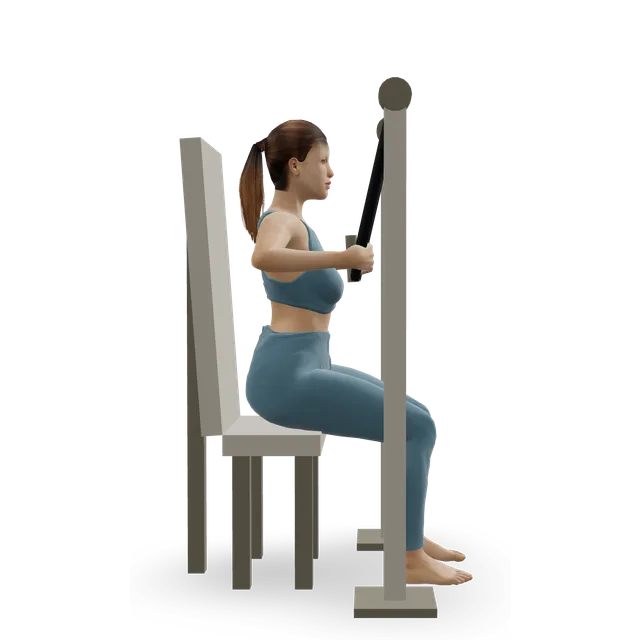
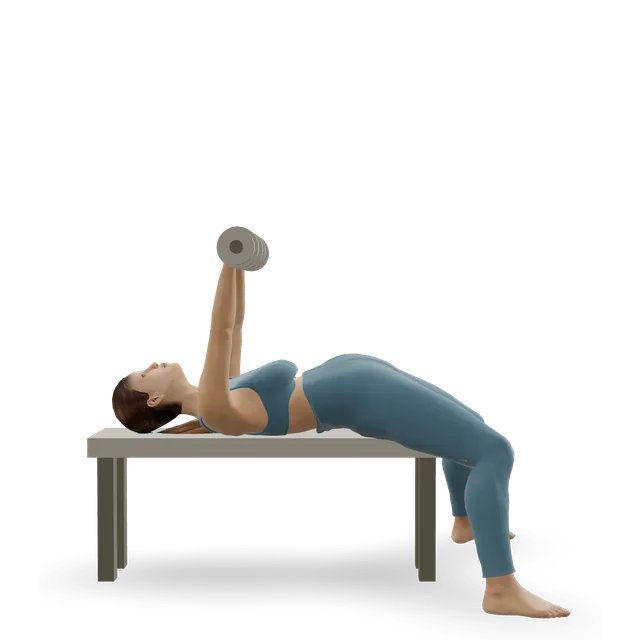
  • Push: wall or incline push-ups, then the chest press machine or a dumbbell bench press.
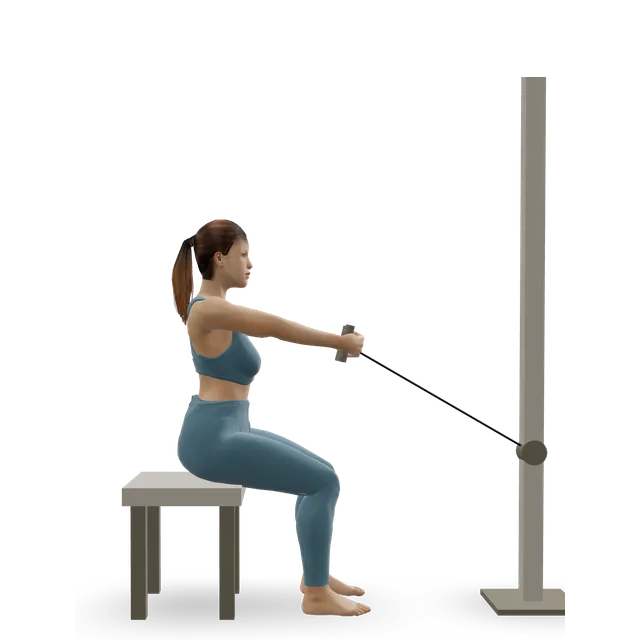
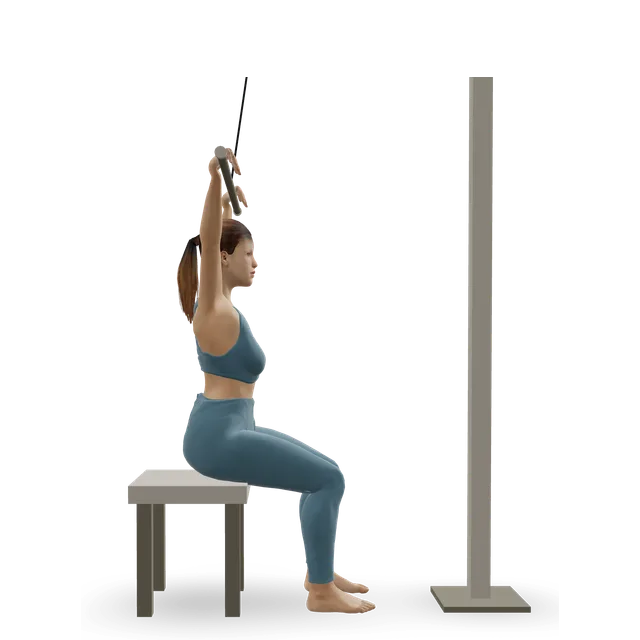
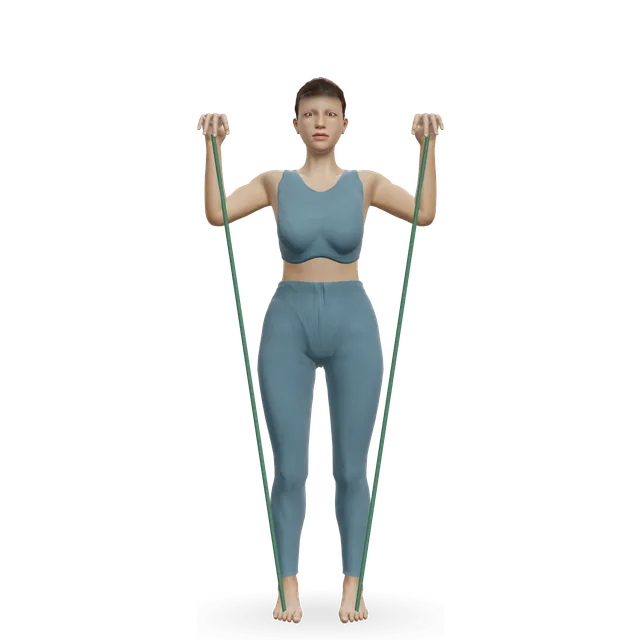
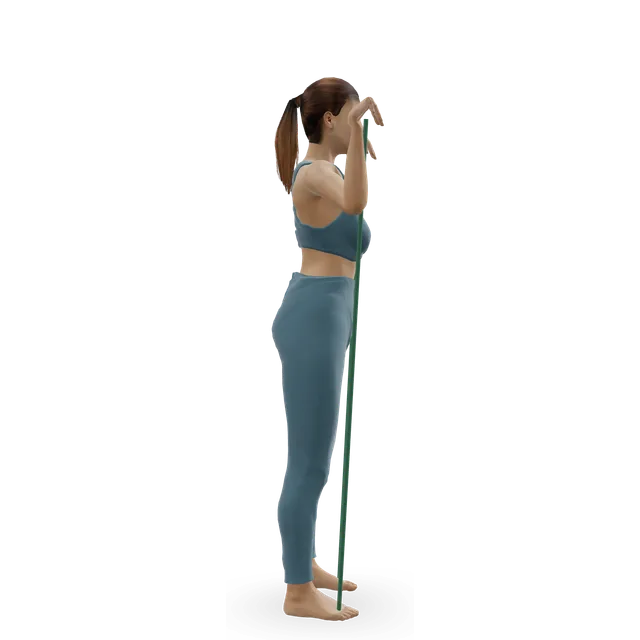
  • Pull: a band row, then a seated cable row, a lat pulldown or a one-arm dumbbell row.
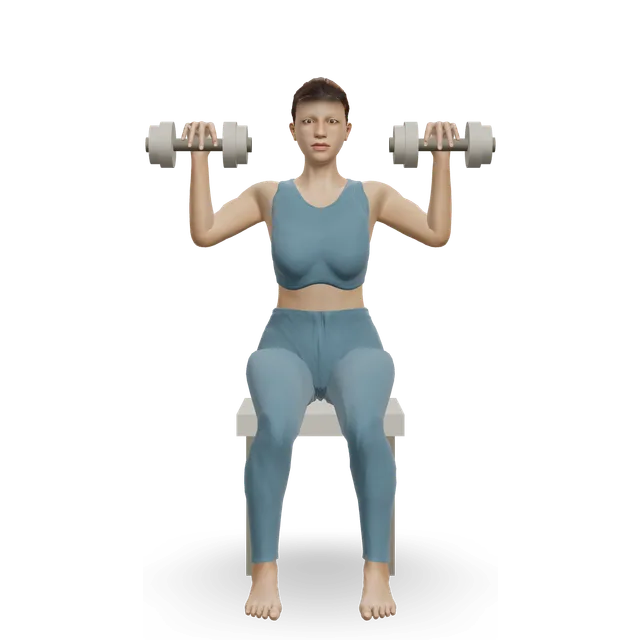
  • Overhead: a machine shoulder press or a seated dumbbell press.
  • Carry or core: a farmer's carry or a dead bug.

Sources 3, 4

How many moves

Five to seven moves a session is plenty, as our sets and reps guide suggests. Learn 2 or 3 new ones at a time and keep the rest familiar.

First moves with weights

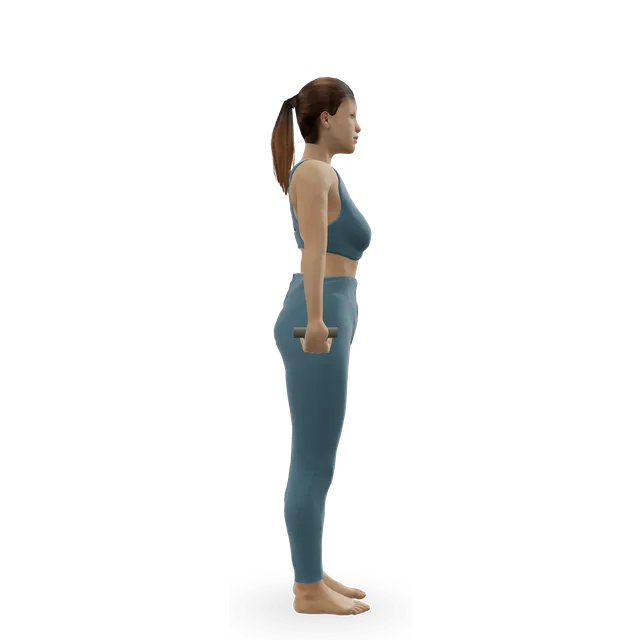
Pick a squat, a hinge, a push, a pull and a carry or core move for each session, with 2 sets of 8 to 12 and 3 or 4 reps to spare in your first 2 weeks, as our plans' notes advise.

How to find your starting weight

Our plans' starting-weight method, in line with the ACSM's 8 to 12 rep loads for beginners and the AHA's start at about 40 to 60% of your maximum. Expect to misjudge your reps left by about one at first.

  1. Pick a weight you think you could lift about 10 to 12 times with good form.
  2. Do 8 reps, then ask yourself how many more you could have done.
  3. 2 or 3 more: that's your weight for now. 5 or more: go up for the next set. None or 1: go down.
  4. For your first 2 weeks, stop every set with 3 or 4 reps to spare, and write the weight down.
  5. When every set reaches 12 reps, add the smallest weight step you have.

Loading the 3D figure…

Gets into position, then repeats the movement. Technical checks passed; qualified exercise review is pending.

The movement on the figure: Dumbbell goblet squat

Sets, reps, rest and how often

Sets

2 sets of each move in weeks 1 and 2, then 3 sets, stopping 2 or 3 reps short of failure (our plans' shared notes).

Reps

8 to 12 for most moves, which the ACSM and the AHA suggest for beginners; up to 15 for small moves such as curls and raises.

Sources 5, 4

Rest

About 90 seconds to 2 minutes between sets of big moves, and 60 to 90 seconds for small ones (our plans' shared notes).

How often

Two or three full-body sessions a week, with a day between. The NHS asks for strength work on at least 2 days a week.

Sources 7, 5

A busy week

About 4 hard sets per muscle a week is a reasonable minimum when time is short, and even one session a week built strength over a year in a large study.

Sources 3, 18

Warm up

A few minutes of easy movement, then a lighter set of your first move (our plans' notes). The NHS's own warm-up takes at least 6 minutes, from marching on the spot to knee bends.

Source 29

How to progress

Add reps, then weight

Keep the weight the same and add reps until every set reaches the top of the range, then add the smallest weight step and start again at the bottom. The ACSM and the AHA put that step at 2 to 10%.

Sources 5, 4

Heavier later

The heaviest loads (about 80% of your maximum or more) built the most strength in the ACSM's review, but the AHA suggests building up to heavier loads (above about 80% of your maximum) after about 6 months of training. Our guide to RPE (rating of perceived exertion) and reps in reserve helps you judge your sets once you're past the first weeks.

Sources 4, 1

Learning technique

Light and simple first

Learn 2 or 3 new moves at a time, with light loads and the easiest version that still works the muscle (our free weights guide's suggestion). Start with light weights and add more gradually, as the AHA advises.

Source 4

Watch, then check yourself

Watch each move's 3D demo and how-to guide, then use our technique workouts for the squat, deadlift, bench press and overhead press before you load a barbell. Film one set from the side and compare it with the demo, as our beginner strength programme suggests.

Get some coaching if you can

A few sessions with a coach or a gym's staff can help: supervised training built a little more strength in pooled trials, and people kept to it better. We found no trial testing video feedback or coaching cues in beginners.

Sources 20, 23

Machines, free weights, bands or body weight

All of them work

Head to head, free weights and machines built similar strength and muscle, and you get best at what you train with. Pick what you can get to and enjoy.

Sources 19, 1

Machines suit your first sessions

They guide the weight and are quick to adjust, so you can learn how a hard set feels before you learn free-weight technique. Our gym for beginners guide has a first session on the machines.

Source 3

At home

Bands, body weight and a pair of dumbbells cover every pattern. Our 3-day home workout plan and 20-minute strength workout set it out, and adjustable dumbbells make small weight steps easy.

Safety habits

Racks, pins and collars

Squat and bench press heavy barbells inside a rack with the safety pins or arms set, or with a spotter, and use collars on the bar. Put weights down rather than dropping them, and learn how to get out from under a failed rep, as our beginner strength programme shows.

Set machines up first

Line the moving joint up with the machine's pivot, set the seat so the handles start where the demo shows, and find the safety catches on plate-loaded machines before you load them.

Breathe

Breathe out as you lift. On very heavy reps, healthy, experienced lifters may hold a braced breath for one rep at a time, as our breathing guide explains; with high blood pressure, heart disease, glaucoma or diabetic eye disease, a hernia, or in pregnancy, breathe out through every effort. The AHA says people with controlled high blood pressure can do low to moderate intensity strength training with proper breathing.

Source 4

Put weights back

A weight dropping on someone was the commonest cause of weight-training injuries in US emergency departments, so rack your weights and keep the floor clear.

Source 2

Women, older adults and health conditions

Women

The same programme works. Women gain muscle at a similar rate to men relative to where they start, and less in absolute terms, so muscle comes slowly and you control how much you do. Our strength training for women guide goes into more detail.

Sources 24, 8, 14

In pregnancy

The NHS says strength training at a gym is fine in pregnancy if you already do it, and suggests 2 muscle-strengthening sessions a week. If you're new to it, start gently, and see our pregnancy guide.

Source 30

Older adults

It's never too late: adults over 50 gained about a quarter to a third in strength and about 1.1 kg of lean mass in pooled trials, and progressive training improved how quickly older people could rise from a chair and walk. Our older adults guide, seniors' plan and gym workout for seniors start gently.

Sources 9, 25, 15, 26

Health conditions

The AHA asks people with medical conditions to check with a doctor before starting. With heart disease, or blood pressure that isn't controlled, talk to your doctor or cardiac team first. With advanced arthritis, severe osteoporosis, nerve damage or a past stroke, start with low to moderate intensity on machines, ideally with an exercise professional. With a pacemaker or defibrillator, ask before upper-body training, and with some diabetic eye disease (active proliferative or moderate to severe non-proliferative retinopathy), avoid high-intensity lifting.

Source 4

Workouts to follow

At home, start with the 20-minute strength workout or the full-body dumbbell workout; in a gym, our first gym workout, then full-body workouts A and B. The technique workouts teach the barbell lifts.

20-minute full-body strength workout

A 20-minute full-body dumbbell workout: two supersets of squats, rows, Romanian deadlifts and push-ups. Twice a week covers the minimum dose.

20 minBeginner8 movesA dumbbell, A bench or box

Full-body dumbbell workout

A 35-minute full-body strength workout with dumbbells: goblet squats, presses, rows, Romanian deadlifts and carries.

35 minIntermediate9 movesA band, A dumbbell

First gym workout: five machines and easy cardio

A gentle first gym workout: a bike warm-up, five machines for 2 easy sets each, a short core move and 10 minutes on the cross-trainer.

45 minBeginner11 movesCardio machine, Strength machine

Full-body gym workout A

A beginner full-body gym workout: goblet squats, dumbbell bench press, lat pulldowns, Romanian deadlifts and dead bugs, with sets, reps and rest.

45 minBeginner12 movesCardio machine, A band

Full-body gym workout B

Full-body gym workout B: trap bar deadlifts, cable rows, seated dumbbell press, step-ups, leg curls, push-ups and a Pallof press.

50 minBeginner13 movesCardio machine, Other / check instructions

Squat technique workout

A 25-minute practice session for the squat: find your depth on a chair, groove the bodyweight squat with pauses, then load it with a slow goblet squat.

25 minBeginner8 movesA wall, A bench or box

Learn to deadlift: hinge to bar workout

A 30-minute session from the hip hinge to your first deadlift: hinge practice, kettlebell deadlifts, slow Romanian deadlifts, a light bar and a carry.

30 minBeginner9 movesA kettlebell, A dumbbell

Bench press technique workout

A 30-minute practice session for the bench press: shoulder blade work, push-ups and dumbbell presses, then the empty bar with the safety arms set.

30 minBeginner7 movesA band, A dumbbell

Overhead press technique workout

A 30-minute practice session for the overhead press: check your overhead reach, groove it with a band and seated dumbbells, then press the empty bar.

30 minBeginner9 movesA band, A wall

Reps in reserve practice workout

Learn how many reps you really have left: machine sets where you call out your reps in reserve, then keep going to check, in about 30 minutes.

30 minBeginner7 movesCardio machine, A band

Resistance band workout

A full-body resistance band workout: squats, rows, push-ups, presses, pull-aparts, band walks, good mornings and flyes.

30 minBeginner9 movesA band, An anchor point

Gym workout for seniors: machine strength training for muscle loss

A 50-minute gym session for older adults and sarcopenia: 7 machines for the legs, chest and back from the UK prescription, then a short balance finish.

50 minBeginner12 movesCardio machine, A bench or box

Plans

The 3-day full-body plan is the place to start in a gym and the 3-day home plan at home. The beginner strength programme is for barbells, with a rack and safety pins.

3 days a week

3-day full-body workout plan

A beginner gym plan: three full-body sessions a week, alternating workouts A and B, with sets, reps, rest and an 8-week progression.

3 training days45 minBeginner
3 days a week

3-day home workout plan

Three full-body home workouts a week with dumbbells or no equipment at all, plus walks and an 8-week plan to keep progressing.

3 training days35 minBeginner
2 days a week

2-day full-body workout plan

Two full-body strength sessions a week: the minimum that meets health guidelines, with every set, rep and rest, and an 8-week progression.

2 training days45 minBeginner
3 days a week

Beginner strength program: a 5x5-style barbell plan

A 12-week beginner barbell program: squat every session, alternate bench and row with press and deadlift, and add weight each time until it stalls.

3 training days50 minBeginner
4 days a week

Dumbbell workout plan: 4-day upper/lower split

A 4-day dumbbell-only plan for home or gym: two upper and two lower days, every set, rep and rest, and how to keep progressing when the dumbbells max out.

4 training days45 minBeginner
3 days a week

Resistance band workout plan: 3 full-body sessions a week, at home or away

An 8-week resistance band workout plan: three full-body sessions a week at home or away, with how to choose bands, add tension and anchor them safely.

3 training days35 minBeginner
3 days a week

Workout plan for women

A weekly workout plan for women: three strength days, cardio and pelvic floor training, with the evidence on periods, pregnancy and menopause.

3 training days45 minBeginner
3 days a week

Workout plan for women over 50

A weekly plan for women over 50: strength, bone-loading and balance on 3 days plus walking, built on UK osteoporosis consensus advice.

3 training days45 minBeginner
3 days a week

Workout plan for men over 40

A 3-day strength plan for men over 40 with power and bone work, two cardio days and mobility, built on research on ageing muscle.

3 training days45 minBeginner
3 days a week

Workout plan for seniors (65 and over)

A 12-week exercise plan for over-65s: strength and balance three times a week, short balance sessions and daily walks, based on falls-prevention trials.

3 training days40 minBeginner

What to expect

Weeks

Strength rises within 2 to 6 weeks, and muscle growth shows on scans from about weeks 3 to 4, partly as swelling at first.

Sources 11, 12

Months

In typical training studies, men gained about 1.5 kg of muscle over about 10 weeks and adults over 50 about 1.1 kg of lean mass over about 20 weeks, and strength rose by about 30 to 50% in the first year of once-a-week training.

Sources 31, 25, 18

Everyone differs

Beginners gain fastest, and the same training can change one person a lot and another very little. Nobody can promise a timeline, so track the weights and reps you lift: the mirror lags behind.

Sources 14, 13

Body fat and weight

Strength training alone trimmed body fat by about 1.5 percentage points in pooled trials. For weight loss, food does most of the work, and aerobic exercise adds a little.

Sources 32, 33

Food and sleep

Protein

About 1.6 g per kg of body weight a day is enough for most people who lift, spread over 3 to 5 meals of about 20 to 40 g. Food can cover it, and a shake is only a convenience. Our protein calculator works out your range.

Sources 34, 35

Sleep

Adults need 7 to 9 hours, the NHS says, and short sleep cut exercise performance by about 7.6% across 69 publications.

Sources 36, 37

Warning signs: when to stop and get help

Call 999 (911 in the US)

For chest pain that comes on suddenly and doesn't go away, feels tight or heavy, or spreads to your arms, neck, jaw, stomach or back, or chest pain with sweating, feeling sick, light-headedness or breathlessness. Call 999 too if someone faints while exercising. Don't drive yourself to A&E.

Sources 38, 39, 40

Stop the session

The AHA says dizziness, unusual breathlessness, chest pain or pressure, or palpitations during strength training need checking by a doctor straight away.

Source 4

Back pain after lifting

Call 999 or go to A&E for back pain with pain, tingling, weakness or numbness in both legs, loss of feeling around your genitals or bottom, or changes in bladder or bowel control. Get an urgent GP appointment or call NHS 111 for back pain with a high temperature or feeling unwell, or severe pain that starts suddenly or gets worse quickly. Our back pain after deadlifts guide has the rest.

Source 41

Very sore, weak muscles with dark pee

After an unusually hard first session, severe muscle pain and weakness with dark, red or cola-coloured pee, or much less pee than usual, can be rhabdomyolysis. Call NHS 111 the same day (in the US, your doctor or urgent care).

Source 42

Joint pain

Feeling your muscles work, and some soreness a day or two later, is normal. Joint pain that's sharp, gets worse during a set or lingers into the next day means switching to the easier option, and seeing a GP or physiotherapist if it carries on (our plans' rule).

Myths

"Lifting weights is dangerous for beginners"Strong evidence

Trials with more than 38,000 people found no rise in serious harm, serious harms were rare across 121 trials in older adults, and weight-training sports have low injury rates compared with team sports. The real risks are accidents such as dropped weights, which kit and habits prevent.

Sources 1, 15, 16, 17, 2

"Women get bulky from lifting"Strong evidence

Women and men gain muscle at similar rates relative to where they start, with smaller absolute gains in women, and women gained more relative strength in a 585-person arm-training study. You control the dose.

Sources 24, 8, 14

"You need to lift heavy from day one"Strong evidence

Beginners start with loads they can lift 8 to 12 times, the AHA suggests starting at about 40 to 60% of your maximum, and minimal doses bring substantial gains. Heavier loads build the most strength, and the AHA suggests building up to them after about 6 months.

Sources 5, 4, 1

"Every set should go to failure"Strong evidence

Training to failure made no consistent difference to results in the ACSM's review. Stop 2 or 3 reps short.

Source 1

"Free weights are real training; machines are for beginners"Strong evidence

Head to head, they built similar strength and muscle, with gains specific to the kit you train with.

Sources 19, 1

"Older people shouldn't lift weights"Strong evidence

Adults over 50 gained 24 to 33% in strength, progressive training improved rising from a chair and walking speed in older people, and the NSCA recommends it.

Sources 9, 15, 26

"You need protein shakes to build muscle"Strong evidence

About 1.6 g of protein per kg a day is enough for most people who lift, and food can cover it.

Sources 34, 35

"Stretching before lifting prevents injury"Strong evidence

Stretching didn't reduce injuries in 25 trials or in 1,538 army recruits. A few minutes of easy movement and a lighter first set are the warm-up that counts.

Sources 27, 28

Questions people ask

How do I start lifting weights?

Learn five basic movements (a squat, a hip hinge, a push, a pull and a carry or core move), do 2 sets of 8 to 12 of each two or three times a week, and stop every set with a few reps to spare. Add reps, then weight, as each set gets easier.

How much weight should I lift as a beginner?

Pick a weight you think you could lift about 10 to 12 times, do 8, and see how many more you could have done: 2 or 3 more means it's right for now. For your first 2 weeks, stop with 3 or 4 to spare. Most people misjudge this by about one rep, and it gets easier with practice.

How many sets and reps should a beginner do?

Two sets of 8 to 12 reps per exercise for the first 2 weeks, then 3 sets. Rest about 90 seconds to 2 minutes between sets of the big moves.

How often should I lift weights as a beginner?

Two or three full-body sessions a week, with a day between. The guidelines ask for strength work on at least 2 days, and even once a week built strength in a large study.

Is lifting weights safe for beginners?

Yes for healthy adults of all ages: in trials with more than 38,000 people, exercise didn't raise the risk of serious harm. Most weight-training injuries seen in US emergency departments happened when a weight dropped on someone, so use collars, safety pins and careful set-up.

Should I use machines or free weights?

Either: they built similar strength and muscle in head-to-head studies. Machines are easier to learn, so they suit your first sessions; add free weights a couple of moves at a time.

How do I learn proper form?

Start light with simple versions, follow the 3D demos and our technique workouts, and film a set from the side to check yourself. A few sessions with a coach help: supervised training built a little more strength than training alone in pooled trials.

Will lifting weights make me bulky?

Not by accident. Women and men gain muscle at a similar rate relative to where they start, muscle grows slowly, and you choose how much you do.

Can I start lifting weights at 50, 60 or older?

Yes. Adults over 50 gained about a quarter to a third in strength in trials, and serious harms were rare. With advanced arthritis, severe osteoporosis or a past stroke, start on machines at a low to moderate effort, ideally with an exercise professional.

Can I lift weights at home?

Yes: bands, body weight and a pair of dumbbells cover every main movement, and the type of equipment made no consistent difference to strength gains in trials. Our 3-day home plan sets it out.

How long until I see results from lifting weights?

Strength rises within 2 to 6 weeks, and muscle growth shows on scans from about weeks 3 to 4. In typical programmes, men gained about 1.5 kg of muscle over about 10 weeks, and people vary a lot.

Do I need protein shakes?

No. About 1.6 g of protein per kg of body weight a day is enough for most people who lift, and food can cover it; a shake is only a convenience. Our protein calculator works out your range.


Sources

  1. Currier 2026 · Resistance training for muscle function, size and performance in healthy adults: 137 reviews (ACSM position stand, MSSE)
  2. Kerr 2010 · Weight training injuries seen in US emergency departments, 1990 to 2007 (epidemiology study, American Journal of Sports Medicine)
  3. Iversen 2021 · No time to lift? Designing time-efficient training for strength and muscle (narrative review, Sports Medicine)
  4. Paluch 2024 · Resistance exercise training in people with and without cardiovascular disease (AHA scientific statement, Circulation)
  5. ACSM 2009 · Progression models in resistance training for healthy adults (position stand, MSSE)
  6. Halperin 2022 · How accurately people predict the reps they have left: 12 studies (scoping review and meta-analysis, Sports Medicine)
  7. NHS · Physical activity guidelines for adults aged 19 to 64
  8. Refalo 2025 · Sex differences in absolute and relative muscle growth with training: 29 studies (Bayesian meta-analysis, PeerJ)
  9. Peterson 2010 · Resistance exercise and strength in adults over 50: 47 studies (meta-analysis, Ageing Research Reviews)
  10. UK Chief Medical Officers 2019 · Physical activity guidelines (with the 2026 evidence update for adults, GOV.UK)
  11. Abe 2000 · How fast strength and muscle thickness change over 12 weeks in 37 men and women (RCT, European Journal of Applied Physiology)
  12. DeFreitas 2011 · The time course of muscle growth: weekly scans in 25 previously inactive men (trial, European Journal of Applied Physiology)
  13. Ahtiainen 2003 · Strength and muscle gains over 21 weeks in strength-trained and untrained men (trial, European Journal of Applied Physiology)
  14. Hubal 2005 · Variation in muscle size and strength gains after 12 weeks of arm training in 585 adults (MSSE)
  15. Liu 2009 · Progressive resistance training for physical function in older adults: 121 trials (Cochrane review)
  16. Keogh 2017 · The epidemiology of injuries across the weight-training sports: 20 studies (review, Sports Medicine)
  17. Aasa 2017 · Injuries among weightlifters and powerlifters: 9 studies (systematic review, BJSM)
  18. Steele 2023 · Strength over up to 6.8 years of once-weekly minimal-dose training in 14,690 adults (retrospective cohort, Research Quarterly for Exercise and Sport)
  19. Haugen 2023 · Free weights against machines for strength, muscle and jumping: 13 studies (meta-analysis, BMC Sports Sci Med Rehabil)
  20. Fisher 2022 · The role of supervision in resistance training: 12 studies (exploratory meta-analysis, International Journal of Strength and Conditioning)
  21. Mazzetti 2000 · Direct supervision of resistance training in moderately trained men (trial, MSSE)
  22. Ratamess 2008 · The weights 46 trained women chose, with and without a personal trainer (study, JSCR)
  23. Gavanda 2025 · In-person supervision, online coaching or a self-guided plan in 79 trained adults (RCT, JSCR)
  24. Roberts 2020 · Sex differences in resistance training (systematic review and meta-analysis, JSCR)
  25. Peterson 2011 · Resistance exercise and lean body mass in adults over 50: 49 studies (meta-analysis, MSSE)
  26. Fragala 2019 · Resistance training for older adults (NSCA position statement, Journal of Strength and Conditioning Research)
  27. Lauersen 2014 · Exercise programmes to prevent sports injuries: 25 trials (meta-analysis, BJSM)
  28. Pope 2000 · Stretching before exercise and leg injuries in 1,538 army recruits (RCT, MSSE)
  29. NHS · How to warm up before exercising
  30. NHS · Exercise in pregnancy
  31. Benito 2020 · Resistance training and whole-body muscle growth in men: 111 studies (meta-analysis, IJERPH)
  32. Wewege 2022 · Resistance training and body fat in healthy adults: 58 studies (meta-analysis, Sports Medicine)
  33. Jayedi 2024 · Aerobic exercise and weight loss: 116 trials (dose-response meta-analysis, JAMA Network Open)
  34. Morton 2018 · Protein supplements and gains from resistance training: 49 trials (meta-regression, BJSM)
  35. Jäger 2017 · Protein and exercise (International Society of Sports Nutrition position stand, JISSN)
  36. NHS · Insomnia (how much sleep adults need)
  37. Craven 2022 · Acute sleep loss and physical performance: 69 publications (meta-analysis, Sports Medicine)
  38. NHS · Chest pain (past its review date: reviewed August 2023, review due August 2026)
  39. NHS · Heart attack
  40. NHS · Fainting
  41. NHS · Back pain
  42. MedlinePlus (US National Library of Medicine) · Rhabdomyolysis

Exercise education, not a personal prescription, and clinical review of these guides is pending. Check with a GP before starting hard training if you have a heart condition, chest pain, dizziness or breathlessness when active, and stop for sharp or increasing pain. Health disclaimer.