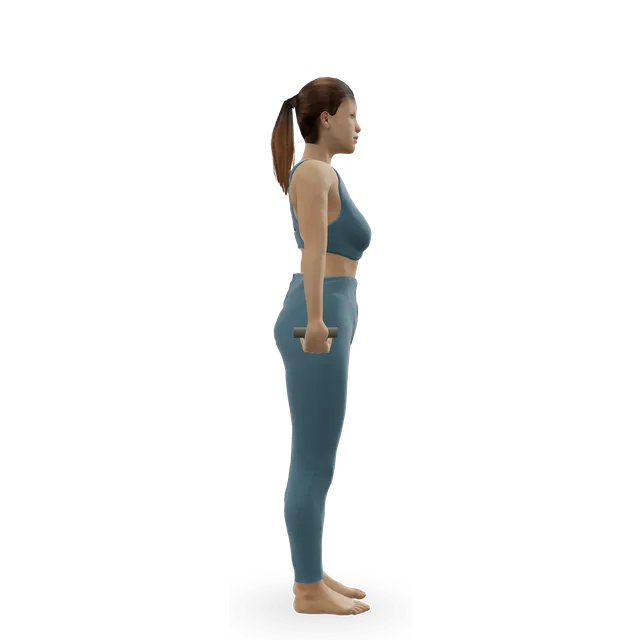
You don't need to be fit to join
The trials behind strength training include complete beginners, and studies of new gym members recruit people who aren't yet active. Gyms are for starting out as much as for anything else.
Training guide
Walking into a gym for the first time can feel as if everyone else knows the rules. If you feel nervous or out of place, that's an understandable response to a new setting, not a sign that you don't belong, and it can ease as the place becomes familiar. You don't need to be fit to join, and you don't need to know the equipment yet.
This guide covers how to start going to the gym: what's in a gym, what helps with gym nerves, inductions and personal trainers, a first session on the machines that you can follow, when to add free weights, gym etiquette, and a simple plan for your first month.
It also covers the part most guides skip: keeping going past the first 3 months, which is when many new members stop.
The trials behind strength training include complete beginners, and studies of new gym members recruit people who aren't yet active. Gyms are for starting out as much as for anything else.
A 2026 analysis argues that feeling anxious or intimidated in a gym is an understandable response to its unwritten rules about who belongs, not a disorder, and that it can ease as the place becomes familiar.
Source 3
Machines guide the weight and need less technique, so they're the easiest place to start, and they build strength and muscle about as well as free weights.
5 minutes on a bike, 2 easy sets on five machines, a core move and 10 minutes of steady cardio: about 45 minutes. Stop every set with 3 or 4 reps to spare. Our first gym workout sets it out.
Put weights back, wipe equipment down and take turns. A weight dropping on someone was the commonest cause of weight-training injuries in US emergency departments.
Source 9
In one gym's records, 63% of new members had stopped before their third month. For regular members, going took about 2 to 3 months to become a habit, so the first few months are the part to plan for.
Most gyms have the same areas, and every move on this page has a 3D demo:
That's the practical difference for a beginner. Machines need fewer coordination and technique skills and are quick to adjust, while free weights are more versatile and can feel more intimidating at first. Both build strength and muscle about equally.
Minutes on a treadmill, bike, cross-trainer or rower count towards your 150 minutes a week when you're working at a moderate effort: breathing faster, able to talk but not sing.
A 2026 perspective article argues that feeling anxious or intimidated in a gym is an understandable response to the setting's unwritten norms about who belongs there (fit, young, slim and confident), not a disorder; that it's different from worries about your body or social anxiety; and that it can ease as people get to know the place. It's one author's analysis, and it notes that few ways of helping have been tested.
Source 3
In an online survey of 1,552 adults, people with a higher body weight felt more embarrassed and intimidated about exercising at a health club, especially around young or fit people and with salespeople. People of every weight felt much the same about complicated equipment.
Source 14
In 33 UK studies of people on exercise referral schemes (where a health professional refers you to a local exercise programme), an intimidating gym atmosphere, the music and TV, and not feeling confident with the equipment were barriers, along with timing, cost and location. Support from staff, other members and family, and varied, personal sessions helped.
Source 15
Across 13 studies of 1,016 adults, free weights and machines built similar strength and muscle, and people got best at the kit they trained with. The American College of Sports Medicine's (ACSM's) review of 137 reviews found no consistent difference by type of equipment.
In the records of 5,240 members of one fitness centre in Rio de Janeiro, 63% of new members had stopped before their third month, and fewer than 4% stayed more than a year.
Source 10
In attendance records from 30,110 members of a large gym chain, going to the gym took about 2 to 3 months to become a habit, as the authors' published correction gives it. That's an estimate across members whose records fitted the researchers' model, not a deadline. For most members, the longer it had been since their last visit, the less likely they were to go, and going on the same days each week predicted going.
In a megastudy of 61,293 gym members testing 54 four-week programmes, 45% of the programmes raised weekly visits, by 9 to 27%, and small rewards for returning after a missed workout did best. Only 8% still had a measurable effect after the 4 weeks.
Source 16
In 111 new gym members, at least 4 sessions a week for 6 weeks was the minimum to form an exercise habit, and consistency, keeping it simple and enjoyment mattered. That's a high bar, and 2 or 3 sessions plus walks still meets the guidelines. A workshop on cues and consistency raised activity at 8 weeks in 94 new members. Both studies are small.
In an exploratory pooled analysis of 12 studies, supervised training built a little more strength than training alone, and in 79 people who already trained, 88% stuck with supervised training against 52% with a self-guided plan.
Choose somewhere you can get to easily at the times you'll actually go, with staffed hours or an induction and the kit you'll use (our suggestions). Ask for a trial day or pass; the NHS's get active page lists introductory gym offers alongside free options such as parkrun.
Source 20
Answer the PAR-Q+ (Physical Activity Readiness Questionnaire for Everyone) before you start; gyms often ask similar questions when you join. If you answer yes to any question, check with a qualified exercise professional or your doctor first.
Source 21
Comfortable clothes you can move in, supportive trainers, and a supportive bra if you need one, as the NHS suggests for running. Bring water, a small towel and a padlock if the lockers need one (our suggestions).
Source 22
Write down what you'll do, and when, before you go: planning helped people follow through across 41 trials, and the NHS suggests deciding where, on which days and when you'll exercise. Our first gym workout is a ready-made plan.
Few ways of easing gym anxiety have been tested, so these come from one 2026 analysis, studies of UK exercise referral schemes and common sense.
Feeling out of place is an understandable response to a new setting, not a personal failing, and it can fade as the place and the people become familiar.
Source 3
Exercising with a friend or a small group is one of the 2026 analysis's suggestions, and support from staff, other members and family helped people stick with gym programmes. Ask the staff when the gym is quiet (our suggestion).
Knowing what you'll do next, on paper or your phone, saves standing around wondering, and planning helps people follow through.
Source 23
They're simpler to use, and free weights can feel more intimidating at first. Add free weights over the following weeks.
Source 4
How good a session feels predicts whether people repeat it, so finish feeling you could have done more (our suggestion, in line with the plans' 3 or 4 reps to spare).
Source 25
People with a higher body weight reported feeling more self-conscious in health clubs in one survey, and that's understandable. A quieter time, a friend, or a class for beginners can help (our suggestions). Your body belongs in the gym as much as anyone's.
Source 14
Many gyms offer new members an induction: a member of staff shows you around, how to set up and use the machines, and the house rules. Not feeling confident with the equipment was a common barrier in UK exercise referral schemes, and support from staff a common help. Things to ask (our suggestions):
Source 15
Supervised training built a little more strength than training alone in pooled trials, people stuck with it better, and women who trained with a personal trainer chose more challenging weights. A few sessions to learn the main lifts and set up a plan is a common middle way (our suggestion).
Our first gym workout. The starting point (2 sets, 3 or 4 reps to spare, about 90 seconds' rest) is from our plans' shared notes, in line with the ACSM's and the American Heart Association's advice to start light; the order is editorial.
Loading the 3D figure…
The movement on the figure: Leg press
Do it twice a week for your first 2 weeks, on days that aren't back to back. Ask a member of staff to show you how to set up each machine the first time.
Machines guide the weight on a fixed path, so set each one up before you load it, and cardio machines at a talk-but-not-sing effort count towards your 150 minutes.
 3D demoStationary cyclingBeginner · Cardio machine
 3D demoTreadmill walkingBeginner · Cardio machine
 3D demoElliptical trainerBeginner · Cardio machine
 3D demoIndoor rowing (rowing machine)Beginner · Cardio machine
 3D demoRecumbent exercise bikeBeginner · Cardio machine
 3D demoLeg pressBeginner · Strength machine
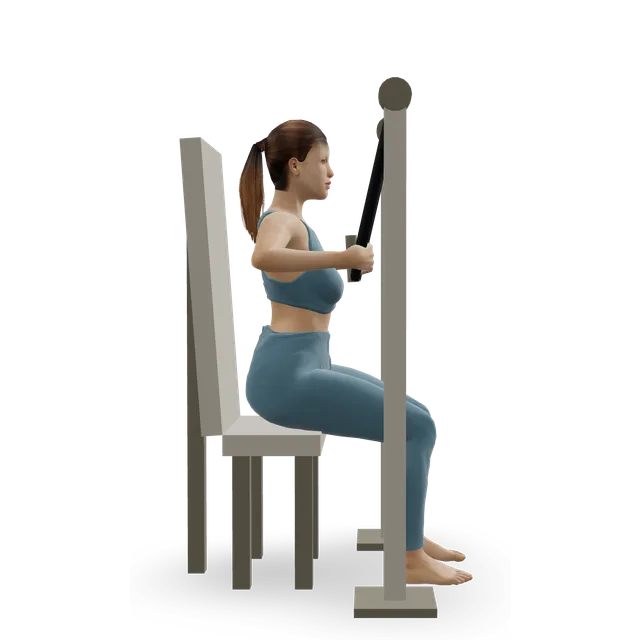 3D demoChest press machineBeginner · Strength machine
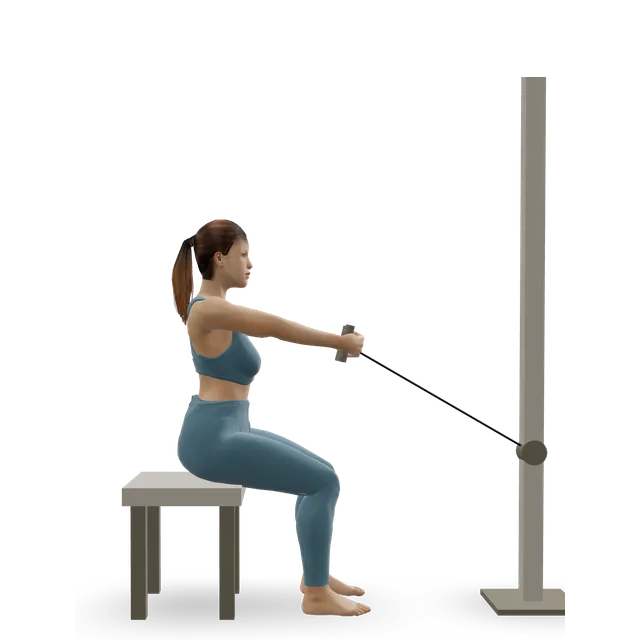 3D demoSeated cable rowBeginner · A cable machine
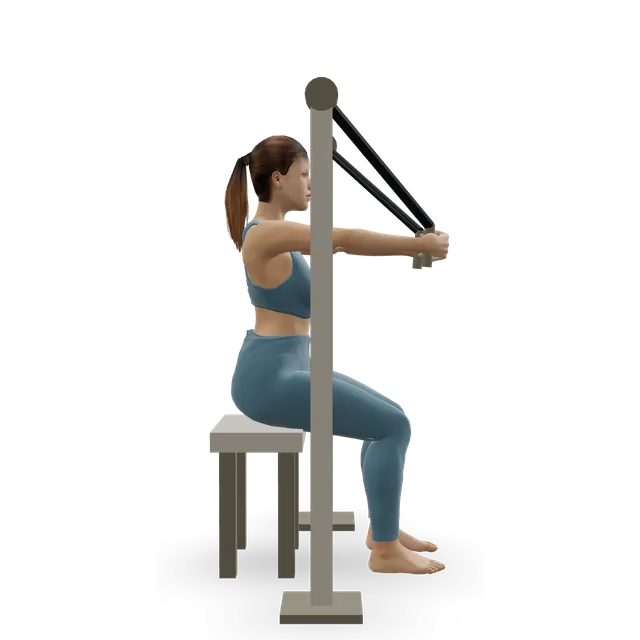 3D demoMachine rowBeginner · Strength machine
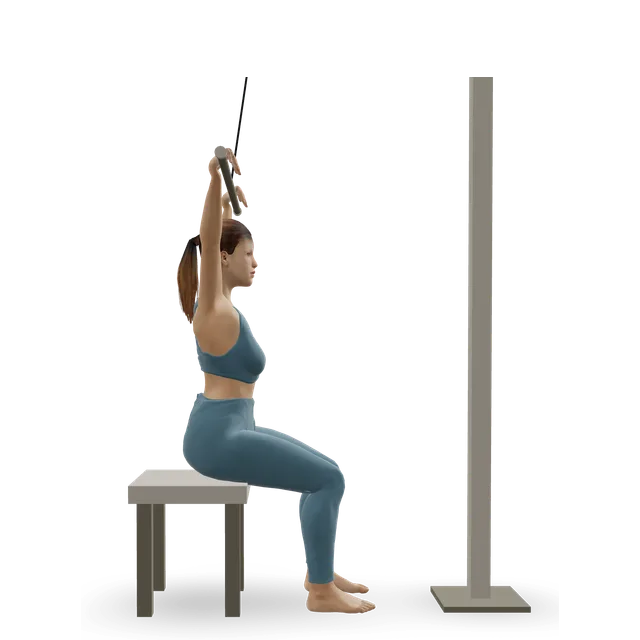 3D demoLat pulldownBeginner · A cable machine
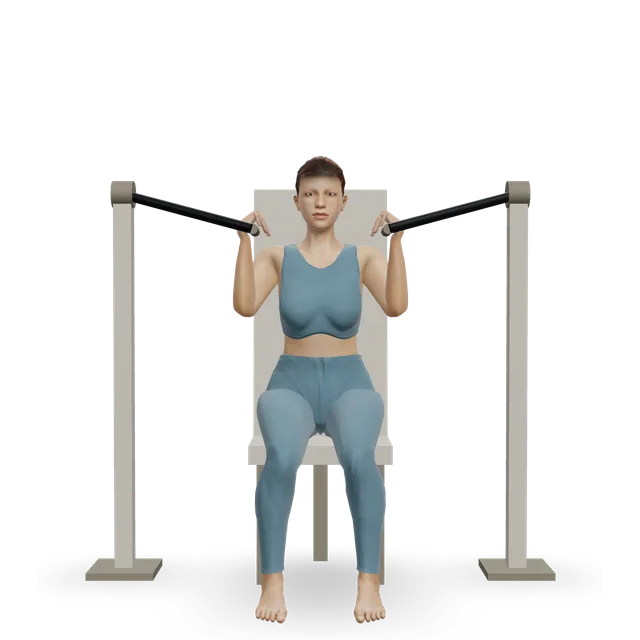 3D demoMachine shoulder pressBeginner · Strength machine
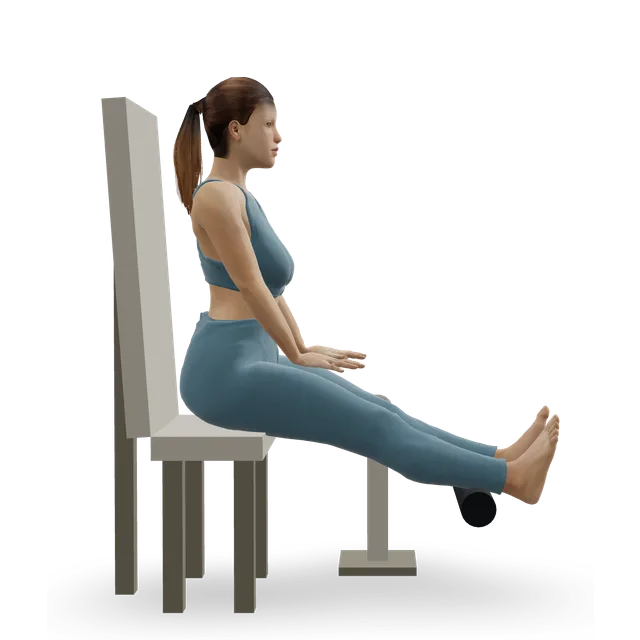 3D demoMachine leg curlBeginner · Strength machine
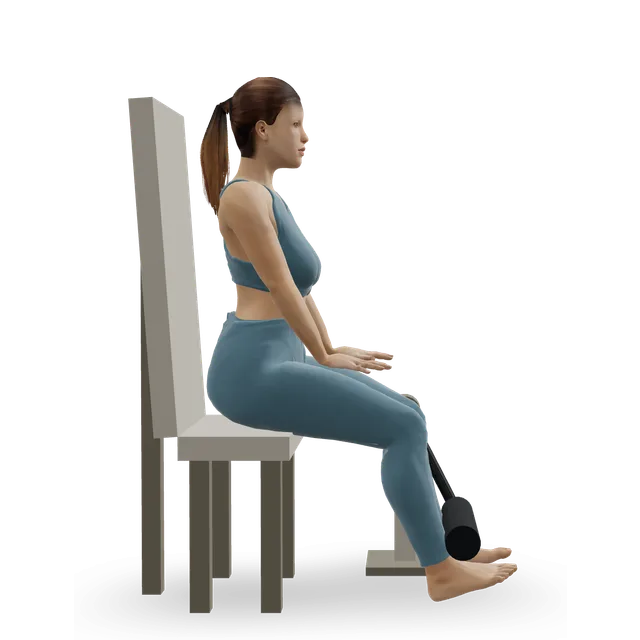 3D demoLeg extensionBeginner · Strength machine
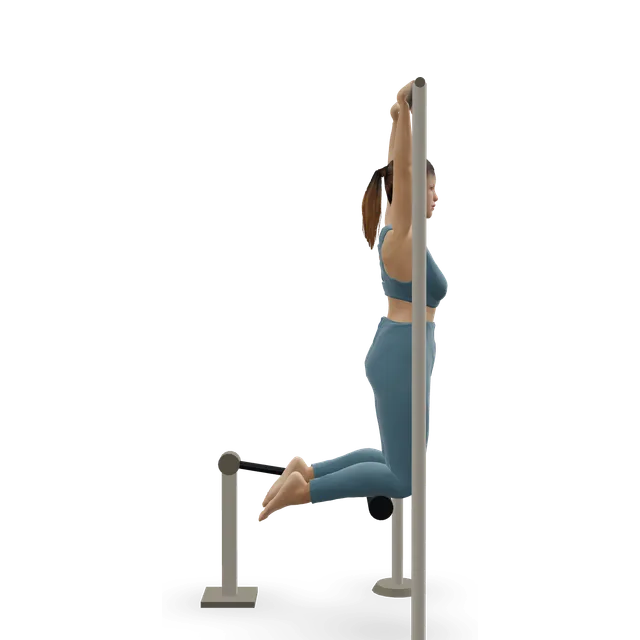 3D demoAssisted pull-up (machine)Beginner · Strength machine
Our editorial progression, in line with the free weights guide and the 3-day full-body plan: machines and free weights build strength equally, and machines are easier to learn first.
Loading the 3D figure…
The movement on the figure: Dumbbell goblet squat
Mostly about safety and sharing, and our suggestions rather than research.
Rack dumbbells and plates after you use them and use collars on bars: a weight dropping on someone was the commonest cause of weight-training injuries in US emergency departments.
Source 9
Wipe benches and machines after you use them, and use a towel.
Don't hover by someone's machine: ask how many sets they have left, or whether you can take turns between sets (gym-goers call it working in).
Don't drop dumbbells or bars unless the gym has a platform and rubber plates for it, give people room around racks and mirrors, and keep phone calls off the gym floor.
If you're unsure how a machine works, ask a member of staff: helping new members is part of the job.
The first gym workout twice a week, on days that aren't back to back, plus walks on other days. Two strength days meet the guidelines' strength target.
Source 8
Start our 3-day full-body plan's learn phase: workouts A and B, 2 sets of each move with 3 or 4 reps to spare, swapping in free weights as above.
Move into the plan's build phase: 3 sets, 2 or 3 reps short of failure, adding reps and then weight. Sessions of about 45 minutes are plenty, as our how often to work out guide explains.
The 3-day full-body plan is the place to go after your first 2 weeks; the 2-day plan suits a busier week.
A beginner gym plan: three full-body sessions a week, alternating workouts A and B, with sets, reps, rest and an 8-week progression.
3 training days45 minBeginner2 days a weekTwo full-body strength sessions a week: the minimum that meets health guidelines, with every set, rep and rest, and an 8-week progression.
2 training days45 minBeginner3 days a weekA 12-week beginner barbell program: squat every session, alternate bench and row with press and deadlift, and add weight each time until it stalls.
3 training days50 minBeginner3 days a weekA weekly workout plan for women: three strength days, cardio and pelvic floor training, with the evidence on periods, pregnancy and menopause.
3 training days45 minBeginner3 days a weekA 3-day strength plan for men over 40 with power and bone work, two cardio days and mobility, built on research on ageing muscle.
3 training days45 minBeginner3 days a weekA 12-week exercise plan for over-65s: strength and balance three times a week, short balance sessions and daily walks, based on falls-prevention trials.
3 training days40 minBeginnerFull-body workouts A and B are the 3-day plan's sessions. The cardio sessions suit your other days.
A beginner full-body gym workout: goblet squats, dumbbell bench press, lat pulldowns, Romanian deadlifts and dead bugs, with sets, reps and rest.
45 minBeginner12 movesCardio machine, A bandFull-body gym workout B: trap bar deadlifts, cable rows, seated dumbbell press, step-ups, leg curls, push-ups and a Pallof press.
50 minBeginner13 movesCardio machine, Other / check instructionsLearn how many reps you really have left: machine sets where you call out your reps in reserve, then keep going to check, in about 30 minutes.
30 minBeginner7 movesCardio machine, A bandA 45-minute leg day on machines only: the leg press, then leg extensions and seated leg curls for the muscles it misses, hip abduction and calf presses.
45 minBeginner10 movesCardio machine, Strength machineA 25-minute beginner rowing machine workout: set the damper, learn the stroke one part at a time, row three easy rounds of 4 to 5 minutes, then stretch.
25 minBeginner4 movesCardio machineA 35-minute first indoor cycling ride at your own pace: set up the bike, warm up for 8 minutes, ride short steady efforts and climbs, then cool down easily.
35 minBeginner4 movesCardio machine, A wallA steady 30 to 45 minute cardio session at talk-but-not-sing pace: walk, cycle, row or cross-train, counting toward weekly activity guidelines.
40 minBeginner3 movesCardio machine, A wallA 50-minute gym session for older adults and sarcopenia: 7 machines for the legs, chest and back from the UK prescription, then a short balance finish.
50 minBeginner12 movesCardio machine, A bench or boxIn one gym's records, 63% of new members had stopped before their third month, and gym-going took about 2 to 3 months to become a habit in a large gym chain. Plan for that stretch.
Going on the same days of the week predicted going for most members of a large gym chain, and consistency and keeping it simple went with a stronger habit in new members. Pick your days and keep them.
The longer it had been since a member's last visit, the less likely they were to go, and small rewards for coming back after a missed workout raised visits most in a 61,293-person study. A small treat for going back counts (our suggestion).
Two or three sessions a week, plus walking, meets the guidelines. You don't have to go every day to make it worth it.
The American Heart Association (AHA) suggests starting on machines at a low to moderate intensity, ideally with an exercise professional, if you have advanced arthritis, severe osteoporosis, nerve damage or have had a stroke, and checking with your doctor first if you have heart disease or blood pressure that isn't controlled. Breathe out as you push or pull, and don't hold your breath.
Source 6
The NHS says strength training at a gym is fine in pregnancy if you already do it. Tell any instructor you're pregnant, and later in pregnancy avoid lying flat on your back for more than a few minutes.
Source 27
The same first sessions work, with balance work added on 2 days a week from 65. Our gym workout for seniors and our older adults guide start gently.
Source 28
For chest pain that comes on suddenly and doesn't go away, feels tight or heavy, or spreads to your arms, neck, jaw, stomach or back; severe difficulty breathing; or if someone faints while exercising. Tell a member of staff straight away: gyms have first aiders.
Stop straight away if you feel any pain or become unwell, the NHS says. The AHA says dizziness, unusual breathlessness, chest pain or pressure, or palpitations during strength training need checking by a doctor straight away.
Very sore, weak muscles with dark, red or cola-coloured pee, or much less pee than usual, after an unusually hard session: call NHS 111 (in the US, your doctor or urgent care).
Source 34
Joint pain that's sharp, gets worse during a set or lingers into the next day means switching to the easier option, and seeing a GP or physiotherapist if it carries on (our plans' rule).
The strength training trials and guidelines include complete beginners, and studies of new gym members recruit people who aren't yet active.
They're an understandable response to a new setting full of unwritten rules, not a personal failing, and they can ease with familiarity.
Source 3
Machines and free weights built strength and muscle about equally in head-to-head studies.
Stretching didn't reduce injuries across 25 trials or in 1,538 army recruits. Our warm-up and cool-down guides have the detail.
A gradual start built as much muscle and strength without the soreness in a training trial, and how good a session feels predicts whether people come back.
Supervision added a little strength in pooled trials, but unsupervised training works too. A trainer is an option, not a requirement.
Two or three full-body sessions a week meet the guidelines and suit beginners.
Warm up on a bike or treadmill for 5 minutes, do 2 easy sets on four or five machines for your legs, chest and back, and finish with 10 minutes of steady cardio. Ask the staff to show you how to set up each machine. Our first gym workout sets it all out.
Know that it's an understandable response to a new place, and that it can ease as the place becomes familiar. Go with a friend or at a quieter time, book an induction, and take a written plan so you know what to do next. Starting with the machines helps, because they're simpler to use than free weights.
No. Gyms are for starting out, and the evidence on strength training includes complete beginners. Start with light weights and easy cardio, and build from there.
An introduction many gyms offer to new members: a member of staff shows you around, how to set up and use the machines, and the house rules. It's worth booking: in UK studies of people starting gym-based exercise referral schemes, not feeling confident with the equipment was a common barrier, and support from staff a common help.
Both build strength and muscle about equally. Machines guide the weight and need less technique, so they're a good place to start; add free weights over the following weeks.
Two or three times a week, with a day between, is plenty to start. In a study of 30,110 gym members, going on the same days each week predicted going for most of them, so pick your days and keep them.
About 45 minutes is plenty for a beginner's session, including the warm-up and some cardio. A shorter session you'll repeat beats a long one that puts you off.
Comfortable clothes you can move in, supportive trainers, and a supportive bra if you need one. Bring water, a small towel and a padlock if the lockers need one.
Put weights back after you use them, wipe down benches and machines, and don't hover by someone's machine: ask how many sets they have left, or whether you can take turns. Putting weights away also keeps everyone safe: a weight dropping on someone was the commonest cause of weight-training injuries seen in US emergency departments.
No, but a few sessions can help you learn the main lifts and build a plan. In pooled trials, supervised training built a little more strength than training alone.
Plan your sessions for the same days each week, track what you do, and if you miss one, book the next straight away. In one gym's records, 63% of new members had stopped before their third month, and for regular members gym-going took about 2 to 3 months to become a habit, so the first few months are the part to plan for. Small rewards for coming back after a missed session also helped in a large study.
Yes. A few minutes of easy cardio warms you up, and steady cardio at the end counts towards your 150 minutes a week, as in our first gym workout. Our cardio before or after weights guide covers which order suits your goals.
Exercise education, not a personal prescription, and clinical review of these guides is pending. Check with a GP before starting hard training if you have a heart condition, chest pain, dizziness or breathlessness when active, and stop for sharp or increasing pain. Health disclaimer.