Training guide

How to do scapular pull-ups: shoulder blade control on the bar, the step towards your first pull-up, easier versions, and how many

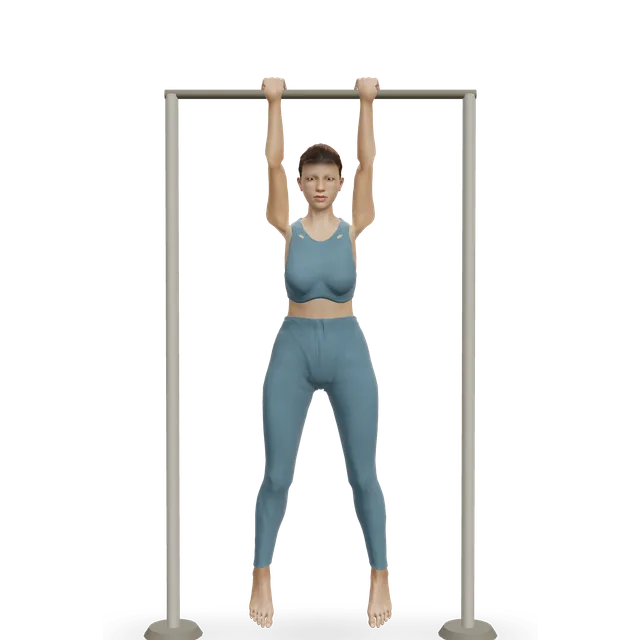
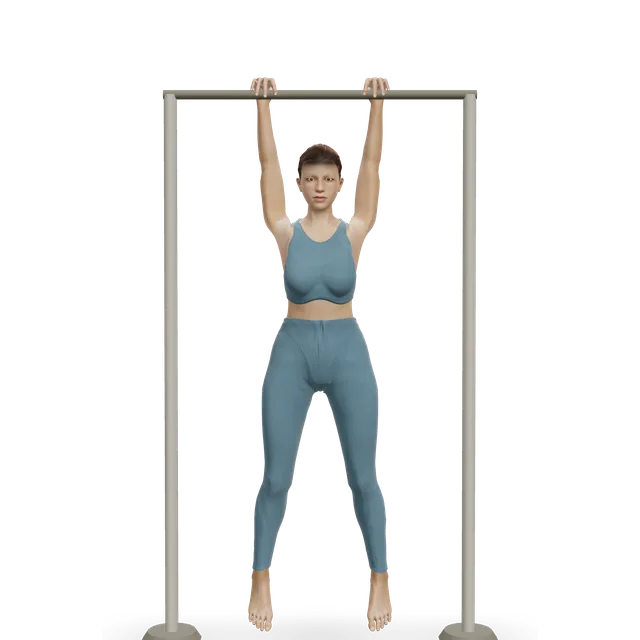
To do a scapular pull-up, hang from a bar with straight arms, then draw your shoulder blades down and a little back so your body rises an inch or two, hold for a second, and lower slowly to a full hang. Once you can hang for about 20 seconds, start with 2 sets of 6 to 8 at the beginning of a pulling session.

Scapular pull-ups, or scap pull-ups, rehearse the first part of every pull-up, where the lower trapezius starts the movement. Nobody has studied the exercise itself, so claims that it bulletproofs your shoulders or fixes your posture are untested.

This guide shows it on the 3D figure, what it works, easier and no-bar versions, how it leads to your first pull-up, your shoulders, and how many to do.

The short version

The move

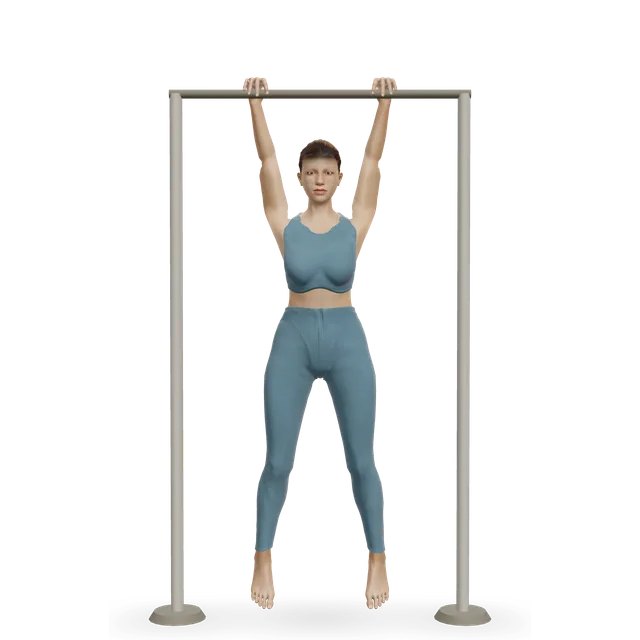
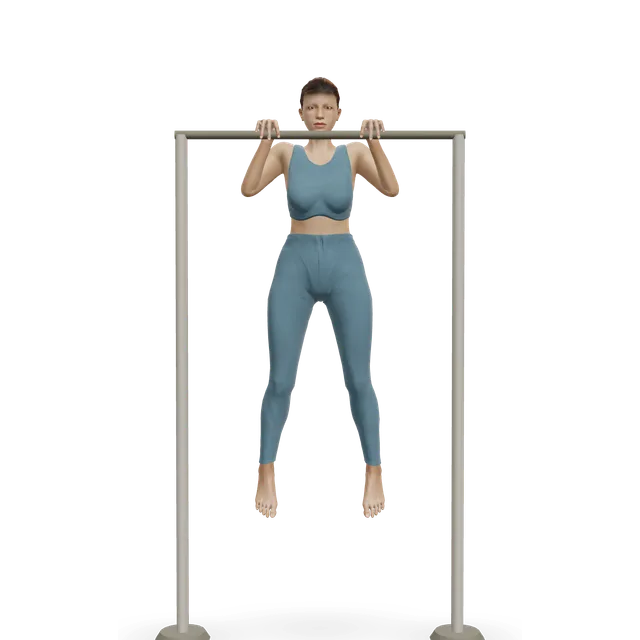
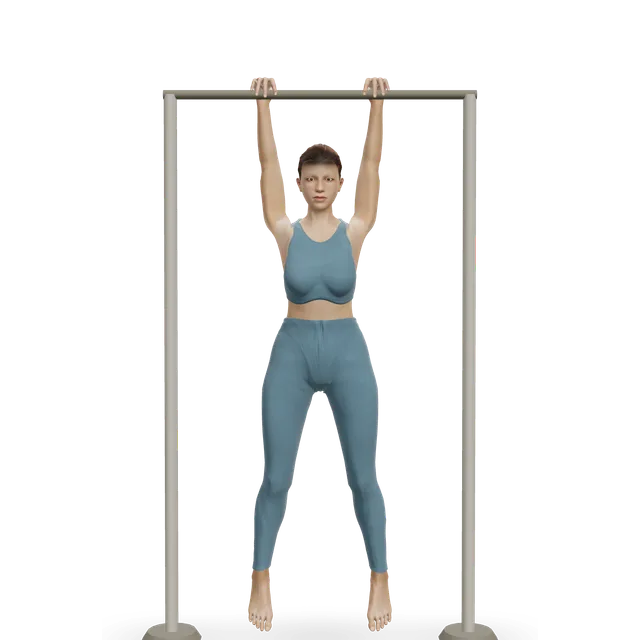
Hang from a bar with an overhand grip a little wider than your shoulders, arms straight. Without bending your elbows, draw your shoulder blades down and a little back so your body rises an inch or two; hold for a moment, then lower under control to a full hang. It's also called a scap pull-up, a scapula pull-up or an active hang rep.

Why: it's the start of every pull-up

The National Academy of Sports Medicine (NASM) cues pull-ups with "Set the scapulae first". In 25 adults, the lower trapezius and chest muscles started the pull-up and chin-up, and the biceps and lats finished it.

Sources 1, 2

What it works: nobody has measured it

We found no study of the scapular pull-up under any name. Drawing the shoulder blades down worked the lower trapezius with little upper trapezius when seated, and the lats help pull them down too. Your grip holds your whole body weight.

Source 3

Before you start

A dead hang of about 20 seconds, as our move page asks. If you can't hang that long yet, build it with our dead hang guide, or use the easier versions below.

Shoulder protection is untested

A shoulder blade that moves unevenly modestly raised the chance of later shoulder pain in athletes, but exercise hasn't been shown to change how the shoulder blade moves. The "shoulders down" cue has some support from MRI scans of other arm positions; no study has tested scapular pull-ups for injury.

Sources 4, 5, 6

How many

2 sets of 6 to 8, holding the top for a second (our first pull-up workout and dead hang guide), at the start of a pulling session, 2 or 3 times a week, stopping while every rep is smooth. Build to 3 sets of 8 to 10 with a 2-second hold (our editorial starting point).

What a scapular pull-up is

A straight-arm move on the bar

From a relaxed hang, with your shoulders up by your ears, you draw your shoulder blades down and a little back, so your body rises an inch or two, then let them travel back up. The elbows stay straight throughout. One brand uses the name for a bent-arm pull to the bar; that's a different exercise.

Active and passive hangs

A relaxed (passive) hang lets your body weight lift your shoulders towards your ears; an active hang draws them down a little. A scapular pull-up is the active hang done as a repetition, as our dead hang guide puts it, and that guide covers both kinds of hang.

The muscles and joints

Your shoulder blades move down and a little back on your ribs: the lower trapezius and the lats pull them down, the middle trapezius and rhomboids draw them back, and the serratus anterior keeps them flat on your ribs, while your forearms grip the bar. This is anatomy and related studies, not measurements of this move.

Sources 2, 3

How people differ

The move lifts your whole body an inch, so heavier people and those with a weaker grip may need their feet on a box at first. You need to reach overhead comfortably to hang. After a dislocation, or with a shoulder that feels as if it might slip when you hang, leave hangs out until you're cleared: the NHS says a shoulder that has dislocated is more likely to do it again.

Source 7

How to do a scapular pull-up, step by step

From our move page and our dead hang guide, in our editorial wording. The back pockets cue is editorial.

  1. Take an overhand grip a little wider than your shoulders, thumbs round the bar, and step off a box into a still hang with straight arms. Bend your knees if the bar is low.
  2. Start from a relaxed, full hang, letting your shoulders rise towards your ears.
  3. Without bending your elbows, draw your shoulder blades down and back so your body rises an inch or two. Think of putting your shoulder blades in your back pockets.
  4. Hold for a second at the top, chest a little up, legs still.
  5. Let your shoulder blades travel back up slowly to the full hang.
  6. Come down while you still have grip, and end the set while every rep is still smooth.

Loading the 3D figure…

Gets into position, then repeats the movement. Technical checks passed; qualified exercise review is pending.

The movement on the figure: Scapular pull-up

What they work: what the evidence says

The lower trapezius starts the pull-upEmerging evidence

In 25 adults, the lower trapezius and the big chest muscle started the pull-up and chin-up, and the biceps and lats finished them. The lats worked at 117 to 130% of a maximal test effort and the lower trapezius at 45 to 56%. The scapular pull-up rehearses that first part: our reading of the study, not a test of the exercise.

Source 2

Drawing the shoulder blades downEmerging evidence

Seated shoulder blade depression worked the lower trapezius moderately with minimal upper trapezius in 15 people. In pull-ups, a straight grip angle raised lower trapezius, lat and rotator cuff activity to as much as 60% of maximum in 21 men, and a wide grip raised the load on the shoulder by 7%.

Sources 3, 8

The exercise itself is unstudied

We found no study of muscle activity, shoulder blade movement or training effects in scapular pull-ups, scap pulls, active hangs or hanging shrugs. One motion study of pull-ups suggested the shoulder blades "set" during the hang at the start, but its data didn't capture that moment.

Source 9

Why "shoulders down" makes senseEmerging evidence

In 12 healthy volunteers, light activity in the muscles that pull the arm down widened the space under the shoulder's bony roof by 32 to 138%, compared with arm-out muscle activity, at every arm position tested. These were MRI scans of other arm positions, not a hang, so they support the cue without proving anything about the exercise.

Sources 6, 10

Muscle activity isn't muscle growthStrong evidence

Activity measured over a few reps shows effort, not what a muscle will build over weeks.

Source 11

Can't do one yet? Easier and no-bar versions

Feet-assisted (no 3D demo)

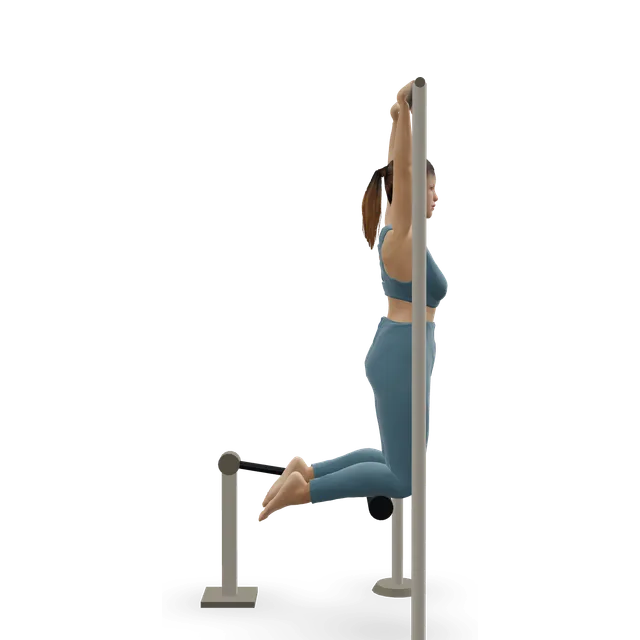
Toes on a box, or feet on the floor under a low bar or rings, so your legs take some of your weight. The bar hang demo shows the supported set-up. Use the same steps, and take a little less help each session.

Band-assisted (no 3D demo)

A resistance band looped over the bar under your feet or knees takes some weight, as for band-assisted pull-ups.

No bar: the scapular push-up

On your hands and knees or in a push-up position, let your chest sink between your shoulder blades, then push the floor away to spread them. It works the serratus rather than drawing the shoulder blades down, so it isn't the same action, but our 30-day pull-up challenge uses it as the no-bar swap.

No bar: pulling the arms down

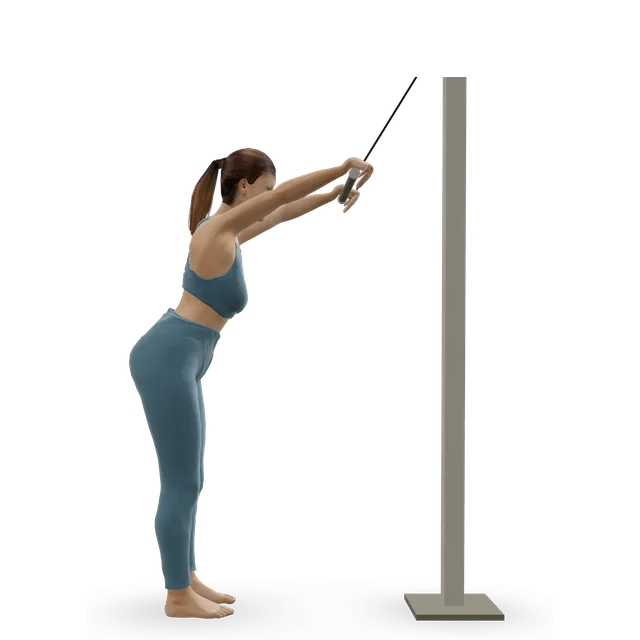
Straight-arm pulldowns on a cable train the lats pulling your arms down, and lat pulldowns build pulling strength while you can't yet hang well.

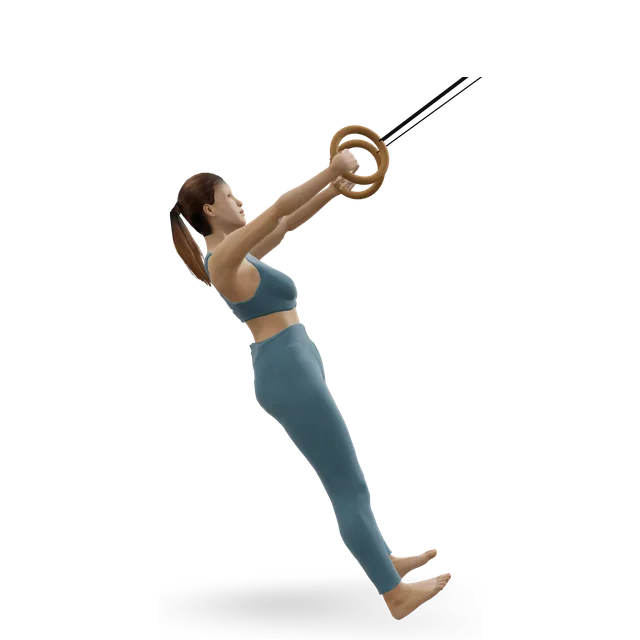
On rings (no 3D demo)

The same movement on gymnastic rings, which let your shoulders turn a little more freely.

The step towards your first pull-up

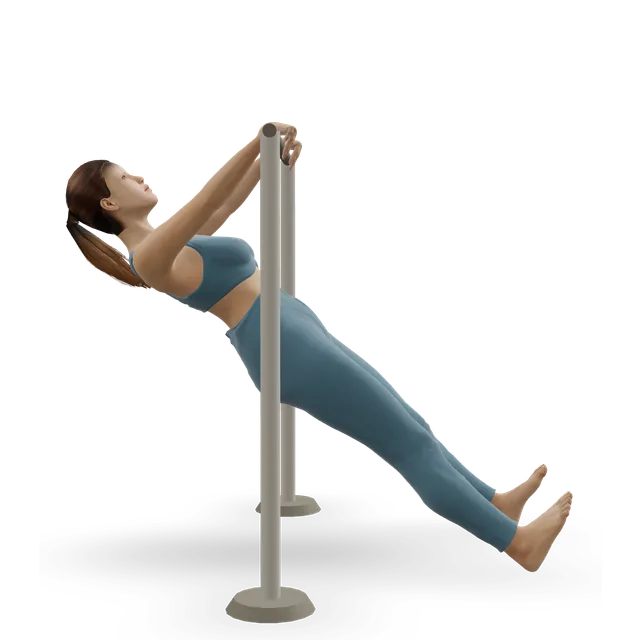
Supported hangs, feet on a box, 2 or 3 hangs of 10 to 20 seconds, then a full dead hang to about 20 seconds (our dead hang guide). Scapular pull-ups, 2 sets of 6 to 8 holding the top for a second (our first pull-up workout). Then negative pull-ups, 2 or 3 sets of 3 lowering for 3 to 5 seconds (our pull-up guide, editorial), band-assisted pull-ups, 2 to 4 sets of 8 to 12 (the move page's dose, from ACE), and inverted rows (our inverted row guide), before chin-ups and pull-ups (our pull-up guide). Feet-assisted and band-assisted scapular pull-ups have no 3D demo.

What builds a first pull-up

Several steps togetherEmerging evidence

NASM uses band-assisted reps, assisted machines, slow negatives, inverted rows, and "Scapular pull-ups and dead hangs to build the positions and grip". Inverted rows drove the lats, biceps, lower trapezius and rear shoulder above 61% of maximum in 26 adults. In 30 inactive young men, 8 weeks of pull-up training with forearm work raised pull-up reps by 222.5%. In college women, strength relative to body weight decided who managed a pull-up. Our pull-up guide puts it together.

Sources 1, 12, 13, 14, 15

Pull-ups at scale didn't raise arm injuriesEmerging evidence

When the US Marine Corps swapped the flexed-arm hang for pull-ups in its fitness test, arm injuries didn't rise across 49,910 female Marines. It's an association, not a trial.

Source 16

Your shoulders

Grip width and the shoulder bladeMixed evidence

In 11 regular performers, wide and underhand pull-ups moved the shoulder blade in ways the authors linked with impingement, where tendons are squeezed at the top of the shoulder; no injuries were measured. A model of 11 men found pull-ups "promote stability of the shoulder girdle". With sore shoulders, try a shoulder-width or neutral grip, as our pull-up guide says.

Sources 9, 17

Uneven shoulder blade movement and shoulder painEmerging evidence

In 419 athletes followed for 9 to 24 months, shoulder pain developed in 35% of those whose shoulder blades moved unevenly and 25% of the rest (a 43% higher risk). An expert consensus says the exact role of uneven movement "is not clearly defined". Most of these athletes played overhead sports.

Sources 4, 18

Exercise helps pain a little, not by changing the shoulder bladeEmerging evidence

Exercise hasn't been shown to change how the shoulder blade sits or moves in people with uneven movement (20 studies), though it helps pain and function in shoulder impingement. Shoulder blade programmes eased shoulder pain only a little and briefly in other reviews. None tested scapular pull-ups.

Sources 5, 19, 20

Active or relaxed hangs

No study has compared active and passive hangs. Start active, as our dead hang guide does, and ease into relaxed hangs over weeks if they don't pinch.

Sources 6, 10

The shoulder rule

Keep shoulder pain to about 5 out of 10 or less during the exercise, back to its usual level by your next session, as our shoulder guides advise. A sharp pinch means lower, lighter or stop.

How many and how often

Start

2 sets of 6 to 8, holding the top for a second, once you can hang for about 20 seconds (our first pull-up workout, more pull-ups workout and dead hang guide; the move page gives no dose).

Other doses on the site

3 sets of 8 in our pull-up progression workout; 2 sets of 8 in our front and back lever progressions; 8 reps as a warm-up in our back and pull day workouts; 1 or 2 sets of 6 to 8 in our 30-day pull-up challenge. Each fits its session.

Build

Towards 3 sets of 8 to 10 with a 2-second hold at the top (our editorial starting point). Popular pages suggest 8 to 15 reps.

How hard

End each set while every rep is smooth from a still hang and you still have grip. Training to failure isn't needed, and it isn't wise when your grip is holding you up.

Source 21

When and how often

At the start of a pulling session, before pull-ups, while you're fresh, 2 or 3 times a week on days apart, as our pull-up guide does. Strength rose most with 2 or more sessions a week in the American College of Sports Medicine's (ACSM) overview. Scapular pull-ups don't count as hard pulling sets in our 30-day pull-up challenge.

Source 22

Rest

60 to 90 seconds between sets (our editorial starting point).

Moving on

When 3 sets of 10 with a 2-second hold are easy, put the time into negatives, assisted pull-ups and rows, as our pull-up guide does.

Common mistakes

Bending your elbows

It turns into a small pull-up. Keep your elbows straight throughout, as our move page says.

Shrugging up instead of down

The movement is down, away from your ears.

Swinging or kicking

Start each rep from a still hang, knees bent if needed, legs quiet.

Too small a range

Relax fully to the passive hang between reps, if it doesn't pinch, then pull down fully.

A big arch through your lower back

A little chest lift is fine; a big arch isn't needed.

Going until your grip fails

Come down while you can still hold on, as our move page says. Some pages advise going to failure; we don't.

A wide or underhand grip with sore shoulders

Use a shoulder-width or neutral grip.

Source 9

Moves that go with them

Scapular push-ups as the no-bar swap, 1 set of 6 to 8 (our 30-day pull-up challenge). Straight-arm pulldowns and lat pulldowns (their guides). Prone Y-T-W raises, 5 to 8 of each letter, 2 rounds (our rounded shoulders guide), for the lower trapezius without hanging. Farmer's carries for grip (our first pull-up workout). Shoulder CARs to warm up, 3 slow circles each way with each arm (the move page's dose), and the wrist and forearm flow (our dead hang progression).

Workouts

The dead hang progression's third step is active hangs and scapular pull-ups; the pull-up workouts put them in every warm-up.

Plans

Who should change them

After a dislocation or shoulder surgery

After a recent shoulder dislocation, or shoulder or elbow surgery, follow your surgical team's limits first.

Leave hangs out until your physiotherapist or surgical team clears you; the NHS says recovery from a dislocated shoulder usually takes 6 to 12 weeks, and up to 16 for some sports.

Source 7

A shoulder that feels loose

If a shoulder feels unstable or slips when you hang, leave hangs out, as our bar hang move page says.

A painful, stiff shoulder

The NHS says gym equipment can make frozen shoulder pain worse. Leave hangs out while a shoulder is painful and stiff, and follow our frozen shoulder guide.

Source 23

Pain lifting your arm overhead

With shoulder impingement, the NHS advises against activities that involve repeatedly lifting your arm above your head; our impingement plan leaves hanging out. Follow our shoulder impingement guide.

Source 24

Elbow pain from pull-ups

Our elbow pain from pull-ups guide brings scapular pull-ups in early, at 2 sets of 8 to 10, only if hanging is comfortable.

A pacemaker or defibrillator, or heart or breast surgery

With a pacemaker or defibrillator, the American Heart Association asks you to check with your doctor before upper-body strength training, because repeated arm movements can damage or dislodge the leads.

After heart surgery through the breastbone or breast surgery, ask your team first, as our bar hang move page says.

Source 25

Loose joints (hypermobility)

Keep the hang active and never slump into a long relaxed hang (our editorial advice).

Warning signs

Stop and get medical help

If you get chest pain or pressure, feel faint or dizzy, are unusually breathless, or your heart races or beats irregularly during exercise, as our plans advise. The American Heart Association says these need immediate medical evaluation.

If you feel light-headed on the bar, step down before you let go, and sit or lie down.

Source 25

Call 999 (911 in the US)

For chest pain that comes on suddenly and doesn't go away, feels tight or like squeezing, spreads to your arms, neck, jaw, stomach or back, or comes with sweating, feeling sick, light-headedness or breathlessness; arm pain that comes on suddenly with pressure, heaviness or squeezing across your chest; severe difficulty breathing, or a chest that feels tight or heavy; someone who faints while exercising; palpitations that don't go away, or come with chest pain, shortness of breath or feeling faint; or a headache that starts suddenly and is extremely painful, especially while lifting or straining. The NHS says a bleed on the brain may be more likely when lifting something heavy. Don't drive yourself to A&E.

Sources 26, 27, 28, 29, 30, 31, 32, 33

A headache with effort

Ask for an urgent GP appointment or get help from NHS 111 for a headache that's triggered or made worse by coughing, sneezing, bending down or exercising.

Source 32

A fall from the bar

Call 999 or go to A&E: after a fall or injury, your shoulder looks out of place or has changed shape, you cannot move your arm, or your shoulder is painful, bruised or swollen. Do not drive yourself, and do not try to put it back in yourself.

Source 7

A knock to the head

Call 999 if someone has hit their head and has been knocked out and not woken up, can't stay awake, has a fit, has fallen from a height of more than 1 metre or 5 stairs, has problems with their vision, hearing, balance, walking or speech, or has new numbness or weakness. Get help from NHS 111 after a head injury if you're being sick or feel dizzy. If you're told to go to A&E, don't drive yourself.

Keep a step under the bar and a clear space around it.

Source 34

Urgent GP appointment or NHS 111: your shoulder

Ask for an urgent GP appointment or get help from NHS 111 for sudden or very bad shoulder pain; not being able to move your arm; a shoulder or arm that has changed shape or is badly swollen; pins and needles that don't go away; or pain that started after an injury or accident, like a fall. In the US, contact your doctor or urgent care. See a GP if shoulder pain is getting worse or hasn't improved after 2 weeks. While your shoulder is sore, the NHS says not to make up your own strenuous exercises or use heavy gym equipment.

Source 35

Same day: a pop at the elbow or upper arm

A pop or snap with sudden pain at the front of the elbow, especially with bruising, a gap at the front of the elbow or a bulge in the upper arm, can be a torn biceps tendon. Go to an urgent treatment centre or A&E (in the US, urgent care) the same day, and don't wait for it to settle, as our biceps guides say.

Source 28

Your hands

Stop if your fingers tingle or go numb: that's a nerve, not a tired muscle, as our grip strength guide says.

A new lump or bulge in your groin or tummy

See a GP if you think you have a hernia, a bulge or lump that may get bigger when you strain and smaller when you lie down. Get help from NHS 111 if you have a hernia and pain in or around it, a bloated tummy, you feel or are sick, you're vomiting blood or your vomit looks like coffee grounds, you're constipated, you have a high temperature or feel hot, cold or shivery, or you've suddenly become confused. Call 999 or go to A&E for a femoral hernia (a small lump at the top of your thigh, in your groin) with very bad tummy pain, sickness, being unable to fart or poo, a high temperature or sudden confusion.

The NHS lists lifting heavy weights among the causes of a femoral hernia. After an inguinal hernia repair, avoid heavy lifting or strenuous activity for at least 4 to 6 weeks.

Sources 36, 37, 38

Before you start

Speak to your GP first if you haven't exercised for some time or have medical conditions or concerns, as the NHS advises. Get advice before hard or straining work if your blood pressure is uncontrolled (140/90 or higher at a clinic, or 135/85 at home), or you have heart disease or chest pain when you're active, a pacemaker or defibrillator, diabetic eye disease, glaucoma, a hernia, recent eye or tummy surgery, or you're pregnant, as our breathing guide lists.

With controlled high blood pressure, the American Heart Association considers low- to moderate-intensity strength training with proper breathing safe. Breathe out as you lift, as our breathing guide advises.

Sources 39, 40, 25

Myths

"Scapular pull-ups are only for beginners"

The same shoulder blade movement starts every pull-up, and our front and back lever progressions use scapular pull-ups too. Experienced lifters use them as a warm-up. No study tests either use; this is coaching practice.

Sources 2, 1

"Scapular pull-ups bulletproof your shoulders"

No study has tested them, and exercise hasn't been shown to change how the shoulder blade moves; shoulder blade programmes eased shoulder pain only a little and briefly. Treat them as practice for the start of the pull-up, not as injury protection.

Sources 5, 19, 20

"They fix your posture"

Some pages say so; we found no study of it.

"They isolate the traps, not the lats"

Nobody has measured muscle activity in this move. The lats and the lower trapezius both pull the shoulder blades down, so both are likely involved (our reading of the anatomy).

"Do them to failure"Strong evidence

Training to failure isn't needed for growth, and on a bar your grip is what fails. Stop while reps are smooth.

Source 21

Questions people ask

What are scapular pull-ups?

A straight-arm move on a pull-up bar: from a relaxed hang, you draw your shoulder blades down and a little back so your body rises an inch or two, then lower. They're also called scap pull-ups or active hang reps.

How do you do scapular pull-ups?

Hang with straight arms and an overhand grip a little wider than your shoulders. Without bending your elbows, pull your shoulder blades down so your body rises an inch or two, hold for a second, then lower slowly to a full hang.

What muscles do scapular pull-ups work?

The muscles that pull your shoulder blades down and back, the lower trapezius, lats and the muscles between your shoulder blades, plus your grip. Nobody has measured it directly; in pull-ups, the lower trapezius starts the movement.

What are the benefits of scapular pull-ups?

They teach the first part of every pull-up, build your hang and grip, and make a gentle start to a pulling session. Claims that they protect your shoulders or fix your posture haven't been tested.

Are scapular pull-ups good for your shoulders?

For healthy shoulders they're ordinary shoulder blade and grip training, and the shoulders-down cue has some support from MRI scans of other arm positions. Leave hangs out after a recent dislocation, with a loose shoulder, or while a shoulder is painful and stiff.

Why can't I do a scapular pull-up?

Usually your hang or grip isn't there yet: build a dead hang of about 20 seconds first. Then try them with your toes on a box to take some weight, and practise scapular push-ups on the floor.

What can I do instead of scapular pull-ups?

With no bar, scapular push-ups train your shoulder blades on the floor, and Y-T-W raises work the lower trapezius lying face down. Straight-arm pulldowns on a cable train the lats pulling down.

Scapular pull-ups vs pull-ups: what's the difference?

A scapular pull-up moves only your shoulder blades, with straight arms; a pull-up starts with that same movement and then bends your elbows to lift you to the bar. Do scapular pull-ups first in a session, then pull-ups.

Scapular pull-ups or dead hangs?

A dead hang holds still; a scapular pull-up moves from a relaxed hang to an active one and back. Build the hang first: about 20 seconds unlocks scapular pull-ups.

How many scapular pull-ups should I do?

2 sets of 6 to 8, holding the top for a second, 2 or 3 times a week, building to 3 sets of 8 to 10 with a 2-second hold. Stop each set while every rep is smooth; don't go to failure.

Are scapular pull-ups only for beginners?

No. The same shoulder blade movement starts every pull-up, and experienced lifters use them as a warm-up and for lever skills. No study tests either use; it's coaching practice.

Do scapular pull-ups help shoulder impingement?

They haven't been tested. With pain lifting your arm overhead, the NHS advises against repeated overhead work and our impingement plan leaves hanging out, so follow our shoulder impingement guide first.

Sources

  1. NASM · Chin-ups vs pull-ups: the difference, benefits and muscles worked (coaching article, National Academy of Sports Medicine)
  2. Youdas 2010 · Muscle activity in pull-ups and chin-ups in 25 adults (EMG study, J Strength Cond Res)
  3. McCabe 2007 · Lower trapezius activity in shoulder-blade depression and other exercises in 15 people (EMG study, N Am J Sports Phys Ther)
  4. Hickey 2018 · Uneven shoulder-blade movement and later shoulder pain in 419 athletes: 5 studies (systematic review and meta-analysis, Br J Sports Med)
  5. Nodehi Moghadam 2020 · Exercise for uneven shoulder-blade movement: 20 studies (systematic review, J Shoulder Elbow Surg)
  6. Hinterwimmer 2003 · Arm-down and arm-out muscle activity and the space under the shoulder's roof (MRI study, MSSE)
  7. NHS · Dislocated shoulder
  8. Pouly 2026 · Grip width and angle in pull-ups: muscle activity and shoulder load in 21 men (biomechanics study, Sports Biomech)
  9. Prinold 2016 · Shoulder-blade movement in pull-up techniques in 11 experienced people (motion study, J Sci Med Sport)
  10. Graichen 2005 · Arm-down and arm-out muscle activity, shoulder movement and the space under the shoulder's roof (MRI study, J Biomech)
  11. Vigotsky 2022 · Muscle activity measured in one session isn't a validated predictor of muscle growth (review, Sports Med)
  12. NASM · Pull-up (exercise library, National Academy of Sports Medicine)
  13. Youdas 2016 · Muscle activity in the inverted row in 26 adults (EMG study, J Strength Cond Res)
  14. Sepehri Rahnama 2025 · Forearm or core training added to pull-up training in 30 inactive young men (randomised trial, Sports)
  15. Flanagan 2003 · What predicts a first pull-up in college women (training study, Res Q Exerc Sport)
  16. Arnold 2026 · Pull-ups replacing the flexed-arm hang and arm injuries in 49,910 female Marines (interrupted time series, Mil Med)
  17. Urbanczyk 2020 · How the shoulder works in four pull-up techniques in 11 men (modelling study, Scand J Med Sci Sports)
  18. Kibler 2013 · Clinical implications of uneven shoulder-blade movement (consensus statement, Br J Sports Med)
  19. Bury 2016 · Shoulder-blade-focused treatment for rotator cuff shoulder pain: 4 trials on pain (systematic review and meta-analysis, Man Ther)
  20. Saito 2018 · Shoulder-blade-focused interventions for subacromial pain: 6 trials (systematic review and meta-analysis, Physiother Theory Pract)
  21. Refalo 2023 · Training close to failure and muscle growth: 15 studies (meta-analysis, Sports Med)
  22. Currier 2026 · Resistance training for muscle function, size and performance in healthy adults: an overview of 137 reviews (ACSM position stand, MSSE)
  23. NHS · Frozen shoulder
  24. NHS · Shoulder impingement
  25. Paluch 2024 · Resistance exercise training with and without cardiovascular disease: 2023 update (American Heart Association scientific statement, Circulation)
  26. NHS · Chest pain (past its review date: reviewed August 2023, review due August 2026)
  27. NHS · Heart attack
  28. NHS · Elbow and arm pain
  29. NHS · Shortness of breath
  30. NHS · Fainting
  31. NHS · Heart palpitations
  32. NHS · Headaches
  33. NHS · Subarachnoid haemorrhage
  34. NHS · Head injury and concussion
  35. NHS · Shoulder pain (past its review date: reviewed May 2023, review due May 2026)
  36. NHS · Hernia
  37. NHS · Femoral hernia
  38. NHS · Inguinal hernia repair
  39. NHS · Physical activity guidelines for adults aged 19 to 64
  40. NHS · High blood pressure

Exercise education, not a personal prescription, and clinical review of these guides is pending. Check with a GP before starting hard training if you have a heart condition, chest pain, dizziness or breathlessness when active, and stop for sharp or increasing pain. Health disclaimer.