Pilates guide

Pilates for pickleball players: quick stops and the knees, the shoulder and elbow, balance, older players, the evidence, and a routine

Pickleball is real exercise, and most of the people it sends to emergency departments are over 60: falls cause about two-thirds of those visits, broken wrists and arms lead the fractures, and Achilles tendon ruptures cluster in players' first month on court. No trial has tested Pilates in pickleball players.

What Pilates can add is standing balance and stepping, calf and hip strength, a trunk that works with the head down, and shoulder and forearm endurance on both arms. It sits beside play, the pickleball warm-up and the strength and balance workout that carry the falls evidence, never in place of them, or of a heart check when you need one.

This guide covers what the game asks of your body, who gets hurt, balance and falls, the knees, the paddle shoulder and elbow, which Pilates moves older players should change, a 25-minute class, and the warning signs.

The short version

No Pilates trial in pickleball players

Our searches found no Pilates trial in pickleball players, and no injury prevention trial of any kind in the sport. Treat Pilates as balance, strength and control work beside play, not as training shown to prevent injuries or improve your game.

Source 1

Most injured players are over 60

Over 85% of the pickleball injuries treated in US emergency departments from 2010 to 2019 were in players aged 60 and over. Falls caused about two-thirds of injuries, and fractures about a third, mostly of the wrist and arm and mostly in women.

Sources 2, 3, 4

Achilles ruptures in new players

Players who tore an Achilles tendon playing pickleball were older (a median age of 60) than tennis players with the same injury, and in one small group about two-thirds tore it in their first month of play. Build up court time and calf strength gradually.

Sources 5, 6

Better balance tests, not proven fewer falls

Pilates improves balance tests in older adults but hasn't been shown to cut the number of falls. The falls evidence is for balance-challenging exercise 3 or more times a week, made harder over at least 12 weeks, so the class here does its balance work standing at a counter.

Sources 7, 8, 9, 10

The heart comes first

About one in nine pickleball emergency cases in players 60 and over were heart problems rather than injuries. Fill in the PAR-Q+ (Physical Activity Readiness Questionnaire for Everyone) before you start, and call 999 for chest pain.

Sources 2, 11

Change some Pilates moves

With osteoporosis, keep your head down in curl-ups and leave out roll-ups and rolling moves; after a broken wrist, keep weight off the hand; and do balance work beside a counter, as the move pages say.

Sources 4, 12

What pickleball asks of your body

Real exerciseEmerging evidence

In 53 recreational players with an average age of about 62, over 70% of singles and doubles playing time was moderate to vigorous by heart rate. In small studies, neither a singles tournament nor a doubles competition caused measurable leg fatigue, though players felt tired.

Sources 13, 14

The movements behind the injuriesEmerging evidence

Across 15 studies, falls were the leading cause of leg injuries, then running or lunging forward and rolling an ankle. Foot and ankle clinics see lunging forward and planting the foot behind Achilles ruptures. In 92 recreational players, 42% had fallen while playing, mostly when lunging or moving backward, for example for a lob.

Sources 15, 16, 17, 18

What Pilates offers, and what it doesn't

Pilates can train standing balance and stepping, getting down to and up from the floor, calf and hip strength, a trunk that works with the head down, and shoulder-blade and forearm endurance on both arms, at low load (our reading). It doesn't replace the falls prevention dose (balance-challenging exercise 3 or more times a week, made harder over months), the pickleball warm-up, a gradual build-up of court time, court shoes and eyewear. Across 11 trials, Pilates built strength no better or worse than other exercise, at very low to low certainty.

Sources 19, 9

Who gets hurt

Most of these figures come from US emergency departments, which show only the serious end and aren't rates per hour of play, from clinics, or from surveys of players who chose to answer. Each note keeps its own measure.

Emergency departments: mostly older playersStrong evidence

Players 50 or older made up 90.9% of cases from 2001 to 2017. Over 85% of cases from 2010 to 2019 were in players 60 and over. From 2013 to 2022 there were an estimated 66,350 injuries, at an average age of 64, and from 2012 to 2021 older players had 83% of injuries, though younger players' injuries rose faster.

Sources 20, 2, 3, 21

Falls and fracturesStrong evidence

Falls caused 65.5% of emergency visits and fractures were 32.7% of diagnoses; 69.1% of fractures were in women, and the wrist was the single most injured site (12.7% of all injuries). Of 397 pickleball fractures from 2002 to 2022, 87% were in players over 60, 69% in women and 92% after a fall, and 66% were in the arm. Among injured players 60 and over, women had 3.7 times men's odds of a fracture and 9.3 times their odds of a wrist fracture.

Sources 3, 4, 2

Rising, and more often admittedEmerging evidence

From 2020 to 2022, estimated pickleball injuries rose 91% and hospital admissions 257%, and players 65 or over were more likely to be admitted. Across racket and paddle sports from 2000 to 2023, pickleball injuries led to admission about 2.6 times as often as injuries in the other sports.

Sources 22, 23

The heartEmerging evidence

In players 60 and over, 11.1% of pickleball emergency cases weren't injuries but mostly heart problems (21.5% in tennis). Chest pain on exertion was 16.2% of cases in that age group in another analysis, and five deaths from cardiac arrest were recorded from 2014 to 2023. No study has measured how often cardiac arrest happens per hour of play.

Sources 2, 24, 25

The AchillesEmerging evidence

In 1,028 operated Achilles ruptures in a large US orthopaedic group, the pickleball players were older (a median age of 60) than tennis players (45) and players of other sports (37), and 82.5% were over 50. At one foot and ankle clinic, an Achilles rupture was the commonest pickleball diagnosis (39.4%). In 28 players reached after a rupture, 68% had torn it within their first month of play, and 32% while playing for the first time.

Sources 5, 16, 6

Shoulders, elbows and knees, from clinicsEmerging evidence

At one institution (487 patients, average age 62), the rotator cuff was the commonest diagnosis (11% of 618 injuries). At another (164 patients), tennis elbow was 6 of the 8 elbow cases, rotator cuff tears 70% of 23 shoulder cases and meniscus tears 67% of knee injuries. In 129 recreational players tested at the court, positive tests for the inner elbow (7%) were as common as for the outer elbow (5.4%).

Sources 26, 18, 27

What players reportMixed evidence

Surveys of players who chose to answer probably run high. In 1,758 US players (average age 62.7), 68.5% reported an injury complaint in a year, most often the knee (29.1%), then the shoulder, back and elbow, and most were overuse problems. In 253 players, 41% reported an arm injury, more often in those who played longer, more often or on consecutive days. In South Korean tournament players, 78% of reported injuries were overuse.

Sources 28, 29, 30, 31

EyesEmerging evidence

Eye injuries from the ball, the paddle and falls are rising, mostly in players 50 and over. Our pickleball guide covers eyewear.

Source 32

What the evidence says

There is no Pilates trial in pickleball players. The falls evidence is for balance-challenging exercise done often and made harder, and pickleball itself improved balance in two small trials in older adults.

No Pilates trial, and no injury prevention trialStrong evidence

Our searches of PubMed, Europe PMC and ClinicalTrials.gov on 1 November 2026 found no Pilates or core training trial in pickleball players, and a review of 15 studies of leg injuries found no injury prevention programme tested in the sport.

Sources 1, 15

One training study in older players who had fallenMixed evidence

In Tennessee, players aged 55 and over who had fallen while playing, or held back for fear of falling, could join 10 weekly 1-hour group sessions: a warm-up, footwork, balance and agility drills, and strength stations that included bridges, band side-steps and a core circuit of front planks and back extensions, with a home programme 2 to 3 times a week. Hip strength rose 5% in the 12 trainees and fell 12% in the 17 comparison players, change of direction got 0.7 seconds faster and fear of falling eased, but agility didn't change.

Five months later, 25% of the trainees and 44% of the comparison players reported a fall during play, a difference that wasn't statistically significant. Players weren't randomised, so the groups may have differed from the start, and the Pilates-like trunk work was one part of a larger programme.

Source 33

Pickleball itself trains balance in older adultsEmerging evidence

In a randomised trial in 36 women aged 60 to 75, supervised pickleball 3 times a week for 8 weeks improved a balance test by 28% and walking speed, while the comparison group declined. In 72 pre-frail adults in Hong Kong (median age 67), 42% of the pickleball group were no longer pre-frail after 8 weeks, against 8% of the comparison group. Both trials were small, and neither counted falls.

Sources 34, 35

Pilates and balance in older adultsEmerging evidence

Across reviews of many small trials, Pilates improved balance tests in older adults moderately, about as much as other forms of exercise. The newest review (39 studies, 1,770 people, only 14 of satisfactory quality) concluded that Pilates can be recommended to improve standing and moving balance in older adults, but not to reduce falls or the fear of falling. In the trials that described their exercises, only 2% to 36% of them challenged balance enough.

Sources 8, 36, 37, 38, 7

Pilates and falls: not shownMixed evidence

The reviews found too little data on falls to say Pilates prevents them. The one pilot trial that counted falls (53 people aged 60 and over, a Pilates class built on falls guidance twice a week for 12 weeks) found 42% fewer fall injuries, which wasn't statistically significant, and estimated that a definitive trial would need 804 people.

Sources 7, 8, 39

What prevents fallsStrong evidence

Across 59 trials in older adults living at home, exercise cut the rate of falls by 23%, and balance and functional exercise by 24% (high-certainty evidence). Programmes that challenged balance and gave more than 3 hours a week did best. The World Falls Guidelines recommend balance-challenging and functional exercise, such as sit-to-stand and stepping, 3 or more times a week, progressed for at least 12 weeks. The NHS asks adults 65 and over to do strength, balance and flexibility work on at least 2 days a week. None of this has been tested in pickleball players.

Sources 10, 40, 9, 41

Core and Pilates in other racket sportsMixed evidence

Across 18 small trials of core training in tennis, badminton and table tennis players, mostly young competitive players, balance improved and ball speed a little, but almost none blinded anyone and none was in older or recreational players. One small trial in young badminton players reported better jump, agility and balance tests after 5 weeks of Pilates, but in a 2025 trial in 28 recreational badminton players, mat Pilates did no better than plank exercises; our Pilates for badminton players guide covers these trials. In a pilot in 17 adults with tennis elbow, adding Pilates-based trunk and posture work to usual therapy made no difference.

Sources 42, 43, 71, 44

What prevents sports injuriesStrong evidence

Across 25 trials, strength training cut sports injuries to about a third and balance training to about half, while stretching made no difference. Firm evidence that a weak core causes injuries is lacking.

Sources 45, 46, 47

Balance and falls

Why the class stands at a counter

Most Pilates classes in the balance trials barely challenged balance. Standing on one leg, heel-to-toe walking and side-stepping beside a counter are the part of falls programmes that Pilates shares, so the class starts there and makes them a little harder every week or two (our suggestion).

Sources 8, 9

Getting down and up from the floor

Practising getting down to the floor and back up with a chair makes a fall on court less frightening to get up from (our reading). After a hip or knee replacement, check which positions are allowed first, as the move's page says. If you can't get up after a fall, the warning signs below say what to do.

Source 48

Keep the falls dose

Keep doing the pickleball strength and balance workout, or another balance-challenging programme, 3 or more times a week. Pilates is an extra, not the falls programme.

Sources 9, 10

Knees

The commonest complaintEmerging evidence

The knee was the commonest complaint in the largest player survey (29.1%), and meniscus tears were 67% of knee injuries at one clinic. Our knee pain from pickleball guide sorts the causes by where it hurts.

Sources 28, 18

Pilates around a sore knee

Hip strength, one-leg control and calf work fit around a sore knee. Pad or swap kneeling moves, keep knee bends shallow, and use the pain rule in our knee pain guides (our suggestion). A knee that locks, gives way or swells fast needs checking: see the warning signs.

The paddle shoulder and elbow

The rotator cuff leads the shoulder problemsEmerging evidence

The rotator cuff was the commonest injury site at one clinic, and rotator cuff tears were 70% of shoulder cases at another. Shoulder-blade and outward-turning work on both arms is sensible; a tear needs its own plan. Our shoulder pain from pickleball guide sorts the causes.

Sources 26, 18

Pickleball elbow can be either sideEmerging evidence

Tennis elbow was 6 of 8 elbow cases at one clinic, but in 129 players tested at the court, tests for the inner elbow (golfer's elbow) were positive as often as for the outer elbow (7% against 5.4%). Our tennis elbow and golfer's elbow Pilates guides have the forearm work, and our pickleball elbow guide sorts the causes.

Sources 27, 18

How long and how often you playEmerging evidence

In one survey, arm injuries were more common in players who played longer, more often or on consecutive days. Shorter sessions and rest days are worth trying before more exercises (our suggestion).

Source 29

Pilates isn't tennis elbow treatmentMixed evidence

In a pilot trial in 17 adults with tennis elbow, adding Pilates-based trunk and posture work to usual therapy made no difference to pain or grip. Forearm loading, as in our Pilates for tennis elbow class, is the part with a plan behind it.

Source 44

Older players: bones, the heart and Pilates moves

BonesEmerging evidence

Women over 60 make up most pickleball fracture cases, and many have osteoporosis. With osteoporosis or a fracture from a minor fall, keep your head down in the hundred and single-leg stretch, swap the criss-cross for a head-down dead bug, and leave out the roll-up, rolling like a ball, roll-over and teaser, as their move pages say. Our Pilates for osteoporosis guide has more.

Sources 4, 2, 12

The heart and the PAR-Q+

The PAR-Q+ asks about heart conditions, chest pain, dizziness and other long-term conditions; if you answer yes to any, check with your GP first. With heart disease or high blood pressure, keep breathing in holds and planks, as the plank pages say, and ask your cardiac team before long holds.

Sources 11, 2

After a broken wrist

Keep weight off the hand until our broken wrist guide's stages allow it: do the bird dog on your forearms and scapular push-ups on a wall, and leave out the knee hover, front leg pull, push-up and side bend until then (our suggestion, from the wrist moves' page cautions).

Source 4

Pilates core exercises for pickleball

The Pilates version

The hundred with your head down, the dead bug, the bird dog and knee side planks for the trunk, and the side kick, clamshell and bridges for the hips. Core training improves trunk endurance and balance most, and sport performance only a little. For leg strength, our pickleball strength and balance workout comes first.

Sources 49, 50

Breathe and turn the upper back

Lateral breathing, 5 to 8 breaths at the start of every session (the move page's dose); thoracic rotation, 6 rotations per side, moving with the breath (the move page's dose); side-lying open book, 8 to 10 slow openings each side, pausing 2 seconds at the end (the move page's dose), with a cushion under your head if your neck is stiff, as its page suggests.

Standing balance and stepping, at a counter

Heel-to-toe stance and walk, hold 10 seconds each way, then 5 steps heel to toe, twice (our Pilates for balance class); single-leg stand, 3 holds of 5 to 10 seconds each side with your fingertips on the counter (our Pilates for balance class), building over weeks towards 2 holds of 20 seconds each leg (our beginner Pilates for over-50s class); side-stepping, 10 steps each way, next to a counter (the move page's dose); sit to stand, 2 sets of 5 slow (our Pilates for balance class); getting down to the floor and up again, 2 slow cycles with a chair (our Pilates for balance class).

Calves and the Achilles

Slow calf raise, 2 sets of 10 to 12, holding a support (our pickleball strength and balance workout); single-leg calf raise from a step, 2 sets of 12 each leg with a hand on a rail (our Pilates for basketball players class), once two-leg raises are easy. With a painful Achilles, get it assessed before lowering below the step, as its page says.

Trunk, head down

Hundred, 50 beats to start, building to 100 (the move page's dose), with your head down, as its page advises with osteoporosis; dead bug, 6 each side (our Pilates for tennis players class); bird dog, 5 each side with 3-second holds (our Pilates for balance class), on fists or forearms after a wrist fracture; knee side plank, 2 holds of 20 seconds each side (our Pilates for tennis players class).

Hips, for lunges and side steps

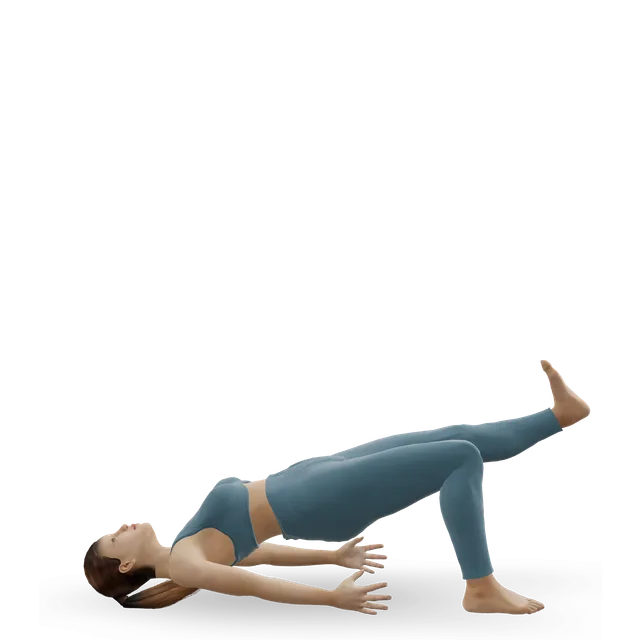
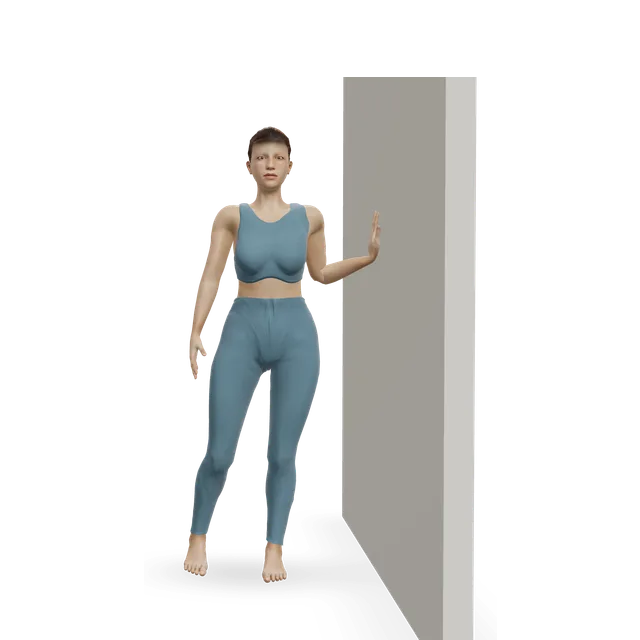
Side kick, 8 to 10 each side (the move page's dose); clamshell, 10 each side (our Pilates for tennis players class); glute bridge, 8 slow reps (our beginner Pilates for over-50s class); shoulder bridge, 3 to 5 kicks each leg (the move page's dose), once the glute bridge is easy; wall side leg lift, 10 to 12 each side (the move page's dose), a hand on the wall.

The paddle shoulder and forearm, on both arms

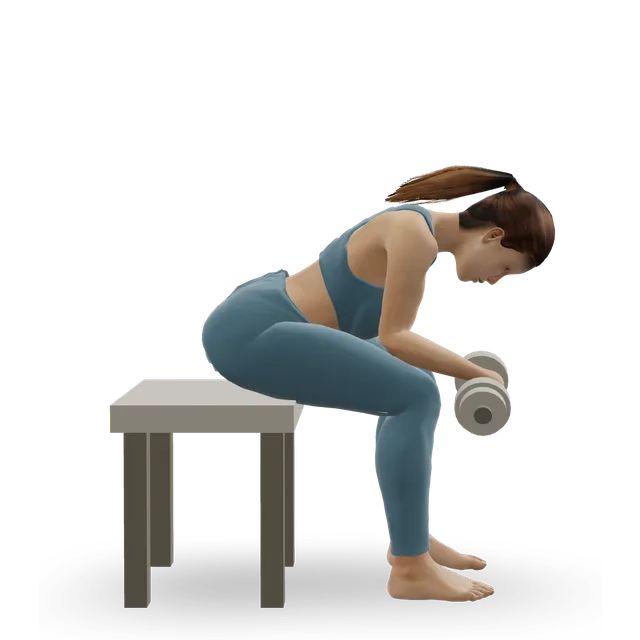
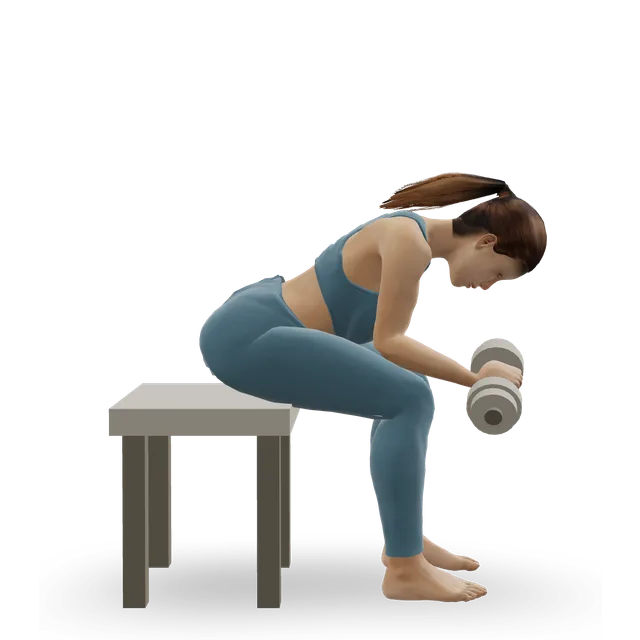
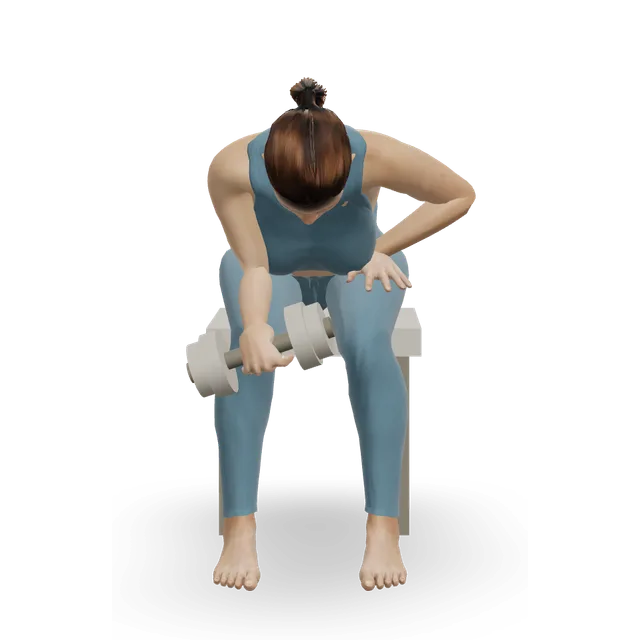
Y-T-W raises, 5 of each shape with your forehead on a folded towel (our Pilates for tennis players class); band turn-outs, 10 each arm (our Pilates for tennis players class); reverse wrist curl, 2 sets of 12 with a light weight (our pickleball strength and balance workout), or with tennis elbow 5 holds of 30 to 45 seconds at the level position (our Pilates for tennis elbow class); wrist and forearm flow, 10 slow reps each direction (our pickleball warm-up); scapular push-up, 2 sets of 10 (our Pilates for tennis players class), on a wall to keep weight off a healed wrist.

What to change or leave out

Osteoporosis, or a fracture from a minor fall

Use head-down versions of the hundred and single-leg stretch, swap the criss-cross for a head-down dead bug, and leave out the roll-up, rolling like a ball, roll-over and teaser, as their move pages say; rolling like a ball's page says it is "Not recommended with osteoporosis or a higher risk of fracture".

Sources 4, 12

After a broken wrist

No weight on the hand (knee hover, front leg pull, push-up, side bend) until our broken wrist guide's stages allow it; do the bird dog on your forearms and scapular push-ups on a wall (our suggestion).

A sore rotator cuff

Keep reaches low, skip the back and front leg pulls, as their pages say, and see our Pilates for the rotator cuff guide.

Tennis or golfer's elbow

Hold the reverse wrist curl still at the level position, as its page says, and use our tennis elbow or golfer's elbow Pilates guide; the inner elbow is affected as often as the outer in players.

Source 27

A sore knee

Pad or swap kneeling moves and keep knee bends shallow, as our Pilates for knee pain guide says. A knee that locks or gives way gets checked (the warning signs).

Achilles pain, or after a rupture

No heel drops off a step while it's painful; the step calf raise's page says to get a painful Achilles assessed before loading it below step level. Our Pilates for Achilles tendinopathy guide and Achilles rupture guide have the stages.

Unsteady on your feet

Do the one-leg and eyes-closed work beside a counter, with a chair behind you; the single-leg stand's page says to stay within arm's reach of something solid and have someone nearby if you have vertigo, dizziness on standing or a recent fall.

Heart disease or high blood pressure

Keep breathing in holds and planks, ask your cardiac team before long holds, and use the PAR-Q+ first.

Source 11

After a hip or knee replacement

Follow your surgical team's precautions, as the roll-up's and inner thigh lift's pages say, and check which floor positions are allowed before practising getting down and up.

Classes to follow

Our 25-minute court-ready class stands at a counter for balance and stepping, then works calves, hips, a head-down trunk, and the paddle shoulder and forearm on both arms. Before you play, use the pickleball warm-up; for the falls dose, keep the pickleball strength and balance workout. The balance and over-50s classes are gentle starts, and the tennis elbow class has the forearm work.

Court-ready Pilates for pickleball players: a 25-minute class for balance and stepping, calves, hips, the trunk, and the paddle shoulder and forearm

A 25-minute Pilates class for pickleball players: balance and stepping at a counter, calves, hips, a head-down trunk, and the shoulder and forearm on both arms.

25 minBeginner18 movesWall, bench or box

Pickleball warm-up

A 10-minute pickleball warm-up: marching, side-steps, leg swings, calf raises, upper-back turns, shoulder and wrist circles, heel-to-toe and one-leg balance.

10 minBeginner10 movesWall

Pickleball strength and balance workout

A 30-minute session for older players: sit-to-stands, step-ups, calf raises, lunges, side-steps, heel-to-toe and one-leg balance, band work and floor get-ups.

30 minBeginner13 movesBench or box, step

Standing Pilates for balance: a 25-minute counter and mat class

A 25-minute Pilates class for steadier balance: standing balance and leg strength at a kitchen counter, then mat work for your trunk and hips.

25 minBeginner17 movesWall, bench or box

Beginner Pilates for over-50s

A 20-minute beginner mat Pilates session for over-50s with no deep or repeated rounding of the spine, plus back strengthening and standing balance.

20 minBeginner13 movesWall

Both-sides Pilates for tennis players: a 25-minute class for rotation, shoulder blades and hips

A 25-minute Pilates class for tennis and padel players: trunk endurance, rotation both ways, shoulder blades, hips and single-leg balance, on a mat.

25 minBeginner19 movesBand, anchor point

Grip-light Pilates for tennis elbow: a 25-minute class with a 10-minute forearm loading block

A 25-minute Pilates class for tennis elbow: a 10-minute forearm loading block to do daily, then grip-free mat work and shoulder-blade moves.

25 minBeginner17 movesDumbbell, bench or box

Pilates for knee pain: a 25-minute class with no kneeling

A 25-minute Pilates class for sore knees and knee arthritis: lying and side-lying leg work, shallow squats and balance, with no kneeling at all.

25 minBeginner15 movesBench or box, something with weight

Follow a plan

The seniors plan is 12 weeks of strength and balance three times a week, short balance practice on other days and walks, in the shape of the falls prevention programmes; the beginner Pilates plan builds the basics over 4 weeks, 3 days a week. Fit either around your court days.

When to stop and get help

This is general information, not a diagnosis. A&E means accident and emergency; in the US, call 911 for 999, and use your doctor's urgent line or urgent care for NHS 111.

Chest pain or fainting: call 999

Call 999 if:

  • You get sudden pain or discomfort in your chest that doesn't go away; it can feel like squeezing or pressure, burning or indigestion.
  • The pain spreads to your left or right arm, or your neck, jaw, stomach or back.
  • You have chest pain and feel sweaty, sick, light-headed or short of breath.
  • Someone faints while exercising, can't be woken within 1 minute, or has chest pain or a pounding, fluttering or irregular heartbeat.

Sources 51, 52

Chest pain that comes and goes

Get help from NHS 111: pain or tightness in your chest, neck, shoulders, jaw or arms that comes and goes, often brought on by exercise, stress, emotion or cold and easing after a few minutes' rest. It can be angina, a sign of a heart problem. If you've been diagnosed with angina, get help from NHS 111 too if it feels worse than before, is happening more often, lasts longer or happens when you're resting.

Source 53

Who should check first

The PAR-Q+ (Physical Activity Readiness Questionnaire for Everyone) asks about a heart condition or high blood pressure, chest pain, dizziness or losing consciousness, other long-term conditions and their medicines, a bone or joint problem that activity could make worse, and being told to exercise only under supervision. If you answer yes to any, check with your GP or a qualified exercise professional first. If you're over 45 and not used to hard exercise, ask a qualified exercise professional before the hardest sessions, and delay if you're ill.

Heart-related problems were a notable share of emergency cases in players 60 and over. Use the PAR-Q+ and see your GP first if it flags anything; start with doubles and short sessions (our suggestion). Our heart disease guide has more.

Sources 11, 2

A fall

Call 999 if you or someone else has fallen and may have hurt the head, back, neck or hip, or cannot get up. Get help from NHS 111 after a fall if you may be in pain, injured or unwell.

Call 999 or go to A&E: severe hip pain after a fall or injury, or you cannot stand, walk or put weight on the leg. In an older adult this can be a broken hip; the leg may be at an odd angle or look shorter. Don't drive yourself.

Sources 48, 54

A blow to the head

Call 999 if someone has hit their head and has been knocked out and hasn't woken up, can't stay awake or keep their eyes open, has a fit, has fallen from a height of more than 1 metre or 5 stairs, has problems with their vision or hearing, has clear fluid coming from their ears or nose, has new numbness or weakness, has problems with walking, balance, understanding, speaking or writing, hit their head at high speed, or their behaviour has changed. Get help from NHS 111 if they're being sick, feel dizzy or take medicine that thins the blood. If you're told to go to A&E (accident and emergency), don't drive yourself there if you have hit your head.

With a suspected concussion, if in doubt, sit them out. The UK's grassroots guidelines say no sport for at least 24 hours, get checked by a healthcare professional or NHS 111 within 24 hours, follow a staged return, and no competition before day 21; if symptoms last beyond 28 days, stay out of sport and see a doctor. Pilates waits too: gentle breathing and mobility fit the early, light-activity stages; bodyweight strength work can start in the light aerobic exercise stage, which allows "low intensity, body weight resistance training"; and springs, weights and harder trunk work come later (our reading). Our concussion guide has the stages.

The NHS says to get help from NHS 111 if, after a head injury, you're being sick, feel dizzy, take medicine that thins your blood, were drinking alcohol or taking drugs at the time, or have any other symptoms you're worried about. See a GP if symptoms last more than 2 weeks, and don't play contact sports for at least 3 weeks.

Sources 55, 56

A wrist or arm after a fall

Go to A&E (accident and emergency) or call 999 if the arm or wrist is numb or tingling, a bone is sticking out, there's a bad cut that's bleeding heavily, or it has changed colour or shape or is at an odd angle. Get help from NHS 111 if it's very painful, you can't use it, or there's a lot of swelling or bruising.

Source 57

A knee injury, or a hot, swollen knee

Go to A&E (accident and emergency) if you've injured your knee and it has changed shape, it becomes very swollen very quickly, you felt a pop or snap, you can see bone sticking out, or it's bleeding heavily. Don't drive yourself: ask someone to take you, or call 999 if the pain means you can't move your leg to get there.

Get advice from NHS 111 now: you cannot move the knee or put any weight on it, or it is very painful, badly swollen or has changed shape.

You hurt your knee and cannot take 4 steps, or you are 55 or over and have injured it: get it checked the same day for a broken bone.

Get advice from NHS 111 now: the knee locks, gives way or clicks painfully. Painless clicking is normal.

Get advice from NHS 111 now: a hot, red or swollen knee with sudden severe pain, a very high temperature (although not everyone has one), or feeling hot, cold or shivery. This can be a joint infection.

Sources 58, 59, 60

A snap at the back of the heel

Same day: a sudden snap or pop at the back of the heel or calf, or a feeling of being kicked there, then walking flat-footed and being unable to push off, stand on tiptoe or climb stairs. It could be an Achilles tendon rupture or a broken heel bone. Go to A&E or a minor injuries unit, or contact NHS 111.

Source 61

Sudden weakness lifting the arm

Same day (GP or NHS 111): sudden weakness lifting the arm after an injury or fall. A rotator cuff tear caused by an injury needs urgent referral to a shoulder specialist. After a dislocation in anyone over 40, the rotator cuff should be checked: about 40% have a tear.

Source 62

An eye hit by the ball or paddle

Go to A&E or call 999 if something hit your eye at high speed, your sight has changed, you have severe pain in the eye, a headache or sensitivity to light, you feel or are sick, you can't move your eye or keep it open, or blood or pus is coming from it. The AAO advises seeing an eye doctor straight away for any change or loss of vision, or for a lot of pain, bleeding or bruising.

Source 63

Heat

Heat exhaustion should improve within 30 minutes of resting somewhere cool, cooling down and drinking. Call 999 if it doesn't, or for a very high temperature, hot skin that isn't sweating, a fast heartbeat, fast breathing, confusion, a fit or loss of consciousness.

Source 64

Unusual breathlessness

Call 999 or go to A&E (accident and emergency) straight away for severe difficulty breathing (gasping, choking or not able to get words out), a chest that feels tight or heavy, pain that spreads to your arms, back, neck and jaw, lips or skin turning very pale, blue or grey, or sudden confusion. If you're more short of breath than usual, or your heart is racing, fluttering or skipping beats, contact NHS 111.

Source 65

During a session

A joint pain that is sharp, gets worse during a session, lingers into the next day or changes how you move is a reason to use an easier version, and to see a GP or physiotherapist if it keeps happening (the rule in our plans).

Stop the session if

You feel any pain or become unwell, as the NHS advises for its Pilates videos, and especially for chest pain or pressure, unusual breathlessness, dizziness or fainting. If you have a health problem, an injury or any symptoms, get advice from a healthcare professional, such as a GP, before you start.

Source 66

Before you start

The NHS advises getting advice from a healthcare professional first if you have a health problem, an injury or symptoms, or have recently had a heart attack or an operation.

Source 66

Myths

"Pickleball is too gentle to need conditioning"Strong evidence

Most playing time was moderate to vigorous by heart rate in players aged about 62. Falls cause about two-thirds of emergency visits and fractures about a third, and pickleball injuries led to hospital admission about 2.6 times as often as injuries in other racket and paddle sports.

Sources 13, 3, 23

"Pilates prevents falls on court"Mixed evidence

Pilates improves balance tests in older adults, but the reviews found it hasn't been shown to cut the number of falls, and the one pilot that counted fall injuries wasn't conclusive. The falls evidence is for balance-challenging exercise 3 or more times a week, made harder over months.

Sources 7, 39, 9

"Better flexibility stops you falling"Mixed evidence

In 92 recreational players, falls came mostly from lunging and moving backward, and the players who fell were older and slower to change direction. Stretching hasn't prevented sports injuries. Balance, strength and footwork are the targets, not more stretch (our reading).

Sources 17, 45

"Every Pilates move is safe for older players"Emerging evidence

Roll-ups, rolling moves and the teaser round the spine under load, and their move pages advise alternatives with osteoporosis. Women over 60 make up most pickleball fracture cases.

Sources 4, 12

"Pickleball elbow is always tennis elbow"Emerging evidence

In 129 recreational players tested at the court, inner-elbow tests (7%) were positive as often as outer-elbow tests (5.4%).

Source 27

"A strong core prevents all injuries"Strong evidence

Firm evidence that a weak core causes injuries is lacking; the programmes that cut injuries trained strength and balance, and stretching didn't help.

Sources 47, 45

"You need a reformer for real Pilates"Mixed evidence

In the one trial that compared them in athletes (footballers), both mat and reformer Pilates improved tests, the reformer slightly more on three, and the balance trials in older adults used mostly mat and standing work. Use what you can get to.

Sources 67, 8

"Pilates flushes out lactic acid and speeds recovery"Mixed evidence

The claim appears on a Pilates body's own blog, but 4 weeks of gentle mat Pilates didn't change lactate in active women, and daily slow breathing added nothing to recovery after hard interval training.

Sources 68, 69, 70

Questions people ask

Is Pilates good for pickleball players?

It can add what the game's injury data point to: standing balance and stepping, calf strength, hip strength for lunges, a trunk that works with the head down, and shoulder and forearm endurance on both arms. No trial has tested Pilates in pickleball players, so treat it as a sensible extra beside play and the strength and balance workout, not a proven edge.

Can Pilates prevent falls on the pickleball court?

It hasn't been shown to. Pilates improves balance tests in older adults, but reviews found no clear drop in the number of falls. The exercise with that evidence is balance-challenging work 3 or more times a week, made harder over at least 12 weeks, which is why our class does its balance work standing at a counter.

Is reformer Pilates good for pickleball?

It can be: the springs add resistance to leg, hip and arm work, though nobody has tested reformer Pilates in pickleball players. Count a hard reformer class as a training session, not a rest day, and tell the teacher about osteoporosis, a heart condition or a past fracture.

Is Pilates good for older pickleball players?

Often, with changes: keep your head down in curl-ups, leave out rolling moves and roll-ups if you have osteoporosis, and do the balance work near a counter, as the move pages say. Most pickleball fractures are in women over 60 after falls, so bones and balance matter more than six-pack work.

What are the best Pilates core exercises for pickleball?

The hundred with your head down, the dead bug, the bird dog and knee side planks for the trunk, and the side kick, clamshell and bridges for the hips. Core training improves trunk endurance and balance most, and sport performance only a little.

Will Pilates help my pickleball shoulder or elbow?

Shoulder-blade and outward-turning work and forearm loading on both arms are sensible, since rotator cuff problems and elbow tendon pain lead the clinic series. They aren't treatment: a rotator cuff tear or tennis elbow needs its own plan, and in one small trial adding Pilates to tennis elbow therapy made no difference.

Can Pilates help my knees for pickleball?

Hip strength and one-leg control fit around a sore knee, with kneeling moves padded or swapped. The knee was the commonest complaint in the largest player survey, and our knee pain from pickleball guide sorts the causes by where it hurts.

How do I protect my Achilles when I start pickleball?

Build up court time gradually and strengthen your calves on other days: in one small group of players, about two-thirds of Achilles ruptures came in their first month of play. A sudden snap at the back of the heel needs help the same day.

When should I do Pilates in a pickleball week?

Two or three times a week on days you don't play, or after a short session (our suggestion). Before you play, use the pickleball warm-up, not a Pilates class.

Is Pilates or pickleball better exercise?

They do different jobs. Pickleball is moderate to vigorous for most of the time you play and improved balance in two small trials in older adults, while Pilates trains trunk, hip and balance control at low load. Doing both is reasonable.

Should I see a doctor before starting pickleball or Pilates?

Fill in the PAR-Q+ first, and see your GP if it flags anything; heart problems were about one in nine pickleball emergency cases in players 60 and over. Chest pain, fainting or unusual breathlessness while playing needs urgent help.

Sources

  1. PubMed, Europe PMC and ClinicalTrials.gov · Our searches for Pilates and core training trials in pickleball players: none (November 2026)
  2. Weiss 2021 · Senior pickleball and tennis injuries in US emergency departments, 2010 to 2019 (national database study, Inj Epidemiol; read in full)
  3. Yu 2025 · Pickleball injuries in US emergency departments over 10 years: mechanisms and trends (national database study, Orthop J Sports Med; read in full)
  4. Ghattas 2024 · Pickleball fractures in the United States, 2002 to 2022 (national database study, Orthop J Sports Med; read in full)
  5. Padley 2026 · Pickleball and Achilles tendon ruptures: 1,028 operated ruptures (cohort study, Foot Ankle Orthop; read in full)
  6. Lencer 2026 · Pickleball and the return to sport after Achilles tendon rupture: 28 players (case series, J Am Acad Orthop Surg)
  7. de Campos Júnior 2024 · Pilates, postural balance and falls in older adults: 39 studies (systematic review, Complement Ther Clin Pract)
  8. Barker 2015 · Pilates for balance in older adults (systematic review and meta-analysis, Arch Phys Med Rehabil)
  9. Montero-Odasso 2022 · World guidelines for falls prevention and management for older adults (guideline, Age Ageing; its two corrections fixed collaborators' names; read in full)
  10. Sherrington 2019 · Exercise for preventing falls in older people living in the community: 108 trials (Cochrane review)
  11. PAR-Q+ Collaboration · The Physical Activity Readiness Questionnaire for Everyone (PAR-Q+), 2025 version (read in full)
  12. NHS · Osteoporosis (past its review date: reviewed October 2022, review due October 2025)
  13. Webber 2023 · How intense is singles and doubles pickleball for older adults? 53 players (study, J Aging Phys Act)
  14. Martin 2025 · No measurable leg fatigue after a singles pickleball tournament (preliminary study, J Funct Morphol Kinesiol)
  15. Okhovat 2026 · Leg injuries in adult pickleball players: 15 studies (systematic review, Cureus; read in full)
  16. Kingston 2024 · Foot and ankle injuries in pickleball players (short report, Foot Ankle Int)
  17. Myers 2024 · Hip strength, change of direction and falls in 92 recreational pickleball players (cross-sectional study, Int J Sports Phys Ther; read in full)
  18. Meng 2026 · Pickleball injuries at one US academic centre over five years: 164 patients (cross-sectional study, Inj Epidemiol; read in full)
  19. Pinto 2022 · Is Pilates better than other exercise for strength? 11 trials (systematic review, Heliyon; read in full)
  20. Forrester 2020 · Pickleball injuries treated in US emergency departments, 2001 to 2017 (database study, J Emerg Med)
  21. Kulkarni 2025 · Pickleball injuries by age group in US emergency departments, 2012 to 2021 (database study, Phys Sportsmed)
  22. Cheng 2025 · Pickleball injuries and hospital admissions, 2020 to 2022 (database study, Arthrosc Sports Med Rehabil; read in full)
  23. Ferguson 2026 · Racket and paddle sport injuries in US emergency departments, 2000 to 2023 (database study, Am J Emerg Med)
  24. Lee 2025 · Pickleball fractures in older adults and equipment injuries in children in US emergency departments (database study, Arthrosc Sports Med Rehabil; read in full)
  25. McMillan 2026 · Pickleball injuries in US emergency departments (database study, Sports Health)
  26. Herzberg 2025 · Pickleball injuries at one US institution, 2017 to 2022: 487 patients (case series, Orthop J Sports Med; read in full)
  27. Myers 2025 · Inner and outer elbow tests in 129 recreational pickleball players (cross-sectional study, J Hand Ther)
  28. Owoeye 2025 · Injury patterns in 1,758 US pickleball players (nationwide survey, Sports Med Open; read in full)
  29. Hanks 2025 · Arm injuries in 253 recreational pickleball players (survey, J Funct Morphol Kinesiol; read in full)
  30. Jeong 2025 · Pickleball injuries in South Korea (cross-sectional survey, Front Public Health; read in full)
  31. Lee 2026 · Pickleball injuries in Korean recreational tournament players (cross-sectional survey, Front Public Health; read in full)
  32. Lacher 2025 · Pickleball eye injuries in US emergency departments (database study, JAMA Ophthalmol)
  33. Myers 2025 · A 10-week training programme and falls in senior pickleball players: 12 trainees and 17 comparison players (non-randomised study, Healthcare; read in full)
  34. Sheikhbahaie 2026 · Eight weeks of pickleball, balance and walking in 36 women aged 60 to 75 (randomised trial, J Aging Phys Act)
  35. Zeng 2026 · Pickleball and pre-frailty in 72 older adults (randomised trial, Int J Nurs Stud)
  36. Moreno-Segura 2018 · Pilates, balance and falls in older adults: 15 trials (systematic review and meta-analysis, J Aging Phys Act)
  37. Casonatto 2020 · Pilates and postural balance in older adults: 6 trials (systematic review and meta-analysis, Complement Ther Med)
  38. Fernández-Rodríguez 2021 · Pilates, physical performance and falls risk in older adults: 39 studies (systematic review and meta-analysis, Physiotherapy)
  39. Barker 2016 · Pilates to reduce falls risk in 53 older people (pilot randomised trial, Clin Rehabil)
  40. Sherrington 2017 · Exercise to prevent falls in older adults (systematic review and meta-analysis, Br J Sports Med)
  41. NHS · Physical activity guidelines for older adults
  42. Yu 2026 · Core strength training in racket sport players: 18 trials (systematic review and meta-analysis, Sci Rep; read in full)
  43. Ma 2025 · Training programmes for badminton players (systematic review and meta-analysis, BMC Sports Sci Med Rehabil; read in full)
  44. Dale 2015 · Pilates-based treatment for tennis elbow in 17 adults (pilot study, Work)
  45. Lauersen 2014 · Exercise programmes to prevent sports injuries: 25 trials, 26,610 people (systematic review and meta-analysis, Br J Sports Med)
  46. Lauersen 2018 · Strength training to prevent sports injuries (systematic review and meta-analysis, Br J Sports Med)
  47. Huxel Bliven 2013 · Core stability training for injury prevention (review, Sports Health)
  48. NHS · Falls
  49. Saeterbakken 2022 · Trunk training in athletes: 31 studies, 693 athletes (systematic review and meta-analysis, Sports Med; read in full)
  50. Yu 2025 · Core training and athletic performance: 29 trials, 956 athletes (meta-analysis, BMC Sports Sci Med Rehabil; read in full)
  51. NHS · Chest pain (past its review date: reviewed August 2023, review due August 2026)
  52. NHS · Fainting
  53. NHS · Angina
  54. NHS · Hip pain
  55. NHS · Head injury and concussion
  56. UK Government and Sport and Recreation Alliance · UK concussion guidelines for non-elite (grassroots) sport (November 2024 update; read in full)
  57. NHS · Broken arm or wrist
  58. NHS · Knee pain
  59. NHS · Dislocated kneecap
  60. NHS · Septic arthritis
  61. NHS · Heel pain
  62. NHS · Dislocated shoulder
  63. NHS · Eye injuries
  64. NHS · Heat exhaustion and heatstroke
  65. NHS · Shortness of breath
  66. NHS · Pilates for beginners (exercise video, with safety information)
  67. Yılmaz 2025 · Mat or reformer Pilates in 30 football players (randomised trial, PLoS One; read in full)
  68. Pilates Method Alliance · Why athletes love Pilates (blog; an example of untested claims; read in full)
  69. Moon 2022 · Low-intensity mat Pilates, aerobic capacity and recovery in adults (study, Phys Act Nutr)
  70. Raidl 2026 · Slow breathing as recovery after sprint interval training (randomised trial, Int J Sports Physiol Perform)
  71. Ammar 2025 · Mat Pilates or plank exercises in 28 recreational badminton players (randomised trial, Pakistan Journal of Rehabilitation; abstract only, not indexed in PubMed)

Exercise education, not a personal prescription, and clinical review of these guides is pending. If you are pregnant, have a health condition or have had recent surgery, check with a doctor, midwife or physiotherapist before starting, and stop for sharp or increasing pain. Health disclaimer.