Pilates guide

Pilates over 50: starting out, strength, bones and balance, the joints, menopause and men's health, and the classes to follow

Pilates is a good way to start or keep exercising after 50: it's low impact, it works on a mat, a chair or at a wall, and it counts toward the strength activity UK guidelines ask for on at least 2 days a week. In trials of people in their 50s, 60s and older, it improved balance and everyday function. It hasn't been shown to build bone, and the evidence on strength is mixed, so it works best alongside strength training and walking.

This guide covers how to start, including if you've never exercised, what Pilates does for strength, bones and balance, which moves to change until you know your bones are healthy, the joints, the menopause and men's health, and the classes and weekly plans to follow. Our Pilates for seniors guide covers later life and falls in more depth. Chest pain, feeling faint or unusual breathlessness during exercise means stop and get help: the warning signs are below.

The short version

It's never too late to start

People who became active between 40 and 61, after years of being less active, had a much lower death rate than those who stayed inactive, about the same as people active all along. The UK guidelines say "Make a start today: it's never too late."

Sources 1, 2, 3

Pilates counts as strength activity

The NHS lists Pilates among muscle-strengthening activities, which adults are advised to do on at least 2 days a week, alongside 150 minutes of moderate activity such as brisk walking; from 65, balance and flexibility work joins them.

Sources 4, 5, 6

Better balance and everyday function

In trials of people 55 and over, Pilates improved balance, function and wellbeing against no exercise. It hasn't been shown to cut the number of falls.

Sources 7, 8, 9

Not a full strength programme, and it doesn't build bone

On strength the reviews disagree, and Pilates did no better than other exercise. Pooled trials found no change in bone density. For muscle and bone, add strength training with weights and, if it suits you, some impact, as the UK osteoporosis consensus advises.

Sources 10, 11, 12

Start without deep rounding

Osteoporosis often has no symptoms until a bone breaks, so until you know your bones are healthy, swap curl-ups, roll-ups and roll-downs for head-down and hinge-from-the-hips versions. The Royal Osteoporosis Society says Pilates is generally very safe.

Sources 12, 13

Check first if you need to

Most people can start gentle exercise without a check-up. See your GP first if you get chest pain, breathlessness or dizziness when you're active, have a heart condition and want to exercise harder, or have had a fall.

Sources 5, 14

Starting Pilates after 50

Starting late still countsEmerging evidence

In 315,059 Americans aged 50 to 71, those who had been less active most of their lives but became more active between 40 and 61 had a 35% lower risk of dying over the following years than those who stayed inactive; the authors conclude that "midlife is not too late to start physical activity". In 14,599 adults aged 40 to 79, becoming more active lowered death rates "irrespective of past physical activity levels", and in English adults averaging 64, taking up activity more than tripled the odds of ageing healthily. These are observational studies.

Sources 1, 15, 2

Do you need a check first?Strong evidence

The WHO (World Health Organization) says "Pre-exercise medical clearance is generally unnecessary" before light or moderate activity for people without a reason not to exercise, and the NHS suggests speaking to a GP first if you haven't exercised for some time or have medical conditions or concerns. Heart problems during exercise are often preceded by warning signs, which is why new symptoms need checking.

See your GP first if you get chest pain, breathlessness or dizziness when you are active, if you have a heart condition and want to exercise harder, or if you have had a fall.

Sources 14, 5, 16

Mat, chair, wall or reformer

Mat Pilates on its own improved function in 9 trials of older adults. A reformer adds spring resistance, and one small trial in people aged 65 to 95 found balance gains after reformer classes. Chair and wall Pilates are gentle ways in if getting to the floor is hard; our chair and wall Pilates guides cover them.

Sources 17, 18

Choosing a class

Look for a beginners' class with a teacher who adapts moves, ideally one trained to work with older people or with osteoporosis, as the UK osteoporosis consensus suggests. Tell the teacher about any osteoporosis or past fractures, joint replacements, falls, high blood pressure or dizziness before you start (our suggestion). Our Pilates for beginners guide covers what to expect.

Source 12

How oftenStrong evidence

The UK guidelines ask adults for strength work on at least 2 days a week and 150 minutes of moderate activity, and from 65, activities for strength, balance and flexibility on at least 2 days a week. Pilates twice a week covers part of the strength and balance work; it doesn't replace walking or other aerobic activity.

Sources 6, 4, 5

What changes after 50

Strength falls faster than muscleStrong evidence

In 120 adults aged 46 to 78 followed for about 10 years, leg strength fell about 14% per decade. In 1,880 adults in their 70s, leg strength fell 2.6% to 4.1% a year, about 3 times faster than leg muscle. Grip strength peaks in early adulthood and declines from midlife. Strength can be trained at any age, which is the point of this guide.

Sources 19, 20, 21, 22

Bone loss speeds up around the menopauseStrong evidence

In 862 women followed across the menopause, bone loss began a year before the final period and slowed 2 years after it; over 10 years they lost 10.6% of their spine bone density, 7.38% of it in those 3 years.

Source 23

The 2026 update to the UK guidelinesStrong evidence

The evidence behind the UK adult guidelines was updated in July 2026 "without changing the overall guidance". It now says strength should be "considered as important as achieving 150 minutes", and that strength training in middle age helps balance, which makes it "particularly important for adults at the upper end of the 19 to 64 age range".

Source 6

What the evidence says

Most Pilates trials in this age group are small, short and run against no exercise, and most volunteers are women aged 60 and over. We say where the evidence is thin.

Balance improvesEmerging evidence

Against no exercise, Pilates improved balance in older adults in review after review, from 6 to 39 trials, with effects from small to large and certainty from very low to moderate. Against other training the gain was smaller. A 2026 analysis of 423 trials found 18 of 19 types of exercise improved balance, with Pilates among the largest effects, adding that "These estimates do not establish superiority".

Sources 24, 25, 17, 7, 26, 27

Fewer falls: not shownStrong evidence

A 2024 review of 39 studies found Pilates improved balance but didn't reduce the number of falls or the fear of falling, and another noted an "absence of high-quality evidence" on falls. In the Cochrane falls review (108 trials), balance and functional exercise cut the rate of falls by 24%, with high certainty; it included two Pilates trials but didn't analyse Pilates on its own. If falls are a worry, our Pilates for seniors and Pilates for balance guides cover the challenging balance work that cuts them.

Sources 9, 28, 29

Strength: the reviews disagreeMixed evidence

A 2021 review of 39 trials in people 60 and over found Pilates improved strength against no exercise, at moderate certainty. A 2024 review of 24 trials found no significant gain against no exercise (low quality) and none against other exercise (moderate quality), and concluded it was "not feasible to recommend" Pilates for strength. In 60 women aged 60 to 80, Pilates and resistance training each did better on different strength tests, and in 44 adults aged 60 to 69, aerobic training beat Pilates for walking speed and balance. For strength, add progressive resistance.

Sources 7, 10, 30, 31

Function and wellbeingEmerging evidence

Across 51 trials of 2,485 adults over 55 (average age 66.5), Pilates improved physical and psychological measures, more against inactive groups than against active ones, with results that varied a lot; "none of the included studies reported any adverse events or accidents". The timed up and go test (standing, walking 3 metres and sitting) improved by about a second in 6 trials.

Sources 8, 32

Bone: no changeEmerging evidence

Pooled trials in women after the menopause found no significant change in bone density, in 3 trials and in 11 studies of 591 women aged 45 to 78. In people at higher risk of fracture, 5 small studies found better function but an uncertain effect on bone. The Royal Osteoporosis Society's Pilates page, written in 2019, says Pilates "can help to maintain bone strength"; the trials don't show that, so we say Pilates hasn't been shown to build bone.

Sources 11, 33, 34, 13

Menopause symptoms: small trialsEmerging evidence

In small trials of 30 to 74 women after the menopause, read as summaries only, Pilates lowered menopause symptom scores against no exercise, but not urogenital symptoms in one; in 30 women it did no better than aerobic exercise. Across 11 trials, it improved 5 of 9 areas of quality of life, at very low to moderate certainty. We found no Pilates trial in perimenopause. Our Pilates for menopause guide has the detail.

Sources 35, 36, 37, 38, 39, 40

Sleep and moodMixed evidence

In a sleep and mood trial of 110 women aged 60 and over, 12 weeks of Pilates improved sleep duration, anxiety and depression against no exercise. In 108 women aged 40 to 60, 6 weeks made no difference to sleep. Pooled, Pilates improved sleep scores overall, but not clearly in healthy people over 40.

Sources 41, 42, 43

Bones: what Pilates does and doesn't do

What builds boneEmerging evidence

In 101 women around 65 with low bone mass, 8 months of twice-weekly supervised heavy lifting and impact raised spine bone density by 2.9%, against a 1.2% fall in the comparison group. The UK osteoporosis consensus recommends muscle strengthening on 2 or 3 days a week and, if you have no spinal fractures, about 50 moderate impacts on most days; the Royal Osteoporosis Society says "to do both impact and strength exercises". Pilates is the balance and posture part.

Sources 44, 12, 45

The over-50 starting point

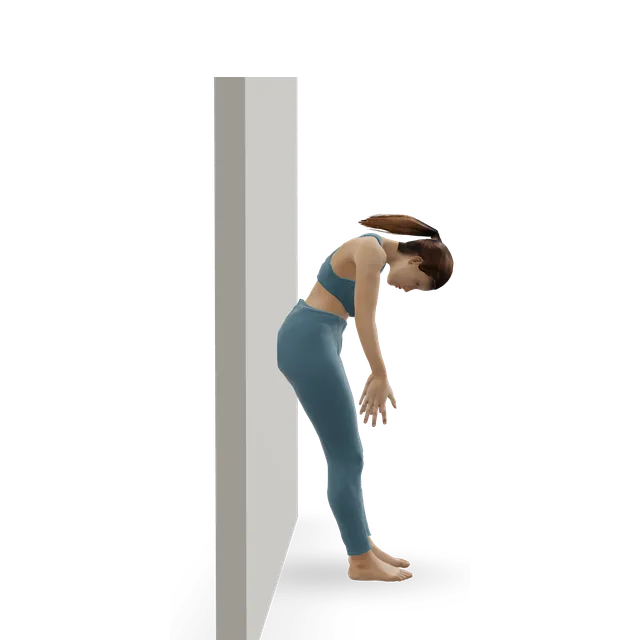
For people with osteoporosis, the UK consensus suggests, as a precaution, alternatives to Pilates roll-downs and curl-ups, and advises against deep, repeated or loaded rounding of the spine. If you're over 50 and don't know your bone health, start without them: head-down core work, back strengthening, smooth twists, a hip hinge instead of the roll-down, and standing balance by a wall. Add curl-ups and roll-downs later if you know your bones are healthy (our editorial approach, from the consensus).

Sources 12, 46

Pilates is safe with osteoporosis

"Generally, Pilates is very safe and won't cause a spinal fracture", the Royal Osteoporosis Society says, and the UK consensus names Pilates among the balance and strength exercises to do at least twice a week. Our Pilates for osteoporosis guide has the full list of swaps.

Sources 13, 12

The joints

Arthritis, sore backs and replacements

Pilates suits many people with hip or knee arthritis or long-lasting back pain, with changes; our Pilates for arthritis, hip pain, knee pain and back pain guides cover them. After a hip or knee replacement, your surgical team's precautions come first; our replacement guides cover the timing.

Knees and wrists on the floor

Kneel on a folded mat or cushion, and use fists or forearms in hands-down moves if your wrists hurt, as the moves' own pages suggest. If getting down to the floor is hard, practise it as a move (below), or use chair and wall classes.

Women and men over 50

Women

NICE asks clinicians to explain "the importance of maintaining muscle mass and strength through physical activity" around the menopause, and the NHS suggests regular exercise with a focus on weight-bearing exercise. Bone loss speeds up around the final period, so strength and impact work matter more now. Pelvic floor exercises help with leaking. Our Pilates for menopause and Pilates for women guides go further.

Sources 47, 48, 23

MenMixed evidence

Few Pilates trials include men: in the largest review, 1 of 51 trials was men only. We found no Pilates trial in healthy men over 50. After prostate removal, two separately registered trials by one Brazilian group found Pilates as good as pelvic floor exercises with electrical stimulation for becoming pad-free at 4 months (about 58% and 59% with Pilates, against 23% and 26% with no treatment); the 2023 Cochrane review counts them as two trials and calls the value of these treatments uncertain, and NICE recommends supervised pelvic floor training. Our Pilates for men guide covers it.

Sources 8, 49, 50, 51, 52, 40

The first sessions

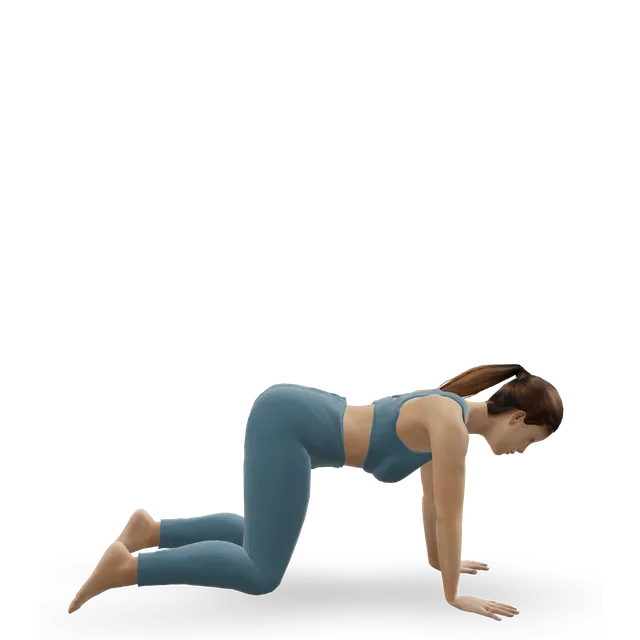
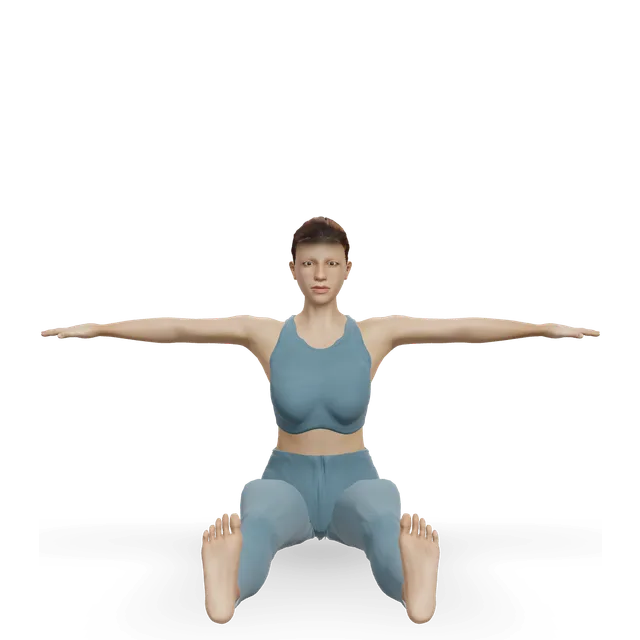
The moves of our beginner Pilates for over-50s class, at its doses: lateral breathing (6 breaths), bridge (8 slow reps, lifting as one piece), dead bug heel taps (6 each side), single-leg circles (5 each direction, each leg, the bottom knee bent), side kick (8 each side), clamshell (10 each side), swan (5 small lifts), bird dog (5 each side, holding up to 3 breaths), knee hover (3 holds of 15 seconds), mermaid (2 each direction, each side), spine twist (3 each side, sitting tall on a towel), hip hinge (8 slow reps) and one-leg stand (2 holds of 20 seconds each leg, beside a wall). Knee fold: "2 sets of 5 to 10 each side, every other day" (the move page's dose), the head-down swap for curl-ups.

Strength: Pilates plus load

Sit to stand: the NHS strength exercises' "Aim for 5 repetitions. The slower the repetitions, the better.", building to 2 sets of 8 (our Pilates for spinal stenosis class). Wall push-up: the NHS strength exercises' "Attempt 3 sets of 5 to 10 repetitions." Band row: "3 sets of 10 to 15, stopping 2 to 3 reps short of failure, with 60 to 90 seconds' rest: an editorial starting point." (the move page's dose). Goblet squat: 3 sets of 8 to 12, stopping each set with 2 or 3 good reps left; one-leg bridge: 2 sets of 8 to 10 each side (our Pilates strength workout). Swimming and swan as back strengtheners: 3 to 5 each side and 3 to 5 small lifts, each held 3 to 5 seconds (our Pilates for osteoporosis class). Seated upper-back lift: "3 to 5 repetitions, each held 3 to 5 seconds, at least twice a week (UK osteoporosis consensus, 2022)." (the move page's dose).

Balance, near a counter

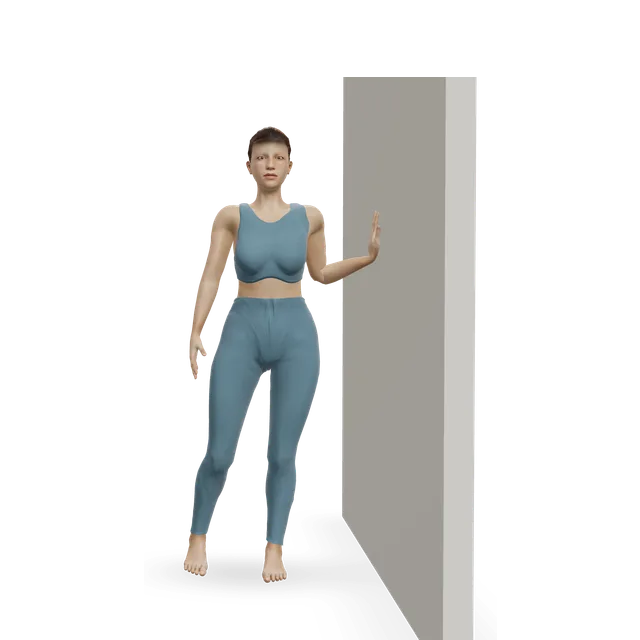
Side-stepping: "10 steps each way, next to a counter (the NHS balance exercises)." (the move page's dose). Heel-to-toe: hold 10 seconds each way, then 5 steps heel to toe, twice; slow calf raises: 5 to 8 slow (our standing Pilates for balance class). Wall side leg lift: "10 to 12 each side" (the move page's dose). Getting up and down from the floor: "5 to 8 slow cycles down and up, changing the leading leg (our editorial starting point)." (the move page's dose); practise it before floor classes.

The pelvic floor

For women around the menopause and men after prostate surgery: "Start with 8 slow holds of up to 10 seconds and 8 quick squeezes, three times a day, and build towards 10 of each, as POGP and Prostate Cancer UK suggest; routines vary between services." (the move page's dose).

Moves to change until you know your bones are healthy

The move pages' own osteoporosis cautions, from the UK osteoporosis consensus. Not because of your age: because osteoporosis often has no symptoms.

Curl-ups and long curls

The chest lift, hundred, single-leg stretch, double-leg stretch and criss-cross: use the head-down versions, as their pages say.

Source 12

Rolling and loaded rounding

Swap the roll-up for the half roll back or a dead bug; rolling like a ball is "Not recommended with osteoporosis or a higher risk of fracture, the Royal Osteoporosis Society says"; leave out the teaser and neck pull; sit tall and hinge in the spine stretch forward and saw; keep your hands on your thighs in the wall roll-down.

Sources 12, 13

Legs overhead, and legs in the air with a twist

Leave out the roll-over, jack knife, control balance, boomerang, high scissors and high bicycle, as their pages say for osteoporosis. For the corkscrew and hip twist, use a knee sway with your feet on the floor instead.

High blood pressure and sore wrists

With high blood pressure, keep breathing and skip long head-down holds (our Pilates for high blood pressure guide). With sore wrists, use fists or forearms in hands-down moves.

Classes to follow

Start with the beginner over-50s class twice a week. The wall and balance classes are gentle ways to add balance work; the strength workout adds load once the over-50s class feels easy; the osteoporosis class suits known osteopenia or osteoporosis; the bone-strengthening and strength and balance workouts are the parts Pilates doesn't replace.

Beginner Pilates for over-50s

A 20-minute beginner mat Pilates session for over-50s with no deep or repeated rounding of the spine, plus back strengthening and standing balance.

20 minBeginner13 movesA wall

Wall Pilates for beginners

A 20-minute beginner wall Pilates workout: standing and floor moves that use a wall for support and feedback. No equipment.

20 minBeginner9 movesA wall

Standing Pilates for balance: a 25-minute counter and mat class

A 25-minute Pilates class for steadier balance: standing balance and leg strength at a kitchen counter, then mat work for your trunk and hips.

25 minBeginner17 movesA wall, A bench or box

Pilates strength workout: a 30-minute class with weights or a band

A 30-minute Pilates strength class with dumbbells or a band: Pilates trunk work plus squats, lunges, rows and push-ups, each set taken until it is hard.

30 minIntermediate15 movesA dumbbell, A band

Pilates for osteoporosis: a mat class with safe swaps

A 25-minute Pilates workout for osteoporosis and osteopenia: the Royal Osteoporosis Society's swaps for rounding moves, plus back strength and balance.

25 minBeginner16 movesA wall, A bench or box

Chair Pilates workout

A 20-minute chair Pilates workout for beginners and older adults: breathing, sitting tall, gentle spine and leg moves, and a standing finish at the chair.

20 minBeginner14 movesA bench or box, Something with weight

Bone-strengthening workout

Impact, strength and balance for stronger bones, following UK osteoporosis consensus advice, with options for every level.

40 minBeginner14 movesA kettlebell, Other / check instructions

Strength and balance workout

Strength and balance in one session: squats, Romanian deadlifts, push-ups, rows, step-ups, back extensions, carries and single-leg balance.

45 minBeginner14 movesA wall, A dumbbell

Daily pelvic floor workout

A 5-minute daily pelvic floor workout for women and men: slow holds and quick squeezes, three times a day, with how to find the right muscles.

5 minBeginner2 movesNo equipment

Weekly plans

The plans for women and men over 50 put strength, balance and walking into a week; the 4-week plan builds a Pilates habit, and the 30-day wall Pilates plan is a gentle start. Over 65 or less steady on your feet, start with the seniors plan.

When to check first, and when to stop

This is general information, not a diagnosis. A&E means accident and emergency; in the US, call 911 for 999, and use your doctor's urgent line or urgent care for NHS 111.

See your GP first if

See your GP first if you get chest pain, breathlessness or dizziness when you are active, if you have a heart condition and want to exercise harder, or if you have had a fall.

If you have a heart condition, follow your cardiac team's advice on how hard to work, and stop for the warning signs above. People with long-term conditions may wish to ask their specialist before starting. With uncontrolled high blood pressure, avoid straining against a held breath; the high blood pressure guide has more.

Source 5

Before you start

The NHS advises getting advice from a healthcare professional first if you have a health problem, an injury or symptoms, or have recently had a heart attack or an operation.

You're frail, have moderate to severe dementia, have had a spinal fracture or fall regularly: the UK guidelines suggest any new exercise is supervised by a trained professional at first.

Source 53

Chest pain or fainting while exercising: call 999

Call 999 if:

  • You get sudden pain or discomfort in your chest that doesn't go away; it can feel like squeezing or pressure, burning or indigestion.
  • The pain spreads to your left or right arm, or your neck, jaw, stomach or back.
  • You have chest pain and feel sweaty, sick, light-headed or short of breath.
  • Someone faints while exercising, can't be woken within 1 minute, or has chest pain or a pounding, fluttering or irregular heartbeat.

Sources 54, 55, 56

Unusual breathlessness

Call 999 or go to A&E (accident and emergency) straight away for severe difficulty breathing (gasping, choking or not able to get words out), a chest that feels tight or heavy, pain that spreads to your arms, back, neck and jaw, lips or skin turning very pale, blue or grey, or sudden confusion. If you're more short of breath than usual, or your heart is racing, fluttering or skipping beats, contact NHS 111.

Source 57

Stop the session if

You feel any pain or become unwell, as the NHS advises for its Pilates videos, and especially for chest pain or pressure, unusual breathlessness, dizziness or fainting. If you have a health problem, an injury or any symptoms, get advice from a healthcare professional, such as a GP, before you start.

Source 53

Stop for today and contact your GP or NHS 111

Get advice soon for any of these:

  • Dizziness, light-headedness, unusual breathlessness, clamminess or chest tightness that settles when you stop.
  • Any fall or near-fall, new unsteadiness, or a new fear of falling: ask about a falls assessment.
  • Joint or muscle pain during an exercise that does not ease when you check your position and try again.
  • A newly swollen joint, or pain that is worse the next day and keeps getting worse (our editorial rule).

Falls

  • After a fall, if someone may have injured their head, back, neck or hip, or can't get up.
  • If you've fallen and may be in pain, hurt or unwell; or you've hit your head and you take medicine that thins your blood (or have a condition that does), or you're being sick or feel dizzy. NICE says people who take blood thinners, other than aspirin alone, and hit their head should be sent to an emergency department. Don't drive yourself to A&E after a head injury.
  • If you've had a fall or you're worried about your balance (you may be able to refer yourself to a falls service), if you've fainted, if dizziness worries you, or if you keep feeling dizzy or faint when you stand up. NICE offers a full falls assessment to people who have fallen in the last year and are frail, were hurt, blacked out, couldn't get up, or have fallen twice or more.
  • If you fall repeatedly, or have started avoiding activity because you're worried about falling, ask your GP about a local falls service.
  • NICE asks for a full falls assessment for people who have fallen in the past year and are frail, were injured, could not get up on their own, lost consciousness, or have fallen twice or more. A falls service can offer a supervised programme such as Otago.

Source 58

Osteoporosis and your spine

See your doctor about back pain, or a change in body shape such as losing height or a more curved back: these can be signs of a spinal fracture, though not all spinal fractures hurt.

With osteoporosis or a past spinal fracture, avoid repeated or loaded deep rounding of the back, and bend from the hips. The osteoporosis guide covers impact and lifting.

Sudden mid or lower back pain after a minor fall, lift, cough or sneeze, especially from 50 or with long-term steroid tablets.

Often worse moving or changing position and eased by lying down. It can be an osteoporotic spinal fracture, so see a GP; height loss or a new curve in the upper back are other signs.

Sources 46, 12

See a physiotherapist before starting if you

The Royal Osteoporosis Society suggests a physiotherapist first if you:

  • have spinal fractures that are causing pain and other symptoms
  • have broken many bones
  • are having problems exercising because of other medical conditions
  • have had many falls

Source 46

Stop exercising if you feel

Stop if you feel any of these, and call 111, or 999 (911 in the US) in an emergency:

  • sick
  • dizzy or light-headed
  • severely short of breath
  • clammy or sweaty
  • tightness in your chest
  • any pain

Sources 46, 53

Around the menopause

The NHS suggests contacting your GP if:

  • you think you have symptoms of menopause or perimenopause and want to know your options
  • you have a fast or noticeable heartbeat (palpitations)
  • you still have periods but you're bleeding more than before, not less
  • you have any vaginal bleeding 12 months or more after your last period

Source 48

Bleeding, a bulge or leaking

See a GP about any bleeding from the vagina after your menopause, even if it's only a small amount or has only happened once. It's not usually serious, but it needs checking, and you shouldn't have to wait more than 2 weeks to see a specialist.

See a GP if you have a lump in or around your vagina or other signs of prolapse, such as heaviness or pressure. With prolapse, the NHS advises avoiding activities that strain the pelvic floor, like heavy lifting, running and trampolining.

If leaking isn't improving, see a GP or a pelvic health physiotherapist: NICE recommends supervised pelvic floor training for at least 3 months first.

After prostate surgery

Avoid heavy exercise for the first 4 to 6 weeks; short walks are fine if your surgeon suggests them. Start pelvic floor exercises only once the catheter is out, and ask your surgical team before floor-based ab work. If you're having hormone therapy or the cancer has spread to your bones, avoid activities where you could fall.


Myths

"It's too late to start at 50"Emerging evidence

People who became active in midlife had death rates like those active all along, and taking up activity at an average age of 64 more than tripled the odds of ageing healthily.
Sources 1, 2

"Pilates builds bone on its own"Emerging evidence

Pooled trials found no change in bone density. Strength training and impact build bone; Pilates helps balance and posture.

Sources 11, 33, 44, 12

"Pilates is all the strength training you need after 50"Mixed evidence

It beat no exercise for strength in one review but not in another, and did no better than other exercise. The guidelines ask for strength work that makes your muscles work hard.

Sources 7, 10, 6

"Pilates prevents falls"Strong evidence

It improves balance and fall-risk scores, but hasn't been shown to cut the number of falls.

Sources 9, 28

"You need a reformer for real Pilates"Emerging evidence

Mat Pilates on its own improved balance, strength tests and function against no exercise in 9 trials of older adults.

Sources 17, 8

"With osteoporosis, avoid Pilates"Emerging evidence

The Royal Osteoporosis Society says Pilates is generally very safe, and the UK consensus names it among the balance and strength exercises; only a few moves need swapping.

Sources 13, 12

"Pilates is for women"Mixed evidence

Most trial volunteers are women, but the guidelines that count Pilates as strength work apply to everyone, and the only trials in men over 50 found it helped leaking after prostate surgery.

Sources 8, 4, 49

Questions people ask

Is Pilates good for over 50s?

Yes, as part of the strength and balance work adults are advised to do. In trials of people in their 50s, 60s and older, it improved balance and everyday function; it doesn't build bone, and the evidence that it builds strength is mixed, so pair it with weights and walking.

Can you start Pilates at 50, 60 or 70?

Yes. People who became active in midlife had death rates like those active all along, and the UK guidelines say it's never too late. Start with a beginners' class or our over-50s session.

Do I need to see a GP before starting Pilates?

Usually not for gentle exercise: the WHO says medical clearance is generally unnecessary before light or moderate activity. See your GP first if you get chest pain, breathlessness or dizziness when you're active, have a heart condition and want to exercise harder, or have had a fall, and ask first if you have a health problem, an injury or symptoms.

Is Pilates good for women over 50?

Yes. Small trials in women after the menopause found better quality of life and lower menopause symptom scores, though they were small and short. For your bones, add strength training and some impact, as the UK osteoporosis consensus advises.

Is Pilates good for men over 50?

Yes, as part of strength and balance work, though few Pilates trials include men. Keep lifting for strength, start without deep rounding of your back until you know your bones are healthy, and see our Pilates for men guide for pelvic floor training after prostate surgery.

Is Pilates enough exercise after 50?

Not on its own. The UK guidelines ask for strength work on at least 2 days a week and 150 minutes of moderate activity such as brisk walking; Pilates covers part of the strength and balance work, not the aerobic part.

Does Pilates build bone?

It hasn't been shown to: pooled trials found no change in bone density. Strength training and impact do, and Pilates helps with balance and posture.

Which Pilates moves should I avoid over 50?

None just because of your age. Until you know your bones are healthy, swap curl-ups, roll-ups, roll-downs and rolling moves for head-down and hinge-from-the-hips versions, and leave out the legs-overhead moves, as the UK osteoporosis consensus suggests for people with osteoporosis.

Is reformer Pilates good for over 50s?

It can be: the springs add load, and a small trial in people aged 65 to 95 found balance gains after reformer classes. Mat Pilates works too: in 9 trials it improved function in older adults.

Is wall Pilates good for over 50s?

It's a gentle way to start, with the wall for support and balance, though no trial has tested wall Pilates itself. Our wall Pilates guide and 30-day plan show how to start; the wall roll-down has an osteoporosis swap.

How often should I do Pilates over 50?

Twice a week is a good start, alongside 2 days of strength work (it can be the same days) and walking on most days. Most trials ran 2 or 3 sessions a week for 8 to 12 weeks.

What should I do if I feel unwell during a class?

Stop. Call 999 for chest pain or pressure that doesn't go away or spreads to your arm, neck or jaw, or if someone faints. Stop for today and get advice if you feel dizzy, unusually breathless or clammy and it settles when you stop.

Sources

  1. Saint-Maurice 2019 · Leisure-time activity across adult life and death rates in 315,059 adults (NIH-AARP cohort, JAMA Netw Open)
  2. Hamer 2014 · Taking up physical activity in later life and healthy ageing in 3,454 adults (English Longitudinal Study of Ageing, BJSM)
  3. Department of Health and Social Care · Physical activity for adults and older adults, text of the infographic (GOV.UK, updated July 2026)
  4. NHS · Physical activity guidelines for adults aged 19 to 64
  5. NHS · Physical activity guidelines for older adults
  6. UK Chief Medical Officers 2019 · Physical activity guidelines (GOV.UK, adult evidence updated July 2026)
  7. Fernández-Rodríguez 2021 · Pilates, physical performance and risk of falls in older adults: 39 studies (systematic review and meta-analysis, Physiotherapy)
  8. Meikis 2021 · Pilates and health in adults over 55: 51 trials (meta-analysis, Front Neurol)
  9. de Campos Júnior 2024 · Pilates, balance and falls in older adults: 39 studies (systematic review and meta-analysis, Complement Ther Clin Pract)
  10. Oliveira 2024 · Pilates for strength, endurance and power in older adults: 24 trials (systematic review and meta-analysis, J Bodyw Mov Ther)
  11. de Oliveira 2022 · Pilates and bone density in women after the menopause: 3 trials (systematic review and meta-analysis, J Geriatr Phys Ther)
  12. Brooke-Wavell 2022 · Strong, steady and straight: UK consensus on physical activity and exercise for osteoporosis (BJSM; read in full)
  13. Royal Osteoporosis Society · Pilates and osteoporosis (patient information, past its review date: reviewed February 2019, review due February 2022)
  14. Bull 2020 · World Health Organization 2020 guidelines on physical activity and sedentary behaviour (BJSM; read in full)
  15. Mok 2019 · Changes in physical activity and death rates in 14,599 adults aged 40 to 79 (EPIC-Norfolk cohort, BMJ)
  16. Riebe 2015 · Updating ACSM's recommendations for exercise preparticipation health screening (Med Sci Sports Exerc)
  17. Bueno de Souza 2018 · Mat Pilates and physical function in older adults: 9 trials (meta-analysis, Am J Phys Med Rehabil)
  18. Roller 2018 · Reformer Pilates and fall risk in 55 adults aged 65 to 95 (RCT, J Bodyw Mov Ther)
  19. Hughes 2001 · Strength changes over about 10 years in 120 adults aged 46 to 78 (longitudinal study, J Gerontol A)
  20. Goodpaster 2006 · Loss of muscle strength, mass and quality in 1,880 adults in their 70s (Health ABC study, J Gerontol A)
  21. Mitchell 2012 · How muscle size and strength change with age (quantitative review, Front Physiol)
  22. Dodds 2014 · Grip strength across life in 49,964 people from 12 British studies (PLoS One)
  23. Greendale 2012 · Bone density loss around the final menstrual period in 862 women (SWAN cohort, J Bone Miner Res)
  24. Barker 2015 · Pilates for balance in older adults: 6 studies (systematic review and meta-analysis, Arch Phys Med Rehabil)
  25. Moreno-Segura 2018 · Pilates, balance and falls in older adults: 15 trials (systematic review and meta-analysis, J Aging Phys Act)
  26. Sampaio 2023 · Pilates and balance in older adults (systematic review and meta-analysis, Healthcare)
  27. Wang 2026 · Types of exercise and balance in 33,901 older adults: 423 trials (network meta-analysis, Ageing Res Rev)
  28. da Silva 2021 · Pilates and falls risk factors in healthy older adults: 12 trials (systematic review and meta-analysis, Front Med)
  29. Sherrington 2019 · Exercise for preventing falls in older people living in the community: 108 trials (Cochrane review)
  30. Carrasco-Poyatos 2019 · Pilates against resistance training in 60 women aged 60 to 80 (RCT, PeerJ)
  31. Abdullah 2026 · Aerobic exercise or Pilates at equal volume in 44 adults aged 60 to 69 (RCT, BMC Geriatr)
  32. Metz 2021 · Pilates, physical function, quality of life and mood in older adults: 24 trials (systematic review and meta-analysis, J Bodyw Mov Ther)
  33. Fernández-Rodríguez 2021 · Pilates and yoga for bone density in adult women: 11 studies (systematic review and meta-analysis, PLoS One)
  34. McLaughlin 2022 · Pilates in people at increased risk of fracture: 5 studies (systematic review, Appl Physiol Nutr Metab)
  35. de Almeida 2024 · Pilates and quality of life in women after the menopause: 11 trials (systematic review and meta-analysis, Qual Life Res)
  36. Arslan 2026 · Online Pilates and menopause symptoms in 40 postmenopausal women (RCT, Int Urogynecol J; read as an abstract)
  37. Lee 2016 · 8 weeks of Pilates and menopause symptoms, back strength and flexibility in 74 postmenopausal women (trial, J Exerc Rehabil)
  38. Yiğit Kocamer 2025 · Pilates and menopause symptoms and sexual function in 30 postmenopausal women (RCT, Medicine)
  39. Can 2026 · Clinical Pilates against aerobic exercise for menopause symptoms in 30 women (RCT, BJOG; read as an abstract)
  40. PubMed, Europe PMC and ClinicalTrials.gov · Our searches for Pilates trials in adults over 50, around the menopause and in men (October 2026)
  41. Aibar-Almazán 2019 · Pilates and sleep, anxiety, depression and fatigue in 110 women aged 60 and over (RCT, Maturitas)
  42. Ahmadinezhad 2017 · Acupressure or Pilates-based exercise for sleep in 108 women aged 40 to 60 (RCT, Iran J Nurs Midwifery Res)
  43. Chen 2020 · Pilates and sleep quality: 6 trials (systematic review and meta-analysis, Front Neurol)
  44. Watson 2018 · Heavy resistance and impact training in 101 postmenopausal women with low bone mass: the LIFTMOR trial (RCT, J Bone Miner Res)
  45. Royal Osteoporosis Society · Exercise for bones
  46. Royal Osteoporosis Society · How to exercise safely for bones
  47. NICE NG23 · Menopause: identification and management (updated April 2026)
  48. NHS · Things you can do to help menopause and perimenopause symptoms
  49. Pedriali 2016 · Pilates against pelvic floor exercises after prostate removal (RCT, Neurourol Urodyn)
  50. Gomes 2018 · Pilates and pelvic floor strength after prostate removal (RCT, Neurourol Urodyn)
  51. Johnson 2023 · Conservative treatments for leaking after prostate surgery: 25 studies, 3,079 men (Cochrane review)
  52. NICE CG97 · Lower urinary tract symptoms in men: management
  53. NHS · Pilates for beginners
  54. NHS · Heart attack
  55. NHS · Chest pain (past its review date: reviewed August 2023, review due August 2026)
  56. NHS · Fainting
  57. NHS · Shortness of breath
  58. NHS · Falls

Exercise education, not a personal prescription, and clinical review of these guides is pending. If you are pregnant, have a health condition or have had recent surgery, check with a doctor, midwife or physiotherapist before starting, and stop for sharp or increasing pain. Health disclaimer.