Training guide

How to build muscle over 40: what changes with age, recovery, joints and hormones, how often and how heavy, protein, and a plan

You can build muscle in your 40s at about the same rate as in your 20s and 30s: in pooled trials, 45 to 60-year-olds gained as much muscle and strength as under-45s. Studies comparing people of different ages suggest muscle mass holds fairly steady until about 50, though grip strength already starts to fall in the 40s; what changes first is strength, power, recovery and how much time you have.

This guide covers what changes with age, recovery, joints and hormones (testosterone and the perimenopause), how often and how heavy to lift, protein, and a 12-week plan with 3D demos. From 50, our guide to building muscle after 50 takes over.

The short version

Yes, you can build muscle after 40

In 287 untrained people aged 19 to 78 on the same 20 to 24-week programmes, 45 to 60-year-olds gained about 5% in muscle size and about 20% in leg press strength, no less than under-45s. Across 49 studies, adults over 50 gained about 1.1 kg of lean mass in about 20 weeks.

Sources 1, 2

What changes in your 40s is small

Studies comparing people of different ages suggest muscle mass holds fairly steady until about 50, but grip strength already starts to fall in the 40s, and once losses begin, strength falls 2 to 5 times faster than muscle size. Some of what people put down to age is doing less.

Sources 3, 4, 5

The training is the same as at 30

Two or 3 full-body sessions a week; most sets of 8 to 12, with heavier sets of 5 to 8 once lifts are learned; stopping 2 or 3 reps short of failure; building towards about 10 hard sets per muscle a week; and adding reps, then weight.

Source 6

Recovery: little direct evidence

There's little direct evidence that you need more rest days. One study of 27 men found middle-aged men recovered more slowly than young men after a hard squat session, so let soreness and how your sets go guide your rest.

Sources 7, 8

Hormones don't stop you

The NHS says men's testosterone falls by about 1% a year from around 30 to 40, which is unlikely to cause problems in itself, and older men with lower hormone levels still gained muscle in a trial. In women, lean mass dips only about 0.5% across the menopause transition.

Sources 9, 10, 11

Protein, and where 50 begins

About 1.6 g of protein per kg a day, spread over your meals. From about 50, when the UK guidelines date the natural decline in muscle mass and bone density, our after 50 guide takes over. Chest pain, unusual breathlessness or a racing heart during exercise means stopping: see the warning signs.

Sources 12, 13

What changes after 40, and what doesn't

Muscle: steady for decades, in snapshot studies

A review of studies comparing young and older adults describes muscle mass as almost constant for up to four decades of adult life, and in an MRI study of 468 adults aged 18 to 88, absolute muscle mass showed no clear fall until about 50. These are snapshots of different people at different ages, not the same people followed over time.

Sources 4, 3

Strength and power slip first

Grip strength peaks in the 30s and starts to fall in the 40s, across 49,964 people in 12 British studies. Once losses begin, strength falls 2 to 5 times faster than muscle size, and power faster still; in 120 adults aged 46 to 78 followed for nearly 10 years, knee strength fell about 14 to 16% per decade.

Sources 5, 4, 14

What's age and what's life

In your 40s, the bigger changes for most people are less time, less sleep, more sitting and old injuries (our reading), and those are things training and routine can change. The UK guidelines say strength activities help maintain strength in adulthood and delay the natural decline in muscle mass and bone density that starts from around 50.

Source 13

Men: testosterone

Testosterone falls slowly, by about 1% a year from around 30 to 40, the NHS says, which is unlikely to cause any problems in itself. Training doesn't change resting testosterone, and it doesn't need to: the hormones section below has the trials.

Sources 9, 15

Women: the perimenopause

The perimenopause usually comes in the 40s. Lean mass dips about 0.5% (0.2 kg) across the transition, and in 234 Finnish women, more active women kept more muscle. The NHS says women lose bone rapidly in the first few years after the menopause, and the UK osteoporosis consensus advises strength training with impact for bone.

Sources 11, 16, 17, 18

Where 40 ends and 50 begins

This guide is for your 40s, and for people in their early 50s who already train, as our plans for women and men over 40 are. From about 50, our after 50 guide covers sarcopenia (age-related muscle loss), balance, power and protein from 65. The European sarcopenia consensus says muscle loss can also start earlier in life and urges people to keep muscle in middle age.

Sources 13, 19

What the evidence says

There are few trials in people aged 40 to 50; most pool them with older or younger adults.

Midlife gains match younger adults'Emerging evidence

Pooling 10 Finnish trials of 287 untrained people training twice a week for 20 to 24 weeks, the most they could lift rose about 19 to 27% and muscle size about 5% at 45 to 60, as in younger adults; size changes ranged from an 11% loss to a 30% gain. In people of about 40 training for 6 months, thigh muscle area rose 9% in women and 5% in men.

Sources 1, 20

Over 50 tooStrong evidence

Adults over 50 gained 24 to 33% in strength across 47 studies and about 1.1 kg of lean mass in about 20 weeks across 49 studies, a little less at older ages.

Sources 21, 2

Lower hormones, similar gainsEmerging evidence

Over 10 weeks of heavy training, men of about 62 gained squat strength and thigh muscle like men of about 30, despite lower hormone levels.

Source 10

The doseStrong evidence

Resistance training is safe and effective at all ages: 10 or more sets a week built more muscle, training to failure wasn't needed, and heavier loads built more strength. The National Strength and Conditioning Association calls resistance training a powerful intervention for older adults.

Sources 6, 22

Muscle and strength through midlifeEmerging evidence

Studies comparing age groups find muscle mass almost constant for decades, with no clear fall in absolute muscle until about 50 in 468 adults, but these are cross-sectional data. Grip strength starts to fall in the 40s across 49,964 people.

Sources 4, 3, 5

RecoveryMixed evidence

In one study of 27 men, trained men of about 40 lost more strength 24 and 72 hours after 10 sets of 10 squats than young men did. Reviews say slower recovery is plausible but that most studies ignore how active people are, and we found no trial testing extra rest days.

Sources 7, 23, 8

Knee osteoarthritisStrong evidence

Across 139 trials of 12,468 people, exercise improved knee osteoarthritis function by about 11 points out of 100 and pain by about 9, with no difference between types of exercise. The pain result is less certain than the function one.

Source 24

Older adults' best doseEmerging evidence

In 25 trials of healthy adults over 65, 2 sessions a week of 2 to 3 sets of 7 to 9 reps, at 70 to 79% of the most they could lift once, did best; the trials' quality was poor overall.

Source 25

How to build muscle after 40: how much and how often

How often

Two or 3 full-body sessions a week, with a day between hard sessions for the same muscles; a 4-day upper and lower body split once you've trained for 6 months or more (our suggestion). With weekly sets matched, how you spread them made little difference to growth in 25 studies.

Sources 26, 27

What goes in each session

A squat or leg press, a hinge, a push, a pull, a press and a carry or core move. Once a lift is learned, lift briskly and lower over 2 to 3 seconds, as our after 50 guide says.

Sets, reps and effort

Weeks 1 and 2: 2 sets of 8 to 12, stopping with 3 or 4 reps to spare. Then 3 sets, stopping 2 or 3 reps short of failure, which our guides call 2 or 3 RIR (reps in reserve: how many more reps you could have done). From week 9, the first lift of each session moves to 3 or 4 sets of 5 to 8, as in our plan for women over 40.

How many sets a week

Build towards about 10 hard sets per muscle a week. Start below it and build, as our plans do.

Source 6

Rest and lighter weeks

Rest 2 to 3 minutes on heavy compound sets, 90 seconds to 2 minutes on other compound sets and 60 to 90 seconds on small moves. Take an optional lighter week every 6 to 8 weeks, or sooner if you feel run down, as our plans' notes say.

Cardio alongside

Aim for 150 minutes of moderate activity a week alongside; across 43 studies, adding cardio didn't reduce muscle growth.

Sources 26, 28

Common slip-ups

Starting too heavy after years off; doing only cardio; skipping legs; going to failure on every set; stopping after a few weeks; and pushing through a joint that keeps getting worse instead of changing the move (our editorial list). Our getting back into working out guide sets the pace after a long break.

Your first 12 weeks, step by step

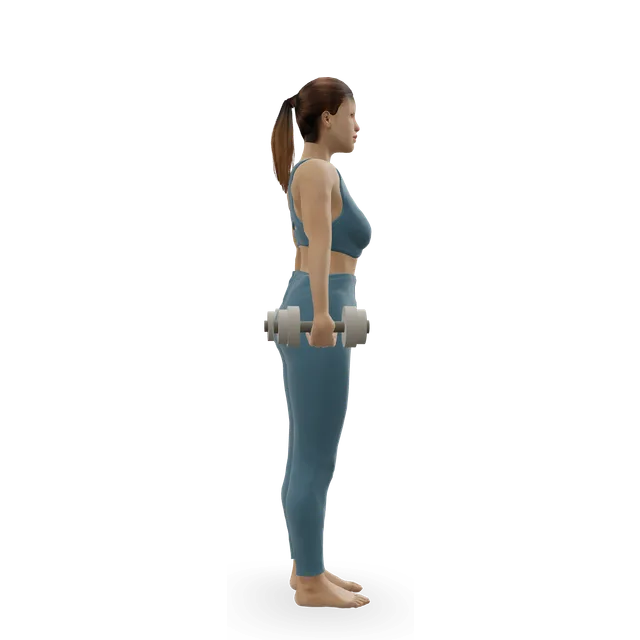
Our editorial plan, the shape of our plans for women and men over 40, with our plans' shared rules. Over 50, or new to exercise with a health condition, our after 50 guide's longer first month applies. Our goblet squat guide teaches the move shown.

  1. Check the warning signs first; with heart disease, uncontrolled blood pressure, a hernia or a recent operation, agree the plan with your GP.
  2. Train your whole body 2 or 3 times a week, with a day between: a squat or leg press, a hinge, a push, a pull and a carry or core move.
  3. Weeks 1 and 2: 2 sets of 8 to 12, stopping with 3 or 4 reps to spare. Find your weights and write them down.
  4. Weeks 3 to 7: 3 sets, stopping 2 or 3 reps short of failure; add reps, then the smallest weight step (double progression).
  5. Week 8: an optional lighter week, with half the sets at easy weights.
  6. Weeks 9 to 11: the first lift of each session moves to 3 or 4 sets of 5 to 8, with 2 to 3 minutes' rest. Once moves are learned, lift briskly and lower slowly.
  7. Week 12: retest your first lift (a set of 5 with 2 reps to spare) and compare it with week 3, then repeat with one or two new moves, or move to a 4-day split.

Loading the 3D figure…

Gets into position, then repeats the movement. Technical checks passed; qualified exercise review is pending.

The movement on the figure: Dumbbell goblet squat

In the gym: the main lifts and the machines

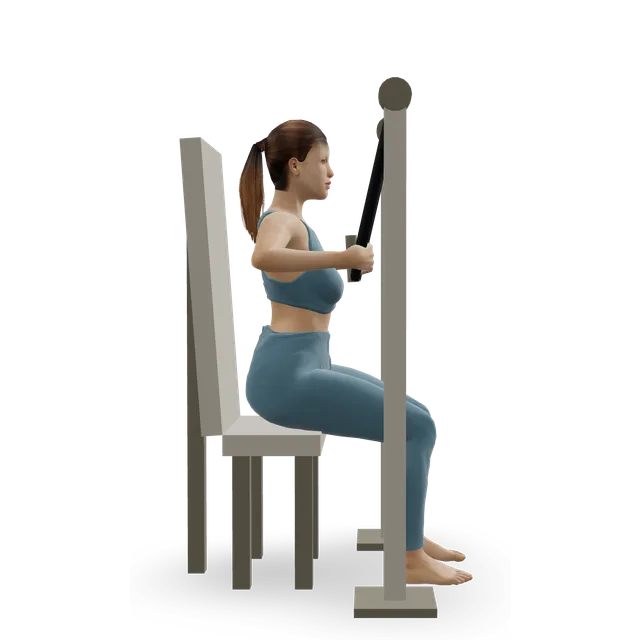
Three sets of 8 to 12 on most moves (3 sets of 10 on the leg press), 3 sets of 6 to 10 on trap bar deadlifts once you've learned them, and 2 sets of 10 to 15 on leg curls, from our full-body gym workouts; the chest press machine at 3 sets of 8 to 12 is our editorial starting point.

At home: a step, a band and a pair of dumbbells

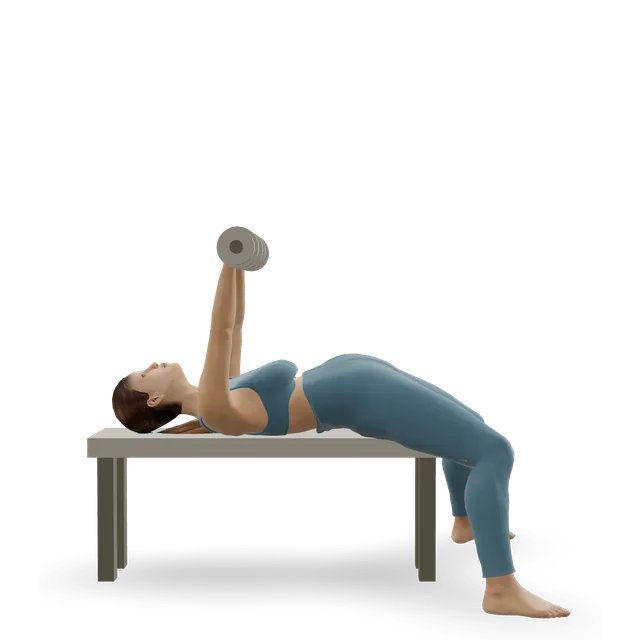
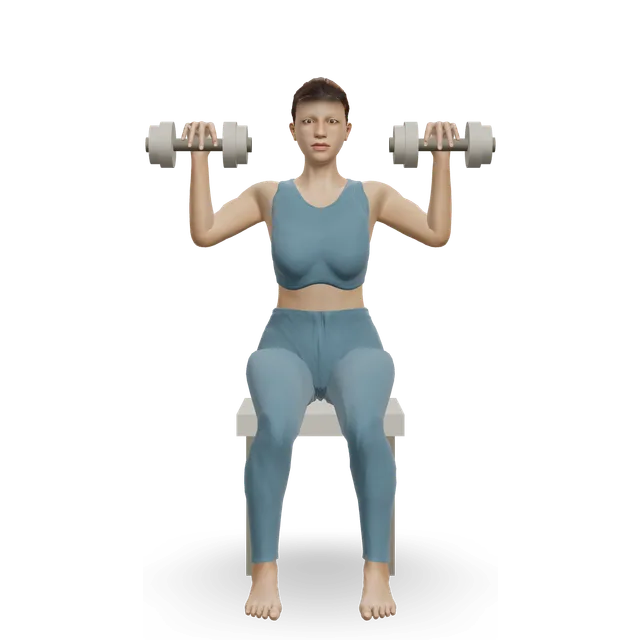
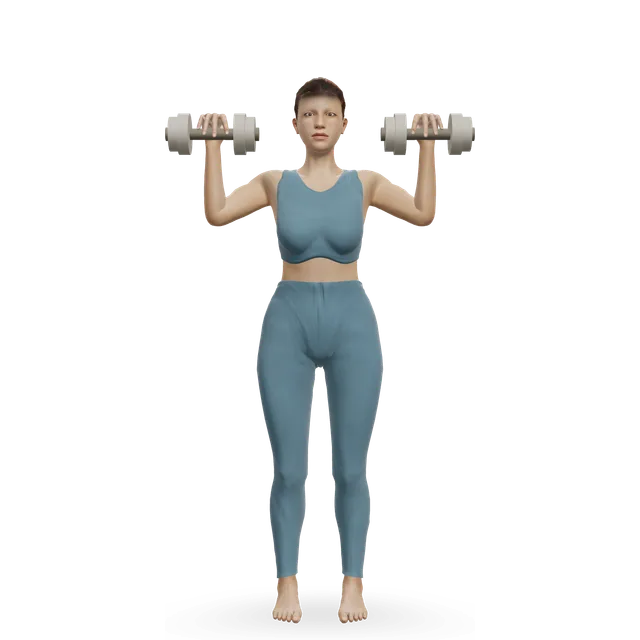
Split squats at 3 sets of 8 to 12 each side, step-ups at 2 or 3 sets of 8 to 10, single-leg bridges and calf raises at 3 sets of 10 to 15 each side, push-ups at 3 sets of 6 to 15, dumbbell rows at 3 sets of 10 each side and overhead presses at 2 sets of 8 to 10 (our home and dumbbell workouts); band rows: 3 sets of 10 to 15, stopping 2 to 3 reps short of failure, with 60 to 90 seconds' rest (the move page's dose, its editorial starting point).

Power and bone: lift briskly, land softly

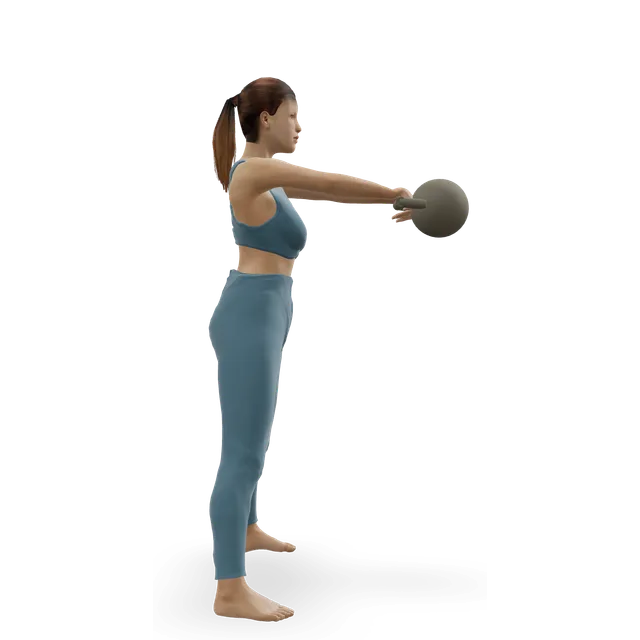
Kettlebell swings at 3 sets of 6 to 8, only with no fractures and confident technique (our bone-strengthening workout); heel drops, 20 to 30 drops at first, building toward about 50 impacts on most days (the move page's dose), if impact suits you; step-ups done briskly up and slowly down (our editorial starting point); and farmer's carries of 30 m, twice (our full-body gym workout).

Swaps for sore knees, hips, backs and shoulders

Change the move, the range or the load rather than stopping (our editorial swaps, at the doses above): the leg press for squats, bridges for hinges on a sore-back day, incline push-ups for floor push-ups, the chest press machine for the bench press, a seated, back-supported press for standing presses, and hip hinge practice to relearn the hinge.

Joints, recovery and sleep

Let soreness and performance guide rest

There's little direct evidence on rest after 40, so use what your body tells you: if a muscle is still sore or your sets are weaker at the next session, give it another day or do the lighter-week dose; if not, carry on (our suggestion, from the one study of 27 middle-aged men).

Source 7

What our plans say

We found no good evidence that men over 40 need extra rest days. Use the lighter-week rules and adjust to how you feel.

We found no trial showing that women in their 40s need more rest days. On a bad day, do the lighter-week dose or a walk rather than skipping the week.

Sleep

Aim for 7 to 9 hours a night, as our build muscle guide says. After a short night, a lighter session beats skipping the week (our suggestion).

Joint aches in midlife

Joint and muscle aches are a recognised menopause symptom, and they arrive at the age osteoarthritis becomes common. There's no specific treatment, and reviews encourage exercise and a healthy weight. Change the range or load of a move that hurts rather than stopping, and see our knee, hip and shoulder pain guides.

Source 29

Knee osteoarthritisStrong evidence

Exercise improved knee osteoarthritis function in 139 trials, with no difference between types of exercise.

Strength training eased osteoarthritis pain a little in trials. Joints may ache a little at first, as our older adults guide says; if a joint is hot and swollen, or pain keeps getting worse, get it checked.

Source 24

Our pain rules

Pain from 0 to 2 out of 10 is fine, and up to 5 is acceptable if your knee is back to its usual level by the next morning; for tendon pain just below or above the kneecap, keep it to 3 or less. Sharp, catching or giving-way pain, or new swelling, means stop. That's our knee guides' rule.

During the exercise, pain up to about 5 out of 10 is acceptable. It should settle within an hour or so, and your hip should be no worse that night or the next morning. If it is, do less next time (fewer repetitions, a smaller range, a lighter load), not nothing.

Pain you'd call mild to moderate, no more than about 5 out of 10, that settles within an hour or so, with your back no worse the next morning, is acceptable; if it is worse, do less next time (fewer reps, a smaller range, a lighter load), not nothing. Stop or shrink any movement that sends pain, pins and needles or numbness further down your leg. That's our back pain guides' rule.

Keep shoulder pain to about 5 out of 10 or less during the exercise, back to its usual level by your next session, as our shoulder guides advise. A sharp pinch means lower, lighter or stop.

Hormones: testosterone, the perimenopause and HRT

Testosterone falls slowlyStrong evidence

The NHS says men's testosterone falls by about 1% a year from around 30 to 40, which is unlikely to cause any problems in itself, and calls the "male menopause" a misleading label.

Source 9

The exact rateMixed evidence

Studies disagree: in one cohort of 1,156 men aged 40 to 70, it fell 1.6% a year within each man, while a model pooling 13 studies found the average stopped falling after 40, with more spread between men.

Sources 30, 31

Training works anywayStrong evidence

Training doesn't change resting testosterone (11 trials, 421 men aged 19 to 75), the short rise after a workout doesn't predict gains, and men of about 62 with lower hormone levels still gained like men of about 30.

Sources 15, 32, 10

The perimenopause and menopauseStrong evidence

Lean mass dips about 0.5% across the transition; in pooled comparisons, muscle was about 2.5% lower in the perimenopause and 5.7% lower after the menopause than before. NICE asks doctors to explain the importance of keeping muscle mass and strength through physical activity.

Sources 11, 33, 34

More sets after the menopause?Emerging evidence

In one 10-week trial of 31 women around 52, free-weight training twice a week raised strength in everyone, but muscle grew only in those who hadn't reached the menopause, at 6 to 8 sets a muscle a week. The authors speculate that more weekly sets may be needed after it; no trial has tested that.

Source 35

HRTMixed evidence

Hormone replacement therapy (HRT) didn't change lean mass across 12 trials of 4,474 women, and NICE calls the evidence that it improves muscle limited. Our menopause guide covers HRT and exercise; your GP covers whether HRT suits you.

Sources 36, 34

Protein, food and creatine

Protein under 65Strong evidence

About 1.6 g per kg a day: extra protein stopped adding muscle at about that level in 49 trials, and across 74 trials more protein added a little lean mass with training, at 1.6 g per kg or more in people under 65.

Sources 12, 37

Age and proteinEmerging evidence

The extra muscle from protein supplements was a little smaller with age, though only 13 of the 49 trials were in people over 45. Older men needed more protein per meal for the same muscle-building response (about 0.40 against 0.24 g per kg), a borderline result.

Sources 12, 38

In practice

Spread it over 3 or 4 meals of 20 to 40 g, including breakfast and lunch, as our build muscle and after 50 guides say. From 65, expert groups advise at least 1.0 to 1.2 g per kg a day, or 1.2 or more if you're active; our after 50 guide covers that.

Sources 39, 40

Eat enoughEmerging evidence

A deficit of about 500 calories a day stopped lean-mass gains in pooled trials, though strength still rose.

Source 41

CreatineEmerging evidence

In 22 trials of 721 adults aged about 57 to 70, creatine with training added about 1.4 kg of lean tissue; newer reviews agree on a small strength gain but not consistently on muscle. You don't need it.

If you have kidney disease, ask your doctor before raising your protein or taking creatine; the safety studies were in healthy people.

Sources 42, 43, 44

Women and men over 40

Women in their 40s

Our plan for women over 40 puts three strength days, power and bone work and cardio into a week, built for the 40s and early 50s. Our build muscle as a woman guide covers the cycle, pregnancy and the menopause, and our menopause guide covers symptoms and HRT.

Men in their 40s

Our plan for men over 40 does the same for men in their 40s, and our testosterone guide covers what exercise does to hormones and why boosters aren't needed.

Workouts to follow

The full-body gym and dumbbell workouts are the core; the bone-strengthening and power and balance sessions add power and impact, the 20-minute session suits busy weeks, and the joint care and machine leg sessions suit sore-joint days.

Full-body gym workout A

A beginner full-body gym workout: goblet squats, dumbbell bench press, lat pulldowns, Romanian deadlifts and dead bugs, with sets, reps and rest.

45 minBeginner12 movesCardio machine, A band

Full-body gym workout B

Full-body gym workout B: trap bar deadlifts, cable rows, seated dumbbell press, step-ups, leg curls, push-ups and a Pallof press.

50 minBeginner13 movesCardio machine, Other / check instructions

Full-body dumbbell workout

A 35-minute full-body strength workout with dumbbells: goblet squats, presses, rows, Romanian deadlifts and carries.

35 minIntermediate9 movesA band, A dumbbell

Full-body dumbbell workout B

Home dumbbell workout B: reverse lunges, push-ups, bent-over rows, single-leg glute bridges, lateral raises and side planks.

35 minIntermediate11 movesA wall, A dumbbell

Bone-strengthening workout

Impact, strength and balance for stronger bones, following UK osteoporosis consensus advice, with options for every level.

40 minBeginner14 movesA kettlebell, Other / check instructions

Power and balance workout: fast lifts and one-leg control

A 40-minute session of fast sit-to-stands, step-ups and medicine-ball pushes for power, then balance holds and steps beside a counter.

40 minBeginner17 movesA wall, A bench or box

20-minute full-body strength workout

A 20-minute full-body dumbbell workout: two supersets of squats, rows, Romanian deadlifts and push-ups. Twice a week covers the minimum dose.

20 minBeginner8 movesA dumbbell, A bench or box

Joint care workout: move and strengthen every joint

A 25-minute session for healthy joints: slow circles to take every joint through its range, then a strength circuit for hips, knees, ankles, shoulders and grip.

25 minBeginner13 movesA wall, A bench or box

Machine leg workout: leg press, leg extension, leg curl and calves

A 45-minute leg day on machines only: the leg press, then leg extensions and seated leg curls for the muscles it misses, hip abduction and calf presses.

45 minBeginner10 movesCardio machine, Strength machine

Plans

The plans for women and men over 40 put three strength days, power and bone work, and cardio into a week. Over 50, or new to training with a health condition, our after 50 guide's gentler first month comes first.

3 days a week

Workout plan for women over 40: strength, bone and heart through the perimenopause

A 12-week plan for women over 40: three strength days, impact for bone, cardio and recovery through the perimenopause, in a gym or at home, with a 4-day option.

3 training days45 minBeginner
3 days a week

Workout plan for men over 40

A 3-day strength plan for men over 40 with power and bone work, two cardio days and mobility, built on research on ageing muscle.

3 training days45 minBeginner
3 days a week

3-day full-body workout plan

A 3-day workout plan: three full-body gym sessions a week, alternating workouts A and B, with sets, reps, rest and an 8-week progression.

3 training days45 minBeginner
4 days a week

4-day upper/lower workout split

A 4-day upper/lower split: two upper body and two lower body gym days, each muscle trained twice a week, with sets, reps and progression.

4 training days50 minIntermediate
4 days a week

Muscle-building workout plan: 12 weeks, 4 or 5 gym days a week

A 12-week gym plan to build muscle after your first months of lifting: upper and lower days, sets that rise in three phases, lighter weeks, food and sleep.

4 training days55 minIntermediate
3 days a week

Workout plan for women over 50

A weekly plan for women over 50: strength, bone-loading and balance on 3 days plus walking, built on UK osteoporosis consensus advice.

3 training days45 minBeginner
3 days a week

Workout plan for men over 50: strength, power, balance and heart, 3 or 4 days a week

A 12-week workout plan for men over 50: three strength days with power and balance work, cardio and recovery, at the gym or at home, with a 4-day option.

3 training days45 minBeginner

Who should change the plan

Not used to hard efforts

Our suggestion, from our plan for women over 40: answer the Physical Activity Readiness Questionnaire (PAR-Q+) before you start, and if you're over 45 and haven't done hard exercise for years, check with your GP before hard lifting.

Osteoporosis

With osteoporosis or a past spinal fracture, avoid repeated or loaded deep rounding of the back, and bend from the hips. The osteoporosis guide covers impact and lifting.

Osteoporosis or a spinal fracture: get individual advice before heavy lifting or impact.

Kidney disease

If you have kidney disease, ask your doctor before raising your protein or taking creatine; the safety studies were in healthy people.

After years off

Our getting back into working out guide sets the pace. Start with our plans' first two weeks, 2 sets with 3 or 4 reps to spare, even if you used to lift more.

Warning signs: when to get help

Stop and get medical help

If you get chest pain or pressure, feel faint or dizzy, are unusually breathless, or your heart races or beats irregularly during exercise, as our plans advise.

Call 999 (911 in the US)

For chest pain that comes on suddenly and doesn't go away, feels tight or like squeezing, spreads to your arms, neck, jaw, stomach or back, or comes with sweating, feeling sick, light-headedness or breathlessness; severe difficulty breathing; someone who faints while exercising; palpitations that don't go away, or come with chest pain, shortness of breath or feeling faint; or a headache that starts suddenly and is extremely painful, especially while lifting or straining, or comes with numbness or weakness, difficulty speaking or loss of vision. The NHS says a bleed on the brain may be more likely when lifting something heavy. Don't drive yourself to A&E.

Sources 45, 46, 47, 48, 49

Chest pain that comes and goes

Get help from NHS 111: pain or tightness in your chest, neck, shoulders, jaw or arms that comes and goes, often brought on by exercise, stress, emotion or cold and easing after a few minutes' rest. It can be angina, a sign of a heart problem. If you've been diagnosed with angina, get help from NHS 111 too if it feels worse than before, is happening more often, lasts longer or happens when you're resting.

Source 46

Ask for an urgent GP appointment or call NHS 111

Ask for an urgent GP appointment or get help from NHS 111 for a headache that's triggered or made worse by coughing, sneezing, bending down or exercising. In the US, contact your doctor or urgent care.

Source 50

During any session

Stop straight away if you feel any pain or become unwell, the NHS says, and contact 111 if your symptoms worry you or don't go away.

A dull ache in your muscles for a day or two after something new is normal. Joint pain that's sharp, gets worse during a set or lingers into the next day means switching to the easier option, and seeing a GP or physiotherapist if it carries on (our plans' rule). Our muscle soreness guide has more.

Source 51

Knee and hip injuries

Go to A&E (accident and emergency) if you've injured your knee and it has changed shape, it becomes very swollen very quickly, you felt a pop or snap, you can see bone sticking out, or it's bleeding heavily. Don't drive yourself: ask someone to take you, or call 999 if the pain means you can't move your leg to get there.

Call 999 or go to A&E for severe hip pain after a fall or injury, if you can't walk or put weight on your leg, or for tingling or loss of feeling in your hip or leg after an injury. Ask for an urgent GP appointment or get help from NHS 111 for severe hip pain that started suddenly without a fall, a hip that's swollen and feels hot, skin around it that has changed colour, or hip pain with feeling generally unwell and a high temperature.

A pop at the front of the knee

A pop or tearing feeling at the front of the knee after a fall, a jump, a landing or a heavy squat, then you can't straighten the knee or lift the straight leg, there's a dent above or below the kneecap, or the kneecap sits higher or lower than on the other side. Go to A&E or an urgent treatment centre, or get help from NHS 111, as our knee pain when squatting guide explains. In the US, go to urgent care or the emergency department.

Shoulder symptoms

Ask for an urgent GP appointment or get help from NHS 111 for sudden or very bad shoulder pain, an arm you can't move, a shoulder that has changed shape or is badly swollen, pins and needles that don't go away, no feeling in your arm or shoulder, an arm or shoulder that's hot or cold to touch, pain after an injury or a fall, severe pain in both shoulders, or feeling feverish or unwell. Go to A&E if, after an injury, you can't move your arm or your shoulder looks out of place or has changed shape. See a GP if shoulder pain is getting worse or hasn't improved after 2 weeks.

A pop while pressing or pulling

A pop or tearing at the front of the armpit or chest during a lift, followed by bruising into the chest or upper arm, a change in the shape of the chest or armpit, or weakness pushing, can be a torn chest tendon. Don't wait for it to settle: get help the same day from NHS 111 or an urgent treatment centre, as our pec strain guide explains.

A sudden pop at the front of the elbow during a heavy pull, with bruising, a gap at the front of the elbow or a bulge in the upper arm, can be a torn biceps tendon. Go to an urgent treatment centre or A&E (in the US, urgent care or the emergency department), and don't wait for it to settle: repair is best done within the first 2 to 3 weeks.

A hernia

See a GP if you think you have a hernia, a bulge or lump that may get bigger when you strain and smaller when you lie down. Get help from NHS 111 if you have a hernia and pain in or around it, a bloated tummy, you feel or are sick, you're vomiting blood or your vomit looks like coffee grounds, you're constipated, you have a high temperature or feel hot, cold or shivery, or you've suddenly become confused. Call 999 or go to A&E for a femoral hernia (a small lump at the top of your thigh, in your groin) with very bad tummy pain, sickness, being unable to fart or poo, a high temperature or sudden confusion.

Sources 52, 53

Back pain with numbness or bladder changes

Call 999 or go to A&E: loss of feeling or numbness around the genitals or bottom, new trouble peeing or controlling your bladder or bowels, changes in genital sensation during sex or problems with erections or orgasm, or pain, tingling, weakness or numbness in both legs. These are signs of cauda equina syndrome, which needs treating in hospital urgently. Don't drive yourself.

See a GP if pain spreading down a leg hasn't improved after a few weeks of home treatment, is getting worse or stops your normal activities. Sciatica on both sides, or weakness or numbness in both legs that's severe or getting worse, is a 999 call or a trip to A&E.

Sources 54, 55

A clot in the leg

Same day (urgent GP appointment or NHS 111): throbbing pain in one leg (rarely both), usually the calf or thigh; swelling in one leg (rarely both); red, blue or darkened skin around the painful area, which may be harder to see on brown or black skin; or swollen veins. It could be a blood clot (deep vein thrombosis, DVT), which is more likely while you're moving about much less than usual or after a hospital stay.

Also call 999 for pain and swelling in one leg with breathlessness or chest pain: it can be a blood clot that has reached the lungs.

Source 56

After unusually hard training

Call NHS 111 (in the US, your doctor or urgent care) for severe muscle pain and weakness with dark (cola-coloured) or reduced urine after unusually hard training. This can be rhabdomyolysis, which can harm the kidneys and needs prompt care.

Testosterone symptoms

You don't need to chase it. The NHS calls the "male menopause" a misleading label: testosterone falls steadily and slowly. If you have symptoms such as low sex drive, erection problems or low mood, see your GP; our testosterone guide covers what exercise does.

Source 9

Around the menopause

See a GP for this, as our menopause guide says:

  • Any bleeding from the vagina after the menopause, even a small amount or only once.

When training or food becomes a worry

The NHS lists spending a lot of time worrying about your weight and body shape, eating very little food, exercising too much, and having very strict routines around food among the signs of an eating disorder, and says to see a GP as soon as you can. Worrying a lot about one area of your body can be body dysmorphic disorder. Beat's helpline in England is 0808 801 0677, and our eating disorders guide has the other numbers.

Sources 57, 58

Check first

Speak to your GP first if you haven't exercised for some time or have medical conditions or concerns, as the NHS advises. Get advice before heavy lifting or hard straining work if your blood pressure is uncontrolled, or you have heart disease or chest pain when you're active, a pacemaker or defibrillator, diabetic eye disease, glaucoma, a hernia, recent eye or tummy surgery, or you're pregnant, as our breathing guide lists. After a recent shoulder dislocation or shoulder surgery, follow our shoulder dislocation guide or your surgical team first.

Speak to a GP first if you haven't exercised for some time, or if you have a medical condition or concerns. Get advice first, too, if you have a health problem, an injury or symptoms, have recently had a heart attack or an operation, or are pregnant or have recently given birth.

Source 26

A heart condition or high blood pressure

If you have a heart condition, follow your cardiac team's advice on how hard to work, and stop for the warning signs above. People with long-term conditions may wish to ask their specialist before starting. With uncontrolled high blood pressure, avoid straining against a held breath; the high blood pressure guide has more.


Myths

"After 40 you can't build muscle"Strong evidence

In 287 adults aged 19 to 78, 45 to 60-year-olds gained as much as under-45s, and adults over 50 gained about 1.1 kg of lean mass in about 20 weeks.

Sources 1, 2

"Muscle falls off a cliff at 40"Emerging evidence

Studies comparing age groups suggest muscle mass holds fairly steady until about 50, though grip strength starts to slip in the 40s. Training builds both.

Sources 3, 4, 5

"Over 40 you need far more rest days"Mixed evidence

There's little direct evidence. One study of 27 men found slower recovery after a hard squat session in middle-aged men, but no trial has tested extra rest days; let soreness and how your sets go guide you.
Source 7

"Lift light weights after 40 to protect your joints"Strong evidence

Choose loads by how many reps you have left, not by age: heavier loads build more strength, and exercise helps knee osteoarthritis. Change the move or the range when a joint complains.

Sources 6, 24

"You need testosterone or a booster to build muscle after 40"Strong evidence

Testosterone falls slowly, training doesn't change it, and older men with lower levels still gained in a trial. Symptoms are for a GP; our testosterone guide covers boosters.

Sources 9, 15, 10

"The menopause stops women building muscle"Emerging evidence

Lean mass dips only about 0.5% across the transition, and strength training is what NICE points to. One trial of 31 women found muscle grew only before the menopause at 6 to 8 weekly sets, and its authors speculate that more sets may be needed after it.

Sources 11, 34, 35

"You need creatine after 40"Emerging evidence

It's optional: small strength gains in trials of older adults, with less consistent extra muscle.

Sources 42, 43

Questions people ask

Can you build muscle after 40?

Yes. In pooled trials, 45 to 60-year-olds gained about 5% in muscle size and about 20% in leg strength in 20 to 24 weeks, as much as under-45s. It's never too late: adults over 50 gained about 1.1 kg of lean mass in about 20 weeks.

Is it harder to build muscle after 40?

A little, and mostly because of time, sleep and old injuries rather than age itself (our reading). Studies comparing age groups suggest muscle mass holds fairly steady until about 50, while strength and power start to slip in the 40s, which training reverses.

How often should I train after 40?

Two or 3 full-body sessions a week, with a day between hard sessions for the same muscles; that meets the guideline of 2 or more days. With the same weekly sets, how you spread them makes little difference to growth.

Do I need more rest after 40?

There's little direct evidence that you do. One study of 27 men found middle-aged men recovered more slowly after a hard squat session, but no trial has tested extra rest days. Let soreness and how your sets go guide you, use the lighter-week rules, and sleep 7 to 9 hours.

Should I lift heavy or light after 40?

Build up to fairly heavy: 2 weeks with 3 or 4 reps to spare, then sets stopping 2 or 3 reps short of failure, and heavier sets of 5 to 8 on your first lift once you've learned it. Light weights build muscle when the sets are hard, but heavier ones build more strength.

How much protein do I need over 40?

About 1.6 g per kg of body weight a day while you're under 65, spread over 3 or 4 meals of 20 to 40 g. Older adults may need a little more protein per meal for the same response; from 65, our after 50 guide's amounts apply.

Does low testosterone stop men building muscle after 40?

No. The NHS says testosterone falls by about 1% a year from around 30 to 40, which is unlikely to cause problems in itself, and older men with lower levels still gained muscle in a trial. Symptoms such as low sex drive or erection problems are for your GP.

Can women build muscle through the perimenopause?

Yes. Lean mass dips only about 0.5% across the transition, and NICE asks doctors to explain the importance of keeping muscle and strength through activity. Strength training on 2 or 3 days a week, with impact for bone if it suits you, is the core; our plan for women over 40 builds it in.

My joints ache. Should I still lift?

Usually yes, changing the range or load rather than stopping: knee pain up to 5 out of 10 that's settled by the next morning is acceptable, as our knee guides say. Exercise improved knee osteoarthritis function in 139 trials. A hot, swollen joint or pain that keeps getting worse needs checking.

Should I take creatine after 40?

You don't need it. It added a little strength in trials of older adults, with less consistent extra muscle, and with kidney disease you should ask your doctor first.

How long does it take to build muscle after 40?

Strength usually rises within a few weeks; in trials, muscle size rose about 5% over 20 to 24 weeks, with big differences between people. Track your lifts rather than the mirror.

Sources

  1. Ahtiainen 2016 · Strength and muscle responses to training in 287 men and women aged 19 to 78 (pooled analysis, Age)
  2. Peterson 2011 · Resistance exercise and lean body mass in adults over 50: 49 studies (meta-analysis, MSSE)
  3. Janssen 2000 · Skeletal muscle mass and distribution in 468 adults aged 18 to 88, by MRI (study, J Appl Physiol)
  4. Mitchell 2012 · Muscle size and strength with advancing age (quantitative review, Frontiers in Physiology)
  5. Dodds 2014 · Grip strength across the life course: 49,964 people in 12 British studies (pooled normative data, PLoS One)
  6. Currier 2026 · Resistance training for muscle function, size and performance in healthy adults: 137 reviews (ACSM position stand, MSSE)
  7. Fernandes 2019 · Muscle damage and recovery after squats in young and middle-aged men (study of 27 men, Sports)
  8. Borges 2016 · Age, performance and recovery in masters athletes (narrative review, J Aging Phys Act)
  9. NHS · The 'male menopause' (past its review date: reviewed October 2022, review due October 2025)
  10. Kraemer 1999 · Ten weeks of heavy training in men aged about 30 and about 62 (training study, J Appl Physiol)
  11. Greendale 2019 · Body composition and weight through the menopause transition (SWAN cohort study, JCI Insight)
  12. Morton 2018 · Protein supplements and gains in muscle and strength: 49 trials, 1,863 people (meta-analysis, BJSM)
  13. UK Chief Medical Officers 2019 · Physical activity guidelines (updated July 2026, GOV.UK)
  14. Hughes 2001 · Strength over about 10 years in 120 adults aged 46 to 78 (longitudinal study, J Gerontol A Biol Sci Med Sci)
  15. Potter 2021 · Exercise training and resting testosterone in inactive men: 11 trials (meta-analysis, JSCR)
  16. Juppi 2020 · The menopause transition, physical activity and lean mass in 234 Finnish women (cohort, Journal of Clinical Medicine)
  17. NHS · Osteoporosis (past its review date: reviewed October 2022, review due October 2025)
  18. Brooke-Wavell 2022 · Strong, steady and straight: UK consensus on physical activity and exercise for osteoporosis (BJSM)
  19. Cruz-Jentoft 2019 · Sarcopenia: revised European consensus on definition and diagnosis (EWGSOP2, Age and Ageing)
  20. Häkkinen 1998 · Six months of strength training in middle-aged and older men and women (training study, J Appl Physiol)
  21. Peterson 2010 · Resistance exercise and strength in adults over 50: 47 studies (meta-analysis, Ageing Research Reviews)
  22. Fragala 2019 · Resistance training for older adults (NSCA position statement, J Strength Cond Res)
  23. Fell 2008 · Ageing and muscle recovery from exercise (review, J Aging Phys Act)
  24. Lawford 2024 · Exercise for osteoarthritis of the knee (Cochrane review)
  25. Borde 2015 · The dose of resistance training for healthy older adults: 25 trials (systematic review and meta-analysis, Sports Med)
  26. NHS · Physical activity guidelines for adults aged 19 to 64
  27. Schoenfeld 2019 · How many times a week to train a muscle for growth: 25 studies (meta-analysis, J Sports Sci)
  28. Schumann 2022 · Concurrent aerobic and strength training: muscle size and function (meta-analysis, Sports Medicine)
  29. NHS · Symptoms of menopause and perimenopause
  30. Feldman 2002 · Testosterone with age in 1,156 men aged 40 to 70 (Massachusetts Male Aging Study, J Clin Endocrinol Metab)
  31. Kelsey 2014 · A normative model for men's testosterone by age: 13 studies (modelling study, PLoS One)
  32. West 2012 · Exercise-induced hormone responses and gains in muscle and strength in 56 men (cohort study, Eur J Appl Physiol)
  33. Menzies 2026 · Menopause, female sex hormones and skeletal muscle (narrative review, J Cachexia Sarcopenia Muscle)
  34. NICE NG23 · Menopause: identification and management (recommendations, last updated April 2026)
  35. Isenmann 2023 · Free-weight training with box squats in 41 women aged 40 to 60 (controlled trial, BMC Womens Health)
  36. Javed 2019 · Hormone therapy and muscle mass in postmenopausal women: 12 trials (systematic review and meta-analysis, JAMA Netw Open)
  37. Nunes 2022 · Protein intake for muscle mass and function in healthy adults: 74 trials (systematic review and meta-analysis, Journal of Cachexia, Sarcopenia and Muscle; abstract read)
  38. Moore 2015 · Protein needed to stimulate muscle protein synthesis in older and younger men (pooled analysis, J Gerontol A Biol Sci Med Sci)
  39. Bauer 2013 · Optimal dietary protein intake in older people: PROT-AGE Study Group position paper (J Am Med Dir Assoc)
  40. Deutz 2014 · Protein intake and exercise for muscle function with ageing (ESPEN expert group recommendations, Clinical Nutrition; abstract read)
  41. Murphy 2022 · An energy deficit, lean mass and strength gains from training (meta-analysis, Scand J Med Sci Sports)
  42. Chilibeck 2017 · Creatine during resistance training in older adults: 22 studies, 721 people (meta-analysis, Open Access Journal of Sports Medicine; abstract read)
  43. Yao 2026 · Creatine with resistance training in older adults: 11 trials (systematic review and meta-analysis, Frontiers in Nutrition; abstract read)
  44. Liu 2025 · Creatine with resistance training in older adults: 8 trials (systematic review and meta-analysis, Eur Rev Aging Phys Act)
  45. NHS · Heart attack
  46. NHS · Chest pain (past its review date: reviewed August 2023, review due August 2026)
  47. NHS · Heart palpitations
  48. NHS · Fainting
  49. NHS · Subarachnoid haemorrhage
  50. NHS · Headaches
  51. NHS · How to warm up before exercising
  52. NHS · Hernia
  53. NHS · Femoral hernia
  54. NHS · Back pain
  55. NHS · Sciatica
  56. NHS · DVT (deep vein thrombosis)
  57. NHS · Eating disorders: overview
  58. NHS · Body dysmorphic disorder (BDD) (past its review date: reviewed October 2023, review due October 2026)

Exercise education, not a personal prescription, and clinical review of these guides is pending. Check with a GP before starting hard training if you have a heart condition, chest pain, dizziness or breathlessness when active, and stop for sharp or increasing pain. Health disclaimer.