Tendons do get stronger
Across 27 studies of healthy adults, training raised tendon stiffness by a moderate to large amount and tendon size a little. A stiffer tendon passes your muscles' pull on to the bone faster.
Source 1
Training guide
Tendons join muscle to bone and pass on your muscles' pull. They do get stronger with training: across 27 studies, heavy strength work made them stiffer, which means better at passing that pull on, and a little thicker. Strengthening them takes slow, heavy lifts, with holds if you like and springy work last, 2 or 3 times a week for 12 weeks or more.
What matters is load: weights above about 70% of your maximum worked, light ones didn't, and holds, lifts and slow lowering worked about equally. It takes months, and one review estimates that muscles get stronger a month or two before tendons change. Ligaments are a different story: no trial has tested training them in people.
This guide covers how tendons and ligaments adapt, the exercises and doses for healthy tendons, how long it takes, what's known about ligaments, collagen, gelatin and vitamin C, older adults, and when tendon pain, a pop or a medicine needs its own plan first. Our tendon strengthening workout puts the holds and heavy slow work into one session.
Across 27 studies of healthy adults, training raised tendon stiffness by a moderate to large amount and tendon size a little. A stiffer tendon passes your muscles' pull on to the bone faster.
Source 1
Loads above about 70% of your maximum stiffened tendons; lighter loads didn't. Holds, lifts and slow lowering worked about equally, and in a 14-week trial only the leg trained at high tendon strain adapted.
The biggest effects came from programmes of 12 weeks or more, and one review estimates that muscle strength rises a month or two before tendons change. Build jumps and sprints up gradually.
Older adults' kneecap tendons got about 58 to 65% stiffer after 12 to 14 weeks of heavy training, but not with light loads.
For a painful tendon, loading is the treatment, and each tendon has its own guide and pain rule. For ligaments we know very little: no trial has trained healthy people and measured their ligaments, so our reading is that strength, balance and landing control protect them indirectly.
Collagen supplements gave small, mixed results in partly industry-funded trials, always alongside training. A pop or snap with sudden weakness, or a tendon that starts to hurt while you take a fluoroquinolone antibiotic, needs help first: see the warning signs below.
Tendons join muscle to bone and pass the muscle's pull on: the Achilles, the kneecap (patellar) tendon and the tendons at the elbow, for example. Ligaments join bone to bone and steady a joint, such as the ACL (anterior cruciate ligament) in the knee and the outer ankle ligaments. Both are mostly collagen, as our collagen guide explains.
Mostly stiffer. Across 27 studies, training changed tendon stiffness and the stiffness of the tendon material far more than its size. A stiffer tendon passes force on faster and stretches less under the same load (our reading of that review).
Source 1
In 14 young men, collagen building in the kneecap tendon rose after an hour of hard exercise, peaked at about 24 hours and was still raised at 72. Eating didn't raise it in tendon in another study. Carbon dating of 28 adult Achilles tendons showed the core is laid down while you grow and barely renewed afterwards, though the outer tendon may renew.
One review estimates that muscle strength rises a month or two before tendon stiffness changes, from its authors' own studies. In 18 elite volleyball players followed from about 16 to 18, muscle strength rose 13% while the kneecap tendon grew 27% and stiffened 25%: the tendon caught up later.
Ligament growth in people has been seen only in snapshot studies of athletes: in 52 figure skaters and divers who began training before puberty, the ACL on the landing leg was 4.9% larger, and a small study found larger ACLs in weightlifters. A 2026 review says human studies report ligament growth in athletes who begin high-load training during adolescence.
Older tendons still adapt to heavy loads, and a review finds no loss of tendon tissue with age in people who stay similarly active. Teenagers' tendons can lag their fast-growing muscle strength, so their jump and sprint loads need building gradually (our reading). Some medicines, such as fluoroquinolone antibiotics, go with tendon injuries.
Most tendon studies are small, in healthy young adults, and measure stiffness and size, not injuries.
Across 27 studies of 264 healthy adults aged 18 to 50, training raised tendon stiffness by a moderate to large amount (an effect size of 0.70) and the stiffness of the tendon material about as much (0.69), but size only a little (0.24). A review describes tendon growth with training as fairly modest.
Loads above about 70% of the maximum gave a large effect on stiffness (0.90); lower loads gave none (0.04).
Source 1
Isometric holds, lifting and lowering, and lowering alone didn't differ (effect sizes of 0.95, 0.82 and 1.04). In 21 adults training one leg at high and one at low Achilles strain for 14 weeks, only the high-strain tendon adapted. In 8 people, 12 weeks of isometric knee extensions at 70% of maximum raised the stiffness of the thigh muscle's tendon structures from 67.5 to 106.2 N/mm.
Programmes of 12 weeks or more had slightly bigger effects than 8 to 12 weeks (0.91 against 0.81), not a significant difference, and the authors advise a high load over more than 12 weeks.
Source 1
One review estimates that muscle strength rises 1 to 2 months before tendon stiffness changes, drawing on its authors' own studies, which we didn't open. In adolescent volleyball players followed for 2 years, the kneecap tendon grew 27% while muscle strength rose 13%, as the tendon caught up.
In 9 adults aged about 74, 14 weeks of heavy training made the kneecap tendon 65% stiffer; in 17 older adults, 12 weeks at about 80% of their maximum made it about 58% stiffer, while about 40% did nothing. A review finds no loss of tendon tissue with age in people who stay similarly active.
Collagen building in tendon rose for about 3 days after a hard session in 14 young men, eating didn't raise it, and the core of the adult Achilles tendon is barely renewed. These are small lab studies; together they fit with tendons changing slowly, over months of steady loading (our reading).
The World Health Organization (WHO) and the NHS ask adults for strength work for all the major muscle groups on 2 or more days a week.
Two or 3 sessions a week, on your strength days. For a painful Achilles, our Achilles guide reports a guideline's suggestion of at least three a week.
Start with a weight you can lift about 15 times, and over the weeks build to one you can lift only about 6 to 10 times, roughly above 70% of your maximum: the range that stiffened tendons in trials. Our jumper's knee guide builds the leg press from 4 sets of 15 to 4 sets of 6 in the same way.
About 3 seconds up and 3 seconds down, as the heavy slow calf raises in our Achilles guide use.
In a trial in people with kneecap tendon pain, the first stage was 5 holds of 45 seconds at about 70% of their maximum, every day. Holds are an option, not a must, and they raise blood pressure: breathe normally and never hold your breath.
Source 22
One to 2 minutes between holds; 90 seconds to 2 minutes between heavy leg sets and 60 to 90 seconds between calf raise sets, as our plans' notes and move pages suggest.
Add ankle bounces, pogo hops and landings only once the heavy slow lifts are comfortable, and build them up gradually, as the return stages of our Achilles and jumper's knee guides do.
At least 12 weeks; after that, keep a session or two a week going (our suggestion).
Source 1
Our editorial session, the shape of our tendon strengthening workout. The order of holds, heavy slow lifts and springy work follows a trial in people with kneecap tendon pain (Breda 2021), and the doses come from our Achilles and jumper's knee guides and move pages. No trial has tested this session in people without tendon pain.
Loading the 3D figure…
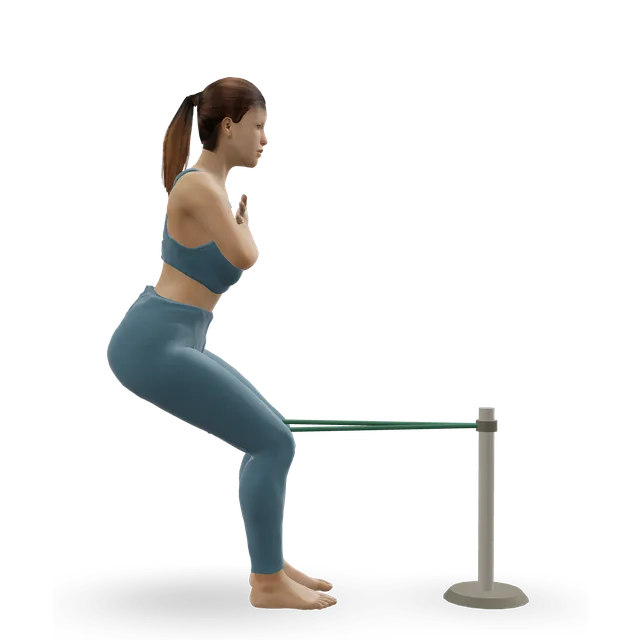
The movement on the figure: Spanish squat (band squat hold)
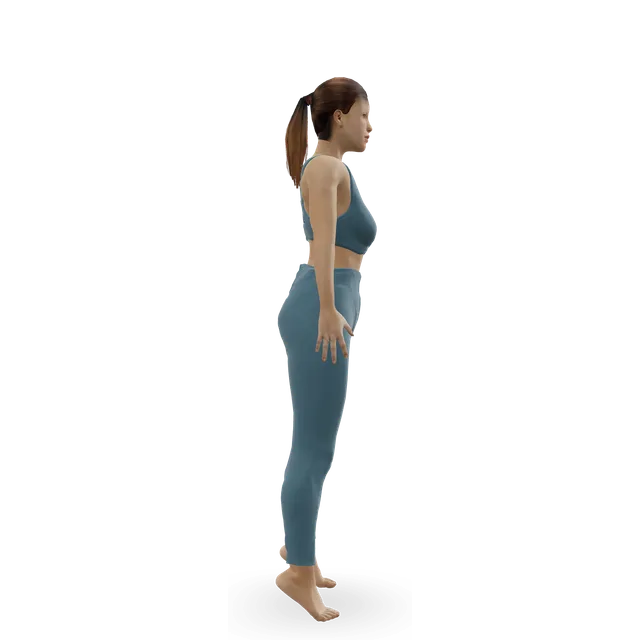
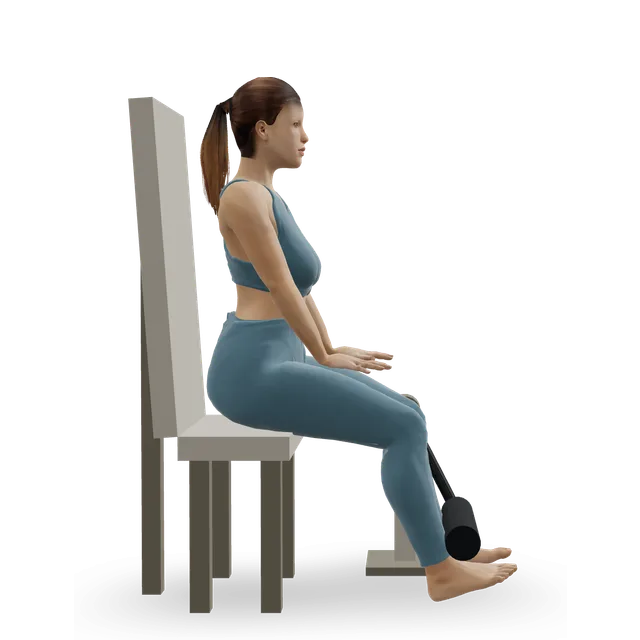
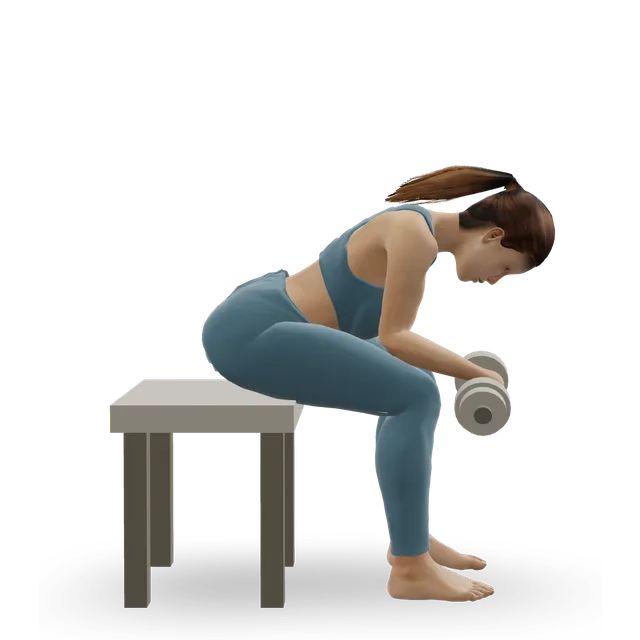
Isometric calf raise holds: the move page's dose is "5 holds of 30 to 45 seconds, once or twice a day. An editorial starting point: the 2024 Achilles guideline lists isometric loading among the effective types of tendon loading, but this dose is not from a trial." Spanish squats: the move page's dose is "4 to 5 holds of 30 to 45 seconds at a hard-but-OK effort, with 1 to 2 minutes' rest, once a day in the isometric stage. Modelled on the Breda 2021 trial's machine holds (5 holds of 45 seconds at about 70% effort); the Spanish squat itself has not been tested in a trial." Wall sits, 5 holds of 30 to 45 seconds, and leg extension holds with the knee bent about 60 degrees, 5 holds of 30 to 45 seconds with about 2 minutes' rest (our jumper's knee guide); reverse wrist curls held still for the elbow, 5 holds of 30 to 45 seconds (our tennis elbow guide). Breathe normally and never hold your breath.
Slow and heavy, about 3 seconds up and 3 seconds down: slow calf raises, 3 sets of 15; standing calf raises holding a dumbbell, 3 to 4 sets of 6 to 10, heavy; seated one-leg calf raises, 3 to 4 sets of 8 to 12 each leg; the leg press calf press, 3 to 4 sets of 8 to 10, heavy (our Achilles guide's stages). The leg press, 4 sets of 15 building over weeks to 4 sets of 6, and split squats, 3 sets of 8 to 10 each leg (our jumper's knee guide). For the elbow, slow wrist-extensor lowering, as our tennis elbow guide's stages use it.
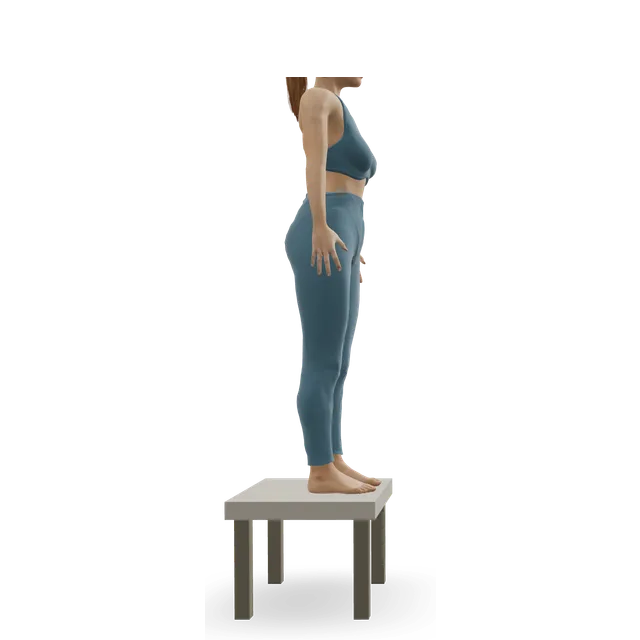
 3D demoSlow calf raiseBeginner · A wall
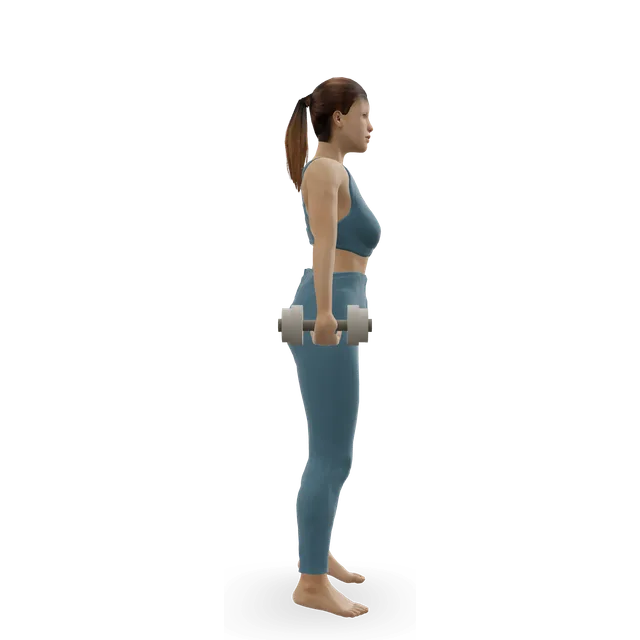 3D demoStanding dumbbell calf raiseIntermediate · A dumbbell
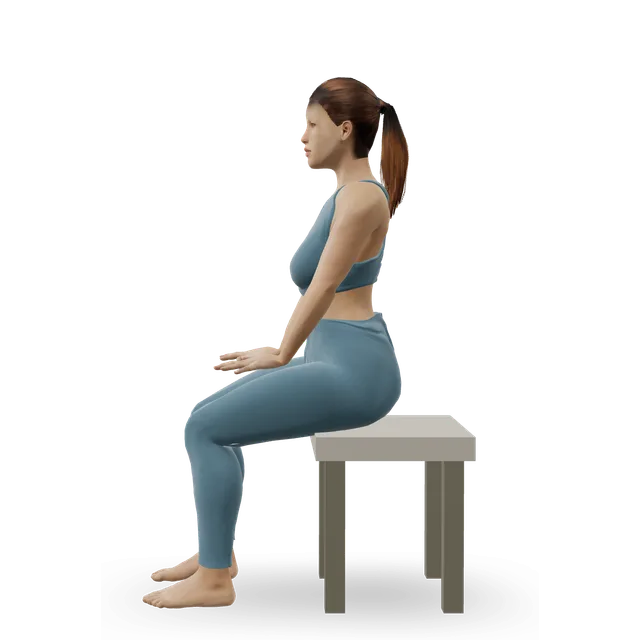 3D demoSeated one-leg calf raise with a dumbbellBeginner · A dumbbell + A bench or box
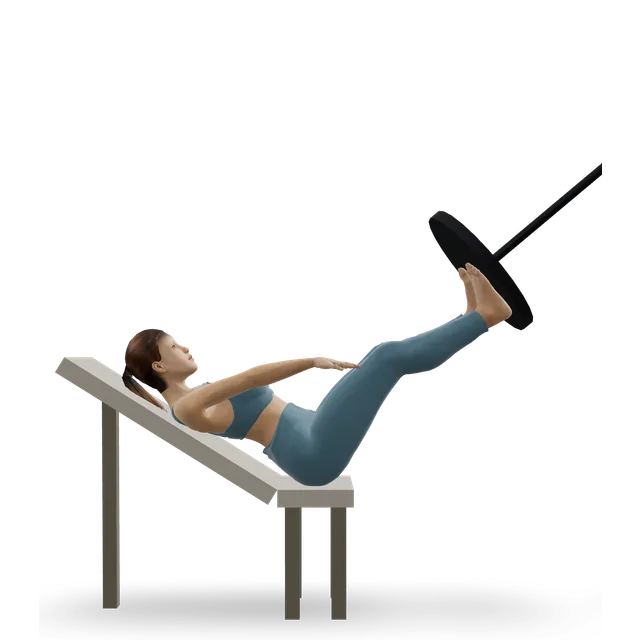 3D demoCalf press on the leg pressIntermediate · Strength machine
 3D demoLeg pressBeginner · Strength machine
 3D demoSplit squatIntermediate · No equipment
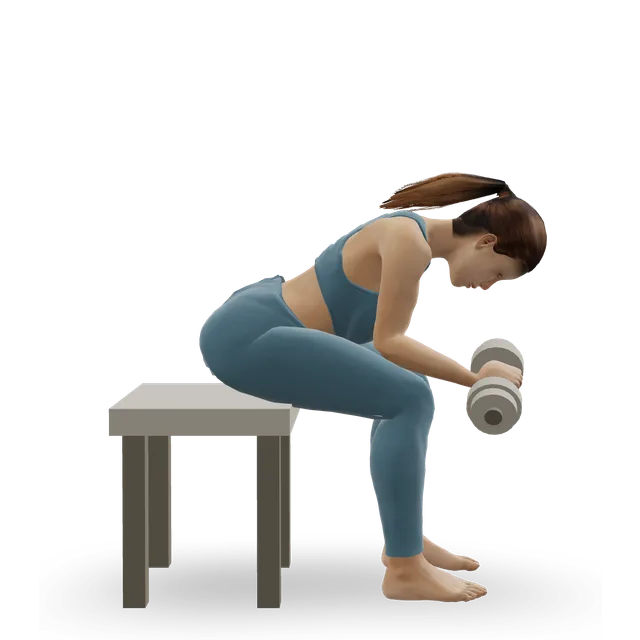 3D demoWrist-extensor eccentricsBeginner · A dumbbell
Ankle bounces and pogo hops, 3 sets of 20, and skipping, 3 sets of 20 m (our Achilles guide's return stage); box drop landings, 3 sets of 5, and single-leg hop and stick, 3 sets of 5 each leg, for jumpers (our jumper's knee guide). Only once the heavy slow work is comfortable.
We found no trial that trained healthy people and measured their ligaments. Athletes who trained hard from before puberty had a 4.9% larger ACL on the landing leg, and a small study found much larger ACLs in weightlifters. These are snapshot studies, so they can't show that training caused the difference.
In animals, training made ligaments heavier and stronger, and immobilising a joint weakened them.
Squats didn't loosen the knee in power lifters, while basketball and a 10 km run loosened it briefly, by 18 to 20%.
Source 26
Our reading, which no human trial has tested: since training hasn't been shown to make ligaments themselves stronger in people, what protects them is the strength, balance and landing control around the joint. Balance training did cut ankle sprains by about a third in trials, as our ankles guide reports, and our knees guide and ACL injury guide cover landing control.
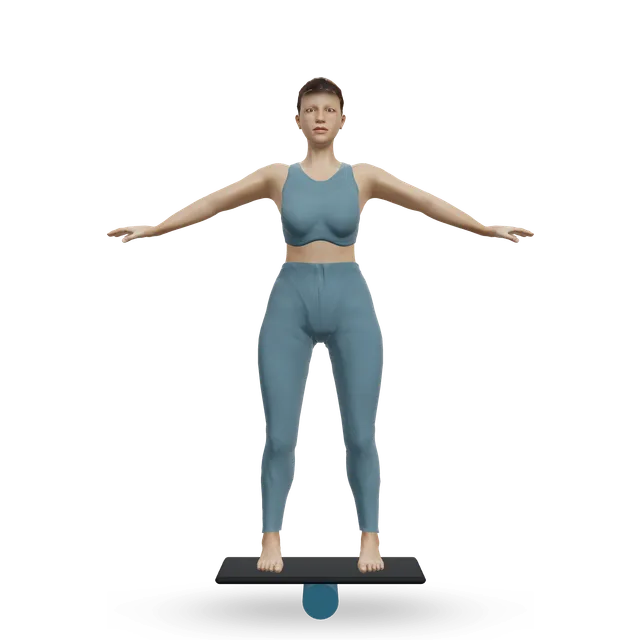
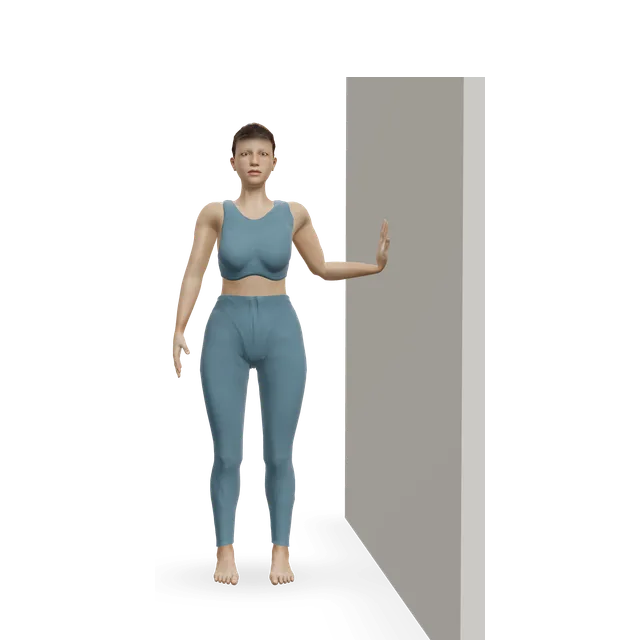
One-leg balance, about 20 to 40 seconds, twice, made harder every week or two (our ankles guide). The reach matrix: the move page's dose is "3 rounds of 5 reaches in each direction, each leg (our editorial starting point). In trials in athletes, neuromuscular (balance and control) training lengthened reaches on the test and roughly halved ankle injuries." The balance board: the move page's dose is "Several holds of 20 to 30 seconds on most days (our editorial starting point). In one trial a wobble board programme ran daily for 6 weeks, then weekly for 6 months."
Plan on 12 weeks or more: the biggest stiffness changes came from programmes that long, and one review estimates that muscles get stronger a month or two before tendons change.
In the wait-and-see groups of 6 trials (518 people), elbow, kneecap and Achilles tendon pain hadn't fully settled by 12 to 16 weeks. Our Achilles guide asks for at least 12 weeks of progressive calf strengthening, and says full recovery can take many months.
Source 27
The core of the adult Achilles tendon is barely renewed, while collagen building rises for only a few days after each hard session. Change comes from steady loading over months, not from a few hard weeks (our reading).
In 58 people with Achilles tendinopathy, 12 weeks of heavy slow calf raises worked as well as heel drops at 12 and 52 weeks, and people did more of their sessions (92% against 78%). In 39 men with kneecap tendon pain, heavy slow resistance helped in the short and long term, while a steroid injection helped short term and did poorly later.
In 76 people with kneecap tendon pain, a programme of daily holds, then heavy slow lifts, then jumping, then sport beat eccentric squats at 24 weeks (28 against 18 points on a 100-point score). Adherence was under half in both groups, and the trial was partly funded by the NBA and GE Healthcare.
Source 22
Holds eased kneecap tendon pain straight away in 6 volleyball players, but in 21 people pain fell by only 0.9 out of 10, and holds and ordinary lifting did equally well in 29 athletes in season. Reviews of 10 and 13 trials found holds no better than lifting.
Across 32 studies, there was little evidence for isolating the lowering (eccentric) part of the lift.
Source 33
Across 41 trials, steroid injections eased tendon pain in the short term, but the effect reversed in the medium and long term.
Source 34
This site's suggested rule: pain during exercise up to 5 out of 10, back to its usual level by the next morning, and not creeping up week on week. If it is worse the next morning, lighten the load for a few sessions rather than stopping.
The largest patellar tendon trial kept exercise pain at 3 out of 10 or less, a lower ceiling than for joint pain. Keep the rest of your activity within the same limit, and expect the tendon to settle back to its usual level by the next morning.
Some discomfort during forearm exercises is fine. Keep it mild: no more than about 3 to 4 out of 10. It should settle within an hour or so, and your elbow should be no worse the next morning. If it is worse, go lighter next time (a lighter weight, a bendier bar, fewer reps or a shorter hold), not nothing. When a set no longer causes any discomfort, it's time to progress.
Keep shoulder pain to about 5 out of 10 or less during the exercise, back to its usual level by your next session, as our shoulder guides advise. A sharp pinch means lower, lighter or stop.
Our Achilles tendinopathy, jumper's knee, quadriceps tendinopathy, tennis elbow, golfer's elbow, triceps tendinopathy and distal biceps tendinopathy guides have the staged plans.
In 8 men, 15 g of gelatin with vitamin C an hour before 6 minutes of skipping doubled a blood marker of collagen building; in 10 men, a similar test wasn't significant. Neither study measured tendons.
In 40 men training for 14 weeks, a branded collagen peptide gave a bigger Achilles tendon (11.0% against 4.7%) but no more stiffness or strength, in a trial funded by its maker. In 39 young men, 15 g a day for 15 weeks did nothing for tendon size or stiffness, and a week of it didn't raise connective tissue building in 25 men. A small maker-funded trial in Achilles pain found faster improvement with collagen alongside calf strengthening. A 2026 review of 8 small trials, almost all in men, called the evidence strong while listing small samples and short, varied protocols.
We found no trial of collagen without training, and a review by authors funded by a collagen maker found no data showing that collagen peptides raise connective tissue building.
Source 40
Loading comes first, and the NHS says most people get the vitamins and minerals they need from a varied and balanced diet, as our collagen guide reports. Our collagen pages cover supplements, safety and the detail.
Each guide has the plan for its body part; the pain guides have the plans for painful or injured tendons and ligaments.
The tendon strengthening workout is holds, heavy slow calf and leg work, then springs. The calf, bounce and knee sessions load the Achilles and kneecap tendons; the wrist and grip sessions the forearm tendons; the balance and warm-up sessions train the control that protects ankle and knee ligaments.
A 35-minute editorial session for healthy tendons: calf and Spanish squat holds, heavy slow leg and calf lifts, then springs once the heavy work is easy.
35 minIntermediate13 movesA wall, A bandA 25-minute calf workout with a step and a dumbbell: single-leg raises for the big calf muscle, then seated raises for the soleus, with gym swaps for each move.
25 minIntermediate7 movesA wall, A stepA beginner's springy session: calf strength first, then heel drops, calf springs and gentle bounces, building towards skipping and pogo hops.
20 minBeginner11 movesA wall, A stepA 25-minute session for knees that don't currently hurt: thigh and hamstring strength, single-leg control, then an optional full-range block with knees over toes.
25 minBeginner14 movesA bench or box, A wallA 50-minute session for jumpers and vaulters: landings and hops, squats and Romanian deadlifts paired with jumps, then tendon holds and trunk work.
50 minIntermediate15 movesCardio machine, A stepWrist mobility and forearm strength for desk work, climbing, push-ups and handstands.
10 minBeginner7 movesA wall, A dumbbellA 20-minute grip session: warm up the wrists and fingers, train the hand and forearm muscles, then carry and hang to load your grip the way everyday life does.
20 minBeginner10 movesOther / check instructions, A bandA 15-minute barefoot routine for stronger toes, arches, calves and ankles, finishing with balance. You need only a towel, a wall and a resistance band.
15 minBeginner11 movesA wall, Other / check instructionsA 20-minute balance workout for steady adults: harder stances, head turns and eyes closed, single-leg reaches and hinges, step-ups and stuck landings.
20 minIntermediate13 movesA wall, A dumbbellFIFA's 11+ injury prevention warm-up as its manual sets it out: running drills, strength, balance and jumping at three levels, then faster running.
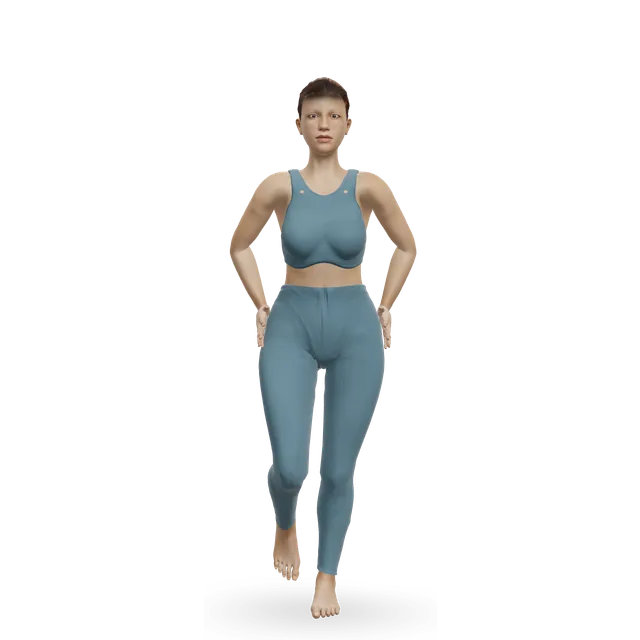
20 minBeginner20 movesCardio machine, A wallA 20-minute warm-up that trains your knees to track over your toes: side-hip strength, squats and lunges with alignment practice, balance and quiet landings.
20 minBeginner10 movesA wall, A bandEach builds heavier lifting over weeks, the load tendons respond to.
A 12-week strength plan for runners: two sessions a week of heavy lifts, single-leg work, calf raises and hops, fitted around your runs.
2 training days45 minBeginner3 days a weekA 12-week exercise plan for over-65s: strength and balance three times a week, short balance sessions and daily walks, based on falls-prevention trials.
3 training days40 minBeginner3 days a weekA 12-week beginner barbell program: squat every session, alternate bench and row with press and deadlift, and add weight each time until it stalls.
3 training days50 minBeginnerTendons still stiffened with heavy loads in trials of older adults, including people in their 70s. Build up from a weight you can lift about 15 times, and add balance work; our exercise for older adults guide has the plan.
Tendons can lag fast-growing muscle strength in young athletes, so build jump and sprint loads up gradually (our reading of a review).
Source 3
In 15 observational studies, fluoroquinolone antibiotics went with 2.52 times the odds of an Achilles rupture and 3.95 times the odds of Achilles tendinitis. Steroid injections and anabolic steroids can weaken tendons too, as our triceps tendinopathy guide lists.
You're taking a fluoroquinolone antibiotic and a tendon starts to hurt or swell: stop taking it, contact your doctor straight away, and rest the painful area until you've been seen.
Follow your surgical or rehab team's stages; our Achilles rupture, patellar tendon rupture, ACL surgery and ankle ligament surgery guides cover them.
Wall sits raise blood pressure while you hold them, so breathe normally and never hold your breath. Ask your GP first if your blood pressure is 160/100 or higher and untreated, or if you have heart disease, and skip them with Marfan syndrome, vascular Ehlers-Danlos syndrome or aortic disease.
Our suggestion: treat Spanish squats and long calf raise holds the same way, as they're similar hard holds.
The NHS tendonitis page, which is past its review date, advises trying to avoid moving the tendon for 2 to 3 days, then keeping it moving once pain allows, and avoiding heavy lifting, strong gripping or twisting that makes the symptoms worse. For long-standing tendon pain, loading is the treatment, and our Achilles guide says the guideline advises against complete rest.
Source 41
Same day: a sudden snap or pop at the back of the heel or calf, or a feeling of being kicked there, then walking flat-footed and being unable to push off, stand on tiptoe or climb stairs. It could be an Achilles tendon rupture or a broken heel bone. Go to A&E or a minor injuries unit, or contact NHS 111.
Source 42
A pop or tearing feeling at the front of the knee after a fall, a jump, a landing or a heavy squat, then you can't straighten the knee or lift the straight leg, there's a dent above or below the kneecap, or the kneecap sits higher or lower than on the other side. Go to A&E or an urgent treatment centre, or get help from NHS 111, as our knee pain when squatting guide explains. In the US, go to urgent care or the emergency department.
Same day: a pop just above the kneecap, then you can't straighten your knee or lift the straight leg, or there's a dent above the kneecap. This can be a quadriceps tendon tear, which almost always needs surgery and does better if it's repaired soon. Our torn kneecap tendons guide covers that injury.
A sudden pop at the front of the elbow during a heavy pull, with bruising, a gap at the front of the elbow or a bulge in the upper arm, can be a torn biceps tendon. Go to an urgent treatment centre or A&E (in the US, urgent care or the emergency department), and don't wait for it to settle: repair is best done within the first 2 to 3 weeks.
Urgent treatment centre or A&E: a pop or snap at the back of the elbow during a push, a press or a dip, or after a fall onto an outstretched hand, then sudden pain and swelling, bruising at the back of the elbow or forearm, a gap above the point of the elbow, or weakness straightening the arm, especially overhead. Don't wait to see if it settles: a full tear in an active person is usually repaired, and expert guidance favours repairing it early.
A pop or tearing at the front of the armpit or chest during a lift, followed by bruising into the chest or upper arm, a change in the shape of the chest or armpit, or weakness pushing, can be a torn chest tendon. Don't wait for it to settle: get help the same day from NHS 111 or an urgent treatment centre, as our pec strain guide explains.
Same day (GP or NHS 111): sudden weakness lifting the arm after an injury or fall. A rotator cuff tear caused by an injury needs urgent referral to a shoulder specialist. After a dislocation in anyone over 40, the rotator cuff should be checked: about 40% have a tear.
If your arm hurts when you exercise but the pain goes away when you rest, if you think you've torn a tendon, or for severe wrist pain, a snap, grinding or popping, or lost feeling in your hand. In the US, your doctor or urgent care.
Source 41
You're taking a fluoroquinolone antibiotic and a tendon starts to hurt or swell: stop taking it, contact your doctor straight away, and rest the painful area until you've been seen.
Source 18
Call 999 or go to A&E: after an injury, you heard a crack, the foot or ankle has changed shape or points at an odd angle, a bone is sticking out, there is a bad cut over it, you're in severe pain, or the toes look blue or white, feel numb or are cold to touch. These can mean a broken bone. Don't drive yourself.
Same day (NHS 111 or an urgent treatment centre): after an injury, you can't put weight on it or walk more than a few steps, the pain is very bad or getting worse, there is a lot of swelling or bruising or it is getting worse, it feels very stiff, or it's not feeling any better after treating it yourself. Get the same help if you also have a very high temperature, or feel hot, cold or shivery: this could be an infection. If you think it's broken, don't treat it yourself.
Go to A&E (accident and emergency) if you've injured your knee and it has changed shape, it becomes very swollen very quickly, you felt a pop or snap, you can see bone sticking out, or it's bleeding heavily. Don't drive yourself: ask someone to take you, or call 999 if the pain means you can't move your leg to get there.
Get advice from NHS 111 now: the knee locks, gives way or clicks painfully. Painless clicking is normal.
An ankle that keeps giving way months after a sprain.
Pain that is getting worse week on week despite cutting back, or is stopping your normal activities.
Same day (urgent GP appointment or NHS 111): throbbing pain in one leg (rarely both), usually the calf or thigh; swelling in one leg (rarely both); red, blue or darkened skin around the painful area, which may be harder to see on brown or black skin; or swollen veins. It could be a blood clot (deep vein thrombosis, DVT), which is more likely while you're moving about much less than usual or after a hospital stay.
Also call 999 for pain and swelling in one leg with breathlessness or chest pain: it can be a blood clot that has reached the lungs.
Source 43
Call NHS 111 (in the US, your doctor or urgent care) for severe muscle pain and weakness with dark (cola-coloured) or reduced urine after unusually hard training. This can be rhabdomyolysis, which can harm the kidneys and needs prompt care.
If you get chest pain or pressure, feel faint or dizzy, are unusually breathless, or your heart races or beats irregularly during exercise, as our plans advise.
For chest pain that comes on suddenly and doesn't go away, feels tight or like squeezing, spreads to your arms, neck, jaw, stomach or back, or comes with sweating, feeling sick, light-headedness or breathlessness; severe difficulty breathing; someone who faints while exercising; palpitations that don't go away, or come with chest pain, shortness of breath or feeling faint; or a headache that starts suddenly and is extremely painful, especially while lifting or straining, or comes with numbness or weakness, difficulty speaking or loss of vision. The NHS says a bleed on the brain may be more likely when lifting something heavy. Don't drive yourself to A&E.
Ask for an urgent GP appointment or get help from NHS 111 for a headache that's triggered or made worse by coughing, sneezing, bending down or exercising. In the US, contact your doctor or urgent care.
Stop straight away if you feel any pain or become unwell, the NHS says, and contact 111 if your symptoms worry you or don't go away.
A dull ache in your muscles for a day or two after something new is normal. Joint pain that's sharp, gets worse during a set or lingers into the next day means switching to the easier option, and seeing a GP or physiotherapist if it carries on (our plans' rule). Our muscle soreness guide has more.
Speak to your GP first if you haven't exercised for some time or have medical conditions or concerns, as the NHS advises. Get advice before heavy lifting or hard straining work if your blood pressure is uncontrolled, or you have heart disease or chest pain when you're active, a pacemaker or defibrillator, diabetic eye disease, glaucoma, a hernia, recent eye or tummy surgery, or you're pregnant, as our breathing guide lists. After a recent shoulder dislocation or shoulder surgery, follow our shoulder dislocation guide or your surgical team first.
Speak to a GP first if you haven't exercised for some time, or if you have a medical condition or concerns. Get advice first, too, if you have a health problem, an injury or symptoms, have recently had a heart attack or an operation, or are pregnant or have recently given birth.
Source 21
See a GP if you think you have a hernia, a bulge or lump that may get bigger when you strain and smaller when you lie down. Get help from NHS 111 if you have a hernia and pain in or around it, a bloated tummy, you feel or are sick, you're vomiting blood or your vomit looks like coffee grounds, you're constipated, you have a high temperature or feel hot, cold or shivery, or you've suddenly become confused. Call 999 or go to A&E for a femoral hernia (a small lump at the top of your thigh, in your groin) with very bad tummy pain, sickness, being unable to fart or poo, a high temperature or sudden confusion.
They can. Across 27 studies, heavy training stiffened tendons by a moderate to large amount; 12 weeks of isometric training raised the stiffness of the thigh muscle's tendon structures from 67.5 to 106.2 N/mm; and older adults' kneecap tendons stiffened by about 58 to 65%. What's true is that they change slowly, mostly in stiffness rather than size.
No trial has tested collagen without training. With training, one maker-funded trial found a bigger Achilles tendon but no extra stiffness or strength, a 15 g trial found nothing, and a review found no data that collagen peptides raise connective tissue building. The gelatin and vitamin C study measured a blood marker in 8 men.
They work as well as lifting and lowering when the load is heavy, but no better, and reviews found no advantage for tendon pain.
Loads of about 40% of the maximum or less didn't change tendons in pooled trials or in older adults. Start light if you're new or sore, then build up.
For long-standing tendon pain, loading is the treatment and complete rest isn't advised, and untreated tendon pain hadn't settled by 12 to 16 weeks in trials. A new tendon injury may need a couple of days' rest first, as the NHS advises.
We found no human training trial; the best evidence is snapshot studies of athletes who trained from a young age. Strength, balance and landing control protect ligaments indirectly (our reading).
We found no study showing it. Regular strength work is what we know stiffens tendons.
Yes. Heavy strength training made tendons stiffer by a moderate to large amount across 27 studies, and a little thicker, in older adults too. They change more slowly than muscles.
Slow, heavy lifts for the muscles concerned, such as calf raises for the Achilles and the leg press or split squats for the kneecap tendon, plus holds if you like, and springy work last for running and jumping. Loads above about 70% of your maximum worked; lighter ones didn't.
Months. The biggest changes came from programmes of 12 weeks or more, and one review estimates that muscle strength rises a month or two before tendon stiffness does. Painful tendons usually need 12 weeks of loading or longer.
Yes, as well as lifting and lowering do when the load is heavy. For tendon pain they can be a gentle start, but they weren't better than ordinary lifting in reviews.
Possibly, but no trial has tested it in people: athletes who trained hard from childhood had slightly bigger ACLs on the loaded side. Strong muscles, balance and good landing control are how ligaments are protected in practice, which is our reading of the evidence.
The evidence is small and mixed: one maker-funded trial found bigger Achilles tendons with collagen plus training, another found no difference, and none found extra strength. Our collagen guide covers the details.
In 8 men it doubled a blood marker of collagen building, but no trial has shown stronger tendons or fewer injuries from it. The NHS says most people get the vitamins they need from a varied and balanced diet.
Heavy slow calf raises, standing and seated, building to single-leg raises with a weight, 2 or 3 times a week, then hops if you run or jump. Our calves guide and Achilles tendinopathy guide have the plans.
The leg press, split squats and leg extensions, done slowly and built up to heavy over weeks, with holds as an option. With pain below the kneecap, our jumper's knee guide keeps tendon pain at 3 out of 10 or less.
Slow wrist and forearm work, curls and triceps work, built up gradually. With pain on the outside of the elbow, our tennis elbow guide's holds, lifting and lowering come first, keeping pain to 3 to 4 out of 10.
Fluoroquinolone antibiotics went with higher odds of Achilles rupture in observational studies. You're taking a fluoroquinolone antibiotic and a tendon starts to hurt or swell: stop taking it, contact your doctor straight away, and rest the painful area until you've been seen. Steroid injections and anabolic steroids are linked with tendon problems too.
Not necessarily. Older adults' tendons still stiffened with heavy training, by about 58 to 65%, and a review found no loss of tendon tissue with age in people who stay similarly active.
Exercise education, not a personal prescription, and clinical review of these guides is pending. Check with a GP before starting hard training if you have a heart condition, chest pain, dizziness or breathlessness when active, and stop for sharp or increasing pain. Health disclaimer.