Fascia is mostly collagen, with water-holding layers between its sheets
Fascia is built from several types of collagen fibre, with slippery, hyaluronan-rich layers between its sheets that let them slide.
Fascia guide
Fascia is mostly collagen, so it seems obvious that swallowing collagen should feed it. It doesn't work that directly. Collagen you eat is digested into amino acids and small pieces like any other protein, nobody has traced it into human fascia, and no trial has measured fascia after a collagen supplement.
The honest headline: food first, load the tissue, and treat supplements as optional at best. The tendon trials are mixed and partly industry-linked, and the skin benefits fade in independent trials.
This guide explains what fascia is made of, how slowly collagen renews, what collagen supplements did in trials for tendons, muscle, skin and joints, what vitamin C, protein and water do, and the safety points, from allergies to pregnancy and kidney stones.
Fascia is built from several types of collagen fibre, with slippery, hyaluronan-rich layers between its sheets that let them slide.
The core of the adult Achilles tendon is essentially not renewed after about 17, and skin collagen lasts about 15 years on average. Hard exercise raises collagen building for about 3 days, and inactivity slows turnover.
It is digested into amino acids and small pieces that reach the blood within about an hour. In two trials it didn't raise the building of connective tissue inside muscle, and we found no study that traced it into human fascia or measured fascia after a supplement.
Across 8 small trials, mostly in men, higher doses with heavy training gave bigger or stiffer tendons in some trials but no extra strength; the largest single trial found no added effect, and two positive trials had co-authors from collagen or food companies.
Across 23 skin trials, benefits appeared only in trials funded by companies and in lower-quality trials, and a 2026 reanalysis found no benefit.
Adults need 40 mg of vitamin C a day, which food provides; extra hasn't been shown to help, and high-dose supplements went with more kidney stones in men. Drinking more water didn't change fascia stiffness. What reliably changes connective tissue is loading it with regular exercise.
In the UK, collagen powders, drinks and capsules are food supplements. They are regulated as food, not as medicines, so they aren't tested or licensed to treat or prevent any condition (our suggestion, from the Food Standards Agency's guidance).
Source 22
Collagen and gelatin are made from fish, shellfish, beef or pork. Fish, crustaceans such as prawns, and molluscs such as mussels are among the 14 allergens that must be declared on the label, so check it if you have a food allergy (our suggestion, from the Food Standards Agency).
Source 23
In pregnancy, the NHS recommends folic acid and vitamin D and says not to take cod liver oil or supplements containing vitamin A; it doesn't recommend collagen. Ask your midwife, GP or pharmacist before adding any other supplement, in pregnancy or while breastfeeding (our suggestion, from the NHS).
Source 24
The NHS says to check with a doctor or pharmacist before taking over-the-counter medicines, such as painkillers, or nutritional supplements.
The NHS says that taking more than 1,000 mg of vitamin C a day can cause stomach pain, diarrhoea and wind. In men, taking 1,000 mg or more of vitamin C a day as a supplement went with slightly more kidney stones, so if you've had a kidney stone or have kidney problems, ask your GP before taking high-dose vitamin C (our suggestion, from a study of 40,536 men and 156,735 women).
Haemochromatosis is an inherited condition in which iron builds up and can damage the liver, joints, pancreas and heart. It's most common in people with a northern European or Celtic background, and people with it are advised not to take iron or vitamin C supplements.
Ask a pharmacist before taking any supplement.
Dense fascia is mainly collagen fibres arranged in layers, with elastin, cells that build and maintain it (fibroblasts, and cells that make hyaluronan), and a watery matrix. Hyaluronan, a water-holding substance, sits in the slippery layers between the collagen sheets: about 6 micrograms per gram where fascia sticks to muscle and 90 around the ankle, where there's most sliding.
Textbooks describe fascia as mostly collagen types I and III. One laboratory study of thigh and lower back fascia from 19 adults also found types VI and XII, with type VI in larger amounts than the others by its method, which goes against the textbook picture. One small study can't settle it, and it doesn't change what you should eat.
Source 1
We found no direct measurement of how human fascia renews. Carbon dating of 28 adult Achilles tendons showed the tendon core reflects the first 17 years of life and is essentially not renewed afterwards, while muscle renews continuously. Skin collagen's half-life was estimated at about 15 years and cartilage's at 117. In young men, collagen was being built at about 0.05% an hour in tendon and 0.02% in muscle, balanced by breakdown, so these rates don't mean the tissue is replaced quickly.
After an hour of hard leg exercise, collagen building in tendon and muscle rose within 6 hours, peaked at about 24 hours and was still raised in tendon at 72. Training raises collagen turnover and some net building, and inactivity markedly lowers it. Oral contraceptives can dampen collagen building, and regular anti-inflammatory painkillers before exercise may blunt it.
It is digested into amino acids and small pieces, like any protein. After vitamin C-enriched gelatin, blood levels of glycine, proline and hydroxyproline peaked about an hour later. In mice given labelled gelatin, it spread through the body like an ordinary amino acid, except that cartilage held more than twice as much. Collagen is rich in glycine and proline, which is why it has been proposed for connective tissue. We found no study that traced swallowed collagen into human fascia.
In 25 young men training hard for a week, 15 g of collagen twice a day raised blood glycine and proline but not the building of connective tissue inside muscle (1.97% against 2.00% a day with a dummy drink). In 45 adults, a single 30 g dose after exercise didn't raise it either.
A 2026 review of 8 trials (257 people, 246 of them men, 3 to 15 weeks of resistance or jumping training) found bigger tendons with collagen in 3 of 4 trials and stiffer tendons in the 2 higher-dose trials (15 to 30 g a day); lower doses of about 5 g showed no difference from a dummy supplement, and no trial found extra strength.
In 39 young men taking 15 g a day through 15 weeks of leg training, collagen made no difference to tendon size or stiffness, or to the thigh muscle's aponeurosis, a sheet of fascia-like tissue (which grew about 10% in both groups). In 40 young men, 5 g a day of a branded peptide with 14 weeks of training gave a bigger Achilles tendon (11.0% against 4.7%); one co-author came from a collagen research institute. In 50 sedentary young men, 10 g a day for 16 weeks without training made the Achilles tendon and calf muscle stiffer; co-authors came from a food company. In a pilot of 20 people with Achilles tendinopathy doing calf strengthening, symptoms improved faster with a branded peptide.
In 8 healthy men, 15 g of vitamin C-enriched gelatin an hour before 6 minutes of rope skipping, three times a day for 3 days, doubled a blood marker of collagen building. In 10 men, gelatin or hydrolysed collagen raised it by about 20%, not significantly. In 50 male athletes, 20 g of collagen with 50 mg of vitamin C an hour before 3 weeks of power training helped one measure of explosive strength recover.
Across 23 trials (1,474 people), collagen improved skin hydration, elasticity and wrinkles overall, but not in trials without company funding, nor in high-quality trials. A 2026 reanalysis found inaccurate data in earlier meta-analyses and no benefit once dose was accounted for. A 2026 umbrella review of 16 reviews was positive. Our collagen powder verdict covers skin.
In an analysis of placebo-controlled trials in osteoarthritis, collagen lowered total symptom scores a little and eased stiffness scores, but not the pain or function scores. Our joints guide finds no clinically important long-term effect for joint supplements.
Source 31
We found no trial that measured fascia after collagen, and neither did our fascia hydration guide.
Your body needs vitamin C to make collagen, and skin holds high levels of it. The NHS lists keeping skin, blood vessels, bones and cartilage healthy and helping wounds heal among its jobs, and says lack of it causes scurvy. Adults aged 19 to 64 need 40 mg a day, which a varied diet provides; citrus fruit, peppers, strawberries, blackcurrants, broccoli, brussels sprouts and potatoes are good sources. A review of vitamin C after bone, tendon and ligament injuries found promising animal studies but no clinical evidence.
Collagen is built from protein you eat. In young men, eating didn't raise tendon or muscle collagen building, and protein in general doesn't raise the building of connective tissue inside muscle. Enough protein matters for muscle; our protein calculator gives everyday amounts.
In 50 adults, drinking 2 litres of water in an hour diluted their urine but left their lower back fascia stiffness unchanged at 1 and 6 hours (about 45.9 kilopascals throughout); the study had no comparison group. The NHS advises drinking enough that your pee is a clear pale yellow, about 6 to 8 cups or glasses a day. Our fascia hydration guide covers the rest.
We found no trial of a "fascia diet". The NHS says most people get the vitamins and minerals they need from a varied and balanced diet. A review lists diet among things that might affect fascia's glide layer, which hasn't been tested in people. Our fascia inflammation guide covers anti-inflammatory diets.
Swallowed collagen is digested and its amino acids reach the blood within an hour, but no study has traced it into human fascia and no trial has measured fascia after a supplement.
Two randomised trials (25 and 45 people) found no extra building with collagen.
Some small trials found bigger or stiffer tendons with collagen and training, the largest found none, none found extra strength, and two positive trials had company co-authors.
One 8-person trial doubled a collagen-building marker; repeat trials were small and partly showed no clear effect.
Benefits appeared in industry-funded and lower-quality trials but not in independent or high-quality ones; an umbrella review disagrees.
Vitamin C is needed to make collagen, and 40 mg a day from food covers adults' needs. More than 1,000 mg a day can upset the stomach.
Exercise raises collagen building in tendon and muscle for days, training raises turnover, and tendons adapt within weeks of loading.
No trial has measured fascia after any supplement, most collagen trials are small and short, several used branded products or had company co-authors, and we read most studies' summaries (abstracts), not their full texts.
The gelatin dose and timing come from one 8-person trial (Shaw 2017); the strength doses and spacing are our editorial starting points, the spacing matching collagen building that peaks about a day after hard exercise (Miller 2005). The slow calf raise's move page gives no dose. No trial has measured fascia after this, or any, supplement.
Loading the 3D figure…
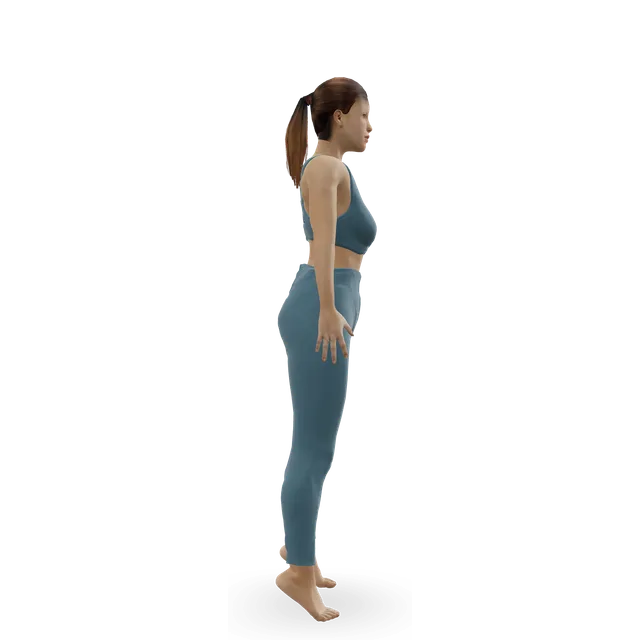
The movement on the figure: Slow calf raise
Each dose names its source or is our editorial starting point. Doses are starting points, not prescriptions.
Strength or springy work 2 or 3 times a week, with a day or two between hard sessions for the same area: our editorial starting point, matching collagen building that peaks about a day after hard exercise and stays raised for about 3 days.
40 mg a day for adults, from food: the NHS figure. Supplements of less than 1,000 mg a day are unlikely to cause harm, the NHS says, but aren't needed if you eat fruit and vegetables.
Source 18
Our protein calculator gives your daily amount; spreading it across meals is an easy habit.
15 g of vitamin C-enriched gelatin about an hour before loading, from one trial of 8 men; another trial used 20 g of collagen with 50 mg of vitamin C. This is optional and early, and only makes sense alongside exercise.
Drink enough that your pee is a clear pale yellow, about 6 to 8 cups or glasses a day, as the NHS advises.
Source 34
Strength moves 2 or 3 times a week, and springy moves only once the strength work is easy.
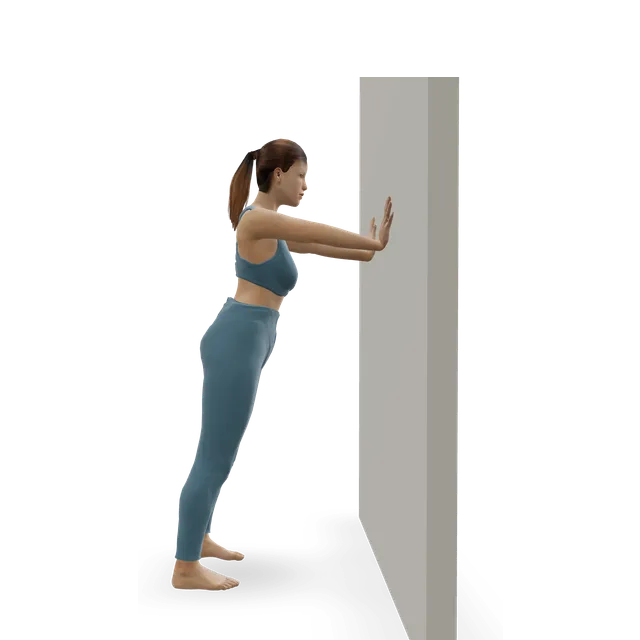
 3D demoSlow calf raiseBeginner · A wall
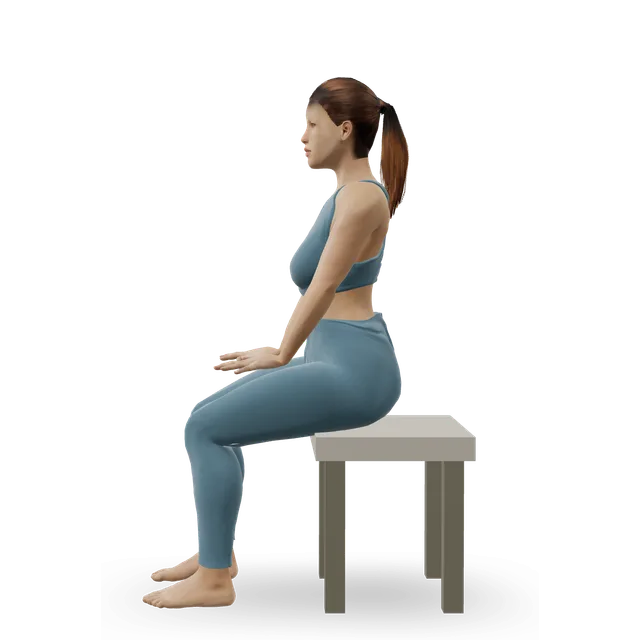
 3D demoSit to stand from a chairBeginner · A bench or box
 3D demoGlute bridgeBeginner · No equipment
 3D demoBodyweight squatBeginner · No equipment
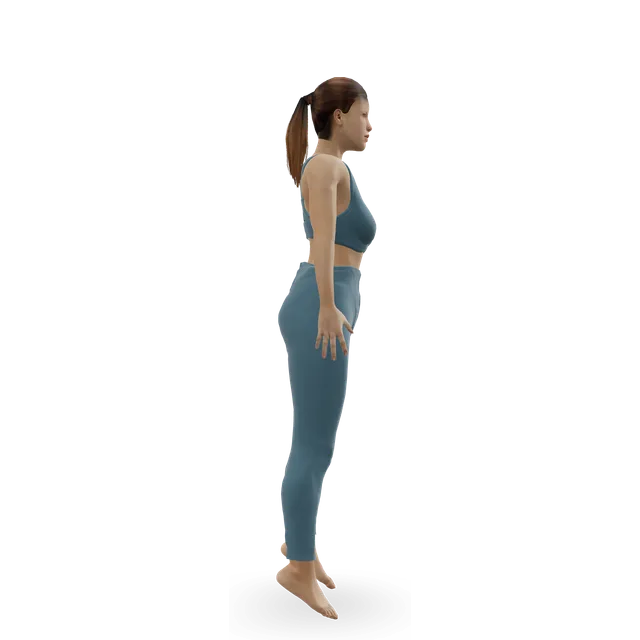 3D demoCalf springsBeginner · No equipment
 3D demoHeel drop (impact for bone)Beginner · No equipment
 3D demoJump rope (basic bounce)Intermediate · A jump rope
Loading is what changes connective tissue; the springy starter builds calf strength before any bouncing.
A beginner's springy session: calf strength first, then heel drops, calf springs and gentle bounces, building towards skipping and pogo hops.
20 minBeginner11 movesA wall, A stepA 25-minute calf workout with a step and a dumbbell: single-leg raises for the big calf muscle, then seated raises for the soleus, with gym swaps for each move.
25 minIntermediate7 movesA wall, A stepSpringy bounces, elastic swings and slow many-angled reaches, based on the fascial fitness training principles. Fifteen minutes, once or twice a week.
15 minIntermediate12 movesA wallNo supplement replaces care for a wound that isn't healing, a hernia or a tendon injury: a hernia may need surgery, and in the tendon trials collagen was only ever added to a loading programme, never used instead of one (our suggestion, from the NHS hernia page and the tendon trials).
See a GP about symptoms that don't go away or keep coming back.
Follow their limit, for example with heart failure or kidney disease. Our water intake calculator says the same.
Collagen is digested into amino acids and small pieces, it didn't raise connective tissue building in muscle in two trials, and we found no study tracing it into human fascia.
We found no trial of collagen for fascia or for "tight fascia", which is a feeling rather than a measured tissue state. Our tight fascia guide covers what helps.
Source 21
Human fascia turnover hasn't been measured; the popular figures are extrapolations. The adult tendon core barely renews, and skin collagen's half-life is about 15 years.
No trial has compared collagen types or sources on fascia, and swallowed collagen is digested whatever its source. Fascia itself contains several collagen types.
Source 1
Adults need 40 mg a day from food. Supplements after injury lack clinical evidence, more than 1,000 mg a day can upset the stomach, and in men high-dose supplements went with more kidney stones.
Skin benefits vanish in independent and high-quality trials, joint benefits are small and short-term, and fascia hasn't been tested.
Fascia stiffness didn't change after 2 litres of water. The NHS's pale yellow pee advice is about the whole body; our fascia hydration guide covers it.
In Ehlers-Danlos syndromes, the collagen that strengthens ligaments is different because of inherited genes, and a supplement can't change that. We found no trial of collagen supplements in hypermobility or Ehlers-Danlos syndromes; our fascia and hypermobility guide covers what helps.
Mostly. Fascia is built from collagen fibres of several types, with elastin, water-holding hyaluronan between its layers, and the cells that build and maintain it.
Collagen is a protein; fascia is a tissue built largely from collagen fibres, plus elastin, hyaluronan, water and cells. Tendons, ligaments, skin and cartilage are collagen-rich too, in different arrangements.
We found no trial that measured fascia after collagen. It didn't raise the building of connective tissue inside muscle, and the tendon trials are mixed, with the largest finding no added effect. We can't recommend it for fascia.
We found no trial. "Tight fascia" is a feeling rather than a measured tissue state, and movement and loading are what change how tissue feels and behaves.
No brand, source or type has been tested on fascia. If you want to try one, the best-studied approach is 15 g of gelatin with vitamin C about an hour before exercise, and even that evidence is early.
None has been tested on fascia. Food covers what fascia is made from: protein, and the 40 mg of vitamin C a day adults need.
We found no trial of a "fascia diet". The NHS says most people get the vitamins and minerals they need from a varied and balanced diet, and our fascia inflammation guide covers anti-inflammatory diets.
Your body needs it to make collagen, and adults need 40 mg a day, easily met from fruit and vegetables. Extra hasn't been shown to help, more than 1,000 mg a day can upset your stomach, and in men high-dose supplements went with more kidney stones.
It's an early idea: in 8 men, gelatin with vitamin C an hour before skipping doubled a marker of collagen building, but repeat trials were small and partly showed no clear effect. It only makes sense alongside the exercise.
Drinking 2 litres didn't change lower back fascia stiffness in 50 adults. Drink enough that your pee is pale yellow; our fascia hydration guide covers the rest.
Nobody has measured it in people. The adult Achilles tendon core is essentially not renewed after about 17, skin collagen's half-life is about 15 years, and exercise raises collagen building for about 3 days; tendons change over weeks to months of training.
For most people it's a food. It's regulated as a food supplement, not a medicine, it can come from fish, shellfish, beef or pork, so check labels if you have allergies, and ask a pharmacist first if you're pregnant or breastfeeding, have kidney problems or take regular medicines.
Movement education, not medical advice. Stop for sharp or increasing pain, numbness or tingling, and get individual advice if you are pregnant, after an injury or surgery, or managing a health condition. Health disclaimer.