Fascia inflammation: what fasciitis really means, the diet and detox claims, what helps, and when to see a doctor
Fascia can become inflamed, but much less often than wellness pages suggest. Truly inflamed fascia comes with rare conditions such as eosinophilic fasciitis, and with a dangerous infection, necrotising fasciitis, which is a 999 emergency.
The honest headline: the common "fasciitis", plantar fasciitis in the heel, showed wear rather than inflammation in surgical samples from long-standing cases, which may be why an anti-inflammatory tablet added nothing in a small trial. No diet, supplement or detox has been tested on fascia, and rolling or fascia blasting doesn't treat any fasciitis.
This guide explains each kind of fasciitis, what inflammation does to fascia, the diet and detox claims, what helps, and the signs that need a doctor.
A cut, wound or red, swollen patch of skin that is much more painful than you'd expect, or comes with feeling ill: call 999 or go to A&E (the full NHS list is under the warning signs).
Skin that is painful, hot and swollen: it can be cellulitis, a skin infection, which needs an urgent GP appointment or NHS 111.
A joint that is hot and swollen, or several swollen, stiff joints.
Skin that is swelling and then hardening over weeks.
"Fasciitis" means inflamed fascia, but the common one mostly isn't
In surgical samples from 50 people with long-standing plantar fasciitis, the tissue showed wear and breakdown without inflammation; we read only the study's summary, and these were the hardest cases. The NHS describes plantar fasciitis as straining of the band under the foot.
In a placebo-controlled trial of 29 people, an anti-inflammatory tablet added nothing measurable to stretching, heel cups and night splints. Steroid injections may slightly ease heel pain for up to a month, then not.
Eosinophilic fasciitis is a rare immune condition that thickens the fascia under the skin and needs a specialist. Necrotising fasciitis is a rare, life-threatening infection that needs hospital treatment straight away.
In rats, inflaming the lower-back fascia grew more pain-type nerve fibres in it and made spinal pain neurons respond to it. That shows fascia can be a source of pain, not that everyday stiffness is inflammation.
No diet, supplement or detox has been tested on fascia
We found no trial. Whole-food diets eased chronic pain a little in studies of mixed quality, with no single diet standing out. For rheumatoid arthritis, the National Institute for Health and Care Excellence (NICE) says there is no strong evidence that changing your diet helps. Detox claims need evidence that UK advertising rules accept.
Hot, red, swollen skin can be cellulitis. Swollen, stiff joints with long morning stiffness can be inflammatory arthritis, and heel pain with back pain, psoriasis or eye inflammation can be spondyloarthritis. These need a doctor, not release.
"-itis" means inflammation, so fasciitis means inflamed fascia. In practice the word covers a common heel problem that mostly isn't inflammation, a rare immune condition, a rare and dangerous infection, and a rare condition of the hands.
Plantar fasciitis: mostly wear, in surgical samples
The NHS says plantar fasciitis is caused by straining the part of the foot that connects the heel bone to the toes. In tissue removed during heel surgery from 50 people with long-standing plantar fasciitis, researchers saw softened, fragmented fascia and changes in the bone's blood vessels, without inflammation, and called it a degenerative "fasciosis". We read only the study's summary, and these were people needing surgery, so early or typical cases may differ. It's one reason some clinicians prefer the word fasciopathy, as our Achilles guide prefers tendinopathy to tendonitis.
A rare immune condition with painful swelling on both sides of the body that becomes hard and thick over weeks. A biopsy shows thickened fascia packed with immune cells, including eosinophils, and doctors must tell it apart from scleroderma (systemic sclerosis) and several rarer conditions. In a series of 34 patients (average age at diagnosis 53), all were treated first with steroid medicines, 69% went into complete remission, and a delay of more than 6 months before diagnosis made a worse outcome more likely. So new swelling and hardening of the skin is worth showing a GP.
The NHS calls it a rare and life-threatening infection of the deeper layers of the skin that needs to be treated in hospital straight away. It usually starts near a cut or wound, though sometimes there is no obvious damage; the pain can seem much worse than the wound explains, and symptoms can develop within hours. It is treated with antibiotics and surgery. Our cupping guide reports a case after wet cupping.
A rare condition in which both palms thicken and stiffen, with painful, swollen finger joints, often as a sign of a cancer elsewhere. In 121 reported patients (average age 61), the cancer was found a median of 4 months after the hand symptoms began. It is very uncommon, but hands that stiffen quickly on both sides are worth showing a GP; our hands guide covers the far commoner causes.
Rheumatoid arthritis is an autoimmune disease in which the immune system attacks the lining of the joints, usually of the hands, feet and wrists. Psoriatic arthritis can make a whole finger or toe swell. Both need a GP and a specialist (a rheumatologist), not fascia release; our exercise guides cover moving with them.
In rats, injecting an inflaming substance into the lower-back fascia increased the share of presumed pain fibres in it, and 11.1% of neurons in a spinal segment that normally gets no input from that fascia began to respond to it, with new sensitive areas appearing in the leg. That supports fascia as a possible source of pain when it is truly inflamed.
Clinic and wellness pages describe fascia that becomes tight, sticky or inflamed, and sell diets, supplements, devices or treatments for it. None that we opened cited a trial on fascia. Our myofascial pain syndrome guide notes that inflammation is one idea among several for knots, and reviewers conclude that rolling tools don't work by changing fascia.
Anti-inflammatory tablets for heel painEmerging evidence
In 29 people all given heel-cord stretching, heel cups and night splints, adding the anti-inflammatory celecoxib or a dummy tablet made no significant difference to pain or disability at 1, 2 or 6 months, though the authors saw a trend in its favour. It is one small trial.
A Cochrane review of 39 studies (2,492 adults) found low-quality evidence that steroid injections may slightly reduce heel pain for up to a month, but not after, compared with a dummy injection or no treatment.
In 11 young men, 10 minutes of massage on one thigh after damaging exercise lowered two inflammatory signalling molecules in the muscle compared with the other thigh. It didn't measure pain, function or fascia, and it isn't a treatment for any fasciitis.
In an expert consensus of 37 researchers, 97% agreed that local tissue inflammation is a reason for caution with foam rolling. Inflamed tissue is a reason to ease off, not to press harder.
Steroid medicines are the main treatment, sometimes with an immune-calming drug such as methotrexate, chosen and monitored by a specialist. The evidence comes from case series, because the condition is so rare.
We found no trial of any diet, supplement, detox, rolling or release treatment for inflamed fascia. The plantar fasciitis tissue findings come from one study of surgical samples, and we read the studies' summaries (abstracts), not their full texts.
Diet, supplements and detox
What we found for fascia
No trial of an anti-inflammatory diet, a supplement or a detox for fascia, fascia pain or "inflamed fascia".
Diet and chronic painEmerging evidence
Across 43 studies of whole-food diets for chronic pain, many without a comparison group, pain fell overall, with no single diet standing out. The authors suggest diet quality and weight loss may matter more than any one food.
An umbrella review of 14 meta-analyses rated the evidence for fish oils, probiotics and anti-inflammatory diets in rheumatoid arthritis as low to very low quality. NICE tells people with rheumatoid arthritis that there is "no strong evidence" that changing their diet will help, but encourages Mediterranean principles: more bread, fruit, vegetables and fish, less meat, and plant-based spreads and oils instead of butter and cheese.
UK advertising guidance says claims that a treatment removes toxins or drains the lymph system need evidence the Advertising Standards Authority (ASA) accepts. We found no evidence of toxins stored in fascia, or of a detox removing them; our lymphatic drainage and hydration guides cover the related claims.
The NHS suggests rest, ice, cushioned shoes and insoles, gentle stretches of the sole and heel, exercise that doesn't load the feet, and painkillers for symptoms. Our plantar fasciitis guide gives the stretches and heel raises with the best evidence, and our plantar fascia guide explains the band itself.
Medicines from a specialist control the inflammation, and exercise keeps joints moving and strong: NICE suggests a tailored hand exercise programme for rheumatoid arthritis, and asks GPs to refer suspected new inflammatory arthritis to a rheumatologist. Our exercise guides for rheumatoid arthritis, psoriatic arthritis and ankylosing spondylitis cover the movement side.
Eosinophilic fasciitis needs a specialist and steroid medicines, and earlier treatment does better. Necrotising fasciitis needs hospital treatment with antibiotics and surgery straight away. Neither is helped by rolling, massage or diet.
Tender knots are covered by our myofascial pain syndrome and trigger points guides, and scarring after injury or surgery by our densification and fibrosis guide.
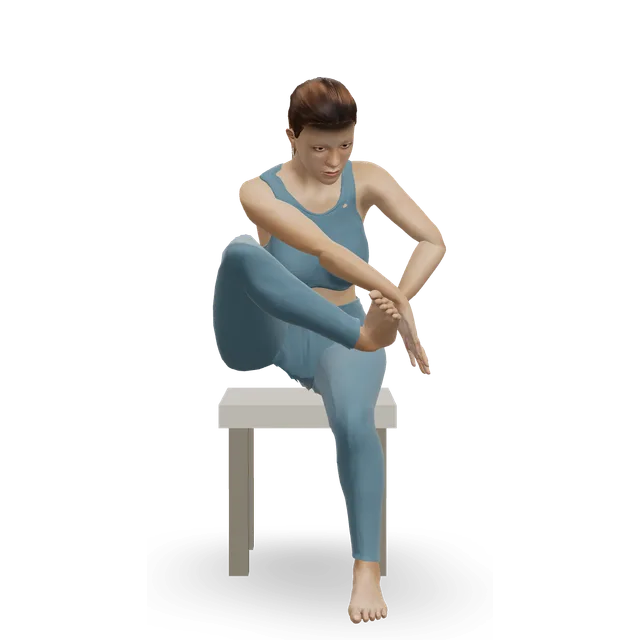
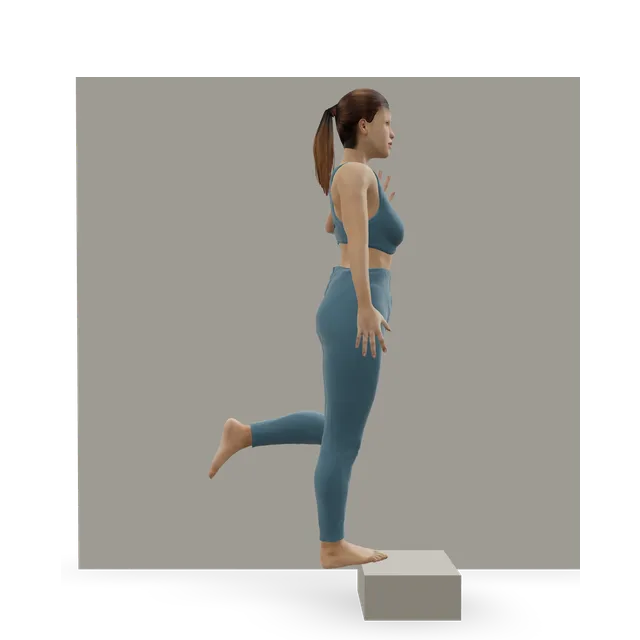
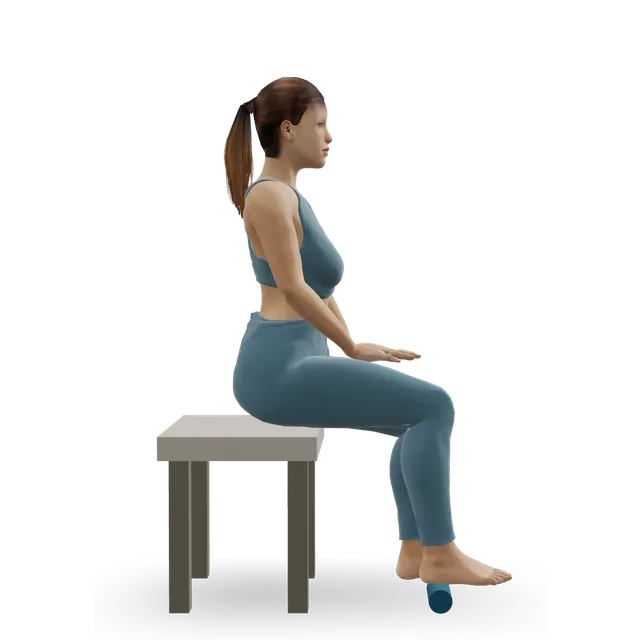
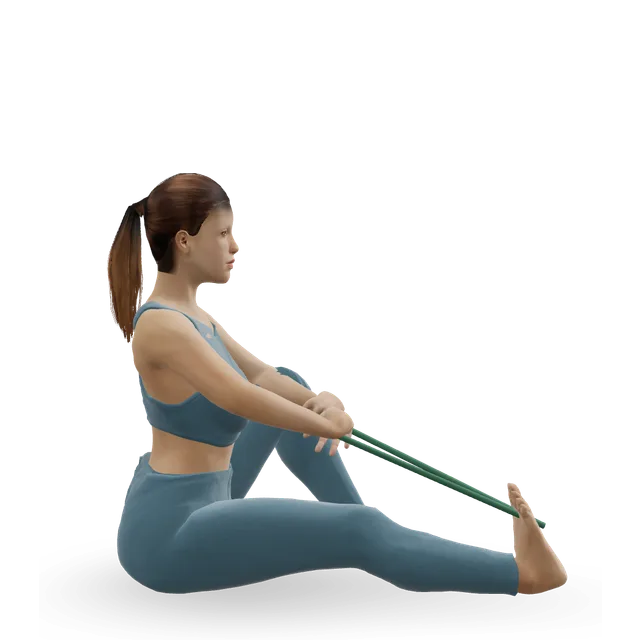
Moves that help heel pain
From our plantar fasciitis guide: stretch the sole before your first steps in the morning, load the heel every second day, and roll the sole only for comfort.
The heel routines follow the plantar fasciitis evidence; the others are for inflammatory joint conditions, alongside the treatment your specialist gives.
The NHS says to call 999 or go to A&E if any of these apply. Redness may be harder to see on black or brown skin. Do not drive to A&E. Ask someone to drive you or call 999 and ask for an ambulance.
You have a cut or wound, or red or swollen area of skin, that is much more painful than you would expect.
You have a cut or wound, or red or swollen area of skin, and get symptoms like a high temperature, headache, tiredness and muscle aches.
You have sudden confusion, feel dizzy, or feel like your heart is pounding, beating very fast, fluttering or missing a beat.
You have black, purple or grey blotches or blisters near a cut or wound, or a red or swollen area of skin.
Ask for an urgent GP appointment or get help from NHS 111 if your skin is painful, hot and swollen.
Call 999 or go to A&E if you have cellulitis with a very high temperature or you feel hot, cold or shivery, a fast heartbeat or fast breathing, purple patches on your skin, feeling dizzy or faint, confusion or disorientation, cold, clammy or pale skin, or unresponsiveness or loss of consciousness.
Swollen, stiff joints in several fingers or both hands, with morning stiffness lasting more than 30 minutes. NICE asks GPs to refer suspected rheumatoid arthritis urgently when the small joints of the hands or feet, or more than one joint, are affected, or there has been a delay of 3 months or longer between the symptoms starting and seeking medical advice, even if blood tests are normal.
Joint pain, stiffness and swelling that keep coming back, or a swollen toe or finger: see a GP, even if you don't have psoriasis. It can be psoriatic arthritis, which a specialist (a rheumatologist) treats.
Pain where tendons attach to the heel with no clear mechanical cause that lasts, is in several places, or comes with back pain without a clear cause, psoriasis, inflammatory bowel disease, eye inflammation (uveitis), a recent gut or urinary infection, or a close relative with spondyloarthritis or psoriasis: the National Institute for Health and Care Excellence (NICE) advises a rheumatologist's assessment for spondyloarthritis, a type of inflammatory arthritis.
Pain and stiffness in your shoulders, neck or hips for more than a week, especially stiffness in the morning that lasts more than 45 minutes, or with tiredness or weight loss. These can be signs of polymyalgia rheumatica, which is very rare under 50.
See a GP if heel pain is severe or stopping you doing normal activities, is getting worse or keeps coming back, or hasn't improved after 2 weeks of treating it at home.
"Fascia gets inflamed like a joint, and that's what most fascia pain is"Mixed evidence
Truly inflamed fascia is rare and named: eosinophilic and necrotising fasciitis. The common "fasciitis" in the heel showed wear without inflammation in surgical samples, and for knots, inflammation is only one idea among several.
"An anti-inflammatory diet or supplement heals fascia"Mixed evidence
We found no trial on fascia. Diet trials for chronic pain are of mixed quality, and in rheumatoid arthritis the evidence is low to very low quality and NICE says there is no strong evidence. Eating well is good for your health; it isn't a fascia treatment.
"Anti-inflammatories will cure plantar fasciitis"Mixed evidence
An anti-inflammatory tablet added nothing measurable in a small placebo-controlled trial, and steroid injections may help slightly for up to a month. Stretching and loading carry the evidence, as our plantar fasciitis guide explains.
"Rolling or fascia blasting reduces inflammation"Mixed evidence
One small study found massage lowered inflammatory signals in damaged muscle, but nothing shows rolling or blasting treats any fasciitis, and experts list inflamed tissue as a reason for caution with rolling. Our fascia blasting verdict covers the tools.
Yes, but it's uncommon. True inflammation of fascia happens in rare conditions such as eosinophilic fasciitis and in a serious infection, necrotising fasciitis. Everyday tightness and knots haven't been shown to be inflammation.
What does fasciitis mean?
Fasciitis means inflamed fascia. The common one, plantar fasciitis, mostly showed wear and breakdown rather than inflammation in surgical samples from long-standing cases, so some clinicians call it fasciosis or fasciopathy.
What are the symptoms of inflamed fascia?
It depends on the cause. Eosinophilic fasciitis brings painful swelling that becomes hard, thick skin over weeks. Necrotising fasciitis brings severe pain, red or swollen skin and flu-like illness that can worsen within hours, and needs a 999 call.
Is plantar fasciitis inflammation or degeneration?
In tissue removed during surgery from long-standing cases, researchers saw wear and breakdown without inflammation. That study looked at the hardest cases, so early heel pain may differ, but it fits with anti-inflammatory tablets adding little in a trial.
Do anti-inflammatories help plantar fasciitis?
Only a little. An anti-inflammatory tablet added nothing measurable to usual care in a small placebo-controlled trial, and steroid injections may slightly ease pain for up to a month. Stretching and strengthening carry the evidence, and painkillers can help with symptoms.
Does an anti-inflammatory diet help fascia?
We found no trial on fascia. Whole-food diets eased chronic pain a little in studies of mixed quality, and for rheumatoid arthritis NICE says there is no strong evidence that diet helps, though a Mediterranean pattern is reasonable.
Can fascia release reduce inflammation?
One small study found massage lowered inflammatory signals in damaged muscle, but nothing shows rolling, blasting or release treats any fasciitis. Experts list inflamed tissue as a reason for caution with rolling.
Is necrotising fasciitis the same as inflamed fascia?
No. It is a rare, life-threatening infection of the deeper layers of the skin that needs hospital treatment straight away. Call 999 or go to A&E if a wound or red, swollen skin is much more painful than you'd expect.
What is eosinophilic fasciitis?
A rare immune condition in which the fascia under the skin swells and thickens, usually treated with steroid medicines by a specialist. In one series, most people went into remission, and a delay of more than 6 months made a worse outcome more likely.
Do I need a detox for inflamed fascia?
No. We found no evidence of toxins in fascia, and UK advertising rules require robust evidence for detox claims.
When should I see a doctor about fascia pain?
Call 999 for a wound or red, swollen skin that is far more painful than expected. Get an urgent GP appointment or call NHS 111 for hot, swollen, painful skin, and see a GP for swollen, stiff joints with long morning stiffness, or skin that is thickening and hardening.
Movement education, not medical advice. Stop for sharp or increasing pain, numbness or tingling, and get individual advice if you are pregnant, after an injury or surgery, or managing a health condition. Health disclaimer.