The palm has its own tough fascia
The palmar fascia lies under the skin and over the tendons, anchoring the palm's skin so it doesn't slide when you grip. It is rich in nerve endings that help your hand sense its position.
Fascia guide
Your palm has its own tough layer of fascia, which anchors the skin so it doesn't slide when you grip. Gentle hand massage, finger glides and stretches can ease stiff, tired hands from typing or gripping for a while, but they don't change the fascia itself.
The honest headline: massage can't dissolve a Dupuytren's cord, and stretching or a splint won't stop one bending a finger. A hand surgeon can straighten the finger with a needle or an operation. Trigger finger is a tendon catching in its tunnel, not tight fascia.
This guide covers the palm's fascia, both conditions and who treats them, a 15-minute routine for stiff hands, and the hand symptoms that need checking.
The palmar fascia lies under the skin and over the tendons, anchoring the palm's skin so it doesn't slide when you grip. It is rich in nerve endings that help your hand sense its position.
It is common with age, usually painless and slow, and bends the ring and little fingers into the palm. Massage won't dissolve the cords: a 2024 review found only low-quality studies of hand therapy before surgery, and the only massage evidence was one case report.
A hand surgeon can divide the cord with a needle or remove it in an operation. A needle release is quicker to recover from, but the bend comes back sooner: in one trial, in 85% of hands after a needle and 21% after an operation at 5 years.
A thickened tendon catches at the entrance of its tunnel at the base of the finger. A splint for 6 to 10 weeks, a steroid injection or surgery are the tested treatments; massage and exercise haven't been tested in trials.
In hand osteoarthritis, exercise eased pain by about half a point out of 10, on low-quality evidence, and a tailored programme improved hand function in 490 people with rheumatoid arthritis. Daily self-massage eased hand pain for some weeks in one small trial.
Pain from repeated hand use usually settles with activity and changes to how you work; the NHS says not to rest it for more than a few days. Tingling and numbness point to a nerve, such as carpal tunnel syndrome, which needs its own plan.
US orthopaedic surgeons (AAOS) describe the palmar fascia as the fibrous layer under the skin and above the tendons, nerves, blood vessels and bones of the palm and fingers. Without it, they say, the skin of the palm would be as loose as the skin on the back of the hand. In samples from 16 cadaver arms, it held more free nerve endings and pressure sensors than the band across the wrist, and the authors concluded it is central to sensing the hand's position. Some of its fibres also help guide the finger tendons, working with the tendons' first tunnels (pulleys) to stop them bowstringing.
The palm's fascia thickens into lumps, dimples or ridges, then cords that slowly pull one or more fingers, mainly the ring and little fingers, into the palm. It is often in both hands, usually painless, and linked with family history, smoking, heavy drinking, diabetes and epilepsy. The cords look like tendons, but the tendons aren't involved. The tissue is driven by contractile scar-forming cells (myofibroblasts), which is why rubbing doesn't change it. Across 23 studies in Western countries, about 12% of people at 55, 21% at 65 and 29% at 75 had signs of it, though most never get a bent finger.
A finger or thumb gets stuck bent and clicks or pops as it straightens, often with pain in the palm and stiffness that's worse in the morning. It happens when a tendon thickens and catches at the first tunnel (the A1 pulley) at the base of the finger. It is a tendon and pulley problem, not a fascia one.
Common causes include osteoarthritis in later life, repeated gripping or typing, and a squeezed nerve such as carpal tunnel syndrome, which brings tingling, numbness or pain, often worse at night. Several swollen, stiff joints with long morning stiffness point to inflammatory arthritis instead, as the warning signs explain.
Mostly how the hand feels for a while. Dense fascia doesn't change shape at the forces hands can apply, and short-term gains in flexibility come mostly from tolerating more stretch. For stiff joints from other causes, stretching didn't give worthwhile gains in movement across 49 trials. For Dupuytren's, the British Dupuytren's Society says physiotherapy will not remove the nodules, and warns that stretching too hard can injure the fascia.
Very rarely, both palms thicken and the fingers stiffen over weeks, with painful, swollen finger joints, as a sign of illness elsewhere in the body; in 121 reported patients, a cancer was found a median of 4 months later. It is very uncommon, but stiffening like this is worth showing a GP.
Source 24
In 46 adults with hand pain, a weekly massage from a therapist plus daily self-massage for 4 weeks eased pain and raised grip strength more than standard care. It is one small trial without blinding. We found no trial of rolling the palm.
Source 14
A 2024 review of hand therapy before surgery found 17 studies, mostly case reports and case series, all of low quality; the only massage study was one case report of a therapist's friction massage and stretching. NHS England's guidance says splinting hasn't been shown to work for established contractures, and AAOS warns that forceful stretching of a bent finger "is not helpful and, in fact, could cause an injury". Stretching didn't give worthwhile gains for stiff joints across 49 trials of other conditions.
The NHS lists three treatments from a specialist: a needle release (needle fasciotomy, recovery up to 2 weeks), an operation to remove the tissue (fasciectomy, 4 to 12 weeks) and an operation that also replaces the skin (dermofasciectomy). In 115 hands, the bend had come back in 84.9% after a needle against 20.9% after an operation at 5 years, and across 10 prospective studies (1,411 people) it came back in 46.4%, 32.5% and 16.5% after a needle, an enzyme injection and an operation. The enzyme injection (collagenase) was withdrawn in the European Union from March 2020.
A splint holding one finger joint for 6 to 10 weeks reduced pain with moderate to large effects, with reported success up to 97% in short-term studies, best when worn full time. A steroid injection with local anaesthetic beat the anaesthetic alone at 4 weeks in 2 small trials (63 people). Surgery cut the return of triggering at 6 to 12 months (8 of 140 people against 50 of 130 after an injection) but caused more palm pain in the first week. We found no trial of massage or exercise.
In hand osteoarthritis, exercise reduced pain by 0.5 points out of 10 (5 trials, 381 people), improved function a little and reduced finger stiffness by 0.7 points out of 10, on low-quality evidence, and the benefit hadn't lasted at later follow-ups.
Source 12
In 490 adults with rheumatoid arthritis, a tailored strengthening and stretching programme from a physiotherapist or occupational therapist improved hand function more than usual care at 12 months, at low cost. The National Institute for Health and Care Excellence (NICE) suggests considering such a programme once medicines are stable.
NICE considers manual therapy only for hip or knee osteoarthritis, alongside exercise, and says there isn't enough evidence for it on its own. For hands, exercise is the core treatment.
Source 30
No trial has tested palm rolling, hand fascia release or massage for Dupuytren's or trigger finger. We read the studies' summaries (abstracts), except the 2024 Dupuytren's review, which we read in full.
The tendon glide dose is its move page's, from an NHS hand-therapy leaflet, and the forearm roll dose is its move page's, which it calls an editorial starting point. The wrist stretch and ball squeeze doses are from the Chartered Society of Physiotherapy's carpal tunnel exercise advice. The warm-up, palm massage and band doses are our editorial starting points. Exercise keeps hands moving and strong; it doesn't change a Dupuytren's cord. No trial has tested this sequence.
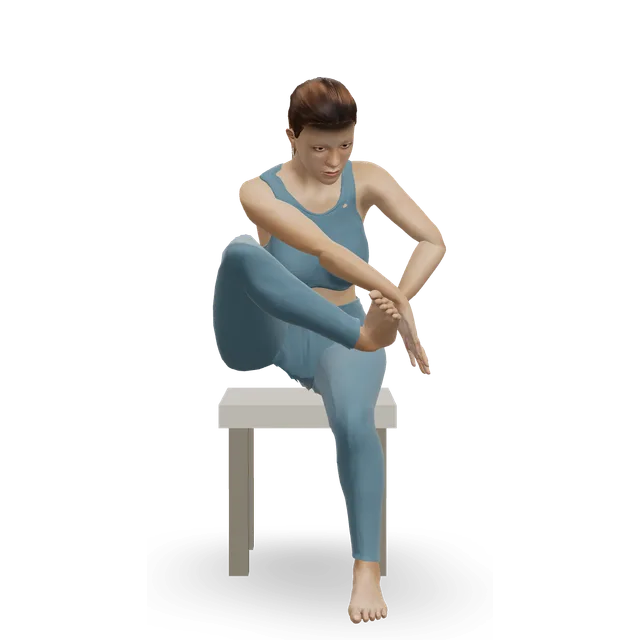
Loading the 3D figure…
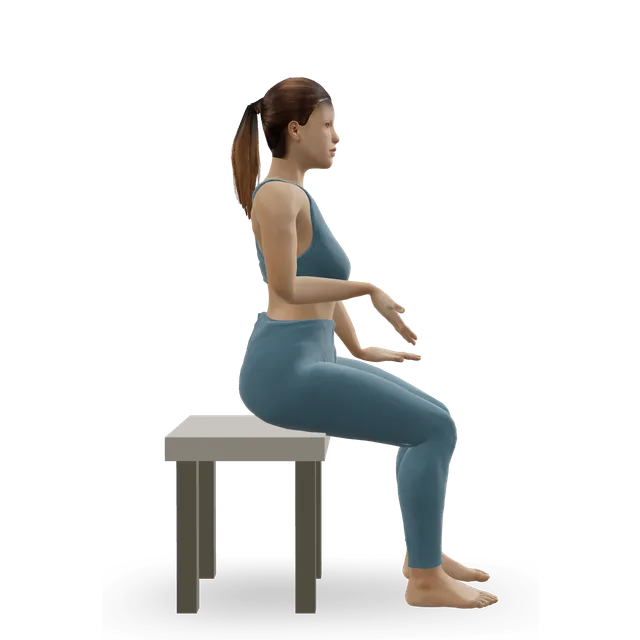
The movement on the figure: Tendon glides (hand tendon gliding exercises)
Each dose names its source or is our editorial starting point. Doses are starting points, not prescriptions.
4 to 6 of each position, holding each for 5 seconds, up to 4 times a day: the move page's dose, from an NHS hand-therapy leaflet. They shouldn't hurt, though the fingers may feel stretched.
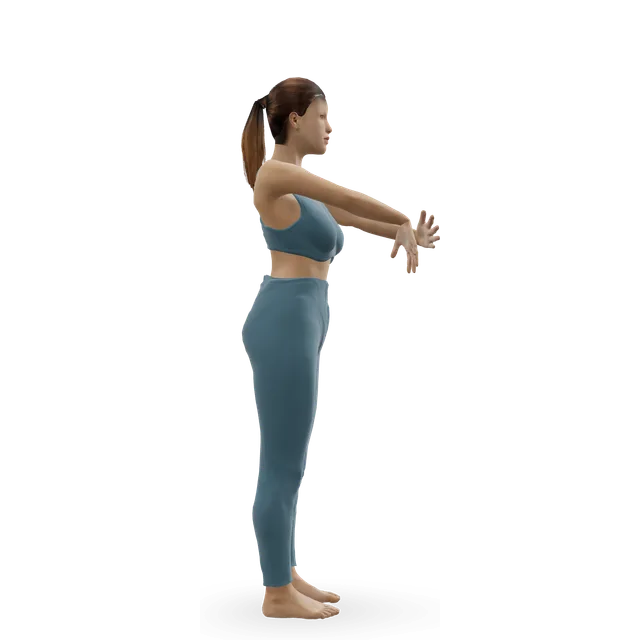
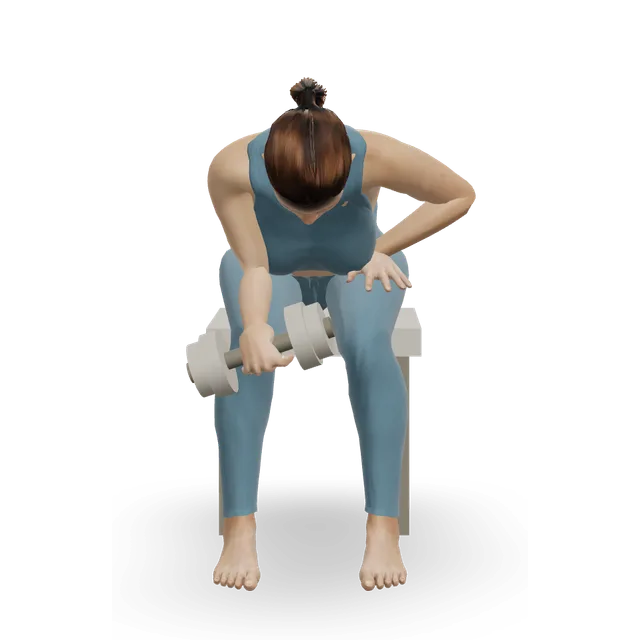
The Chartered Society of Physiotherapy's wrist stretches: hold each direction for 15 to 30 seconds, 3 times each wrist, plus finger bends held for 5 seconds, 3 sets of 10. The wrist extensor stretch, 3 holds of 30 seconds, is its move page's dose, from an NHS Scotland booklet.
Source 20
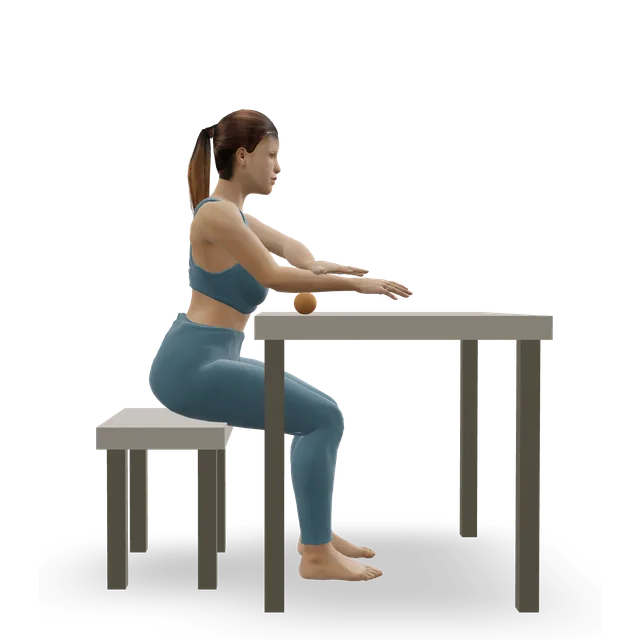
A soft ball squeeze for 5 seconds, 10 times, 3 sets, the Chartered Society of Physiotherapy's dose, and band finger extensions, 2 sets of 10, our editorial starting point. Two or three sessions a week is our editorial starting point for strength work. Skip hard squeezing with trigger finger, and pad tender Dupuytren's lumps with a glove or thicker handles.
A minute of slow, light thumb circles on each palm, once a day, is our editorial starting point; the hand massage trial used daily self-massage. Keep pressure off the front of the wrist, where a nerve runs close to the surface.
Keep active, take regular breaks, and talk to your employer about changing how you work, as the NHS advises for repetitive strain. Cutting down on hard gripping and vibrating tools helps carpal tunnel syndrome, and a wrist splint at night is the NHS's first step for it.
Slow, gentle movements: the tendon glides for stiff fingers, and the median nerve glide only for tingling in the thumb side of the hand.
45 to 60 seconds a side, the move page's dose, kept off the bony wrist and the inner elbow.
Hold to a gentle pull, never forcing a bent or locked finger.
Start light and build up over weeks; leave squeezing out while a finger is catching.
The wrist and forearm routine and the arm release routine cover the forearm end; the rheumatoid arthritis hand exercises follow the programme from the trial of 490 people.
Wrist mobility and forearm strength for desk work, climbing, push-ups and handstands.
10 minBeginner7 movesA wall, A dumbbellA 20-minute grip session: warm up the wrists and fingers, train the hand and forearm muscles, then carry and hang to load your grip the way everyday life does.
20 minBeginner10 movesOther / check instructions, A bandTight, tired forearms from typing, gripping or lifting: a minute of ball rolling each arm, stretches for the forearms and upper arms, then wrist strength work.
12 minBeginner7 movesA massage ball, A wallThe daily stretches and strengthening moves from the SARAH hand trial and NHS hand therapy leaflets: finger bends, finger walking, wrist circles, squeezes and pinches.
15 minBeginner7 movesA dumbbell, A bench or boxA 20-minute yoga class for wrists: a gentle warm-up, poses with the hands free, then weight through the hands in stages, from a wall to all fours to the forearms.
20 minBeginner18 movesA wall, Other / check instructionsA 15-minute massage ball routine for desk-tired feet, forearms and chest: slow pressure on each, then the stretch that goes with it. No floor needed.
15 minBeginner8 movesA massage ball, A bench or boxPut your hand palm down on a flat table and let your palm and all your fingers lie flat without pressing them down. If your palm or any finger can't lie flat, see a GP: NHS England's guidance says treatment is usually offered when the hand can't be put flat on a table.
A GP can refer you to a hand surgeon, who will talk through a needle release or an operation. It doesn't usually need treatment in the early stages, and it can come back after treatment. Hand therapy after treatment helps you use the hand again, and the British Dupuytren's Society suggests padded gloves for tender lumps. Our Dupuytren's guide covers each option and the exercises after treatment.
It can get better on its own. The NHS options are cutting down on what makes it worse, painkillers, a splint, steroid injections, and surgery if those don't work. Never force a locked finger straight; our trigger finger guide has gentle glides and a splint plan.
Source 9
Tingling, numbness or pain in the hand and fingers, sometimes with a weak thumb, often worse at night, comes from pressure on a nerve at the wrist. The NHS suggests a wrist splint at night and cutting down on hard gripping first; see a GP if it's getting worse or not going away. Our carpal tunnel guide compares the treatments.
Source 31
AAOS warns that forceful stretching of a bent Dupuytren's finger could injure it, and the British Dupuytren's Society says stretching should never be painful. Never force a locked trigger finger straight either; ease it gently after warming the hand.
Keep the pressure light, or ask your doctor first, if you take blood thinners, which make bruising more likely, or have a nerve condition such as peripheral neuropathy that leaves the hands numb: the NHS lists these among the reasons hands-on treatment such as osteopathy may not be safe. Skip massage balls, guns and scraping tools on thin, fragile skin, for example after long-term steroid tablets (our suggestion).
Carpal tunnel syndrome is more likely in pregnancy and often gets better by itself in a few months. Gentle glides and a night splint are reasonable; tingling that keeps coming back still needs a check.
Source 16
Call 999, even if it passes: sudden weakness or numbness in one arm, with a drooping face or slurred speech. These are signs of a stroke.
Source 35
After a needle release or surgery: the wound becomes red, hot, more swollen or more painful, oozes, smells, or you have flu-like symptoms or a high temperature. Contact the unit that treated you or your GP the same day, or NHS 111 out of hours. In the first 24 hours, phone the ward or unit you were treated in.
Source 3
We found no trial, and the only massage study is one case report. The British Dupuytren's Society says physiotherapy will not remove the nodules. The cords are dense tissue driven by scar-forming cells; a needle release or an operation is what straightens the finger.
NHS England's guidance and AAOS say splints haven't been shown to stop it, and forceful stretching can injure the finger. Stretching gave no worthwhile gains for stiff joints across 49 trials of other conditions.
It is a thickened tendon catching at its tunnel. Splints, steroid injections and surgery are the tested treatments, and there are no massage trials.
Repetitive strain and squeezed nerves are the usual causes. Keep active, change how you work, and get tingling or numbness checked.
Grip work is part of hand arthritis programmes, with small effects. It isn't a treatment for trigger finger or carpal tunnel syndrome, and hard squeezing can bring on triggering.
Source 12
Yes. The palmar fascia lies under the palm's skin and anchors it so it doesn't slide when you grip. It is full of nerve endings that help your hand sense its position.
No. We found no trial, the only massage study is a single case report, and a patient charity says physiotherapy won't remove the nodules. A hand surgeon can straighten a bent finger with a needle release or an operation.
It can keep the rest of your hand moving, but it won't straighten the cord or stop it worsening, and forcing a bent finger can injure it. Do the tabletop test about once a month and see a GP when your hand won't lie flat.
A needle release, where the cord is divided with a needle under local anaesthetic, or an operation to remove the thickened tissue, sometimes with a skin graft. A GP refers you to a hand surgeon, who will explain the trade-off: a needle is quicker to recover from, but the bend comes back sooner.
No. It is a thickened tendon catching at the entrance of its tunnel at the base of the finger. A splint, a steroid injection or, if needed, surgery are the tested treatments.
Gentle massage and warmth may feel good, but we found no trial of them; the NHS options are a splint, steroid injections and, if those fail, surgery. Never force a locked finger straight, and leave hard gripping until it stops catching.
Tendon glides, wrist stretches held for 15 to 30 seconds, and gentle finger bends are a good start. In hand osteoarthritis, exercise eased pain and stiffness a little, on low-quality evidence.
Roll your forearms, glide your fingers and stretch your wrists, take regular breaks, and change how you work. The NHS says to keep active and not to rest a sore hand for more than a few days.
It may ease pain for a while: in one small trial, weekly massage plus daily self-massage eased hand pain and improved grip over 4 weeks. Exercise has more evidence, and NICE suggests a tailored hand programme for rheumatoid arthritis.
Gently, yes, but keep pressure off the front of the wrist, where a nerve runs close to the surface, and off hot, swollen joints or tender lumps. Take extra care if you take blood thinners or have fragile skin.
Get help the same day for lost feeling in your hand, or a red, swollen, throbbing finger after a cut or splinter. See a GP if a bent finger stops your hand lying flat, for pins and needles that keep coming back, or for swollen, stiff joints in both hands.
Movement education, not medical advice. Stop for sharp or increasing pain, numbness or tingling, and get individual advice if you are pregnant, after an injury or surgery, or managing a health condition. Health disclaimer.